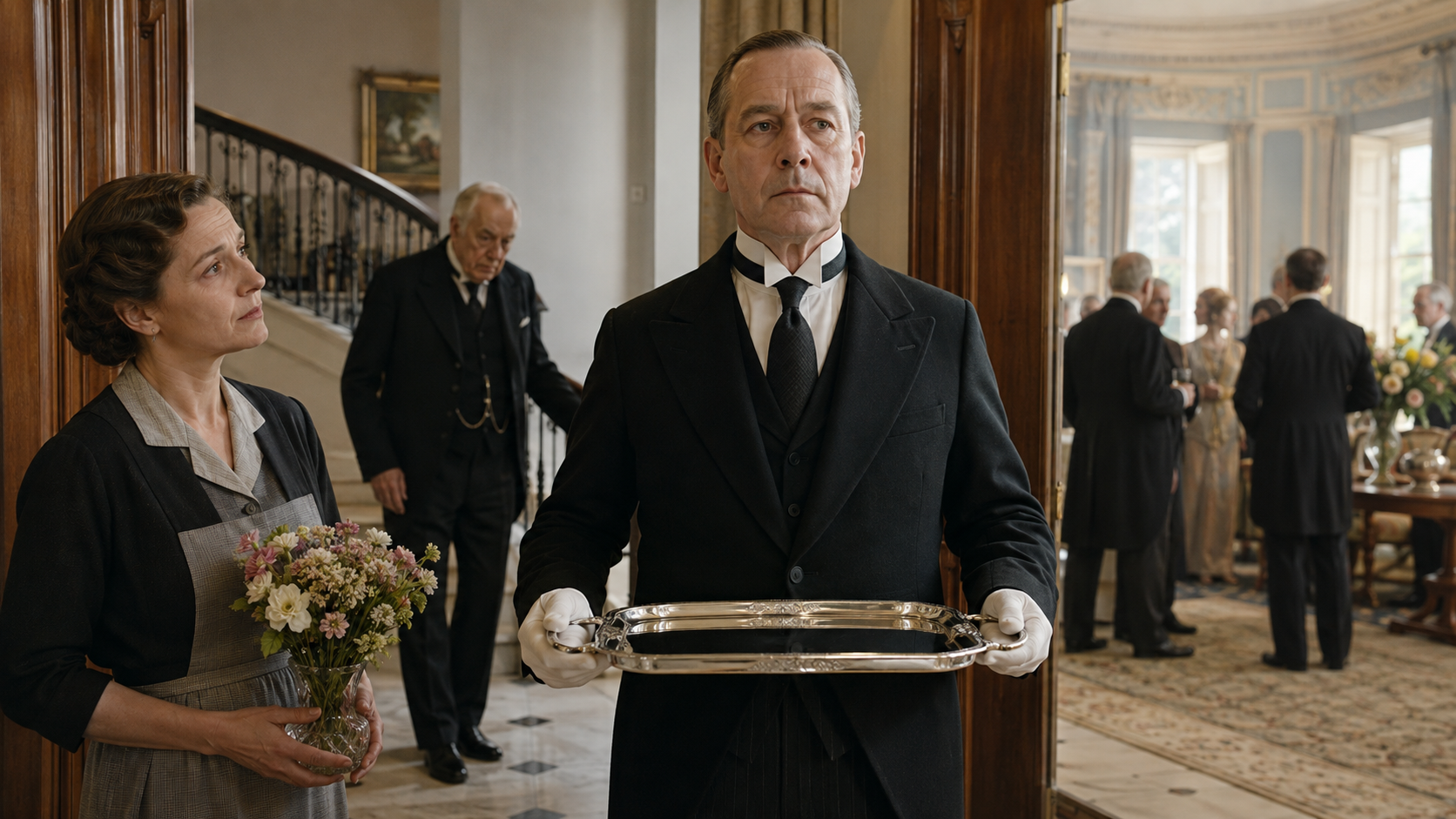
In this The Remains of the Day character analysis, we look at the people who shape Kazuo Ishiguro’s quiet, painful novel. The focus is on motives, conflict, and the choices that make the ending feel so powerful.
This guide is useful for discussion posts, essays, and quote-based analysis.
In this Guide
Use these sections to move from plot facts to stronger character claims.
- Why Stevens matters most
- What drives Stevens
- Miss Kenton’s role
- Lord Darlington’s influence
- Farraday and change
- Main conflicts
- Minor characters
- Essay tips and related books
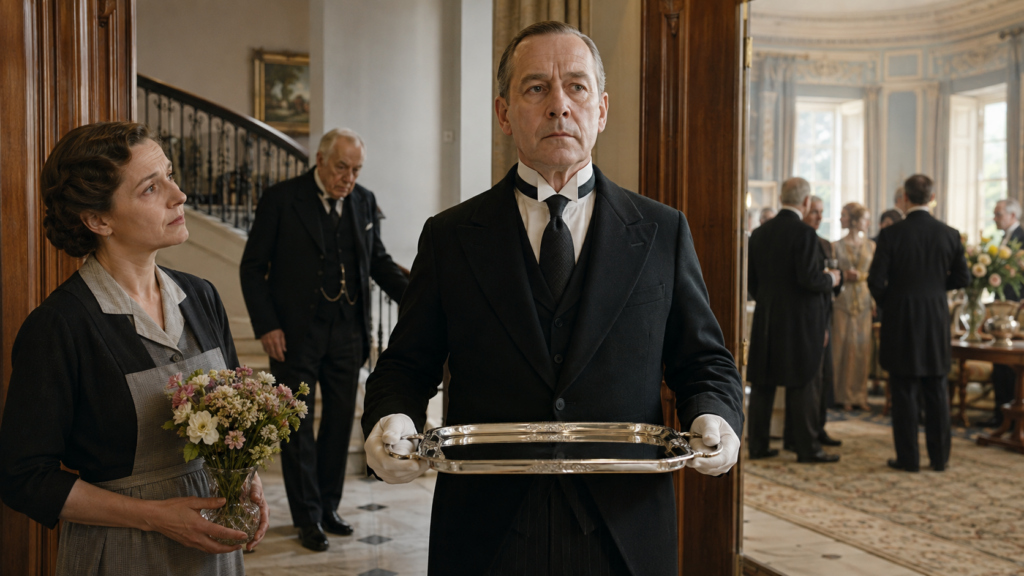
The Remains of the Day Character Analysis: Why Stevens Matters
Stevens is the center of the novel because his voice controls what readers know.
A strong The Remains of the Day character analysis starts with Stevens as an unreliable narrator. He tells his life story with care, but he hides pain from himself. He often calls his choices professional, even when they cost him love or moral judgment.
Stevens believes that a great butler must show dignity. To him, dignity means self-control, loyalty, and no public emotion. The problem is that he takes this idea so far that it traps him.
Readers can compare Stevens to Nick Carraway in The Great Gatsby. Both men tell a story from memory, and both leave gaps. Yet Stevens is more closed off because he has spent his whole life turning feeling into duty.
Stevens’s Main Motivation: Dignity at Any Cost
Stevens wants to believe his life had meaning, so he clings to service as proof.
His greatest motive is the wish to be a perfect butler. He wants to serve a “great gentleman” and take part in important history from behind the scenes. This gives him pride, but it also makes him blind.
When his father becomes weak and ill, Stevens still chooses work. During a major event at Darlington Hall, he keeps serving guests instead of staying near his dying father. He later presents this as a test of dignity.
That scene is key in The Remains of the Day character analysis because it shows the cost of Stevens’s code. His self-control looks noble on the surface. Under it, he avoids grief.
Stevens also uses language to protect himself. He says little, corrects himself often, and avoids direct blame. His careful speech reveals a man who fears emotional truth.
The Remains of the Day Character Analysis: Miss Kenton and Emotional Honesty
Miss Kenton matters because she sees the feeling Stevens refuses to name.
Miss Kenton, later Mrs. Benn, is warm, sharp, and morally alert. She works as housekeeper at Darlington Hall and often challenges Stevens. She notices when he hides behind rules.
This part of The Remains of the Day character analysis often centers on their missed romance. Miss Kenton tries to build closeness through small acts. Stevens responds with formality.
One famous pattern is their private talks about flowers, rooms, and household staff. These moments should lead to honesty. Instead, Stevens treats them like work problems.
Miss Kenton is not just a love interest. She is a mirror. Through her, readers see what Stevens could have been if he had chosen human connection over perfect service.
Her later life also adds sadness. She leaves Darlington Hall, marries, and builds a life away from Stevens. By the time Stevens understands what he lost, the past cannot be fixed.
Lord Darlington: Power, Class, and Moral Failure
Lord Darlington shapes Stevens’s life because Stevens builds his identity around serving him.
Lord Darlington is an English aristocrat with status and influence. Stevens sees him as noble for much of his life. Over time, readers learn that Darlington supported dangerous political causes and trusted the wrong people.
Stevens’s loyalty becomes a moral problem. He wants to believe Darlington was honorable, so he avoids facing the harm tied to the household. This makes the novel about more than private regret.
In The Remains of the Day character analysis, Darlington helps reveal the danger of blind service. Stevens gives up his own judgment because he thinks his role is to obey.
This is one reason the novel works well in AP Literature essays. It connects personal conflict with history, class, and responsibility.

Mr. Farraday and Doctor Carlisle: Change Outside Darlington Hall
These characters show Stevens that the old world has changed.
Mr. Farraday, the American owner of Darlington Hall, is informal and playful. He jokes with Stevens and expects a more relaxed kind of service. Stevens struggles because he does not know how to adjust.
Farraday highlights the gap between old English formality and a newer social world. Stevens’s discomfort with banter is small, but it points to a larger fear. His whole way of life may no longer matter.
Doctor Carlisle helps Stevens face reality near the end of the trip. He suspects Stevens once served at Darlington Hall and sees through some of Stevens’s careful claims. Carlisle gives readers a more grounded view of Stevens.
For students, The Remains of the Day character analysis should treat these figures as more than side characters. They test Stevens’s story and show the pressure of change.
The Remains of the Day Character Analysis: Core Conflicts
The novel’s conflicts are quiet, but they cut deep.
The biggest conflict is duty versus feeling. Stevens wants to be professional, but that goal blocks love, grief, and honest speech. His conflict is mostly internal.
Another conflict is loyalty versus conscience. Stevens believes loyalty is a virtue. Yet loyalty to Lord Darlington keeps him from judging serious moral failure.
The best The Remains of the Day character analysis also looks at memory versus truth. Stevens tells the past in a controlled way. As the novel moves on, his story cracks.
This conflict is like what we see in many first-person novels. A narrator may speak with confidence while the reader slowly sees what the narrator cannot admit.
Minor Characters Who Matter
Small roles help reveal the pressure placed on Stevens.
Stevens’s father is one of the most important minor characters. He represents the old standard of service that Stevens worships. His decline forces Stevens to choose between family love and public duty.
The former Jewish maids also matter. When Lord Darlington dismisses them, Miss Kenton is disturbed. Stevens avoids moral protest, which shows his loyalty has limits in the wrong direction.
The villagers Stevens meets on his trip offer a different view of dignity. They value honesty and civic voice. Stevens, by contrast, has spent his life outside direct public action.
These minor figures make The Remains of the Day character analysis richer because they reveal what Stevens misses.
How to Use The Remains of the Day Character Analysis in Essays
Good essays connect character choices to the novel’s larger ideas.
Do not just say Stevens is repressed. Explain how Ishiguro shows repression through speech, memory, and missed chances. Use short quotes that reveal his self-control or denial.
A strong thesis might argue that Stevens’s idea of dignity gives his life structure but also destroys his chance at love and moral clarity. That kind of claim links character to theme.
If you need a step-by-step method, read our guide on how to analyze characters in literature. It can help you turn notes into a clear essay plan.
You can also use our quote-based character analysis study tool to organize claims, evidence, and commentary before you draft.
Helpful Context for Readers
Author background can help, but the text should still lead your analysis.
Kazuo Ishiguro is known for narrators who reveal truth slowly. You can learn more about his life and major works through Britannica’s overview of Kazuo Ishiguro.
The Nobel Prize site also offers useful context on his style and themes: Kazuo Ishiguro facts from Nobel Prize.
Use context to support your reading, not replace it. The strongest The Remains of the Day character analysis still depends on close attention to scenes and language.
Relevant Books to Read Next
These books pair well with Ishiguro’s novel for class study or independent reading.
- The Remains of the Day by Kazuo Ishiguro
- Never Let Me Go by Kazuo Ishiguro
FAQ: The Remains of the Day Character Analysis
These quick answers can help with study sessions and class prep.
Who is the most important character in The Remains of the Day?
Stevens is the most important character. His memory, voice, and self-deception shape the whole novel.
What motivates Stevens?
Stevens is motivated by dignity and service. He wants to believe that perfect loyalty gives his life meaning.
Why is Miss Kenton important?
Miss Kenton reveals Stevens’s emotional limits. She also shows the life he might have had if he had chosen honesty.
What is the main conflict in the novel?
The main conflict is duty versus feeling. Stevens’s loyalty to work keeps him from love and moral courage.
How can I write a strong essay about these characters?
Focus on one clear claim. Then use quotes that show how a character’s words, choices, and silence reveal theme.
Key Takeaway
The Remains of the Day character analysis shows that Stevens’s tragedy is not loud. It comes from small choices, careful words, and a life spent hiding from the truth.