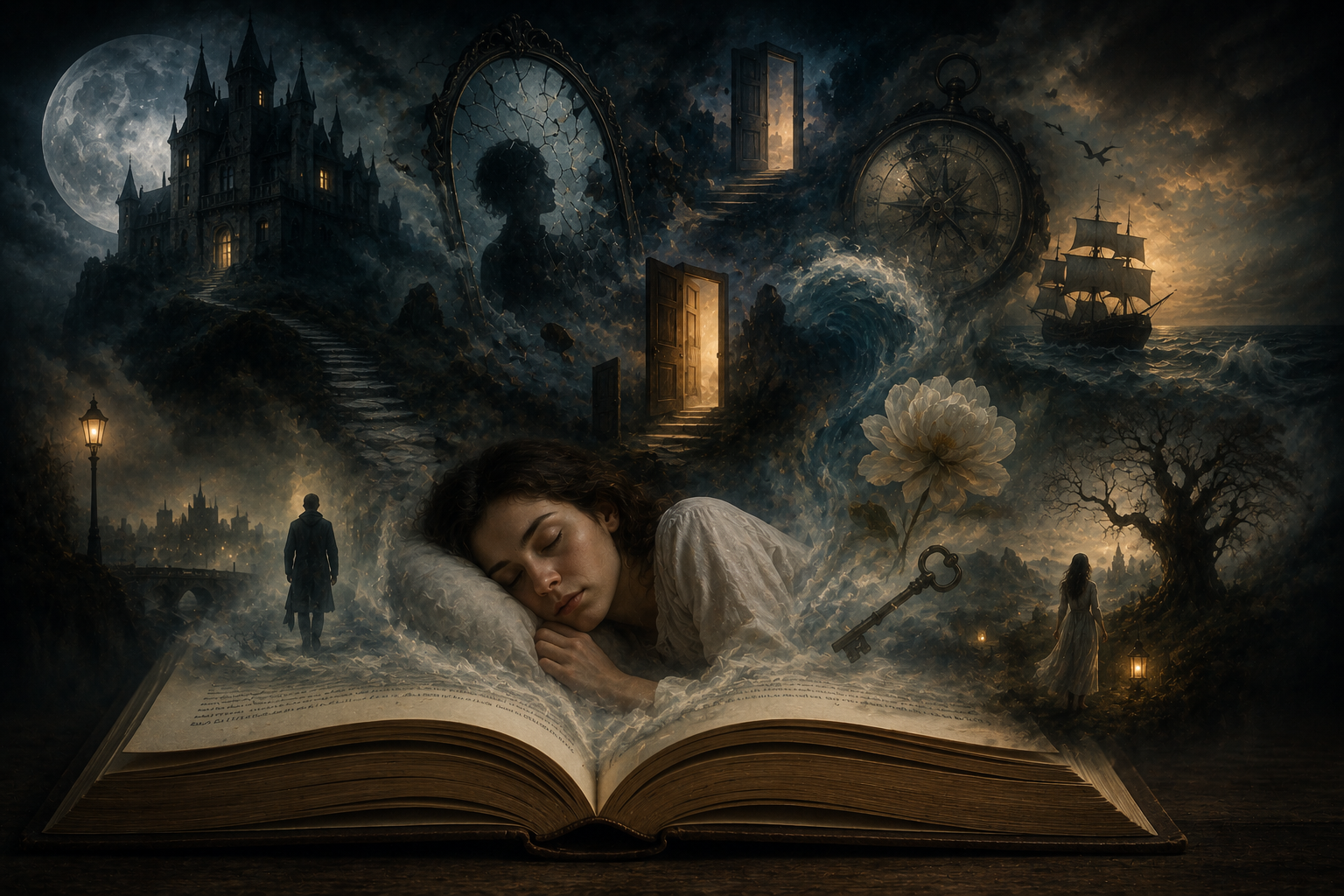
Some stories feel powerful because they speak in images, dreams, colors, and objects. This guide to Books Every Dreams and Symbolism helps students spot deeper meaning in literature without feeling lost.
Dreams and symbols can turn a simple scene into a clue about fear, hope, guilt, or change. Once you learn what to notice, many classic books become easier to understand.
In this Guide
- What dreams and symbolism mean in literature
- Books Every Dreams and Symbolism Reader Should Study
- Famous examples from novels, plays, and poems
- Recommended books for students
- Common themes linked to dreams and symbols
- FAQs and key takeaway
What Books Every Dreams and Symbolism Reader Should Understand
Dreams and symbols help writers show what characters may not say out loud.
In literature, a dream often reveals hidden fear, desire, or guilt. It may not be “real” in the plot, but it can still tell the truth about a character’s mind.
A symbol is an object, place, color, action, or image that means more than itself. A storm may show chaos. A locked door may suggest secrets. A bird may suggest freedom or escape.
This is why Books Every Dreams and Symbolism students study often feel layered. The surface story matters, but the hidden meaning gives the work its force.
If you want a simple method, read this guide on how to find symbolism in a story.
Why Books Every Dreams and Symbolism Matter in Literature
Symbols make stories richer without long explanations.
Writers use symbols because readers feel images before they explain them. A green light, a red room, or a strange dream can stay in your mind long after the plot fades.
Dreams can also break normal rules. They let a story move into memory, fear, or fantasy. This can show a truth that plain dialogue cannot.
For students, Books Every Dreams and Symbolism can improve close reading. You learn to ask better questions, such as “Why this image?” or “Why does this dream appear here?”
Famous Examples in Books Every Dreams and Symbolism Readers Love
Classic literature often uses symbols that seem small at first but grow in meaning.
In The Great Gatsby by F. Scott Fitzgerald, the green light is one of the most famous symbols in American literature. It stands for Gatsby’s dream, but it also points to the danger of chasing an ideal that may never come true.
Within Macbeth by William Shakespeare, dreams and visions show guilt and fear. Macbeth sees a dagger before he kills King Duncan. Lady Macbeth later imagines blood on her hands. These images reveal moral collapse.
In Alice’s Adventures in Wonderland by Lewis Carroll, dream logic shapes the whole story. Alice moves through a strange world where size, rules, and language shift. The dream setting helps explore identity and childhood confusion.
In Beloved by Toni Morrison, haunting images and memories show trauma. The novel uses symbols to make the past feel present, painful, and impossible to ignore.
Recommended Books Every Dreams and Symbolism Students Should Read
These books offer strong examples of dreams, symbols, and hidden meaning.
The Great Gatsby by F. Scott Fitzgerald
This novel is a strong choice for AP Literature and college classes. Its symbols include the green light, the valley of ashes, and Gatsby’s mansion.
The book asks a sharp question: What happens when a dream becomes more important than reality?
Alice’s Adventures in Wonderland by Lewis Carroll
This is one of the clearest examples of dream structure in fiction. The story feels playful, but it also raises questions about growth, logic, and identity.
Students can study how nonsense can still carry meaning.
Beloved by Toni Morrison
This novel uses memory, haunting, and symbols to explore pain after slavery. It is emotionally difficult, but it is one of the most important books in American literature.
Readers can look at the house, the ghost, and the character Beloved as symbols of trauma and history.
Common Themes in Books Every Dreams and Symbolism Readers Study
Dreams and symbols often connect to major themes in literature.
Desire is one of the most common themes. A dream may show what a character wants most, even if that wish is unsafe or impossible.
Guilt often appears through visions, stains, ghosts, or repeated images. In Macbeth, blood becomes a symbol of guilt that cannot be washed away.
Identity also appears in dream-like stories. When a character changes size, sees a double, or enters a strange place, the story may ask who that person really is.
Freedom can appear through birds, open roads, water, or windows. But the meaning depends on the story. A window may suggest escape in one book and loneliness in another.
For more practice, use this student-friendly guide to spot symbols in fiction.
How to Read Books Every Dreams and Symbolism Without Overthinking
You do not need to find secret meaning in every object.
Start with patterns. If an image appears once, it may be simple detail. If it appears many times, changes, or appears at a key moment, it may be symbolic.
Ask what the symbol does in the story. Does it create fear? Does it reveal a wish? Does it point to a conflict?
Context matters most. A rose can suggest love, but it can also suggest pain, beauty, secrecy, or death. The story decides the meaning.
Dreams, Symbols, and Literary Culture
Dreams and symbols are not just classroom topics. They shape how readers talk about books.
Fans still debate Gatsby’s green light because it means more than one thing. Shakespeare’s dream-like scenes still feel fresh because they reflect fear and ambition.
Many cultures also treat dreams as messages, warnings, or spiritual signs. Literature draws on these beliefs to make stories feel deep and mysterious.
For a broader look at dreams, Britannica offers a helpful overview of dreams as a sleep experience. For poetry terms, the Poetry Foundation has a useful glossary entry on symbol.
Books Every Dreams and Symbolism: Quick Student Tips
Good literary analysis starts with careful attention.
Mark repeated images as you read. Note where dreams appear and what happens right before or after them.
Look for contrast. A bright image in a dark scene may carry special meaning. A calm dream before violence may create tension.
Connect symbols to theme, not just plot. Instead of saying “the green light is important,” explain how it shows Gatsby’s hope and his failure to see Daisy clearly.
FAQs About Books Every Dreams and Symbolism
What does symbolism mean in literature?
Symbolism means that an object, image, place, or action stands for a larger idea. The meaning depends on the story and how the writer uses it.
Why do authors use dreams in books?
Authors use dreams to reveal fear, guilt, memory, or desire. Dreams can show what a character hides from others or even from themselves.
What are good Books Every Dreams and Symbolism students can start with?
Start with The Great Gatsby, Alice’s Adventures in Wonderland, and Macbeth. Each one gives clear examples of symbols or dream-like scenes.
How can I tell if something is a symbol?
Look for repetition, strong detail, and connection to theme. If an image keeps returning at key moments, it may be a symbol.
Can a symbol have more than one meaning?
Yes. Strong symbols often carry more than one meaning. The best answer uses evidence from the text.
Key Takeaway
Books Every Dreams and Symbolism readers study can make literature feel more alive. Dreams reveal hidden truths, while symbols turn simple details into lasting meaning.
When you read with care, you start to see how writers build deeper stories from images, patterns, and silence. That is where some of literature’s strongest power lives.