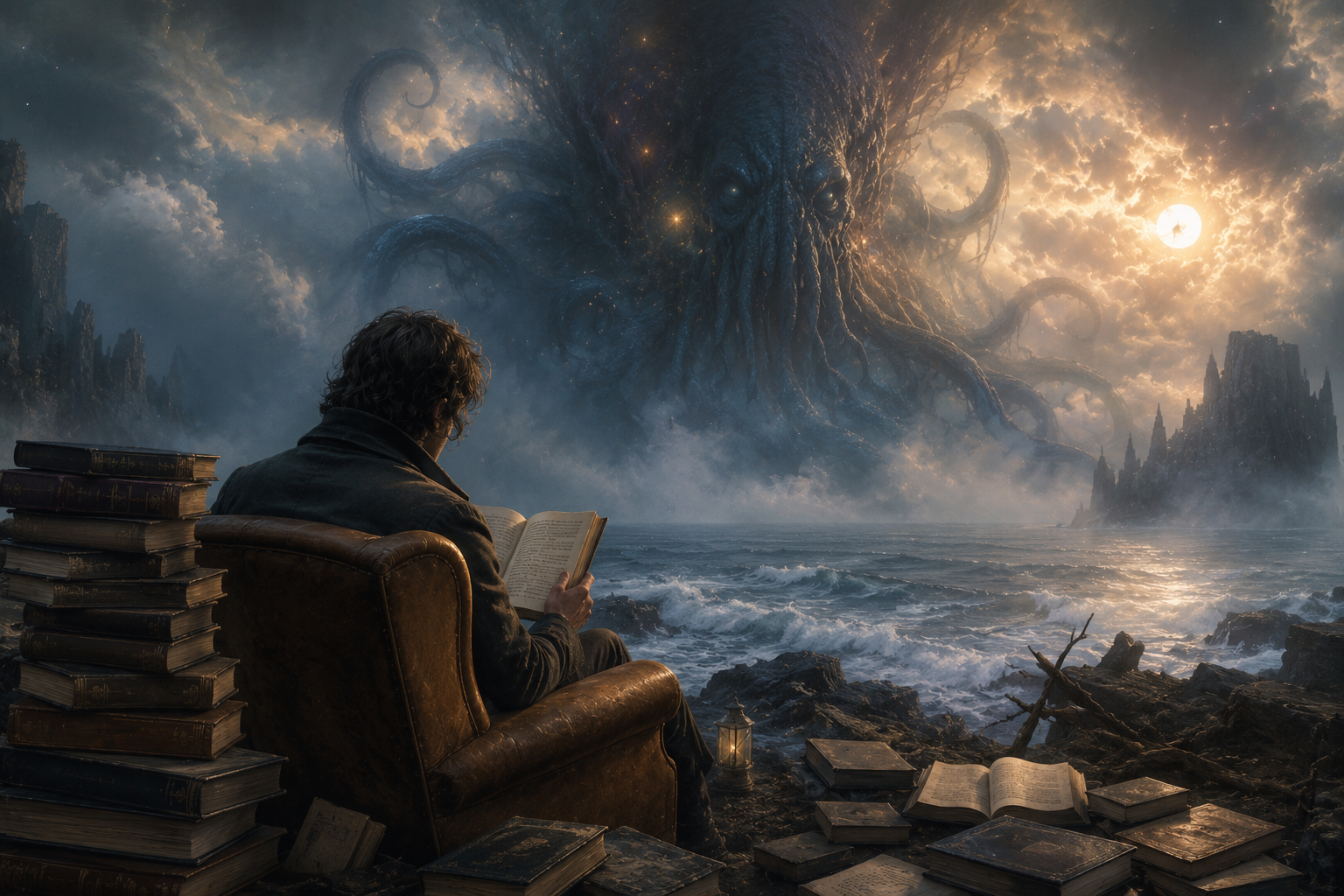
Books like Cosmic Horror appeal to readers who enjoy fear that feels huge, strange, and hard to explain. These stories do not just ask, “What is hiding in the dark?” They ask, “What if the universe does not care about us at all?”
If you like eerie settings, ancient secrets, and characters who face things beyond human understanding, this guide will help you find your next unsettling read.
In this Guide
- What makes cosmic horror different?
- Why books like cosmic horror still matter
- Recommended books like cosmic horror
- Major themes and symbols
- How to read cosmic horror in class
- FAQs
- Key takeaway
What Makes Cosmic Horror Different?
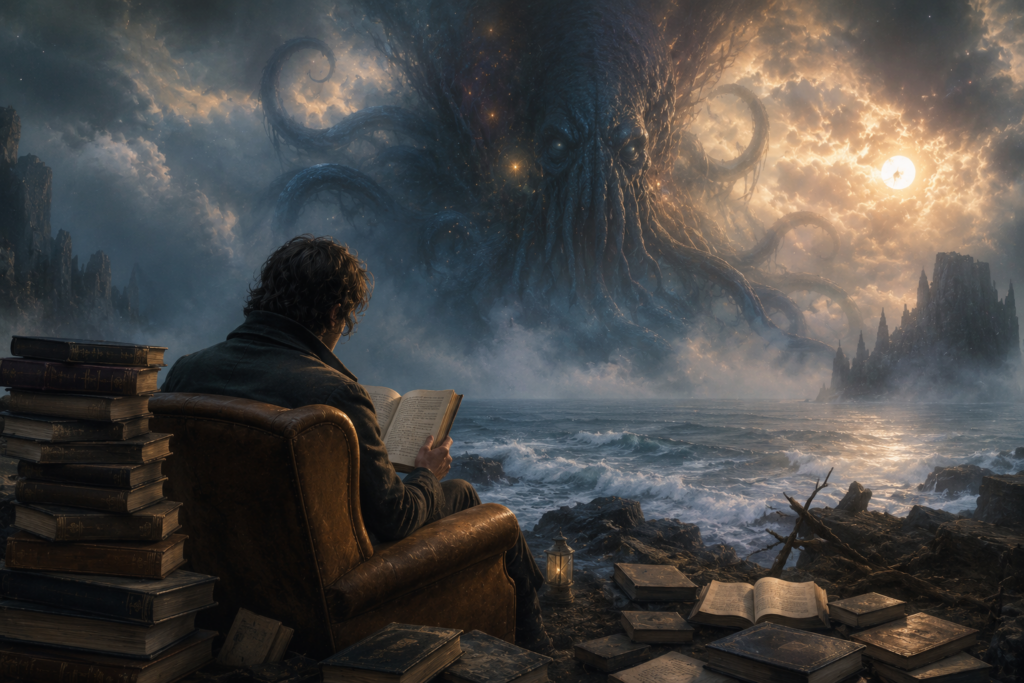
Cosmic horror is fear on a massive scale.
Most horror stories focus on threats we can understand. A vampire wants blood. A ghost wants revenge. A killer wants victims.
Cosmic horror is different because the danger often has no clear motive. The monster may not hate humans. It may not even notice them.
This type of horror often shows people facing ancient gods, strange worlds, or truths that break the mind. The scary part is not just death. It is the idea that human life may be small in a vast universe.
H. P. Lovecraft is often linked to this style. You can read more about his life and influence at Britannica’s overview of H. P. Lovecraft.
Why Books Like Cosmic Horror Still Matter
Books Like Cosmic Horror speak to fears that feel modern, even when the stories are old.
Students today live in a world shaped by science, space images, climate fear, and rapid change. Cosmic horror fits this mood because it explores what happens when knowledge does not bring comfort.
In many stories, characters search for answers. They study old books, decode strange signs, or visit forbidden places. The more they learn, the worse things become.
That idea can feel powerful in literature class. It turns the usual “knowledge is good” message upside down. In cosmic horror, some truths are too heavy to carry.
Books Like Cosmic Horror also connect to older Gothic works. For example, Dracula creates fear through corruption, secrecy, and invasion. If you are studying Gothic horror, this article on Count Dracula as a symbol of fear and corruption is a helpful companion read.
Best Books Like Cosmic Horror for Students
These books offer strange worlds, deep fear, and big questions about human limits.
Here are a few strong choices for readers who want Books Like Cosmic Horror without feeling lost on page one.
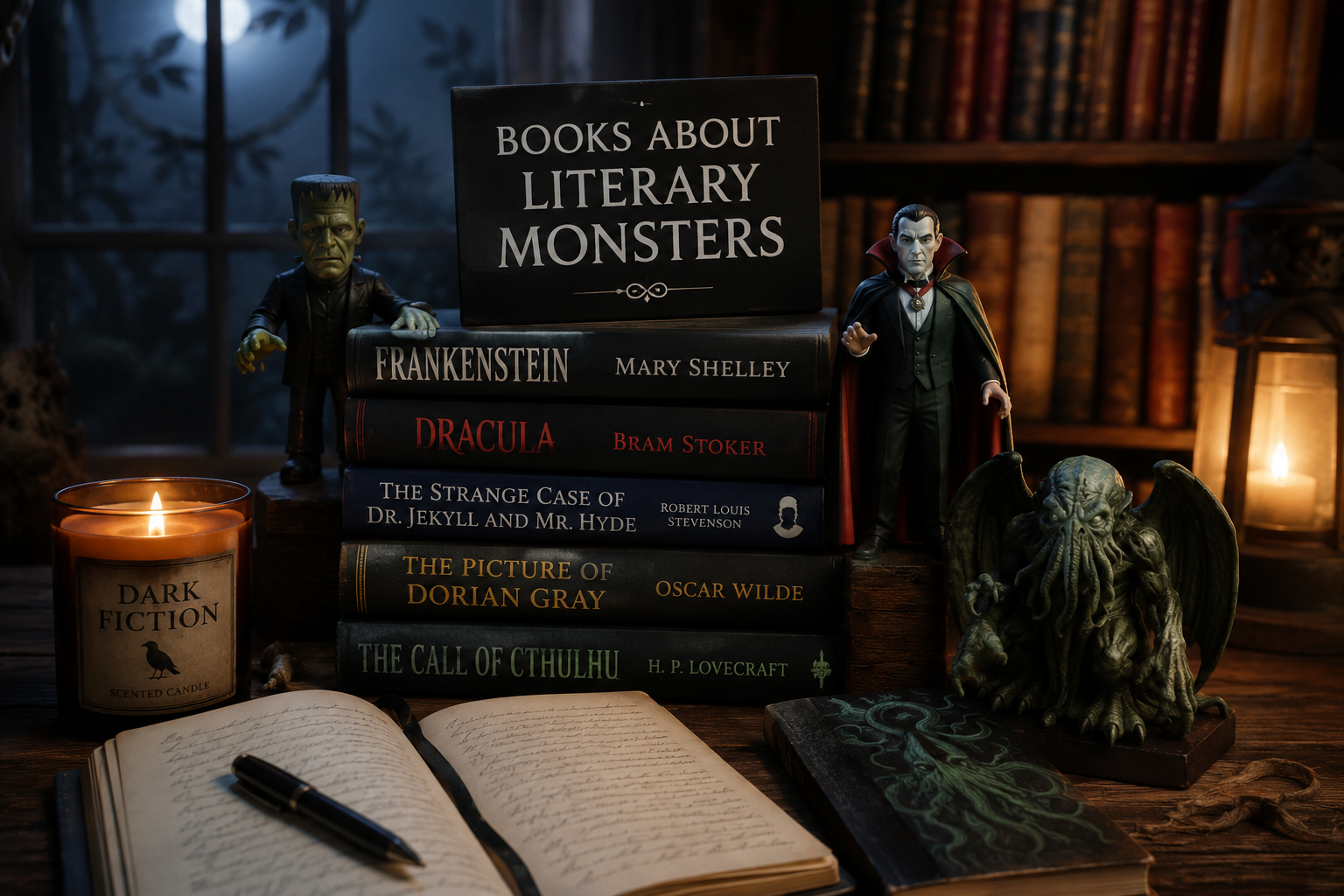
The Call of Cthulhu by H. P. Lovecraft
This short story is one of the most famous works of cosmic horror.
It follows clues about a strange cult and an ancient being named Cthulhu. The story builds fear through reports, dreams, and discoveries.
Lovecraft’s work is important to the genre, but readers should also know that his racism shaped parts of his writing. Many modern writers respond to his ideas while challenging his worldview.
Annihilation by Jeff VanderMeer
This novel feels like science fiction, horror, and mystery at the same time.
A group of scientists enters Area X, a strange zone where nature does not follow normal rules. The book is full of beauty, fear, and uncertainty.
It is a great pick for readers who want Books Like Cosmic Horror with a modern voice. The terror comes from not knowing what Area X is or what it wants.
The Fisherman by John Langan
This novel mixes grief, folklore, and cosmic dread.
Two men go fishing after personal loss, but their trip leads them toward a dark and ancient secret. The story grows from quiet sadness into something huge and terrifying.
It works well for readers who enjoy slow, layered horror. The emotional core makes the cosmic terror feel more personal.
Book Suggestions
If you want to build a small reading list, these are good places to start.
- Annihilation by Jeff VanderMeer
- The Fisherman by John Langan
Both books are easy to find through major booksellers, libraries, and classroom reading lists.









Themes That Define Books Like Cosmic Horror
Books Like Cosmic Horror often use fear to explore what humans cannot control.
Human Smallness
One major theme is the small place of humans in the universe.
Characters often think they are in control at first. Then they meet forces that make human plans seem weak.
This theme can connect to astronomy, deep time, and the ocean. Space and the sea both remind us that much of existence is beyond us.
Dangerous Knowledge
Cosmic horror often treats knowledge as a threat.
A character may find an old text, hear a forbidden name, or see a hidden truth. After that, normal life becomes impossible.
This is why books, symbols, and languages matter so much in the genre. They are not just tools. They are doors.
The Unseen Monster
Many horror stories show the monster clearly. Cosmic horror often hides it.
The reader sees signs instead: strange dreams, broken bodies, odd weather, or people who lose their minds. The unknown becomes scarier than any clear image.
This style links cosmic horror to writers like Edgar Allan Poe, who often built fear through mood and mental pressure. You can explore Poe’s work through the Poetry Foundation’s Edgar Allan Poe page.
Symbols Common in Books Like Cosmic Horror
Cosmic horror uses symbols that suggest hidden worlds under normal life.
The ocean often stands for depth, mystery, and things buried far below human sight. In many stories, the sea feels alive or ancient.
Old books often stand for forbidden knowledge. They suggest that the past holds truths people were not meant to find.
Stars often stand for distance and cold truth. They make characters feel watched, exposed, or painfully small.
Ruins often stand for lost civilizations. They suggest that humans may not be the first intelligent beings on Earth, and may not be the last.
How to Read Books Like Cosmic Horror in Class
Books Like Cosmic Horror can be rich material for essays and class discussion.
Start by asking what the story says about human limits. Does the character fail because they are weak, or because the truth is too large for anyone?
Look closely at setting. Cosmic horror often makes places feel wrong. A house, town, forest, or coastline may seem normal at first, then slowly become strange.
Track what characters know and when they know it. Many stories build tension by giving readers pieces of a mystery. The final picture is often worse than expected.
You can also compare cosmic horror with Gothic horror. Gothic works like Dracula often fear moral decay and social danger. Cosmic horror fears the universe itself. For more on Gothic fear, see this discussion of Dracula and corruption.
Why Modern Writers Keep Returning to Cosmic Horror
Modern authors use cosmic horror because it fits many real fears.
Climate change can feel huge and hard to stop. Technology can make people feel watched or replaced. Space exploration reminds us that Earth is only a tiny part of existence.
Writers also use the genre to question old ideas. Some modern cosmic horror focuses on people Lovecraft ignored or harmed through racist ideas. These stories ask who gets to fear the unknown, and who has already lived with danger.
That is why Books Like Cosmic Horror are not just monster stories. At their best, they show how fear changes when culture changes.
FAQs About Books Like Cosmic Horror
What are Books Like Cosmic Horror usually about?
They are usually about humans facing forces too vast to understand. These forces may be ancient gods, alien worlds, or truths that break normal reality.
Is cosmic horror the same as Gothic horror?
No. Gothic horror often focuses on haunted places, family secrets, or moral corruption. Cosmic horror focuses on the fear that humans are small in an uncaring universe.
What is a good first cosmic horror book?
Annihilation by Jeff VanderMeer is a strong first choice. It is modern, strange, and easier to enter than many older cosmic horror texts.
Why is Lovecraft still discussed if his views were harmful?
Lovecraft shaped the genre, so his influence matters. Still, readers should study his work with care and pay attention to how modern writers challenge his racism.
Can cosmic horror be used in AP Literature essays?
Yes, if the text has enough depth. Focus on theme, symbolism, setting, and character response to fear.
Key Takeaway
Books Like Cosmic Horror matter because they turn fear into a question about existence.
They ask what happens when humans search for truth and find something too large to bear. For students, that makes the genre more than scary. It becomes a powerful way to study knowledge, fear, and the limits of human control.