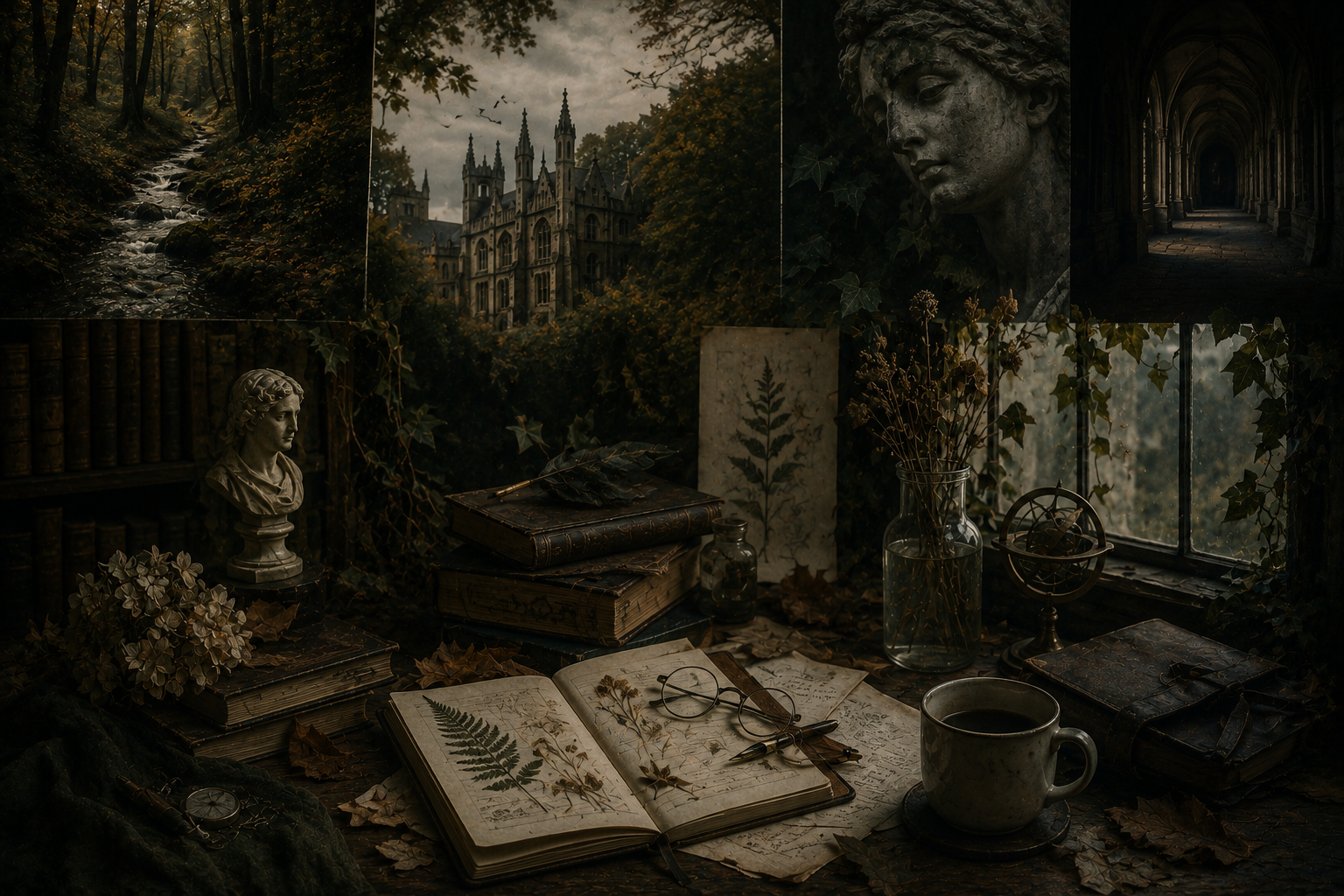

If you have ever asked, “What Is Dark Academia?”, the short answer is this: it is a literary style and mood built around learning, mystery, beauty, and danger. It often shows smart characters drawn into old books, elite schools, secret groups, and moral trouble.
Dark academia matters because it makes knowledge feel powerful, but not always safe. It asks what people may risk for truth, status, or genius.
In this Guide
- What Is Dark Academia? in plain terms
- How dark academia works in literature
- Why the genre matters
- Common traits and themes
- Famous examples
- Books to read next
- FAQ
- A practical analysis tip
What Is Dark Academia?
Dark academia is a mood, a style, and a type of story.
What Is Dark Academia? In simple terms, it is a blend of intense study, old-world beauty, and darkness. The setting may be a university, library, boarding school, museum, or private study.
The word “dark” matters. These stories are not just about reading books and wearing tweed coats. They often include obsession, guilt, death, envy, or secrets.
The “academia” part matters too. Characters often care deeply about art, history, language, philosophy, or ancient texts. Their love of knowledge can lift them up, but it can also trap them.
What Is Dark Academia? in Literature?
In literature, dark academia turns school and study into a source of tension.
So, What Is Dark Academia? It is not just an aesthetic from social media. In books, it becomes a way to explore power, class, ambition, and moral failure.
A dark academia story often begins with a character who wants to belong. They may enter a famous school, join a small intellectual circle, or meet a brilliant teacher.
At first, the world looks elegant and rare. Then the beauty starts to crack. The reader sees jealousy, cruelty, or fear under the polished surface.
Why Dark Academia Matters in Literature
Dark academia matters because it questions the value of knowledge without wisdom.
Many students are taught to admire intelligence. These stories ask a harder question: what if intelligence becomes pride?
That question appears in older literature too. In Frankenstein by Mary Shelley, Victor Frankenstein wants to unlock the secret of life. His study leads to horror because he ignores duty and care.
This is one reason dark academia speaks to many readers. It shows that books, schools, and ideas can shape lives. It also shows that brilliance does not make a person good.
Common Traits of Dark Academia Stories
Dark academia has a few clear signs that help readers spot it.
The setting often feels old and enclosed. Think stone buildings, quiet halls, candlelit rooms, or libraries full of rare books.
The characters often feel intense. They may quote classic texts, chase beauty, or treat study like a sacred duty.
The plot often hides a secret. A group may share a crime, a lie, or a forbidden ritual. The truth usually costs more than the characters expect.
The tone is serious and moody. It may feel close to Gothic fiction, which often uses mystery, fear, old places, and emotional pressure. You can read more about the Gothic tradition in Britannica’s overview of the Gothic novel.
What Is Dark Academia? and Gothic Fiction
Dark academia often borrows from Gothic literature.
What Is Dark Academia? It is not the same as Gothic fiction, but the two overlap. Both love shadowy spaces, hidden guilt, and characters who face the past.
In a Gothic novel, the danger may come from a haunted house, a family curse, or a buried crime. In dark academia, the danger often grows inside a school, a study group, or a mind that wants too much.
Romantic poetry also shapes the mood. Dark academia often admires beauty, longing, and tragic genius. For helpful background, see the Poetry Foundation’s page on Romanticism.
Recognizable Examples of Dark Academia
Some books are clearly dark academia, while others helped shape the style.
The Secret History by Donna Tartt is one of the best-known modern examples. It follows a group of classics students at an elite college. Their love of ancient Greek culture turns into secrecy and crime.
Frankenstein by Mary Shelley is not usually sold as dark academia, but it has many of the same concerns. Victor’s private study, ambition, and moral blindness make it a strong early example of the genre’s ideas.
Hamlet by William Shakespeare also connects to the mood. Hamlet is a student, a thinker, and a prince trapped by grief and suspicion. The play links thought, death, and moral doubt in a way dark academia readers often enjoy.
When someone asks, “What Is Dark Academia?”, these works help show the answer. The genre is not only about a look. It is about the cost of knowledge and the danger of wanting to seem brilliant.
Books to Read If You Like Dark Academia
These books are strong places to start if you want more of the dark academia mood.
- The Secret History by Donna Tartt
- Frankenstein by Mary Shelley
You can search for these titles on Amazon, at your local library, or through a school database. If you are new to literary analysis, start with one book and track how the setting shapes the characters’ choices.
How to Analyze Dark Academia Like a Student of Literature
Dark academia becomes easier to analyze when you look past the surface style.
Do not stop at clothing, candles, or old books. Ask what those details mean. A library may suggest learning, but it may also suggest control, silence, or hidden power.
Pay close attention to who gets access to knowledge. Many dark academia stories involve class, wealth, or social status. A character may want to study, but they may also want to belong.
If you want a stronger method, use this guide on how to read literature like a scholar. It can help you move from plot summary to deeper analysis.
FAQ: What Is Dark Academia?
What Is Dark Academia? in one sentence
Dark academia is a literary mood that blends learning, beauty, secrecy, and moral danger.
Is dark academia a genre or an aesthetic?
It can be both. Online, it is often an aesthetic. In literature, it works more like a genre or style with shared themes.
Does dark academia always take place at a school?
No. Schools are common, but the story can also take place in libraries, museums, old houses, or private study spaces.
Why do students like dark academia?
Many students connect with its focus on ambition, pressure, identity, and the desire to prove yourself.
Is Harry Potter dark academia?
It has some overlap, such as a school setting and secret history. Still, it is usually read as fantasy first, not dark academia.
Key Takeaway
What Is Dark Academia? It is a way of telling stories where knowledge feels beautiful, powerful, and risky. When you read it, ask one practical question: what does the character want from learning, and what price do they pay for it?