

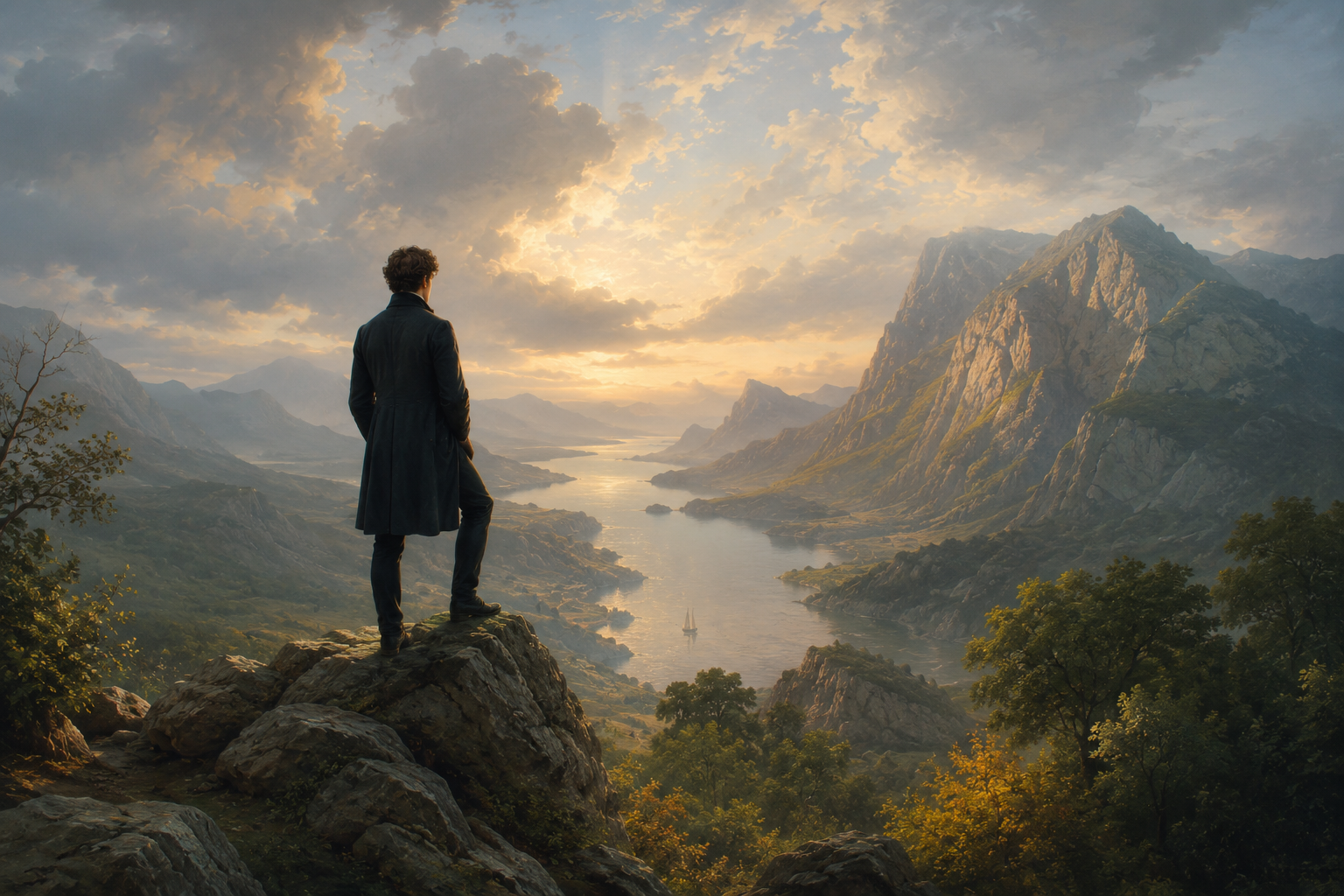
What Is Romanticism in Literature? A Beginner-Friendly Guide
If you have ever asked, “What Is Romanticism in Literature?”, you are asking about one of the most important movements in literary history. Romantic writers cared deeply about emotion, nature, imagination, and the power of the individual.
This guide explains Romanticism in clear terms, with examples that students often meet in class.
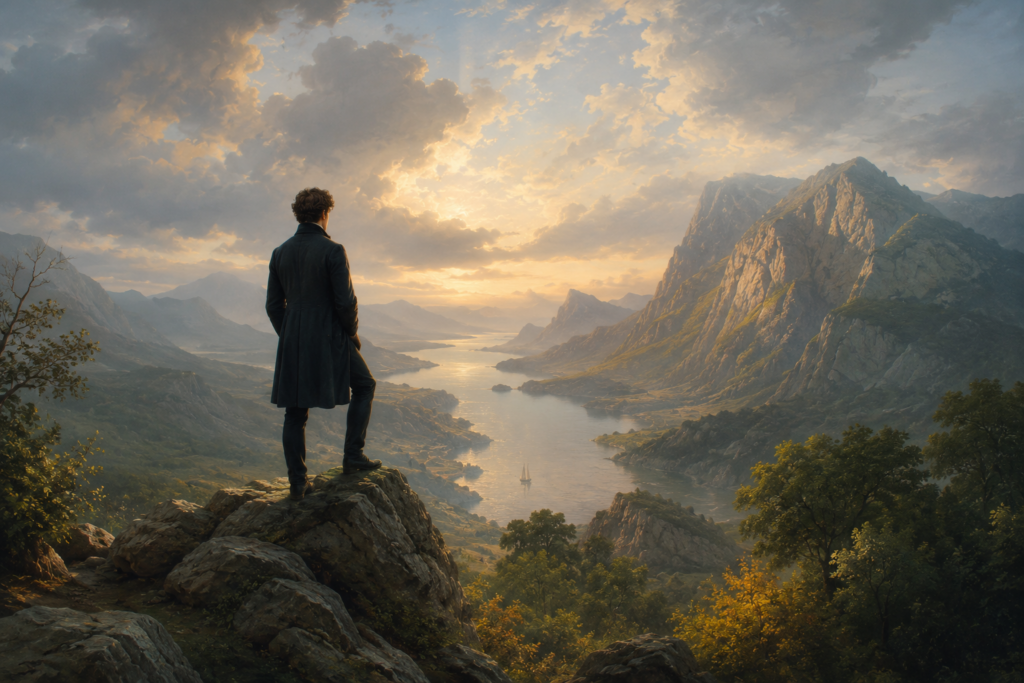
In this Guide
- What Romanticism means
- Why Romanticism matters
- Key traits of Romantic literature
- Famous examples
- Romanticism vs. romance
- Books to read next
- FAQ
- Key takeaway
What Is Romanticism in Literature? A Clear Definition
Romanticism is a literary movement that began in the late 1700s and grew strong in the 1800s.
So, What Is Romanticism in Literature? In simple terms, it is a style of writing that values strong feelings, personal freedom, nature, mystery, and imagination.
Romantic writers often pushed back against strict rules. They did not want art to feel cold or overly logical. They wanted literature to feel alive.
For example, William Wordsworth wrote poems about common people and natural scenes. Mary Shelley used a strange science story in Frankenstein to ask deep questions about ambition and responsibility.
Why What Is Romanticism in Literature? Matters for Students
Romanticism changed what literature could do.
Before Romanticism, many writers valued order, reason, and social rules. Romantic writers shifted the focus toward the inner life of the individual.
This matters because many later novels and poems build on Romantic ideas. When a character feels trapped by society, searches for meaning in nature, or trusts emotion over logic, Romanticism may be part of the text.
If you want a stronger method for close reading, this guide on how to read literature like a scholar can help you notice patterns, symbols, and deeper meaning.
What Is Romanticism in Literature? Key Traits to Notice
Romantic literature has a few clear signs that show up again and again.
One major trait is emotion. Romantic writers often show fear, awe, grief, love, or wonder in intense ways.
Another key trait is nature. Nature is not just a background. It can heal, inspire, frighten, or reveal truth.
Romantic writers also value the individual. Their heroes may feel different from society. They may follow a private vision, even when others judge them.
The supernatural also matters. Ghosts, strange landscapes, dreams, and dark secrets often appear in Romantic works, especially Gothic Romantic texts.
When teachers ask, “What Is Romanticism in Literature?”, they often expect you to connect these traits to a text, not just define the term.
What Is Romanticism in Literature? Famous Examples
Examples make Romanticism easier to understand.
In Frankenstein by Mary Shelley, Victor Frankenstein tries to master life itself. The novel explores ambition, guilt, isolation, and the danger of ignoring moral limits.
In the poetry of William Wordsworth, nature often becomes a source of wisdom. His poems suggest that simple scenes can lead to deep insight.
In the poetry of John Keats, beauty and death often stand close together. His work shows how Romantic writers used rich images to explore human longing.
These works make the question “What Is Romanticism in Literature?” much easier to answer because they show Romantic ideas in action.
What Is Romanticism in Literature? Is It the Same as Romance?
Romanticism is not the same as a love story.
The word can confuse students because “romantic” often means love today. In literature class, Romanticism means a historical and artistic movement.
A Romantic text may include love, but it does not have to. It may focus on nature, freedom, imagination, or the struggle between the individual and society.
For example, Frankenstein is Romantic, but it is not mainly a romance. Its focus is on creation, loneliness, and moral failure.
How to Analyze Romanticism in a Text
Start with what the text values.
Ask whether the work praises emotion, imagination, nature, or personal freedom. Then look for moments where those values clash with rules, science, society, or control.
A helpful question is: What does this text trust more, the heart or the system?
You can also look for symbols. A storm may show inner conflict. A mountain may suggest awe. A lonely character may reflect the Romantic idea of the outsider.
For more background, the Poetry Foundation’s guide to Romanticism offers a clear overview of the movement. Britannica also has a useful entry on Romanticism in art and literature.
Books to Read Next
If you want to understand Romanticism better, try these books. You can find them in libraries, bookstores, or on Amazon.
- Frankenstein by Mary Shelley
- Lyrical Ballads by William Wordsworth and Samuel Taylor Coleridge
Both books help answer “What Is Romanticism in Literature?” because they show emotion, imagination, and nature at the center of the work.
FAQ: What Is Romanticism in Literature?
What Is Romanticism in Literature? in one sentence?
Romanticism is a literary movement that values emotion, imagination, nature, and individual freedom.
When did Romanticism happen?
Romanticism began in the late 1700s and became a major force in the 1800s.
Is Romanticism only about love?
No. Romanticism can include love, but it is more about feeling, nature, imagination, and personal experience.
Is Frankenstein a Romantic novel?
Yes. Frankenstein uses Romantic ideas such as ambition, isolation, nature, and the danger of unchecked power.
How can I spot Romanticism in a poem?
Look for strong emotion, vivid nature, mystery, and a speaker who values personal experience.
Key Takeaway
What Is Romanticism in Literature? It is a movement that puts feeling, imagination, nature, and the individual at the heart of writing.
Practical tip: when you read a Romantic text, ask what the writer wants you to feel and what the natural world reveals about the character’s inner life.












