Flash Memoir Prompt: Specific Quality of Light in a Room You Spent a Lot of Time in as a Child

flash memoir prompt childhood room light

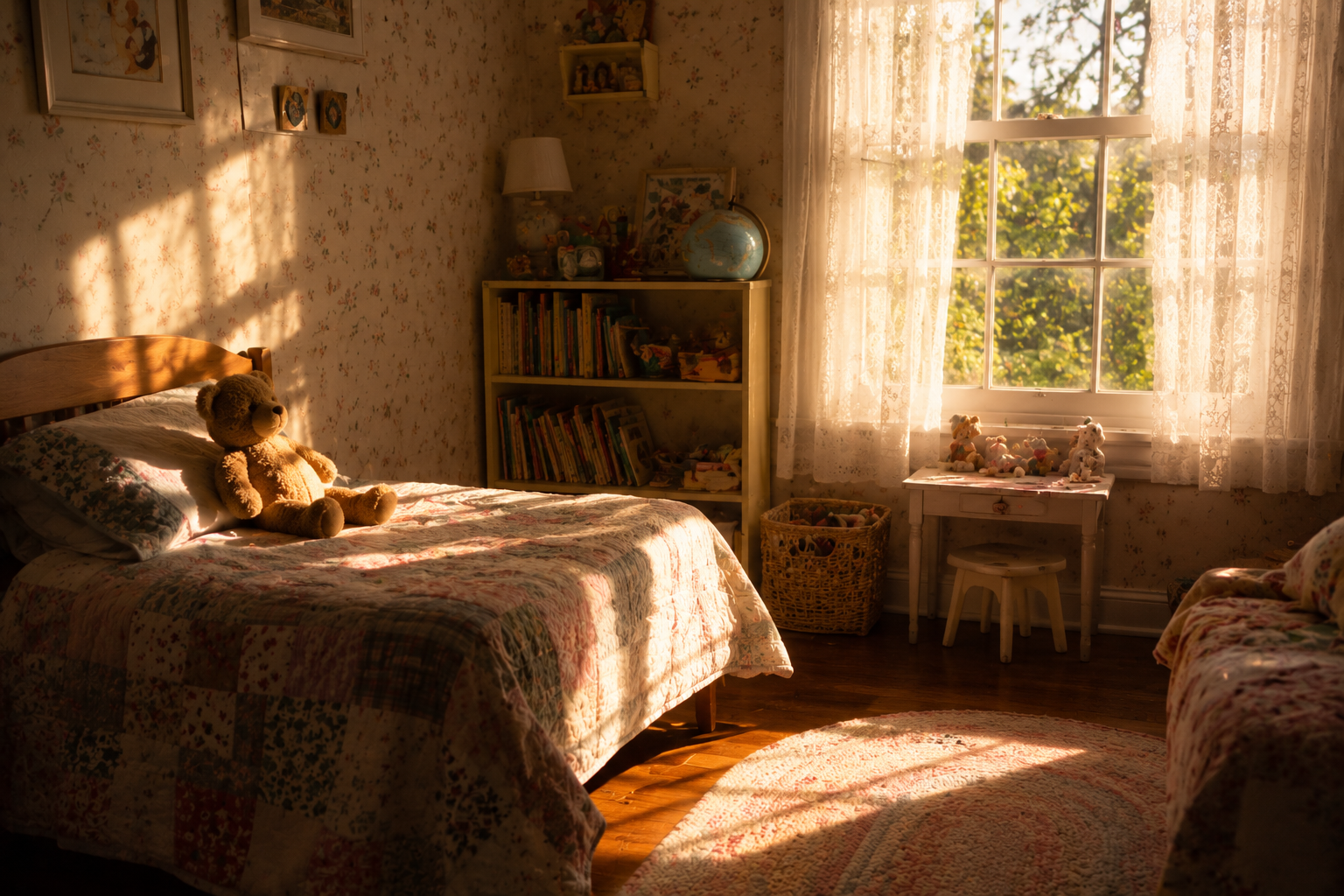
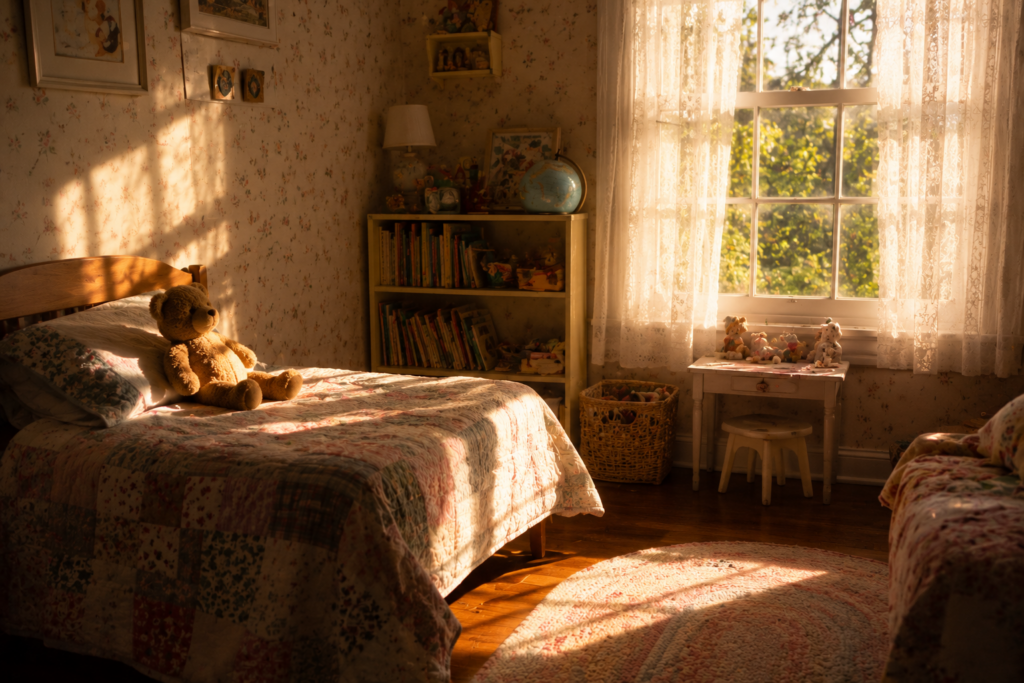
The slant of sun across a childhood carpet can carry more feeling than a full family story, and this flash memoir prompt about the specific quality of light in a room you spent time in invites you to begin there.
flash memoir prompt childhood room light

The Prompt

Write about the specific quality of light in a room you spent a lot of time in as a child.

This prompt asks you to remember a room through light first. Maybe it was the yellow square that landed on your bed after school. Maybe it was the blue glow of a television in a basement. Maybe it was the thin gray light of early morning before anyone else was awake.

A flash memoir prompt specific quality light room spent in childhood may sound small at first, but light has a way of holding mood. It can make a room feel safe, lonely, secret, boring, holy, or strange. When you follow that light, you may find the memory waiting inside it.

Why This Memory Matters

Rooms from childhood often stay with us because they had a pattern. The same chair by the window. The same dust in the air. The same way the late afternoon made everything look tired or golden.

When you write about light, you are not just describing brightness. You are describing what it felt like to live inside that space. The room might have been your bedroom, a kitchen, a classroom, a grandparent’s den, or a corner of the library where you hid during lunch.

This kind of memory can uncover a quiet truth. You might remember waiting for someone to come home. You might remember feeling invisible. You might remember being safe for one hour each day while light moved across the wall.

Light can also become a symbol without you forcing it. A pale window, a flickering lamp, or a bright patch on the floor can carry meaning once you place it inside a scene. If you want to think more about how ordinary details gather meaning, you may enjoy this guide on how to find symbolism in a story.

How to Approach This Prompt

Begin with one physical detail. Do not start by explaining your whole childhood or giving a summary of the room. Start with the light itself.

Ask yourself: What color was it? Where did it enter? What did it touch first? Did it change during the day? Was it soft, dusty, sharp, dim, greenish, gold, or cold?

Then choose one scene. Maybe you are lying on the floor with a book. Maybe you are doing homework at the kitchen table. Maybe you are sitting in the room after an argument, watching the light fade because you do not know what else to do.

Write what you noticed before you explain what it meant. Let the reader see the room before you tell them how to feel about it. For example, “The curtains made the light look pink” is stronger than “My room felt comforting.” Once the image is clear, the feeling can rise on its own.

If you like to plan before you draft, try making a short note list first. Mark the objects in the room and what the light did to them. This is similar to the way readers mark important details in a text. For a simple method, see this guide on how to annotate literature, then use the same attention on your own memory.

Most of all, avoid trying to tell the whole story at once. A flash memoir works best when it trusts one small moment. Stay in the room. Stay with the light. Let one memory do the work.

The Flash Memoirist
previous arrow
next arrow

A Quick Example

Every afternoon, the west window turned my brother’s room orange. I was not supposed to be in there when he was gone, but I liked the way the light made his baseball trophies look important. Dust floated over his desk, slow and bright, like the room was underwater. I sat on the floor beside his laundry basket and read his old comic books, careful not to crease the covers. Downstairs, my mother talked on the phone in her quiet serious voice. I did not understand money then, or divorce, or why she kept saying, “We’ll figure it out.” I only knew that for twenty minutes, before the sun dropped behind the garage, my brother’s room felt warmer than anywhere else in the house.

Try It Yourself

Set a timer for ten minutes and write from the prompt without stopping. Stay close to the room. Name the window, the lamp, the wall, the floor, or the object the light touched.

You might begin with a sentence like, “The light in that room was always…” or “By late afternoon, the window made everything look…” If nothing comes right away, picture yourself standing in the doorway. Look around slowly. Let the light show you where to begin.

This flash memoir prompt specific quality light room spent in childhood is less about perfect description and more about honest attention. You do not need a dramatic event. You need one room, one quality of light, and one feeling you can finally name.

Want More Flash Memoir Prompts?

Explore all 365 prompts in The Memory Trigger: 365 Flash Memoir Writing Prompts. Each prompt gives you a focused way to enter memory through image, place, and emotional truth.
The Memory Trigger

Flash Memoir Prompt: Way Your Childhood Bedroom Looked Right before You Fell Asleep

memoir prompt childhood bedroom

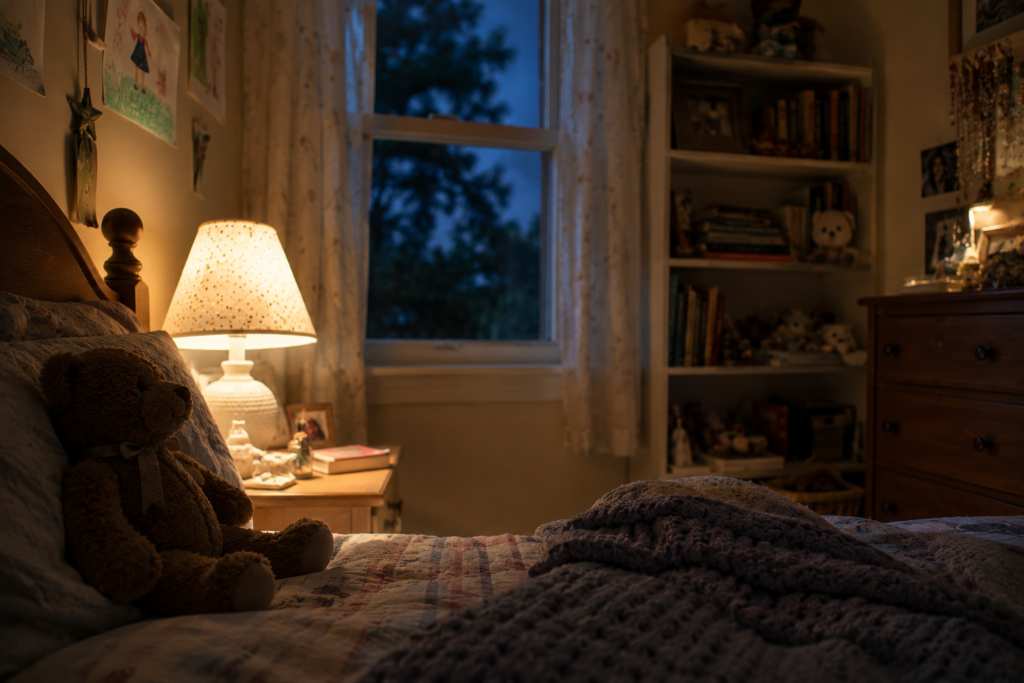
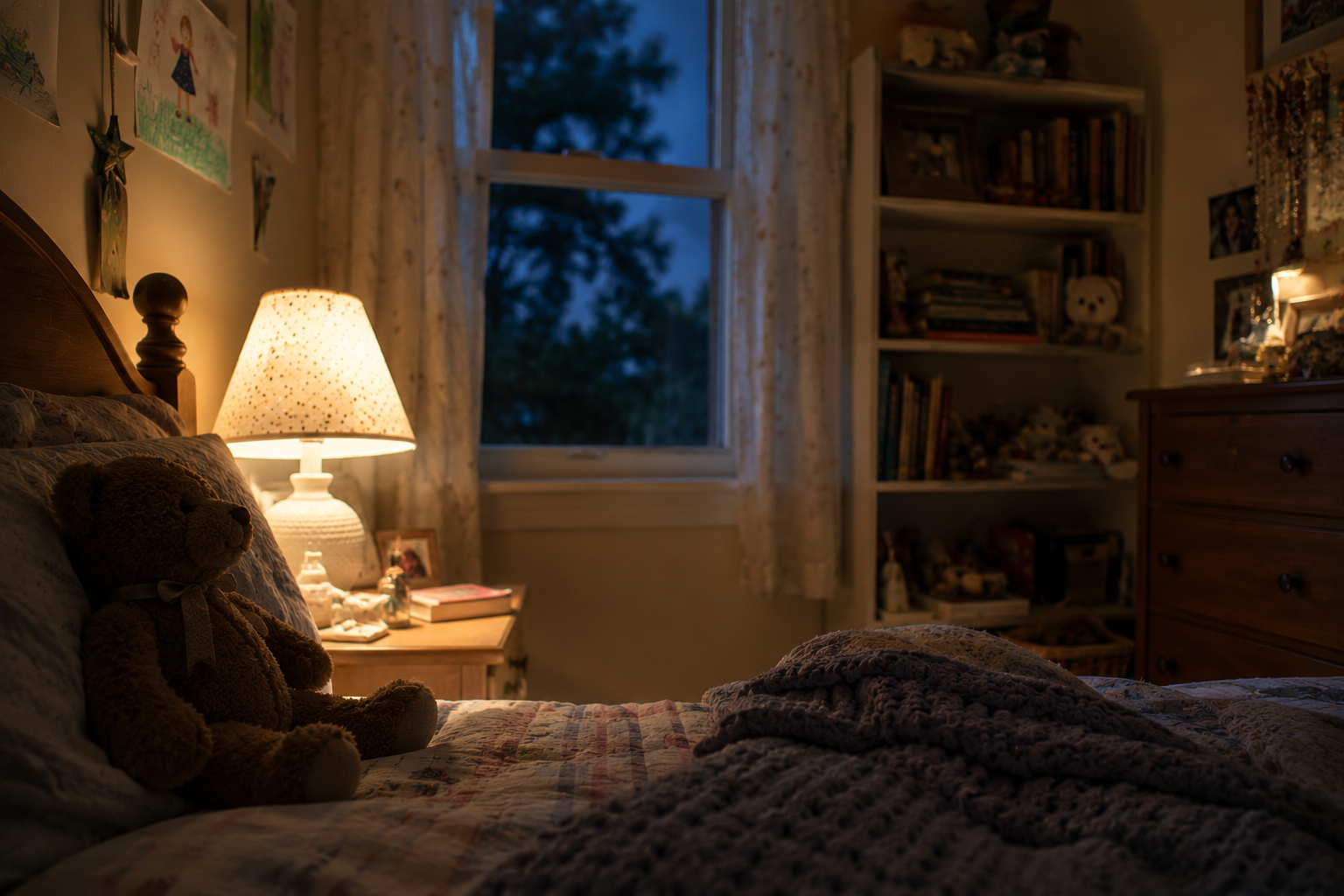
Right after the light clicked off, when the hallway glow slid under the door and the room felt suddenly honest, this flash memoir prompt way childhood bedroom looked right before sleep invites one small memory to come forward.

memoir prompt childhood bedroom

The Prompt

Write about the way your childhood bedroom looked right before you fell asleep.

This prompt works because bedtime is a border. You were still in the real world, but your mind was already drifting toward dreams, worries, wishes, or secret plans. The room may have looked different at night than it did in the morning. A toy could seem watchful. A poster could feel like company. A pile of clothes could turn into a monster until you learned what it was.

You do not have to remember every detail of your childhood bedroom. For this flash memoir prompt about the way your childhood bedroom looked right before sleep, one clear image is enough. Start with the glow, the shadow, the blanket, the door, or the one object your eyes always found before you closed them.

Why This Memory Matters

A childhood bedroom is rarely just a room. It can hold safety, loneliness, imagination, fear, comfort, or the strange mix of all of those at once. The way it looked right before sleep may reveal what you were carrying then, even if you did not have words for it yet.

Maybe your room was neat because someone in your house cared about order. Maybe it was crowded because you shared it with a sibling. Maybe it had hand-me-down furniture, glow-in-the-dark stars, sports trophies, library books, or a chair stacked with clothes. Each detail can tell the reader something about your younger self without a long explanation.

This is where a small object can become powerful. The night-light might stand for protection. A cracked ceiling might stand for worry. A stuffed animal might stand for the kind of love you could hold in your hands. If you want to think more about how ordinary objects can carry meaning, this guide on how to find symbolism in a story can help you notice that same skill in your own memories.

The value of a flash memoir prompt way childhood bedroom looked right before sleep is that it keeps the story close. You are not trying to explain your whole family history. You are watching light move across a wall. You are listening to the house settle. You are remembering what it felt like to be small in a room that knew you.

The Flash Memoirist
previous arrow
next arrow

How to Approach This Prompt

Choose one night, even if the memory is really made from many nights. Memoir often works this way. You gather the feeling of a repeated experience and place it into one scene so the reader can enter it with you.

Begin with a physical detail. Write the first thing your eyes would have seen from the bed. Was it the closet door? A window? A lamp shade? A shelf? The edge of a blanket pulled up under your chin?

Try to write what you noticed before you explain what it meant. Instead of starting with “I was scared,” show the reader the dark shape in the corner and the way you kept checking it. Instead of starting with “I felt safe,” show the reader the strip of light from the hallway or the sound of someone washing dishes nearby.

With a flash memoir prompt way childhood bedroom looked right before sleep, scale matters. Stay in the bed. Stay in the room. Let the memory unfold from that one point of view. If you try to tell the whole story of your childhood, the piece may become too broad. If you stay with one wall, one shadow, or one bedtime object, the emotion can grow on its own.

You might also mark up your draft after you write it. Circle the strongest image. Underline the sentence that feels most honest. Cross out any line that explains too much too soon. If you are a student or teacher, these same close-reading habits connect well with how to annotate literature, because both skills ask you to notice small details and ask why they matter.

A Quick Example

When I was ten, my bedroom looked blue right before sleep, even though the walls were yellow in the daytime. The streetlight came through the blinds and laid thin stripes across my blanket. My school shoes sat beside the closet, toes pointing at me like they expected an answer. On the dresser, my plastic horse collection made a jagged little skyline. I remember staring at the crack in the ceiling above my bed because it looked like a road on a map. My parents were arguing softly in the kitchen, trying to keep their voices polite. I decided that if I followed the crack from one end to the other without blinking, they would stop. I did it three times. The room did not change, but I felt less alone inside it.

Try It Yourself

Set a timer for ten minutes and return to the view from your bed. Do not worry about making the memory beautiful. Let it be plain first. The plain details often carry the most truth.

If you get stuck, finish this sentence: “Right before I fell asleep, my room looked like…” Then keep going. Describe the light. Describe the thing you always looked at. Describe what you hoped would happen before morning.

This flash memoir prompt about the way your childhood bedroom looked right before sleep is small by design. A small memory can still hold a whole younger version of you.

Want More Flash Memoir Prompts?

If this prompt opened a door, keep following the smaller memories. Explore all 365 prompts in The Memory Trigger: 365 Flash Memoir Writing Prompts.

The Memory Trigger
error

Enjoy this article? Please spread the word :)

Follow by Email
BLUESKY
fb-share-icon
Reddit
LinkedIn
Share
RSS