Symbols in All Quiet on the Western Front: What They Mean and Why They Matter

Western Front Symbols

The symbols in All Quiet on the Western Front help show the true cost of World War I. Remarque uses boots, earth, uniforms, food, animals, and nature to reveal fear, loss, and the way war crushes young people.

This guide explains the main images in simple terms and connects each symbol to a theme you can use in class or in an essay.

In this Guide

Western Front Symbols

Why Symbols in All Quiet on the Western Front Matter

Remarque uses ordinary objects to show what war does to young men.

A symbol is something concrete that points to a deeper idea. If you want a quick refresher, read our guide on how to find symbolism in a story.

When you study symbols in All Quiet on the Western Front, notice how simple things change meaning. A pair of boots is not just a pair of boots. The earth is not just dirt. These images show the soldiers’ hunger, fear, and broken hope.

This is common in literature. In The Great Gatsby, the green light stands for desire and the future. In Lord of the Flies, the conch stands for order. Remarque uses symbols in a harsher way because his world is shaped by trench war.

For background on the author, you can read Britannica’s biography of Erich Maria Remarque.

Major Symbols in All Quiet on the Western Front

The biggest symbols in All Quiet on the Western Front are tied to survival, not romance or beauty.

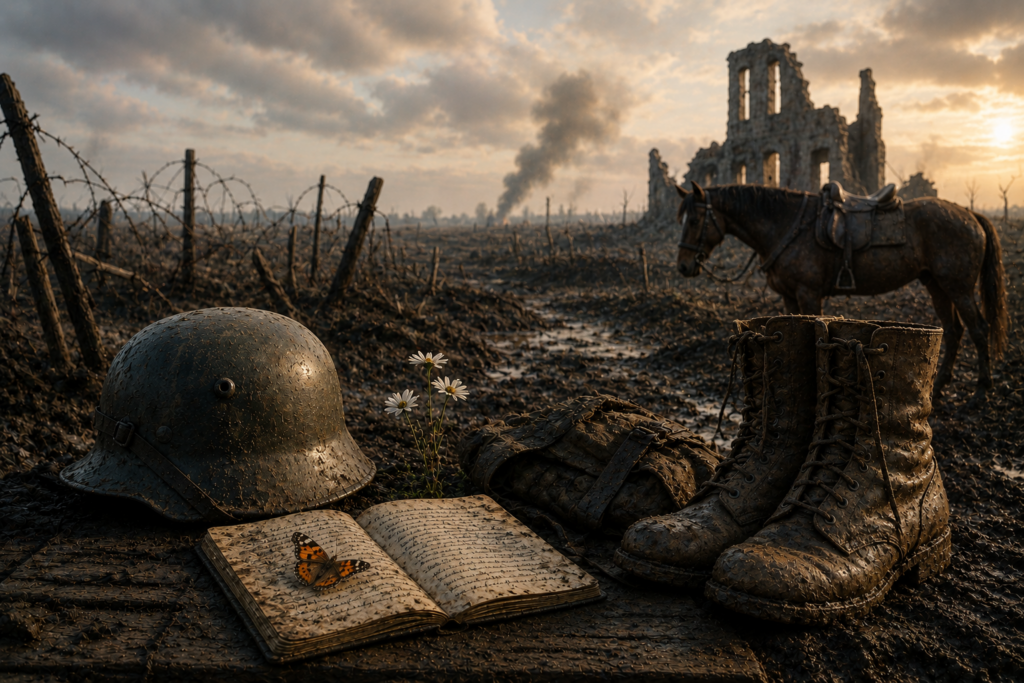
Kemmerich’s Boots

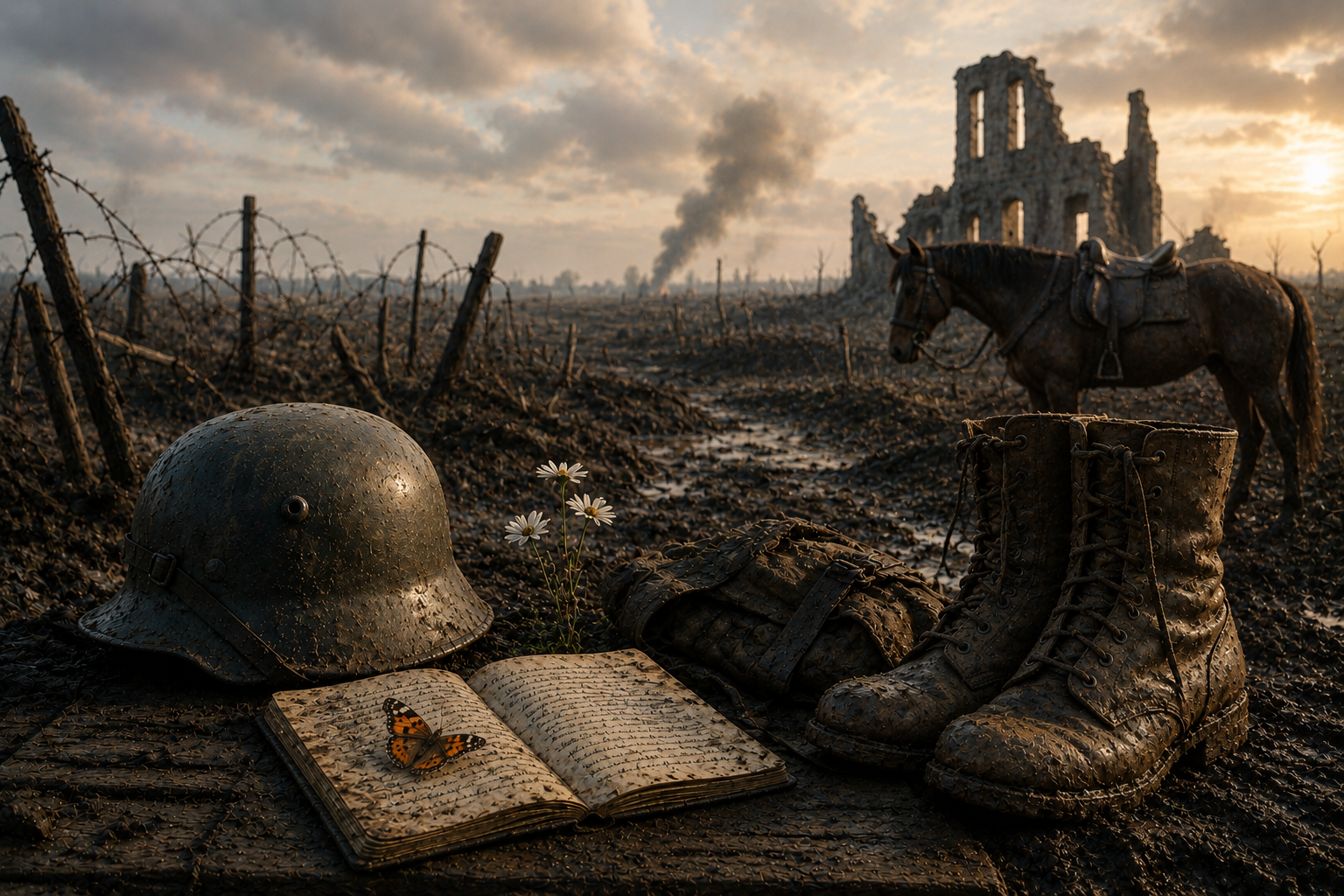
Kemmerich’s boots are one of the clearest symbols in the novel. After Kemmerich dies, the boots pass to another soldier because good boots are rare at the front.

This moment feels cold, but that is the point. War has made the soldiers value practical survival over normal grief. The boots symbolize how war steals emotion and turns death into routine.

The boots also show how young men replace each other. One soldier dies, another wears his boots, and the war moves on.

The Earth

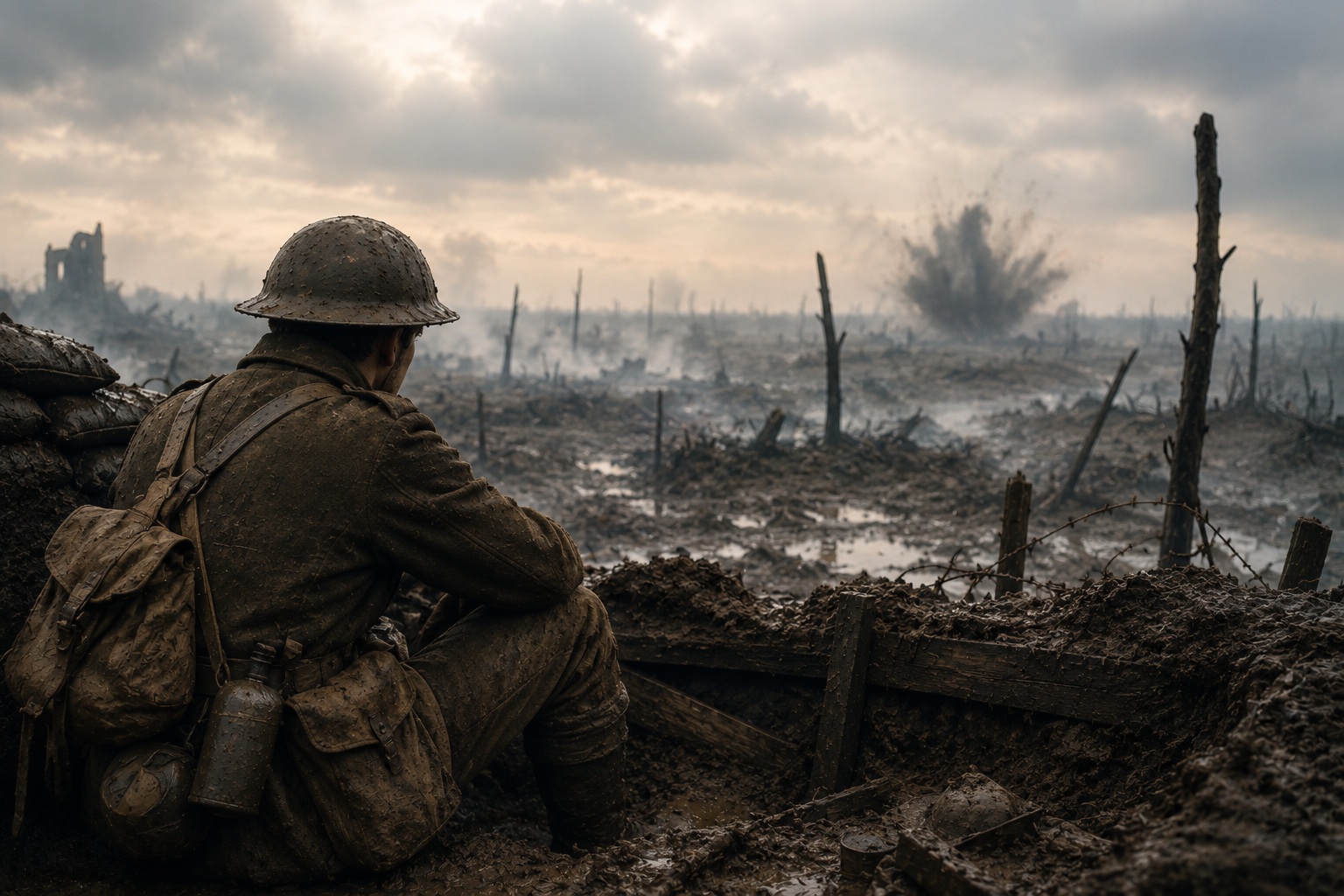
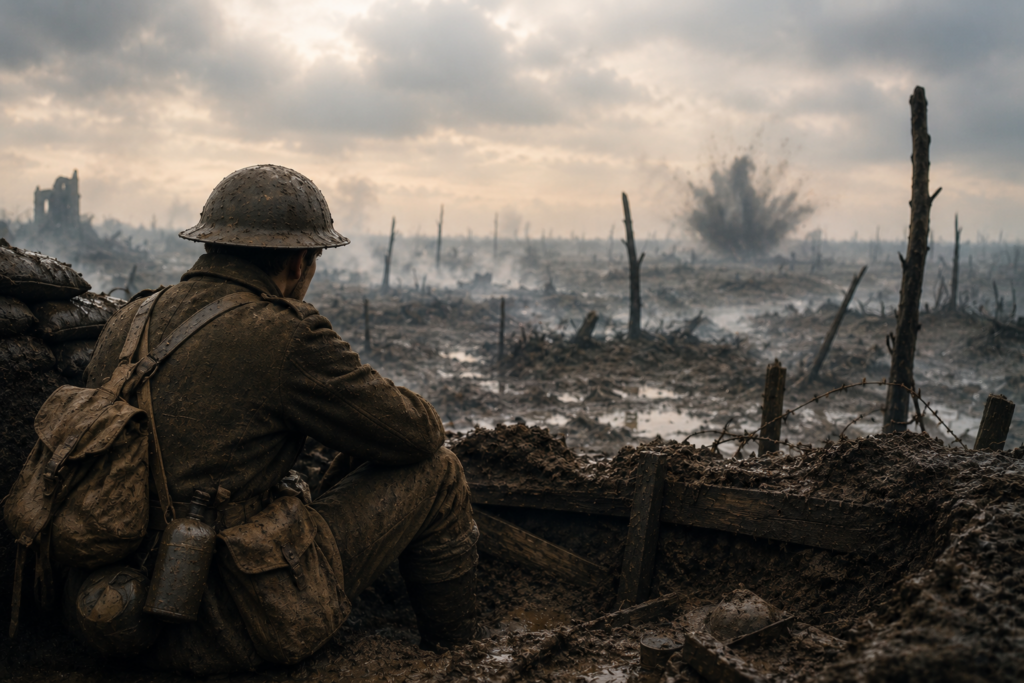
The earth is a place of safety for Paul and the other soldiers. In battle, they press their bodies into the ground to escape shells and gunfire.

At times, the earth feels almost like a mother. It covers them and protects them when human systems fail.

Yet this comfort is dark. The soldiers survive by crawling, hiding, and reacting like animals. The earth symbolizes both shelter and the loss of human dignity.

Uniforms

Uniforms make the soldiers look alike. They erase personal identity and turn boys into parts of a war machine.

Paul and his friends once had dreams, families, and school lessons. In uniform, they become bodies sent to the front.

This symbol connects to the theme of dehumanization. War does not care who a person is. It only asks what that person can endure.

Food

Food in the novel often means more than comfort. It stands for the body’s basic needs.

The soldiers think about meals because hunger is constant. In war, big ideas like honor and glory matter less than bread, soup, and rest.

Food also exposes the gap between war speeches and war life. Adults praise sacrifice, but the young soldiers just want to stay alive.

Horses

The wounded horses create one of the most painful scenes in the book. They suffer even though they do not understand the war.

The horses symbolize innocent victims. Their pain shows that war harms more than soldiers. It spreads suffering across every living thing near the battlefield.

Nature and Symbols in All Quiet on the Western Front

Nature often looks peaceful while human violence fills the world around it.

As one of the most important symbols in All Quiet on the Western Front, Nature creates a sharp contrast. Birds, trees, sky, and fields can suggest beauty, but they stand beside mud, blood, and fear.

This contrast makes the war feel even more wrong. The natural world continues while people destroy each other.

Butterflies and Fragile Beauty

Butterflies suggest beauty and fragile life. Near the end, Paul reaches toward a peaceful image in a world that has given him almost no peace.

The butterfly image matters because it is soft and delicate. It reminds us that Paul is still human, even after war has damaged him.

The Quiet Front

The title itself points to a bitter symbol. The report says all is quiet on the Western Front, yet Paul is dead.

This quiet does not mean peace. It means one more death is too common to count. The calm wording hides the horror beneath it.

How Symbols in All Quiet on the Western Front Connect to Theme

Symbols matter most when they help explain the novel’s larger message.

The symbols in All Quiet on the Western Front connect to Remarque’s antiwar themes. They show that war is not heroic. It is physical, cruel, and deeply wasteful.

SymbolWhat it meansTheme connection
BootsSurvival after deathWar makes loss feel routine
EarthShelter and animal instinctWar strips away dignity
UniformsLoss of identityWar turns people into tools
FoodBasic needSurvival replaces idealism
NatureBeauty beside violenceWar works against life

These symbols help readers see the main idea: the young soldiers lose more than their safety. They lose their youth, trust, and sense of belonging.

image-slider-with-thumbnail1.jpeg
PlayPause
previous arrow
next arrow
image-slider-with-thumbnail1.jpeg
image-slider-with-thumbnail3.jpeg
image-slider-with-thumbnail4.jpeg
ChatGPT Image Jun 27, 2026, 06_33_13 PM
ChatGPT Image Jun 27, 2026, 06_36_37 PM
ChatGPT Image Jun 27, 2026, 06_38_39 PM
ChatGPT Image Jun 27, 2026, 06_31_22 PM
image-slider-with-thumbnail7.jpeg
ChatGPT Image Jun 27, 2026, 06_29_43 PM
ChatGPT Image Jun 27, 2026, 06_27_44 PM
image-slider-with-thumbnail6.jpeg
ChatGPT Image Jun 27, 2026, 06_15_07 PM
image-slider-with-thumbnail5.jpeg
ChatGPT Image Jun 27, 2026, 06_22_43 PM
ChatGPT Image Jun 27, 2026, 06_25_37 PM
ChatGPT Image Jun 27, 2026, 06_19_43 PM
ChatGPT Image Jun 27, 2026, 06_12_00 PM
ChatGPT Image Jun 27, 2026, 06_08_50 PM
ChatGPT Image Jun 26, 2026, 04_54_23 PM
ChatGPT Image Jun 27, 2026, 05_53_51 PM
ChatGPT Image Jun 28, 2026, 08_35_55 AM
previous arrow
next arrow

How to Write About Symbols in All Quiet on the Western Front

A strong symbolism paragraph should name the symbol, explain what it means, and connect it to a theme.

Try a sentence like this: Kemmerich’s boots symbolize the way war makes death feel ordinary, because the soldiers focus on who will use the boots next instead of on the loss of their friend.

This works because it uses a concrete detail and explains the deeper meaning. It does not just say the boots are important.

For more help, use our simple symbolism method before you write your essay.

For a cleaner study routine, pair this article with our symbolism note sheet.

Books to Search on Amazon

These books pair well with this symbolism guide. Search the titles on Amazon or check your school library.

  • All Quiet on the Western Front by Erich Maria Remarque
  • A Farewell to Arms by Ernest Hemingway

FAQ About Symbols in All Quiet on the Western Front

What are the most important symbols in All Quiet on the Western Front?

The most important symbols are Kemmerich’s boots, the earth, uniforms, food, horses, and nature. Each one shows a different part of war’s damage.

Why are symbols in All Quiet on the Western Front so bleak?

They are bleak because the novel is antiwar. Remarque wants readers to see war as wasteful, not noble.

What do Kemmerich’s boots symbolize?

The boots symbolize survival, emotional numbness, and the way soldiers replace one another after death.

What does nature symbolize in the novel?

Nature symbolizes beauty and life, but it also shows how strange war is. Peaceful images sit beside violence.

Key Takeaway

The symbols in All Quiet on the Western Front matter because they turn simple objects into powerful proof of the novel’s message: war destroys bodies, identity, and youth.

Themes in All Quiet on the Western Front: A Student-Friendly Guide

All Quiet on the Western Front themes

Erich Maria Remarque’s novel can feel simple at first, but its ideas are deep and painful. The themes in All Quiet on the Western Front show how war damages young people, breaks trust in adults, and changes what survival means.

In this Guide

  • Why the themes matter
  • Major themes to know
  • How Remarque develops meaning
  • How to write about the novel
  • Helpful books and links
  • FAQ
All Quiet on the Western Front themes

Why the themes in All Quiet on the Western Front Matter

Remarque does not write war as a grand adventure. He shows war as fear, hunger, cold, pain, and moral shock.

The themes in All Quiet on the Western Front matter because they help us see what the novel argues about modern war. The book asks students to look past medals and speeches and notice the cost paid by ordinary soldiers.

If you need a refresher on theme as a literary idea, this guide on how to identify theme in literature can help before you start your essay.

Major themes in All Quiet on the Western Front

The novel builds its meaning through Paul’s daily life at the front, not through long speeches.

These themes in All Quiet on the Western Front work together. Each one shows a different part of war’s damage.

1. The Lost Youth of a Generation

Paul and his classmates enter the army as teenagers. They should be in school, at home, or at the start of adult life.

Instead, they learn how to avoid shells, bury friends, and numb their feelings. Their youth does not slowly fade. It gets taken from them.

This theme fits with the idea of a lost generation. Many young people after World War I felt cut off from old hopes and old values.

2. The Brutality of Modern War

The novel does not make battle look noble. Trenches, gas, shells, rats, and wounds fill the soldiers’ world.

War in the book feels mechanical. Men can die without ever seeing the person who killed them.

That makes the violence feel even more chilling. Like Wilfred Owen’s war poems, Remarque shows that modern war can turn human life into a statistic.

3. Disillusionment with Authority

Paul and his friends were pushed toward war by teachers and leaders. Men like Kantorek sold them patriotic ideas from a safe place.

Once the boys reach the front, those speeches seem false. They see that adults used bright words to hide a brutal reality.

This theme is useful for essays about betrayal. The young soldiers do not only lose friends. They lose faith in the people who told them what to believe.

4. Friendship as Survival

Paul’s bond with Kat is one of the most human parts of the novel. Their friendship gives Paul comfort in a world that feels empty.

The soldiers share food, advice, jokes, and silence. These small acts matter because they help the men stay alive inside.

This does not make war better. It shows that human connection can survive even when society fails.

5. The Loss of Individual Identity

At the front, soldiers are treated less like people and more like parts of an army. Orders matter more than feelings.

Paul’s old identity as a student fades. His new life is built around instinct, danger, and routine.

This theme has a strong link to dehumanization. The men are still human, but war keeps pushing them to act like tools.

6. Nature as Comfort and Contrast

Nature appears in the novel as both beauty and danger. A quiet sky can sit above a field full of bodies.

Sometimes the earth seems to protect the soldiers. At other times, it becomes a grave.

This contrast makes the war feel even more tragic. The natural world keeps its beauty while human beings destroy one another.

How Remarque Develops the Novel’s Themes

Remarque builds theme through scenes that feel direct and personal.

Paul’s narration is plain, but that plain style gives the novel power. He does not need fancy language to show horror.

For example, Paul’s visit home proves how far he has changed. His family loves him, yet he cannot explain the front to them. Home no longer feels like home.

The hospital scenes also deepen the message. Students can see that war continues after battle, through wounds, fear, and grief.

For historical context, Britannica’s overview of World War I can help explain the world behind the novel. You can also read more about Erich Maria Remarque and his life.

Why Students Struggle with the themes in All Quiet on the Western Front

The novel can seem easy because the plot is clear. The hard part is seeing how each event builds a larger meaning.

The themes in All Quiet on the Western Front are often quiet. Remarque does not stop the story to tell readers the lesson.

Students should ask, What does this scene reveal about war? That question turns plot summary into theme analysis.

For extra practice, use this theme study resource as you plan notes or prepare for class discussion.

image-slider-with-thumbnail1.jpeg
PlayPause
previous arrow
next arrow
image-slider-with-thumbnail1.jpeg
image-slider-with-thumbnail3.jpeg
image-slider-with-thumbnail4.jpeg
ChatGPT Image Jun 27, 2026, 06_33_13 PM
ChatGPT Image Jun 27, 2026, 06_36_37 PM
ChatGPT Image Jun 27, 2026, 06_38_39 PM
ChatGPT Image Jun 27, 2026, 06_31_22 PM
image-slider-with-thumbnail7.jpeg
ChatGPT Image Jun 27, 2026, 06_29_43 PM
ChatGPT Image Jun 27, 2026, 06_27_44 PM
image-slider-with-thumbnail6.jpeg
ChatGPT Image Jun 27, 2026, 06_15_07 PM
image-slider-with-thumbnail5.jpeg
ChatGPT Image Jun 27, 2026, 06_22_43 PM
ChatGPT Image Jun 27, 2026, 06_25_37 PM
ChatGPT Image Jun 27, 2026, 06_19_43 PM
ChatGPT Image Jun 27, 2026, 06_12_00 PM
ChatGPT Image Jun 27, 2026, 06_08_50 PM
ChatGPT Image Jun 26, 2026, 04_54_23 PM
ChatGPT Image Jun 27, 2026, 05_53_51 PM
ChatGPT Image Jun 28, 2026, 08_35_55 AM
previous arrow
next arrow

How to Write About the themes in All Quiet on the Western Front

A strong essay should not just say that war is bad. It should explain how Remarque shows war’s damage.

When you write about the themes in All Quiet on the Western Front, connect each claim to a scene. Paul’s school days, the front, the hospital, and his return home all help prove the novel’s message.

Try this simple thesis frame:

In All Quiet on the Western Front, Remarque shows that war destroys young soldiers not only through death, but through lost identity and broken trust.

That thesis gives you a clear path. You can write one body paragraph on youth, one on identity, and one on authority.

If you want a broader method, review how to find a theme in a novel and then apply the steps to Remarque’s text.

Comparing the Novel to Other Literature

Comparison can help students see Remarque’s choices more clearly.

In The Things They Carried, Tim O’Brien also shows how war changes memory and identity. Both books ask readers to think about what soldiers carry inside after combat.

In Shakespeare’s Henry V, war can appear tied to honor and national pride. Remarque rejects that heroic vision and asks readers to look at the bodies left behind.

These comparisons work well for AP Literature because they show how writers can treat the same subject in very different ways.

Relevant Books to Look Up on Amazon or at Your Library

These books pair well with Remarque’s novel for essays, projects, or deeper reading.

  • All Quiet on the Western Front by Erich Maria Remarque
  • The Things They Carried by Tim O’Brien
  • A Farewell to Arms by Ernest Hemingway

FAQ: themes in All Quiet on the Western Front

What are the main themes in All Quiet on the Western Front?

The main themes in All Quiet on the Western Front include lost youth, war’s brutality, broken trust in authority, friendship, trauma, and the loss of identity.

What is the most important theme in the novel?

The most important theme is the destruction of young lives by war. Remarque shows that war harms soldiers before, during, and after battle.

How does Paul show the theme of lost youth?

Paul begins as a student with hopes for the future. By the front, he thinks more like a survivor than a young man.

Why is friendship important in the novel?

Friendship gives the soldiers emotional strength. It becomes one of the few good things left in a violent world.

Is All Quiet on the Western Front anti-war?

Yes. The novel strongly challenges romantic ideas about war and shows its human cost.

Key Takeaway

The themes in All Quiet on the Western Front show that war does not only kill bodies. It also damages youth, trust, memory, and hope.

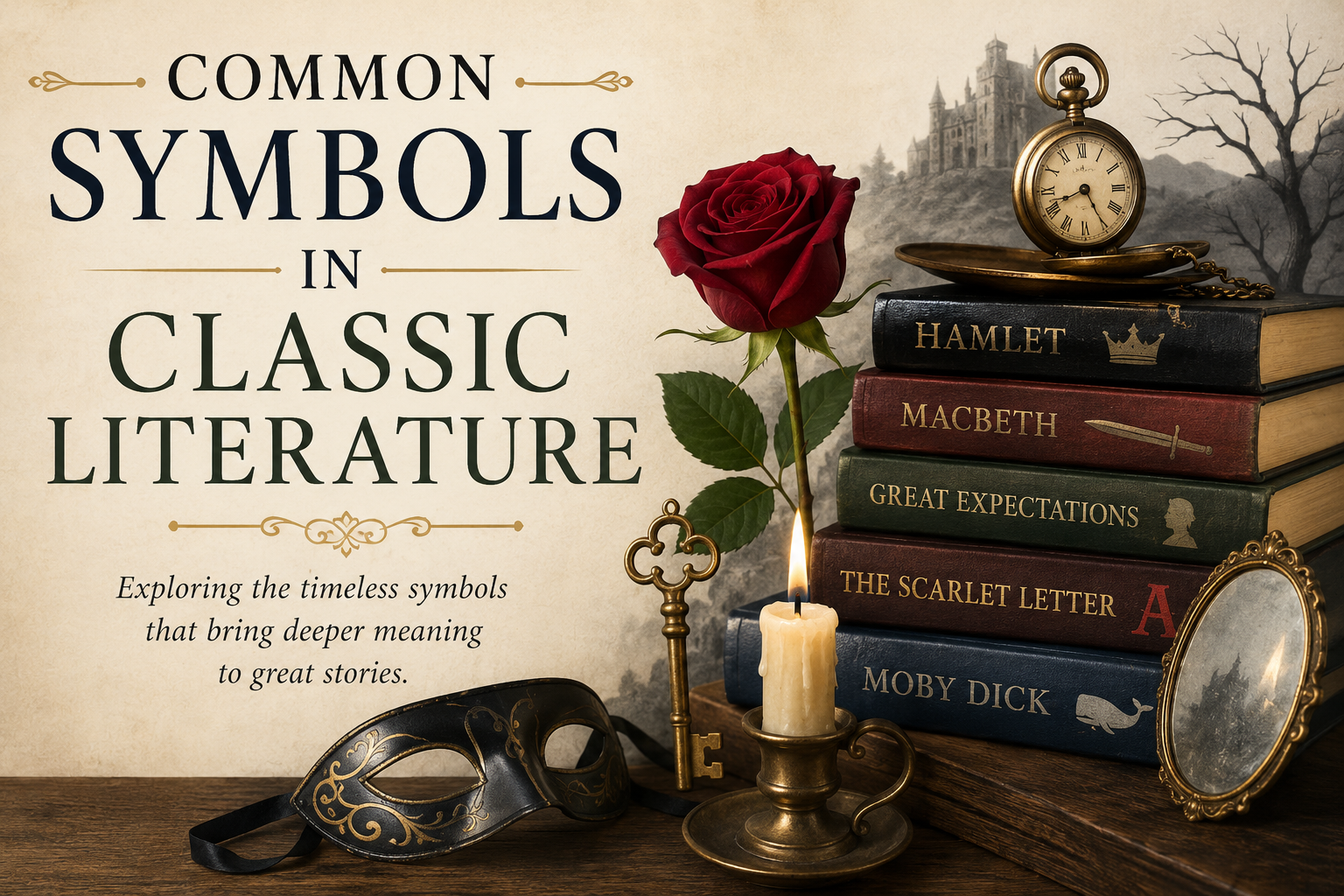
Common Symbols in Classic Literature

literature symbols
literature symbols

Common Symbols in Classic Literature: A Student-Friendly Guide

Common Symbols in Classic Literature can help you see deeper meaning in novels, plays, and poems. When you know what certain objects, colors, or places often suggest, you can read with more confidence and write stronger essays.

This guide explains key symbols, gives clear literary examples, and shows how to use them without overthinking every detail.

In this Guide

  • Why symbols matter in classic literature
  • Common symbols and what they often mean
  • Examples from famous books
  • How to analyze symbols in essays
  • Books that help you practice
  • FAQ and key takeaway

Why Common Symbols in Classic Literature Matter

Symbols help writers say more with less.

A symbol is something that stands for more than itself. It can be an object, place, color, animal, or action that points to a bigger idea.

For students, Common Symbols in Classic Literature are useful because they often connect to major themes. A river may suggest change. A locked room may suggest secrets. A storm may suggest conflict or fear.

Symbols do not always mean the same thing in every book. Context matters. Still, knowing common patterns gives you a strong place to start.

Common Symbols in Classic Literature: Light and Darkness

Light and darkness often show knowledge, truth, danger, or moral conflict.

Light often points to truth, hope, or understanding. Darkness often points to fear, confusion, or hidden evil.

In Frankenstein by Mary Shelley, light can suggest knowledge and discovery. Victor Frankenstein wants to “bring light” to science, but his search leads to pain and guilt.

In Heart of Darkness by Joseph Conrad, darkness is not just a setting. It raises questions about cruelty, power, and what people hide inside themselves.

When you see light or darkness in a classic text, ask what the character understands at that moment. Also ask what the writer may be hiding from the reader.

Common Symbols in Classic Literature: Colors

Colors can carry emotional and social meaning.

Red often suggests passion, sin, blood, or shame. White can suggest purity, innocence, emptiness, or coldness. Green often points to hope, envy, nature, or desire.

In The Scarlet Letter by Nathaniel Hawthorne, the red letter “A” is one of the most famous symbols in American literature. It marks Hester Prynne’s shame, but it also becomes a sign of strength.

In The Great Gatsby by F. Scott Fitzgerald, the green light at the end of Daisy’s dock stands for Gatsby’s dream. It also shows how that dream stays just out of reach.

Colors are among the most important Common Symbols in Classic Literature because they can appear many times across a story. Track when a color appears and how the mood changes around it.

Common Symbols in Classic Literature: Nature

Nature often reflects a character’s inner life.

Writers use weather, seasons, gardens, and wild places to show emotion or change. Spring may suggest youth or rebirth. Winter may suggest death, loss, or loneliness.

In Wuthering Heights by Emily Brontë, the wild moors reflect the fierce emotions of the characters. The setting feels harsh, open, and hard to control.

In King Lear by William Shakespeare, the storm shows Lear’s mental collapse. The weather outside mirrors the chaos inside him.

When you study Common Symbols in Classic Literature, pay close attention to setting. A landscape may reveal more than a character says out loud.

Common Symbols in Classic Literature: Animals

Animals often reveal power, fear, guilt, or instinct.

A snake may suggest danger or betrayal. A bird may suggest freedom or a trapped soul. A dog may suggest loyalty, but it can also show violence, depending on the story.

In Macbeth, Shakespeare uses animal images to show disorder and fear. After Duncan’s murder, nature seems broken, which suggests that Macbeth’s crime has damaged the moral order.

In Lord of the Flies by William Golding, the “beast” becomes a symbol of the boys’ fear. It also points to the violence inside human nature.

Animal symbols work best when you connect them to a theme. Do not stop at “the bird means freedom.” Ask who wants freedom and what blocks it.

Common Symbols in Classic Literature: Objects

Objects can carry a story’s biggest ideas.

A letter, ring, mirror, or weapon can gain meaning as the story moves on. The object may start as a normal item, then become tied to guilt, love, power, or memory.

In The Lord of the Rings by J.R.R. Tolkien, the ring stands for power and temptation. It shows how even good people can change when power takes hold.

In Jane Eyre by Charlotte Brontë, the locked room and hidden spaces at Thornfield Hall suggest secrets, fear, and social limits.

Common Symbols in Classic Literature often gain meaning through repetition. If an object appears at key moments, the author likely wants you to notice it.

Common Symbols in Classic Literature: Journeys and Roads

A journey often shows growth, escape, or a search for truth.

Roads and travel can show a character’s movement from innocence to experience. A physical trip may also reflect an inner change.

In The Odyssey by Homer, Odysseus’s journey is about more than getting home. It tests his pride, loyalty, and wisdom.

In The Adventures of Huckleberry Finn by Mark Twain, the river becomes a path toward freedom. Yet it also shows the moral problems of the society around Huck and Jim.

Journey symbols are useful in essays because they often connect to character growth. Ask what the character learns before and after the journey.

How to Analyze Common Symbols in Classic Literature

A symbol should connect to the whole story, not just one scene.

Start with the basic meaning. What is the object, color, place, or action? Then ask how it changes as the story goes on.

Look for repetition. If a symbol appears more than once, note when it appears and who is present. This can reveal a pattern.

Connect the symbol to a theme. A green light is not important only because it is green. It matters because it connects to dreams, wealth, and longing.
If you want a deeper step-by-step method, read this guide on how to find symbolism in a story.

How to Use Symbols in Literature Essays

Strong symbol analysis stays close to the text.

Do not write that a symbol “obviously” means one thing. Instead, prove your idea with evidence from the story.
A simple essay sentence might look like this:

In The Great Gatsby, the green light symbolizes Gatsby’s dream of a perfect future with Daisy, but its distance shows that the dream is impossible to fully reach.

This works because it names the symbol, explains the meaning, and links it to a theme.

For AP Literature or college essays, you should also explain how the symbol affects the reader. Does it create hope? Does it create doubt? Does it make the ending feel tragic?

Best Books for Studying Common Symbols in Classic Literature

These books give students strong practice with symbolism.

  • The Great Gatsby by F. Scott Fitzgerald
  • The Scarlet Letter by Nathaniel Hawthorne
  • Lord of the Flies by William Golding

Each book uses symbols in a clear way, which makes them helpful for essays and class discussion. They are also common choices in high school and college literature courses.

You can also explore trusted resources like the Poetry Foundation’s definition of symbol and Britannica’s overview of Symbolism for more background.

Quick Study Tips for Symbolism

A few simple habits can make symbol analysis much easier.

Mark repeated objects, colors, and places as you read. Write a short note each time one appears.

Ask what changes near the symbol. Does the mood shift? Does a character act in a new way?

Do not force a meaning. Some details are just details. A symbol matters when the story gives it weight.

When in doubt, return to theme. The best symbol analysis explains how one detail supports the bigger message of the work.

FAQ About Common Symbols in Classic Literature

What are the most common symbols in classic literature?

Some of the most common symbols are light, darkness, colors, nature, animals, objects, and journeys. Their meaning depends on the story’s context.

How do I know if something is a symbol?

Look for repetition, strong description, or a link to a major theme. If the author keeps drawing attention to it, it may be symbolic.

Can one symbol have more than one meaning?

Yes. A strong symbol can hold more than one idea. For example, the scarlet letter in Hawthorne’s novel suggests shame, strength, and identity.

Why do teachers ask students to find symbols?

Symbols help students understand theme, character, and conflict. They also lead to stronger literary analysis.

Should I memorize Common Symbols in Classic Literature?

You can learn common patterns, but do not rely on memorization alone. Always use the text to support your interpretation.

Key Takeaway

Common Symbols in Classic Literature are tools for deeper reading, not secret codes with fixed answers. Notice patterns, connect them to theme, and use evidence from the text to explain your ideas clearly.

error

Enjoy this article? Please spread the word :)

Follow by Email
BLUESKY
fb-share-icon
Reddit
LinkedIn
Share
RSS