How to Write a Things Fall Apart Literary Analysis Essay

Things Fall Apart literary analysis

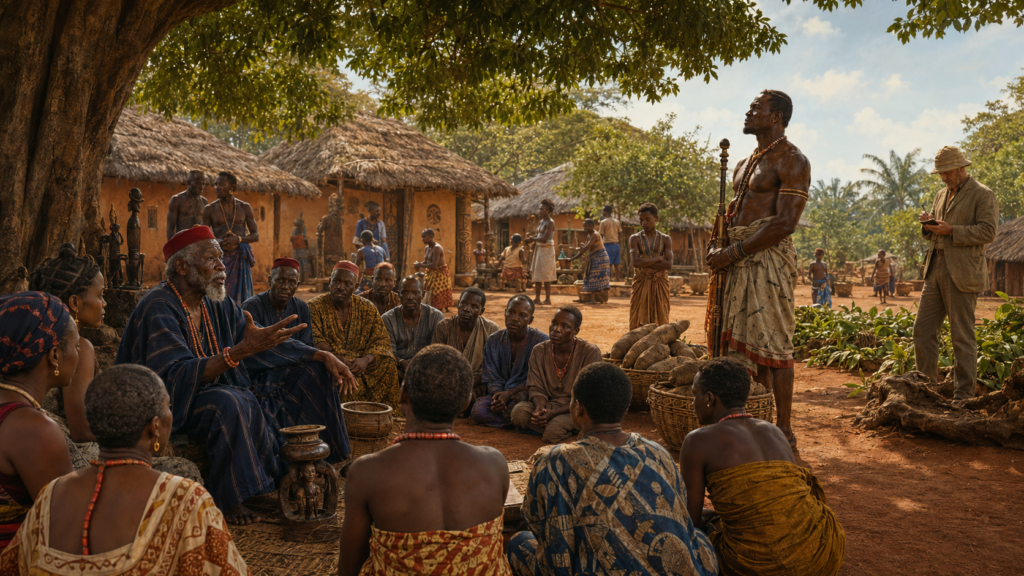
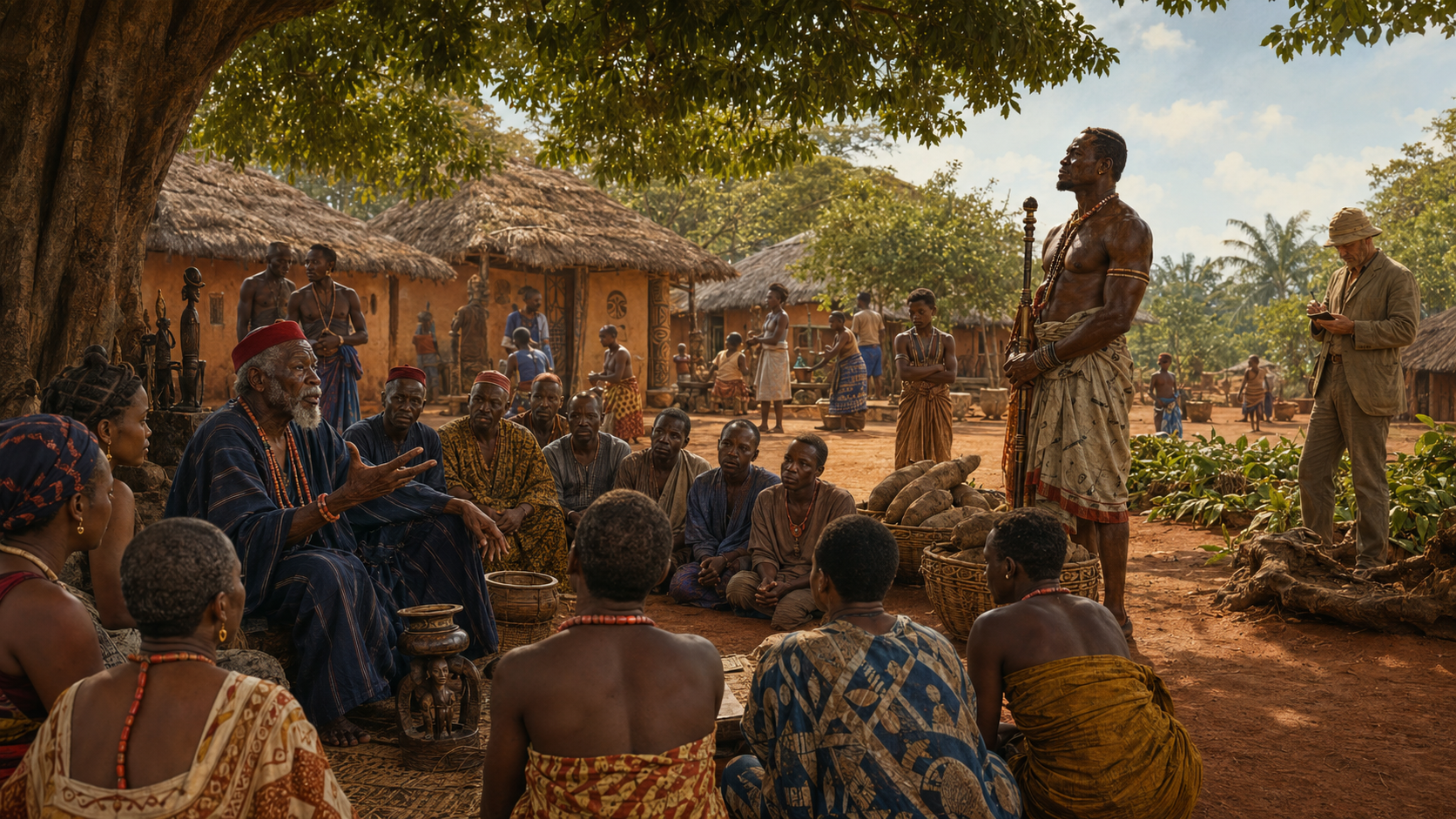
A Things Fall Apart literary analysis essay asks you to explain how Chinua Achebe builds meaning through character, conflict, culture, and style. This guide will help you choose a strong angle, write a clear thesis, and use evidence with purpose.

In this Guide

  • Why this essay is different from a plot summary
  • How to choose a focused topic
  • Thesis statement examples
  • Essay structure and paragraph planning
  • Evidence ideas from the novel
  • Common mistakes to avoid
  • Recommended books
  • FAQ
Things Fall Apart literary analysis

Why a Things Fall Apart literary analysis essay is different

Your job is not to retell the story.

A Things Fall Apart literary analysis essay should explain how the novel works. You study Achebe’s choices, such as point of view, proverbs, conflict, irony, and character change.

Plot summary says Okonkwo fears weakness. Analysis asks why that fear matters and how it shapes the tragic path of the novel.

This is similar to writing about Macbeth. You would not just say Macbeth wants power. You would explain how ambition, prophecy, and fear lead him toward ruin.

For background on the novel, you can review this Britannica overview of Things Fall Apart.

How to choose a topic for your Things Fall Apart literary analysis essay

A good topic should be narrow enough to prove in a few pages.

The best Things Fall Apart literary analysis essay topics focus on one clear pattern. Do not try to cover the whole novel at once.

Strong topic ideas include:

  • Okonkwo’s fear of weakness and his tragic choices
  • Proverbs as a way to show Igbo values
  • The clash between individual pride and community law
  • The arrival of missionaries and the loss of cultural control
  • The novel’s final paragraph and the power of narration
  • Masculinity, violence, and public honor

If you feel stuck, start with a question. For example: How does Achebe show that Okonkwo is both respected and deeply flawed?

Thesis examples for a Things Fall Apart literary analysis essay

A thesis should make a claim that someone could debate.

A weak thesis says, Okonkwo is an important character in the novel. That is true, but it does not give your essay a direction.

Use these thesis statement examples as models for your own Things Fall Apart literary analysis essay:

  • Thesis example 1: In Things Fall Apart, Achebe presents Okonkwo as a tragic figure whose fear of weakness turns cultural pride into personal damage.
  • Thesis example 2: Achebe uses proverbs to show that Igbo society has deep moral order, which challenges the colonial view of Africa as uncivilized.
  • Thesis example 3: The novel’s final shift in perspective reveals how colonial power reduces a complex culture into a simple story for outsiders.
  • Thesis example 4: Through Okonkwo’s exile, Achebe shows that survival requires flexibility, not only strength.

Each thesis names a literary idea and points toward evidence. That is the heart of a strong essay.

How to structure a Things Fall Apart literary analysis essay

A clear structure helps your reader follow your argument.

A Things Fall Apart literary analysis essay usually works best with an introduction, body paragraphs, and a short conclusion. Each body paragraph should prove one part of the thesis.

A simple body paragraph plan looks like this:

  • Topic sentence: Make one clear claim.
  • Context: Explain what is happening in the scene.
  • Evidence: Use a short quotation or exact moment.
  • Analysis: Explain how the evidence proves your point.
  • Link back: Connect the paragraph to your thesis.

If you want a full guide to the basics, read our step-by-step literary analysis essay guide.

For a faster writing process, the Literary Analysis Essay Toolkit gives you thesis frames, paragraph templates, and planning pages you can use before you draft.

Evidence tips for a Things Fall Apart literary analysis essay

Good evidence is not always the longest quote.

In a Things Fall Apart literary analysis essay, your best evidence often comes from key scenes. Choose moments that reveal a pattern in character or theme.

Useful scenes include:

  • Okonkwo’s treatment of Nwoye
  • The killing of Ikemefuna
  • Okonkwo’s exile in Mbanta
  • The arrival of the missionaries
  • The final paragraph about the District Commissioner

Do not drop a quote into the paragraph and move on. Explain word choice, tone, or contrast.

For example, if you use the final paragraph, focus on how the District Commissioner plans to turn a full human life into a small detail. That scene shows how colonial control also works through storytelling.

Common mistakes to avoid

Small writing choices can weaken a strong idea.

One common mistake is writing a summary instead of an argument. If most of your paragraph explains what happened, add more analysis.

Another mistake is treating Igbo culture as simple. Achebe shows a society with rules, debates, art, religion, and flaws.

A third mistake is making Okonkwo either hero or villain. A stronger essay shows how he can be brave and destructive at the same time.

Watch for vague claims. Words like important or interesting need a sharper point.

These books can help you build context before you write.

  • Things Fall Apart by Chinua Achebe
  • Chinua Achebe’s Things Fall Apart: A Casebook, edited by Isidore Okpewho

You can look for these through your school library, local library, or major book retailers.

FAQ: Things Fall Apart literary analysis essay

What is a good topic for a Things Fall Apart literary analysis essay?

A strong topic focuses on one idea, such as Okonkwo’s fear, proverbs, colonial power, or the novel’s ending.

What should my thesis include?

Your thesis should name the author, the literary focus, and the main meaning you plan to prove.

Can I write about Okonkwo as a tragic hero?

Yes. That can work well if you explain how his flaw leads to his downfall and affects the community around him.

How many quotes should I use?

Use enough evidence to support each body paragraph. One strong quote with careful analysis is better than several weak ones.

Should I include historical context?

Yes, but keep it tied to your argument. Context should support your analysis, not replace it.

Key Takeaway

A strong Things Fall Apart literary analysis essay does more than explain the plot. It shows how Achebe uses character, culture, and narration to reveal what happens when a world is forced to change.

Themes in Things Fall Apart: A Student-Friendly Guide

Things Fall Apart themes

A clear guide to the major ideas, conflicts, and meanings students should notice in Things Fall Apart.

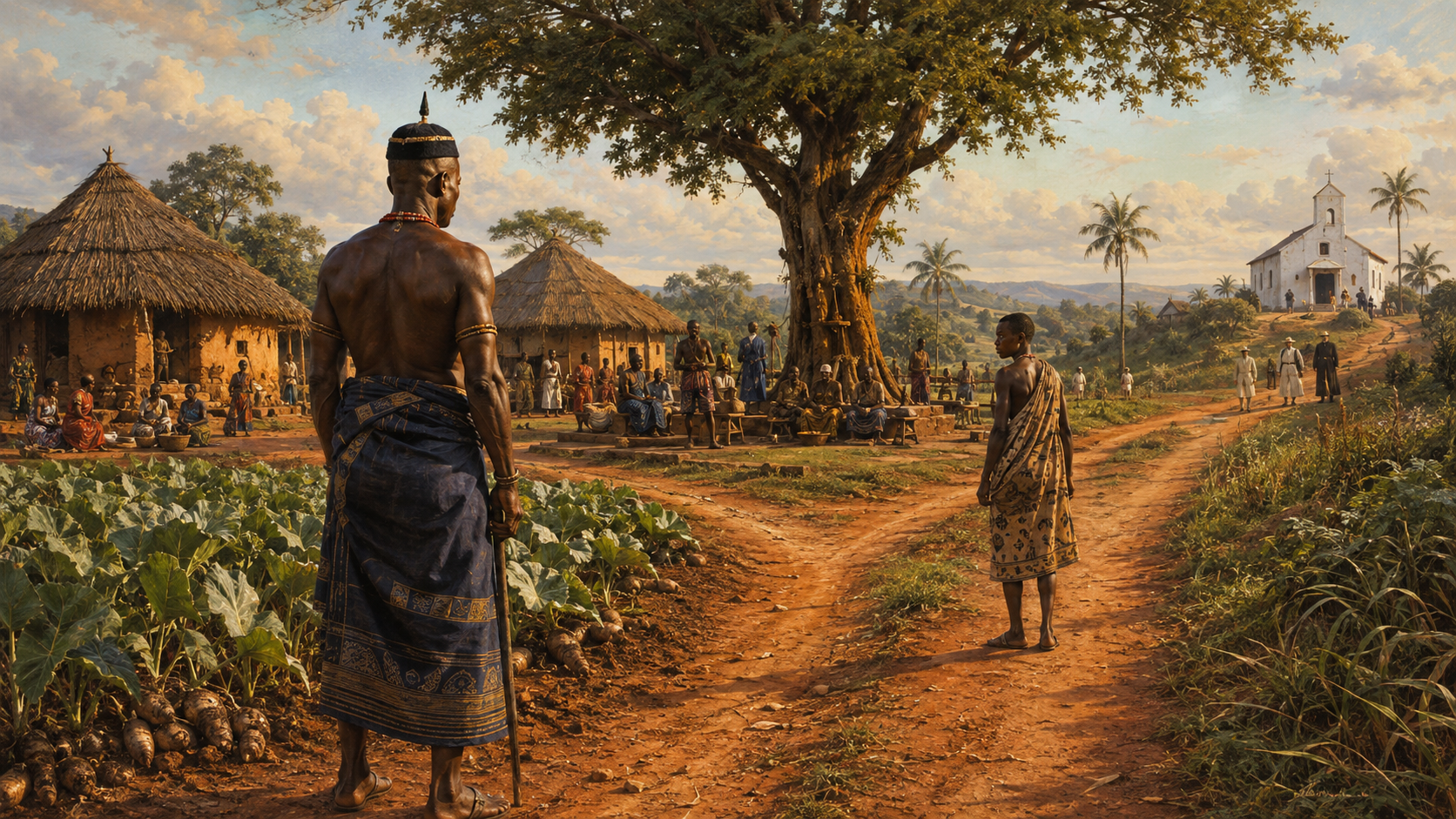
The themes in Things Fall Apart help students see why Chinua Achebe’s novel still matters in English classes today. The book explores culture, power, pride, family, and loss through the fall of one man and the shock faced by a whole community.

This guide breaks down the major ideas in simple terms, with examples you can use for essays, class talks, or AP Literature prep.

In this Guide

Use these sections to trace the novel’s biggest ideas with more confidence.

  • Why the themes matter
  • Tradition and change
  • Masculinity and pride
  • Fate and personal choice
  • Family and community
  • Religion and colonial power
  • Language and storytelling
  • Tragedy and meaning
  • FAQ
Things Fall Apart themes

Why the themes in Things Fall Apart matter

Achebe writes about one village, but his ideas reach far beyond Umuofia.

When students study the themes in Things Fall Apart, they should look for tension. Almost every major idea in the novel comes from conflict between old ways and new forces, personal pride and social duty, or strength and fear.

The novel is also a response to how African cultures were often shown in European writing. Achebe gives Igbo life depth, order, beauty, and conflict. That makes the book both a story and a correction.

If you need a broader method for finding theme in any text, this guide on how to identify theme in literature can help.

Major themes in Things Fall Apart: tradition and change

One central theme is the struggle between a stable culture and rapid change.

Umuofia has customs that shape daily life. Marriage, farming, titles, festivals, justice, and religion all follow shared rules. These systems give people a sense of order.

Yet Achebe does not present tradition as perfect. Some customs protect the group, while others cause pain. The killing of Ikemefuna is one clear example. The community treats the act as tradition, but the emotional cost is severe.

Among the themes in Things Fall Apart, tradition and change may be the easiest to track. Watch how characters react when missionaries arrive. Some resist them, while others see them as a path toward dignity or safety.

This conflict is not simple. Achebe shows that change can bring both harm and hope, depending on who controls it.

Core themes in Things Fall Apart about masculinity and pride

Okonkwo’s idea of manhood shapes many of his choices.

Okonkwo fears weakness because he links it to his father, Unoka. To avoid being like him, Okonkwo becomes harsh, violent, and proud. He believes a man must show strength at all times.

Of all the themes in Things Fall Apart, masculinity is one of the most personal. Okonkwo’s strength helps him rise in Umuofia, but his fear of shame traps him.

He beats his wives, rejects tenderness, and takes part in Ikemefuna’s death because he does not want others to see him as weak. His public image matters more to him than his private conscience.

This theme connects well to Shakespeare’s Macbeth. Macbeth also lets pride and a narrow idea of courage push him toward ruin. Both men confuse power with wisdom.

Fate, personal choice, and tragic downfall

The novel asks whether Okonkwo falls because of destiny, society, or his own flaws.

Okonkwo is not unlucky in a simple way. He makes choices. Still, his world also places heavy pressure on him. His culture values titles, honor, courage, and public respect.

His exile after the accidental killing of Ezeudu’s son shows how quickly status can break. Even though the act is not planned, the punishment changes his life.

This gives the novel a tragic shape. Like many tragic heroes, Okonkwo has real greatness and a deep flaw. His flaw is not strength itself, but the fear that makes his strength rigid.

Students can write about this as a conflict between **free will and social pressure**. Okonkwo acts, but he acts inside a world with strict codes.

Family, community, and belonging

Achebe shows that identity comes from family ties and public life.

In Umuofia, the individual is never just an individual. A person belongs to a household, a clan, a lineage, and a set of shared beliefs.

Family life in the novel can be warm, but it can also be tense. Okonkwo loves some of his children, especially Ezinma, yet he struggles to show care. His fear of softness damages his home.

Nwoye’s story is key. He feels hurt by parts of Igbo custom and by his father’s harshness. When the missionaries arrive, he finds a new form of belonging.

This makes family one of the quieter themes in Things Fall Apart. The break between Okonkwo and Nwoye mirrors the larger break in the clan.

Religion, colonial power, and cultural conflict

The arrival of Christianity changes the balance of life in Umuofia.

The missionaries do not enter an empty world. Umuofia already has gods, priests, rituals, and moral laws. Achebe makes this clear so readers do not mistake Igbo religion for chaos.

At first, the new faith attracts people who feel pushed aside. This includes outcasts and those hurt by certain customs. Christianity gives them a new place in the world.

But religion soon joins with political power. The church leads to courts, prisons, messengers, and colonial control. What begins as belief becomes part of a system that weakens the clan.

This is one of the themes in Things Fall Apart that students should handle with care. Achebe does not suggest that one side is simple good and the other simple evil. He shows how belief can comfort people, but power can also use belief as a tool.

For reliable background on Achebe’s life and work, see Britannica’s biography of Chinua Achebe.

Language, storytelling, and historical voice

Achebe uses style to honor Igbo thought and speech.

The novel includes proverbs, folktales, speeches, and oral traditions. These moments show that Umuofia has its own art, logic, and wisdom.

A famous line in the novel says, **proverbs are the palm-oil with which words are eaten**. This means language has social value. It helps people argue, teach, praise, and remember.

The title also matters. It comes from W. B. Yeats’s poem The Second Coming, which you can read at the Poetry Foundation. Achebe uses that title to suggest a world where old centers no longer hold.

Language becomes one of the deepest themes in Things Fall Apart because the story itself challenges colonial speech about Africa. Achebe tells the story from within, not from the outside.

How the themes in Things Fall Apart build tragedy

The novel’s themes work together to create its tragic ending.

The themes in Things Fall Apart do not sit apart from the plot. They push the story forward. Okonkwo’s pride, the clan’s customs, and colonial force all shape the final act.

By the end, Okonkwo sees his world change in ways he cannot control. He wants his clan to fight, but many people no longer share his view. His final act shows both despair and rebellion.

The last scene is bitter because the District Commissioner reduces Okonkwo’s whole life to a small detail for a book. Achebe makes readers feel the damage caused when powerful people control the story of others.

If you want a simple way to track quotes, conflicts, and theme statements as you read, try our student theme study organizer.

Books to pair with Things Fall Apart

These books can deepen your understanding of Achebe’s world and literary purpose.

  • Things Fall Apart by Chinua Achebe
  • Arrow of God by Chinua Achebe
  • The Palm-Wine Drinkard by Amos Tutuola

You can search these titles at your library, school bookstore, or any major bookseller. No special edition is required for most class work.

FAQ about themes in Things Fall Apart

These quick answers can help with review or essay planning.

What are the biggest themes in Things Fall Apart?

The biggest themes in Things Fall Apart include tradition versus change, masculinity, family, religion, colonial power, and tragic downfall.

What is the main message of Things Fall Apart?

One main message is that cultures are complex and fragile. Achebe shows how personal flaws and outside power can break both a person and a community.

How does Okonkwo represent the theme of masculinity?

Okonkwo believes manhood means force, status, and emotional control. This belief helps him gain respect, but it also leads to cruelty and isolation.

Why is religion important in the novel?

Religion shapes law, family life, and identity in Umuofia. The arrival of Christianity creates both comfort for some people and conflict for the clan.

How can I write a thesis about the novel’s themes?

Pick one theme and explain how Achebe develops it through character choices, cultural conflict, and the ending. A strong thesis should make a clear claim, not just name a topic.

Key Takeaway

The themes in Things Fall Apart show how a society can fracture when private fear, public duty, and outside power collide. Achebe’s novel matters because it makes readers see both the strength and the pain inside that collapse.

The Poisonwood Bible Literary Analysis Essay: How to Write One

Rapid Reads Press

Writing about Barbara Kingsolver’s novel can feel huge because it deals with family, faith, language, power, and history. The Poisonwood Bible literary analysis essay is strongest when you choose one clear pattern and explain how it shapes the novel’s meaning.

This guide will help you move from a rough idea to a focused essay with a strong thesis, useful evidence, and clear analysis.

In this Guide

Use this quick map to plan your essay one step at a time.

  • What the novel is really about
  • How to choose a focused question
  • The Poisonwood Bible literary analysis essay thesis ideas
  • Topic ideas that work well
  • Evidence you can use
  • Common mistakes to avoid
  • Helpful books and tools
Poisonwood Bible Essay

Understand What The Poisonwood Bible Is Really About

A strong essay starts with the novel’s deeper conflicts, not just its plot.

The Poisonwood Bible follows the Price family, who move from Georgia to the Congo under Nathan Price’s strict missionary rule. Yet the novel is not only about one family. It asks who has power, who gets to speak, and what happens when people refuse to listen.

Kingsolver uses several female narrators to show how truth changes from person to person. This matters because Nathan speaks as if his view is the only right one.

For author background, you can read the Britannica profile of Barbara Kingsolver.

The Poisonwood Bible Literary Analysis Essay: Start with a Focused Question

A focused question keeps your essay from turning into a book report.

Do not start with a broad theme like guilt or religion. Start with a question you can prove through scenes, narration, and symbols.

For example, you might ask: How does Kingsolver use the Price daughters’ voices to challenge Nathan’s certainty?

You could also ask: How does Adah’s language show that truth can be twisted or hidden?

Both questions lead to analysis. They push you to explain how the novel works, not just what happens.

If you need a broader method, use our step-by-step literary analysis essay guide before you draft.

The Poisonwood Bible Literary Analysis Essay Thesis Examples

Your thesis should name a pattern and explain why it matters.

In The Poisonwood Bible literary analysis essay writing, a weak thesis says the novel has many themes. A strong thesis argues how Kingsolver creates meaning through a specific choice.

Here are thesis statement examples you can adapt:

  • Kingsolver uses the five Price women as narrators to show that truth is shaped by gender, memory, and power.
  • Through Nathan Price’s failed mission, the novel argues that faith becomes harmful when it is tied to control instead of compassion.
  • Adah’s wordplay and reversed language reveal that speech can hide truth as much as it can reveal it.
  • Leah’s changing view of the Congo shows that moral growth begins when a person learns to listen.

Each thesis gives you room to analyze scenes. It also gives your essay a clear path.

Topic Ideas for The Poisonwood Bible Literary Analysis Essay

The best topics are narrow enough to prove in a short paper.

Here are strong topic angles:

  • Narration and authority: Study how the Price women tell different versions of the same family story.
  • Language and misunderstanding: Focus on mistranslation, Adah’s word games, or Nathan’s sermons.
  • Faith and control: Analyze how Nathan confuses belief with power.
  • Colonialism and blindness: Show how the Price family’s mission reflects larger political forces.
  • Leah’s moral change: Trace how Leah moves from loyalty to self-awareness.

Pick one angle. Then choose two or four scenes that clearly support it.

Build Body Paragraphs That Analyze, Not Summarize

Your body paragraphs should explain how evidence supports your claim.

Start each paragraph with a clear point. Then bring in a short scene, image, or detail from the novel. After that, explain how the detail proves your thesis.

For example, do not only say that Nathan plants a garden and fails. Explain how the failed garden shows his refusal to understand the land and people around him.

This same skill matters in many books. In Things Fall Apart, Achebe also shows the danger of outsiders who misread a culture. In Heart of Darkness, Conrad explores empire through a darker and more limited voice.

Evidence to Use in The Poisonwood Bible Literary Analysis Essay

Good evidence makes your argument feel grounded in the novel.

For The Poisonwood Bible literary analysis essay, choose evidence that reveals a pattern. You do not need the longest quote. You need the most useful moment.

  • The family’s arrival in the Congo and their first signs of confusion
  • Nathan’s failed garden as a symbol of pride and ignorance
  • Methuselah the parrot as a symbol of freedom and harm
  • Adah’s palindromes, silence, and sharp view of language
  • Ruth May’s voice and the novel’s sense of loss
  • Leah’s slow break from Nathan’s worldview

After each piece of evidence, ask: What does this reveal about power, belief, or voice?

Common Mistakes in The Poisonwood Bible Literary Analysis Essay

Small choices can make your essay much stronger.

Avoid writing a plot summary. Your teacher already knows the story.

Do not write about every theme in the novel. A focused paper often earns a stronger grade than a wide one.

Do not treat Nathan as the only important figure. The novel’s structure gives major weight to the women who survive, remember, and speak.

Do not drop quotes into a paragraph without comment. Your analysis should be longer than the evidence itself.

Helpful Books to Search on Amazon or at Your Library

These books can deepen your context without replacing your own analysis.

  • The Poisonwood Bible by Barbara Kingsolver
  • King Leopold’s Ghost by Adam Hochschild
  • Things Fall Apart by Chinua Achebe

Use context carefully. Your essay should still focus on Kingsolver’s language, structure, and choices.

Use a Literary Analysis Essay Tool to Draft Faster

A clear template can help you turn ideas into paragraphs.

If you want thesis frames, paragraph models, and planning pages, try The Literary Analysis Essay Toolkit. It is built to help students move from notes to a polished essay with less stress.

You can also pair it with our complete literary analysis essay guide if you want more support with structure.

FAQ: The Poisonwood Bible Literary Analysis Essay

Here are quick answers to common student questions.

What is a good thesis for The Poisonwood Bible?

A good thesis should focus on one literary choice, such as narration, symbolism, or language. It should also explain what that choice reveals about power or truth.

Can I write about Nathan Price?

Yes, but do not only describe him as strict. Analyze how Kingsolver uses him to criticize pride, control, or cultural blindness.

Which character is best for analysis?

Adah, Leah, and Orleanna all work well because their voices show deep change and conflict.

How many quotes should I use?

Use enough evidence to prove each point. In a short essay, one strong quote or scene per body paragraph can work well.

Key Takeaway

A strong The Poisonwood Bible literary analysis essay does not try to cover the whole novel. It follows one clear idea, uses precise evidence, and explains how Kingsolver’s choices create meaning.

Themes in The Poisonwood Bible: A Student-Friendly Guide

The Poisonwood Bible Themes

Barbara Kingsolver’s novel can feel huge at first, but its ideas become clearer once you track the themes in The Poisonwood Bible. The book follows the Price family in the Congo and asks hard questions about faith, power, guilt, language, and survival.

This guide breaks those ideas into student-friendly parts so you can use them in class discussion, AP Literature writing, or a college essay.

In this Guide

Use these sections to move from the big ideas to essay-ready details.

  • Why the themes matter
  • Faith and religious pride
  • Colonialism and power
  • Voice, gender, and control
  • Guilt, memory, and responsibility
  • Nature, survival, and symbols
  • FAQ and key takeaway
The Poisonwood Bible Themes

Why the Themes in The Poisonwood Bible Matter

The novel is not just about one family in a new place. It is about what happens when people bring pride into a world they do not understand.

The themes in The Poisonwood Bible help readers see the Price family’s private problems next to larger historical forces. Nathan Price wants to control his family and the people of Kilanga. At the same time, foreign governments and colonial powers try to control the Congo.

That parallel is a major reason the novel works well for literary analysis. The family story and the political story reflect each other.

If you are writing an essay, look for moments where a private conflict reveals a public one. That is the kind of link teachers often want to see.

Faith and Religious Pride

Kingsolver shows the difference between sincere belief and harmful pride.

Nathan Price comes to the Congo as a missionary, but he does not listen well. He treats his own view of Christianity as the only truth, even when it harms his family or pushes others away.

This theme is not simply “religion is bad.” The novel is more careful than that. It questions **religious pride**, not faith itself.

Nathan wants to baptize the villagers in a river even though crocodiles make it dangerous. He keeps preaching in ways that do not fit the local culture. He also fails to understand the language, which turns his message into confusion.

A useful comparison is Arthur Miller’s The Crucible. In that play, people use religion to gain control or prove their own purity. Kingsolver does something similar with Nathan, who uses faith as a weapon instead of a source of care.

For an essay, you might argue that Nathan’s failure comes from his refusal to learn. He speaks often, but he rarely hears.

Colonialism and Power: One of the Central Themes in The Poisonwood Bible

The novel connects family control with political control.

Colonialism is one of the most important themes in The Poisonwood Bible because the Prices arrive in a country shaped by outside rule. The Congo has been exploited by European powers, and the novel shows how that history still affects daily life.

Nathan’s attitude mirrors colonial thinking. He assumes he has the right to teach, correct, and judge people who know far more about their own land than he does.

The political background matters. The Congo is moving toward independence, but foreign influence does not vanish. For brief context, Britannica offers a helpful overview of the Democratic Republic of the Congo.

These themes in The Poisonwood Bible also connect well with Chinua Achebe’s Things Fall Apart. Both novels show how outsiders can damage a culture when they mistake power for truth.

In class writing, avoid saying the novel is only about “Africa” in a broad way. Be specific. Kingsolver is writing about the Congo, the Price family, and the long reach of colonial power.

Language and Misunderstanding

Words matter in this novel because language can connect people or break trust.

Nathan’s mistakes with Kikongo are more than comic errors. They show his deeper failure to respect the world around him.

The famous “poisonwood” mistake shows this clearly. Nathan means to call Jesus beloved, but his poor pronunciation changes the meaning. His message becomes linked with a plant that causes pain.

This is a strong symbol because it joins language, faith, and harm. Nathan’s words do not heal because he refuses to learn how they are heard.

If you want to sharpen this part of your analysis, our guide on how to find symbolism in a story can help you turn details like this into stronger essay points.

Voice and Gender in the Themes in The Poisonwood Bible

The novel gives women the power to tell the story.

Among the themes in The Poisonwood Bible, voice is one of the most important. The book is narrated by Orleanna and her daughters, not by Nathan. That choice matters.

Nathan tries to rule the family, but the women shape the novel’s meaning. Each daughter sees the Congo in a different way. Their voices show how one event can carry many truths.

Rachel often focuses on comfort and status. Leah begins as loyal to Nathan, then changes as she sees his damage more clearly. Adah has a sharp, poetic way of seeing that challenges what others miss. Ruth May gives the story innocence and danger.

Orleanna’s voice is full of regret. She looks back and asks what she should have done. Her sections help make guilt a major part of the novel.

This structure is useful for AP Literature essays because narration affects theme. Who tells the story changes what the story can mean.

Guilt, Memory, and Responsibility

The past does not stay still in this novel.

Orleanna and her daughters carry memory in different ways. Some try to escape it. Some try to understand it. Some build a new life from what they have lost.

Guilt is not the same for every character. Orleanna feels guilt for staying with Nathan and for not protecting her children sooner. Leah feels a wider guilt tied to American power and her own early blindness.

Kingsolver asks a hard question: What do people owe after harm has been done?

This theme makes the novel more than a story of personal growth. It becomes a story about responsibility. The characters must face what their family has done and what their country has supported.

A helpful comparison is Toni Morrison’s Beloved, another novel where memory acts like a living force. In both books, the past shapes the present even when characters want to move on.

Nature, Survival, and Limits

The land is not a backdrop. It is a force with its own rules.

Nathan thinks he can force his plans onto Kilanga, but the environment proves him wrong. His garden fails because he does not understand the soil, the seasons, or local knowledge.

This failure matters. It shows that survival depends on humility. The villagers know how to live in their place because they respect its limits.

Nature also reveals the weakness of Nathan’s worldview. He sees problems as tests of will, but the novel shows that willpower without wisdom can become dangerous.

For students, this theme is easy to support with evidence. Look at the garden, the river, the ants, and the poisonwood tree. Each one shows that the natural world cannot be controlled by pride.

From Idea to Novel Blueprint

Symbols That Support the Themes in The Poisonwood Bible

Symbols help turn the novel’s big ideas into concrete images.

Many themes in The Poisonwood Bible become clearer through repeated objects and natural details. The poisonwood tree connects language with pain. The failed garden shows Nathan’s arrogance. The river suggests danger, change, and the limits of his mission.

The ants are another strong symbol. When they swarm, human plans collapse. Characters must act fast, and the crisis reveals what they value most.

These symbols do not stand alone. They gain meaning because they connect to character choices and larger conflicts.

If symbols feel hard to track, revisit this short guide to spotting symbolism in literature. It can help you move from “this object is important” to “this object supports the theme.”

How to Write About the Themes in The Poisonwood Bible

A strong essay should connect theme to character, structure, and setting.

Do not just name a theme. Explain how Kingsolver builds it. A simple claim like “colonialism is bad” is too broad. A stronger claim would say that Kingsolver links Nathan’s control over his family to the wider control of foreign powers in the Congo.

Use scenes, not plot summary. Focus on Nathan’s sermons, Orleanna’s reflections, the failed garden, or the family’s different responses to crisis.

You can also write about narration. Since the women tell the story, the novel pushes back against Nathan’s control. The structure itself becomes part of the meaning.

If you want a faster way to review before a quiz or essay, try our student literature study resources for clear study support.

Helpful Books for More Context

These books can deepen your grasp of the novel and its background.

  • The Poisonwood Bible by Barbara Kingsolver
  • Things Fall Apart by Chinua Achebe
  • King Leopold’s Ghost by Adam Hochschild

For author background, Britannica also has a concise page on Barbara Kingsolver.

FAQ: Themes in The Poisonwood Bible

These quick answers can help with review or essay planning.

What are the main themes in The Poisonwood Bible?

The main themes in The Poisonwood Bible include religious pride, colonial power, guilt, voice, language, and survival. The novel shows how personal choices connect to history.

Is The Poisonwood Bible against religion?

Not exactly. The novel criticizes pride and control done in the name of religion. It does not reject sincere faith or moral care.

Why are there multiple narrators?

The multiple narrators show that truth is complex. Each woman in the Price family understands events in her own way, which makes the story richer.

What is the most important symbol in the novel?

The poisonwood tree is one of the most important symbols. It connects Nathan’s language mistakes with pain, pride, and failed understanding.

How can I use these themes in an essay?

Choose one theme and connect it to specific scenes. Then explain how Kingsolver uses narration, setting, or symbols to develop that idea.

Key Takeaway

The strongest insight is that pride can become dangerous when people refuse to listen.

The themes in The Poisonwood Bible show how family, history, faith, and guilt are tied together. Kingsolver’s novel asks readers to notice who has power, who gets heard, and what it costs when people mistake control for truth.

error

Enjoy this article? Please spread the word :)

Follow by Email
BLUESKY
fb-share-icon
Reddit
LinkedIn
Share
RSS