Flash Memoir Prompt: Last Time You Cried in Front of Someone Else

Memoir prompt cried

Your tears may have come at the worst possible time: in a hallway, across a kitchen table, during a phone call, or beside someone who suddenly saw more of you than you meant to show.

Memoir prompt cried

The Prompt

Write about the last time you cried in front of someone else.

This flash memoir prompt last time cried front someone asks you to return to a moment when emotion became visible. That can be uncomfortable, but it can also lead to honest writing. Tears change a scene. They shift the room, the conversation, and sometimes the relationship.

You do not have to explain your whole life to write this piece. You only need one moment. Who was there? Where were you standing or sitting? What happened in the seconds before you realized you were crying?

Why This Memory Matters

Crying in front of someone else can feel like losing control, but in memoir, that loss of control often reveals the truth of the scene. Maybe you cried because you were hurt. Maybe you cried from relief. Maybe you had been holding yourself together for so long that one kind question broke the seal.

The person who saw you cry matters too. A parent, teacher, friend, nurse, stranger, partner, or child can change the meaning of the memory. Were they gentle? Awkward? Silent? Did they look away, hand you a tissue, make a joke, or cry too?

This kind of memory can uncover a story about trust. It may show who felt safe to you, who did not, or who surprised you. It may also reveal something about how you were taught to handle emotion. Some people grew up hearing, “Don’t cry.” Others were comforted right away. Many of us carry mixed lessons.

A strong flash memoir does not need a dramatic event. The real story might be the tiny action that followed the tears. A hand on your shoulder. A door closing softly. Someone saying your name in a different voice. These details help readers feel the moment without needing a long explanation.

How to Approach This Prompt

For this flash memoir prompt last time cried front someone, begin with a physical detail. Do not start by explaining the whole problem. Start with the body.

Maybe your throat tightened. Maybe your face felt hot. Or maybe you stared at the floor because eye contact would make the tears fall faster. Write that first.

Then narrow the memory to one scene. Keep yourself in one place if you can. A car parked outside a school. A doctor’s office. A living room after everyone else went to bed. The smaller the scene, the easier it is to make it vivid.

Write what you noticed before you write what it meant. What color was the room? What did the other person do with their hands? Was there a sound in the background, like a dishwasher, traffic, or a phone buzzing on the table?

If you want help paying closer attention to small details, the same habits used when you annotate literature can help with memoir. Notice what repeats. Notice what feels charged. Notice where the silence sits.

You can also think of the other person in the scene the way you might study a character. What did their reaction reveal? If that idea interests you, this guide to analyzing characters in literature can give you a useful lens for real-life people too.

Avoid trying to tell the entire relationship history at once. You can hint at it through one action. If your sister passed you a napkin without looking at you, that may say more than three paragraphs of background.

A Quick Example

I cried in front of my boss in the copy room, which felt like the least dignified place possible. The printer had jammed again, and I was holding a stack of half-warm papers against my chest. She asked, “Are you okay?” in a voice so normal and kind that I could not answer. My eyes filled before I could turn away. I hated the buzzing light above us. I hated the smell of toner. She did not ask for details. She just closed the copy room door and said, “Take a minute.” That made me cry harder. It was not because of the printer. It was because someone had finally noticed I was not fine, and she did not make me prove it.

Try It Yourself

Set a timer for ten minutes and write the scene without stopping. Use the prompt exactly as it is: write about the last time you cried in front of someone else.

Do not worry about sounding polished. Focus on what happened in the room. Let the meaning rise from the details. If you get stuck, return to the body: your face, your hands, your breath, your voice.

You might find that the memory is softer than you expected. You might also find that it still stings. Either response is welcome on the page. The goal is not to judge the tears. The goal is to remember them clearly enough to understand what they carried.

This flash memoir prompt last time cried front someone works best when you let the scene stay small. One person. One moment. One visible emotion. That is enough for a powerful piece of writing.

Want More Flash Memoir Prompts?

Explore all 365 prompts in The Memory Trigger: 365 Flash Memoir Writing Prompts.
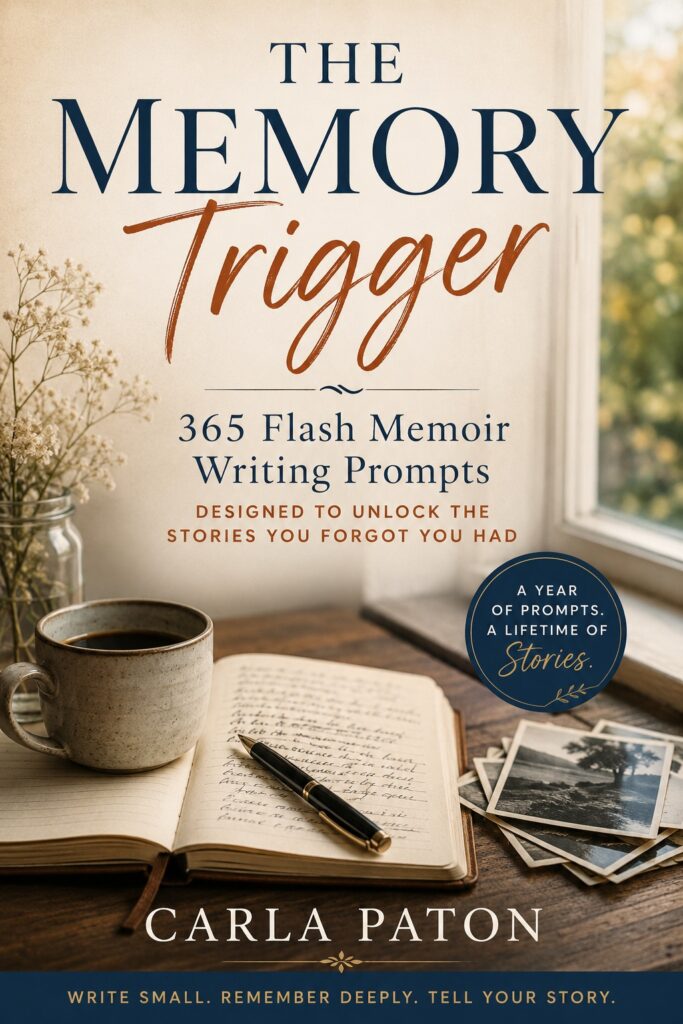
The Memory Trigger


Best Novels About Memory and Trauma: Powerful Books That Stay with You

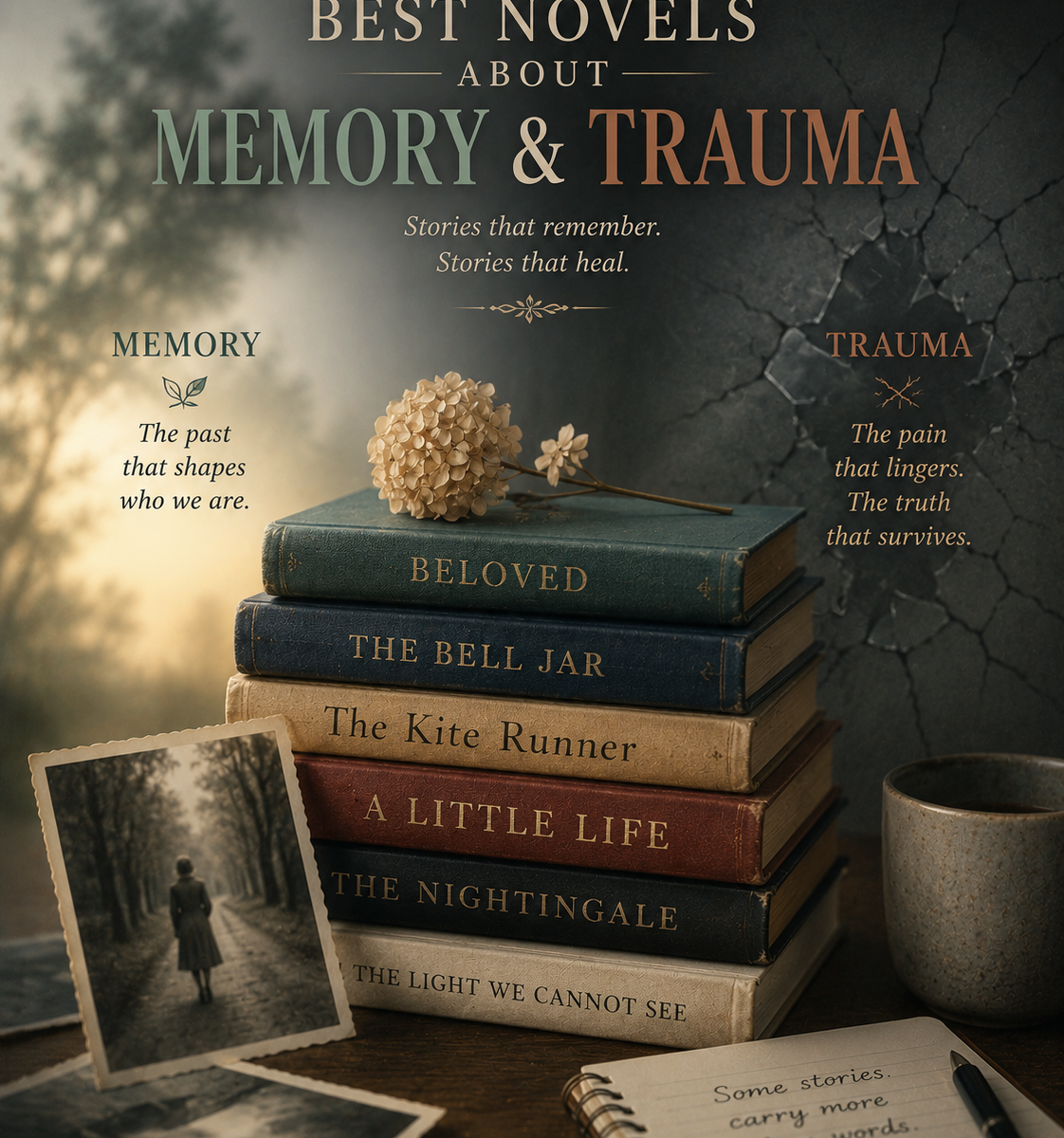
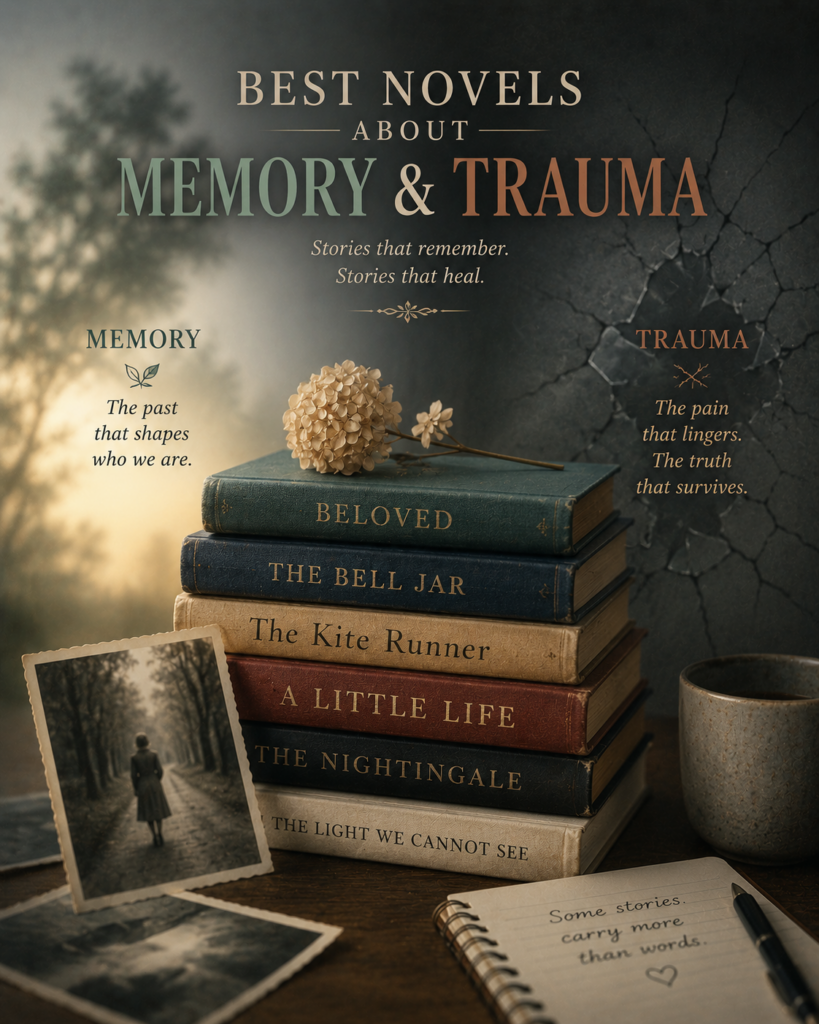
Best Novels about Memory and Trauma

The Best Novels About Memory and Trauma show how the past can shape a person’s life long after the event has ended. These books help readers understand pain, survival, silence, and the strange ways memory can return.

For students, these novels also offer rich themes, symbols, and character studies. They are strong choices for essays, class talks, and deeper reading.

In this Guide

  • Why novels about memory and trauma matter
  • Best novels to read first
  • How trauma changes storytelling
  • Common symbols and themes
  • How students can read these books with care
  • Book suggestions
  • FAQs
  • Key takeaway
Best Novels about Memory and Trauma

Why the Best Novels About Memory and Trauma Matter

These stories help readers see how the past lives inside the present.

The Best Novels About Memory and Trauma do not treat memory like a simple record. In these books, memory can be broken, hidden, repeated, or changed by fear.

That makes the reading experience feel more real. People who suffer often do not remember events in a neat order. A sound, place, smell, or word can bring the past back at once.

These novels also ask hard questions. Can a person heal if they cannot speak about what happened? Can a family move forward if it hides the truth? Or can a nation face its own violent history?

Books like Beloved by Toni Morrison and The Things They Carried by Tim O’Brien explore these questions with great care. They show that trauma is not only personal. It can also be passed through families, wars, and cultures.

Best Novels About Memory and Trauma to Read First

These books are strong starting points because they are often taught and widely discussed.

If you are new to the Best Novels About Memory and Trauma, start with books that use clear emotional conflicts and strong symbols. The stories below are well-known, but they still feel fresh because they ask deep human questions.

Beloved by Toni Morrison

Beloved is one of the most important American novels about memory, slavery, and grief. Set after the Civil War, it follows Sethe, a woman haunted by the past in both real and ghostly ways.

The novel shows how trauma can return through the body, the home, and family bonds. Morrison does not let the past stay buried. She turns memory into a living force.

You can learn more about Morrison’s life and impact through Britannica’s overview of Toni Morrison.

The Things They Carried by Tim O’Brien

This Vietnam War novel blurs the line between fact and fiction. O’Brien writes about soldiers, fear, guilt, and the stories people tell to survive.

Memory in this book is not perfect. It shifts because pain shifts it. That is part of the point.

The title itself is a symbol. The soldiers carry weapons and supplies, but they also carry shame, love, fear, and regret.

Slaughterhouse-Five by Kurt Vonnegut

Slaughterhouse-Five follows Billy Pilgrim, a man who becomes “unstuck in time.” His life moves back and forth between moments, including the bombing of Dresden during World War II.

The strange structure shows how trauma can break normal time. Billy does not simply remember the war. He seems trapped inside it.

This is one reason the novel remains one of the Best Novels About Memory and Trauma for students who want to study form and theme together.

The Remains of the Day by Kazuo Ishiguro

This quiet novel follows Stevens, an English butler who looks back on his life. At first, his memories seem calm and controlled.

As the story unfolds, readers see what he has avoided. His trauma comes through restraint, regret, and missed chances.

The book is a powerful example of emotional repression. It shows that silence can be just as painful as open grief.

Never Let Me Go by Kazuo Ishiguro

This novel may look like science fiction, but its deepest subject is memory. Kathy tells the story of her childhood at a strange boarding school and slowly reveals the truth about her life.

The novel studies how people remember youth when they know loss is near. It is calm on the surface, but deeply sad underneath.

For students, it is a great book for essays about identity, control, and the stories people tell themselves.

How Trauma Changes Storytelling

In many trauma novels, the form of the story reflects the mind of the character.

The Best Novels About Memory and Trauma often avoid a straight timeline. This is not a trick. It helps readers feel how trauma works.

A character may jump from the present to the past without warning. A scene may repeat with new details. A narrator may leave out facts because the truth is too painful.

In Beloved, memories arrive in pieces. In Slaughterhouse-Five, time itself feels broken. And in The Things They Carried, stories are retold because one version is never enough.

This style can feel hard at first. But it teaches readers to notice structure. The way a story is told can matter as much as what happens.

If you are studying older texts too, the same skill helps. Paying close attention to language and structure can make difficult works easier, as explained in this guide to understanding Shakespearean language.

Symbols and Themes in the Best Novels About Memory and Trauma

These novels often use objects, places, and repeated images to show what words cannot fully explain.

One common symbol is the house. In Beloved, the home is not just a setting. It holds grief, fear, and history.

Another key symbol is the body. Trauma often appears through scars, pain, habits, or silence. A character may not speak about the past, but the body still remembers.

Objects also carry meaning. In The Things They Carried, the items soldiers hold become signs of emotional weight. What they carry shows who they are and what they fear.

Time is another major theme. In the Best Novels About Memory and Trauma, the past is not really past. It presses into the present and changes how characters see themselves.

These books also focus on truth. A memory may be honest even if it is not fully accurate. That idea can lead to strong essay topics about narration and trust.

Why Memory Is Not Always Reliable

Memory can protect people, but it can also hide what hurts too much.

Many trauma novels use unreliable narrators. This does not always mean the narrator lies on purpose. Sometimes the narrator cannot face the full truth yet.

In The Remains of the Day, Stevens tells his life story in a careful voice. He seems proper and calm. But readers start to sense the sadness under his control.

In Never Let Me Go, Kathy’s memories feel gentle, but they lead toward a painful truth. Her calm tone makes the novel even more haunting.

This is why the Best Novels About Memory and Trauma reward close reading. Small details often reveal what the narrator cannot say directly.

How Students Can Read These Novels With Care

These books can be powerful, but some scenes may feel heavy.

When you read the Best Novels About Memory and Trauma, give yourself time. Do not rush through painful chapters just to finish the plot.

Take notes on repeated images, changes in time, and moments of silence. Ask what the character avoids. Ask what the book returns to again and again.

It also helps to learn basic facts about trauma. The National Institute of Mental Health page on PTSD offers clear information about how trauma can affect memory and daily life.

For class essays, focus on one clear idea. You might write about the haunted house in Beloved, the broken timeline in Slaughterhouse-Five, or the weight of objects in The Things They Carried.

Amazon Book Suggestions: Best Novels About Memory and Trauma

These titles are easy to find online, in libraries, and in many school reading lists.

If you want to build a reading list, these are strong choices:

  • Beloved by Toni Morrison
  • The Things They Carried by Tim O’Brien
  • Never Let Me Go by Kazuo Ishiguro

Each book gives a different view of memory and pain. Together, they show why the Best Novels About Memory and Trauma matter in modern literature.

Best Novels About Memory and Trauma for Essay Topics

These books offer rich ideas for literary analysis.

For an essay on symbolism, Beloved is a strong choice. You can study the house, the ghost, or the idea of rememory.

For an essay on structure, Slaughterhouse-Five works well. Its broken timeline shows how war changes the mind.

For an essay on narration, The Remains of the Day gives you a lot to explore. Stevens reveals his pain through what he refuses to admit.

If you need help with close reading, use skills that apply across many texts. This guide on how to understand difficult literary language can help you slow down and read with more focus.

FAQs About the Best Novels About Memory and Trauma

What makes a novel about memory and trauma powerful?

A powerful trauma novel shows how the past affects the present. It often uses symbols, broken timelines, or silence to reveal pain.

Are the Best Novels About Memory and Trauma hard to read?

Some can be emotionally difficult. They are worth reading with care, breaks, and class discussion when possible.

Which novel should students start with?

The Things They Carried is a good starting point because its chapters are short and its themes are clear. Beloved is deeper and more complex, but very rewarding.

Why do these novels often use non-linear time?

Trauma does not always feel like a normal memory. A broken timeline can show how the past returns without warning.

Can these books help with AP Literature essays?

Yes. The Best Novels About Memory and Trauma offer strong examples of theme, character, symbolism, and narrative structure.

Key Takeaway

The Best Novels About Memory and Trauma show that the past is never simple. These books help readers see how pain can shape identity, how silence can speak, and how stories can become a path toward truth.

For students, they are more than moving reads. They are some of the richest texts for close reading, essay writing, and serious thought.

error

Enjoy this article? Please spread the word :)

Follow by Email
BLUESKY
fb-share-icon
Reddit
LinkedIn
Share
RSS