Most Beautiful Small Town Secrets: What Literature Teaches Us About Hidden Places

Small Town Secrets

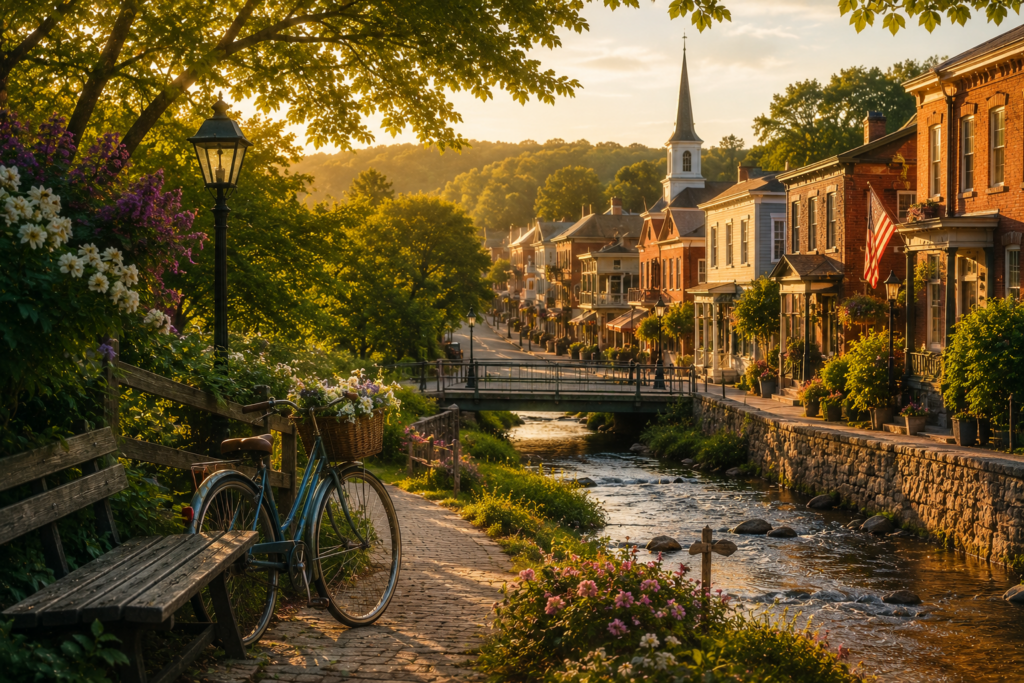
Most Beautiful Small Town Secrets are more than pretty streets, quiet porches, and local legends. In literature, they often reveal the private fears, hopes, and choices that shape a whole community.

Small towns can look peaceful from the outside, but stories show us what lives under the surface.

In this Guide

  • Why small town secrets matter in literature
  • Classic examples from famous books
  • Symbols and themes to watch for
  • Recommended books to read
  • FAQ for students and readers
Small Town Secrets

Why Most Beautiful Small Town Secrets Matter in Literature

Small towns make secrets feel personal because everyone seems to know everyone.

Writers use small towns to show how public life and private life can clash. A character may smile at church, wave at a neighbor, or sit in a classroom, yet hide pain that no one wants to see.

That is why Most Beautiful Small Town Secrets work so well in fiction. Beauty creates contrast. The town may look calm, but the story asks us to look closer.

This setting also helps students notice social pressure. In a small town, gossip can act like a law. Reputation can matter as much as truth.

Most Beautiful Small Town Secrets in Classic Literature

Many classic books use quiet towns to explore deep conflict.

In To Kill a Mockingbird by Harper Lee, Maycomb seems slow and familiar. Yet the town hides racism, fear, and moral courage. The beauty of childhood memories sits beside serious injustice.

In Winesburg, Ohio by Sherwood Anderson, the town is full of lonely people. Each person carries a private story. These Most Beautiful Small Town Secrets are not always shocking, but they are deeply human.

In Thornton Wilder’s Our Town, Grover’s Corners appears simple. The play shows daily life, family love, and the passing of time. Its secret is that ordinary life is more precious than people realize.

You can read more about Winesburg, Ohio through Britannica’s overview.

Symbols Behind Most Beautiful Small Town Secrets

Small town stories often use simple objects to carry deeper meaning.

A locked room may stand for shame. A garden may suggest hope. A main street may show the public face of the town, while a back road may reveal what people hide.

In Most Beautiful Small Town Secrets, houses often matter. A bright porch can seem warm, but it can also hide family tension. A broken fence can suggest a broken boundary between private life and public talk.

Weather also plays a strong role. Summer heat can build pressure. A storm can mark a moment when truth breaks through.

These symbols help readers see that setting is never just background. It can act like a mirror for the characters.

Key Themes in Most Beautiful Small Town Secrets

Small towns in literature often ask big moral questions.

One major theme is appearance versus reality. A town may seem safe, polite, or pure, but the plot reveals what people refuse to face.

Another theme is belonging. Characters may want to fit in, but the town’s rules can limit who they become. This is common in coming-of-age stories.

Memory is also important. Many small town stories look back at childhood, family history, or old choices. The past does not stay buried for long.

Emily Dickinson’s poetry is a helpful match here because she often finds mystery in small spaces and quiet moments. If you want a student-friendly guide, read how to read Emily Dickinson.

These books are strong choices for students who want rich settings and hidden conflict.

  • Winesburg, Ohio by Sherwood Anderson
  • To Kill a Mockingbird by Harper Lee

Winesburg, Ohio is best for readers who like linked stories and quiet sadness. It shows how one town can hold many private worlds.

To Kill a Mockingbird is best for readers who want a clear plot with moral conflict. It shows how small town life can protect old beliefs, even when those beliefs hurt people.

For poetry that captures hidden feeling in plain language, Emily Dickinson is also worth reading. The Poetry Foundation’s Emily Dickinson page gives helpful background.

How Students Can Read Small Town Secrets More Closely

Start by asking what the town wants people to believe.

Then ask what the story slowly reveals. Pay attention to who has power, who gets judged, and who stays silent.

Look for repeated places. A courthouse, school, cemetery, or front porch can tell you what the town values.

It also helps to track gossip. In many stories, gossip shows fear more than truth. It can reveal what the town refuses to discuss in public.

Why Most Beautiful Small Town Secrets Still Feel Modern

These stories still matter because every community has a public face.

Today, that public face may appear on social media, school websites, or local news. The idea is the same. People and places often show only part of the truth.

Most Beautiful Small Town Secrets remind us to read beyond first impressions. A pretty setting can hold grief, courage, love, and change.

FAQ About Most Beautiful Small Town Secrets

What does “Most Beautiful Small Town Secrets” mean in literature?

It refers to hidden truths inside peaceful or charming small town settings. These secrets often reveal conflict, pain, or moral growth.

Why do writers use small towns so often?

Small towns make relationships feel close and intense. A secret can affect the whole community.

What is a good book about small town secrets for students?

To Kill a Mockingbird is a strong choice because it connects setting, justice, and character growth in a clear way.

Are small town secrets always dark?

No. Some secrets reveal kindness, love, or hidden strength. The secret may be painful, but it can also lead to truth.

Key Takeaway

Most Beautiful Small Town Secrets show that quiet places can hold powerful stories. In literature, the smallest setting can reveal the biggest truths about people.


Books Like Fear and Anxiety: Literature That Makes Inner Fear Visible

Fear and Anxiety

Readers often search for Books Like Fear and Anxiety because they want stories that name what many people feel but struggle to explain. These books turn panic, dread, doubt, and stress into characters, symbols, and powerful scenes.

For students, these works can also make essays richer because they connect personal feeling with big literary themes.

In this Guide

  • What makes these books powerful
  • Classic novels about fear and anxiety
  • Modern books with anxious characters
  • Common symbols and themes
  • Recommended books to read
  • FAQs
Fear and Anxiety

What Makes Books Like Fear and Anxiety So Powerful?

These stories show how fear changes the way people see the world.

Books Like Fear and Anxiety matter because they do more than describe nervous feelings. They show how fear shapes choices, breaks trust, and makes ordinary places feel strange.

In literature, anxiety often appears as a locked room, a dark street, a storm, or a voice inside the mind. These symbols help readers understand feelings that are hard to say out loud.

That is why these books work well in high school and college classes. They give students a clear path into theme, mood, conflict, and character study.

Classic Books Like Fear and Anxiety for Students

Many classic works explore fear through guilt, isolation, and pressure.

One strong example is Crime and Punishment by Fyodor Dostoevsky. Raskolnikov’s fear does not only come from the police. It comes from his own mind after he commits murder.

His anxiety grows because he cannot escape himself. This makes the novel a powerful study of guilt and moral fear.

Another key example is Frankenstein by Mary Shelley. Victor Frankenstein fears the creature he made, but he also fears the truth about his own ambition.

The novel shows that fear often starts when a person refuses to face responsibility.

The Metamorphosis by Franz Kafka also belongs in any discussion of Books Like Fear and Anxiety. Gregor Samsa wakes as an insect, but the deeper horror is his family’s shame and rejection.

Kafka turns anxiety into a strange body. That image helps readers see how fear can make a person feel less than human.

Modern Books Like Fear and Anxiety Worth Reading

Modern stories often connect anxiety to identity, family, school, work, and social pressure.

The Bell Jar by Sylvia Plath is one of the most important modern novels about mental distress. Esther Greenwood feels trapped under an invisible weight.

The “bell jar” becomes a symbol of isolation. It shows how anxiety and depression can make the outside world feel distant and unreal.

Speak by Laurie Halse Anderson is another strong choice for students. Melinda’s silence shows how trauma can turn fear inward.

The novel uses art, school spaces, and voice as symbols. Each one helps show Melinda’s slow return to strength.

The Perks of Being a Wallflower by Stephen Chbosky also fits with Books Like Fear and Anxiety. Charlie’s letters reveal fear, memory, and loneliness in a direct, honest style.

These modern works help readers see that anxiety is not always loud. Sometimes it hides in silence, routine, or a smile.

Symbols and Themes in Books Like Fear and Anxiety

Writers often use symbols to make fear feel real on the page.

One common symbol is the house. In many stories, a house should mean safety. When the house feels unsafe, the reader senses deep emotional trouble.

In Edgar Allan Poe’s “The Fall of the House of Usher,” the house reflects the family’s decay and terror. You can learn more about Poe’s work through the Poetry Foundation’s page on Edgar Allan Poe.

Darkness is another common symbol. It may show confusion, danger, or the unknown.

Water can also point to anxiety. A flood, river, or deep sea may show a mind that feels out of control.

The strongest Books Like Fear and Anxiety often use setting as a mirror. The outside world reflects the character’s inner state.

Common themes include guilt, isolation, loss of control, and fear of change. These themes help readers connect private emotion to larger human problems.

How to Read Books Like Fear and Anxiety in Class

A careful reading can turn emotional scenes into strong analysis.

When you read Books Like Fear and Anxiety, start by asking what the main character fears most. Is it death, shame, failure, truth, or being alone?

Next, look for repeated images. A sound, color, room, or object may carry symbolic meaning.

Pay close attention to sentence style too. Short, broken sentences can create panic. Long, heavy sentences can make a scene feel trapped.

This same skill helps with poetry. If you want a clear method, read our guide on how to analyze poetry step by step.

Poems often use fear in a tight space. A single image can carry a whole emotional world.

These titles are strong choices for students who want literature with emotional depth.

  • The Bell Jar by Sylvia Plath
  • Frankenstein by Mary Shelley
  • Speak by Laurie Halse Anderson

Each book offers a different view of fear. One explores mental illness, one explores ambition and guilt, and one explores trauma and voice.

If you are building a reading list around Books Like Fear and Anxiety, these are useful starting points because they are widely taught and easy to discuss in essays.

Why Books Like Fear and Anxiety Matter in Literary Culture

These books help readers talk about feelings that society often hides.

Fear has always been part of literature. Ancient myths, Gothic novels, war stories, and modern school novels all use fear to ask serious questions.

What do people do when they lose control? How does guilt change a person? Can truth set someone free, or does it make life harder?

Books Like Fear and Anxiety stay popular because these questions never go away.

They also remind readers that fear is not a weakness. In many stories, fear becomes the first step toward honesty.

For background on Gothic fiction, which often explores dread and inner terror, Britannica offers a helpful overview of the Gothic novel.

FAQ: Books Like Fear and Anxiety

What are Books Like Fear and Anxiety usually about?

They are usually about fear, stress, guilt, trauma, or the feeling of being trapped. They often show how a character’s mind changes under pressure.

Are these books good for AP Literature essays?

Yes. Many of them have clear themes, strong symbols, and complex characters. That makes them useful for literary analysis.

What is a good first book to read in this category?

Frankenstein is a strong first choice. It has fear, guilt, science, family conflict, and rich symbolism.

Do these books always have sad endings?

No. Some are tragic, but others show healing or self-knowledge. The main focus is not sadness. It is emotional truth.

Key Takeaway

Books Like Fear and Anxiety help readers see how literature turns hidden feelings into stories, symbols, and unforgettable characters.

They are worth reading because they show that fear can reveal who people are, what they value, and what they must face to grow.

Ekphrasis Poetry Prompt: The Motel Sign Still Buzzing

Ekphrasis Poetry Prompt Motel

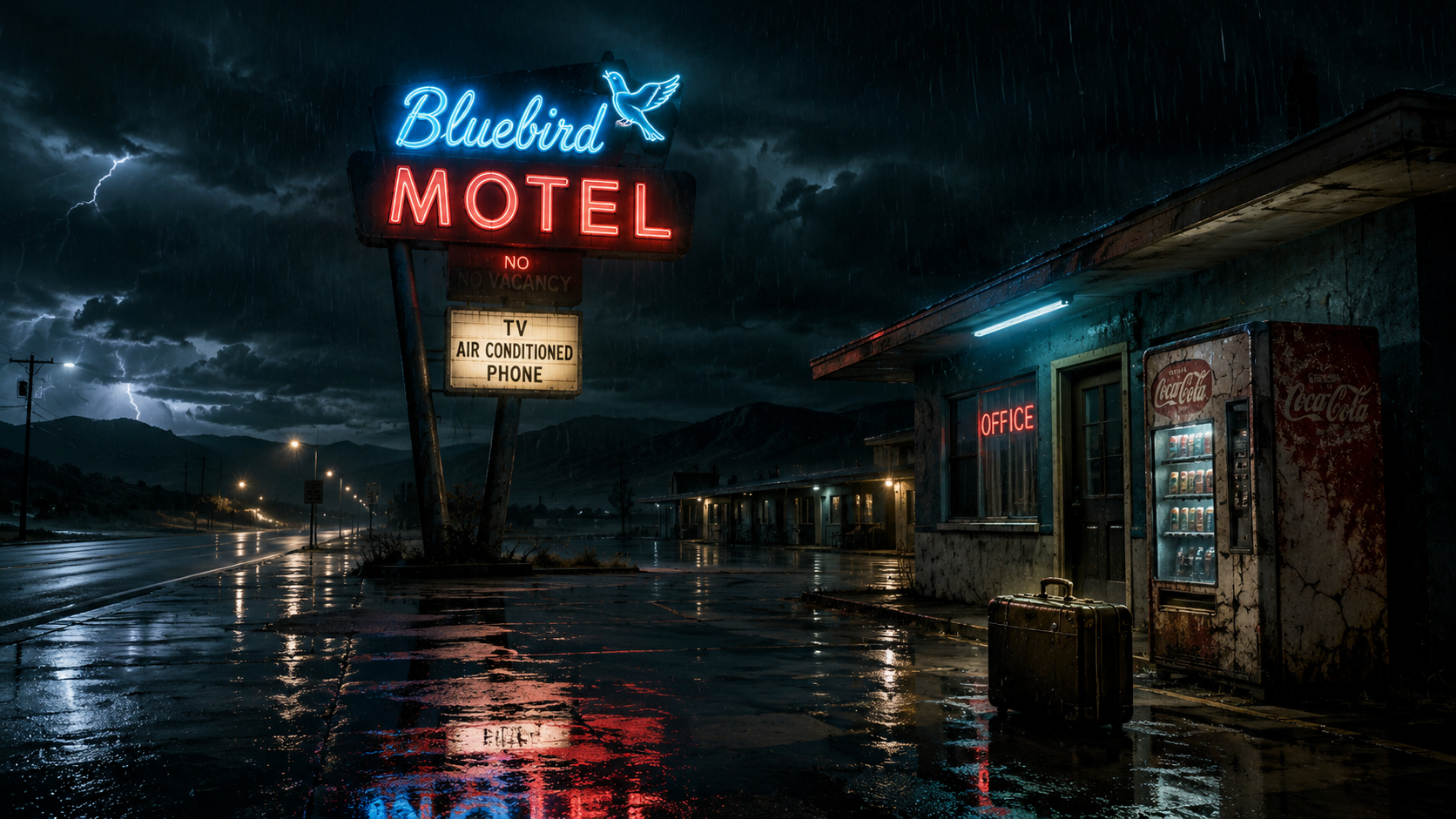
Some images feel like they already contain a story before a single word arrives. A flickering motel sign in the rain. A suitcase left beside a vending machine. An empty highway with no headlights coming. The image does not explain itself, which is exactly why it can unlock strong poetry.

This ekphrasis poetry prompt asks you to enter the emotional atmosphere of an image instead of simply describing it. You are not writing a summary of what you see. You are writing toward the feeling underneath it.

Ekphrasis Poetry Prompt: The Motel Sign Still Buzzing

Write a poem inspired by an empty roadside motel at midnight during a storm.

Somewhere nearby, a neon sign still buzzes. A suitcase sits abandoned beside a vending machine. Rain keeps falling. No one arrives.

Your speaker may be someone who stayed there years ago, someone passing through, someone waiting for a person who never came back, or even someone who cannot leave. The poem can stay realistic or drift toward the surreal.

Try to focus on sensory detail instead of explanation. Let the image create emotional pressure on its own.

Questions to Explore

Why was the suitcase left behind?

What does the storm seem to remember?

What feeling hangs in the silence?

Or, what happened just before this moment?

What does the speaker refuse to admit?

You do not need to answer every question directly. Sometimes the strongest poems leave part of the image unresolved.

Why This Ekphrasis Poetry Prompt Works

Ekphrasis poetry becomes powerful when the image feels emotionally alive. An empty motel can suggest escape, regret, loneliness, freedom, disappearance, memory, or reinvention without stating any of those ideas outright.

Images like this give poets something concrete to return to while writing. The glowing sign, the rainwater, the cracked pavement, and the abandoned suitcase can act as emotional anchors throughout the poem.

If the poem feels stuck, narrow your focus. Write only about the sound of the rain hitting the sign. Write only about the suitcase handle. Or, write only about the color of the reflected neon on the wet asphalt.

Small details often carry the emotional weight.

Try Different Angles

You could write this poem as:

A narrative free verse poem

A fragmented prose poem

A noir-inspired monologue

A memory poem about leaving home

A surreal dream poem

A poem spoken by the motel itself

The image does not need to stay literal. Let it shift as the poem develops.

A Final Thought

Good ekphrasis poetry does not just describe an image. It enters it. The goal is not accuracy. The goal is emotional resonance.

Somewhere in the storm, the motel sign is still buzzing. Let the poem begin there.

Flash Memoir Prompt: First Time You Wore Something that Made You Feel Like a Different Version of Yourself

Flash memoir prompt clothes

A warm writing invitation about the first time clothing changed how you stood, moved, or saw yourself in the mirror.

You may still remember the weight of it: a borrowed jacket, a stiff uniform, a dress that felt too grown-up, a pair of shoes that made noise on the floor. Maybe you caught your reflection and paused. For one second, you were still yourself, but also someone new.

This flash memoir prompt first time wore something made you feel different is about more than fashion. It is about identity, courage, disguise, belonging, and the strange power of fabric to tell us who we are allowed to become.

Flash memoir prompt clothes

The Prompt

Write about the first time you wore something that made you feel like a different version of yourself.

This prompt can unlock a clear and powerful memory because clothing is physical. You can describe how it felt on your skin, how it fit, how others looked at you, and what changed inside you when you put it on.

You do not have to write about a dramatic outfit. The memory might be small: a hand-me-down coat, a sports jersey, a graduation robe, makeup for the first time, a tie for a funeral, or a uniform for your first job. The meaning often lives in the small details.

Why This Memory Matters

Clothes can make us feel visible, hidden, older, braver, awkward, proud, or trapped. A simple shirt can carry a whole story.

Maybe the outfit helped you act like the person you wanted to become. Maybe it made you feel like you were pretending. Maybe someone else chose it for you, and the memory still holds anger or shame. Maybe you wore it because you needed to fit in, even if it did not feel like you.

This flash memoir prompt first time wore something made you feel like a different person can reveal a turning point. It asks: Who were you before you put it on? Who did you become after? Even if the change lasted only one afternoon, that moment may still matter.

For student writers, this is also a useful way to practice finding a theme in a personal story. If you want help thinking about deeper meaning, you might enjoy this guide on how to identify theme in literature. The same skill can help when you read your own memories closely.

How to Approach This Prompt

Begin with one physical detail. Do not start by explaining your whole life or telling the reader what the outfit meant. Start with the zipper that stuck, the tag scratching your neck, the sleeves hanging past your wrists, or the click of heels on tile.

Then narrow the memory to one scene. Where were you? A bedroom, school hallway, church bathroom, locker room, store dressing room, or front porch? Keep the camera close.

Write what you noticed before you explain what it meant. If people stared, describe that. If no one noticed, describe that too. Sometimes the private change matters more than the public reaction.

You might ask yourself these questions before you draft:

  • Who chose the clothing?
  • Did you want to wear it?
  • What did you think when you saw yourself?
  • How did your body move differently?
  • What did the outfit make possible?

If you are using this as classroom writing practice, you can also annotate your own draft the way you would annotate a story. Mark the sensory details, emotional shift, and strongest sentence. This simple guide to how to annotate literature can help you practice noticing what a piece of writing is doing.

Avoid trying to tell every clothing memory you have. Choose the one moment where something changed. Flash memoir works best when it feels small on the outside and large on the inside.

A Quick Example

The first time I wore my dad’s old leather jacket, I was sixteen and trying to look like I had somewhere to go. The jacket smelled like cold air, motor oil, and the peppermint gum he kept in his truck. It was too wide in the shoulders, so I pulled my hands into the sleeves and pretended that was the style. When I walked into school, nobody said anything. That disappointed me more than I wanted to admit. But in the bathroom mirror, under the buzzing light, I saw a version of myself who looked less afraid. I stood up straighter. I fixed my hair. For the rest of the day, I kept one hand in the pocket, holding onto the torn lining like proof.

Try It Yourself

Set a timer for ten minutes. Write the scene as if you are back in the room where you first put the item on. Let the mirror, the fabric, and your body lead the memory.

Do not worry about making the piece perfect. Your first draft only needs to find the moment. You can shape the meaning later.

If you get stuck, write one sentence that begins with, “When I saw myself, I thought…” Then keep going. This flash memoir prompt first time wore something made you see yourself differently is really an invitation to explore change, even if that change began with a button, a hem, or a pair of shoes.

Want More Flash Memoir Prompts?

If this memory opened a door, keep writing. Explore all 365 prompts in The Memory Trigger: 365 Flash Memoir Writing Prompts.

error

Enjoy this article? Please spread the word :)

Follow by Email
BLUESKY
fb-share-icon
Reddit
LinkedIn
Share
RSS