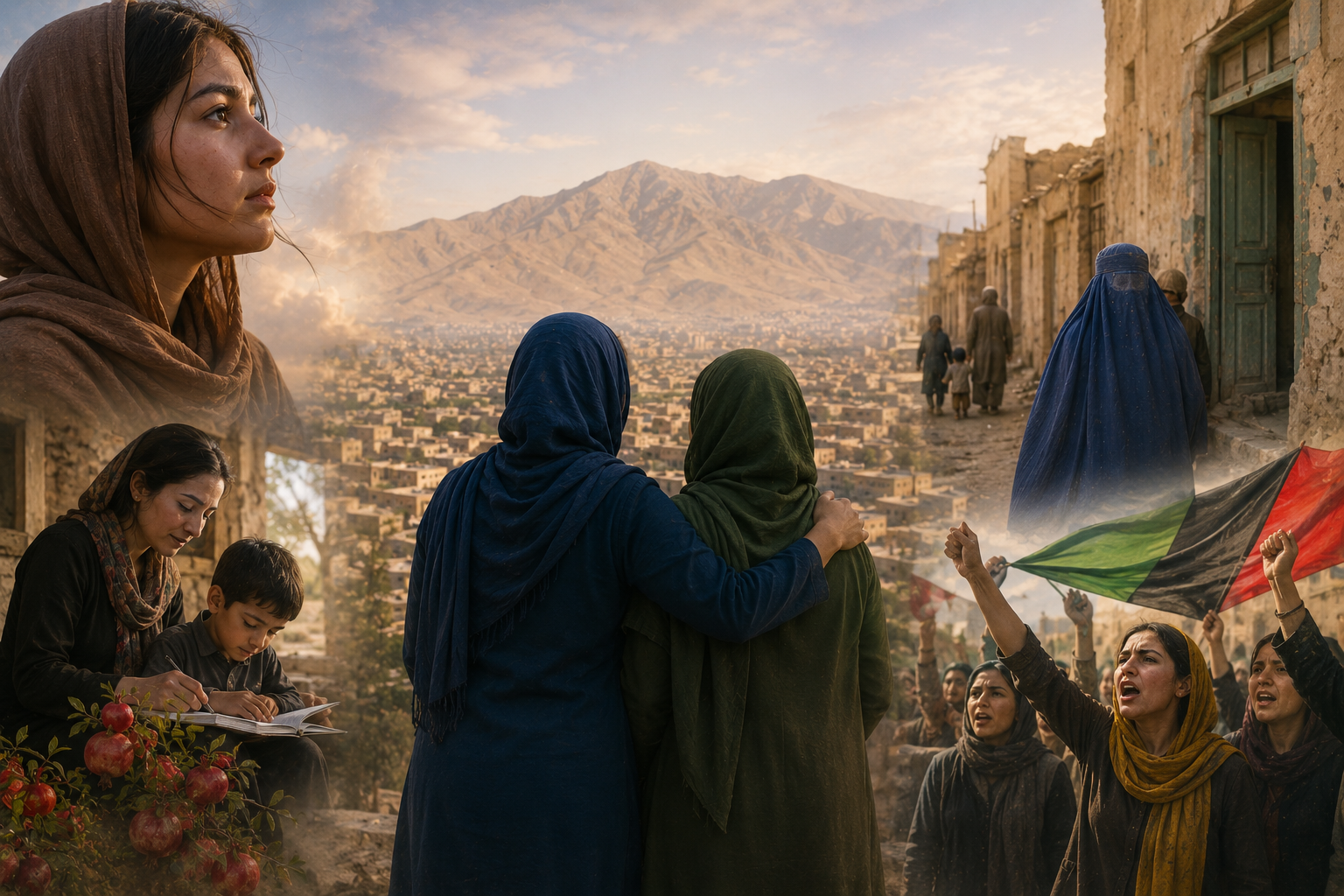
A clear guide to the major ideas, conflicts, and meanings students should notice in A Thousand Splendid Suns.
Themes in A Thousand Splendid Suns help students see how Khaled Hosseini turns a painful story into a deep study of love, power, and survival. This guide breaks down the novel’s major ideas in clear terms, so you can use them in class talks, essays, and AP Literature work.
In this Guide
- Why the themes matter
- Major themes in the novel
- Family and sacrifice
- Power and gender
- Hope and survival
- Symbols connected to theme
- Essay tips
- FAQ
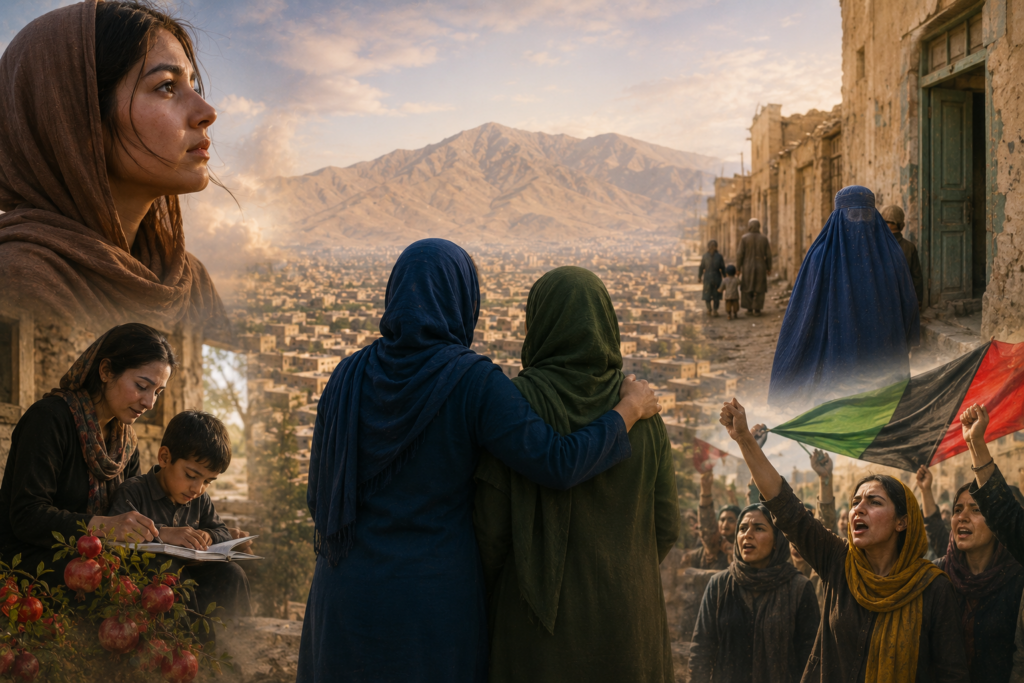
Why the themes in A Thousand Splendid Suns matter
Hosseini does not present theme as a simple lesson. He builds it through choices, suffering, small acts of courage, and the bond between Mariam and Laila.
Students often look for one main message. In this novel, the meaning grows from many conflicts at once. The private pain inside the home reflects the public violence outside it.
That is why the themes in A Thousand Splendid Suns work so well for essays. They connect character, setting, conflict, and historical context.
Major themes in A Thousand Splendid Suns
The novel’s main ideas center on love, oppression, endurance, and the cost of war.
Love as sacrifice is one of the clearest themes. Mariam learns that love is not only romance or family duty. It can mean giving up safety for someone else’s future.
Oppression and control shape the daily lives of women in the novel. Rasheed’s home becomes a place of fear, while laws outside the home add more limits.
Survival through connection also matters. Mariam and Laila do not begin as allies. Over time, their bond helps them face a world built to silence them.
The themes in A Thousand Splendid Suns are not separate boxes. They overlap, which makes the novel feel real and emotionally powerful.
How family shapes themes in A Thousand Splendid Suns
Family in the novel can wound, but it can also heal.
Mariam’s early life teaches her shame and rejection. Her father hides her from his public life, and that rejection shapes how she sees herself.
Laila’s family gives her a different start. Her father values education and hope. His love helps her imagine a life beyond war, even when that dream seems lost.
Mariam and Laila later create a chosen family. This bond is not based on blood. It is built on trust, care, and shared pain.
In these themes in A Thousand Splendid Suns, family becomes more than a social unit. It becomes a source of identity and moral choice.
Power, gender, and silence
The novel shows how power can control bodies, voices, and futures.
Rasheed uses gender roles to justify abuse. He treats obedience as a duty and silence as proof of respect. The novel asks readers to see how dangerous that thinking is.
Hosseini also shows that control is not only personal. Political rule affects what women can wear, where they can go, and what they can learn.
This theme connects well to works like Margaret Atwood’s The Handmaid’s Tale. Both novels show how systems can turn women’s lives into sites of control.
For historical background, students may find Britannica’s overview of Afghanistan helpful when studying the novel’s setting.
Hope and survival under pressure
Hope in the novel is not easy or bright all the time. It often appears as a small act that keeps a person alive.
Laila’s hope connects to education, love, and the future of her children. Mariam’s hope changes over time. She begins with a desire to be loved, then finds meaning in protecting Laila.
This is one reason the novel feels so painful but not hopeless. It shows that survival can mean more than staying alive. It can mean keeping dignity when the world tries to take it away.
Readers may think of Night by Elie Wiesel here. Both books show people under extreme pressure, yet both ask what remains of human dignity when everything else is stripped away.
Symbols and themes in A Thousand Splendid Suns
Symbols help Hosseini make the novel’s ideas more visible.
The title comes from a poem about Kabul, which points to beauty hidden beneath suffering. Kabul is not only a war-torn city. It is also a home, a memory, and a place worth saving.
The burqa can symbolize both forced silence and social control. Yet the meaning depends on the scene. In literature, a symbol can shift as the story changes.
When you study themes in A Thousand Splendid Suns, watch how objects and places repeat. If you need extra help, read our guide on how to find symbolism in a story.
War, place, and personal life
Hosseini shows that history is not distant. It enters kitchens, bedrooms, schools, and streets.
War shapes Laila’s losses and limits her future. It also changes Kabul from a place of childhood hope into a place of fear.
The novel does not treat war as background noise. It makes war part of the plot, the setting, and the emotional weight of the story.
For more context on women’s rights issues linked to conflict, students can explore UN Women.
How to write about themes in A Thousand Splendid Suns
A strong theme essay needs a clear claim, not just a topic.
Instead of writing, the novel is about love, try a sharper idea: Hosseini shows that love becomes most powerful when it turns into sacrifice.
A strong essay about themes in A Thousand Splendid Suns should connect theme to character change. Mariam is the best example because her view of herself changes so much.
Use short quotes and explain them closely. Do not drop a quote and move on. Show how the words reveal power, fear, hope, or love.
If you want extra support for class prep, explore our student literature guide resources.
Book suggestions for deeper study
These books pair well with Hosseini’s novel and can help students compare theme across texts.
- The Kite Runner by Khaled Hosseini
- Persepolis by Marjane Satrapi
FAQ: Themes in A Thousand Splendid Suns
What are the main themes in A Thousand Splendid Suns?
The main themes in A Thousand Splendid Suns include sacrifice, oppression, survival, family, and hope. The novel shows how people endure pain through love and courage.
What is the most important theme in the novel?
Sacrifice may be the most important theme. Mariam’s final choice gives the novel much of its emotional force.
How does Hosseini show women’s strength?
He shows strength through endurance, loyalty, and moral action. Mariam and Laila resist in quiet but powerful ways.
Why is Kabul important to the themes?
Kabul reflects loss and beauty at the same time. The city helps show how personal lives are shaped by history.
Key Takeaway
The deepest insight in A Thousand Splendid Suns is that love can survive fear, and it can give people the strength to act when hope seems almost gone.