

This guide offers a The Grapes of Wrath summary and analysis for students who need a clear path into John Steinbeck’s novel. We will cover the plot, structure, conflicts, themes, and deeper meaning without making the book feel harder than it is.
In this Guide
- Plot overview
- Historical context
- Structure and style
- Major conflicts
- Key themes
- Study tips and FAQ
The Grapes of Wrath Summary and Analysis: Plot Overview
Steinbeck’s novel follows one family, but it speaks for many people hurt by poverty and broken systems.
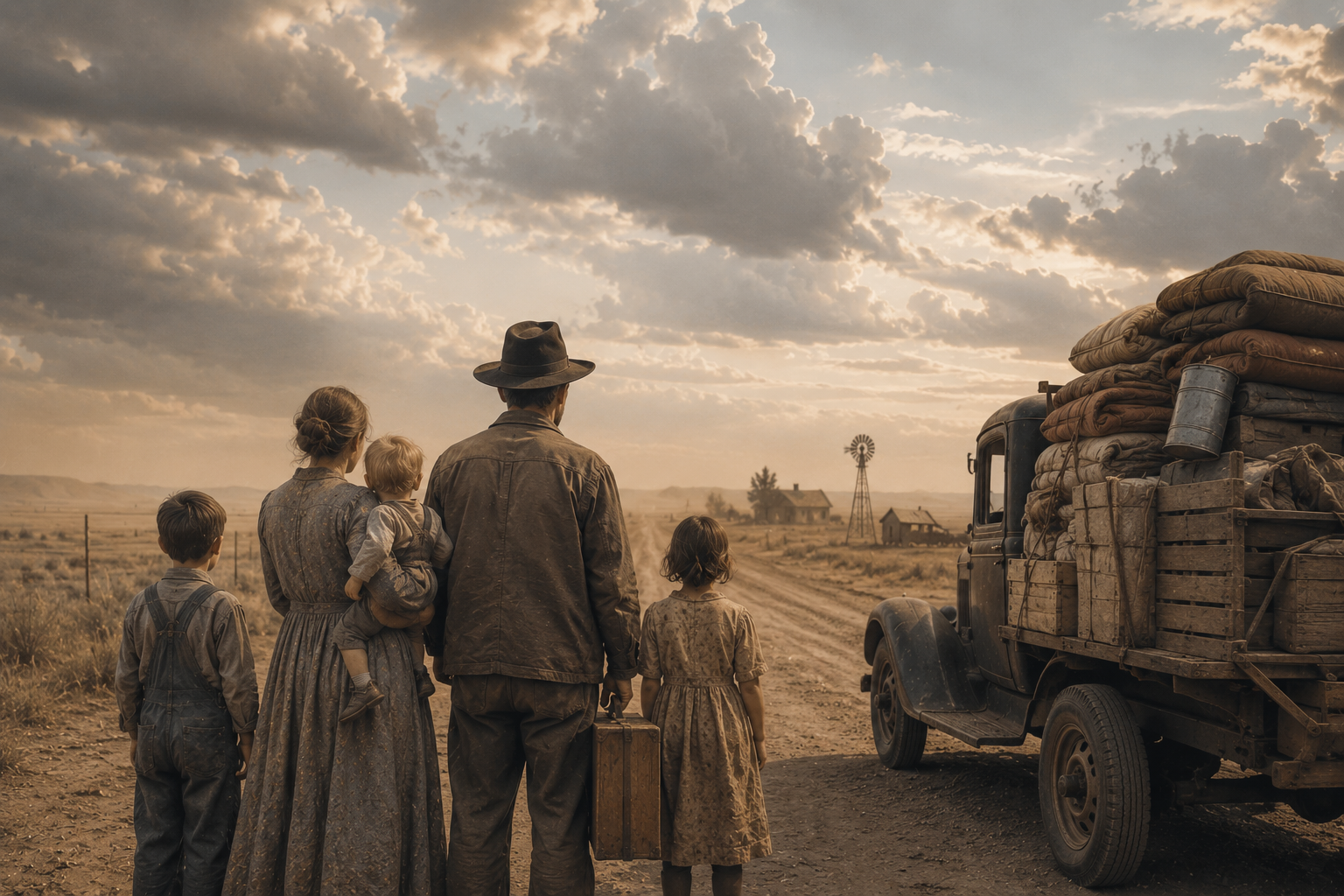
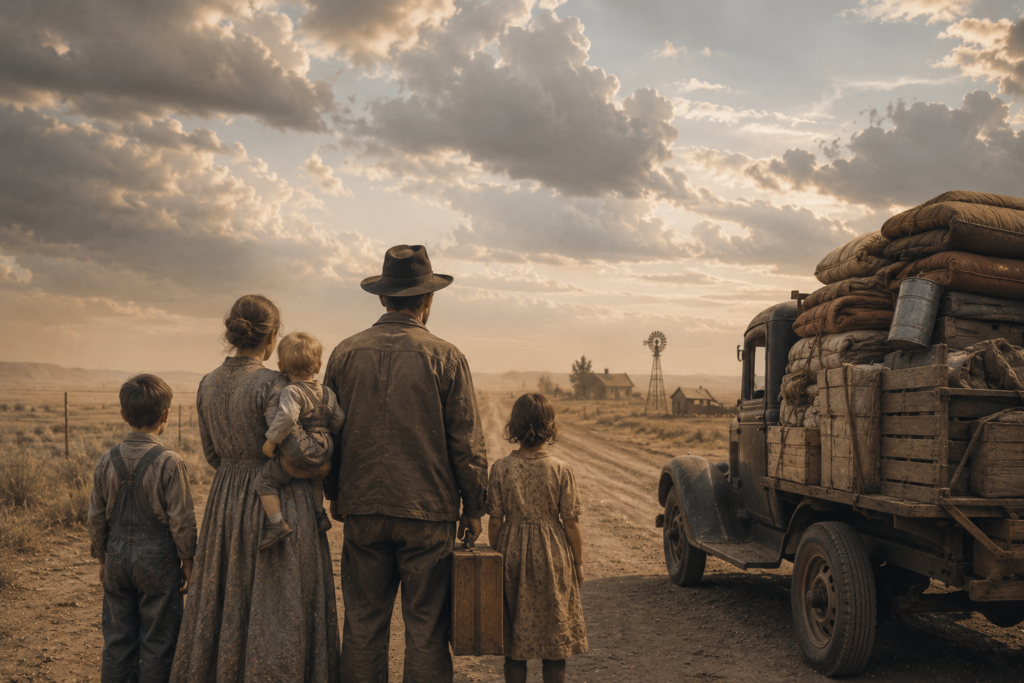
The story begins in Oklahoma during the Dust Bowl. Tom Joad comes home from prison and finds that his family has lost its farm. Banks and landowners have pushed tenant farmers off the land, so the Joads pack a truck and head west to California.
This part of The Grapes of Wrath summary and analysis shows the novel’s main pattern: hope meets hardship. The Joads believe California will offer work, food, and safety. On the road, they face death, hunger, fear, and cruel treatment.
Grampa dies soon after the trip starts. Grandma dies before the family reaches California. Noah leaves the family, and Connie runs away from his pregnant wife, Rose of Sharon. Each loss makes the family smaller, but Ma Joad works hard to keep everyone together.
In California, the Joads find that work is scarce and wages are low. Many workers compete for the same jobs. Owners use hunger to force people to accept almost any pay.
Jim Casy, a former preacher, becomes a labor organizer. He is killed by men who want to stop worker protests. Tom kills Casy’s attacker and must hide. Before he leaves, Tom tells Ma that he will keep fighting for poor people wherever they suffer.
The novel ends after a flood ruins the family’s shelter. Rose of Sharon gives birth to a stillborn baby. In the final scene, she breastfeeds a starving man, turning grief into an act of mercy.
Historical Context Behind The Grapes of Wrath Summary and Analysis
The novel makes more sense when you know the real crisis behind it.
The Grapes of Wrath was published in 1939, near the end of the Great Depression. Many families had lost jobs, savings, and homes. In the Great Plains, drought and poor farming methods helped create the Dust Bowl.
Without this context, The Grapes of Wrath summary and analysis can feel like a long road story. With context, it becomes a story about economic power, forced migration, and survival.
Steinbeck based the novel on real reports and his own visits to migrant camps. You can read more about the author’s life through Britannica’s John Steinbeck biography. For background on the Dust Bowl, the Library of Congress Dust Bowl overview is a strong source.
The book also caused debate. Some readers praised it for showing the pain of farmworkers. Others attacked it because it blamed rich owners and unfair systems.
Structure and Style in The Grapes of Wrath Summary and Analysis
Steinbeck’s structure is one reason the novel feels larger than one family’s story.
The book uses two kinds of chapters. Some chapters follow the Joad family closely. Others zoom out and describe groups of migrants, banks, cars, roads, diners, and camps.
For students, The Grapes of Wrath summary and analysis becomes clearer when you notice this pattern. The Joad chapters make the story personal. The wider chapters show that the Joads are part of a national crisis.
This structure is a bit like the way Victor Hugo uses personal stories in Les Misérables to show a whole society under pressure. Steinbeck does not want readers to pity only one family. He wants readers to see a system that hurts thousands.
His language often sounds plain, but it carries strong emotion. He uses biblical echoes, folk speech, and images of land, dust, machines, and hunger. These patterns reward close study, so a guide to close reading in literature can help you track them.
Major Conflicts in the Novel
The conflicts in the novel move from private pain to public struggle.
The first conflict is people against nature. Drought, dust, and flood shape the Joads’ lives. Nature is not evil, but it makes survival harder.
The second conflict is people against society. Banks take land. Police harass migrants. Owners cut wages. The Joads learn that poverty is not just bad luck.
The third conflict is inside the characters. Tom must decide what kind of man he wants to be after prison. Ma must stay strong even when the family falls apart. Rose of Sharon must face loss and still choose compassion.
These conflicts build the novel’s central question: how can people keep their dignity when the world treats them as cheap labor?
Key Themes in The Grapes of Wrath Summary and Analysis
The novel’s themes focus on justice, family, anger, and human worth.
A good The Grapes of Wrath summary and analysis should start with human dignity. Steinbeck shows that the migrants are not lazy or weak. They are skilled, proud people trapped by forces bigger than themselves.
Family is another major theme. At first, the Joads think of family as blood relatives. By the end, the idea grows. Casy’s beliefs and Tom’s final speech suggest that all suffering people are connected.
Wrath also matters. The title comes from “The Battle Hymn of the Republic,” which uses biblical language about judgment. Steinbeck suggests that anger can grow when injustice lasts too long.
The final scene with Rose of Sharon is one of the most debated endings in American literature. It is shocking, but it is not only meant to shock. It shows that care can survive even after great loss.
Symbols and Motifs to Watch
Small details in the novel often point to larger ideas.
The turtle near the start is a key symbol. It crosses a road slowly while cars threaten it. Like the migrants, it keeps moving despite danger.
The truck becomes a symbol of hope and pressure. It carries the Joads west, but it also holds their fear and grief. Every mile brings promise and risk.
Dust represents loss and damage. It covers farms, homes, and bodies. It reminds readers that the land itself has changed.
Food appears often because hunger drives the plot. When people share food, they show community. When owners destroy food to protect prices, they show cruelty.
How to Use The Grapes of Wrath Summary and Analysis for Class
A strong study plan turns summary into real interpretation.
If you use The Grapes of Wrath summary and analysis for an essay, do not stop at what happens. Ask why Steinbeck tells the story this way. Look at how each chapter builds pressure.
Track Tom, Ma, Casy, and Rose of Sharon. Each one shows a different response to suffering. Tom moves toward action. Ma protects the family. Casy gives the novel its moral voice. Rose of Sharon turns sorrow into care.
For a quick support tool, you may also find this student reading guide useful as you plan notes or review before class.
Good essay topics include the role of community, the meaning of the ending, the use of intercalary chapters, and the link between poverty and power.
Recommended Books for Further Reading
These books can help you understand Steinbeck, the Dust Bowl, and American social fiction.
- The Grapes of Wrath by John Steinbeck
- Of Mice and Men by John Steinbeck
- The Worst Hard Time by Timothy Egan
FAQ
What is the main point of The Grapes of Wrath?
The main point is that poverty is often caused by unfair systems, not personal failure. Steinbeck also shows the power of shared care.
What should a The Grapes of Wrath summary and analysis include?
It should include the Joads’ journey, the Dust Bowl context, the labor conflict in California, and the novel’s major themes.
Why is Jim Casy important?
Casy gives the novel many of its moral ideas. He moves from preacher to worker activist and inspires Tom’s later choices.
What does the ending mean?
The ending shows mercy after loss. Rose of Sharon’s act suggests that human kindness can answer suffering in a powerful way.
Is The Grapes of Wrath hard to read?
Some chapters feel slow because Steinbeck shifts between the Joads and wider social scenes. Once you see the pattern, the novel becomes easier to follow.
Key Takeaway
The Grapes of Wrath is more than a migration story. It is a novel about dignity, anger, and the need to care for others when systems fail.












