Themes in Invisible Man: A Student-Friendly Guide

Invisible Man Themes

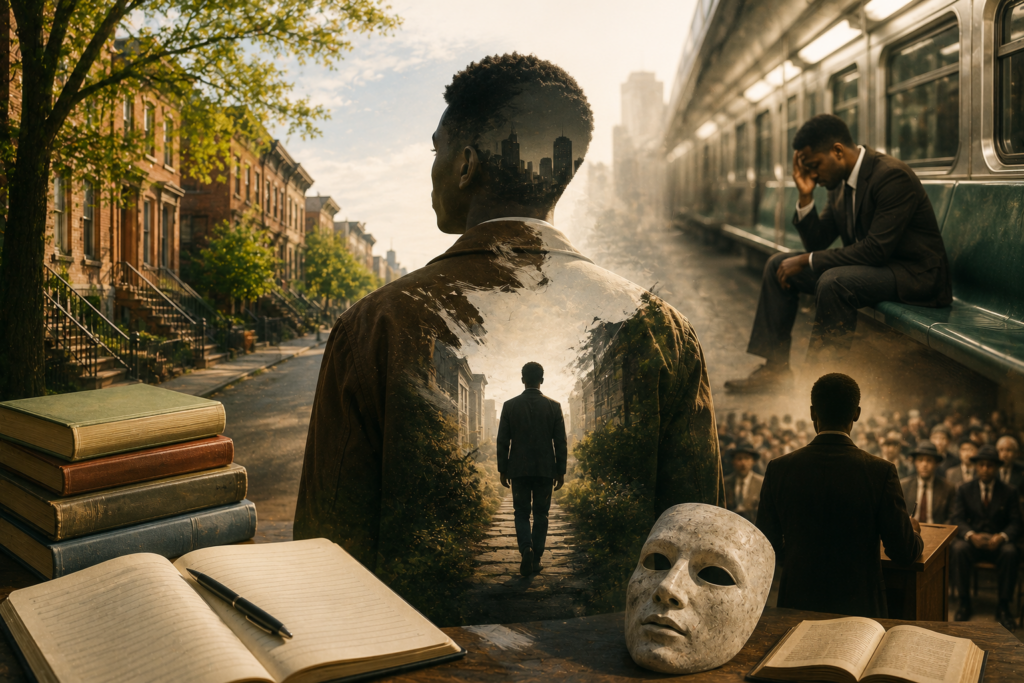
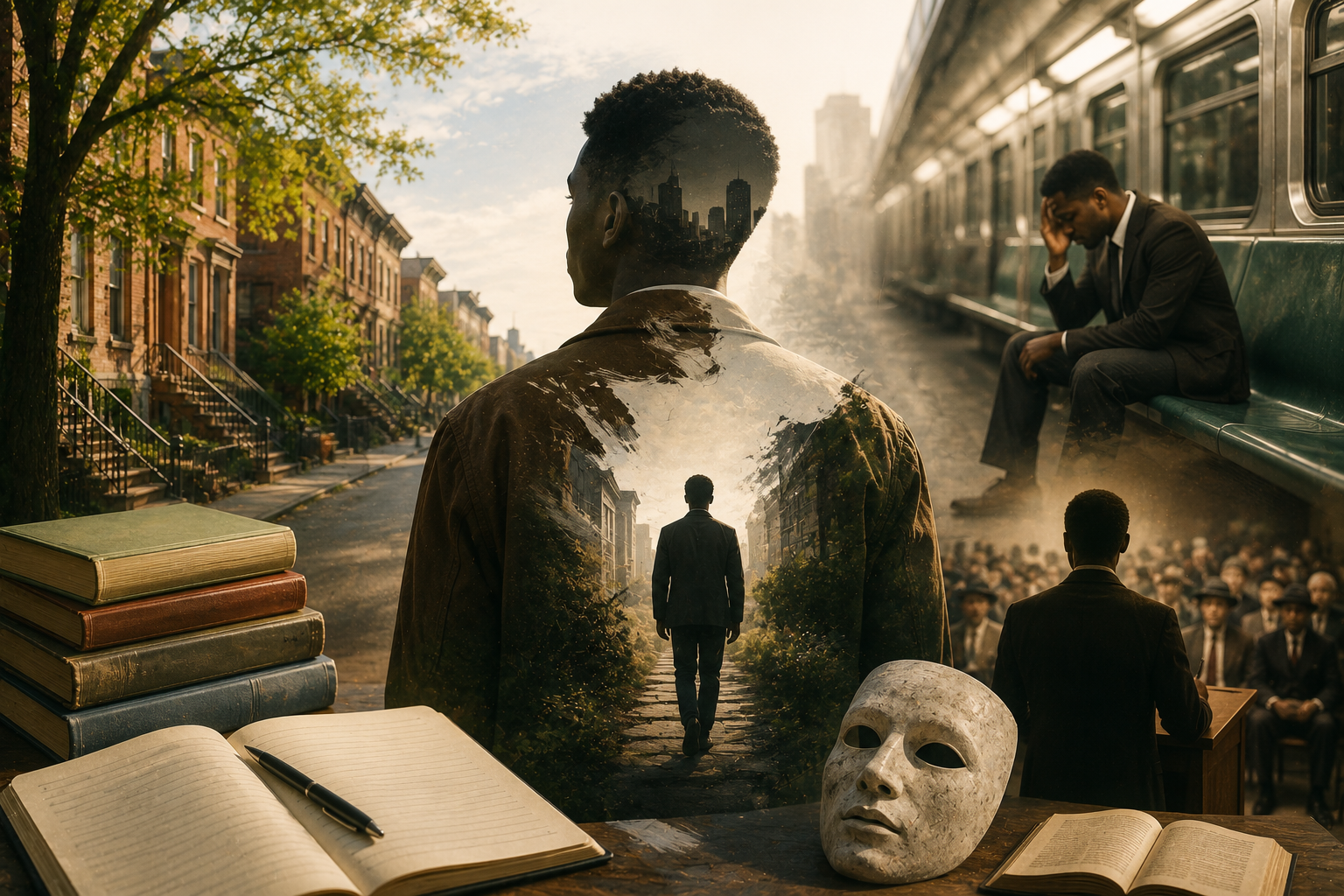
Ralph Ellison’s Invisible Man is a rich novel about race, identity, power, and the search for a true self. This guide explains the major themes in Invisible Man in clear language for high school, AP Literature, and college students.

In this Guide

Use these sections to find the idea you need fast.

  • Why the themes matter
  • Invisibility and identity
  • Racism and power
  • Self-knowledge and voice
  • Education and false promises
  • Politics and betrayal
  • Dreams and truth
  • Writing about the novel
  • FAQ
Invisible Man Themes

Why the themes in Invisible Man still matter

The novel speaks to students because it shows how hard it can be to define yourself in a world that tries to define you first.

Invisible Man was published in 1952, but its questions still feel current. Who gets seen? Who gets ignored? And who controls the story people tell about you?

The themes in Invisible Man matter because the narrator’s fight is both personal and social. He wants respect, but he also wants to understand who he is without lies from others.

For background on Ellison’s life and career, see this helpful Britannica overview of Ralph Ellison.

Major themes in Invisible Man: invisibility and identity

Invisibility in the novel is not about magic. It is about being unseen as a full human being.

The narrator says he is invisible because people do not see his real self. They see a symbol, a threat, a tool, or a problem. This is one of the central themes in Invisible Man.

At school, in the city, and inside political groups, people keep trying to give him a role. Each role seems to offer success, but each one hides part of who he is.

This theme connects well to Hamlet, where the main character also struggles with who he is and what role he must play. In both works, identity becomes a conflict, not a simple fact.

Student tip: When you write about invisibility, do not stop at the title. Ask who refuses to see the narrator clearly and why that refusal gives them power.

Themes in Invisible Man: racism and power

Ellison shows racism as more than personal dislike. He shows it as a system that shapes schools, jobs, politics, and public life.

The narrator meets people who claim to help him, but many use him for their own goals. Some use polite words. Others use open violence. Both forms limit his freedom.

The Battle Royal scene shows this clearly. Young Black men are forced into pain and shame for the amusement of white leaders. The scene reveals how power can hide behind ceremony.

These themes in Invisible Man also connect to W.E.B. Du Bois’s idea of double consciousness, the sense of seeing yourself through the eyes of a racist society. Ellison does not repeat Du Bois in a simple way, but the link can help students think deeper.

The search for self-knowledge and voice

The narrator’s journey is a long lesson in how hard it is to know yourself when others keep speaking for you.

At the start, he often trusts authority figures. He believes the right speech, the right school, or the right group will give him a place in the world.

Over time, he learns that borrowed ideas can harm him. He must sort truth from slogans. He must build a voice that is his own.

This is why the ending matters. The narrator is underground, but he is not just hiding. He is thinking, judging, and preparing to speak with more honesty.

Education, books, and false promises

Education in the novel can open doors, but it can also teach people to obey unfair rules.

The narrator values school and learning. At first, he believes education will protect him. Yet the college does not fully protect him from racism or control.

The novel asks students to think about what education is for. Is it meant to free the mind, or to train people to fit into an unfair system?

This makes the themes in Invisible Man useful for essay writing. You can study how Ellison treats education as both a hope and a trap.

Politics, brotherhood, and betrayal

The Brotherhood promises unity and justice, but the narrator learns that a group can use noble language while it hides selfish plans.

At first, the Brotherhood gives him a public voice. He becomes a speaker and feels useful. The group seems to care about change.

Yet the Brotherhood often treats people like pieces on a board. The narrator’s community becomes less important than the group’s strategy.

This theme can remind students of Animal Farm, where political language hides control. In both books, words like equality can lose meaning when leaders chase power.

Dreams, illusions, and painful truth

Ellison fills the novel with dreams, masks, and strange events to show how hard truth can be to face.

The narrator often believes in promises that later fall apart. He trusts leaders, systems, and public roles. Each illusion breaks under pressure.

This theme is close to The Great Gatsby. Gatsby believes in a dream that cannot survive reality. The narrator of Invisible Man also learns that dreams can guide people or blind them.

The difference is that Ellison’s novel ties illusion to race, power, and survival. Truth is not just personal. It has a social cost.

How to write about themes in Invisible Man

A strong essay should connect a theme to scenes, symbols, and changes in the narrator.

Do not write only that the book is about racism or identity. Instead, show how Ellison develops that idea across the novel.

For example, you could trace how the narrator moves from trust in public approval to a deeper search for truth. That path reveals several themes in Invisible Man at once.

If you need help shaping a claim, use our guide on how to write a literary analysis essay. It can help you turn a theme into a focused thesis.

You can also use a quick theme review resource if you want extra support before a quiz, class discussion, or essay draft.

Suggested books for deeper study

These books can help students understand Ellison’s ideas in a wider literary and historical context.

  • Shadow and Act by Ralph Ellison
  • The Souls of Black Folk by W.E.B. Du Bois

For a reliable short reference on the novel, you can also read the Britannica entry on Invisible Man.

FAQ about themes in Invisible Man

These quick answers help with review before class, a test, or an essay.

What is the main theme of Invisible Man?

The main theme is the struggle to be seen as a full person. The narrator must reject false roles and search for his own identity.

Why is invisibility important in the novel?

Invisibility shows how racism and power can erase a person’s real self. People look at the narrator, but they do not truly see him.

What are the most important themes in Invisible Man for an essay?

Good essay choices include invisibility, identity, racism, education, power, and self-knowledge. Choose one and connect it to key scenes.

How does the Brotherhood connect to the novel’s themes?

The Brotherhood shows how political groups can use people while they claim to help them. It reveals the danger of losing your voice to a cause.

Key Takeaway

The themes in Invisible Man show a young man’s fight to see himself clearly in a world built to misread him. The novel asks students to notice power, question easy answers, and value a voice that comes from hard-won truth.
Most Influential Mirror Symbolism in Literature: What Reflections Reveal

mirror symbolism in Literature

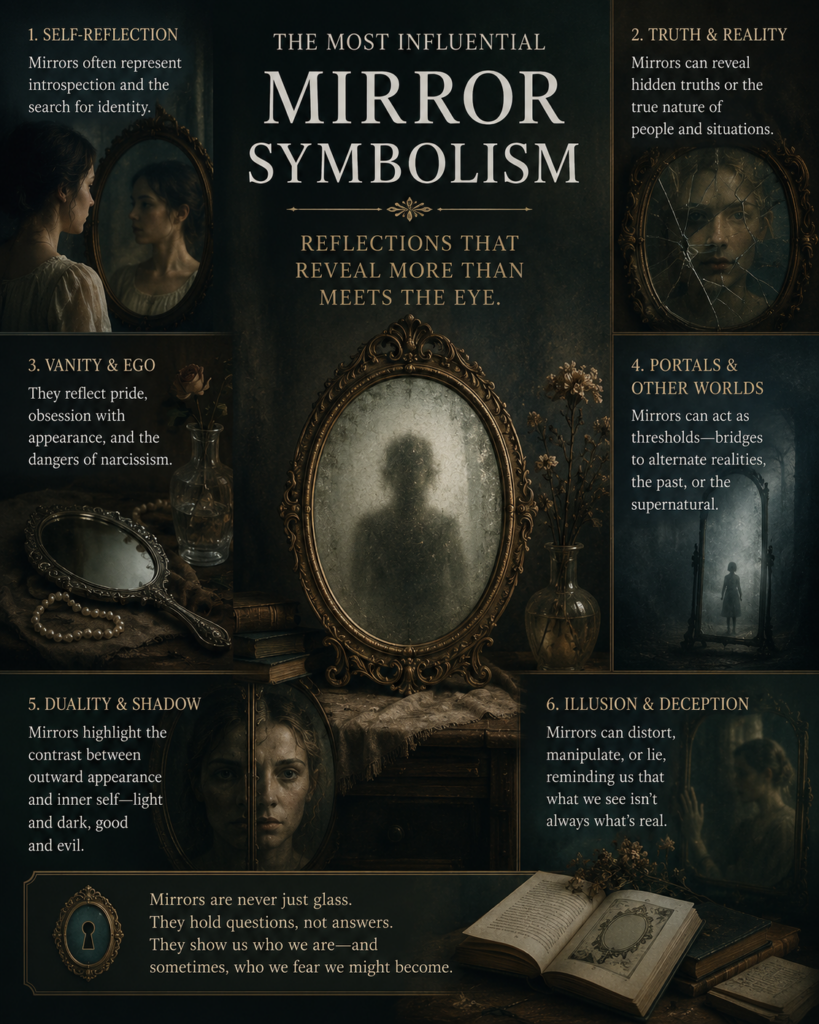
Mirrors in stories do more than show a face. The Most Influential Mirror Symbolism often reveals truth, fear, desire, or a hidden part of the self.

From fairy tales to modern poems, mirror scenes help readers see what a character cannot say out loud. That is why this symbol still feels fresh in classrooms and book clubs today.

In this Guide

  • Why mirror symbolism matters
  • Most Influential Mirror Symbolism in classic literature
  • Mirror symbolism in poems and fairy tales
  • Common themes linked to mirrors
  • Recommended books with mirror symbolism
  • How to analyze mirror scenes
  • FAQs about mirror symbolism
mirror symbolism in Literature

Why the Most Influential Mirror Symbolism Still Matters

Mirrors are simple objects, but writers use them to ask hard questions.

The Most Influential Mirror Symbolism often deals with identity. A character looks into a mirror and faces a version of the self that may feel strange, broken, proud, or false.

This makes mirrors useful in stories about growing up, guilt, beauty, madness, and truth. A mirror can show what society values, but it can also show what society hides.

Readers often remember mirror scenes because they feel private. A character alone with a reflection can reveal more than a long speech.

Most Influential Mirror Symbolism in Classic Literature

Classic works use mirrors to expose desire, fear, and the danger of self-image.

One famous example appears in “Snow White.” The magic mirror does not just answer a question about beauty. It shows how power and jealousy can grow from obsession.

The queen needs the mirror to confirm her worth. When it stops doing that, she turns cruel. This is one reason the Most Influential Mirror Symbolism often connects beauty with control.

In Mary Shelley’s Frankenstein, the creature sees his reflection and understands how others may see him. That moment is painful because it joins self-awareness with rejection.

Oscar Wilde’s The Picture of Dorian Gray does not center on a mirror, but the portrait works like one. It reflects Dorian’s inner corruption while his face stays young.

This is a key mirror-like symbol. It asks whether a person can hide from the truth if the surface still looks perfect.

Mirror Symbolism in Poems and Fairy Tales

Poets and fairy-tale writers often use mirrors to make truth feel sharp.

Sylvia Plath’s poem “Mirror” is one of the clearest examples of the Most Influential Mirror Symbolism in modern literature. The mirror speaks as if it has no feelings, yet the poem feels deeply emotional.

The speaker says it reflects “faithfully.” Still, that honesty hurts the woman who looks into it. You can read the poem at the Poetry Foundation.

In fairy tales, mirrors often know what humans refuse to admit. They may act like judges, warnings, or magical doors.

Lewis Carroll’s Through the Looking-Glass turns the mirror into a passage. Alice steps through it and enters a world where logic shifts. Here, the mirror suggests a second reality that sits just behind ordinary life.

Common Themes in the Most Influential Mirror Symbolism

Mirror symbols often return to the same deep concerns.

Identity is the most common theme. A mirror can make a character ask, “Who am I really?” This matters in stories where people feel split between public image and private truth.

Vanity also appears often. When a character trusts the mirror too much, the story may warn against pride or shallow judgment.

Self-knowledge is another major idea. The Most Influential Mirror Symbolism often marks the moment when a character can no longer avoid the truth.

Mirrors can also show social pressure. A character may not see the real self, but instead the version shaped by beauty rules, class, gender, or power.

For more help with symbols in general, read our guide on how to find symbolism in a story.

Recommended Books with Powerful Mirror Symbolism

These works are strong choices for students who want to study reflection, identity, and truth.

  • Through the Looking-Glass by Lewis Carroll
  • Frankenstein by Mary Shelley

Both books show why the Most Influential Mirror Symbolism lasts across time. Carroll uses the mirror as a doorway into strange logic. Shelley uses reflection to show pain, isolation, and self-awareness.

If you want a shorter text, pair either book with Sylvia Plath’s “Mirror.” It works well for poetry study, AP Literature practice, or a quick close reading lesson.

How to Analyze the Most Influential Mirror Symbolism

A good mirror scene usually changes how we understand a character.

Start by asking what the mirror shows. Does it reveal beauty, fear, age, guilt, or desire?

Then ask what the character feels. A calm reaction means something very different from panic, shame, or anger.

Look at the setting too. A mirror in a bedroom feels private. A magic mirror in a palace may connect reflection with power.

The Most Influential Mirror Symbolism becomes clearer when you ask what truth the character wants to avoid. If the mirror forces that truth into view, it is likely doing important symbolic work.

Mirror Symbolism and Literary Culture

Mirrors remain popular because they fit the way people think about image today.

Modern readers live in a world full of photos, screens, and self-presentation. That makes mirror symbolism feel even more relevant.

Stories with mirrors ask whether the image we show is the same as the person we are. This question appears in old myths, Gothic novels, poems, and young adult fiction.

The Most Influential Mirror Symbolism also links literature with art history and psychology. For background on symbolism as a larger movement, see Britannica’s overview of Symbolism.

FAQs About Most Influential Mirror Symbolism

What does a mirror usually symbolize in literature?

A mirror often symbolizes identity, truth, vanity, or self-knowledge. It can show how a character sees the self or how society judges that character.

Why do writers use mirrors in stories?

Writers use mirrors because they create strong visual moments. A reflection can reveal inner conflict without long explanation.

What is the best example of mirror symbolism?

“Snow White” is one of the best-known examples. Sylvia Plath’s “Mirror” is one of the strongest literary examples for close reading.

Can a mirror symbolize lies?

Yes. A mirror can seem truthful, but it may also reflect a false image, a shallow value system, or a character’s distorted view of the self.

How do I write about mirror symbolism in an essay?

Focus on what the mirror shows, how the character reacts, and what theme the scene supports. Connect the symbol to the larger meaning of the work.

Key Takeaway

The Most Influential Mirror Symbolism in literature helps readers see hidden truths. In literature, a mirror is rarely just glass. It reflects identity, pressure, fear, and the difficult act of knowing yourself.

When a character looks into a mirror, pay attention. The story may be showing its deepest truth in plain sight.

error

Enjoy this article? Please spread the word :)

Follow by Email
BLUESKY
fb-share-icon
Reddit
LinkedIn
Share
RSS