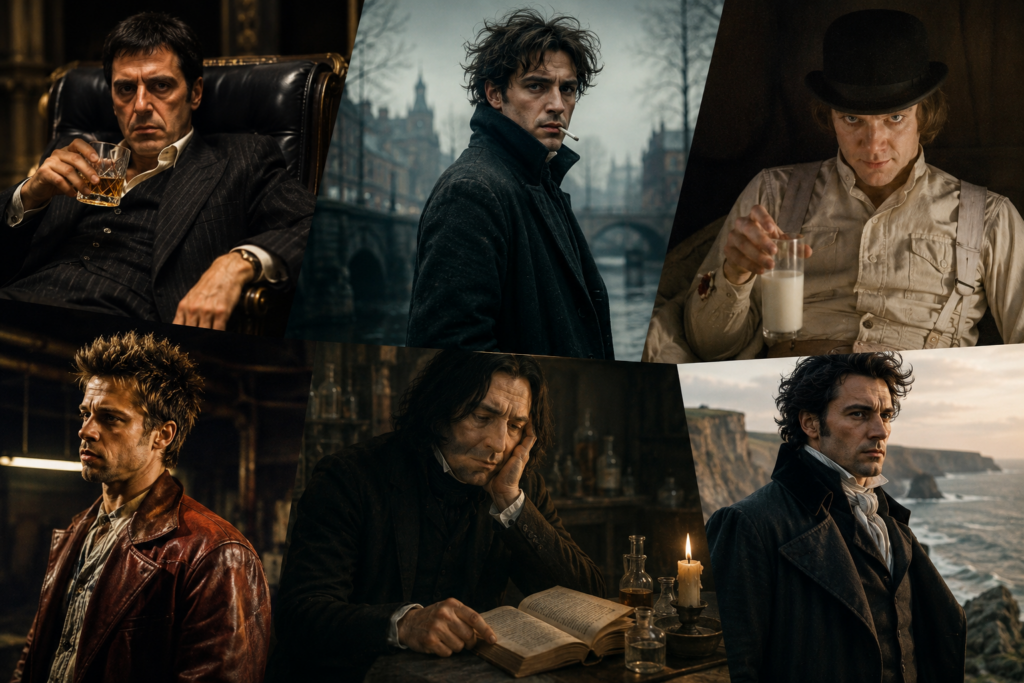
Tragic Hero Examples in Literature

Tragic Hero

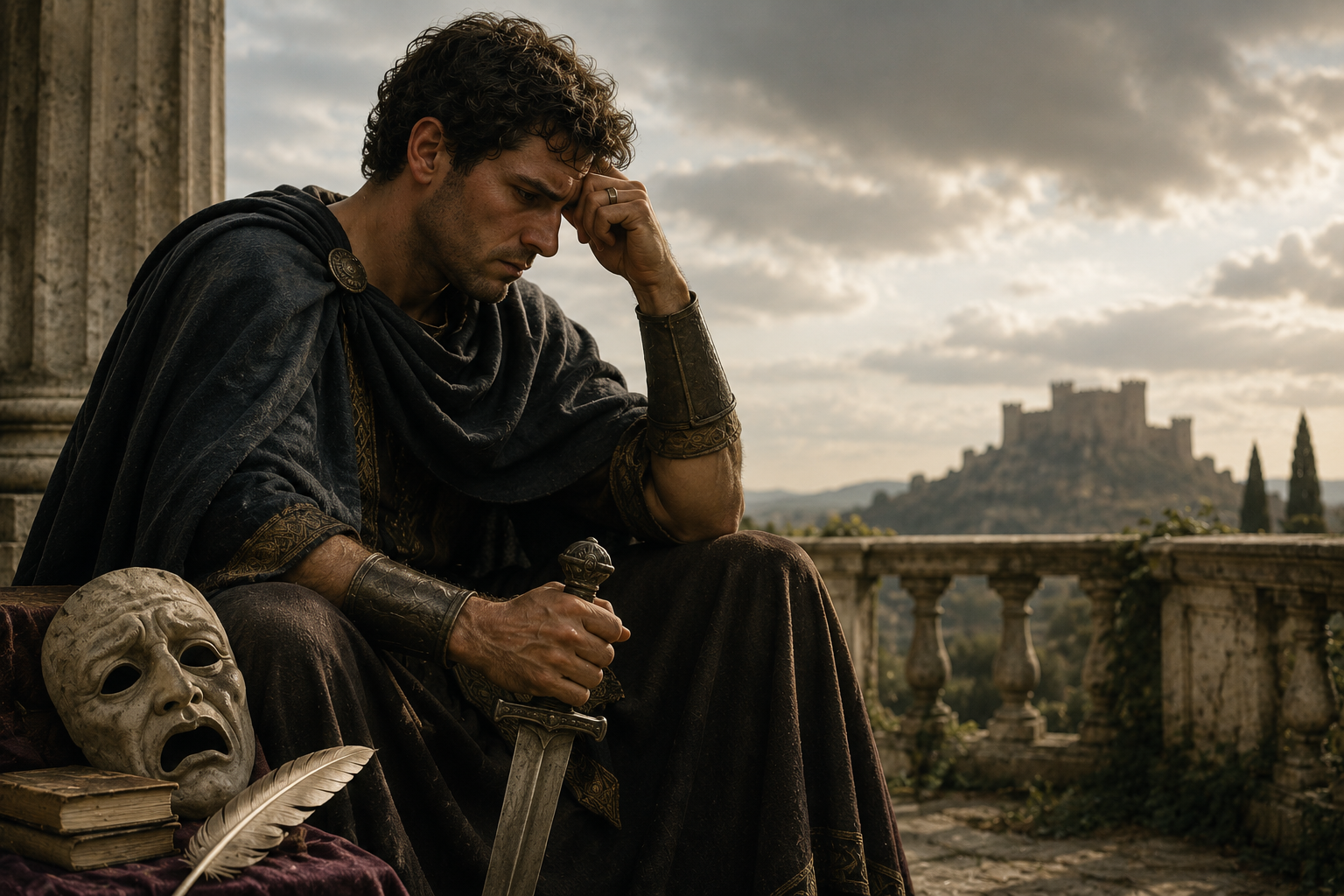
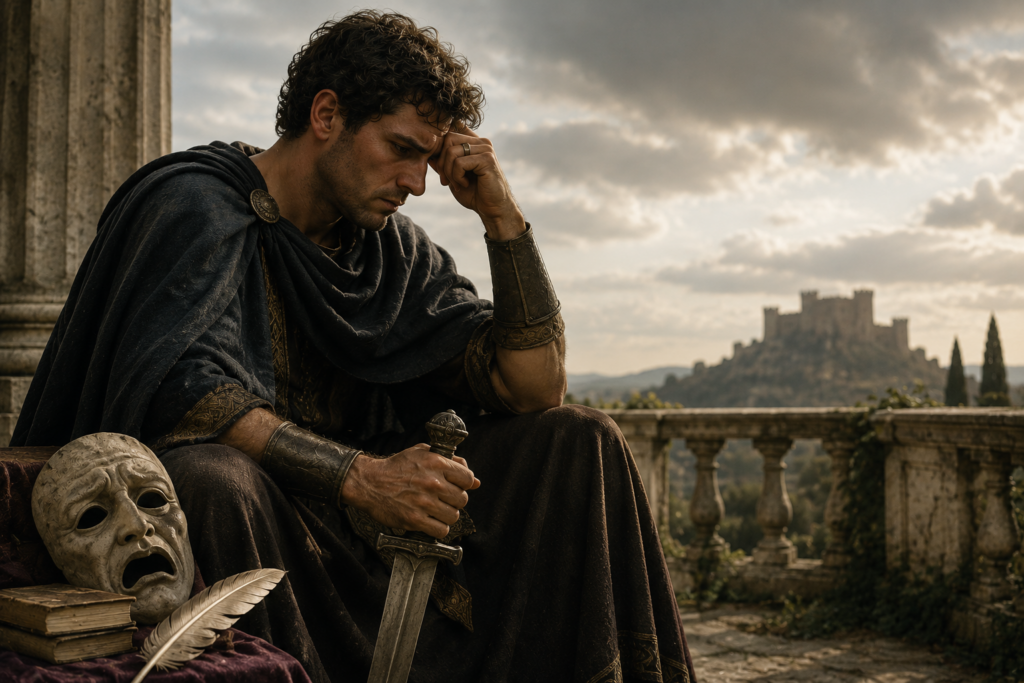
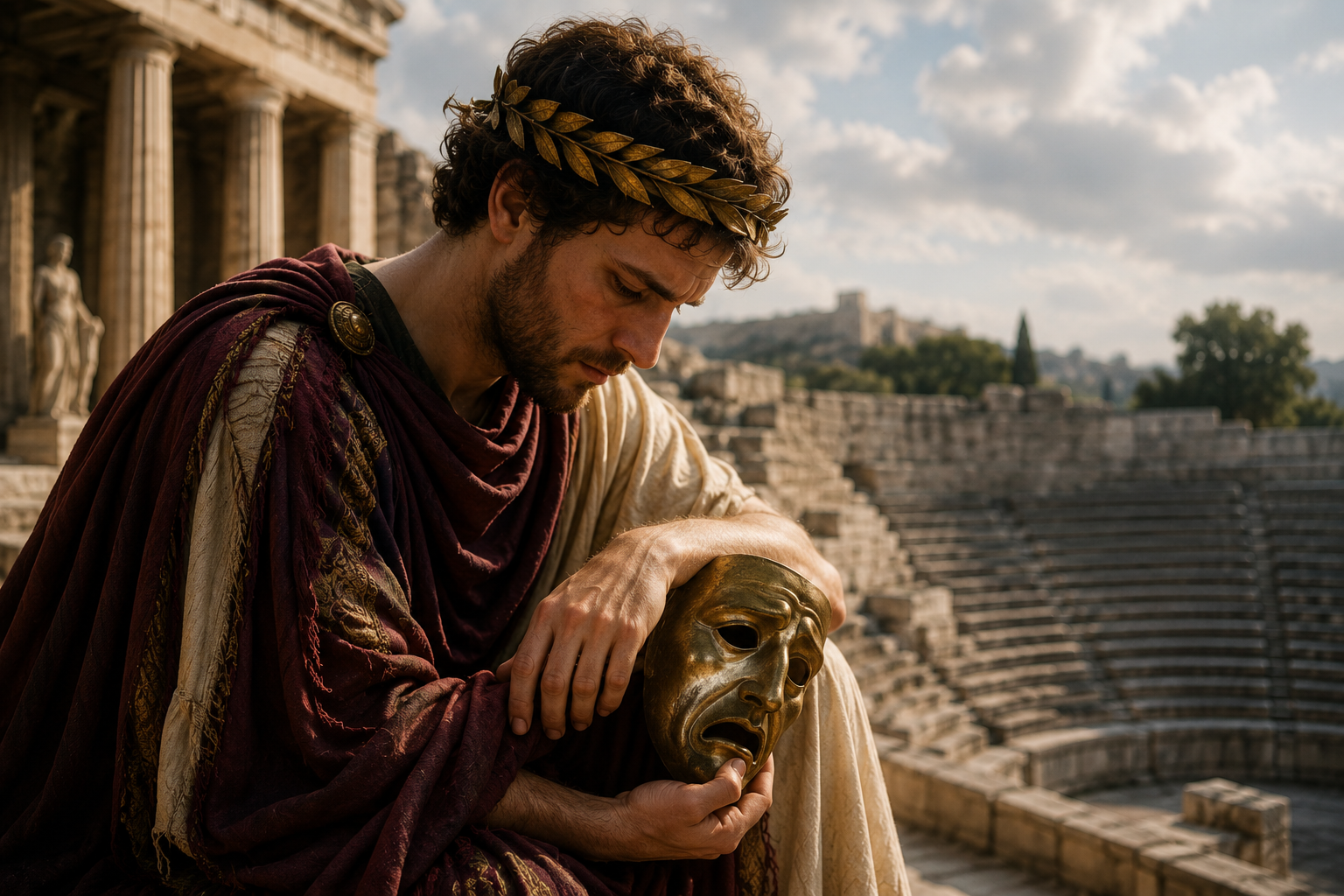
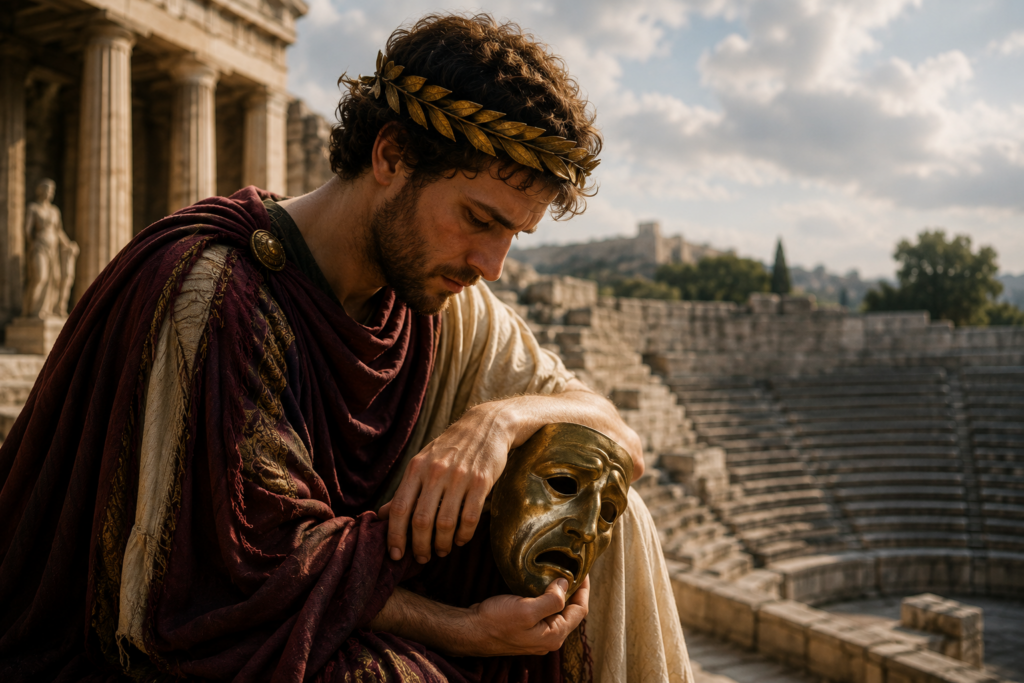
Tragic Hero Examples in Literature show how a great character can fall because of one major flaw, choice, or mistake.

These stories matter because they make readers feel pity, fear, and deep thought about human weakness.

In this Guide

Use this guide to understand the tragic hero and write about it with confidence.

  • What a tragic hero is
  • Common traits of tragic heroes
  • Classic tragic hero examples
  • Modern tragic hero examples
  • Essay tips for students
  • FAQ and key takeaway
Tragic Hero

What Tragic Hero Examples in Literature Have in Common

Most tragic heroes are not evil. They are often brave, smart, respected, or powerful.

A tragic hero is a main character who falls from a high place because of a flaw or poor choice. This flaw is often called a tragic flaw, or hamartia.

Many Tragic Hero Examples in Literature follow ideas linked to Aristotle’s view of tragedy. You can read more about the tragic hero in Britannica’s overview of tragedy.

A tragic hero usually has a mix of good and bad traits. That mix makes the character feel real.

For students, the key question is simple: What makes this character great, and what causes the fall?

Classic Tragic Hero Examples in Literature

The best Tragic Hero Examples in Literature often come from plays, epics, and novels that focus on pride, fate, guilt, and power.

Oedipus in Oedipus Rex by Sophocles

Oedipus is one of the most famous tragic heroes. He is a strong ruler who wants to save his city from suffering.

His tragic flaw is not simple pride alone. It is also his need to know the truth at any cost.

Oedipus tries to escape fate, but his search leads him straight to it. By the end, he learns that he has killed his father and married his mother.

How to discuss it in an essay: You could argue that Oedipus is tragic because his best quality, his search for truth, becomes the force that destroys him.

Macbeth in Macbeth by William Shakespeare

Macbeth begins as a brave soldier. He is loyal, respected, and honored by King Duncan.

His tragic flaw is ambition. Once he hears the witches’ prophecy, he starts to want power more than honor.

Macbeth chooses murder, then keeps choosing violence to protect his crown. His fall feels tragic because he once had real greatness.

How to discuss it in an essay: You could explain how ambition changes Macbeth from hero to tyrant. A strong thesis might focus on how his choices matter more than the prophecy.

For more on Shakespeare’s work, the Poetry Foundation’s page on William Shakespeare is a useful source.

Hamlet in Hamlet by William Shakespeare

Hamlet is thoughtful, sharp, and deeply moral. He wants justice for his father’s murder.

His flaw is his delay. He thinks so much about right and wrong that he struggles to act.

This delay leads to more death, pain, and confusion. Hamlet’s tragedy comes from his mind as much as from the corrupt world around him.

How to discuss it in an essay: You could write about Hamlet as a tragic hero whose intelligence becomes a weakness. His deep thought does not save him.

Antigone in Antigone by Sophocles

Antigone is brave and loyal to her family. She believes divine law is higher than the king’s law.

Her tragic flaw may be stubborn pride, but it is tied to courage. She refuses to bend, even when death is the cost.

Antigone is tragic because she is both right and extreme. Her strength helps define her, then helps destroy her.

How to discuss it in an essay: You could argue that Antigone’s tragedy comes from moral certainty. She is admirable, but she cannot compromise.

image-slider-with-thumbnail1.jpeg
PlayPause
previous arrow
next arrow
image-slider-with-thumbnail1.jpeg
image-slider-with-thumbnail3.jpeg
image-slider-with-thumbnail4.jpeg
ChatGPT Image Jun 27, 2026, 06_33_13 PM
ChatGPT Image Jun 27, 2026, 06_36_37 PM
ChatGPT Image Jun 27, 2026, 06_38_39 PM
ChatGPT Image Jun 27, 2026, 06_31_22 PM
image-slider-with-thumbnail7.jpeg
ChatGPT Image Jun 27, 2026, 06_29_43 PM
ChatGPT Image Jun 27, 2026, 06_27_44 PM
image-slider-with-thumbnail6.jpeg
ChatGPT Image Jun 27, 2026, 06_15_07 PM
image-slider-with-thumbnail5.jpeg
ChatGPT Image Jun 27, 2026, 06_22_43 PM
ChatGPT Image Jun 27, 2026, 06_25_37 PM
ChatGPT Image Jun 27, 2026, 06_19_43 PM
ChatGPT Image Jun 27, 2026, 06_12_00 PM
ChatGPT Image Jun 27, 2026, 06_08_50 PM
ChatGPT Image Jun 26, 2026, 04_54_23 PM
ChatGPT Image Jun 27, 2026, 05_53_51 PM
ChatGPT Image Jun 28, 2026, 08_35_55 AM
previous arrow
next arrow

Modern Tragic Hero Examples in Literature

Modern Tragic Hero Examples in Literature often focus less on kings and warriors. They may show ordinary people crushed by dreams, pride, or social pressure.

Willy Loman in Death of a Salesman by Arthur Miller

Willy Loman is not a king. He is a salesman who wants respect, success, and love.

His tragic flaw is his false belief in the American Dream. He thinks charm and popularity matter more than truth or hard self-knowledge.

Willy’s fall is painful because he loves his family but hurts them through lies and pressure.

How to discuss it in an essay: You could argue that Willy is a modern tragic hero because his dream is noble in feeling but false in practice.

Jay Gatsby in The Great Gatsby by F. Scott Fitzgerald

Gatsby is rich, charming, and hopeful. He builds a whole life around the idea of winning Daisy back.

His tragic flaw is his refusal to accept reality. He turns love into a dream that no real person can match.

Gatsby’s fall comes from hope pushed too far. His dream is beautiful, but it is also blind.

How to discuss it in an essay: You could write that Gatsby is tragic because his greatest strength, hope, traps him in the past.

Okonkwo in Things Fall Apart by Chinua Achebe

Okonkwo is strong, respected, and determined. He works hard to avoid his father’s weakness.

His tragic flaw is his fear of seeming weak. That fear leads him to anger, harsh choices, and emotional distance.

Okonkwo’s fall also connects to colonial pressure and cultural change. His personal flaw matters, but so does the world around him.

How to discuss it in an essay: You could argue that Okonkwo is a tragic hero because his idea of strength leaves no room for change.

Victor Frankenstein in Frankenstein by Mary Shelley

Victor is brilliant and curious. He wants to discover the secret of life.

His tragic flaw is pride mixed with irresponsibility. He creates life, then refuses to care for what he has made.

Victor’s fall shows the danger of knowledge without duty. His choices harm his family, his creation, and himself.

How to discuss it in an essay: You could focus on how Victor’s ambition becomes tragic because he seeks power without compassion.

How to Write About Tragic Hero Examples in Literature

When students write about Tragic Hero Examples in Literature, the best essays do more than name the flaw.

A strong essay explains how the flaw works in the story. It should show how the character’s strength and weakness connect.

Start with a clear thesis. For example: “Macbeth is a tragic hero because his courage turns into violent ambition once he believes power is within reach.”

Then use scenes as proof. Do not just say Macbeth is ambitious. Show how he reacts to the prophecy, Duncan’s murder, and his later fear of losing power.

It also helps to study the character’s goals, choices, and changes. If you need a deeper method, read this guide on how to analyze characters in literature.

Good essays often answer these questions:

  • What makes the character admirable at first?
  • What flaw or mistake leads to the fall?
  • How does the ending create pity or fear?
  • What larger idea does the tragedy reveal?

Common Mistakes Students Make with Tragic Hero Examples in Literature

It is easy to confuse a tragic hero with any sad character. A tragic ending alone is not enough.

A tragic hero needs some kind of greatness. The character should have value, promise, or respect before the fall.

Another mistake is calling the flaw “bad luck.” Fate may matter, but the character’s choices usually matter too.

Students also sometimes make the hero too simple. Macbeth is not just evil. Gatsby is not just foolish. Oedipus is not just unlucky.

The best reading looks at conflict inside the character. That is where tragedy becomes powerful.

Books Worth Reading for Tragic Hero Study

These books are helpful if you want strong examples for class essays or AP Literature practice.

  • Macbeth by William Shakespeare
  • Things Fall Apart by Chinua Achebe

You can find them through libraries, school bookstores, or Amazon.

FAQ: Tragic Hero Examples in Literature

These quick answers can help you review before a quiz, essay, or class discussion.
What is a tragic hero?

A tragic hero is a main character with admirable traits who falls because of a flaw, choice, or mistake.

What are common tragic flaws?

Common tragic flaws include pride, ambition, jealousy, fear, and stubbornness.

Is every sad character a tragic hero?

No. A tragic hero usually has greatness or promise before the fall. The fall must connect to the character’s own flaw or choice.

Why are tragic heroes important in literature?

They help readers think about human weakness, moral choices, and the cost of pride or fear.

Key Takeaway

Tragic Hero Examples in Literature matter because they show how a character’s best traits can lead to ruin when mixed with a serious flaw.

For essays, focus on the character’s greatness, flaw, choices, and final fall. That simple path will help you write with clarity and depth.

What Is a Tragic Hero?

Tragic Hero

What Is a Tragic Hero? A tragic hero is a main character whose strengths make them impressive, but whose flaws help lead to their fall. This idea shows up in plays, novels, and epic stories across many time periods.

Once you know how to spot a tragic hero, major works like Hamlet, Macbeth, and Oedipus Rex become easier to understand.

In this Guide

Tragic Hero

What Is a Tragic Hero? A Simple Definition

A tragic hero is a good but flawed character whose choices lead to serious loss.

When readers ask, What Is a Tragic Hero?, the answer often starts with a main character who has power, talent, or honor. This character is not evil, but they make mistakes that cost them deeply.

The tragic hero often has a tragic flaw. This flaw may be pride, jealousy, ambition, or poor judgment.

The idea goes back to ancient Greek drama. You can learn more about the history of tragedy through Britannica’s overview of tragedy.

What Is a Tragic Hero? The Main Traits

Most tragic heroes share a few clear traits that help readers spot them.

  • They are important. They may be a king, prince, leader, or respected person.
  • They have good qualities. Readers can admire them, even when they fail.
  • They have a serious flaw. This flaw affects their choices.
  • They face a downfall. Their loss is often painful and public.
  • They create pity or fear. Readers feel the weight of what happens.

A tragic hero is powerful because they feel human. Their fall reminds us that one weakness can shape a whole life.

Why Tragic Heroes Matter in Literature

Tragic heroes help stories ask hard questions about choice, fate, pride, and responsibility.

These characters matter because they make readers think about cause and effect. A tragic hero does not fall for no reason. Their choices, flaws, and world all connect.

This is why teachers often focus on tragic heroes in class. They give students a clear way to study character, theme, and conflict.

If you want a deeper method, read our guide on how to analyze characters in literature.

image-slider-with-thumbnail1.jpeg
PlayPause
previous arrow
next arrow
image-slider-with-thumbnail1.jpeg
image-slider-with-thumbnail3.jpeg
image-slider-with-thumbnail4.jpeg
ChatGPT Image Jun 27, 2026, 06_33_13 PM
ChatGPT Image Jun 27, 2026, 06_36_37 PM
ChatGPT Image Jun 27, 2026, 06_38_39 PM
ChatGPT Image Jun 27, 2026, 06_31_22 PM
image-slider-with-thumbnail7.jpeg
ChatGPT Image Jun 27, 2026, 06_29_43 PM
ChatGPT Image Jun 27, 2026, 06_27_44 PM
image-slider-with-thumbnail6.jpeg
ChatGPT Image Jun 27, 2026, 06_15_07 PM
image-slider-with-thumbnail5.jpeg
ChatGPT Image Jun 27, 2026, 06_22_43 PM
ChatGPT Image Jun 27, 2026, 06_25_37 PM
ChatGPT Image Jun 27, 2026, 06_19_43 PM
ChatGPT Image Jun 27, 2026, 06_12_00 PM
ChatGPT Image Jun 27, 2026, 06_08_50 PM
ChatGPT Image Jun 26, 2026, 04_54_23 PM
ChatGPT Image Jun 27, 2026, 05_53_51 PM
ChatGPT Image Jun 28, 2026, 08_35_55 AM
previous arrow
next arrow

What Is a Tragic Hero? Examples in Literature

The best way to answer What Is a Tragic Hero? is to look at famous examples.

Oedipus in Oedipus Rex

Oedipus is a classic tragic hero. He is a king who wants to save his city and find the truth.

His flaw is pride, along with a strong need to control what he cannot control. By the end, he learns the truth about his past, and that truth destroys his life.

Hamlet in Hamlet

Hamlet is a prince who faces grief, betrayal, and doubt. He wants justice for his father’s murder, but he struggles to act.

His tragic flaw is not simple. His deep thought and delay help lead to death and ruin. You can read more about the play at the Folger Shakespeare Library.

Macbeth in Macbeth

Macbeth begins as a brave soldier. He has honor and status, but his ambition takes over.

His desire for power leads him to murder, fear, and madness. He becomes a warning about what can happen when ambition has no moral limit.

Okonkwo in Things Fall Apart

Okonkwo is respected in his community, but he fears weakness more than anything. That fear shapes many of his choices.

His downfall comes from both his personal flaws and the larger changes around him. This makes him a strong modern example of a tragic hero.

What Is a Tragic Hero? vs. a Villain

A tragic hero is not the same as a villain, even if both may cause harm.

A villain usually acts with cruel or selfish purpose. A tragic hero may do wrong, but readers can still see their pain, fear, or moral struggle.

This difference matters. A tragic hero makes us feel sadness because we can see what they could have been.

A Practical Tip for Reading Tragic Heroes

When you ask What Is a Tragic Hero?, track one key flaw from start to finish.

Write down the first moment you notice the flaw. Then note each choice that makes the problem worse.

By the end, ask this question: Did the character fall because of fate, personal choice, or both? That answer often leads to a strong literature essay.

Books That Help You Study Tragic Heroes

These books are useful if you want to see tragic heroes in action. You can search for them on Amazon, at your library, or in a local bookstore.
  • Oedipus Rex by Sophocles
  • Hamlet by William Shakespeare

FAQ

What Is a Tragic Hero? in simple terms?

A tragic hero is a main character with good qualities and a serious flaw. That flaw helps lead to their downfall.

Does a tragic hero have to die?

No. Many tragic heroes die, but death is not required. The key is a major loss or downfall.

Is a tragic hero always a good person?

Not always. A tragic hero can make terrible choices, but readers should still understand their human side.

What is a tragic flaw?

A tragic flaw is the weakness that helps cause the hero’s fall. It may be pride, ambition, jealousy, or poor judgment.

Why do writers use tragic heroes?

Writers use tragic heroes to explore human weakness, moral choice, and the cost of mistakes.

Key Takeaway

What Is a Tragic Hero? It is a flawed but important character whose fall teaches us something about human nature.

Look for the flaw, follow the choices, and connect the downfall to the story’s larger message.

Famous Antiheroes in Literature

famous antiheroes

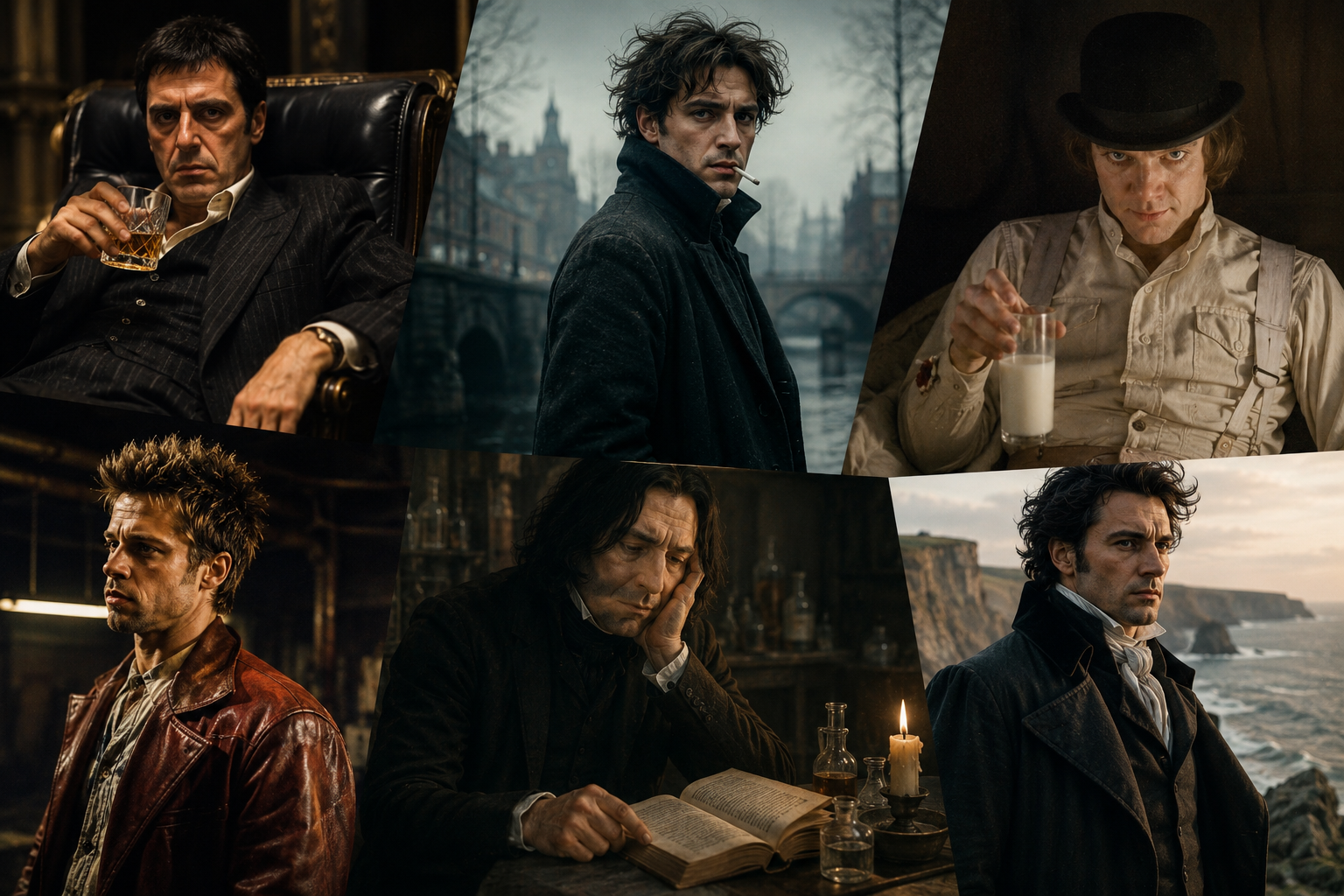
Famous Antiheroes in Literature can be some of the most interesting characters to study because they do not fit the usual hero mold. They may lie, hurt others, break rules, or act selfishly, yet readers still want to understand them.

These characters help us ask hard questions about guilt, power, survival, and what it really means to be “good.”

In this Guide

  • What makes an antihero different
  • Why antiheroes matter in literature
  • Major examples from classic books
  • How to analyze antiheroes for school
  • Helpful books to read next
  • FAQ and key takeaway
famous antiheroes

What Makes Famous Antiheroes in Literature Different?

An antihero is a main character who lacks many classic heroic traits.

A traditional hero is often brave, noble, and guided by a clear moral code. An antihero may still be brave, but that courage can come with pride, anger, fear, or deep moral weakness.

When students study Famous Antiheroes in Literature, they often notice one key idea: antiheroes are not simple villains. They may do wrong, but the story asks us to look deeper.

Antiheroes often feel real because people are not perfect. They can be selfish one moment and kind the next. That mix makes them useful for essays, class talks, and close reading.

Why Writers Use Antiheroes

Antiheroes help writers explore messy parts of human nature.

A perfect hero can inspire us, but an antihero can challenge us. These characters make readers ask, “Why do I care about someone who acts this way?”

Writers use antiheroes to show conflict inside the human mind. They may want justice but use cruel methods. They may seek love but push people away.

This makes antiheroes strong choices for literary analysis. If you need help with close reading, this guide on how to analyze characters in literature can help you build stronger claims.

Famous Antiheroes in Literature Students Should Know

Some antiheroes have shaped how readers think about character, choice, and morality.

Hamlet from William Shakespeare’s Hamlet is one of the most famous examples. He wants to avenge his father, but he delays, doubts himself, and causes great harm along the way.

Hamlet is not a clean hero. He is smart and sensitive, but he can also be cruel. His flaws make him a rich character for AP Literature and college essays.

Jay Gatsby from F. Scott Fitzgerald’s The Great Gatsby is another strong example. Gatsby dreams of love and success, but his dream rests on lies, crime, and an idealized past.

Readers may admire his hope, yet question his choices. That tension is why he remains one of the most discussed Famous Antiheroes in Literature.

Raskolnikov from Fyodor Dostoevsky’s Crime and Punishment is darker. He commits murder because he believes some people have the right to rise above normal rules.

The novel follows his guilt, fear, and possible path toward moral change. Raskolnikov is useful for students who want to study crime, conscience, and punishment.

Heathcliff from Emily Brontë’s Wuthering Heights is driven by pain, love, and revenge. His suffering helps explain him, but it does not excuse the damage he causes.

Heathcliff shows how an antihero can blur the line between victim and villain.

image-slider-with-thumbnail1.jpeg
PlayPause
previous arrow
next arrow
image-slider-with-thumbnail1.jpeg
image-slider-with-thumbnail3.jpeg
image-slider-with-thumbnail4.jpeg
ChatGPT Image Jun 27, 2026, 06_33_13 PM
ChatGPT Image Jun 27, 2026, 06_36_37 PM
ChatGPT Image Jun 27, 2026, 06_38_39 PM
ChatGPT Image Jun 27, 2026, 06_31_22 PM
image-slider-with-thumbnail7.jpeg
ChatGPT Image Jun 27, 2026, 06_29_43 PM
ChatGPT Image Jun 27, 2026, 06_27_44 PM
image-slider-with-thumbnail6.jpeg
ChatGPT Image Jun 27, 2026, 06_15_07 PM
image-slider-with-thumbnail5.jpeg
ChatGPT Image Jun 27, 2026, 06_22_43 PM
ChatGPT Image Jun 27, 2026, 06_25_37 PM
ChatGPT Image Jun 27, 2026, 06_19_43 PM
ChatGPT Image Jun 27, 2026, 06_12_00 PM
ChatGPT Image Jun 27, 2026, 06_08_50 PM
ChatGPT Image Jun 26, 2026, 04_54_23 PM
ChatGPT Image Jun 27, 2026, 05_53_51 PM
ChatGPT Image Jun 28, 2026, 08_35_55 AM
previous arrow
next arrow

Famous Antiheroes in Literature and the Question of Morality

Antiheroes make readers judge actions, motives, and consequences.

One reason Famous Antiheroes in Literature stay popular is that they do not give easy answers. They force readers to ask if a person can do terrible things and still deserve sympathy.

Take Macbeth from Shakespeare’s Macbeth. He begins as a brave soldier, but ambition leads him toward murder and tyranny.

Macbeth is not born evil. His fall matters because readers can see the choices that shape him. That makes his story a warning about power and moral collapse.

You can read more background on Shakespeare’s tragedy from Britannica’s overview of Macbeth.

Antiheroes also show how society shapes people. Some characters become morally broken because of poverty, abuse, war, or rejection. Literature asks us to notice both personal choice and outside pressure.
Common Traits of Antiheroes

Most antiheroes share patterns that make them easier to spot.

They often have serious flaws. These may include pride, anger, greed, fear, or a need for control.

They may also have a personal code. Even if their code is flawed, it helps explain why they act the way they do.

Many antiheroes want something deeply. Gatsby wants Daisy and the past. Macbeth wants power. Raskolnikov wants to prove he is above ordinary people.

When that desire grows too strong, it can lead to harm. This is where antiheroes often become tragic.

How to Study Famous Antiheroes in Literature

A strong character analysis looks at both behavior and meaning.

When you write about Famous Antiheroes in Literature, do not just call a character “bad” or “complicated.” Explain what the character wants, what choices they make, and how those choices affect others.

Start with the character’s goal. What do they want most? Then look at the methods they use to get it.

Next, study the cost. Who gets hurt? What does the character lose? What does the story suggest about those choices?

It also helps to track change. Some antiheroes grow, while others fall deeper into guilt or violence.

For a deeper method, use this resource on character analysis in literature as you plan your essay.

Antihero vs. Villain: What Is the Difference?

The difference often comes down to focus and sympathy.

A villain usually works against the main moral center of the story. A villain may tempt, attack, or destroy others without much inner conflict.

An antihero is often the main character or a major figure we follow closely. The story gives us access to their thoughts, pain, and reasons.

This does not mean the antihero is innocent. It means the story wants us to understand them, even when we reject their actions.

For example, Macbeth becomes a tyrant, yet the play lets us see his fear, guilt, and imagination. That inner life makes him more than a simple villain.
Why Famous Antiheroes in Literature Still Matter

Antiheroes remain powerful because they reflect real human struggle.

Famous Antiheroes in Literature are useful for students because they connect to major themes. These themes include ambition, guilt, identity, justice, and love.

They also make essays stronger. A simple hero may lead to a simple argument. An antihero gives you more room to explore conflict and contradiction.

Modern readers still care about antiheroes because they feel honest. They show that people can be damaged, selfish, loyal, brave, and afraid in the same story.

This is why characters like Hamlet, Gatsby, and Heathcliff continue to appear in classrooms. They are not easy to judge, and that makes them worth studying.

These books are strong choices if you want to explore antiheroes in classic literature.

  • Crime and Punishment by Fyodor Dostoevsky
  • Wuthering Heights by Emily Brontë

You can find these titles through your school library, public library, local bookstore, or Amazon. For poetry and Romantic-era background, the Poetry Foundation’s page on Lord Byron is also useful, since the “Byronic hero” influenced many later antiheroes.

FAQ About Famous Antiheroes in Literature

What is an antihero in literature?

An antihero is a main character who does not act like a traditional hero. They may be flawed, selfish, morally unclear, or driven by harmful desires.

Are antiheroes the same as villains?

No. A villain usually opposes the hero, while an antihero often stands at the center of the story. Readers may understand an antihero even when they dislike their choices.

Why are Famous Antiheroes in Literature important for students?

They help students study complex character motives, moral conflict, and theme. They also give writers strong material for essays.

Is Hamlet an antihero?

Yes, many readers see Hamlet as an antihero. He has noble goals, but his delay, cruelty, and inner conflict lead to tragedy.

Can an antihero change by the end of a story?

Yes. Some antiheroes grow or seek redemption. Others fall further because they refuse to face the truth about themselves.

Key Takeaway

Famous Antiheroes in Literature matter because they show that characters do not need to be perfect to be meaningful. Their flaws help readers think harder about choice, guilt, power, and what it means to be human.

What Is an Antihero?

what is an antihero

What Is an Antihero? In literature, an antihero is a main character who does not act like a traditional hero.

Antiheroes can be selfish, angry, dishonest, fearful, or morally confused, yet readers still follow their story. They matter because they make fiction feel more human and complex.

In this Guide

what is an antihero

What Is an Antihero? Simple Definition

An antihero is a central character who lacks the usual heroic qualities.

A traditional hero often shows courage, honor, kindness, and a clear sense of right and wrong. An antihero may still do important things, but their motives are messy.

So, What Is an Antihero? It is a main character who may not be noble, but still holds our attention. The antihero can make bad choices, hurt others, or act for selfish reasons.

This does not mean an antihero is always a villain. A villain usually works against the main goal of the story. An antihero is often the person we follow, even when we do not fully admire them.

What Is an Antihero? Common Traits to Look For

Antiheroes often feel real because they do not fit a perfect mold.

Many antiheroes are deeply flawed. They may lie, seek revenge, break rules, or avoid responsibility. Some feel guilt, while others try to bury it.

An antihero may have a personal code, but that code may not match society’s rules. This makes the character hard to judge in a simple way.

When students ask, What Is an Antihero?, one useful answer is this: an antihero is a character who makes readers ask, “Should I root for this person?”

That question is part of the point. Antiheroes force readers to think, not just react.

Why Antiheroes Matter in Literature

Antiheroes help stories explore moral gray areas.

In real life, people are not always brave, honest, or kind. Literature uses antiheroes to show how fear, pride, pain, and desire shape human choices.

An antihero can also reveal what a society values. If a character breaks the rules, the story asks whether those rules are fair. If a character acts selfishly, the story may ask what caused that behavior.

This is why the question What Is an Antihero? matters in English class. It leads to deeper ideas about power, justice, identity, and guilt.

For more help with this kind of reading, see this guide on how to analyze characters in literature.

What Is an Antihero? Famous Examples from Literature

Well-known antiheroes can help make the idea clear.

Raskolnikov in Crime and Punishment by Fyodor Dostoevsky is a strong example. He commits a terrible crime, yet the novel explores his guilt, fear, and search for meaning.

Holden Caulfield in The Catcher in the Rye by J. D. Salinger is another common example. He is rude, judgmental, and unreliable, but he also feels lost and hurt.

Severus Snape in the Harry Potter series by J. K. Rowling is often discussed as an antihero. He can be cruel and bitter, yet his choices are tied to loyalty, regret, and sacrifice.

Macbeth in Shakespeare’s Macbeth is more complex. He begins as a brave soldier, but ambition pulls him toward murder. Some readers see him as a tragic antihero because he is both powerful and morally broken.

If you want a short reference definition, Britannica offers a helpful overview of the antihero in literature.

image-slider-with-thumbnail1.jpeg
PlayPause
previous arrow
next arrow
image-slider-with-thumbnail1.jpeg
image-slider-with-thumbnail3.jpeg
image-slider-with-thumbnail4.jpeg
ChatGPT Image Jun 27, 2026, 06_33_13 PM
ChatGPT Image Jun 27, 2026, 06_36_37 PM
ChatGPT Image Jun 27, 2026, 06_38_39 PM
ChatGPT Image Jun 27, 2026, 06_31_22 PM
image-slider-with-thumbnail7.jpeg
ChatGPT Image Jun 27, 2026, 06_29_43 PM
ChatGPT Image Jun 27, 2026, 06_27_44 PM
image-slider-with-thumbnail6.jpeg
ChatGPT Image Jun 27, 2026, 06_15_07 PM
image-slider-with-thumbnail5.jpeg
ChatGPT Image Jun 27, 2026, 06_22_43 PM
ChatGPT Image Jun 27, 2026, 06_25_37 PM
ChatGPT Image Jun 27, 2026, 06_19_43 PM
ChatGPT Image Jun 27, 2026, 06_12_00 PM
ChatGPT Image Jun 27, 2026, 06_08_50 PM
ChatGPT Image Jun 26, 2026, 04_54_23 PM
ChatGPT Image Jun 27, 2026, 05_53_51 PM
ChatGPT Image Jun 28, 2026, 08_35_55 AM
previous arrow
next arrow

Antihero vs. Villain: What Is the Difference?

The difference comes down to the character’s role in the story.

A villain usually opposes the main character. A villain may cause harm, block the hero’s goal, or represent a major threat.

An antihero is usually the main character or one of the main characters. The story asks us to watch their choices closely, even when those choices are wrong.

So, What Is an Antihero? It is not just “a bad person.” It is a character whose flaws shape the story in a central way.

How to Analyze an Antihero in Class

A good antihero analysis focuses on choices, motives, and change.

Start by asking what the character wants. Then ask what they are willing to do to get it.

Look at how the author shapes your reaction. Do you feel sympathy, anger, pity, or doubt? Your response can reveal how the antihero works.

Pay attention to turning points. If the character faces a chance to change, their response often shows the main theme of the text.

When you write about an antihero, avoid simple labels like “good” or “bad.” Instead, explain the conflict inside the character.

Books with Strong Antiheroes

These books are useful if you want to study antiheroes more closely.

  • Crime and Punishment by Fyodor Dostoevsky
  • The Catcher in the Rye by J. D. Salinger
  • Macbeth by William Shakespeare

For Shakespeare background, the Poetry Foundation has a useful page on William Shakespeare.

FAQ: What Is an Antihero?

What Is an Antihero? Short Answer

An antihero is a main character who lacks classic heroic traits, such as courage, honesty, or selflessness. The antihero may still be interesting, sympathetic, or important to the story.

Is an antihero the same as a villain?

No. A villain usually works against the main character. An antihero is often the main character, even if they make harmful or selfish choices.

Can an antihero do good things?

Yes. Antiheroes can help others, fight injustice, or show loyalty. The difference is that their motives and methods are often flawed.

Why do authors use antiheroes?

Authors use antiheroes to create moral tension. These characters help readers think about guilt, choice, power, and human weakness.

How do I write about an antihero in an essay?

Focus on what the character wants, what flaws guide them, and how their choices connect to the theme. This approach works well with character analysis.

Key Takeaway

What Is an Antihero? An antihero is a main character who is flawed, complicated, and often hard to admire. The best reading tip is simple: do not ask only whether the character is good or bad. Ask why the story wants you to care. 📚

error

Enjoy this article? Please spread the word :)

Follow by Email
BLUESKY
fb-share-icon
Reddit
LinkedIn
Share
RSS