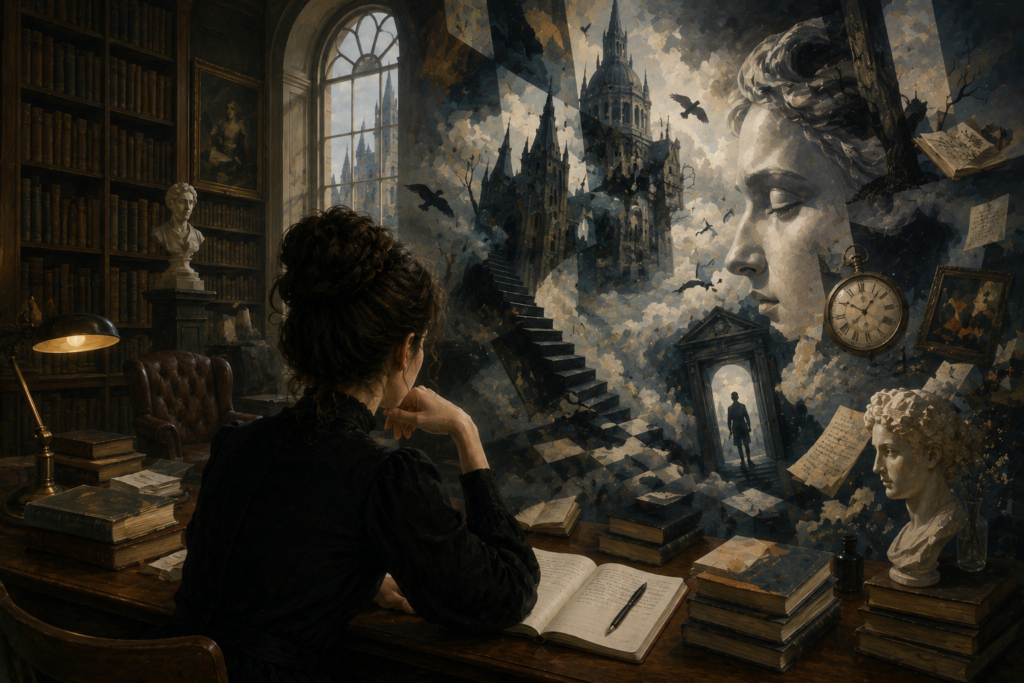

Best Books for Dark Academia

Dark Academia books
Dark Academia books

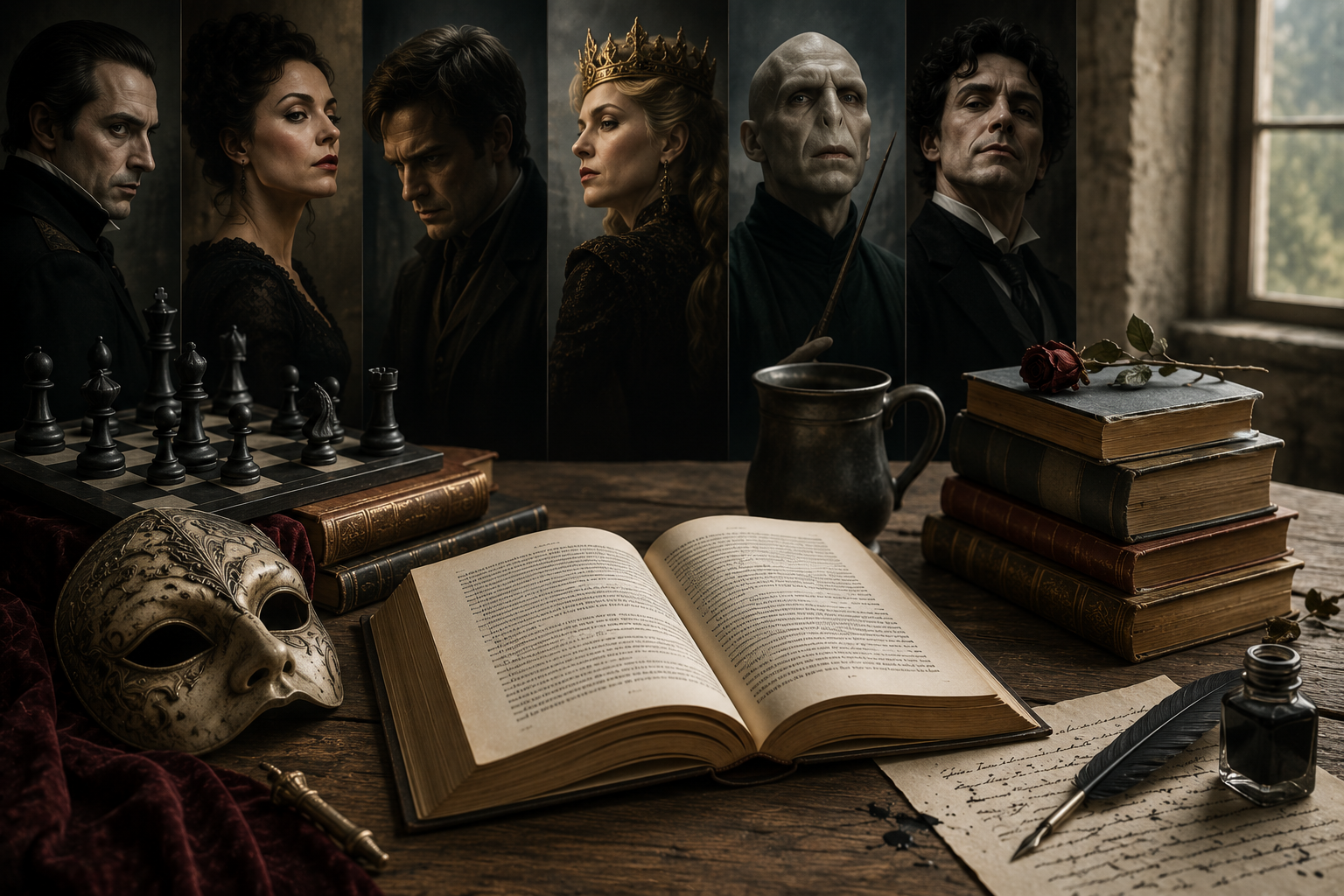
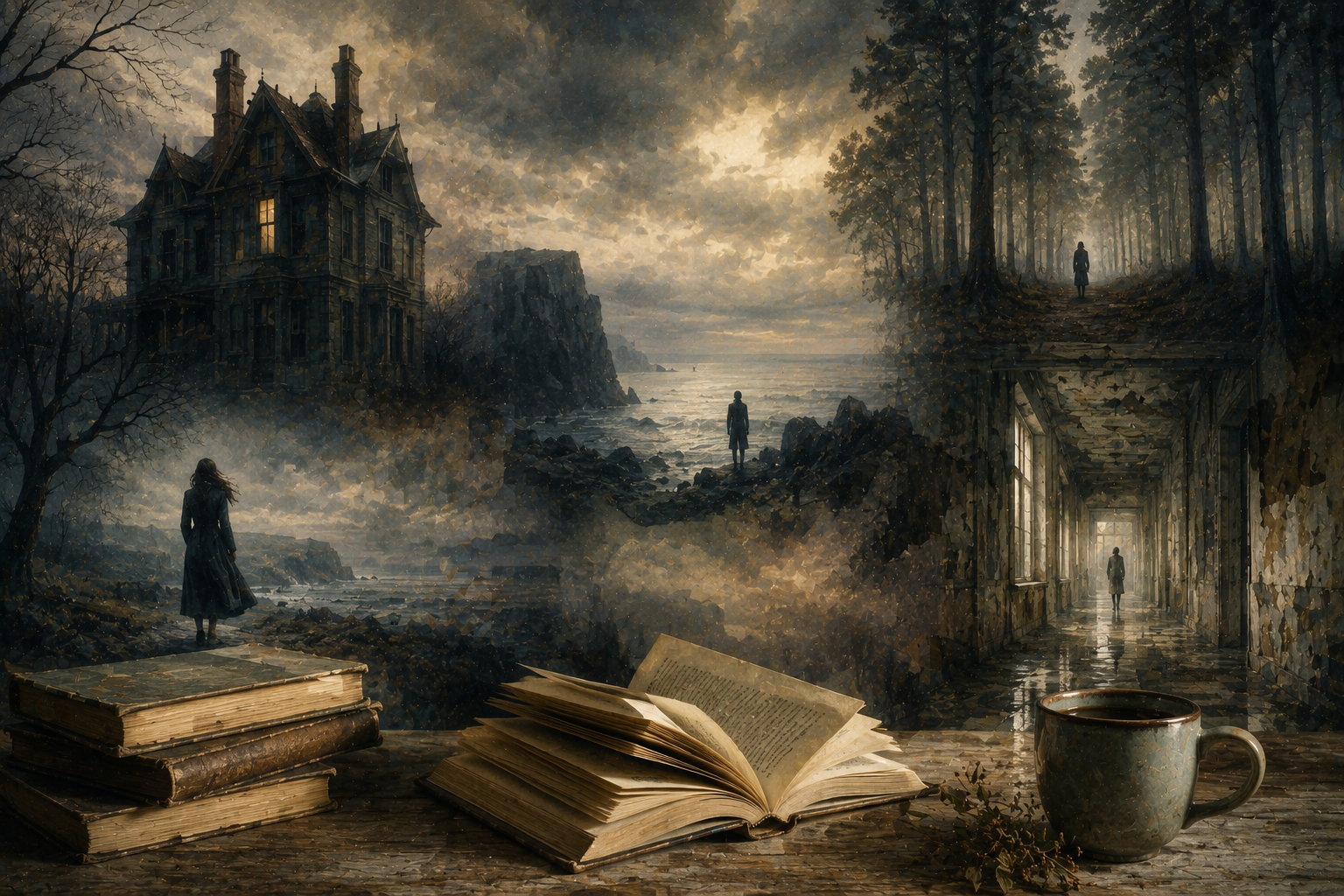
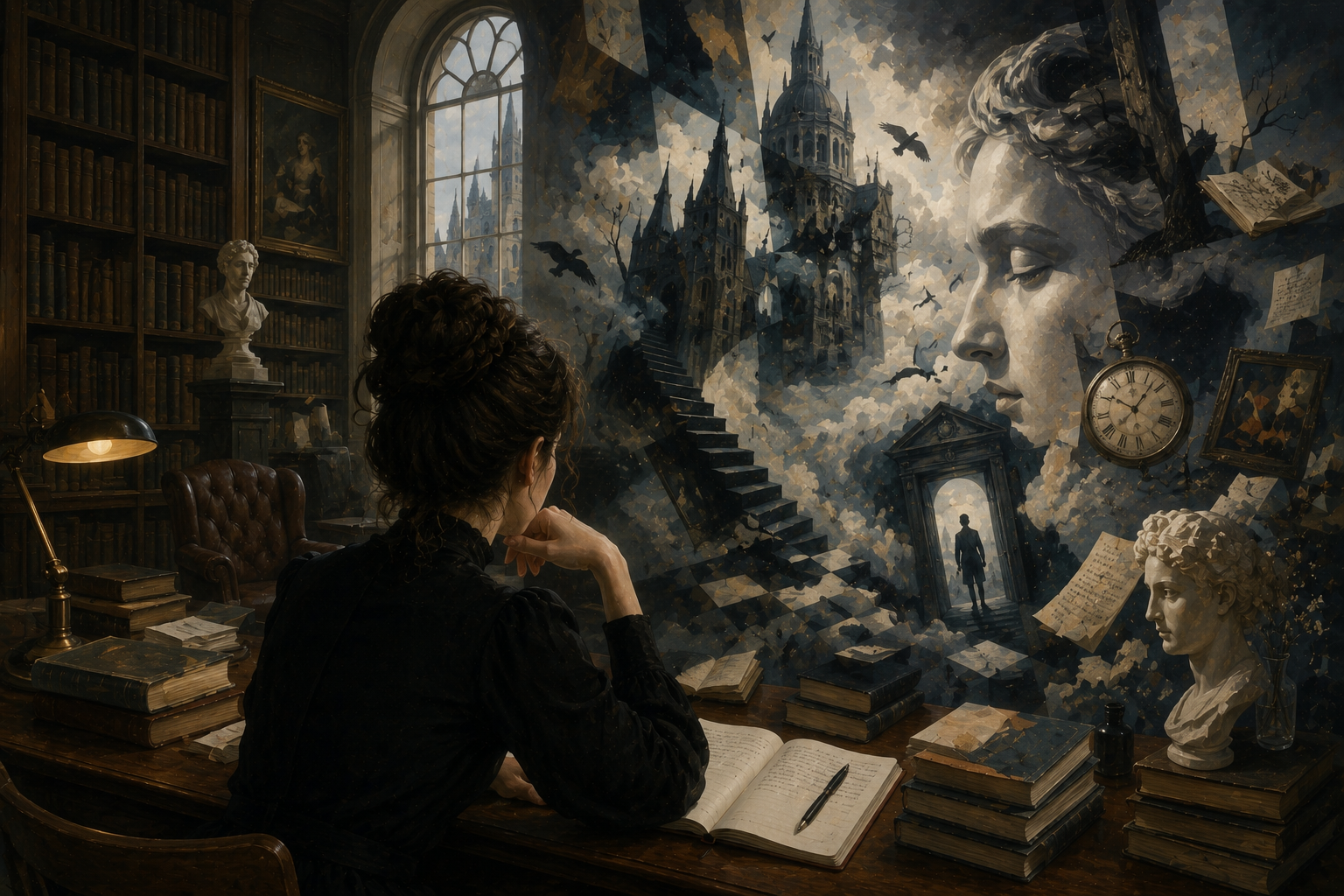
The Best Books for Dark Academia mix mystery, ambition, beauty, and danger. These stories often take place in schools, libraries, old houses, or elite circles where knowledge feels powerful and risky.

If you like candlelit study rooms, secret clubs, moral questions, and characters who want too much, this guide will help you find your next read.

In this Guide

  • What makes dark academia books so popular
  • Best Books for Dark Academia to read first
  • Major themes and symbols
  • Books worth buying or borrowing
  • How students can read dark academia well
  • FAQs

What Makes the Best Books for Dark Academia So Compelling?

Dark academia is about learning, but it is also about obsession.

The Best Books for Dark Academia often show smart characters who chase beauty, status, or truth. At first, their world looks polished. Soon, it starts to crack.

These books often include old campuses, Latin phrases, rare books, art, poetry, and hidden guilt. The setting matters because it makes learning feel grand, but also cold.

Dark academia also asks a hard question: What happens when intelligence is not matched by kindness?

Best Books for Dark Academia: Classic and Modern Picks

These books capture the mood of dark academia in different ways, from elite schools to haunted minds.

The Secret History by Donna Tartt

Many readers see The Secret History as the heart of dark academia. It follows a group of college students who study Greek classics under a strange and powerful professor.

The book explores beauty, guilt, and the danger of feeling above normal rules. It is one of the Best Books for Dark Academia because it turns scholarship into suspense.

If We Were Villains by M.L. Rio

This novel follows theater students who live and breathe Shakespeare. Their friendships are intense, and their roles begin to blur with real life.

The book is a strong choice for students who enjoy drama, rivalry, and literary clues. It also shows how art can shape identity in harmful ways.

Frankenstein by Mary Shelley

Frankenstein is not set in a modern university, but it fits the dark academia mood well. Victor Frankenstein wants knowledge so badly that he forgets his duty to others.

The novel warns readers about ambition without care. It is also a major work in Gothic literature, a tradition you can learn more about through Britannica’s overview of the Gothic novel.

The Picture of Dorian Gray by Oscar Wilde

This novel is full of art, beauty, style, and moral decay. Dorian wants to stay young while his portrait carries the damage of his choices.

It belongs with the Best Books for Dark Academia because it asks what people will trade for beauty and pleasure.

Jane Eyre by Charlotte Brontë

Jane Eyre has a strong Gothic mood, a mysterious house, and a heroine who values education and self-respect. Jane’s inner life matters as much as the plot.

The novel works well for students who want dark atmosphere but also moral strength.

Babel by R.F. Kuang

Babel is a modern dark academia novel about language, empire, and power. It takes place in Oxford and asks who benefits from elite education.

This book is a great pick for readers who want dark academia with sharp social criticism.

Major Themes in the Best Books for Dark Academia

Dark academia feels stylish, but its deepest power comes from its themes.

In the Best Books for Dark Academia, ambition often becomes dangerous. Characters want to be brilliant, rare, or admired. That desire can push them toward lies and harm.

Class is another major theme. Many dark academia stories show who gets access to elite schools, private libraries, and powerful mentors. The mood may feel romantic, but the system can be unfair.

Secrecy also plays a key role. Hidden rooms, private languages, and secret groups create suspense. They also show how knowledge can divide people.

For another look at wealth, image, and moral decline, read our Great Gatsby analysis. Gatsby is not a dark academia novel, but it shares the same interest in status and illusion.

Symbolism in the Best Books for Dark Academia

Symbols help dark academia feel rich, strange, and memorable.

Books and libraries often stand for power. They suggest wisdom, but they can also suggest control. A locked library may mean that knowledge is not open to everyone.

Old buildings often symbolize tradition. A stone campus or decaying mansion can look beautiful while hiding fear, guilt, or corruption.

Mirrors and portraits often show divided identity. In The Picture of Dorian Gray, the portrait becomes a symbol of the soul. It shows the truth that Dorian refuses to face.

Storms, fog, and candlelight also shape the mood. They make the world feel uncertain, which fits stories about secrets and guilt.

Books Worth Buying or Borrowing for a Dark Academia Shelf

If you want to start a small shelf, begin with books that show the range of the genre.

Here are a few strong choices you can find at many bookstores, libraries, or on Amazon without needing any special edition:

  • The Secret History by Donna Tartt
  • If We Were Villains by M.L. Rio

These titles are easy entry points because they have strong plots, literary references, and tense student groups.

How to Read the Best Books for Dark Academia in School

Dark academia books are fun to read, but they also reward close attention.

When you read the Best Books for Dark Academia, track what the main character wants. Then ask what they are willing to risk to get it.

Pay attention to setting. A classroom, library, or old house is never just a backdrop. It often reflects power, fear, or desire.

Notice references to art, poetry, and myth. These allusions can reveal what the characters admire. They can also show how characters use culture to excuse bad choices.

If you study poetry with dark academia themes, the Poetry Foundation’s page on T.S. Eliot is a helpful place to start. Eliot’s work often explores decay, memory, and modern anxiety.

Why the Best Books for Dark Academia Still Matter

Dark academia is not just an aesthetic. It speaks to real fears about success, pressure, and belonging.

Students may connect with these stories because school can feel intense. Grades, image, talent, and social status can seem like everything.

The Best Books for Dark Academia remind readers that knowledge should not come at the cost of empathy. A brilliant mind can still make cruel choices.

That warning is part of what makes the genre last.

FAQs About the Best Books for Dark Academia

Here are quick answers to common questions about the genre.

What are the Best Books for Dark Academia for beginners?

The Best Books for Dark Academia for beginners include The Secret History, If We Were Villains, and Frankenstein. These books show the genre’s mood, themes, and moral questions clearly.

Is dark academia always set at a school?

No. Many dark academia stories take place at schools or universities, but the genre can also include old houses, museums, libraries, and artistic circles.

Why is Frankenstein considered dark academia?

Frankenstein fits because it focuses on dangerous knowledge, ambition, and isolation. Victor wants to master life itself, but he ignores the human cost.

Are dark academia books good for AP Literature?

Yes, many are useful for AP Literature because they deal with theme, symbolism, character flaws, and moral conflict. Classics like Frankenstein and Jane Eyre are especially strong choices.

Key Takeaway

The Best Books for Dark Academia are not only about old libraries and clever students. They show how beauty, learning, and ambition can become dangerous when people forget compassion.

If you want books with mood, mystery, and serious ideas, dark academia is a rich place to begin. 📚

Round vs Flat Characters in Fiction: A Clear Guide

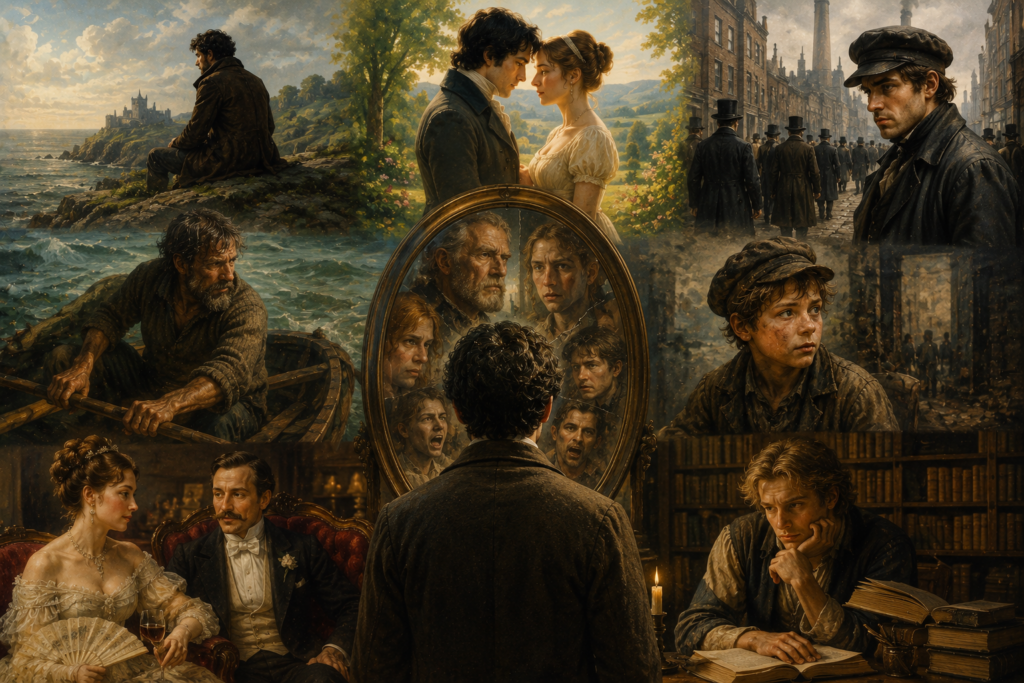
Round vs Flat Characters

Round vs Flat Characters in Fiction is a key idea in literary analysis. Once you know the difference, you can explain why some characters feel real and complex while others serve a clear, simple role.

This guide breaks the idea down in plain language, with examples from famous books and tips you can use in essays.

In this Guide

  • What round characters are
  • What flat characters are
  • Round vs Flat Characters in Fiction examples
  • How to use the idea in literary analysis
  • Common mistakes to avoid
  • Book suggestions
  • FAQ
Round vs Flat Characters

What Are Round Characters?

Round characters feel complex, layered, and close to real people.

A round character has more than one side. They may have mixed feelings, personal flaws, hidden fears, or changing beliefs.

Round characters often surprise us, but their actions still make sense. They are not random. Their choices grow out of who they are.

Elizabeth Bennet in Pride and Prejudice is a strong example. She is smart and funny, but she also misjudges Darcy. Her pride affects how she sees others.

By the end of the novel, Elizabeth learns more about herself. That growth makes her feel human.

You can read more background on the novel through Britannica’s overview of Pride and Prejudice.

What Are Flat Characters?

Flat characters are simple, clear, and easy to understand.

A flat character usually has one main trait. They do not have deep inner conflict, and they may not change much.

This does not mean they are badly written. Flat characters can be useful. They can add humor, reveal a theme, or push the plot forward.

Mr. Collins in Pride and Prejudice is a good example. He is proud, awkward, and eager to please Lady Catherine. He does not have much depth, but he plays an important role.

Flat characters often help readers see the main characters more clearly.

Round vs Flat Characters in Fiction: The Main Difference

Round vs Flat Characters in Fiction comes down to depth and complexity.

A round character has an inner life. A flat character has a simpler role. One is built with layers, while the other is shaped around a clear purpose.

Think of Scrooge in A Christmas Carol. At first, he may seem flat because he is greedy and cold. But as the story moves forward, we see his fear, regret, and pain.

Scrooge becomes round because the story reveals why he acts the way he does. His change also matters to the whole meaning of the book.

In contrast, some minor characters in the same story stay simple. They may show kindness, poverty, or social pressure without much personal depth.

That contrast helps the story work.

Round vs Flat Characters in Fiction Examples from Literature

Examples make Round vs Flat Characters in Fiction much easier to understand.

In To Kill a Mockingbird, Scout Finch is round. She grows as she learns about justice, fear, and unfair treatment. Her view of the world changes.

Atticus Finch also has depth. He is calm and moral, but he faces pressure from his town. His choices show courage without making him perfect.

In Animal Farm, many characters are flatter on purpose. Napoleon often stands for power and control. Boxer stands for loyalty and hard work.

George Orwell uses flat characters to support satire. The point is not deep psychology. The point is political meaning.

In Harry Potter, Harry is round because he has fear, anger, love, and doubt. Some side characters are flatter, but they still help build the world.

Why Writers Use Both Round and Flat Characters

Good fiction does not need every character to be round.

If every character had a deep backstory, many stories would feel crowded. Flat characters help keep the focus on the main conflict.

A round character often carries the emotional weight of the story. A flat character may create pressure, offer comic relief, or show a social idea.

In Romeo and Juliet, Romeo and Juliet feel more complex than many side characters. Their feelings change quickly, and their choices shape the tragedy.

Characters like the Nurse have strong traits that are easy to spot. She is lively and practical, which makes her memorable even if she is less complex.

Round vs Flat Characters in Fiction and Character Change

Round vs Flat Characters in Fiction is related to change, but it is not the same thing.

A round character does not always change. Some round characters stay the same, but readers still see many sides of them.

A flat character can change in a small way, but still remain simple. The key question is depth, not just change.

For example, a villain may become nicer at the end of a story. If we do not learn much about their mind, fears, or motives, they may still feel flat.

On the other hand, Hamlet is round even before he makes final choices. He thinks deeply, doubts himself, and struggles with grief.

How to Analyze Round vs Flat Characters in Fiction

Round vs Flat Characters in Fiction can help you write stronger literary analysis.

Start by asking what the character wants. Then look at what makes the character hard to define. A round character often has tension inside them.

Ask these questions:

  • Does the character have more than one clear trait?
  • Does the character face inner conflict?
  • Does the character change how readers understand the theme?
  • Does the character mostly serve one purpose?

If you want a fuller method, see our guide on how to analyze characters in literature.

When you write about the distinction, do not just label the character. Explain why the label matters.

For example, do not only say, “Scrooge is round.” Say, “Scrooge is round because Dickens reveals his fear of loneliness, which helps the story argue that people can change.”

Common Mistakes with Round vs Flat Characters in Fiction

Many students think “round” means good and “flat” means bad. That is not true.

A flat character can be well written if the role is clear. A round character can still fail if the author does not make the person believable.

Another mistake is to confuse flat characters with minor characters. A minor character can be round if the story gives them depth.

Readers also mix up flat characters with static characters. A static character does not change much. A flat character lacks deep complexity.

The terms overlap sometimes, but they do not mean the same thing.

How to Use Round vs Flat Characters in Fiction in an Essay

Round vs Flat Characters in Fiction gives you a useful tool for claims about theme.

Your essay should connect character type to meaning. Ask why the author made a character simple or complex.

Here is a strong sentence frame:

“The author presents [character] as a [round/flat] character in order to show [theme or idea].”

Example:

“Orwell presents Boxer as a mostly flat character in order to show how loyalty can be used by those in power.”

This kind of sentence does more than name a term. It links the character to the author’s message.

Books to Look Up on Amazon

These books are useful if you want more practice with Round vs Flat Characters in Fiction.

  • Pride and Prejudice by Jane Austen
  • A Christmas Carol by Charles Dickens
  • Animal Farm by George Orwell

Each book gives clear chances to compare deep characters with simpler ones.

Quick Reference: Round vs Flat Characters in Fiction

Round vs Flat Characters in Fiction is easiest to remember this way:

  • Round characters have depth, conflict, and layers.
  • Flat characters have a simple role or main trait.
  • Both types can be useful in a strong story.

For more general background on fiction as a literary form, see Britannica’s article on the novel.

FAQ: Round vs Flat Characters in Fiction

What is the difference between round and flat characters?

A round character has depth and complexity. A flat character is simpler and usually has one main role or trait.

Can a flat character be important?

Yes. Flat characters can support the plot, reveal a theme, or make the main character stand out.

Is a round character always a main character?

No. Main characters are often round, but some minor characters can also have depth.

Is a flat character the same as a static character?

No. A static character does not change much. A flat character lacks depth. A character can be both, but the terms are different.

How do I write about round and flat characters in an essay?

Explain how the character type helps show a theme. Do not stop at the label.

Key Takeaway

Round vs Flat Characters in Fiction is not about good versus bad writing. It is about how much depth a character has and how that character helps the story make meaning.