Best Classic Moon Symbolism in Literature: Meaning, Themes, and Books to Read

Moon symbolism

The Best Classic Moon Symbolism in literature often points to mystery, change, hidden truth, and emotion. Writers use the moon because it feels familiar, but it also feels strange and powerful.

From Gothic novels to Romantic poems, the moon can light up secrets that characters try to hide. It can also show fear, love, madness, or hope in a quiet way.
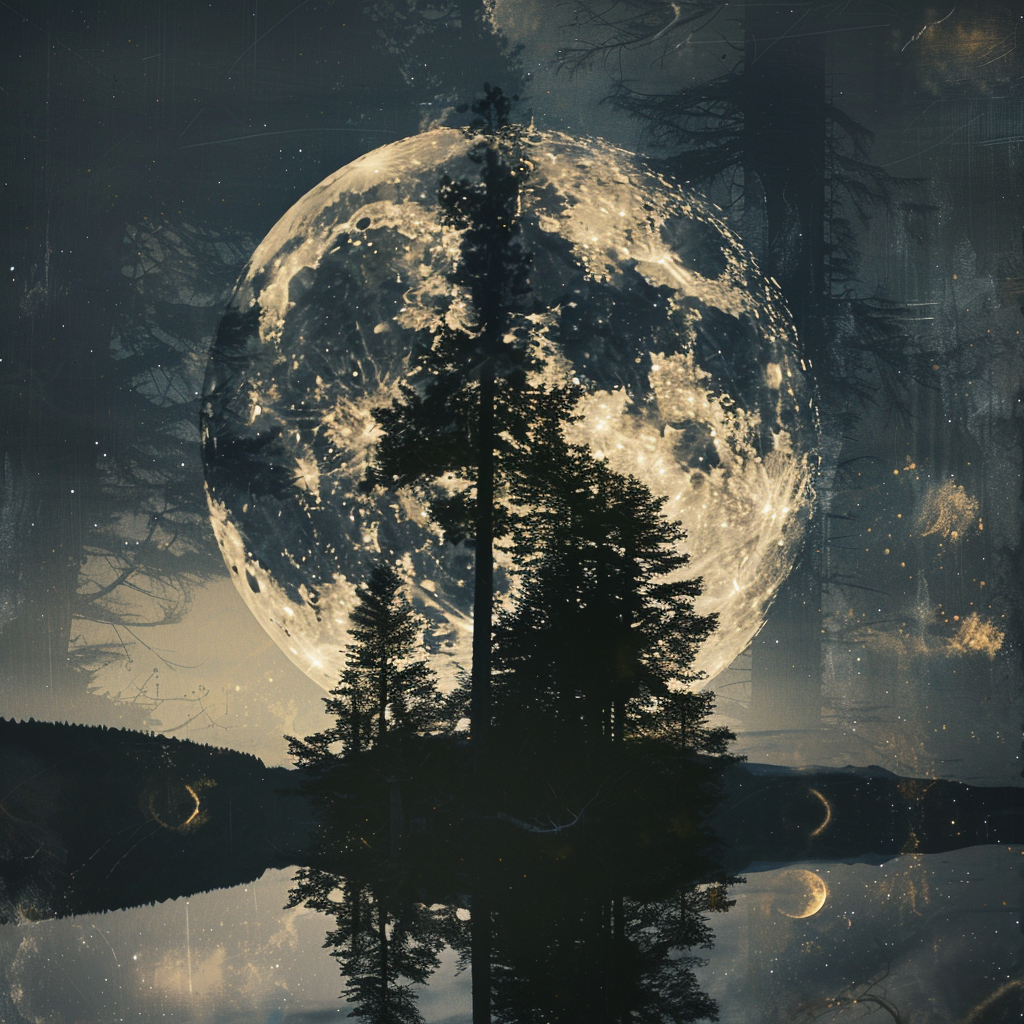
Moon symbolism

In this Guide

  • What moon symbolism means in classic literature
  • How Gothic writers use the moon
  • Moon symbolism in poetry
  • Famous examples from novels and plays
  • Common moon themes
  • Books to read for moon symbolism
  • FAQs about moon symbolism

What Is Best Classic Moon Symbolism?

The moon often acts like a mirror for a character’s inner life.

In classic literature, the moon is rarely just part of the setting. It can show that a scene is strange, emotional, secret, or unsafe.

The Best Classic Moon Symbolism works because the moon changes shape. It grows, fades, disappears, and returns. That makes it a strong symbol for change, time, memory, and unstable feelings.

The moon also rules the night. Since night often hides what daylight reveals, moonlight can create tension. It lets readers see a little, but not everything.

For more help with symbols in fiction, read our guide on how to find symbolism in a story.

Best Classic Moon Symbolism in Gothic Literature

Gothic writers use the moon to make fear feel beautiful and dangerous.

In Gothic literature, moonlight often falls on castles, graveyards, windows, and wild landscapes. It gives scenes a dreamlike look, but it can also make them feel unsafe.

In Dracula by Bram Stoker, the night world matters. The moon helps build a mood of danger because Dracula’s power grows after dark. Moonlit scenes remind readers that evil can move quietly when people feel most helpless.

In Frankenstein by Mary Shelley, moonlight often appears during lonely or fearful moments. Victor sees the world through guilt and dread, so the moon can feel cold instead of calm.

This is why the Best Classic Moon Symbolism in Gothic fiction often connects to fear, isolation, and the unknown. The moon does not comfort the characters. It watches them.

Best Classic Moon Symbolism in Romantic and Victorian Poetry

Poets often turn the moon into a symbol of longing, beauty, and deep thought.

Romantic poets loved nature because they saw it as a path to feeling and imagination. The moon gave them a perfect image for quiet sadness, wonder, and spiritual mystery.

Percy Bysshe Shelley’s poem To the Moon presents the moon as tired and wandering. It feels almost human. You can read the poem at the Poetry Foundation.

Emily Dickinson also uses the moon in striking ways. In poems like “The Moon was but a Chin of Gold,” the moon becomes strange, almost like a face in the sky. Her moon is not simple or soft. It feels alive and hard to explain.

The Best Classic Moon Symbolism in poetry often depends on mood. A moon can feel romantic in one poem and lonely in another. The symbol changes with the speaker’s mind.

Famous Examples of Moon Symbolism in Classic Literature

Many famous works use the moon to show love, secrecy, or a shift in power.

In Shakespeare’s A Midsummer Night’s Dream, the moon is tied to romance, magic, and confusion. Lovers meet in the woods at night, where moonlight helps create a world that feels playful but unstable.

In Nathaniel Hawthorne’s The Scarlet Letter, moonlight matters during scenes of guilt and hidden truth. The night does not fully hide sin. Instead, the moon gives just enough light to make secrets feel visible.

In Jane Eyre by Charlotte Brontë, the moon often has a guiding role. Jane sometimes sees it as calm and almost motherly. It can reflect her need for safety, love, and moral direction.

These examples show why moon symbolism stays popular in classrooms. It helps readers track a character’s fear, desire, or private struggle without a long speech.

Best Classic Moon Symbolism and Common Themes

The moon can carry many meanings, but a few themes appear again and again.

Change is one of the most common meanings. Because the moon has phases, it often points to growth, decline, or a coming shift.

Mystery is another key theme. Moonlight reveals shapes but not details. That makes it perfect for scenes where characters do not fully understand what they face.

Madness also appears in older literature and folklore. The word “lunatic” comes from an old belief that the moon could affect the mind. You can learn more about the moon’s cultural history through Britannica’s overview of the Moon.

Love is a softer meaning. Moonlit scenes can feel private and emotional, which is why writers often place lovers under the moon.

The Best Classic Moon Symbolism does not have one fixed meaning. The scene, character, and genre all shape what the moon suggests.

How to Spot Best Classic Moon Symbolism in a Story

Look at what happens when the moon appears.

Ask what the moon changes in the scene. Does it make the setting feel peaceful, eerie, romantic, or tense?

Notice who sees the moon. A lonely character may read the moon as cold. A hopeful character may see it as beautiful.

Pay attention to light and shadow. Moonlight often sits between darkness and full truth. That makes it useful when a story deals with secrets.

If you want a simple method, use this symbolism reading guide to practice with any poem, novel, or short story.

Recommended Books for Studying Best Classic Moon Symbolism

These books are strong choices for students who want clear examples of moon imagery and symbolism.

  • Dracula by Bram Stoker
  • Jane Eyre by Charlotte Brontë
  • The Poems of Emily Dickinson by Emily Dickinson

Dracula is useful if you want to study moonlight, fear, and Gothic mood. The night scenes show how setting can shape terror.

Jane Eyre gives a different kind of moon symbol. The moon often feels moral, emotional, and personal.

Emily Dickinson’s poetry is a great choice for close reading. Her moon images are short, strange, and rich with meaning.

FAQs About Moon Symbolism in Literature

What does the moon usually symbolize in literature?

The moon often symbolizes mystery, change, emotion, secrecy, or the hidden self. Its meaning depends on the scene and the character.

Why do Gothic writers use the moon so often?

Gothic writers use the moon because it creates fear and beauty at the same time. Moonlight makes a scene visible but still unclear.

Is moon symbolism always romantic?

No. The moon can suggest romance, but it can also suggest danger, madness, loneliness, or guilt.

How can I analyze moon symbolism for school?

Start with the mood of the scene. Then ask what the moon reveals, what it hides, and how the character reacts to it.

Key Takeaway: Best Classic Moon Symbolism Still Matters

The Best Classic Moon Symbolism works because the moon feels both close and mysterious. It lights the dark without removing the dark completely.

That is why writers keep returning to it. The moon can show love, fear, change, and secret truth in one quiet image.

When you see the moon in a classic text, pause for a moment. It may be telling you what the characters cannot say out loud.

What Is Close Reading in Literature?

A Simple Guide to Understanding How Scholars Read Texts Carefully

When students first encounter literary analysis, they often hear the phrase close reading in literature. At first it can sound technical or mysterious. In reality, close reading simply means paying careful attention to how a text works.

Instead of reading quickly for plot, close reading slows the process down. Readers begin noticing patterns, imagery, tone shifts, repeated language, and structure. These details help reveal how an author creates meaning.

Close reading is the foundation for many other literary skills. It leads naturally to annotation, research questions, and literary analysis essays.

If you’re new to careful reading practices, you may want to start with my guide on how to read literature like a scholar.

⭐ Key Takeaway

Close reading in literature means paying attention to the small details of a text. By noticing patterns in imagery, language, and structure, readers can uncover deeper meaning and develop thoughtful interpretations.

📚 In This Guide

In this article you’ll learn:

  • What close reading in literature actually means
  • Why close reading is important for literary analysis
  • What details scholars look for when reading closely
  • How close reading leads to annotation and research
  • How close reading supports writing literary essays
close reading in literature
Image by Carla Paton

What Is Close Reading in Literature?

Close reading in literature focuses on examining the language and structure of a text rather than simply summarizing its plot.

Close reading is a method of reading that emphasizes careful attention to the text itself.

Readers ask questions such as:

  • Why does the author repeat certain words?
  • What images appear throughout the text?
  • Does the tone change at key moments?
  • How does the structure shape meaning?

Instead of reading quickly, close readers pause and examine how each detail contributes to the overall work.

📖 This process is closely connected to annotating literature, which you can learn about here: https://rapidreadspress.com/how-to-annotate-literature/

📌 Close reading begins when a reader pauses and asks why a particular word, image, or line matters.

Why Close Reading Matters in Literary Study

Scholars rely on close reading in literature to uncover meaning that may not be obvious during a first reading.

Literary works often reveal their meaning through patterns and subtle details.

For example:

  • a poem might repeat an image of winter
  • a novel might shift tone during important scenes
  • a play might use dialogue to reveal hidden tensions

Close reading allows readers to see how these details interact.

Many literature courses teach close reading because it forms the basis of interpretation and analysis.

The MLA Style Center explains that literary analysis depends heavily on examining textual evidence carefully:
https://style.mla.org

image-slider-with-thumbnail1.jpeg
PlayPause
previous arrow
next arrow
image-slider-with-thumbnail1.jpeg
image-slider-with-thumbnail3.jpeg
image-slider-with-thumbnail4.jpeg
ChatGPT Image Jun 27, 2026, 06_33_13 PM
ChatGPT Image Jun 27, 2026, 06_36_37 PM
ChatGPT Image Jun 27, 2026, 06_38_39 PM
ChatGPT Image Jun 27, 2026, 06_31_22 PM
image-slider-with-thumbnail7.jpeg
ChatGPT Image Jun 27, 2026, 06_29_43 PM
ChatGPT Image Jun 27, 2026, 06_27_44 PM
image-slider-with-thumbnail6.jpeg
ChatGPT Image Jun 27, 2026, 06_15_07 PM
image-slider-with-thumbnail5.jpeg
ChatGPT Image Jun 27, 2026, 06_22_43 PM
ChatGPT Image Jun 27, 2026, 06_25_37 PM
ChatGPT Image Jun 27, 2026, 06_19_43 PM
ChatGPT Image Jun 27, 2026, 06_12_00 PM
ChatGPT Image Jun 27, 2026, 06_08_50 PM
ChatGPT Image Jun 26, 2026, 04_54_23 PM
ChatGPT Image Jun 27, 2026, 05_53_51 PM
ChatGPT Image Jun 28, 2026, 08_35_55 AM
previous arrow
next arrow

What Scholars Look for During Close Reading

When practicing close reading in literature, scholars focus on patterns that reveal how a text creates meaning.

Some of the most important features include:

Imagery
Descriptions that appeal to the senses often reveal symbolic meaning.

Tone
Changes in emotional tone can signal important moments in a narrative.

Repetition
Repeated words or phrases may point to central themes.

Structure
The arrangement of scenes, stanzas, or chapters shapes interpretation.

Symbolism
Objects, settings, or actions may represent larger ideas.

When these details appear repeatedly, they often guide readers toward interpretation.

Example of Close Reading in Literature: Wuthering Heights

A short example can help illustrate how close reading in literature reveals meaning through small details in language.

To see how close reading works in practice, let’s look at a brief moment from Emily Brontë’s Wuthering Heights (affiliate link). In the novel, the narrator describes the harsh environment surrounding the house on the moors:

“Wuthering being a significant provincial adjective, descriptive of the atmospheric tumult to which its station is exposed in stormy weather.”

A quick reading might simply note that the house is located in a windy place. Close reading, however, focuses on the specific language Brontë uses.

First, the word “wuthering” itself is unusual. It suggests not just wind, but violent turbulence. The landscape is described as constantly exposed to “stormy weather,” which gives the setting a sense of instability and emotional intensity.

Second, the passage connects the physical environment with the emotional atmosphere of the novel. The chaotic weather mirrors the passionate and often destructive relationships between characters such as Heathcliff and Catherine.

Through close reading, we begin to see that the setting is not just background. Instead, the stormy landscape reflects the emotional conflicts that drive the story.


This is the essence of close reading in literature: paying attention to individual words and details until they reveal deeper patterns in the text.

📌In close reading, even a single word can reveal how a novel creates its emotional world.

British Library overview of Wuthering Heights
https://www.bl.uk/works/wuthering-heights

A Deeper Close Reading Example: Heathcliff and Catherine in Wuthering Heights

This example shows how close reading in literature can reveal emotional and thematic meaning through specific language choices.

One of the most famous lines in Emily Brontë’s Wuthering Heights (affiliate link) occurs when Catherine explains her connection to Heathcliff:

“Whatever our souls are made of, his and mine are the same.”

At first glance, the line appears to express deep affection. A closer reading, however, shows that Brontë is doing something more complex.

The phrase “whatever our souls are made of” introduces a sense of mystery. Catherine does not define what a soul is or how it functions. Instead, she suggests something elemental and beyond ordinary explanation.

The second half of the sentence—“his and mine are the same”—removes the boundary between two individuals. Catherine does not say that Heathcliff is similar to her. She claims their identities share the same essence.

Through close reading, this moment reveals one of the novel’s central themes: a relationship that blurs the line between love, identity, and obsession. Heathcliff and Catherine are not simply romantic partners. The language suggests they see themselves as parts of the same being.

This interpretation emerges only when readers pay careful attention to individual words and phrasing, which is the core of close reading in literature.

📌Close reading shows how a single sentence can reveal the emotional core of a novel.

Close Reading Tip

When practicing close reading in literature, focus on specific words and phrases rather than large sections of plot. Ask yourself questions like:

  • Why does the author choose this particular word?
  • What emotions or ideas does the language suggest?
  • Does this passage connect to other moments in the text?

Often, the smallest details reveal the most important meanings.

How Close Reading Connects to Annotation

Practicing close reading in literature often leads naturally to annotating the text.

Annotation allows readers to record the observations they notice during close reading.

Readers might mark:

  • repeated imagery
  • surprising phrases
  • moments of confusion
  • shifts in tone

These notes help track patterns across the text.

If you’d like a practical guide to annotation, you can read:
https://rapidreadspress.com/how-to-annotate-literature/

How Close Reading Leads to Literary Analysis Essays

Many literary essays begin with observations discovered through close reading in literature.

Close reading provides the raw material for interpretation.

For example:

A reader notices repeated winter imagery in a poem.

That observation might lead to a question:

Does winter symbolize isolation or reflection?

From there, the reader can develop a thesis and begin writing a literary analysis.

You can learn more about this process in my guide to
how to write a literary analysis essay:
https://rapidreadspress.com/how-to-write-a-literary-analysis-essay/

📚 Books That Help Develop Close Reading Skills

These books offer helpful introductions to literary reading and interpretation (affiliate links).

How to Read Literature Like a Professor — Thomas C. Foster
A widely used guide that explains recurring literary patterns and symbolism.

How to Read Poetry Like a Professor — Thomas C. Foster
An accessible introduction to understanding imagery, rhythm, and poetic structure.

How to Read a Book — Mortimer J. Adler & Charles Van Doren
A classic guide to active reading and careful interpretation.

These books reinforce the habits involved in close reading in literature.

Conclusion: Why Close Reading Changes the Way We Read

Once readers learn the habit of close reading, literature begins to feel different. Instead of simply following a story, readers start noticing how authors shape meaning through language.

Small details that once seemed insignificant—an image, a repeated phrase, a subtle shift in tone—begin to reveal deeper connections.

Close reading transforms reading from passive observation into active interpretation.

FAQ — Close Reading in Literature

What is close reading in literature?

Close reading in literature is a method of carefully analyzing the language, structure, and details of a text to understand its deeper meaning.

What is an example of close reading?

A reader might examine repeated imagery in a poem and analyze how those images contribute to the poem’s theme.

Why do teachers use close reading?

Teachers use close reading because it helps students develop analytical thinking and understand how literary texts create meaning.

How is close reading different from summary?

A summary explains what happens in a text. Close reading explains how the text creates meaning through language and structure.

error

Enjoy this article? Please spread the word :)

Follow by Email
BLUESKY
fb-share-icon
Reddit
LinkedIn
Share
RSS