Book & Literature News: Pulitzer Buzz, Global Prizes, Climate Poetry, and Black Author Bestsellers

This roundup of recent developments in literature for May 2, 2026, brings together major prize talk, global book culture, poetry, festivals, and publishing visibility. Today’s focus is on the latest book and literature news, with stories that show how readers are discovering books across borders, genres, and communities.

Pulitzer Fiction Speculation Begins to Heat Up

Electric Literature is looking ahead to the 2026 Pulitzer Prize for Fiction with a list of possible contenders and details on how readers can follow the announcement live. The Pulitzer remains one of the most closely watched honors in American letters, often changing the reach of a novel overnight.

For readers, these predictions are more than awards chatter. They can point people toward ambitious fiction they may have missed during the year.

The discussion also reminds us that prize season shapes how books are remembered, reviewed, and taught. A strong contender often invites deeper literary analysis, especially when critics begin debating style, structure, and meaning.

Laurence Laluyaux Wins Major Honor for International Literature

Publishing Perspectives reports that Laurence Laluyaux of Rogers, Coleridge & White has won the 2026 Ottaway Award for the Promotion of International Literature. The award recognizes people who help bring writing from around the world to wider audiences.

Laluyaux’s work has been praised by major literary figures, including Nobel Prize winner László Krasznahorkai. That support highlights how much translators, agents, and advocates matter behind the scenes.

This story matters because international literature depends on more than great books. It also needs champions who connect authors, publishers, translators, and readers across languages.

Climate Change Takes Center Stage Through Poetry

The Conversation has gathered ten poems about climate change chosen by experts. The selections span more than two centuries and explore grief, fear, wonder, and hope.

This list shows that environmental writing is not only a modern concern. Poets have long used nature, weather, and landscape to think about human responsibility and loss.

For readers, the article offers a powerful entry point into eco-literature. It also shows how poetry can make large global issues feel personal and emotionally immediate.

Dublin Festival Highlights Essays, Poetry, and New Voices

The Irish Times has shared highlights from the International Literature Festival Dublin, including prize news, poetry recognition, and upcoming literary events. Among the items noted is a Trinity College Dublin student from Gaza winning a major essay prize.

The roundup also points toward poetry honors and history-focused programming in Ireland. Together, these events show how festivals can bring many kinds of writing into one public conversation.

For readers, festivals like Dublin’s are useful because they spotlight both established writers and emerging voices. They help books travel beyond shelves and into live debate, performance, and community.

theGrio and BLK Bestsellers Partner to Spotlight Black Authors

theGrio has announced a partnership with the BLK Bestsellers list, which is connected to the African American Literature Book Club. The project aims to highlight top-selling books by Black authors using both sales information and editorial attention.

This matters because bestseller lists can strongly influence what readers notice, buy, and discuss. A dedicated list can help correct gaps in visibility that have long affected publishing.

For book lovers, the partnership offers a clearer way to find popular and important books by Black writers. It also signals a broader push for more accurate measures of literary success.

What These Stories Tell Us

This week’s literature news points to a book world shaped by prizes, festivals, advocacy, and wider representation. Readers are not only looking for the next big winner; they are also looking for voices that cross borders, address urgent issues, and reflect more communities.

The strongest trend is visibility. Whether through the Pulitzer, international awards, climate poems, or Black bestseller lists, literature continues to grow when more readers can find the work that speaks to them.

Book & Literature News: Children’s Booker Judge, Festivals, Libraries, and Immigrant Storytelling

Here is a roundup of recent developments in literature for May 1, 2026. Today’s stories move from major prize judging and community festivals to library support, immigrant identity, and the moral power of fiction.

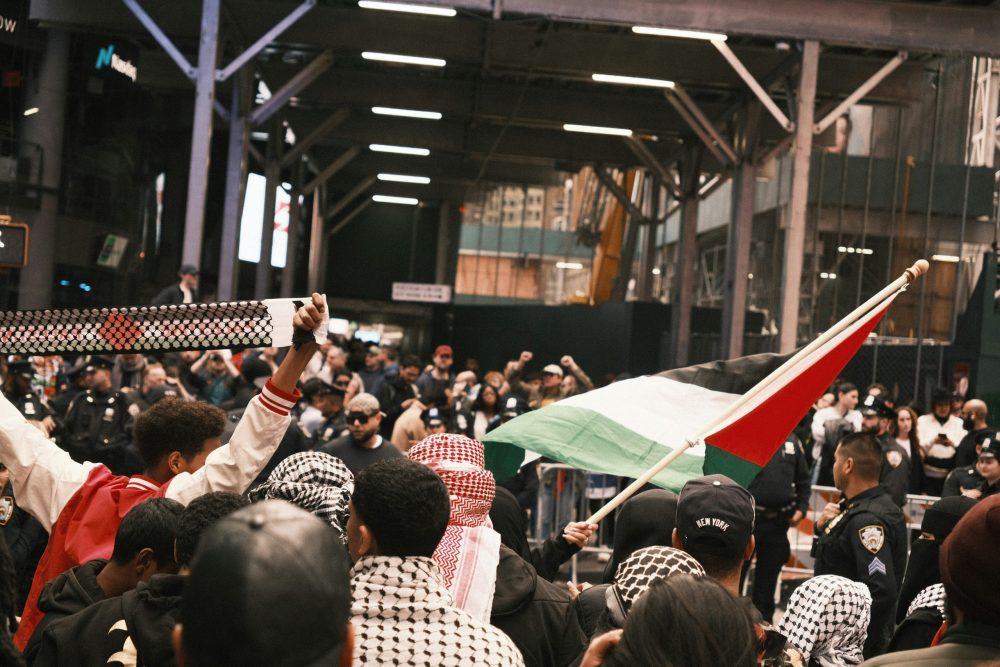
Photo by Hugo Breyer on Unsplash

Sanchita Basu De Sarkar Joins the Children’s Booker Prize Judging Panel

British-Indian bookseller Sanchita Basu De Sarkar has been named one of the adult judges for the 2027 Children’s Booker Prize. Her role highlights the growing importance of booksellers in shaping conversations about children’s literature. Booksellers often see firsthand what young readers choose, revisit, and recommend to others.

This matters because children’s prizes can help bring fresh voices to wider attention. A judge with deep experience in bookselling may help spotlight stories that connect with readers beyond classroom lists and bestseller tables.

Swindon Festival of Literature Opens with a Free Woodland Event

The Swindon Festival of Literature is preparing to begin with a free public celebration set in the woods. The event aims to make literature feel lively, open, and connected to the local community. By placing books and storytelling in a natural setting, the festival is also inviting people who may not usually attend formal literary events.

For readers, this shows how festivals can turn literature into a shared experience. Free events lower barriers and remind us that book culture is not only found in libraries, classrooms, or bookshops.

Thayer Memorial Library Receives Gift to Support Literary Collections

Thayer Memorial Library in Lancaster, MA has received an unrestricted gift from Rich Marcello, president of the Seven Bridge Writers’ Collaborative. The donation will support the library’s ongoing work with reading, writing, and literary culture. Because the gift is unrestricted, the library has flexibility in deciding how to use it where it is needed most.

That kind of support can make a real difference for readers and writers in a local community. Strong library collections help people discover new books, build better reading strategies, and stay connected to literary life close to home.

Hasan Dudar Reflects on Palestinian American Identity in Carryout

In a conversation with Electric Literature, author Hasan Dudar discusses his work Carryout and the experience of being Palestinian American in Toledo, Ohio. The piece explores the tension between feeling “othered” and finding a sense of belonging. Dudar reflects on immigrant life, cultural memory, and the pull of a homeland that remains emotionally present.

This story matters because literature often gives shape to experiences that are hard to explain in everyday speech. For readers, it offers a way to think about identity, family, and place without reducing them to simple labels.

A New Essay Looks at Truth, Falsity, and Moral Questions in Fiction

An essay from Word on Fire considers how fiction can draw readers into difficult questions about truth, falsehood, and moral judgment. The discussion centers on the idea that stories do more than entertain; they help readers test values and choices through imagined lives. Good fiction often works because it refuses easy answers.

For anyone interested in literary analysis, this is a useful reminder that stories can be both art and argument. The best novels and short stories often ask readers to think carefully about motive, consequence, and theme.

Taken together, these stories show literature moving across many spaces: prize panels, forests, libraries, essays, and immigrant communities. The current book world seems especially focused on access, identity, and the ways stories help readers make sense of complicated truths.

Literature News: Festivals, Literary Agents, Campus Cuts, and Global Honors

This roundup looks at the latest literature and book news as of April 30, 2026. From public book festivals to publishing power structures, today’s stories show how books keep shaping classrooms, communities, and the wider culture.

Literature to Life Plans Benefit Events in New York and Washington

Literature to Life is preparing spring benefit events in New York City and Washington, D.C. The gatherings will include live performances, refreshments, and time for supporters to connect around the group’s mission.

Money raised will help fund educational programs for students in both cities. That matters because Literature to Life uses performance to make books feel immediate and alive, especially for young readers who may not always see literature as accessible.

Programs like this also show how storytelling can move beyond the page. For students, seeing a book performed can build confidence with close reading by helping them notice voice, emotion, and meaning in a fresh way.

LitFest in the Dena Returns With a Focus on Community and Change

Pasadena’s LitFest in the Dena is returning with a two-day celebration of books, writers, readers, and social change. The festival continues its goal of lifting up literary voices while bringing the community together.

Events like this give local readers a chance to meet authors, discover new work, and hear conversations that connect books to real life. The focus on social change also reminds us that literature often does more than entertain.

For readers, a festival can be a doorway into books they might not have found on their own. It also helps emerging writers feel part of a larger creative world.

A New Look at the Power of Literary Agents

A Public Books essay is drawing attention to the role literary agents play in shaping what gets published. The piece points back to a major publishing trial in Washington, D.C., when industry questions moved from behind closed doors into public view.

The article explores how agents influence the journey from manuscript to bookstore shelf. That influence can affect which writers get attention, which books receive large deals, and which stories reach wide audiences.

This matters because readers often see the finished book but not the system that helped create it. Understanding that system can make us more aware of how taste, money, and access shape the literary world.

University of Montana Literature Cut Raises Liberal Arts Concerns

The University of Montana’s decision to end its literature master’s program has sparked concern among faculty and students. Some see the move as part of a larger question about the school’s commitment to the liberal arts.

The cut may also affect other programs that depend on graduate-level literature study. When advanced programs disappear, the impact can spread to teaching, research, and the intellectual life of a campus.

For readers and students, this story matters because universities help train future teachers, scholars, editors, and writers. Strong literature programs also support skills like interpretation, debate, and literary analysis, which reach far beyond English departments.

Laurence Laluyaux to Receive International Literature Honor

Laurence Laluyaux, head of RCW International at the RCW Literary Agency, will receive the 2026 Ottaway Award for the Promotion of International Literature. The award is set to be presented in New York City.

Laluyaux is being recognized for work that helps books travel across languages and borders. International publishing depends on people who connect writers, translators, editors, and readers in different countries.

This award matters because global literature gives readers access to stories they may never encounter otherwise. It also highlights the important behind-the-scenes work that brings translated and international books into the spotlight.

Taken together, these stories show a literary world that is active in many places at once: on stages, at festivals, inside universities, and across global publishing networks. They also suggest that readers are paying more attention to access, community, and the systems that decide which books reach us.