A brief, tender writing invitation for returning to an ordinary last moment, with one clear scene, sensory detail, and the emotional truth you understand now.
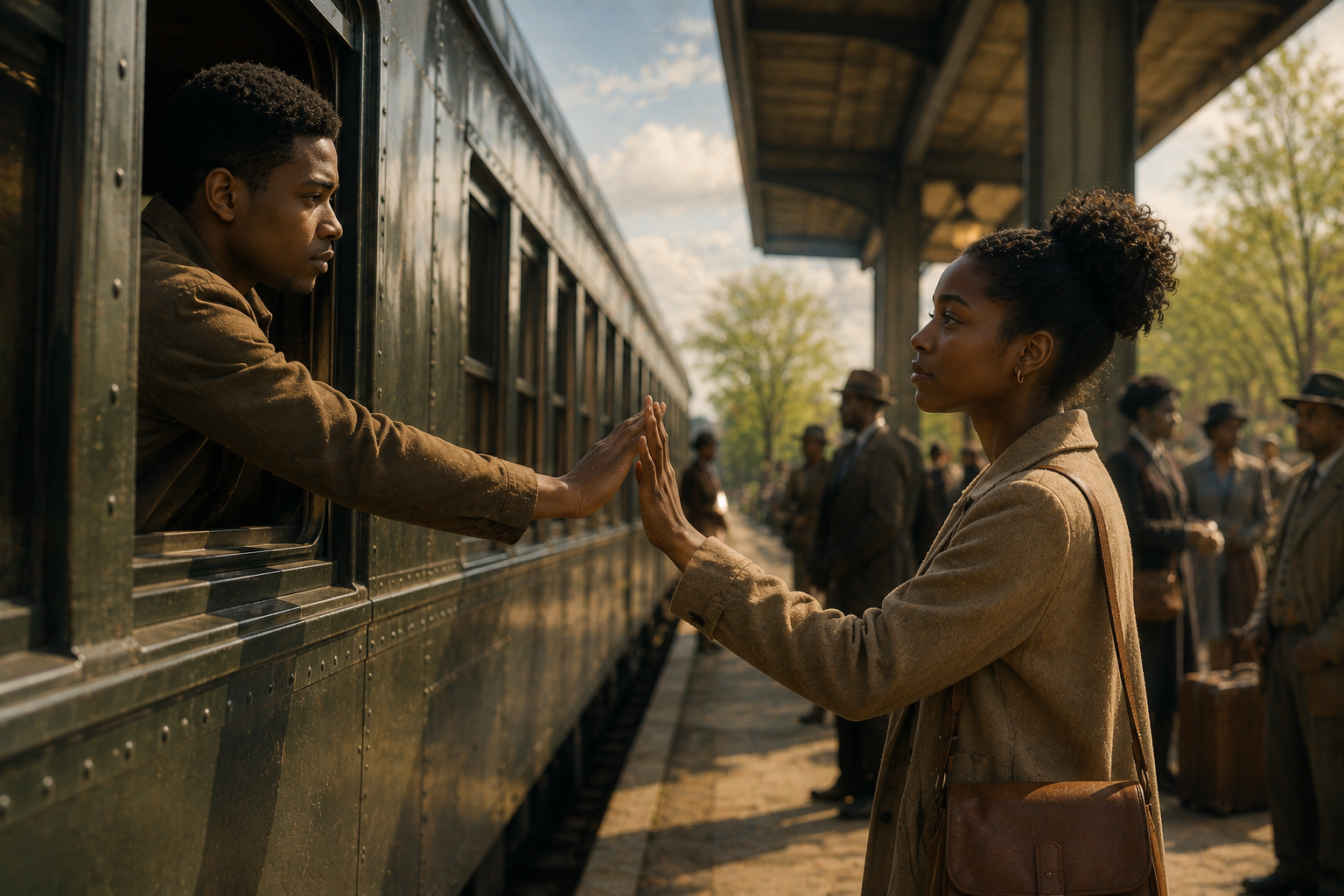
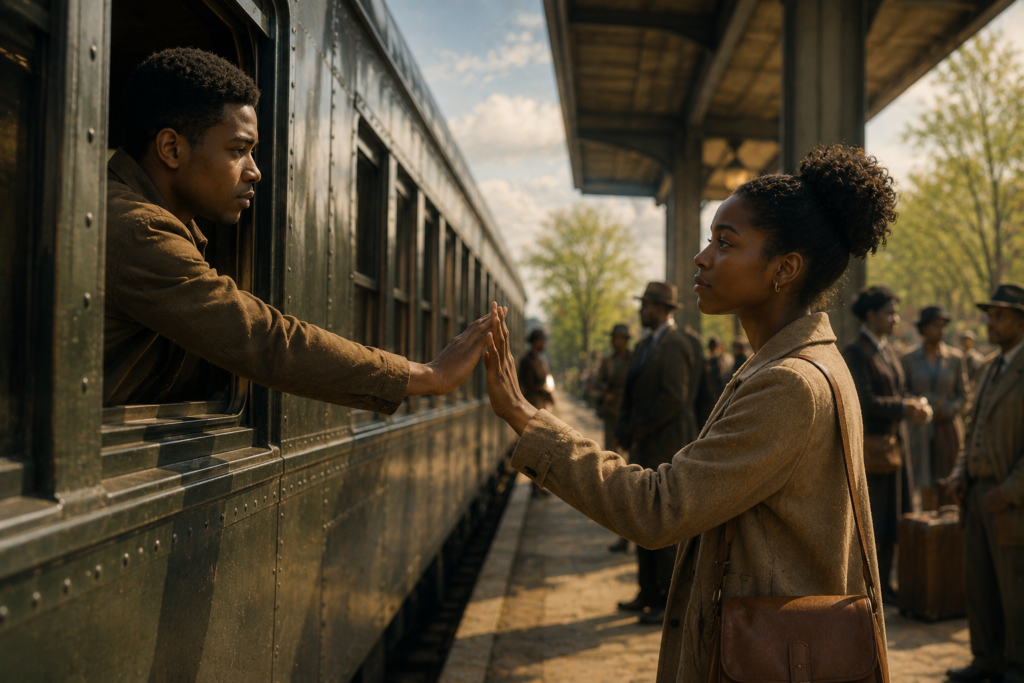
Maybe it was a wave from a porch, a rushed “see you later” in a hospital hallway, or a quick hug beside a car with the engine still on. At the time, it did not feel historic. You had no reason to pause. You did not know you were standing inside the final version of that moment.
This flash memoir prompt goodbye said without knowing goodbye asks you to look back at a farewell that seemed small when it happened. The power of the story comes from the gap between what you knew then and what you know now.
The Prompt
Write about a goodbye you said without knowing it was goodbye.
This prompt can open a meaningful memory because it starts with something ordinary. Most final goodbyes do not announce themselves. They hide inside errands, school days, phone calls, family dinners, and casual promises to “talk soon.”
When you write from this prompt, you do not need to explain an entire relationship. You only need to return to one moment when you left, hung up, walked away, or closed a door. The scene itself can carry more weight than a long explanation.
Why This Memory Matters
A goodbye you did not recognize can reveal what mattered before you knew it mattered. It may show the shape of a friendship, a family bond, a first love, a childhood place, or a version of yourself that no longer exists.
The story might be sad, but it does not have to be tragic. Maybe it was your last day in a house before your family moved. Maybe you said goodbye to a teacher, a neighbor, a pet, or a grandparent. Maybe the person is still alive, but the relationship changed so much that the old goodbye became the last one of its kind.
That is what makes this prompt rich. It lets you write about change without needing to name it right away. The reader can feel the shift through what you noticed: the smell of rain on a jacket, the sound of a screen door, the way someone kept their hand on your shoulder a second longer than usual.
If you want to study how details carry meaning, it can help to read with a pencil in hand. This guide on how to annotate literature offers a useful way to notice patterns, images, and emotional clues in a text. You can use the same habit when you reread your own memory.
How to Approach This Prompt
Begin with the physical detail you remember most clearly. Do not start with the lesson. Start with the coat on the chair, the coffee cup in the sink, the school bell, the cracked phone screen, or the person’s shoes near the door.
Then narrow the memory to one scene. A flash memoir prompt works best when you resist the urge to tell everything. Instead of covering years of history, choose the last five minutes, the final sentence, or the moment when you turned your back and left.
Write what you noticed before you explain what it meant. At the time, you may have noticed the weather, a joke, a suitcase, or the way the other person would not meet your eyes. Let the reader stand with you in that moment.
After the scene is clear, you can add the truth you understand now. Keep it simple. A line such as “I thought I would see him the next Sunday” can be more powerful than a long reflection.
Pay attention to tone, too. This memory may feel tender, regretful, grateful, confused, or even strangely calm. If you are unsure how tone differs from the mood a reader feels, this explanation of tone vs. mood in literature can help you shape the emotional atmosphere of your piece.
As you draft, try using the focus keyphrase as a reminder of your aim: flash memoir prompt goodbye said without knowing goodbye. You are not writing an obituary or a full life story. You are writing the final ordinary moment before the meaning changed.
A Quick Example
I was late for work, so I only leaned halfway into the kitchen. My dad was at the table, peeling an orange with his thumbnail. The radio was low, and the whole room smelled bright and sharp from the fruit. He asked if I wanted a slice. I said no, already backing toward the door. He lifted one orange wedge anyway, like an offer I could still change my mind about. “Drive safe,” he said. I rolled my eyes and told him I always did. That was the last normal morning. For years, I remembered the hospital more than the kitchen. Now I remember the orange, the small white threads on his fingers, and the way I almost went back for one piece.
Try It Yourself
Set a timer for ten minutes. Write the scene without trying to make it beautiful. Let it be plain at first. Where were you? What did you say? What did the other person do? What did you fail to notice because you thought there would be more time?
If the memory feels too heavy, write around the edges. Describe the room, the weather, the object in your hand. You can move toward the emotion slowly. Flash memoir does not require you to solve the past. It asks you to look at one true piece of it.
Before you finish, add one sentence from your present self. Let that sentence show what you know now. That contrast between then and now is where this flash memoir prompt goodbye said without knowing goodbye often finds its quiet power.
Want More Flash Memoir Prompts?
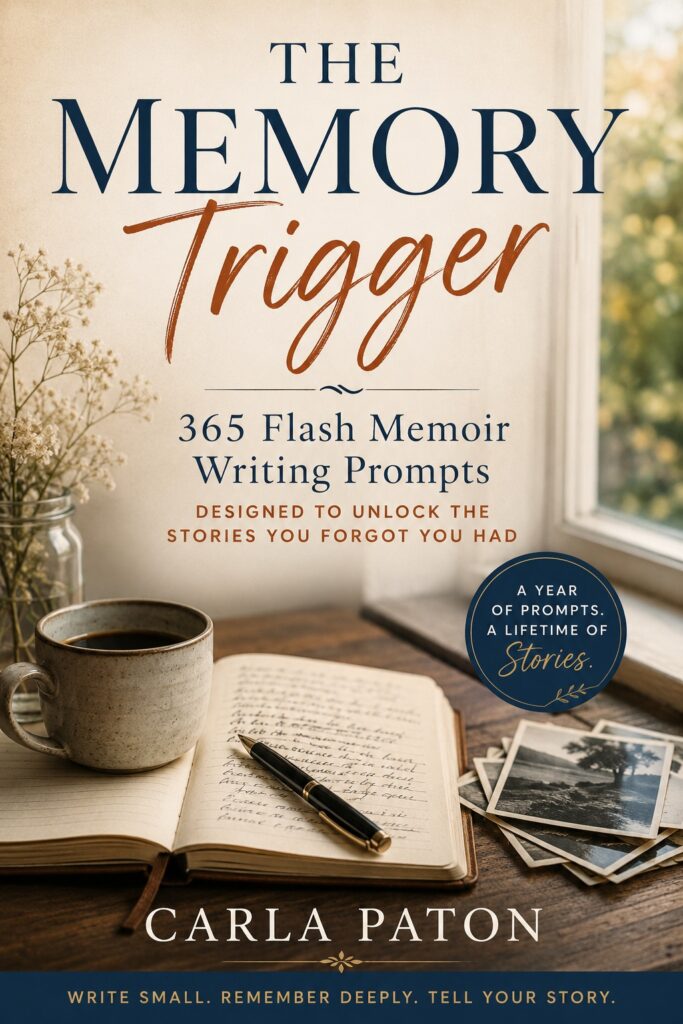
If this prompt led you somewhere honest, keep going. A daily prompt can help you build a steady writing habit, one small memory at a time. Explore all 365 prompts in The Memory Trigger: 365 Flash Memoir Writing Prompts.