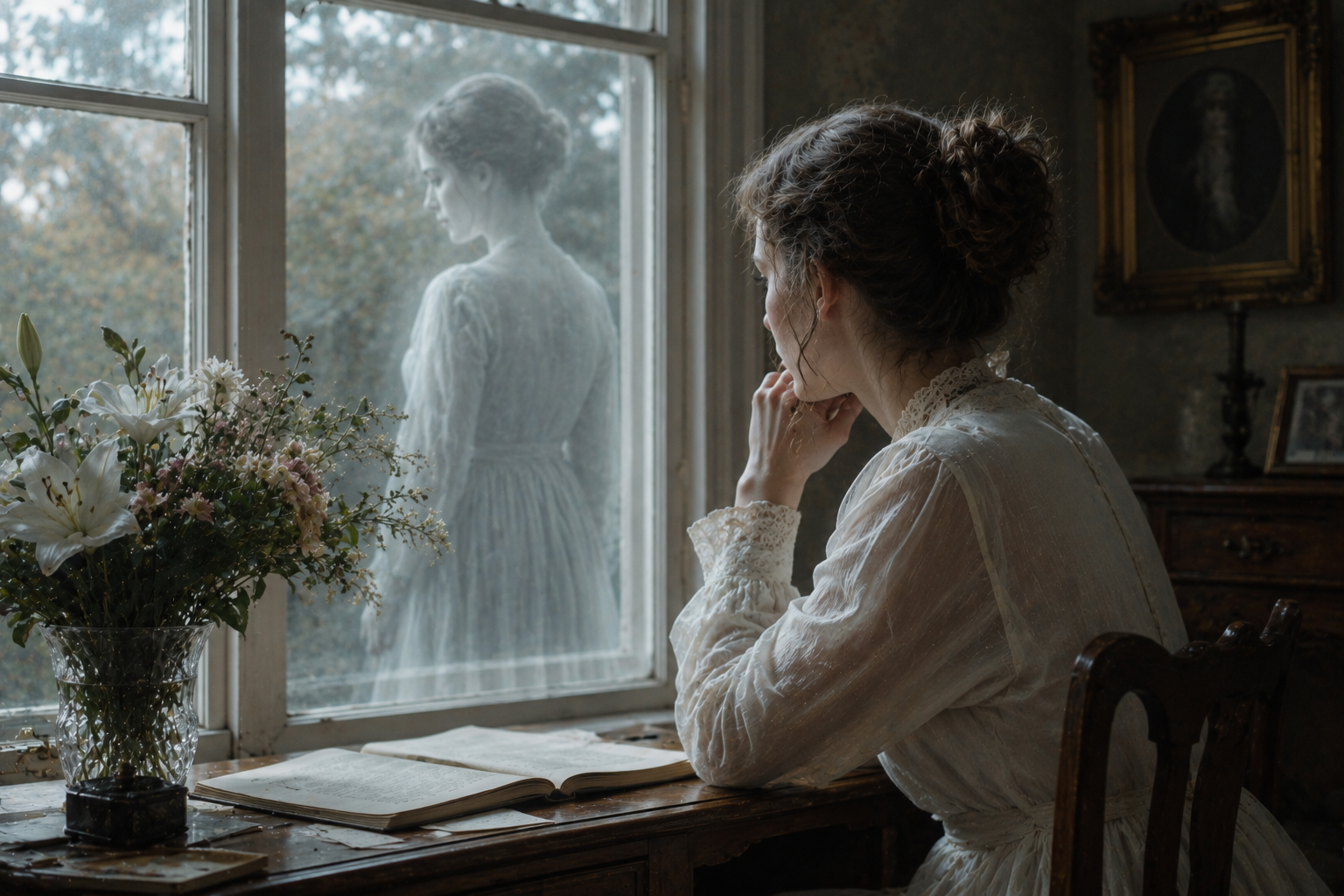
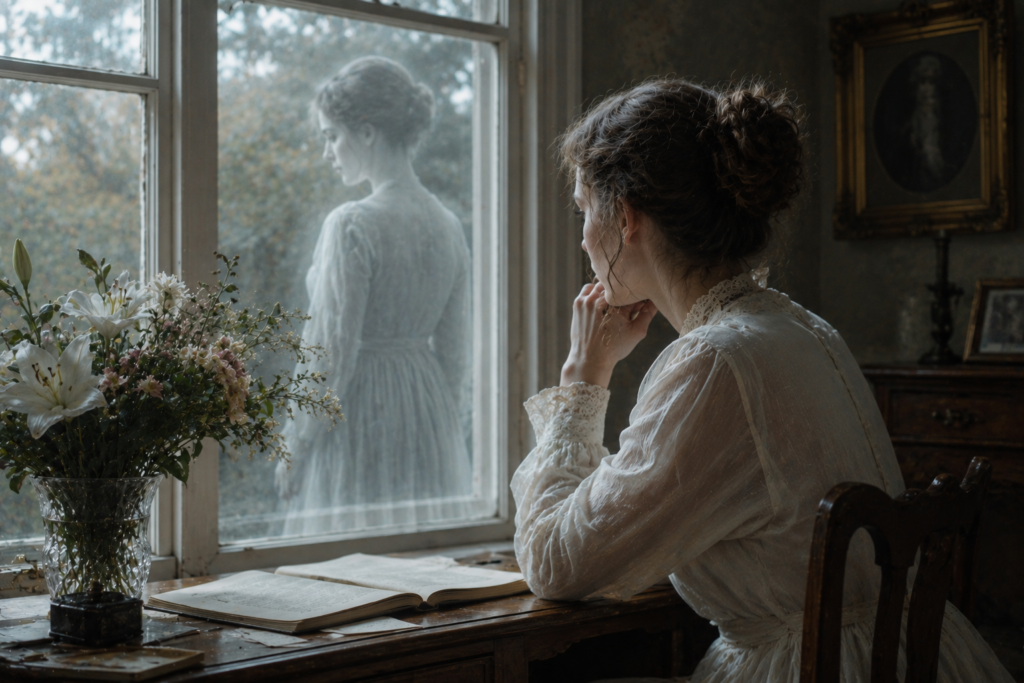
Some ghosts scare us, but the best ones make us think about love, loss, and memory. The Best Classic Ghosts and Grief stories show how the dead can shape the lives of the living.
In classic literature, a ghost is rarely just a ghost. It often stands for pain that has not healed, truth that has been hidden, or grief that will not stay quiet.
In this Guide
- Why these ghost stories still matter
- Classic examples of ghosts and grief
- Recommended books to read
- Symbols and themes to notice
- How to read these stories closely
- FAQs
Why Best Classic Ghosts and Grief Stories Still Matter
These stories last because they deal with feelings people still face today.
The Best Classic Ghosts and Grief stories are not only about fear. They ask hard questions. What do we owe the dead? Can grief change how we see the world? What happens when a family hides pain?
Ghosts in literature often appear when something has gone wrong. A murder has been covered up. A loved one has died too soon. A memory refuses to fade.
That is why these stories feel powerful in classrooms. Students can study plot and symbols, but they can also connect to real human emotions.
Best Classic Ghosts and Grief in Shakespeare and Gothic Fiction
Many famous literary ghosts appear when grief has turned into doubt or fear.
In Shakespeare’s Hamlet, the ghost of Hamlet’s father changes the whole play. He tells Hamlet that he was murdered, and Hamlet is pulled into a world of revenge, fear, and deep sadness.
The ghost is scary, but Hamlet’s grief matters just as much. He has lost his father, does not trust his uncle, and feels trapped in a corrupt court. The ghost gives his sorrow a voice.
This is one reason Best Classic Ghosts and Grief is such a rich topic. A ghost can move the plot, but it can also reveal what a character cannot say out loud.
Gothic fiction also uses ghosts to show emotional damage. In many Gothic works, old houses, dark rooms, and family secrets all point to grief that has not been faced.
For helpful background on the Gothic tradition, you can read Britannica’s overview of the Gothic novel.
Best Classic Ghosts and Grief: Recommended Books to Read
These books are strong choices for students who want haunting stories with real emotional depth.
Hamlet by William Shakespeare
Hamlet is one of the most famous ghost stories in English literature. The ghost of the dead king asks for revenge, but the play is also about grief, madness, and moral doubt.
Hamlet’s sorrow shapes nearly every choice he makes. His father’s ghost becomes a symbol of loss that will not stay buried.
A Christmas Carol by Charles Dickens
Dickens gives us ghosts with a clear purpose. The spirits visit Ebenezer Scrooge to force him to face his past, his present, and his possible future.
Grief appears in many forms here. Scrooge has lost love, kindness, and human connection. The ghosts help him see what his life has become.
The Turn of the Screw by Henry James
This novella is one of the most debated ghost stories ever written. Are the ghosts real, or are they shaped by fear and stress?
That question makes the book perfect for a discussion of Best Classic Ghosts and Grief. The story shows how fear, loss, and pressure can blur the line between truth and imagination.
For more literary context on classic authors, the Poetry Foundation’s page on Edgar Allan Poe is also useful for studying dark Romantic themes.
Symbols and Themes in Best Classic Ghosts and Grief
Ghost stories often use symbols to make grief feel visible.
One key symbol is the haunted house. A house can stand for the mind, the family, or the past. When a house feels cold or broken, it may reflect the pain inside the people who live there.
Another common symbol is darkness. Darkness can suggest fear, but it can also point to what characters do not understand. In grief stories, darkness often shows confusion after loss.
Silence also matters. Many classic ghost stories are built around things people refuse to say. A ghost may appear because silence has become too heavy.
The theme of memory is central to the Best Classic Ghosts and Grief. Ghosts return because the past still has power. The living may try to move on, but the dead keep asking to be remembered.
Guilt is another major theme. In Hamlet, guilt spreads through the royal family. In A Christmas Carol, Scrooge must face the harm caused by his choices.
These stories suggest that grief is not simple. It can lead to love, regret, anger, or change.
How to Read Best Classic Ghosts and Grief Stories Closely
A close reading can help you see how a ghost works beyond the scare factor.
Start by asking what the ghost wants. Does it want justice? Does it want memory? Does it want the living to change?
Then ask who sees the ghost. If only one character sees it, the story may be asking us to question that character’s mind, pain, or fear.
Pay attention to setting. Many classic ghost stories place grief in old homes, graveyards, castles, or empty streets. These places help create mood, but they also hold meaning.
If you want to track symbols, character reactions, and repeated images, use a simple note method. This guide on how to take notes while reading a novel can help you stay organized.
When you study the Best Classic Ghosts and Grief, look for emotional patterns. The ghost may be less important than the wound it reveals.
Why Ghosts Make Grief Easier to See
Literary ghosts turn inner pain into something readers can watch and study.
Grief is hard to show because it happens inside a person. A ghost gives that grief a shape. It can enter a room, speak a warning, or force a character to face the truth.
This is why ghost stories work so well in literature classes. They connect emotion to plot. They make abstract pain feel concrete.
In the Best Classic Ghosts and Grief stories, the dead are not only part of the past. They change the present.
Best Classic Ghosts and Grief for Student Essays
These works give students strong material for essays about theme, symbol, and character.
A strong essay could compare the ghost in Hamlet with the spirits in A Christmas Carol. Both stories use ghosts to push a living person toward action.
You could also write about whether a ghost is real or symbolic. In The Turn of the Screw, that question is part of the whole reading experience.
Another good essay topic is the link between grief and moral choice. Hamlet’s grief leads him toward revenge. Scrooge’s grief helps him change.
The Best Classic Ghosts and Grief topic works well because it lets you discuss both emotion and structure. You can write about mood, dialogue, setting, and symbols without losing focus.
FAQs About Best Classic Ghosts and Grief
Here are quick answers to common student questions.
What does a ghost usually symbolize in classic literature?
A ghost often symbolizes grief, guilt, memory, or unfinished business. It may also reveal a secret that living characters try to hide.
Why are ghosts linked to grief?
Ghosts represent people or events that will not fade away. They show how loss can stay active in a person’s mind and life.
Is Hamlet a ghost story?
Yes, but it is more than that. The ghost starts the revenge plot, while Hamlet’s grief shapes the play’s deeper meaning.
What is a good first classic ghost story to read?
A Christmas Carol is a strong first choice. It is clear, moving, and full of memorable ghost scenes.
How can I write about ghosts in an essay?
Focus on what the ghost reveals. Look at the character’s reaction, the setting, and the theme connected to the haunting.
Key Takeaway
The Best Classic Ghosts and Grief stories show that hauntings are not just about fear. They are about memory, loss, and the truths people try to avoid.
Classic ghosts stay with us because they make grief visible. They remind readers that the past is never fully gone, especially in literature.