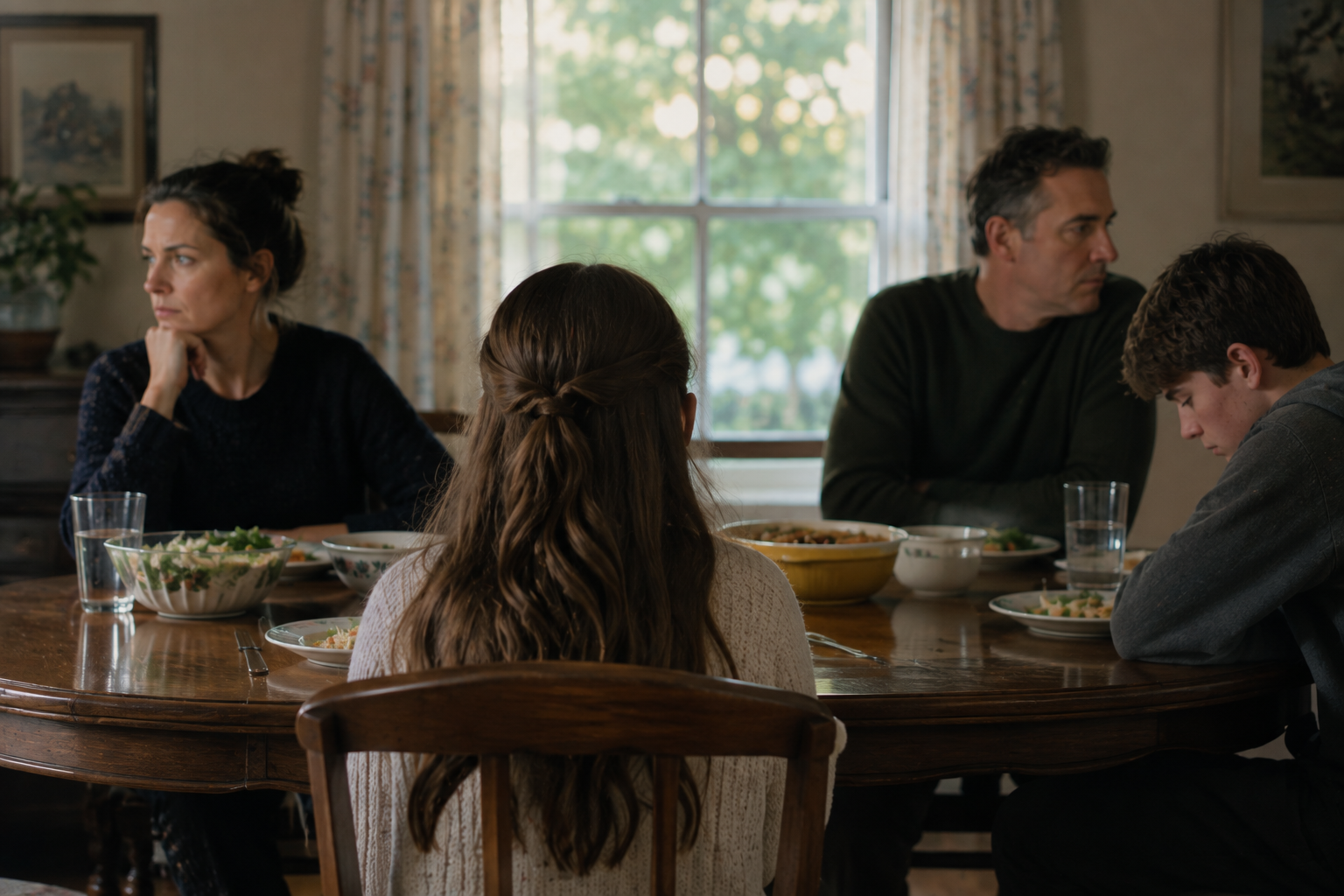
Flash Memoir Prompt: Last Time You Felt Like a Child

Rapid Reads Press

A brief, tender writing invitation about the last time you felt small, safe, silly, scared, or suddenly young again.

Maybe it happened in a grocery store when you reached for the cereal you loved as a kid. Maybe it came over you during a storm, when thunder made you want to call someone older and wiser. Or maybe you felt it while laughing too hard over something completely ridiculous, the kind of laugh that makes you forget your age for a minute.

This flash memoir prompt last time felt like child asks you to notice one of those moments when adulthood loosened its grip. It does not have to be dramatic. In fact, the smaller the scene, the more honest it may become.

childhood prompt

The Prompt

Write about the last time you felt like a child.

This prompt can open a memory because feeling like a child is rarely about age alone. It may be about needing comfort. It may be about wonder. It may be about shame, joy, fear, play, or wanting someone else to take charge for a little while.

When you write from this prompt, try not to rush toward the meaning. Stay with the moment first. What room were you in? What did your hands do? What sound made you feel younger than you are?

Why This Memory Matters

Childhood does not fully disappear. It follows us in habits, cravings, jokes, fears, and soft spots we may not understand until they rise up again.

The last time you felt like a child might reveal a need you rarely admit. Maybe you wanted your mother’s soup when you were sick. Maybe you felt helpless while filling out a confusing form. Maybe you stood in front of a teacher, boss, doctor, or parent and felt your voice shrink.

It could also be a happy memory. You might have felt childlike while sledding, dancing in the kitchen, opening a gift, or walking into a library and smelling old paper. If you want to sharpen the way you notice small details, you might enjoy this guide on how to annotate literature, since close reading can also train you to read your own memories with care.

This kind of memory matters because it shows the meeting point between who you were and who you are now. A flash memoir prompt last time felt like child can help you write about that meeting point without turning it into a long life story.

How to Approach This Prompt

Begin with one physical detail. Choose something your body remembers before your mind explains it.

Maybe your knees were tucked under your chin. Maybe your face burned. Maybe you held a mug with both hands. Maybe you wanted to hide behind someone taller.

Once you find that detail, narrow the memory to one scene. Do not try to cover your whole childhood or explain your entire family history. Stay inside ten minutes, or even two.

Write what you noticed before you write what it meant. For example, instead of starting with “I felt vulnerable,” begin with the coat sleeve you pulled over your hand. Instead of “I was happy,” begin with the way you ran across wet grass in your socks.

You can also pay attention to tone. A memory like this might feel funny on the surface but sad underneath, or tender at first and then sharp. If you want help naming that difference, this simple explanation of tone vs. mood in literature may help you think about the feeling your scene creates.

One clear way to begin is with this sentence: “The last time I felt like a child, I was…” Then name the place. Keep going from there.

A Quick Example

The last time I felt like a child, I was sitting on the paper-covered table at urgent care with my shoes dangling above the floor. I am forty-one, but the crinkle of that paper made me feel eight. The nurse asked when the pain started, and I looked at my husband before I answered, as if he might know better than I did. My throat hurt more from trying not to cry than from being sick. When the doctor said it was only an infection, I nodded like a good student. In the car, I asked if we could stop for a milkshake. I meant it as a joke, but when he said yes, I felt such relief that I turned my face toward the window.

Try It Yourself

Set a timer for ten minutes and write from the prompt without planning the ending. Focus on the moment when you first noticed the feeling. Did it arrive as comfort, panic, delight, or embarrassment?

If the memory feels too big, choose one object from the scene. Write about the blanket, the cereal box, the hospital bracelet, the sidewalk chalk, or the phone in your hand. Let that object carry you into the truth of the moment.

You do not need to explain everything. A strong flash memoir often leaves a little space around the memory. Trust the scene. Trust the detail. Let the childlike feeling show itself through what you saw, said, wanted, or could not say.

This flash memoir prompt last time felt like child works best when you are honest about the exact kind of smallness you felt. Small can mean safe. Small can mean powerless. Small can mean full of wonder. Let your memory decide.

Want More Flash Memoir Prompts?

If this prompt helped you find a scene worth saving, keep going with short, focused memories. Explore all 365 prompts in The Memory Trigger: 365 Flash Memoir Writing Prompts.
The Memory Trigger

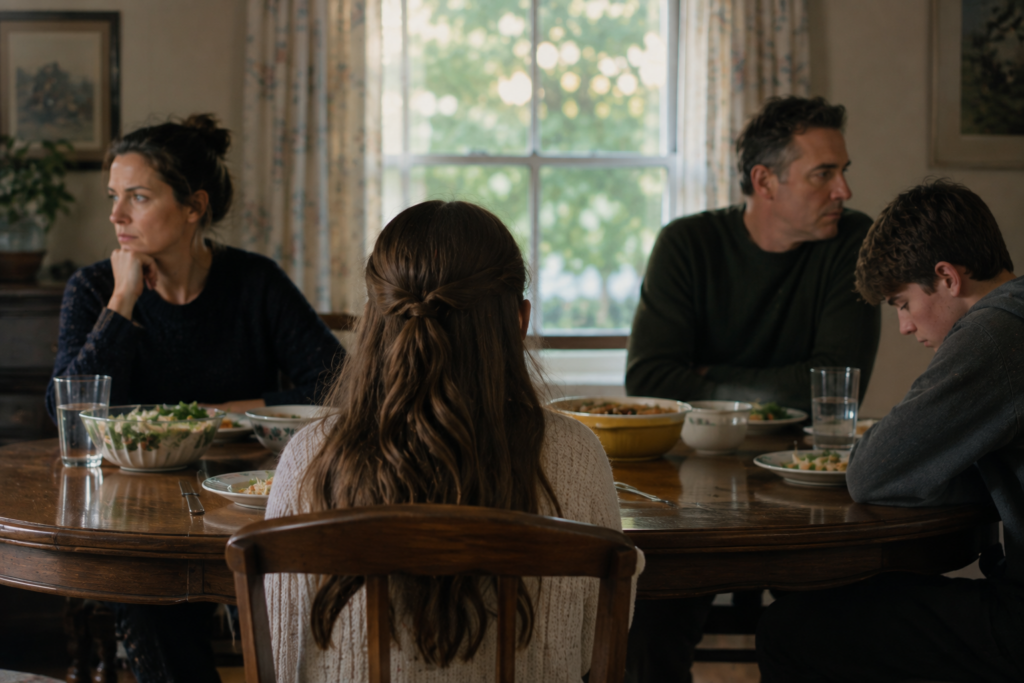
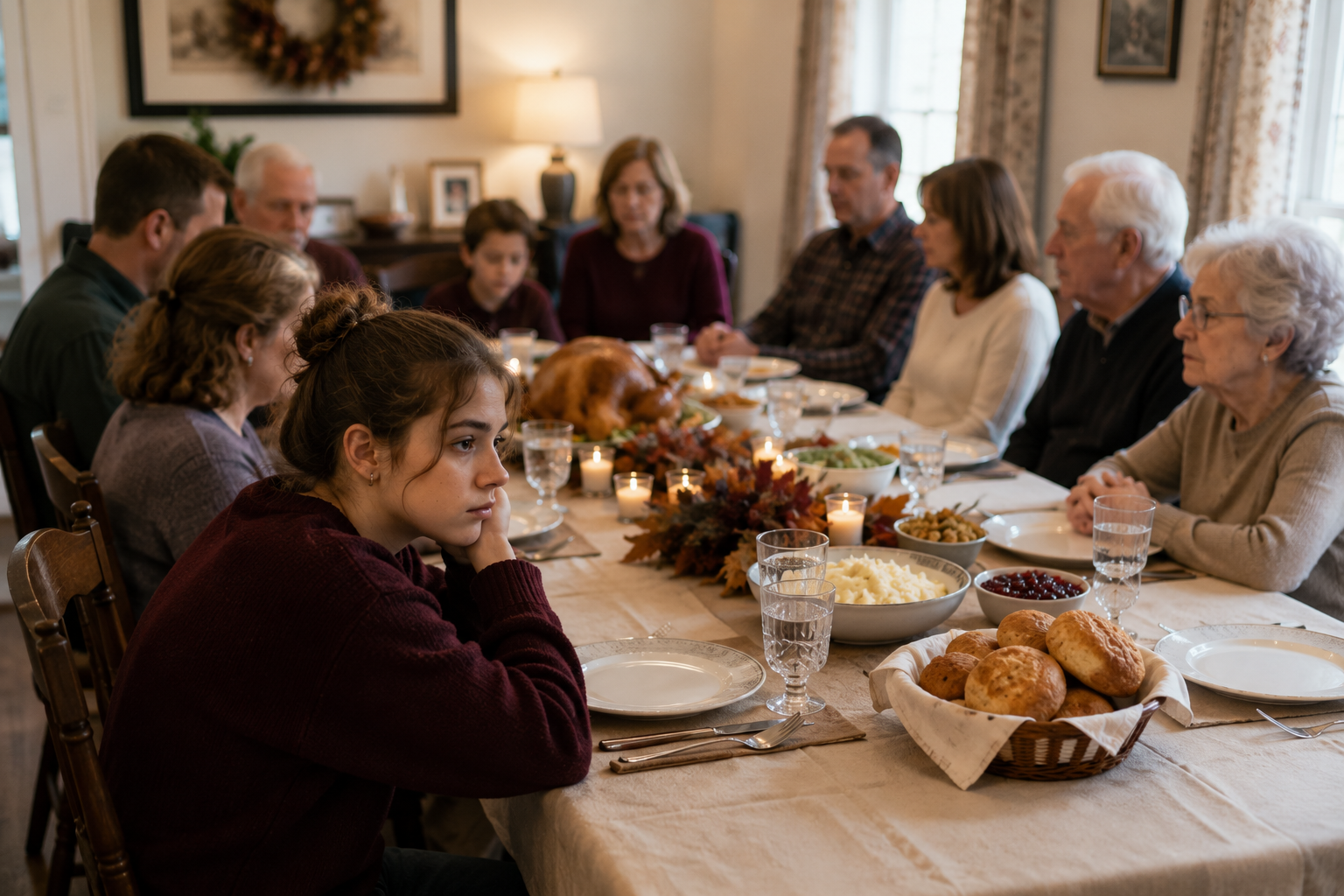
Flash Memoir Prompt: Last Meal You Shared with Someone before Things Changed Between You

flash memoir prompt meal

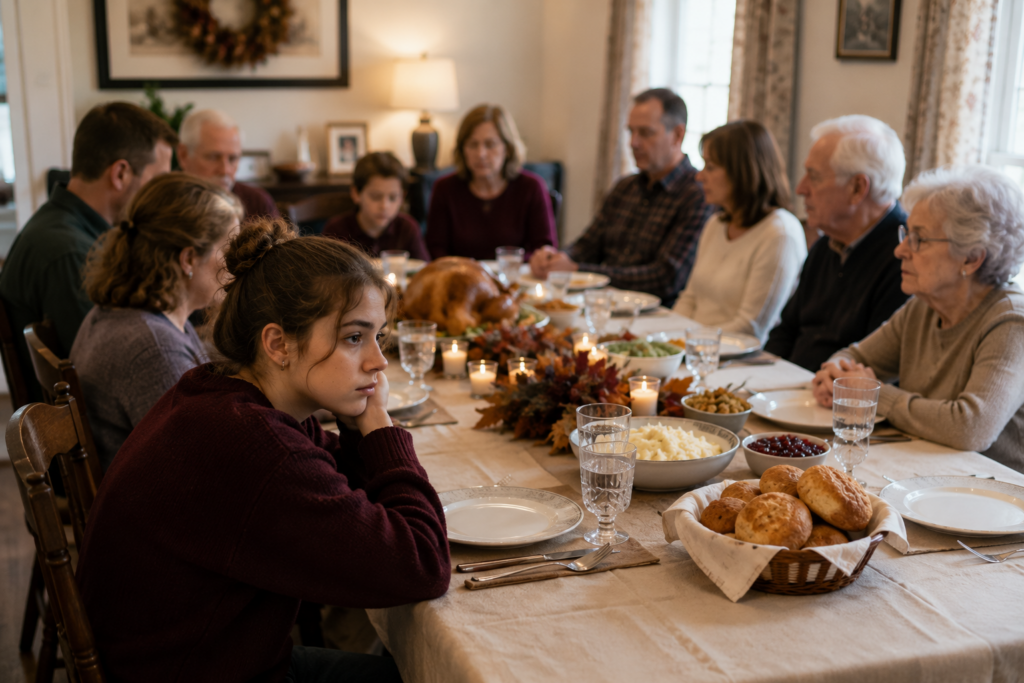
The table might have looked ordinary at the time, but this flash memoir prompt last meal shared someone before asks you to notice the small details that came before a relationship shifted.

Maybe the meal was quiet. Maybe it was too cheerful, full of jokes that now feel strange in hindsight. Maybe you remember the takeout containers, the chipped plate, the way someone kept checking their phone, or the sentence you almost said and then swallowed.

A last meal is rarely announced as a last meal. That is what makes it powerful. You only understand it later, after the friendship cools, the romance ends, the family changes, or someone leaves. When you write about it, you are not just writing about food. You are writing about the moment before the before became after.

flash memoir prompt meal

The Prompt

Write about the last meal you shared with someone before things changed between you.

This prompt works because it gives your memory a clear frame. You do not have to explain the whole relationship. You only have to return to one meal. A kitchen table, a diner booth, a school cafeteria tray, or a paper bag of drive-thru food can hold more emotional truth than a long explanation.

The flash memoir prompt last meal shared someone before invites you to focus on what you could see, hear, taste, and feel in that one scene. The meaning can come later. First, let the moment breathe.

Why This Memory Matters

Meals often carry more tension than we admit. People talk around hard news. They pass the salt instead of saying what they mean. They fill silence with comments about the food, the weather, or who paid last time.

That last meal may reveal a turning point you did not recognize yet. Maybe your best friend was already pulling away. Maybe your parent was trying to act normal. Maybe you and your partner both knew something had changed, but neither of you wanted to name it beside the bread basket.

This kind of memory can help you write about change without forcing a big lesson. The scene itself can do the work. A half-finished bowl of soup, a cold cup of coffee, or the way someone folded their napkin can show distance, care, regret, or confusion.

If you enjoy reading closely, this prompt feels a little like learning how to analyze characters in literature. You are watching a real person through gesture, dialogue, and choice. The difference is that one of the characters is you.

How to Approach This Prompt

Begin with one physical detail from the meal. Do not start by explaining the entire relationship or how it ended. Start with the plate, the booth, the smell of garlic, the waxy fast-food cup, or the sound of a chair scraping the floor.

Then narrow the memory to one scene. Keep yourself at the table. Let the reader sit there with you. What did the other person order? Did they eat fast or slowly? Did you look at them while they spoke, or did you study the rim of your glass?

Write what you noticed before you write what it meant. This is important. If you begin with “I knew we were falling apart,” the scene may become too neat. If you begin with “He tore his napkin into tiny squares,” the reader can feel the tension before you explain it.

You can also use this prompt as a form of self-annotation. Look back at the scene the way you might mark a passage in a book. If that appeals to you, this guide on how to annotate literature may give you ideas for noticing patterns, repeated images, and quiet clues.

Try writing for ten minutes without stopping. If you get stuck, describe the food. If that feels too simple, stay with it anyway. Food is often where memory hides.

A Quick Example

We ate pancakes at the diner near the bus station, the one with the blue vinyl seats split at the corners. My brother poured too much syrup and laughed like he had nowhere to be. I remember wanting to tell him I was scared he would disappear again, but the waitress came by with coffee, and the moment passed. He gave me the last strip of bacon from his plate, which was his way of being kind without having to say anything serious. Two days later, he called from another state. He said he needed a fresh start. For years, I thought our goodbye happened on the phone, but it didn’t. It happened in that booth, while the syrup bottle stuck to my hand.

Try It Yourself

Use this flash memoir prompt last meal shared someone before as a way to enter one exact moment. Do not worry about making the memory sound dramatic. The truth may be quiet.

Set a timer for ten or fifteen minutes. Write the meal as a scene. Include one line of dialogue if you remember it. If you do not, write the silence. Let the ending land gently, without trying to wrap up the whole relationship.

You may discover that the meal was not only sad. It might hold humor, tenderness, denial, anger, or love. Let the memory be mixed. Real memories usually are.

Want More Flash Memoir Prompts?

If this prompt opened a door, keep going. Short prompts can help you build a steady writing habit without needing a full life story planned in advance. Explore all 365 prompts in The Memory Trigger: 365 Flash Memoir Writing Prompts.
The Memory Trigger

Flash Memoir Prompt: Something You Used to Do Every Day that Quietly Stopped

flash memoir prompt habit

You find the old charger in a drawer, or hear the kettle click, and suddenly remember a whole version of yourself: the person who once did the same small thing every day until, without ceremony, you stopped.

The Prompt

Write about something you used to do every day that quietly stopped.

This flash memoir prompt about something you used to do every day invites you to notice the small routines that shaped a season of your life. It might be a phone call, a walk, a lunch packed in a certain way, a game on the bus, or the habit of checking the window before bed.

The quiet part matters. This is not about a dramatic ending. It is about the kind of change you only see later. One day was the last day, but no one knew it at the time.

flash memoir prompt habit

Why This Memory Matters

Daily habits can tell the truth about who we were. They show what we needed, what we feared, who we loved, and how we made it through our days.

You may write about something childish that faded as you grew up. Maybe you stopped sleeping with the hallway light on. Maybe you stopped drawing stars in the margins of your notes. Maybe you stopped waiting for someone to call because, at some point, waiting became too heavy.

You may also write about a habit that belonged to a relationship. A good morning text. A ride to school. A shared snack after practice. A certain seat at the dinner table. When the habit stopped, the relationship may have changed too, even if no one said it out loud.

That is why this flash memoir prompt something used do every day can lead to a strong piece of writing. A small routine can hold a larger story. The trick is to stay close to the moment instead of trying to explain your whole life at once.

If you enjoy looking closely at meaning in small details, you may also like this guide on how to annotate literature. The same skill helps in memoir: mark what stands out, then ask why it stayed with you.

How to Approach This Prompt

Begin with the object or action, not the explanation. Put your reader in the room with you.

Instead of starting with, “I used to be really close to my grandmother,” try starting with the phone cord twisted around your finger. Start with the smell of toast in her kitchen. Start with the way the call always ended with the same sentence.

Narrow the memory to one scene. Pick one ordinary day when the habit still existed. Do not rush to the last time yet. Let us see the routine while it was still normal.

For example, if you used to write in a diary every night, choose one night. Where were you sitting? What pen did you use? Were you hiding the notebook under your pillow? Was your handwriting neat at first, then tired by the end?

After you write what you noticed, you can move toward what it meant. This order helps the memory feel alive. The meaning will land better if the reader has already touched the scene through your details.

You might also think about tone. Is this memory funny now? Sad? Tender? A little embarrassing? If you want help naming that feeling, this explanation of tone vs. mood in literature can help you think about the emotional effect of your own writing.

Try not to force a big lesson. The strongest ending may be simple: you noticed the habit was gone, and you missed the person you had been when it still mattered.

A Quick Example

Every morning in seventh grade, I checked the mailbox before school, even though the mail never came that early. I was waiting for a letter from my father, who had moved two states away and promised he would write. The mailbox was cold in winter and hot in May. I remember the metal handle sticking to my fingers and the hollow sound when I pulled the door open. Most days there was nothing inside except dust and a curled grocery flyer from the day before. I stopped checking sometime that spring. I do not remember deciding to stop. I only remember walking past it one morning with my backpack bouncing against my hip and realizing, halfway to the bus stop, that I had not looked.

Try It Yourself

Set a timer for ten minutes and write the first version quickly. Choose one habit that belonged to a clear part of your life. It can be small. In fact, small may work better.

Use this flash memoir prompt something used do every day as a doorway into one scene. Write the daily action first. Let the emotion arrive later. If you get stuck, finish this sentence: “I did it every day until one day I didn’t, and I didn’t notice because…”

You do not need to solve the memory. You only need to notice it honestly. The quiet stopping may be the whole point.

Want More Flash Memoir Prompts?

If this prompt opened a memory, keep going. Short prompts can help you build a steady writing practice without pressure. Explore all 365 prompts in The Memory Trigger: 365 Flash Memoir Writing Prompts.
The Memory Trigger


Flash Memoir Prompt: First Time You Lied to Protect Someone Else

flash memoir prompt first time lied protect someone

A small lie told for someone else can leave a long echo, especially when you still remember the look on their face.

If you are looking for a flash memoir prompt about the first time you lied to protect someone, this one asks you to return to a moment when loyalty, fear, love, or pressure shaped what came out of your mouth. Maybe it happened in a kitchen, a classroom, a back seat, or a hallway where everything suddenly felt too quiet.

The lie may have been tiny. “She was with me.” “I broke it.” “He didn’t say that.” At the time, it may have felt fast and necessary. Later, it may have become more complicated.

flash memoir prompt first time lied protect someone

The Prompt

Write about the first time you lied to protect someone else.

This prompt can unlock a strong memory because it puts you inside a choice. You were not just telling a lie. You were deciding who needed protection, what truth might cost, and what kind of person you wanted to be in that moment.

A flash memoir does not need the whole history. It needs one clear scene. Focus on the first time you remember crossing that line for someone else. Let the reader feel the room, hear the question, and understand why the lie came so quickly.

Why This Memory Matters

The first protective lie often reveals a lot about your younger self. It can show who you loved, who scared you, or who you believed deserved saving. It can also show what you did not understand yet.

Maybe you lied for a sibling who had already been in trouble too many times. Maybe you covered for a friend because you knew their parents would overreact. Maybe you protected an adult, even though no child should have had to do that.

This kind of memory can carry more than guilt. It may carry tenderness. It may carry anger. It may carry pride. The emotional truth depends on the scene.

As you write, pay attention to the person you protected. What did they need from you? What did you think would happen if you told the truth? If you enjoy studying motives in fiction, the same skill can help here. Thinking about how to analyze characters in literature can remind you to notice desire, fear, and pressure in real life, too.

The point is not to judge your younger self too quickly. The point is to return to the moment with honesty. What did you know then? What do you know now?

How to Approach This Prompt

Begin with a physical detail instead of an explanation. Start with the sound of a door closing, the sweat under your collar, the chipped mug on the table, or the teacher’s shoes beside your desk.

Then narrow the memory to one scene. Do not begin with, “My brother and I had always been close.” Begin with the moment the question landed in the room.

For example, you might start with: “My mother held the broken lamp cord in her hand and asked whose idea it was.” That first line gives you a place, an object, and a problem.

After that, write what you noticed before you explain what it meant. What did the other person do? Did they look at you, look away, kick your foot, or go still? Small movements can carry the weight of the whole story.

Try not to tell the reader the lesson too soon. Let the scene do some of the work. If the memory has a larger meaning, it will rise from the details.

This flash memoir prompt, the first time you lied to protect someone, also invites you to think about the theme. Was the memory about loyalty? Fear? Family rules? Silence? If you want help naming the deeper idea in a piece of writing, this guide on how to identify theme in literature can help you look beneath the action without forcing a moral.

A Quick Example

The first time I lied to protect someone, I was nine, and my cousin had taken my aunt’s red lipstick from the bathroom drawer. She drew a crooked heart on the hallway mirror, then froze when we heard footsteps. My aunt asked who did it, and my cousin’s face folded in on itself before she even opened her mouth. I said, “I did.” The lipstick felt cold in my hand when my aunt made me clean the glass. My cousin stood behind her, silent, with one red smear on her thumb. I remember feeling proud for about ten seconds. Then I saw my aunt’s disappointment in the mirror, right beside my own face. I had saved my cousin from trouble, but I had stepped into a different kind of trouble, one that followed me longer.

Try It Yourself

Set a timer for ten minutes and write the scene as simply as you can. Start at the moment before the lie. End soon after it leaves your mouth.

You do not have to decide whether the lie was right or wrong before you begin. In fact, it may be better if you do not. Let the younger version of you act first. Let the older version watch closely.

If you get stuck, write the question someone asked you. Then write your answer. The space between those two lines is where the memoir lives.

This flash memoir prompt, the first time you lied to protect someone, works best when you keep the memory small and honest. You are not writing a courtroom defense. You are writing about a human moment when care and fear got tangled together.

Want More Flash Memoir Prompts?

If this prompt opened a memory you did not expect, keep going. Short prompts can help you find stories hiding in ordinary moments, especially the ones you have not thought about in years.

Explore all 365 prompts in The Memory Trigger: 365 Flash Memoir Writing Prompts.

The Memory Trigger