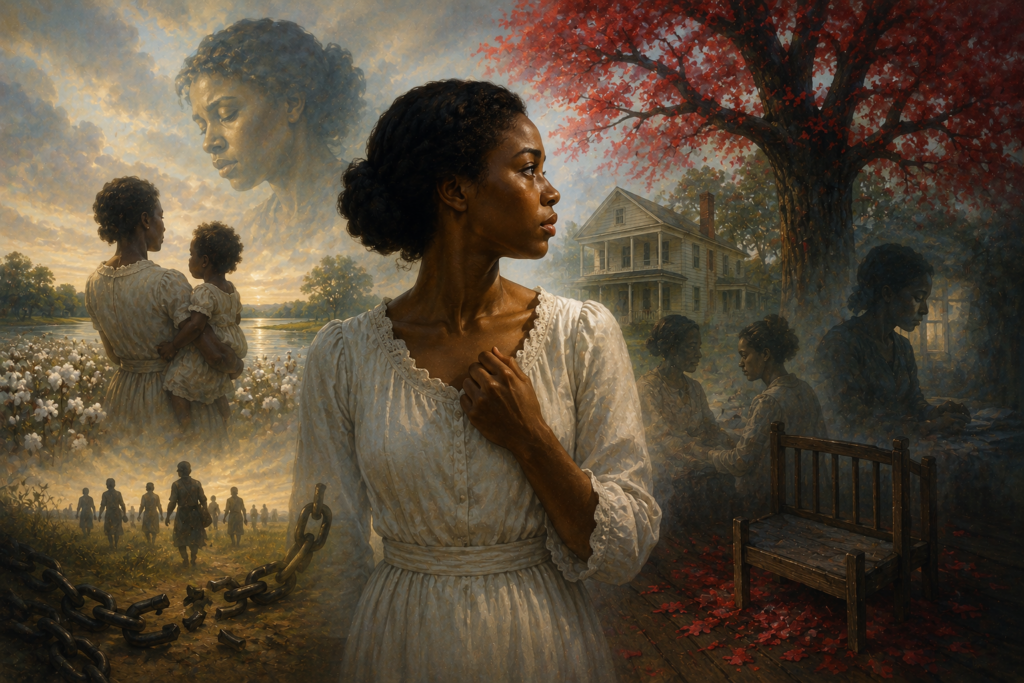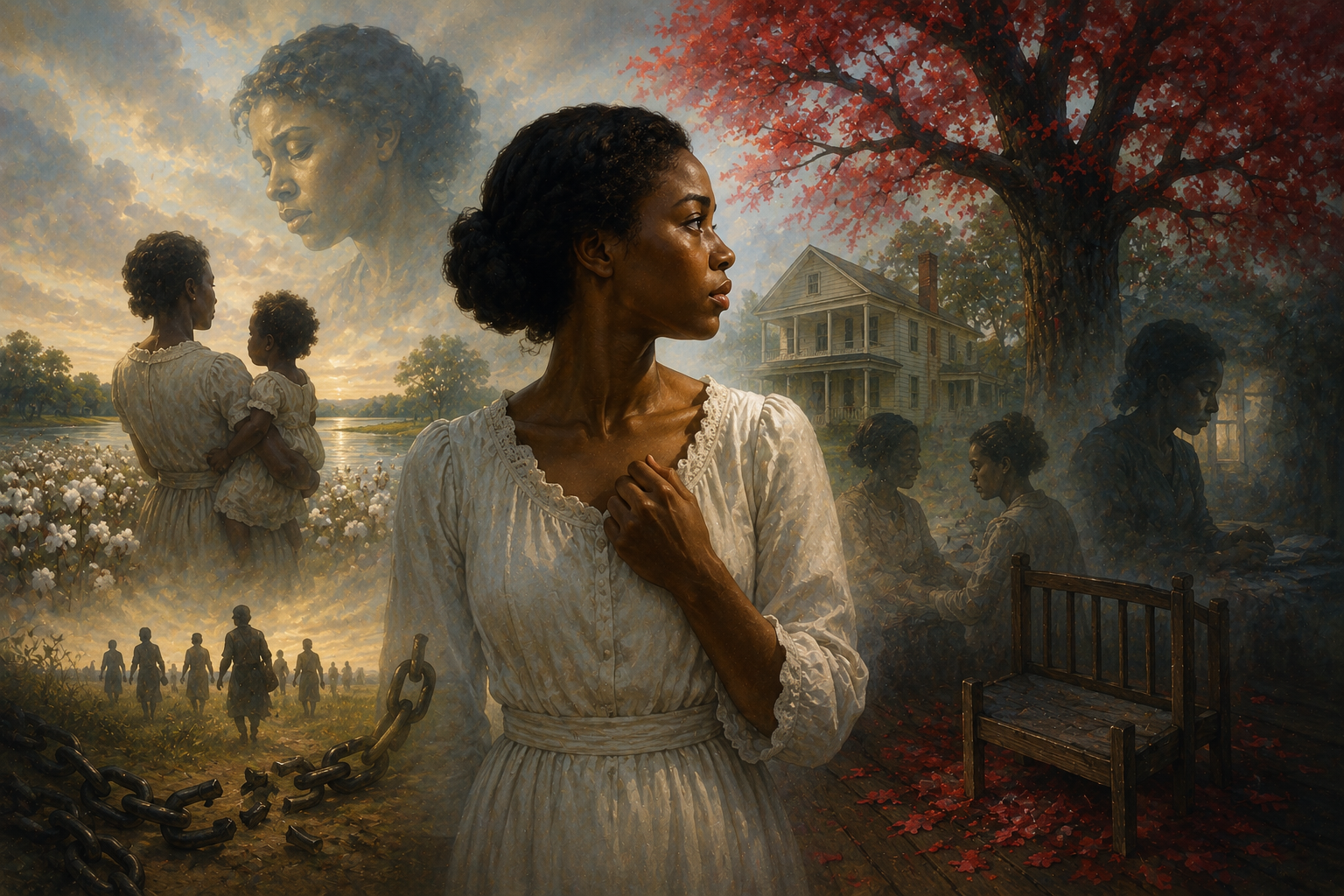
Themes in Beloved: A Student-Friendly Guide

Beloved Themes

The themes in Beloved help readers understand why Toni Morrison’s novel feels so powerful and hard to forget. This guide explains the major ideas, conflicts, and deeper meanings students should notice as they read.

In this Guide

Use this guide to review the novel before class, a quiz, or an essay.

  • Why the novel’s themes matter
  • Memory and the past
  • Motherhood and difficult love
  • Freedom and ownership
  • Identity and voice
  • Community and healing
  • Symbols that build meaning
  • Essay tips and FAQs
Beloved Themes

Why the themes in Beloved matter

Morrison’s novel is not only about one family. It is about how slavery leaves pain in bodies, homes, and memories.

The story centers on Sethe, a formerly enslaved woman who lives with the past every day. The house at 124 is haunted, but the haunting is also emotional.

The themes in Beloved also show how history can stay alive even when people try to hide it. That makes the novel useful for essays about trauma, memory, family, and survival.

If you need help with theme as a concept, start with our guide on how to identify theme in literature.

Themes in Beloved: Memory and the past

Memory is one of the strongest forces in the novel.

Sethe tries to live in the present, but her past keeps returning. Morrison calls these painful returns “rememory,” which means the past is not really gone.

This theme matters because the novel shows memory as both painful and necessary. Sethe wants to forget, yet healing cannot start until the truth is faced.

A helpful comparison is Hamlet. Prince Hamlet also lives under the weight of a past crime. In both works, the past shapes the present and refuses to stay silent.

Themes in Beloved: Motherhood and difficult love

Morrison presents motherhood as powerful, protective, and deeply painful.

Sethe’s love for her children is intense because slavery tried to take away her right to be a mother. Her most shocking choice comes from that fear.

This is one of the most painful themes in Beloved because it asks students to think about love under extreme violence. The novel does not give easy answers. It asks why a mother might see death as safer than slavery.

In The Scarlet Letter, Hester Prynne also faces public judgment as a mother. Morrison’s novel is much darker, but both books ask how society judges women who protect their children.

Themes in Beloved: Freedom and ownership

The novel shows that legal freedom is not the same as full freedom.

Sethe escapes slavery, but she still carries its wounds. Her body, memories, and family life have all been marked by people who treated human beings as property.

Among the themes in Beloved, freedom is one of the most complex. Morrison shows that freedom must include safety, self-respect, and control over one’s own life.

This theme connects to many slave narratives and historical accounts. For background on Morrison’s life and major works, see Britannica’s overview of Toni Morrison.

Identity and voice in the novel

Morrison shows how slavery attacks a person’s sense of self.

Names matter in Beloved. Sethe’s past, Baby Suggs’s sermons, and Beloved’s mysterious presence all point to the question of who gets to define a person.

Voice also matters. Morrison lets different characters shape the story, which helps readers see pain from more than one angle. This style can feel hard at first, but it fits the novel’s subject.

When people have been silenced, telling a story becomes an act of power.

Community and healing

No one in the novel heals alone.

Baby Suggs once brings people together in the Clearing, where they learn to love their bodies and voices. That scene stands against the cruelty of slavery.

Later, the community’s role becomes important again. The women who come to 124 help break the hold of the past.

Morrison does not suggest that healing is simple. She shows that care from others can help people face what they could not face alone.

Symbols that build theme

Morrison uses symbols to make the novel’s ideas feel physical.

The house at 124 is more than a setting. It shows how trauma can fill a home and shape daily life.

Beloved herself is also symbolic. She can be read as a ghost, a lost child, or the return of a buried history.

Water often connects to birth, escape, and return. These symbols help students move from plot summary to analysis.

How to write about themes in Beloved

A strong essay should explain what Morrison suggests, not just name a topic.

Do not write, “The theme is memory.” That is too broad. A better claim would be: Morrison shows that painful memory must be faced before healing can begin.

When you write about themes in Beloved, connect each claim to a scene, symbol, or repeated idea. Use short quotes, then explain how the language supports your point.

These resources can help you build context before an essay or class discussion.

  • Beloved by Toni Morrison
  • Playing in the Dark by Toni Morrison
  • The Toni Morrison Book Club by Juda Bennett, Winnifred Brown-Glaude, Cassandra Jackson, and Piper Kendrix Williams

You can also read about Morrison through the Nobel Prize biography of Toni Morrison.

FAQ

These quick answers can help you review before a test or essay.

What are the main themes in Beloved?

The main themes in Beloved include memory, trauma, motherhood, freedom, identity, and community healing.

Why is memory so important in Beloved?

Memory shows that the past still affects the present. Sethe cannot heal by hiding from what happened.

Is Beloved a symbol?

Yes. Beloved can represent Sethe’s lost child and the larger history of slavery that refuses to disappear.

What is a good essay topic for Beloved?

You could write about how Morrison uses haunting to show the lasting effects of slavery.

Key Takeaway

The themes in Beloved ask readers to face hard truths about love, memory, and survival. Morrison shows that healing begins when buried stories are finally heard.
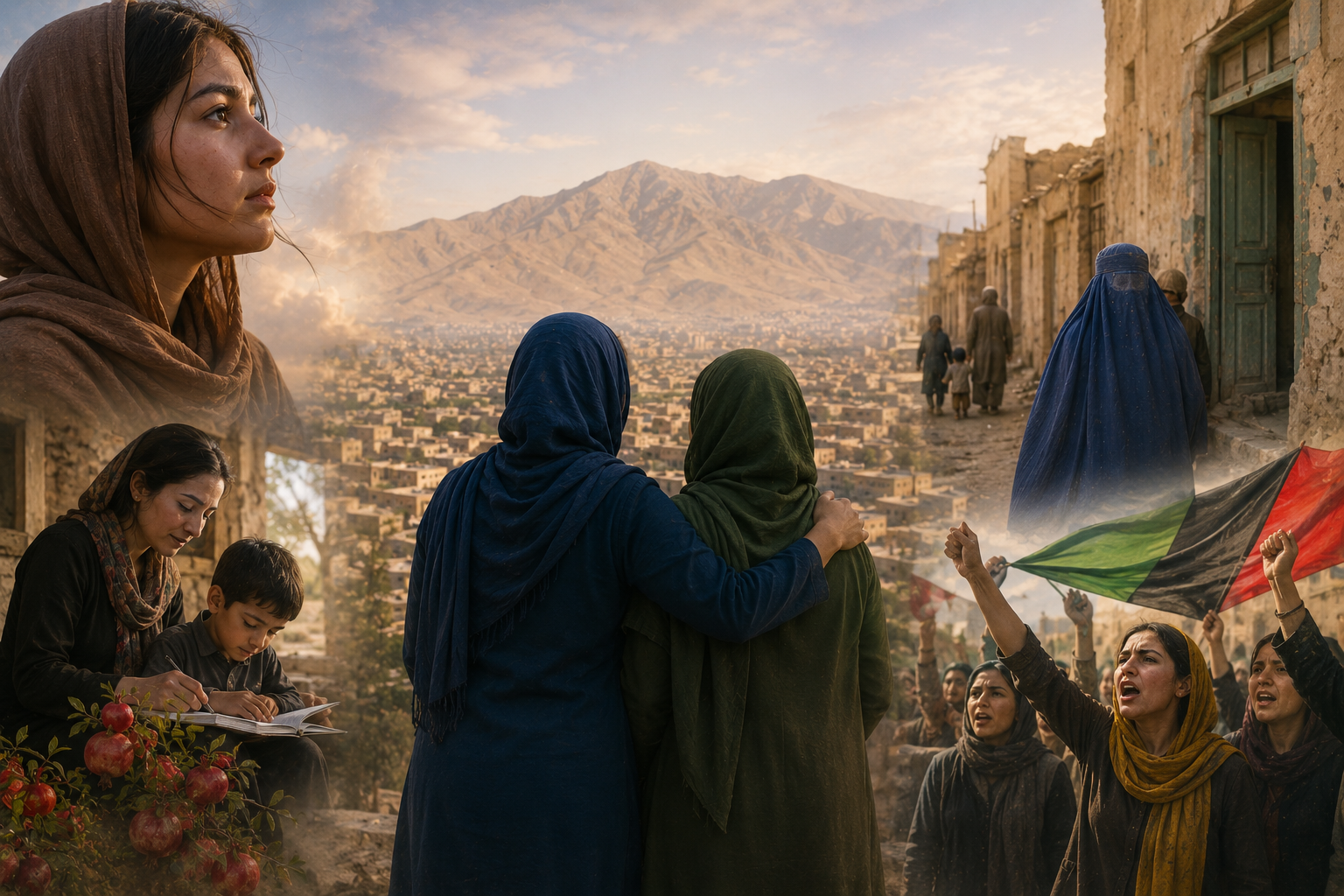
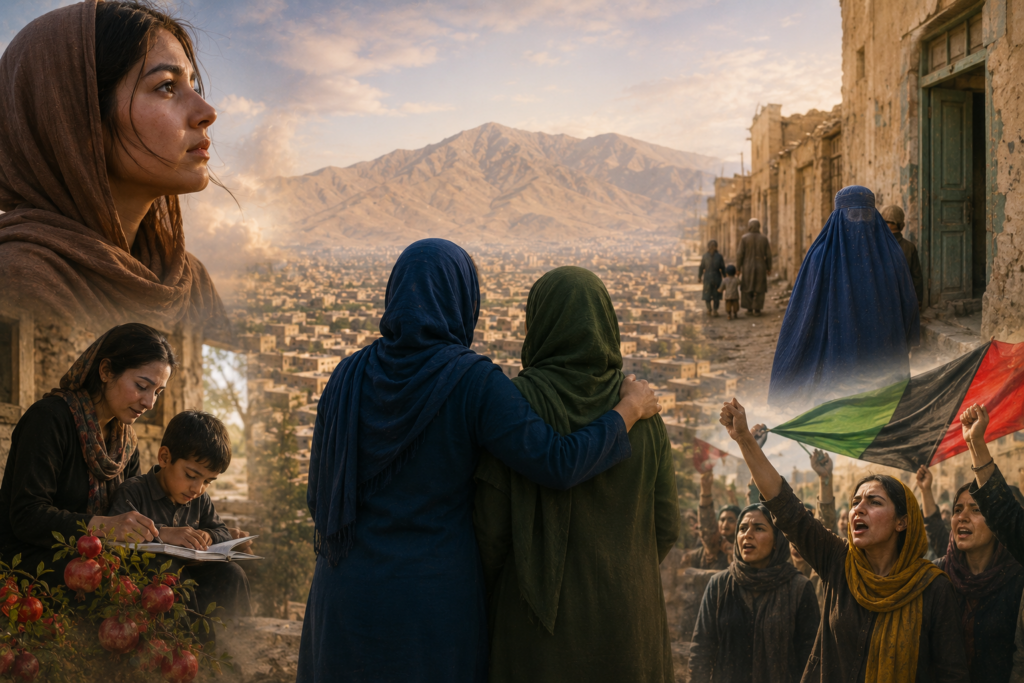
Themes in A Thousand Splendid Suns: A Student-Friendly Guide

thousand splendid Suns Themes

A clear guide to the major ideas, conflicts, and meanings students should notice in A Thousand Splendid Suns.

Themes in A Thousand Splendid Suns help students see how Khaled Hosseini turns a painful story into a deep study of love, power, and survival. This guide breaks down the novel’s major ideas in clear terms, so you can use them in class talks, essays, and AP Literature work.

In this Guide

  • Why the themes matter
  • Major themes in the novel
  • Family and sacrifice
  • Power and gender
  • Hope and survival
  • Symbols connected to theme
  • Essay tips
  • FAQ
thousand splendid Suns Themes

Why the themes in A Thousand Splendid Suns matter

Hosseini does not present theme as a simple lesson. He builds it through choices, suffering, small acts of courage, and the bond between Mariam and Laila.

Students often look for one main message. In this novel, the meaning grows from many conflicts at once. The private pain inside the home reflects the public violence outside it.

That is why the themes in A Thousand Splendid Suns work so well for essays. They connect character, setting, conflict, and historical context.

Major themes in A Thousand Splendid Suns

The novel’s main ideas center on love, oppression, endurance, and the cost of war.

Love as sacrifice is one of the clearest themes. Mariam learns that love is not only romance or family duty. It can mean giving up safety for someone else’s future.

Oppression and control shape the daily lives of women in the novel. Rasheed’s home becomes a place of fear, while laws outside the home add more limits.

Survival through connection also matters. Mariam and Laila do not begin as allies. Over time, their bond helps them face a world built to silence them.

The themes in A Thousand Splendid Suns are not separate boxes. They overlap, which makes the novel feel real and emotionally powerful.

How family shapes themes in A Thousand Splendid Suns

Family in the novel can wound, but it can also heal.

Mariam’s early life teaches her shame and rejection. Her father hides her from his public life, and that rejection shapes how she sees herself.

Laila’s family gives her a different start. Her father values education and hope. His love helps her imagine a life beyond war, even when that dream seems lost.

Mariam and Laila later create a chosen family. This bond is not based on blood. It is built on trust, care, and shared pain.

In these themes in A Thousand Splendid Suns, family becomes more than a social unit. It becomes a source of identity and moral choice.

Power, gender, and silence

The novel shows how power can control bodies, voices, and futures.

Rasheed uses gender roles to justify abuse. He treats obedience as a duty and silence as proof of respect. The novel asks readers to see how dangerous that thinking is.

Hosseini also shows that control is not only personal. Political rule affects what women can wear, where they can go, and what they can learn.

This theme connects well to works like Margaret Atwood’s The Handmaid’s Tale. Both novels show how systems can turn women’s lives into sites of control.

For historical background, students may find Britannica’s overview of Afghanistan helpful when studying the novel’s setting.

Hope and survival under pressure

Hope in the novel is not easy or bright all the time. It often appears as a small act that keeps a person alive.

Laila’s hope connects to education, love, and the future of her children. Mariam’s hope changes over time. She begins with a desire to be loved, then finds meaning in protecting Laila.

This is one reason the novel feels so painful but not hopeless. It shows that survival can mean more than staying alive. It can mean keeping dignity when the world tries to take it away.

Readers may think of Night by Elie Wiesel here. Both books show people under extreme pressure, yet both ask what remains of human dignity when everything else is stripped away.

Symbols and themes in A Thousand Splendid Suns

Symbols help Hosseini make the novel’s ideas more visible.

The title comes from a poem about Kabul, which points to beauty hidden beneath suffering. Kabul is not only a war-torn city. It is also a home, a memory, and a place worth saving.

The burqa can symbolize both forced silence and social control. Yet the meaning depends on the scene. In literature, a symbol can shift as the story changes.

When you study themes in A Thousand Splendid Suns, watch how objects and places repeat. If you need extra help, read our guide on how to find symbolism in a story.

War, place, and personal life

Hosseini shows that history is not distant. It enters kitchens, bedrooms, schools, and streets.

War shapes Laila’s losses and limits her future. It also changes Kabul from a place of childhood hope into a place of fear.

The novel does not treat war as background noise. It makes war part of the plot, the setting, and the emotional weight of the story.

For more context on women’s rights issues linked to conflict, students can explore UN Women.

How to write about themes in A Thousand Splendid Suns

A strong theme essay needs a clear claim, not just a topic.

Instead of writing, the novel is about love, try a sharper idea: Hosseini shows that love becomes most powerful when it turns into sacrifice.

A strong essay about themes in A Thousand Splendid Suns should connect theme to character change. Mariam is the best example because her view of herself changes so much.

Use short quotes and explain them closely. Do not drop a quote and move on. Show how the words reveal power, fear, hope, or love.

If you want extra support for class prep, explore our student literature guide resources.

Book suggestions for deeper study

These books pair well with Hosseini’s novel and can help students compare theme across texts.

  • The Kite Runner by Khaled Hosseini
  • Persepolis by Marjane Satrapi

FAQ: Themes in A Thousand Splendid Suns

What are the main themes in A Thousand Splendid Suns?

The main themes in A Thousand Splendid Suns include sacrifice, oppression, survival, family, and hope. The novel shows how people endure pain through love and courage.

What is the most important theme in the novel?

Sacrifice may be the most important theme. Mariam’s final choice gives the novel much of its emotional force.

How does Hosseini show women’s strength?

He shows strength through endurance, loyalty, and moral action. Mariam and Laila resist in quiet but powerful ways.

Why is Kabul important to the themes?

Kabul reflects loss and beauty at the same time. The city helps show how personal lives are shaped by history.

Key Takeaway

The deepest insight in A Thousand Splendid Suns is that love can survive fear, and it can give people the strength to act when hope seems almost gone.