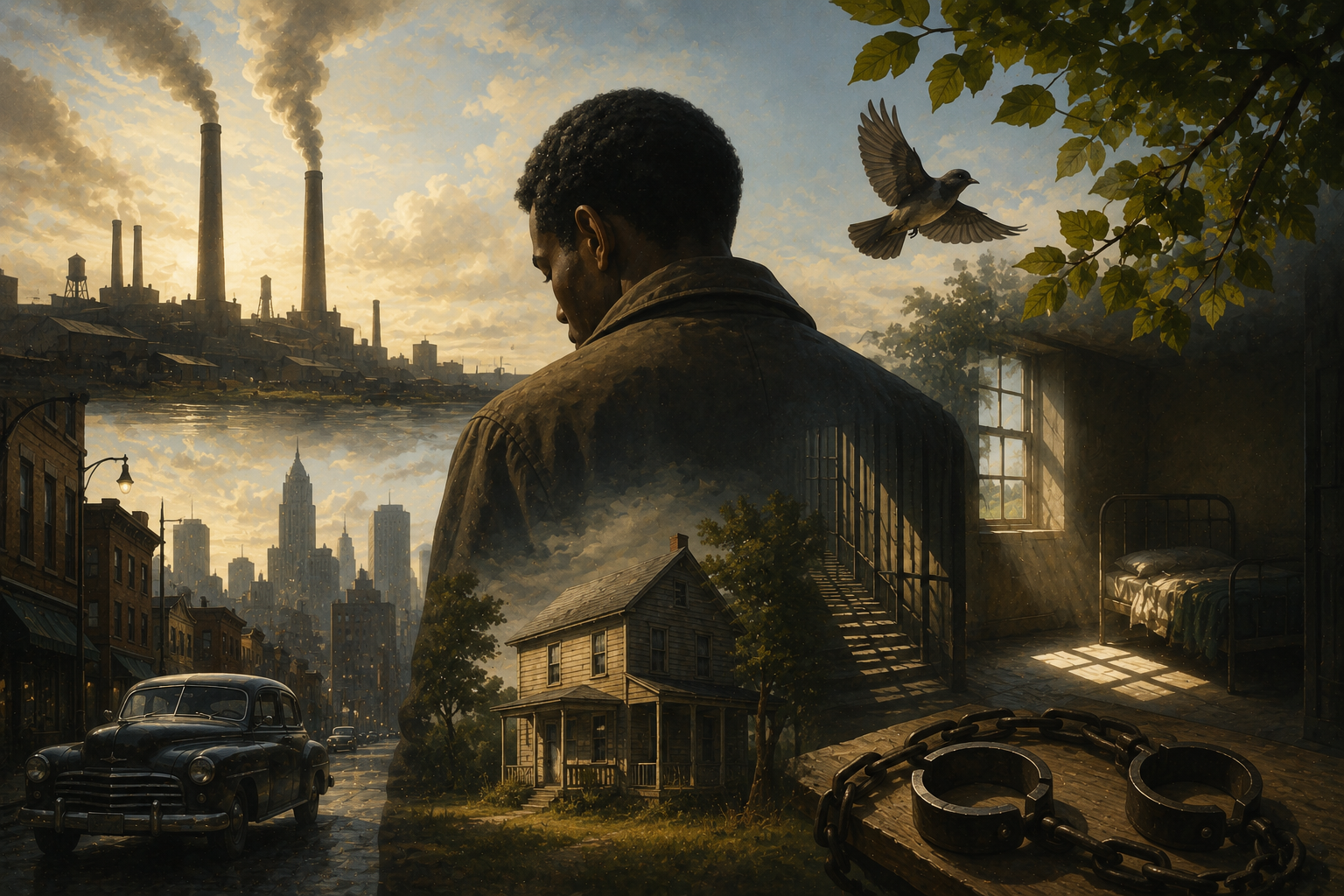
Symbols in Native Son: What They Mean and Why They Matter

Native Son Symbols

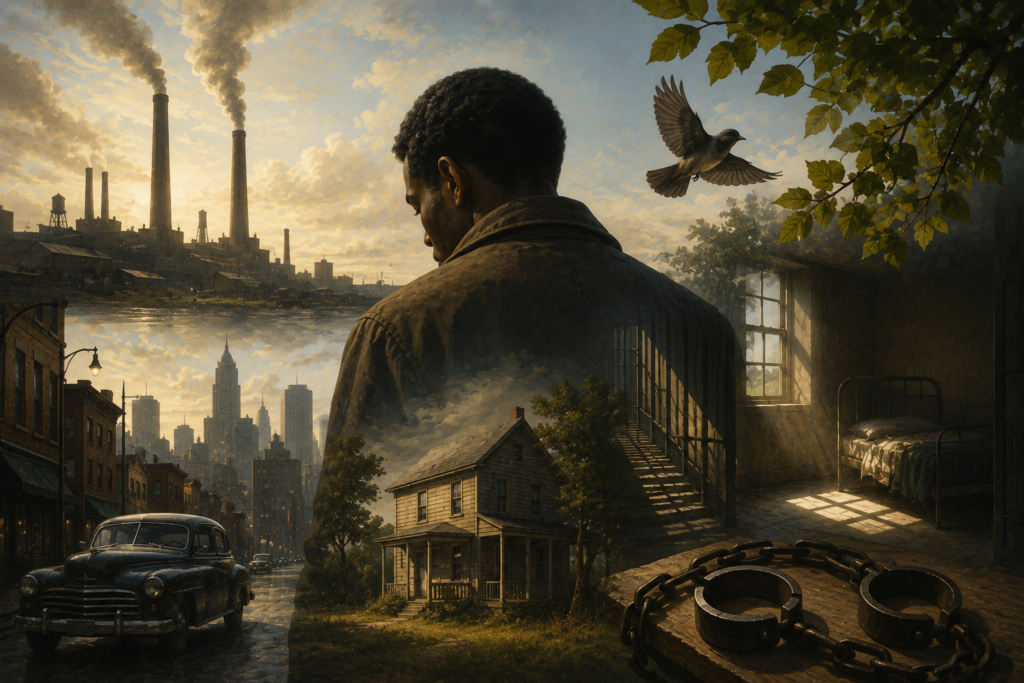
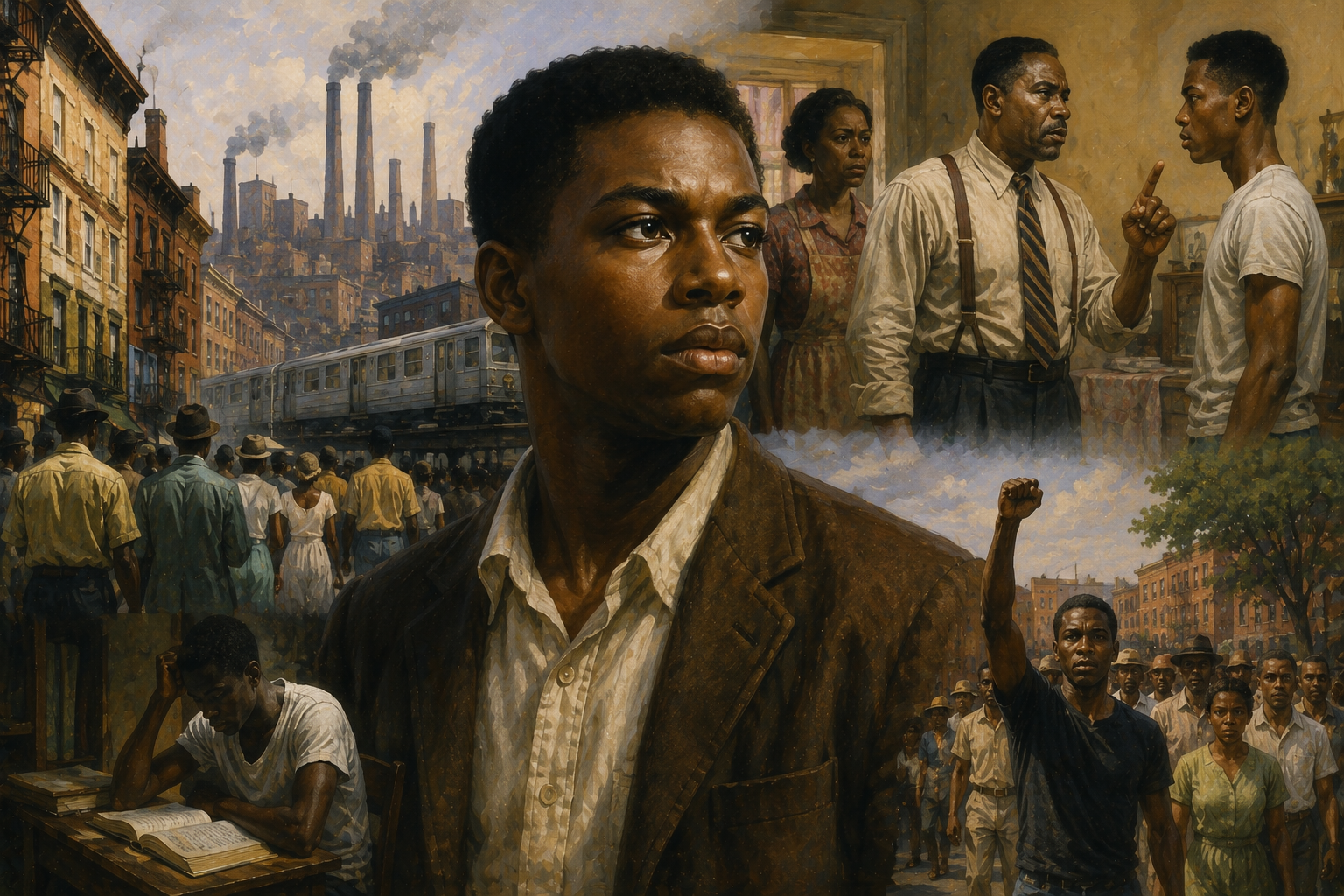
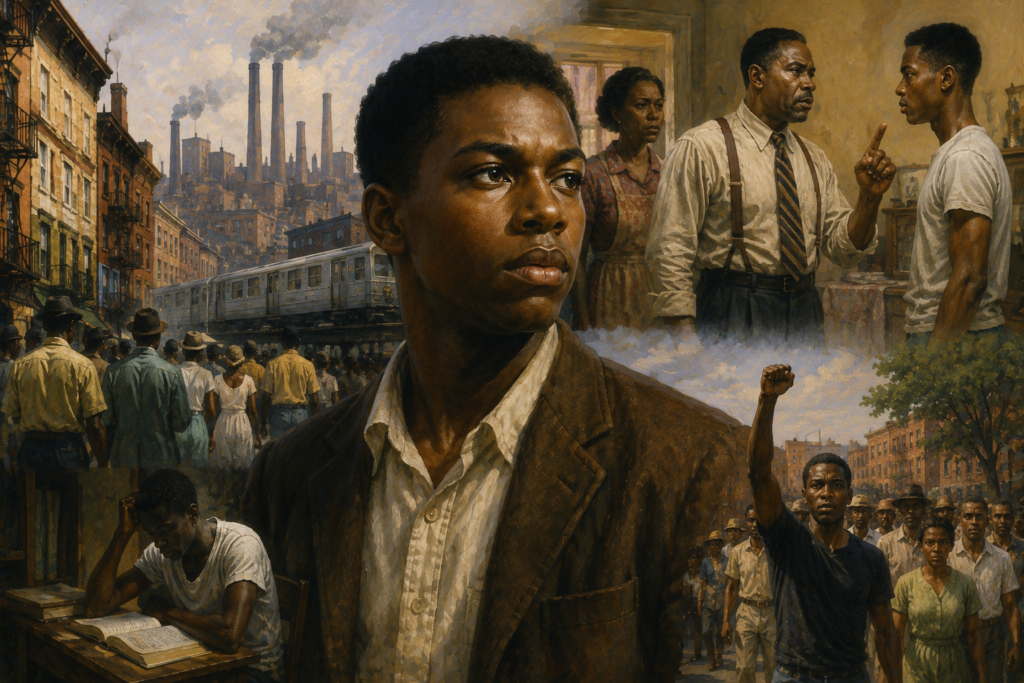
Richard Wright’s Native Son uses objects, colors, and images to show Bigger Thomas’s fear, anger, and lack of freedom. This guide explains the most important symbols in Native Son and connects each one to the novel’s major themes.

Once you see how these images work, the book becomes easier to discuss in class and in essays.

In this Guide

  • Why symbols in Native Son matter
  • The rat as a symbol of fear and survival
  • Snow and the color white
  • The furnace and hidden guilt
  • Blindness, newspapers, and the public eye
  • FAQ and key takeaway
Native Son Symbols

Why symbols in Native Son matter

Wright’s symbols help readers feel the pressure that surrounds Bigger.

The symbols in Native Son are not random details. They show how racism, poverty, and fear shape Bigger’s choices before the plot even begins.

Symbolism works this way in many famous books. In The Great Gatsby, the green light stands for a dream that stays out of reach. In Native Son, images like the rat and the snow show a world that traps Bigger from every side.

If you want more help with this skill, see our guide on how to find symbolism in a story.

Symbols in Native Son: The Rat

The rat in the opening scene is one of the clearest symbols in the novel.

At the start of the book, Bigger and his family wake up to a huge rat in their small apartment. Bigger kills it, but the scene feels wild and tense. The rat is trapped, scared, and violent.

That image reflects Bigger’s own life. He also lives in a cramped space. He also feels hunted. He also strikes back because fear controls him.

The rat connects to the theme of social entrapment. Wright shows that Bigger’s world is shaped by housing limits, job limits, and racial fear. The rat does not excuse Bigger’s later actions, but it helps explain the pressure he lives under.

Symbols in Native Son: Snow and the Color White

Snow turns the city into a cold, hostile space.

After Mary’s death, snow covers Chicago. It makes it harder for Bigger to move, hide, or escape. The snow becomes one of the strongest symbols in Native Son because it turns the outside world into a trap.

The color white also matters. Wright often links whiteness with power, fear, and control. Bigger lives in a society where white people own the buildings, shape the laws, and control public opinion.

Snow may look clean, but in the novel it feels dangerous. It hides things, blocks movement, and surrounds Bigger. This connects to the theme of racism as an environment, not just as a personal attitude.

Symbols in Native Son: The Furnace

The furnace is a symbol of guilt, panic, and failed concealment.

Bigger tries to hide Mary’s body in the Dalton furnace. The furnace seems like a place where evidence can disappear. Instead, it becomes the place where the truth comes to light.

This symbol shows how fear can push a person into worse choices. Bigger makes one panicked decision, then another. The furnace becomes a dark image of pressure, secrecy, and moral collapse.

It also connects to the theme of dehumanization. Mary’s body becomes something Bigger tries to remove, not a person he can face. Wright makes the scene disturbing because the system has already taught Bigger to see people through fear.

image-slider-with-thumbnail1.jpeg
PlayPause
previous arrow
next arrow
image-slider-with-thumbnail1.jpeg
image-slider-with-thumbnail3.jpeg
image-slider-with-thumbnail4.jpeg
ChatGPT Image Jun 27, 2026, 06_33_13 PM
ChatGPT Image Jun 27, 2026, 06_36_37 PM
ChatGPT Image Jun 27, 2026, 06_38_39 PM
ChatGPT Image Jun 27, 2026, 06_31_22 PM
image-slider-with-thumbnail7.jpeg
ChatGPT Image Jun 27, 2026, 06_29_43 PM
ChatGPT Image Jun 27, 2026, 06_27_44 PM
image-slider-with-thumbnail6.jpeg
ChatGPT Image Jun 27, 2026, 06_15_07 PM
image-slider-with-thumbnail5.jpeg
ChatGPT Image Jun 27, 2026, 06_22_43 PM
ChatGPT Image Jun 27, 2026, 06_25_37 PM
ChatGPT Image Jun 27, 2026, 06_19_43 PM
ChatGPT Image Jun 27, 2026, 06_12_00 PM
ChatGPT Image Jun 27, 2026, 06_08_50 PM
ChatGPT Image Jun 26, 2026, 04_54_23 PM
ChatGPT Image Jun 27, 2026, 05_53_51 PM
ChatGPT Image Jun 28, 2026, 08_35_55 AM
previous arrow
next arrow

Other Important Symbols in Native Son

Several smaller images also carry major meaning.

Mrs. Dalton’s blindness is one of the most important. She is physically blind, but her blindness also suggests a deeper problem. She wants to help Black people, yet she does not understand the real conditions that shape Bigger’s life.

The newspapers show how the public turns Bigger into a symbol before it understands him. Reporters describe him through racist fear. They help create a version of Bigger that the city wants to believe.
The cross carries a painful double meaning. It can suggest faith and mercy, but it also reminds Bigger of racial terror and public shame. That clash shows why simple comfort cannot heal deep social wounds.

These symbols in Native Son all point back to the same central idea: Bigger is seen by others before he is understood as a human being.

How to Write About Symbols in Native Son

A strong paragraph should connect the symbol to a theme, not just name it.

For example, do not only say that the rat represents Bigger. Explain how the rat’s fear, violence, and trapped space reveal Bigger’s own condition. Then connect that point to poverty or racism.

A useful sentence frame is: The symbol of the rat shows Bigger’s trapped life because…

For more practice, use this simple symbolism method before you write your essay. For a quick class prep tool, you can also use this symbolism study resource.

Historical Context for the Symbols

Wright’s symbols become clearer when you know the world behind the novel.

Native Son was shaped by racial segregation, poor housing, and limited work options for Black Americans in northern cities. Bigger’s life is fictional, but the pressures around him reflect real history.

For more background on the author, read Britannica’s profile of Richard Wright.

If you want a deeper view of Wright and related themes, these books are helpful:

  • Native Son by Richard Wright
  • Black Boy by Richard Wright

FAQ: Symbols in Native Son

What are the main symbols in Native Son?

The main symbols in Native Son include the rat, snow, the furnace, Mrs. Dalton’s blindness, newspapers, and the cross.

What does the rat symbolize in Native Son?

The rat symbolizes fear, poverty, and entrapment. It also reflects Bigger’s own sense of being cornered.

What does snow symbolize in the novel?

Snow symbolizes pressure from the white world around Bigger. It makes escape harder and turns the city into a trap.

Why is Mrs. Dalton’s blindness important?

Her blindness shows both physical sight loss and moral blindness. She wants to help, but she does not truly see Bigger’s social reality.

Key Takeaway

The symbols in Native Son matter because they make Bigger’s world feel visible. Each image shows how fear, racism, and confinement shape the novel’s tragic path.

Themes in Native Son: A Student-Friendly Guide

Native Son themes

Native Son by Richard Wright is a powerful novel about fear, racism, pressure, and the search for identity. This guide explains the major themes in Native Son in clear language, so students can build stronger class notes and essays.

This post discusses major plot events, so expect spoilers.

In this Guide

Native Son themes

Why Themes in Native Son Matter

The novel is not just about one crime.

When students study themes in Native Son, they should look at the whole world Bigger Thomas lives in. Wright shows a society that limits Bigger before he makes any choice of his own.

The novel asks hard questions. How does fear shape a person? What happens when a society treats someone as less than human? Can a person be fully blamed for choices made under extreme pressure?

These questions make the book useful for AP Literature and college classes. The novel connects private action with public systems, which is one reason it still feels urgent.

Themes in Native Son: Fear and Survival

Fear drives much of Bigger’s behavior.

One of the central themes in Native Son is fear as a survival instinct. Bigger often feels watched, judged, and trapped. He does not move through Chicago with ease. He moves through it with dread.

His fear is not simple nervousness. It comes from racism, poverty, and the threat of violence. Bigger expects danger because the world has taught him to expect it.

This helps explain why he often acts quickly and badly. The novel does not excuse his actions, but it asks readers to see the pressure behind them.

A useful comparison is Franz Kafka’s The Trial, where the main character also faces a system that feels huge and hard to understand. In both works, fear grows because the forces around the character seem too large to fight.

Themes in Native Son: Race, Power, and Social Control

Wright shows racism as a system, not just a personal feeling.

Race is one of the most important themes in Native Son because it shapes where Bigger lives, where he can work, and how others see him. The novel shows racism through housing, jobs, police power, and public opinion.

The Daltons appear polite, but they still profit from the unfair housing system that traps Black families in overcrowded areas. This detail matters because Wright does not present racism only as open hatred.

He also shows the harm caused by people who believe they are kind but do not question their own power. Mrs. Dalton gives money to charity, yet her family’s wealth connects to the same system that hurts Bigger’s family.

This is why the themes in Native Son are complex. The novel suggests that racism can hide inside comfort, wealth, and good manners.

For historical background, students may find Britannica’s overview of Richard Wright helpful.

image-slider-with-thumbnail1.jpeg
PlayPause
previous arrow
next arrow
image-slider-with-thumbnail1.jpeg
image-slider-with-thumbnail3.jpeg
image-slider-with-thumbnail4.jpeg
ChatGPT Image Jun 27, 2026, 06_33_13 PM
ChatGPT Image Jun 27, 2026, 06_36_37 PM
ChatGPT Image Jun 27, 2026, 06_38_39 PM
ChatGPT Image Jun 27, 2026, 06_31_22 PM
image-slider-with-thumbnail7.jpeg
ChatGPT Image Jun 27, 2026, 06_29_43 PM
ChatGPT Image Jun 27, 2026, 06_27_44 PM
image-slider-with-thumbnail6.jpeg
ChatGPT Image Jun 27, 2026, 06_15_07 PM
image-slider-with-thumbnail5.jpeg
ChatGPT Image Jun 27, 2026, 06_22_43 PM
ChatGPT Image Jun 27, 2026, 06_25_37 PM
ChatGPT Image Jun 27, 2026, 06_19_43 PM
ChatGPT Image Jun 27, 2026, 06_12_00 PM
ChatGPT Image Jun 27, 2026, 06_08_50 PM
ChatGPT Image Jun 26, 2026, 04_54_23 PM
ChatGPT Image Jun 27, 2026, 05_53_51 PM
ChatGPT Image Jun 28, 2026, 08_35_55 AM
previous arrow
next arrow

Themes in Native Son: Violence and Moral Pressure

Violence in the novel is both personal and social.

Violence is one of the most disturbing themes in Native Son. Bigger commits terrible acts, and the novel never makes those acts easy to accept.

At the same time, Wright shows a world already full of violence. There is police violence, mob violence, and the quieter violence of poverty. Bigger’s actions happen inside that larger pattern.

This creates moral tension. Readers must face Bigger’s guilt while also seeing the forces that shape him. That tension is part of what makes the novel hard and important.

In To Kill a Mockingbird, racism also shapes the legal system and public judgment. Wright’s novel is darker, though, because it keeps readers close to a character who both suffers harm and causes harm.

Blindness and the Limits of Understanding

Many characters cannot truly see one another.

Blindness works as a symbol in the novel. Mrs. Dalton is physically blind, but many other characters are morally or socially blind.

Some white characters cannot see Bigger as a full person. They see an idea, a fear, or a project. Even the people who claim to help him often fail to understand his life.

Bigger also struggles to see himself clearly. He has been surrounded by images that tell him he is dangerous, unwanted, or powerless. Over time, those images shape how he thinks and acts.

The themes in Native Son often connect here. Fear, race, violence, and identity all depend on who gets seen and who gets ignored.

Identity, Shame, and Self-Image

Bigger’s sense of self is shaped by the world around him.

Bigger does not begin the novel with a strong, free identity. He feels shame about his poverty and anger about his lack of choices. He also fears being seen as weak.

Wright shows how painful it can be when a person has no safe way to define himself. Bigger often performs toughness because he does not know how else to protect his pride.

This is one reason the novel works well in literary analysis. Bigger is not a flat symbol. He is frightening, hurt, angry, and human.

Ralph Ellison’s Invisible Man also explores identity under racism. That novel asks what happens when society refuses to see a Black man clearly. Wright asks a related question in a harsher way.

Fate, Choice, and the City

The setting makes Bigger’s choices feel narrow.

Chicago is more than a background. The city is built with boundaries that Bigger feels every day. He knows which spaces seem open to him and which ones do not.

This creates one of the key conflicts in the novel: fate versus choice. Bigger chooses, but his choices happen inside a world that has already limited him.

Good essays on themes in Native Son should avoid saying Bigger has no responsibility. They should also avoid saying he is fully free. Wright wants readers to sit inside that uncomfortable middle space.

That middle space is where the novel becomes most powerful. It asks whether justice can exist in a society built on unequal power.

How to Write About Themes in Native Son

A strong essay should connect theme to character, setting, and conflict.

If your teacher asks for an essay on themes in Native Son, start with a clear claim. Do not just write, Racism is a theme. Say what the novel argues about racism.

For example, you might argue that Wright presents racism as a force that shapes both public systems and private fear. That claim gives you room to discuss housing, the Dalton family, and Bigger’s reactions.
Use short quotes and explain them. A quote should not stand alone. Show how the words reveal fear, pressure, or a limit placed on Bigger.
If you need help building a thesis or organizing body paragraphs, use this guide on how to write a literary analysis essay.
For quick review before class, you can also check our Native Son theme study notes.

Books to Read Next

These books can deepen your understanding of Wright’s ideas.

If your class uses Amazon, a school store, or a library database, search for these titles:

  • Native Son by Richard Wright
  • Black Boy by Richard Wright

Black Boy is useful because it helps students understand Wright’s life and the social world that shaped his writing.

FAQ About Themes in Native Son

Here are short answers to common student questions.

What are the main themes in Native Son?

The main themes include fear, racism, violence, identity, blindness, and social pressure. The novel shows how these forces shape Bigger’s life.

Is fear the most important theme in Native Son?

Fear is one of the most important themes because it drives many of Bigger’s choices. It also shows how racism affects the mind, not just the body.

Does Native Son excuse Bigger’s crimes?

No. The novel shows his guilt, but it also asks readers to study the world that helped create his fear and rage.

Why is blindness important in the novel?

Blindness shows how characters fail to see the truth about one another. It also points to the limits of sympathy without real understanding.

How should I write a thesis about the novel?

Make a claim about what Wright says through the theme. Then connect that claim to scenes, symbols, and character choices.

Key Takeaway

The themes in Native Son show how fear and racism can shape a life before one choice is ever made.

Wright’s novel is difficult because it refuses easy answers. For students, that difficulty is the point: the book asks you to think about guilt, power, and humanity at the same time.

error

Enjoy this article? Please spread the word :)

Follow by Email
BLUESKY
fb-share-icon
Reddit
LinkedIn
Share
RSS