A brief writing invitation for returning to a vanished place through one sharp memory, a few sensory details, and the feeling you did not understand at the time.
You know the strange little shock of driving past a familiar corner and seeing something else there. The diner is now a pharmacy. The school has been torn down. The apartment building where your grandmother lived has become a parking lot with fresh white lines. For a second, your body remembers where the door should be before your mind catches up.
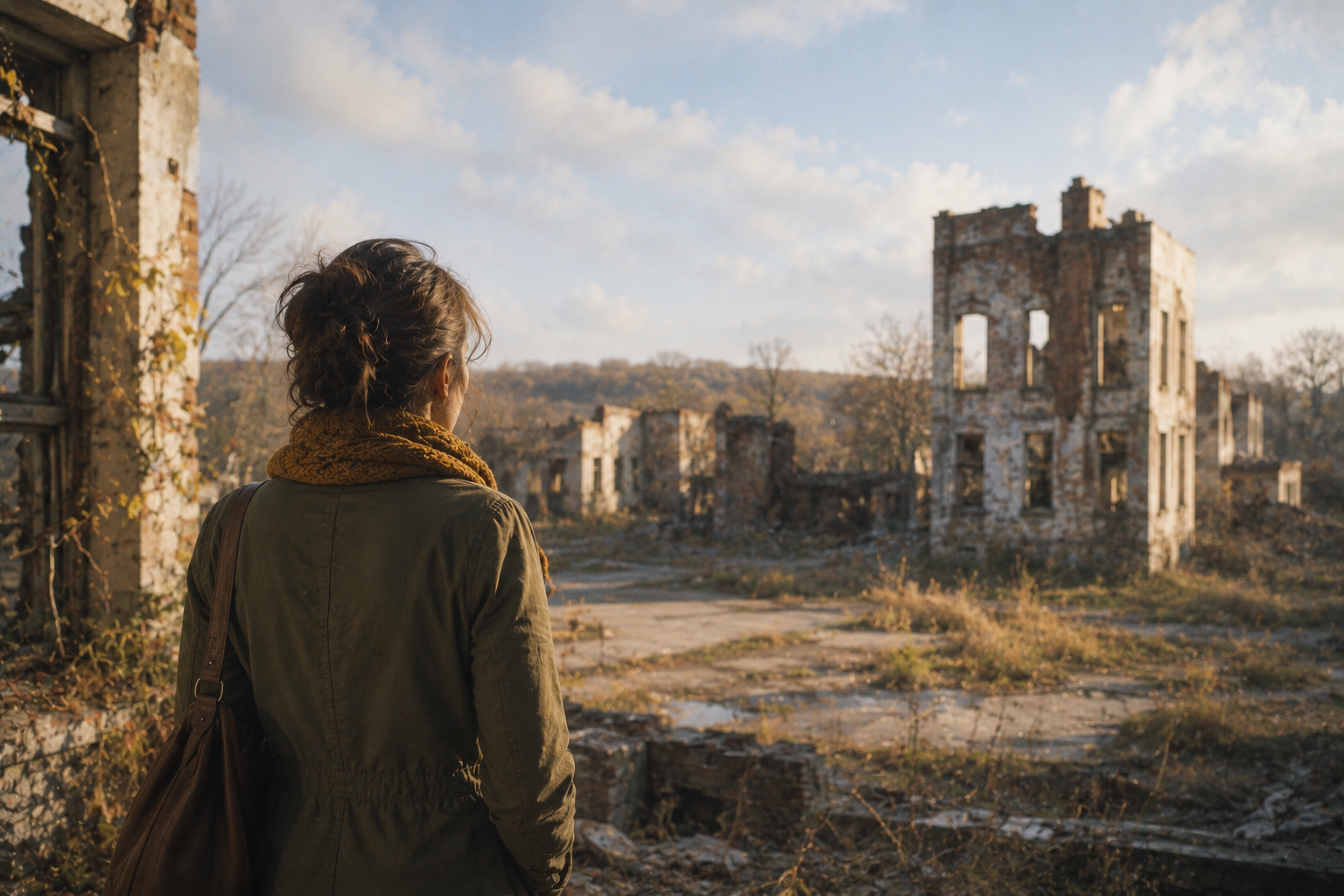
This flash memoir prompt last time visited place no longer exists invites you to pause in that strange gap. The place may be gone, but your memory of it still has walls, smells, sounds, and weather. That is enough to begin.
The Prompt
Write about the last time you visited a place that no longer exists.
This prompt works because it gives you a clear frame. You are not writing the entire history of the place. You are writing about the last visit, even if you did not know it was the last. That detail gives the memory quiet power.
Maybe the place was a childhood home, a corner store, a church basement, a movie theater, a beach house, a factory, a playground, or a restaurant with sticky menus and too many laminated desserts. What matters is that the place once held part of your life, and now it is gone.
Why This Memory Matters
Places can disappear faster than we expect. A building gets sold. A neighborhood changes. A family moves away. A storm takes what seemed permanent. Then memory has to do the work that brick, carpet, wood, and paint used to do.
Writing about a place that no longer exists can uncover more than nostalgia. It may reveal who you were the last time you stood there. Were you rushing? Were you bored? Were you relieved to leave? Did you know something was ending, or did the moment feel completely ordinary?
That contrast is often where the memoir lives. The scene may look small on the surface. You bought a soda. You waited for your mother. You locked a door. You sat on the curb. But beneath it, there may be loss, change, guilt, freedom, or tenderness.
This is also a strong prompt for noticing symbols in real life. A cracked sign, an empty classroom, or a key that no longer opens anything can carry more meaning than a long explanation. If you want to think more about how objects and places gather meaning, you might enjoy this guide on how to find symbolism in a story.
How to Approach This Prompt
Begin with one physical detail. Do not start by explaining why the place mattered. Start with the chipped tile by the entrance, the smell of fried onions, the squeak of the screen door, or the way dust floated in the light.
Then narrow the memory to one scene. You do not need to cover every visit you ever made. Stay with the last time. Where were you standing? Who was with you? What did you touch? What sound do you still hear when you think of that place?
Try to write what you noticed before you write what it meant. For example, instead of opening with “I was sad because my childhood was ending,” show yourself packing books into a cardboard box while a neighbor’s dog barked outside. Let the reader feel the ending before you name it.
If the memory feels blurry, treat it like a page you are studying closely. Circle the details in your mind. Ask what seems important now that did not seem important then. Readers who use writing prompts for school or personal practice may also find it helpful to review how to annotate literature, because the same habit of close attention can help you read your own memories.
For this flash memoir prompt last time visited place no longer exists, resist the urge to write a full tribute. You can always write more later. For now, choose one doorway, one room, one goodbye you did not know was a goodbye.
A Quick Example
The last time I went to Allen’s Roller Rink, the carpet still had purple lightning bolts on it, though most of them had faded to gray. My brother and I were too old for the place by then, but our cousin begged to go for her birthday. I remember sitting on the bench with one skate half-laced, watching the disco ball throw tiny squares of light onto the snack counter. The nacho cheese machine made its tired cough. Nobody said the rink was closing the next month. We just skated in circles until our ankles hurt. When I heard later that it had become a storage warehouse, I thought of that disco ball, still turning in my mind, lighting up a room that was already leaving.
Try It Yourself
Set a timer for ten minutes and write the first version without stopping to fix it. Start with the sentence, “The last time I went there…” and let the place appear through detail.
If you get stuck, focus on the moment of arrival or the moment of leaving. Those edges often hold the strongest memories. You might remember the hand on the door, the last look over your shoulder, or the strange feeling of walking away without knowing you would never return.
You do not have to make the piece dramatic. A quiet memory can still matter. The goal is to catch one true scene before it fades further. This flash memoir prompt last time visited place no longer exists is really an invitation to give shape to something the world has erased.
Want More Flash Memoir Prompts?
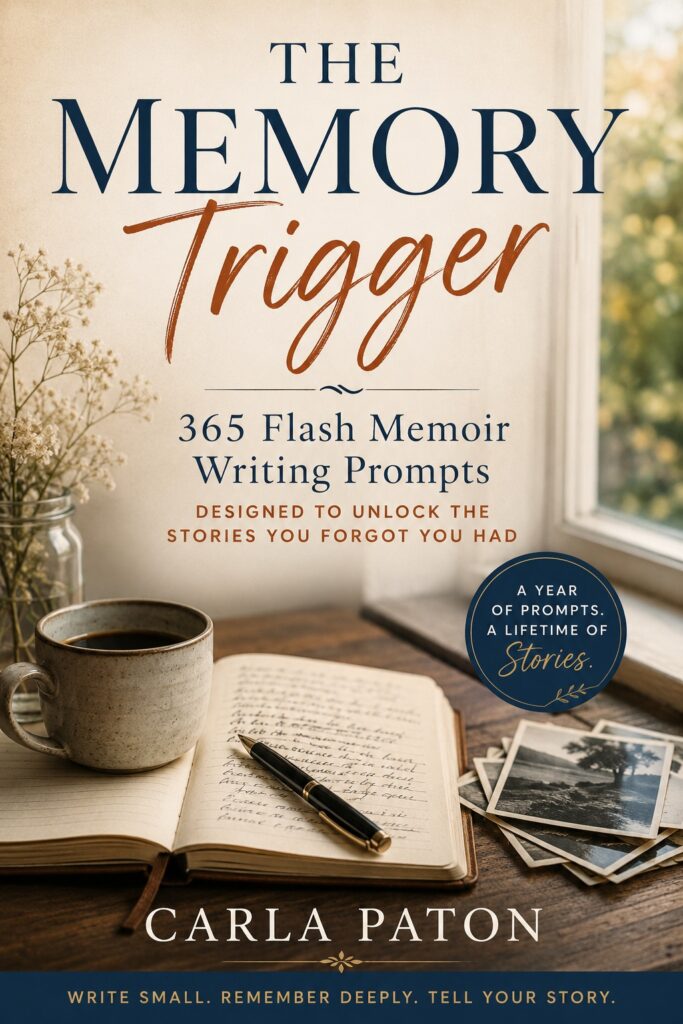
If you want a year of short, focused writing invitations, explore all 365 prompts in The Memory Trigger: 365 Flash Memoir Writing Prompts.