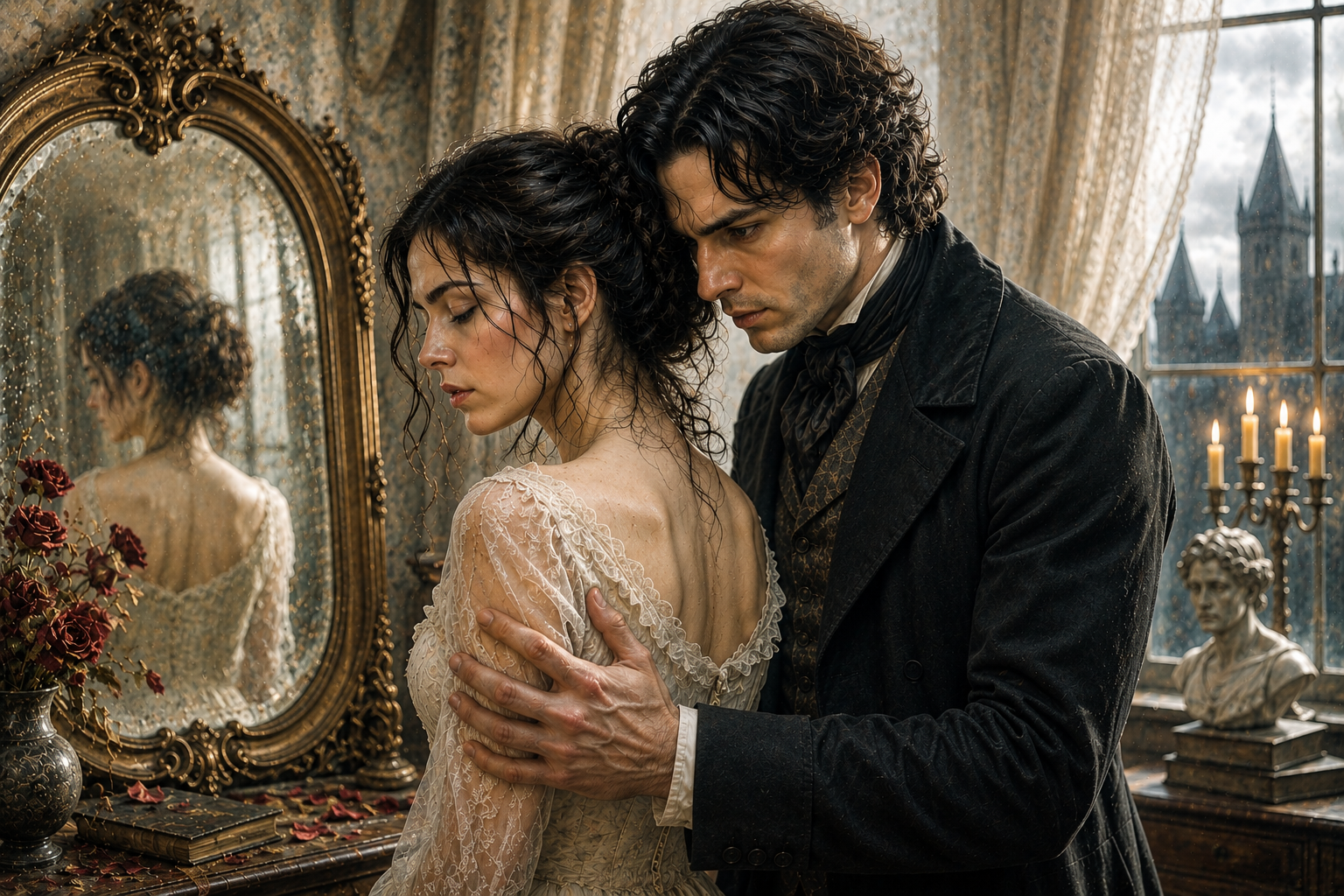
Some love stories feel warm and hopeful, but others leave readers uneasy. The Most Disturbing Love and Obsession stories show what happens when desire turns into control, fear, or cruelty.
These works matter because they help us see the line between love and possession. They also show how literature can turn romance into a warning.
In this Guide
- What makes love and obsession so disturbing in literature
- Classic examples of the Most Disturbing Love and Obsession
- Modern books that explore toxic desire
- Symbols and themes to watch for
- Recommended books
- FAQs
What Makes the Most Disturbing Love and Obsession So Powerful?
Dark love stories grip us because they twist something familiar into something unsafe.
Love should bring trust, care, and respect. Obsession often does the opposite. It turns another person into a prize, a mirror, or a thing to control.
In the Most Disturbing Love and Obsession stories, the lover may claim to be devoted. Yet their actions often show fear, pride, or selfish need.
This is why these stories work so well in literature. They make readers ask hard questions. Is this love, or is it control? Is the character caring, or do they only want power?
If you want to study these characters more closely, this guide on how to analyze characters in literature can help you look at motives, choices, and change over time.
Most Disturbing Love and Obsession in Classic Literature
Classic literature often shows obsession through jealousy, secrecy, and social pressure.
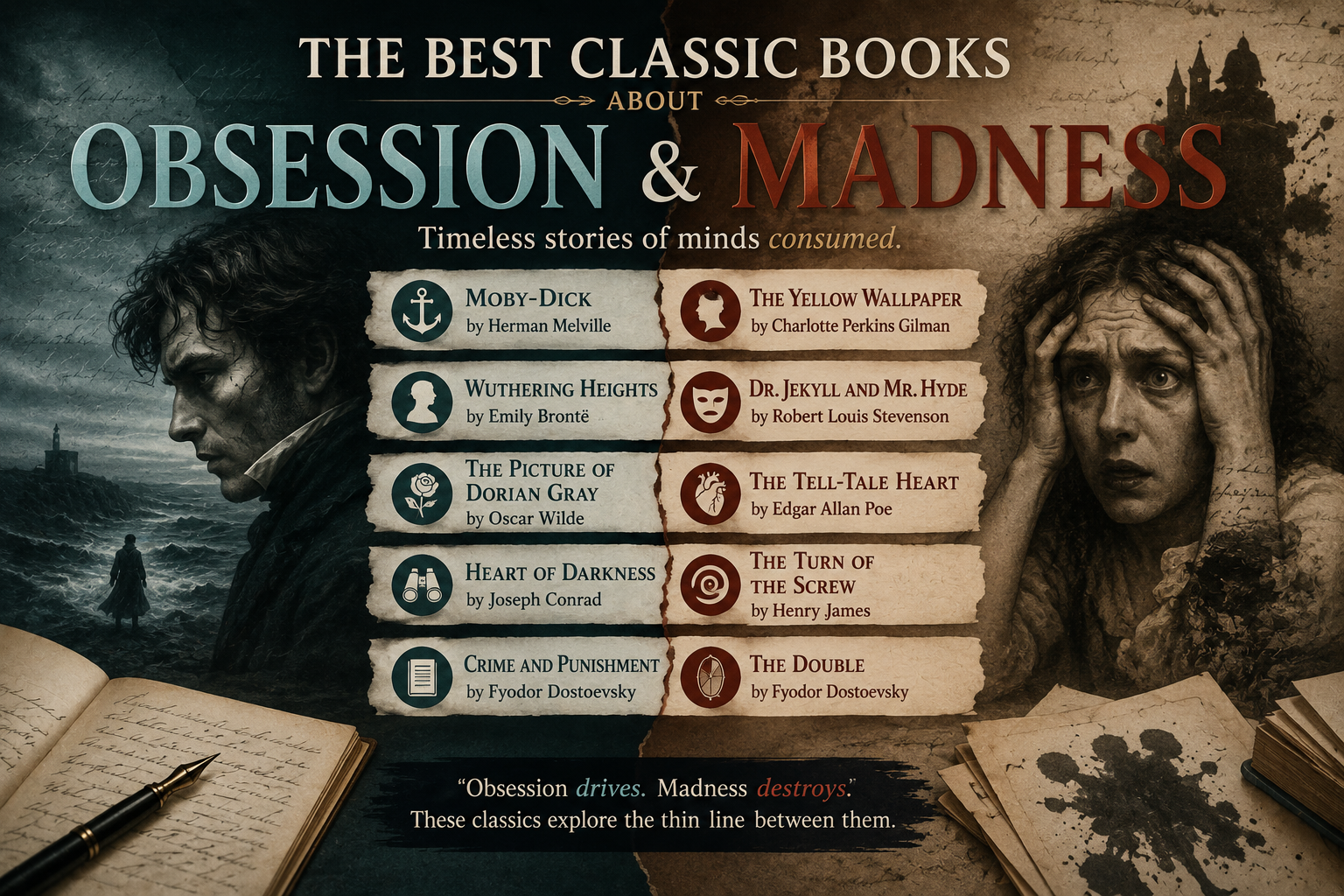
One of the strongest examples is Wuthering Heights by Emily Brontë. Heathcliff’s love for Catherine is intense, but it also becomes cruel. His pain turns into revenge, and he harms people who had no part in his loss.
This is one reason Most Disturbing Love and Obsession remains such a strong search topic for students. It points to stories where romance and damage become hard to separate.
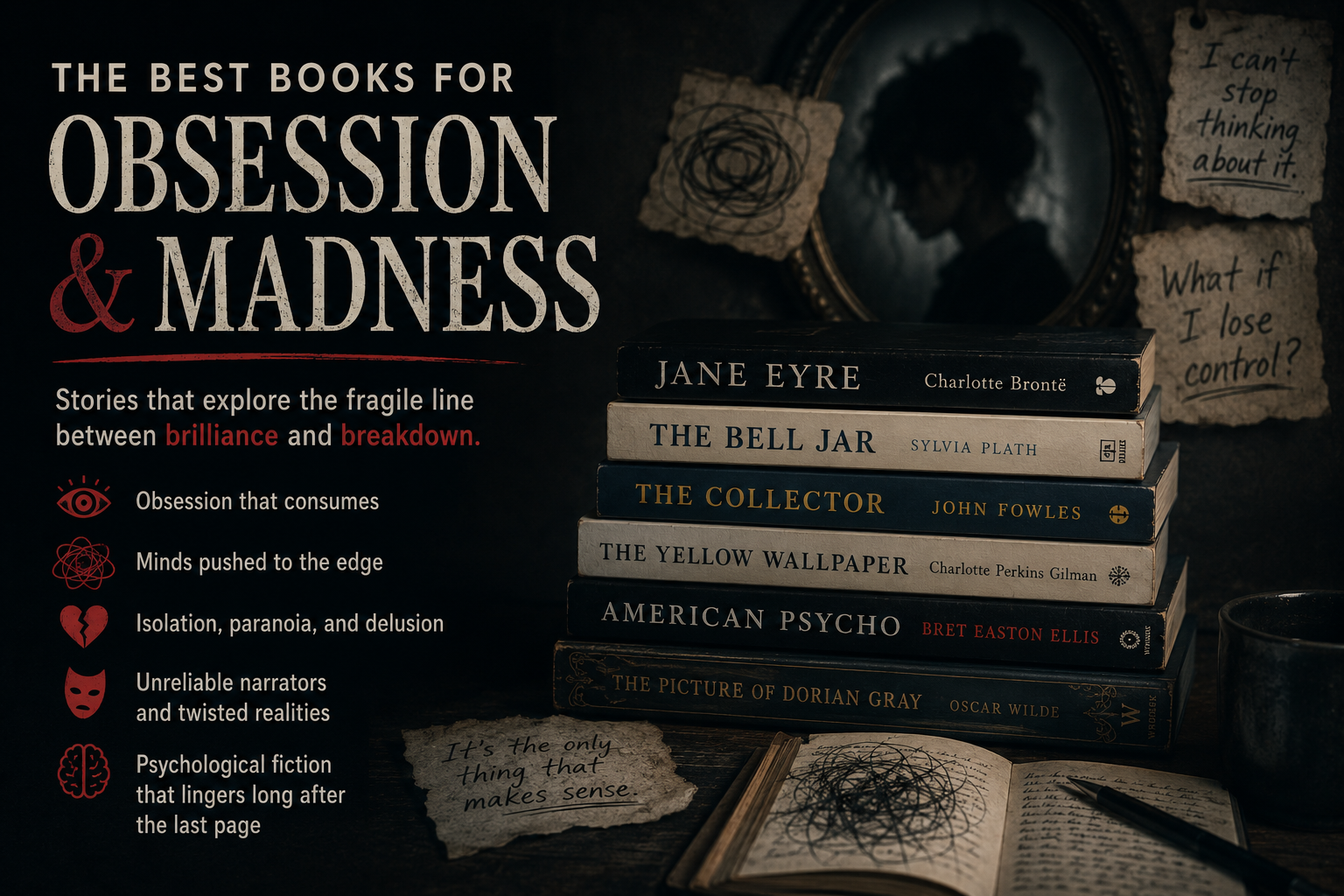
Another example is Jane Eyre by Charlotte Brontë. Rochester’s love for Jane has moments of deep feeling, but his hidden past creates danger. The novel asks whether love can survive without honesty.
In Shakespeare’s Othello, obsession takes the form of jealousy. Othello loves Desdemona, but fear poisons his mind. His trust breaks down, and love turns tragic.
These works are not simple romance tales. They show how love can lose its moral center when fear takes over.
Modern Examples of the Most Disturbing Love and Obsession
Modern books often place obsession inside everyday life, which can make it feel even more unsettling.
Rebecca by Daphne du Maurier is a key example. The dead Rebecca controls the house long after she is gone. The narrator feels trapped by another woman’s memory, and love becomes tied to fear and comparison.
In The Collector by John Fowles, obsession becomes literal captivity. The main character believes he loves Miranda, but he removes her freedom. The novel makes clear that obsession is not love when it denies another person’s humanity.
In Gone Girl by Gillian Flynn, marriage becomes a battle of image, lies, and revenge. The book shows how obsession can hide behind charm and public performance.
These modern works help explain why the Most Disturbing Love and Obsession theme still feels fresh. It fits stories about privacy, power, fame, and identity.
Symbols in the Most Disturbing Love and Obsession Stories
Symbols help writers show desire without spelling everything out.
Houses often matter in these stories. In Wuthering Heights, the home feels wild, cold, and haunted by old pain. In Rebecca, Manderley feels beautiful but trapped by memory.
Portraits, letters, and locked rooms also appear often. They suggest secrets, control, or the wish to freeze someone in time.
Weather is another common symbol. Storms can reflect rage, fear, or emotional chaos. A calm setting may feel false if a character hides dark motives.
In many Most Disturbing Love and Obsession stories, the symbol is not just decoration. It shows what the character cannot say out loud.
Major Themes Behind Disturbing Love and Obsession
These stories often explore power more than romance.
One major theme is possession. The obsessed character may say “I love you,” but their real message is “you belong to me.” Literature uses this gap to create tension.
Another theme is identity. Some characters love an idea of a person more than the real person. They build a fantasy, then punish reality for not matching it.
Jealousy also plays a major role. In Othello, jealousy does not need proof to grow. Once it takes root, it changes how Othello sees everything.
For more background on Gothic settings and dark emotional tension, see Britannica’s overview of the Gothic novel.
Recommended Books About the Most Disturbing Love and Obsession
These books are strong choices for students, book clubs, or anyone who wants a deeper look at dark romance in literature.
- Wuthering Heights by Emily Brontë
- Rebecca by Daphne du Maurier
Both novels show that love can become dangerous when it mixes with pride, secrecy, or control.
If you want a shorter text, try Robert Browning’s poem My Last Duchess. It is a chilling study of power and possession. You can read more about Browning at the Poetry Foundation.
How to Analyze the Most Disturbing Love and Obsession in a Text
Look at what the character does, not only what they say.
A character may speak in romantic language, but their actions may show control. Ask whether they respect the other person’s freedom.
Pay close attention to patterns. Do they lie? Do they isolate someone? Do they treat love as a right instead of a choice?
You can also study the setting. Dark homes, locked spaces, and harsh weather often reflect the emotional world of the story.
For a deeper approach, use this guide to analyze characters in literature. It can help you build stronger essays and class discussions.
Why the Most Disturbing Love and Obsession Still Matters
These stories remain popular because they reveal truths about human desire.
The Most Disturbing Love and Obsession theme shows that passion is not always noble. It can become selfish when it ignores consent, honesty, or care.
That does not mean these books reject love. Many of them defend real love by showing what it is not.
For students, this topic can lead to strong essays. It connects character, symbol, conflict, and theme in a clear way.
FAQs About the Most Disturbing Love and Obsession in Literature
What is the Most Disturbing Love and Obsession theme in literature?
It is a theme where love becomes unhealthy, controlling, or harmful. The story often shows the difference between care and possession.
Why do authors write about disturbing obsession?
Authors use obsession to explore fear, power, jealousy, and identity. It creates conflict and reveals hidden parts of a character.
Is Wuthering Heights a love story or an obsession story?
It is both, but its love is deeply destructive. Heathcliff and Catherine share a powerful bond, yet that bond causes pain for many people.
What symbols often appear in these stories?
Common symbols include houses, portraits, letters, storms, and locked rooms. These images often point to secrets or control.
Key Takeaway
The Most Disturbing Love and Obsession stories remind us that love without respect can become dangerous. Great literature uses these dark relationships to test what love really means.
When you read these works, look past the romance. The real lesson often sits in the fear, silence, and choices that reveal the truth.