Books Every Villains and Moral Complexity Every Student Should Read

Moral Complexity
Moral Complexity

Books About Villains and Moral Complexity Every Student Should Read

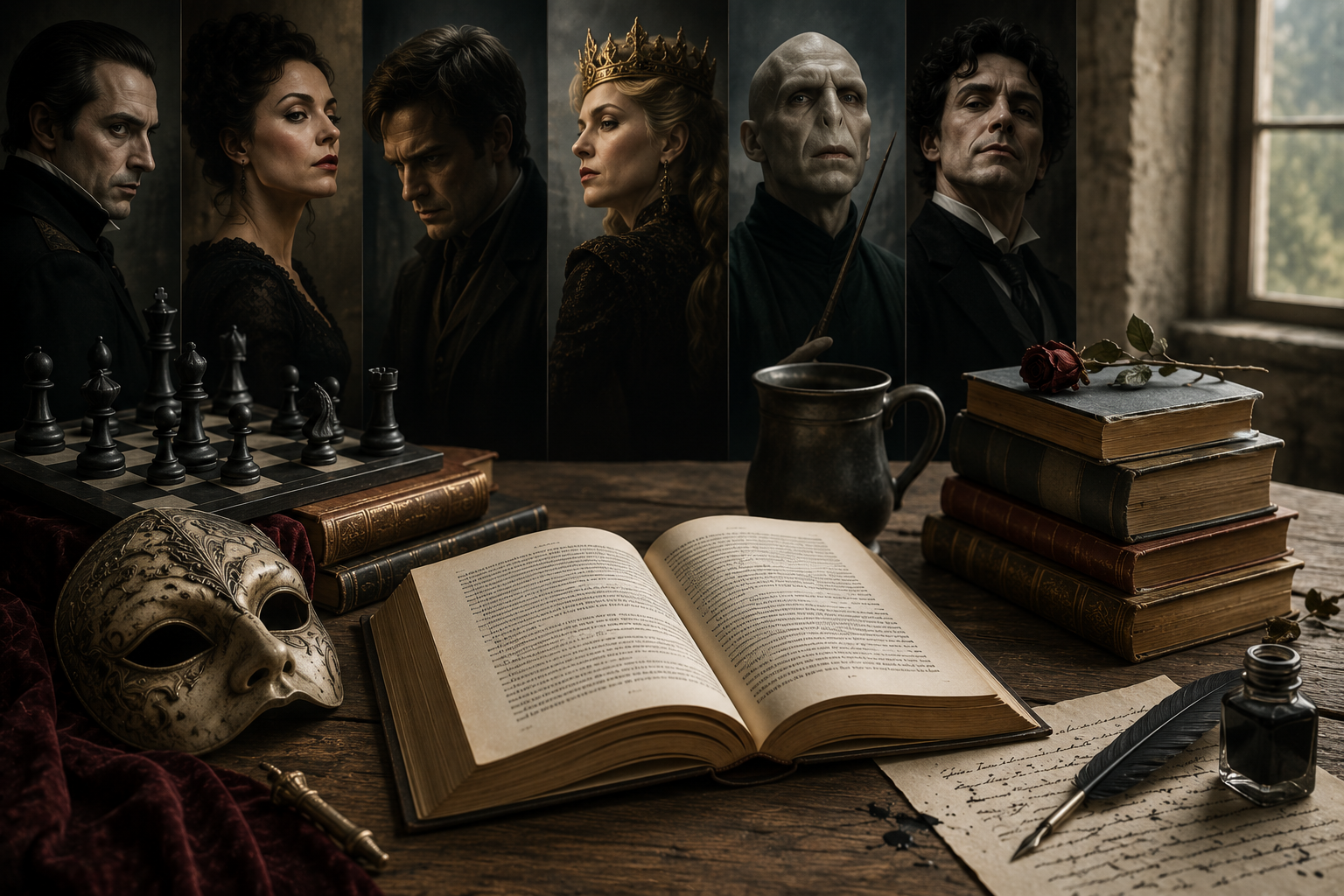
Great villains do more than scare us. Books about Villains and Moral Complexity show how fear, pride, pain, and power can shape a person’s choices.

These stories help students ask deeper questions about guilt, justice, and what makes a character truly “bad.”

In this Guide

  • Why morally complex villains matter
  • Best books about villains and difficult choices
  • Symbols and themes linked to villain characters
  • How to study villains in class essays
  • FAQs about villains in literature

Why Villains and Moral Complexity Matter in Literature

The best villains often feel human, even when their actions are cruel.

A flat villain does evil just because the plot needs danger. A complex villain has motives, wounds, beliefs, or goals that make readers pause.

This is why Villains and Moral Complexity matter so much in literature. They force us to ask if evil comes from choice, pain, society, or ambition.

Think of Macbeth. He begins as a brave soldier, not a monster. His hunger for power grows until he destroys others and himself.

That fall is what makes him so powerful to study. He is guilty, but he is not simple.

Books About Villains and Moral Complexity Students Should Know

These works show how writers build villains with depth, conflict, and meaning.

Frankenstein by Mary Shelley is one of the best books for studying Villains and Moral Complexity. The creature commits terrible acts, but he is also lonely, rejected, and desperate for love.

Victor Frankenstein may seem like the hero at first. Yet his pride and refusal to take responsibility cause much of the tragedy.

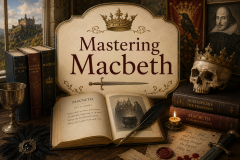
Macbeth by William Shakespeare gives readers a villain who creates his own ruin. Macbeth knows murder is wrong, but ambition leads him forward.

Lady Macbeth also adds depth to the story. She pushes Macbeth toward violence, then breaks under the weight of guilt.

Paradise Lost by John Milton presents Satan as proud, bold, and persuasive. Readers may understand his anger, even while they see the danger in his pride.

For background on Shelley’s novel, Britannica has a clear overview of Frankenstein. The Poetry Foundation also offers helpful material on John Milton.

Amazon Book Suggestions for Villains and Moral Complexity

These titles are useful for students, book clubs, and AP Literature readers.

  • Frankenstein by Mary Shelley
  • Macbeth by William Shakespeare
  • Paradise Lost by John Milton

Each book gives a different view of Villains and Moral Complexity. One explores rejection, one explores ambition, and one explores pride.

Symbols and Themes in Villains and Moral Complexity

Writers often use symbols to show the hidden life of a villain.

In Macbeth, blood stands for guilt. Macbeth thinks he can wash it away, but the stain stays in his mind.

In Frankenstein, fire can mean knowledge and danger. The creature learns from fire, but he also learns pain from it.

In Paradise Lost, darkness often connects to pride and separation from God. Satan’s world reflects his inner state.

These symbols make Villains and Moral Complexity easier to see. They show that evil is not only action. It can also be fear, shame, or a broken view of the world.

How to Analyze Villains and Moral Complexity in Essays

A strong essay does not just say a villain is evil. It explains how the writer makes that villain feel complicated.

Start with the character’s choices. Ask what the villain wants, what they fear, and what they believe they deserve.

Then look at the cost of those choices. Who gets hurt? Does the villain feel guilt? Does the story ask readers to pity them?

If you need help with this step, read our guide on how to analyze characters in literature.

When you write about Villains and Moral Complexity, use quotes that show inner conflict. A single line of guilt, fear, or pride can reveal more than a long plot summary.

What Makes a Villain Morally Complex?

A morally complex villain has reasons, but those reasons do not excuse the harm they cause.

This balance is important. If a story only excuses the villain, it loses moral weight. If it only condemns the villain, it may feel too simple.

Good stories about Villains and Moral Complexity keep both sides in view. They let readers understand the character without letting the character escape blame.

That is why students often enjoy writing about villains. These characters leave room for debate.

Modern Examples of Villains and Moral Complexity

Modern stories often blur the line between hero and villain.

In The Hunger Games, President Snow is clearly cruel. Yet the larger system around him also matters, since power protects itself through fear.

In Harry Potter, Severus Snape is not a simple villain. His choices are painful, flawed, and shaped by love, bitterness, and regret.

These examples show why Villains and Moral Complexity still matter today. Readers want characters who feel real, even when they make dark choices.

FAQs About Villains and Moral Complexity

What does moral complexity mean in literature?

Moral complexity means a character cannot be judged in a simple way. They may do wrong things for reasons readers can understand.

Why are complex villains more interesting?

Complex villains feel more human. They create conflict because readers may feel pity, anger, and doubt at the same time.

Is a morally complex villain the same as an antihero?

No. An antihero is often the main character and may still work toward a good goal. A villain usually causes harm or blocks the hero.

What is a good book for studying Villains and Moral Complexity?

Frankenstein is a strong choice. It asks readers to think about blame, cruelty, loneliness, and responsibility.

Conclusion: Why These Villains Stay With Us

The best villains are not memorable because they are evil. They stay with us because they reveal something true about human weakness.

Books about Villains and Moral Complexity help students read with more care. They show that literature can question judgment without removing responsibility.

Key Takeaway

Villains and Moral Complexity teach us that the darkest characters often reveal the hardest truths about choice, guilt, and power.
Best Classic Human Nature: Timeless Stories About Who We Are

classic human nature

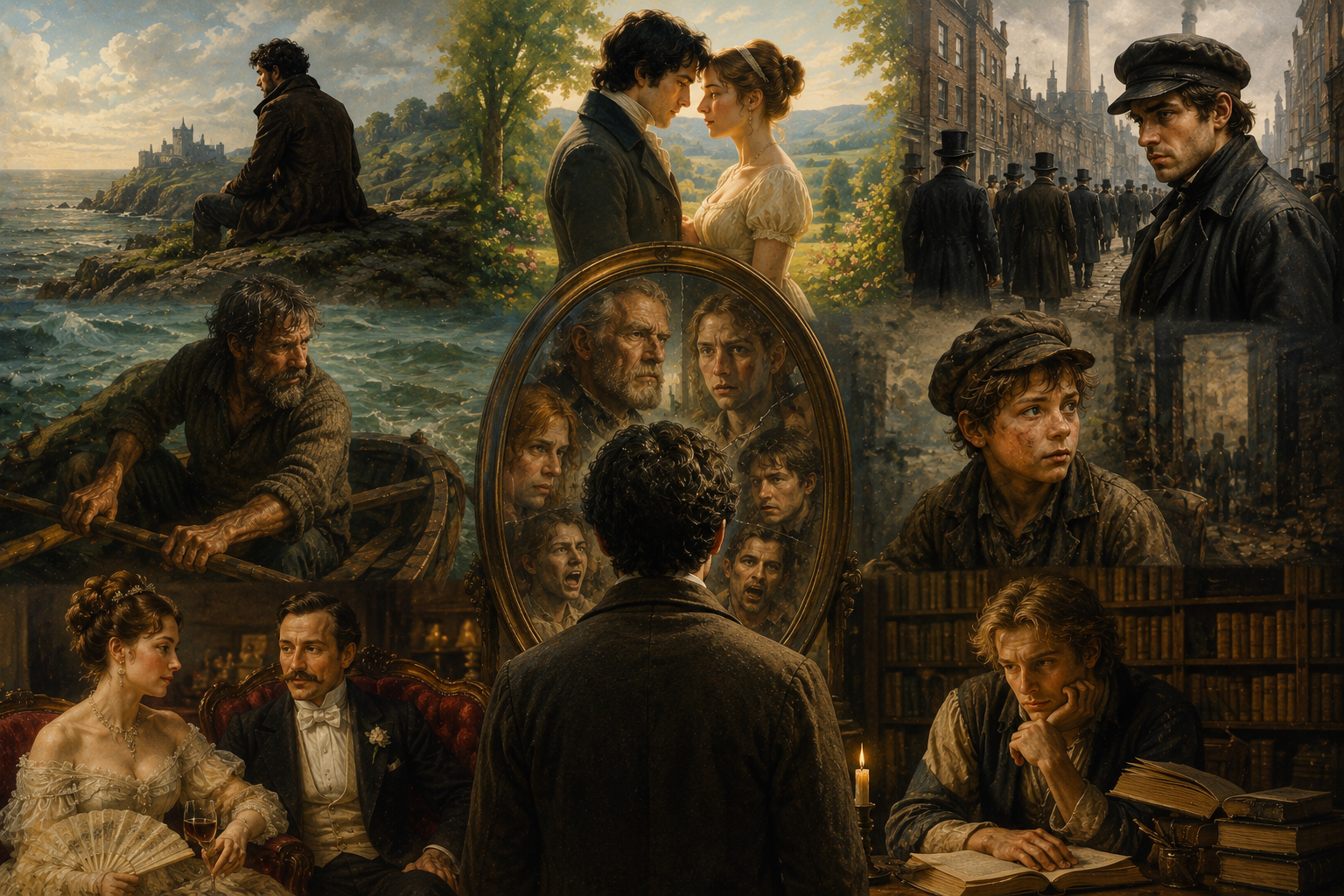
What makes people kind, jealous, proud, brave, or cruel? The Best Classic Human Nature stories ask those questions in ways that still feel fresh today.

These books help students see how literature explores choice, guilt, love, power, and fear. They also make class discussions much more interesting.

In this Guide

  • What Best Classic Human Nature means
  • Why classic books reveal human behavior so well
  • Major themes to watch for
  • Recommended books for students
  • How Shakespeare explores human nature
  • Symbols that show inner conflict
  • FAQs
human nature

What Best Classic Human Nature Means

These stories show people at their best and worst.

Best Classic Human Nature refers to classic literature that studies why people act the way they do. These works do not just tell a story. They ask what drives a person to love, lie, forgive, betray, or seek power.
That is why books from hundreds of years ago can still feel personal. A student may not live in ancient Greece or Victorian England, but they can understand pride, fear, and regret.

Classic literature lasts because it shows patterns in human behavior. Times change, but many inner struggles stay the same.

Why Best Classic Human Nature Stories Still Matter

Old books can feel surprisingly modern when they focus on real emotions.

The Best Classic Human Nature works matter because they help readers see themselves and others more clearly. They show that people are often complicated. A character can be noble in one moment and selfish in the next.

That mix makes literature feel true. In real life, people rarely fit into simple boxes like “good” or “bad.” Classic authors knew this well.

For example, in Frankenstein, Victor Frankenstein is brilliant, but his pride leads to harm. The creature is frightening, but he also wants love and acceptance. Mary Shelley asks readers to think about blame from more than one side.

Best Classic Human Nature Themes to Watch For

These themes appear again and again because they speak to deep human needs.

One major theme is ambition. In many classic works, ambition can inspire greatness, but it can also destroy a person. Macbeth wants power so badly that he loses his peace, his honor, and his sense of right and wrong.

Another key theme is guilt. Characters often try to hide from their actions, but guilt follows them. In Crime and Punishment, Raskolnikov believes he can live above normal moral rules. His mind proves otherwise.

Love is also central to Best Classic Human Nature literature. It can bring out courage and loyalty, but it can also expose jealousy or control. In Othello, love becomes poisoned by doubt.

These themes help readers ask strong questions: What do people want most? What are they willing to risk? What happens when desire becomes stronger than conscience?

Best Classic Human Nature Books to Read First

Start with books that are rich, readable, and often taught in school.

If you want a strong Best Classic Human Nature reading list, begin with works that focus on moral choice and inner conflict. These books give students plenty to discuss in essays, seminars, and AP Literature responses.

Frankenstein by Mary Shelley

This novel explores creation, responsibility, loneliness, and revenge. Victor wants glory, but he refuses to care for what he creates.

The creature begins with a need for kindness. When he faces rejection, his pain turns into anger. The book asks whether monsters are born or made.

Macbeth by William Shakespeare

This play is one of the clearest studies of ambition in classic literature. Macbeth starts as a brave soldier, but the promise of power changes him.

Lady Macbeth also reveals the cost of guilt. She pushes Macbeth toward murder, but her mind later breaks under the weight of what they have done.

Pride and Prejudice by Jane Austen

Austen studies pride, judgment, and self-knowledge with sharp humor. Elizabeth Bennet must learn that first impressions can be wrong.

Mr. Darcy must face his own pride before he can grow. Their story shows that love often depends on honesty and humility.

These titles are useful for school reading, essay practice, and personal study.

  • Frankenstein by Mary Shelley
  • Macbeth by William Shakespeare

Both books are short enough for students to manage, but deep enough for serious analysis. They are also great examples of Best Classic Human Nature because they focus on choices, consequences, and the hidden parts of the mind.

How Best Classic Human Nature Appears in Shakespeare

Shakespeare understood that people often fight battles inside themselves.

Shakespeare is central to Best Classic Human Nature because his characters feel alive. They doubt, desire, fear, and change. They often know the right choice, yet still choose the wrong one.

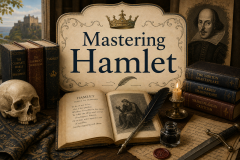
In Hamlet, the title character struggles with grief and revenge. He thinks deeply, but thought becomes a trap. His delay reveals how hard action can be when the mind is full of fear.

In King Lear, a king wants love, but he also wants control. His tragedy begins when he confuses praise with loyalty. That mistake feels painful because it is so human.

If Shakespeare’s wording feels hard at first, try this helpful guide: how to understand Shakespearean language. It can make the plays easier to read and discuss.

Symbols That Reveal Human Nature

Symbols help readers see what characters cannot always say out loud.

In many Best Classic Human Nature works, objects, settings, or images reveal inner conflict. A storm may show mental chaos. A locked room may suggest secrecy or shame.

In Macbeth, blood becomes a symbol of guilt. Macbeth and Lady Macbeth try to wash away signs of murder, but they cannot cleanse their minds.

In Frankenstein, light often stands for knowledge. Yet the novel questions whether all knowledge leads to wisdom. Victor gains scientific power, but he lacks moral care.

Symbols like these make classic literature more powerful. They turn private feelings into images readers can track and explain.

image-slider-with-thumbnail1.jpeg
PlayPause
previous arrow
next arrow
image-slider-with-thumbnail1.jpeg
image-slider-with-thumbnail3.jpeg
image-slider-with-thumbnail4.jpeg
ChatGPT Image Jun 27, 2026, 06_33_13 PM
ChatGPT Image Jun 27, 2026, 06_36_37 PM
ChatGPT Image Jun 27, 2026, 06_38_39 PM
ChatGPT Image Jun 27, 2026, 06_31_22 PM
image-slider-with-thumbnail7.jpeg
ChatGPT Image Jun 27, 2026, 06_29_43 PM
ChatGPT Image Jun 27, 2026, 06_27_44 PM
image-slider-with-thumbnail6.jpeg
ChatGPT Image Jun 27, 2026, 06_15_07 PM
image-slider-with-thumbnail5.jpeg
ChatGPT Image Jun 27, 2026, 06_22_43 PM
ChatGPT Image Jun 27, 2026, 06_25_37 PM
ChatGPT Image Jun 27, 2026, 06_19_43 PM
ChatGPT Image Jun 27, 2026, 06_12_00 PM
ChatGPT Image Jun 27, 2026, 06_08_50 PM
ChatGPT Image Jun 26, 2026, 04_54_23 PM
ChatGPT Image Jun 27, 2026, 05_53_51 PM
ChatGPT Image Jun 28, 2026, 08_35_55 AM
previous arrow
next arrow

How to Read Best Classic Human Nature Literature for Class

A few simple habits can make these books less confusing.

When you read Best Classic Human Nature texts, watch what characters want. Desire often reveals the heart of the story.

Notice when a character lies to others or to themselves. Self-deception is one of the most important parts of classic literature.

Track moments of choice. A character’s true nature often appears when pressure rises.

For Shakespeare, reading a scene out loud can help. You can also use this guide to Shakespearean language if the old wording slows you down.

Trusted Resources for Deeper Study

These sources can help students build background knowledge.

For author background and literary history, Britannica is a strong place to start. It offers clear overviews of major writers, books, and historical periods.

For poetry, drama, and author pages, the Poetry Foundation is also useful. It can help readers connect themes across different works.

FAQs About Best Classic Human Nature

What does Best Classic Human Nature mean in literature?

It means classic books or plays that explore why people act, feel, and choose as they do. These works focus on deep emotions and moral conflict.

What is the best classic book about human nature?

Frankenstein is one of the best choices for students. It explores ambition, loneliness, blame, and the need for compassion.

Why do teachers assign classic books about human nature?

Teachers assign them because they lead to strong discussion and analysis. They also help students think about real human problems through fiction.

Is Shakespeare good for studying human nature?

Yes. Shakespeare’s plays are full of jealousy, guilt, love, pride, and fear. His characters often feel real because their flaws are so recognizable.

Key Takeaway

The Best Classic Human Nature books last because they tell the truth about people. They show that every person can struggle with pride, fear, desire, and conscience.

When students read these works closely, they do more than study old stories. They learn how literature helps us understand ourselves. 📚

Best Literary Human Nature: Books That Show Who We Really Are

Best human nature books

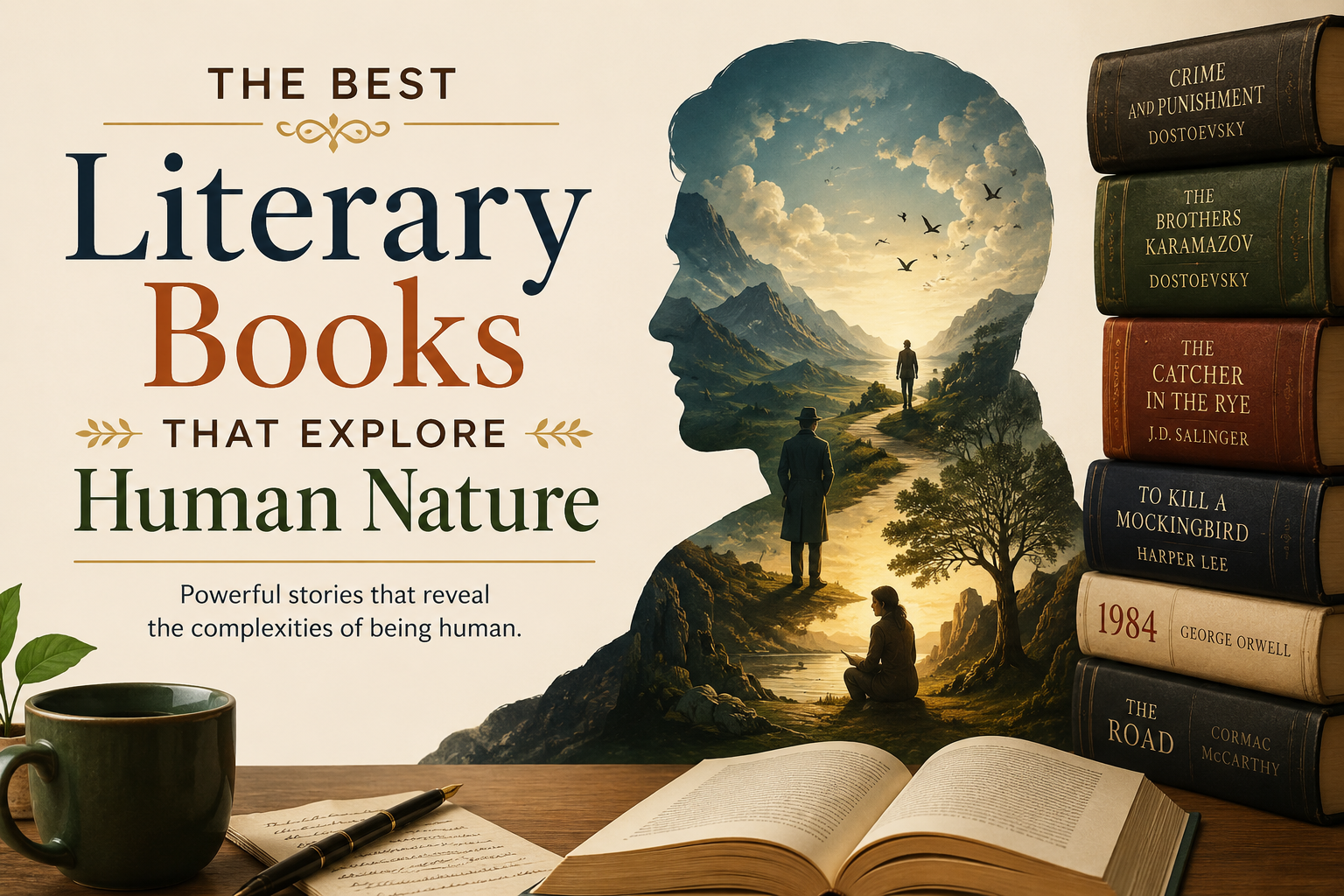
Great stories help us see the truth about people, even when that truth feels hard to face. Best Literary Human Nature looks at books that explore fear, pride, love, guilt, and moral choice.

These works matter because they ask a simple question: what do people do when life tests them?

In this Guide

  • What Best Literary Human Nature means
  • Why human nature matters in literature
  • Best Literary Human Nature books to read
  • Symbols and themes that reveal character
  • How students can write about human nature
  • FAQs
  • Key takeaway

What Best Literary Human Nature Means

Stories about human nature show what people want, fear, hide, and choose.

The phrase Best Literary Human Nature may sound broad, but the idea is clear. It points to books that reveal how people act under pressure.

Some characters try to do the right thing. Others choose power, comfort, or revenge. Literature lets us watch those choices from a safe distance.

That is why these books stay with us. They do not just tell us what happened. They show us why people behave the way they do.

Why Best Literary Human Nature Stories Still Matter

The best books feel alive because their characters feel real.

Best Literary Human Nature stories matter because readers can see parts of themselves in the characters. A reader may not rule a kingdom like Macbeth, but they may know what ambition feels like.

In William Shakespeare’s Macbeth, ambition grows into violence. Macbeth wants power so badly that he loses his peace, his honor, and his sense of self.

In Mary Shelley’s Frankenstein, Victor wants glory through science. His mistake is not just that he creates life. His deeper failure is that he refuses to care for what he has made.

These stories ask us to think about responsibility. They also ask if people are born flawed or shaped by the choices around them.

Best Literary Human Nature Books to Read

These books are strong choices for students because they are rich, readable, and full of moral conflict.

The Best Literary Human Nature books often focus on a character who faces a hard test. That test may come from society, family, power, or guilt.

To Kill a Mockingbird by Harper Lee

This novel explores justice, fear, and moral courage. Atticus Finch shows that doing the right thing can cost a person comfort and safety.

Scout learns that people are more complex than they first appear. The book asks readers to look past rumor and prejudice.

Lord of the Flies by William Golding

This novel places schoolboys on an island without adult rules. At first, they try to build order. Soon, fear and power begin to take over.

Golding suggests that cruelty can grow when people lose limits. The story is often used in classrooms because it raises sharp questions about civilization and human nature.

Other strong examples

Students may also study The Great Gatsby by F. Scott Fitzgerald or Hamlet by William Shakespeare. Both works show how desire can twist a person’s view of truth.

For helpful background on the idea of human nature, readers can explore Britannica’s overview of human nature.

Best Literary Human Nature Themes Students Should Know

Themes help readers move from “what happened” to “what the story means.”

When students study Best Literary Human Nature, they often notice the same big ideas across different books. These ideas repeat because people face the same inner battles in many times and places.

Ambition and its cost

Ambition can help a character grow. It can also lead to ruin.

Macbeth is the classic example. His desire for power destroys his loyalty and peace of mind.

Goodness under pressure

Many novels ask if a person can stay good when the world is unfair. To Kill a Mockingbird explores this through Atticus, Scout, and the trial of Tom Robinson.

The book does not pretend goodness is easy. It shows that moral courage often feels lonely.

Fear and group behavior

Lord of the Flies shows how fear can spread through a group. The boys begin to follow the loudest voices, not the wisest ones.

This theme matters because people often act differently in a crowd. Literature helps us question that shift.

Symbols That Reveal Human Nature

Symbols give stories deeper meaning without heavy explanation.

In Best Literary Human Nature works, symbols often show what characters cannot say out loud. A symbol may reveal guilt, innocence, power, or loss.

In Lord of the Flies, the conch shell stands for order and shared rules. When the shell loses power, the boys lose their grip on peace.

In Frankenstein, light often connects to knowledge. Yet Shelley shows that knowledge without care can become dangerous.

In The Great Gatsby, the green light stands for Gatsby’s dream. It also shows how desire can trap a person in the past.

Poetry can do this too. The Poetry Foundation’s page on Robert Frost is useful for readers who want to see how poems explore choice and regret.

How to Write About Best Literary Human Nature in an Essay

A strong essay does not just name a theme. It explains how the author builds that theme through character, conflict, and symbol.

If you write about Best Literary Human Nature, start with a clear claim. Do not say, “This book shows human nature.” Say what the book argues about human nature.

For example, an essay on Macbeth could argue that unchecked ambition destroys moral judgment. An essay on Lord of the Flies could argue that fear weakens social order.

Your thesis should be specific, arguable, and tied to the text. If you need help, use this guide on how to write a thesis statement for a literary analysis essay.

After that, choose scenes that prove your point. Focus on what characters say, what they hide, and how they change.

Recommended Books for Best Literary Human Nature Readers

These books are often easy to find and useful for class discussions.

To Kill a Mockingbird by Harper Lee is a strong choice for readers who want a story about justice and moral growth.

Lord of the Flies by William Golding is ideal for readers who want a darker look at fear, power, and group behavior.

Both books work well for essays because they offer clear conflicts and strong symbols. They also give students many ways to discuss Best Literary Human Nature without forcing one simple answer.
Common Mistakes When Reading Human Nature in Literature

It is easy to make human nature sound too simple.
One common mistake is to call a character “good” or “bad” and stop there. Most great books avoid simple labels.

Another mistake is to ignore the setting. A character’s world shapes their choices. Social pressure, fear, and unfair rules often push characters toward action.

A better approach is to ask why a character makes a choice. Then ask what the author wants readers to learn from that choice.

FAQs About Best Literary Human Nature

What does Best Literary Human Nature mean?

Best Literary Human Nature refers to books and stories that reveal how people think, choose, and change. These works often focus on moral conflict.

What is a good book about human nature for students?

To Kill a Mockingbird is a strong choice. It deals with justice, courage, and the way people judge others.

Why do teachers assign books about human nature?

Teachers assign these books because they help students think deeply about character and theme. They also connect literature to real life.

Is human nature a theme?

Human nature is a broad idea, not a theme by itself. A stronger theme would say something specific, such as “fear can make people give up their values.”

How can I find symbols related to human nature?

Look for objects, images, or repeated details that connect to a character’s inner life. Then ask how the symbol changes as the story moves forward.

Key Takeaway

Best Literary Human Nature stories matter because they show people at their most honest moments. They help readers see how fear, desire, guilt, and hope shape human choice.

The strongest literature does not give easy answers. It gives us characters who feel real, choices that matter, and questions we keep asking long after the final page. 📚

error

Enjoy this article? Please spread the word :)

Follow by Email
BLUESKY
fb-share-icon
Reddit
LinkedIn
Share
RSS