

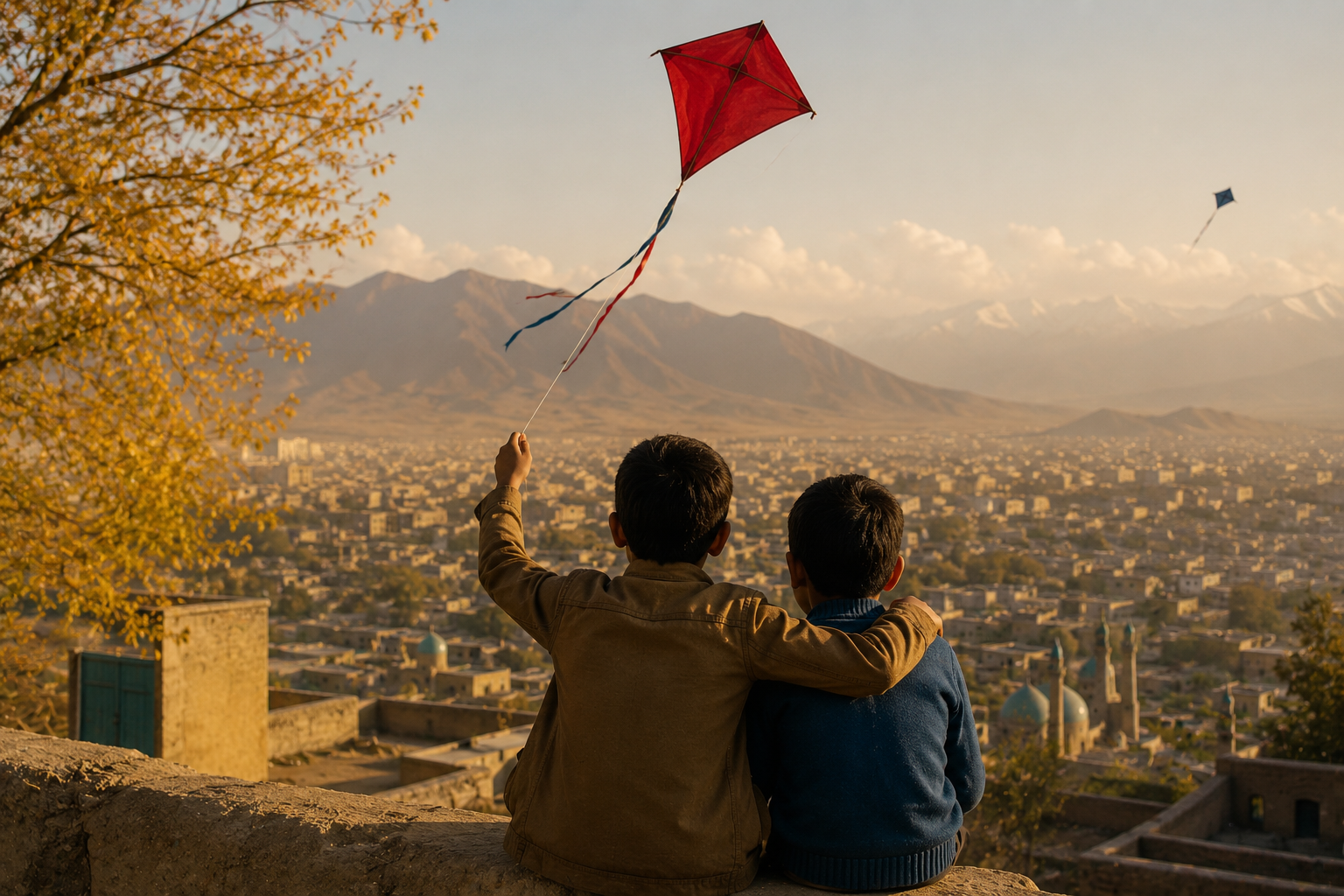
The Kite Runner is a powerful novel about guilt, love, and the hard work of repair. This guide explains the major themes in The Kite Runner so students can read the story with more confidence and write stronger essays.
This article contains affiliate links.
In this Guide
- Why the themes in The Kite Runner matter
- Guilt and redemption
- Betrayal and loyalty
- Fathers and sons
- Class and power
- Memory and storytelling
- How to write about themes in The Kite Runner
- FAQ
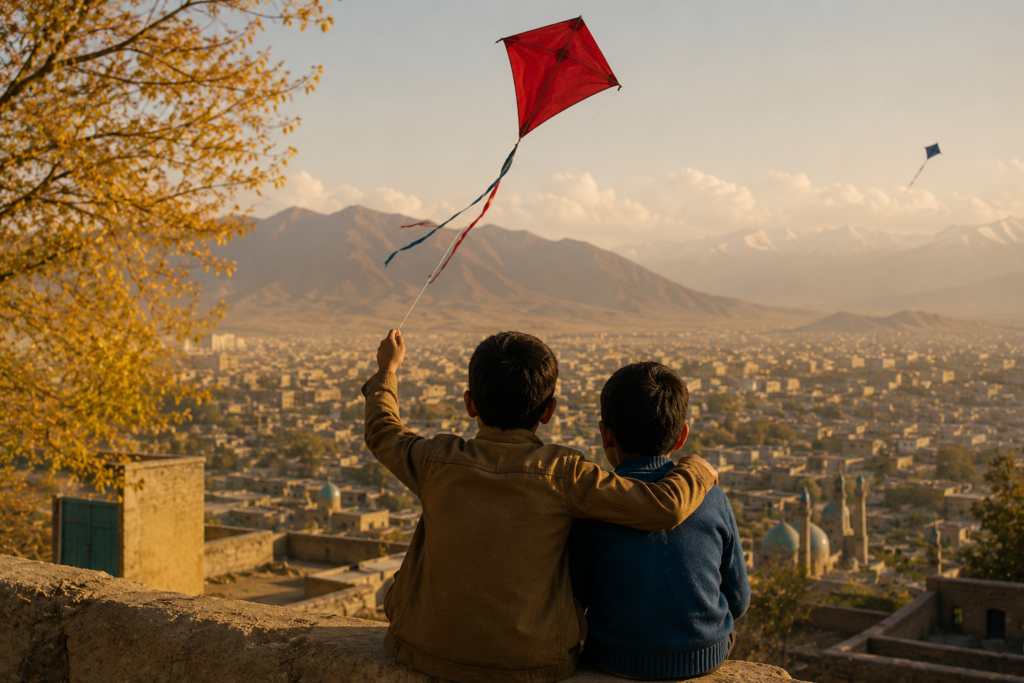
Why the Themes in The Kite Runner Matter
The novel asks readers to think about what people owe to those they have hurt.
The themes in The Kite Runner matter because the story is not only about Amir’s childhood. It is also about how one choice can echo across a whole life.
Khaled Hosseini sets personal pain against political change in Afghanistan. You can learn more about the author through Britannica’s profile of Khaled Hosseini.
For students, the key is to connect each theme to character choice. Amir’s actions reveal the novel’s deepest questions about fear, courage, and repair.
Guilt and Redemption in The Kite Runner
Guilt drives much of the novel’s plot, but redemption gives it shape.
Amir feels guilt because he does not help Hassan during a traumatic assault. He also lies afterward, which deepens the harm.
This guilt does not fade with time. Even after Amir moves to America, his past follows him.
The phrase “There is a way to be good again” becomes one of the novel’s most important ideas. It suggests that redemption is possible, but it is not easy or quick.
In this way, the novel resembles Macbeth, where guilt damages the mind. The difference is that Amir seeks a path back, while Macbeth sinks deeper into violence.
Betrayal and Loyalty
The novel shows how betrayal can break trust, even when love is still present.
Hassan is loyal to Amir, often at great cost to himself. His famous line, “For you, a thousand times over,” shows devotion that Amir does not yet know how to return.
Amir betrays Hassan through silence. Later, he betrays him again by framing him for theft.
These moments make the friendship painful to read. The novel asks whether love matters if it does not lead to action.
Many themes in The Kite Runner become clear through this broken friendship. Loyalty is not just a feeling. It must show up when it matters most.
Fathers, Sons, and Emotional Inheritance
The father-son conflict shapes Amir’s view of himself.
Amir wants Baba’s love, but he feels he can never earn it. Baba values bravery, while Amir sees himself as weak.
This hurt affects how Amir treats Hassan. He often competes for Baba’s attention instead of seeing Hassan as a true friend.
Baba also carries secrets. His choices show that parents can pass down shame as well as love.
Like Hamlet, this novel connects family pressure to moral choice. Sons live in the shadow of fathers, but they must still decide who they will become.
Class, Ethnicity, and Power in Afghanistan
The novel shows how social systems can make cruelty seem normal.
Amir is Pashtun, while Hassan is Hazara. This difference shapes their lives from the start.
Even though the boys grow up together, they do not hold equal power. Hassan serves in Amir’s home, and society treats him as lower.
This theme helps explain why Amir can excuse his own behavior for so long. The world around him teaches him that Hassan’s pain counts less.
Students may compare this to To Kill a Mockingbird, where social injustice affects how people see truth. Both novels show that prejudice can hide inside everyday life.
Memory, Storytelling, and the Past
Amir tells the story because he cannot escape the past.
The novel begins with memory. Amir looks back on a winter day that changed everything.
Storytelling becomes a way to face what he once avoided. By telling the truth, Amir starts to understand his own guilt.
This is one reason the themes in The Kite Runner work so well for essays. The plot moves forward, but the meaning often comes from looking backward.
Memory is not neutral in the novel. It hurts, but it also pushes Amir toward action.
Religion, Shame, and Moral Choice
Faith appears in the novel as both comfort and conflict.
Some characters use religion to seek meaning. Others use it to control or harm people.
The Taliban’s abuse of faith shows how power can twist moral language. The novel separates true goodness from public displays of righteousness.
Amir’s journey is not only about feeling sorry. He must make a moral choice when he returns to Afghanistan.
This makes shame different from redemption. Shame traps Amir in self-hatred, while redemption asks him to act.
How to Write About Themes in The Kite Runner
A strong theme paragraph connects an idea to a choice, a conflict, and a change.
To write about themes in The Kite Runner, avoid broad claims like “guilt is important.” Instead, explain how guilt changes Amir’s actions over time.
A better claim might be: Hosseini shows that redemption requires risk because Amir can only confront his guilt by protecting Sohrab.
Notice how that sentence names the theme and ties it to plot. It also shows change.
If you need help moving from plot summary to deeper analysis, use our guide on how to analyze characters in literature.
If you want extra support for class notes, you can also use a printable theme study guide to track quotes and evidence.
When students discuss themes in The Kite Runner, the best answers focus on cause and effect. Ask what a character wants, what blocks that desire, and what the choice reveals.
Relevant Books to Read Next
These books pair well with The Kite Runner because they explore memory, war, and moral courage.
- A Thousand Splendid Suns by Khaled Hosseini
- The Book Thief by Markus Zusak
FAQ: Themes in The Kite Runner
What are the main themes in The Kite Runner?
The main themes in The Kite Runner include guilt, redemption, betrayal, loyalty, and the effects of social power.
What is the most important theme in the novel?
Redemption is often seen as the central theme. Amir’s story asks whether a person can repair harm through honest action.
How does Hassan show loyalty?
Hassan shows loyalty through his words and actions. He protects Amir, even when Amir does not protect him.
Why is class important in the novel?
Class matters because Amir and Hassan do not have equal status. Their friendship is shaped by ethnic and social divisions.
How can I write a thesis about the novel’s themes?
Choose one theme and connect it to a character’s change. A clear thesis should explain what the novel teaches about that idea.
Key Takeaway
The themes in The Kite Runner show that the past cannot be erased, but people can still choose repair. For students, the strongest insight is this: redemption begins when guilt turns into action.












