What Is Satire in Literature?

Satire in Literature

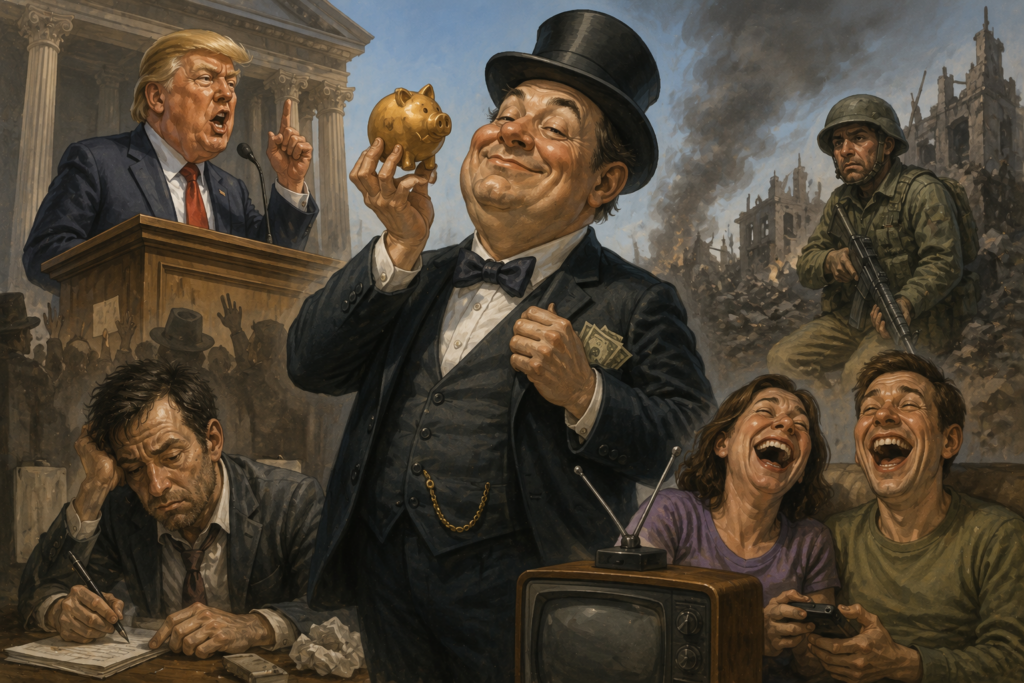
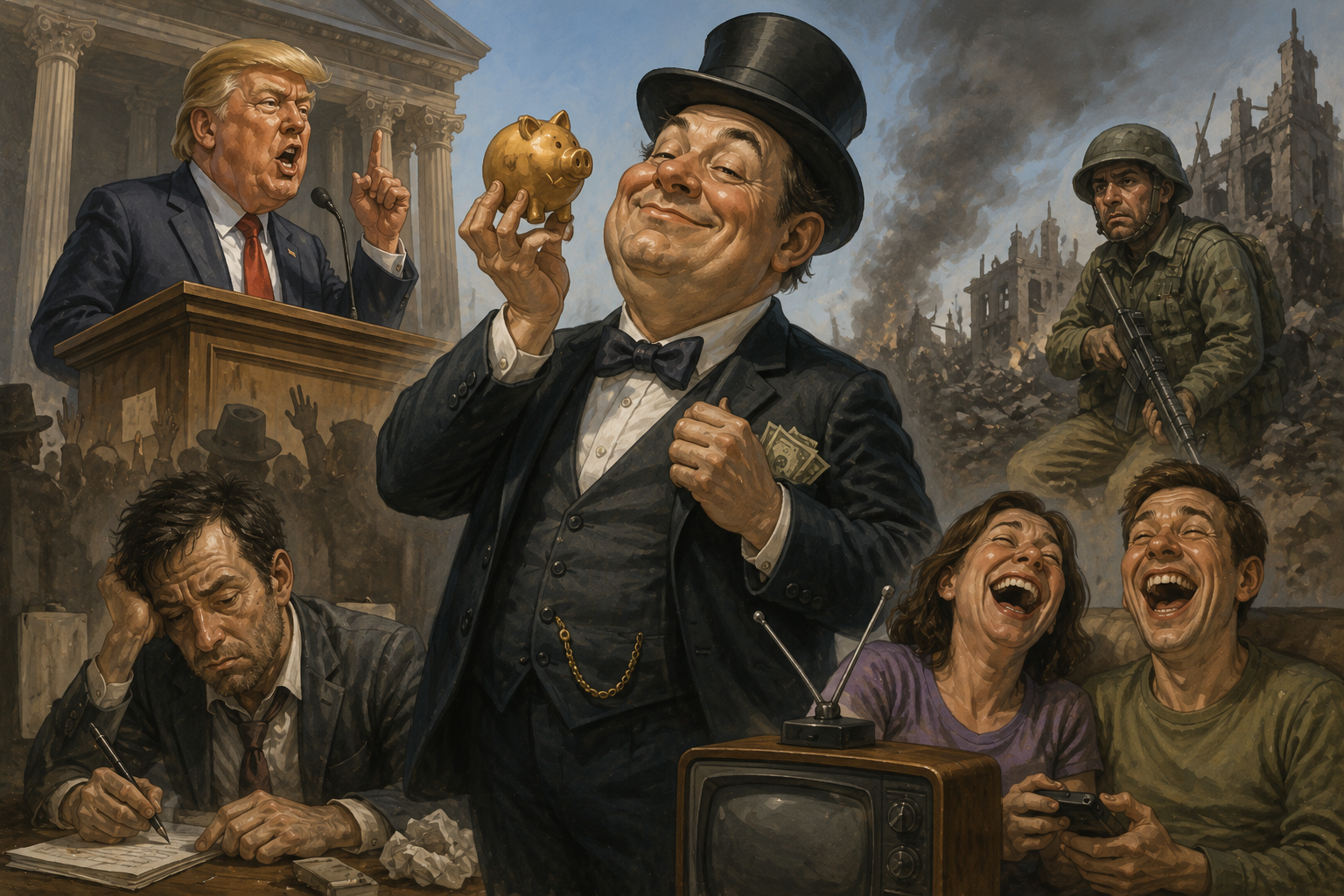
What Is Satire in Literature? Satire is writing that uses humor, irony, or exaggeration to point out flaws in people, society, politics, or human behavior.

It can make readers laugh, but its real goal is often serious. Satire asks us to notice what is wrong and think about why it matters.

In this Guide

Satire in Literature

What Is Satire in Literature? A Simple Definition

Satire is a literary tool that uses jokes with a purpose.

If someone asks, What Is Satire in Literature?, the clearest answer is this: satire makes fun of something in order to criticize it. The target might be a person, a law, a belief, or a social habit.

Satire is not the same as simple comedy. Comedy may exist just to entertain. Satire entertains, but it also pushes readers to see a problem.

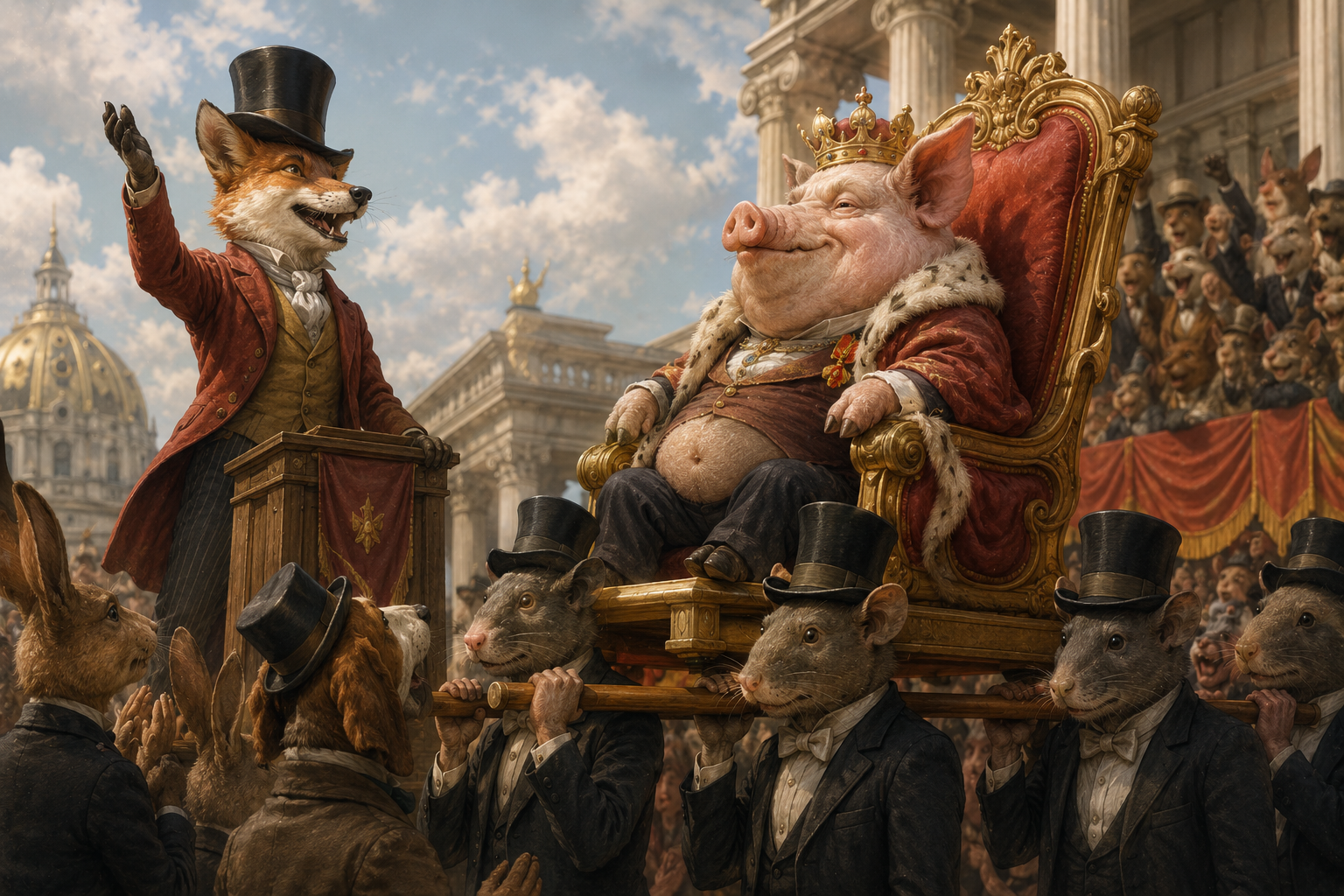
For example, a writer may create a foolish king to show that a real government is corrupt. The story may feel funny, but the message can be sharp.

What Is Satire in Literature? Why It Matters

Satire matters because it helps writers speak truth in a clever way.

In many time periods, writers could not openly attack leaders or social systems. Satire gave them a safer path. They could hide criticism inside jokes, fantasy, or strange events.

Satire also makes readers active. You have to ask, “What is the writer really saying?” That makes satire useful in high school, AP Literature, and college classes.

When students ask, What Is Satire in Literature?, they are really asking how writers use humor to reveal truth. That skill helps with close reading and essay writing.

If you want to study satire beside other terms, this literary devices list is a helpful place to start.

How Satire Works in a Story

Satire often works by making a problem look strange, silly, or extreme.

Writers may use irony, which means the real meaning is different from what appears on the surface. A character may praise a bad law so much that readers realize the law is foolish.

Writers may also use exaggeration. They make a flaw larger than life so readers cannot miss it.

Another common tool is parody. A parody copies the style of something familiar, but changes it to expose its weak points.

So, What Is Satire in Literature? It is not just “being funny.” It is humor with a target and a reason.

Famous Examples of Satire in Literature

Some of the most famous books in English use satire to question power and human weakness.

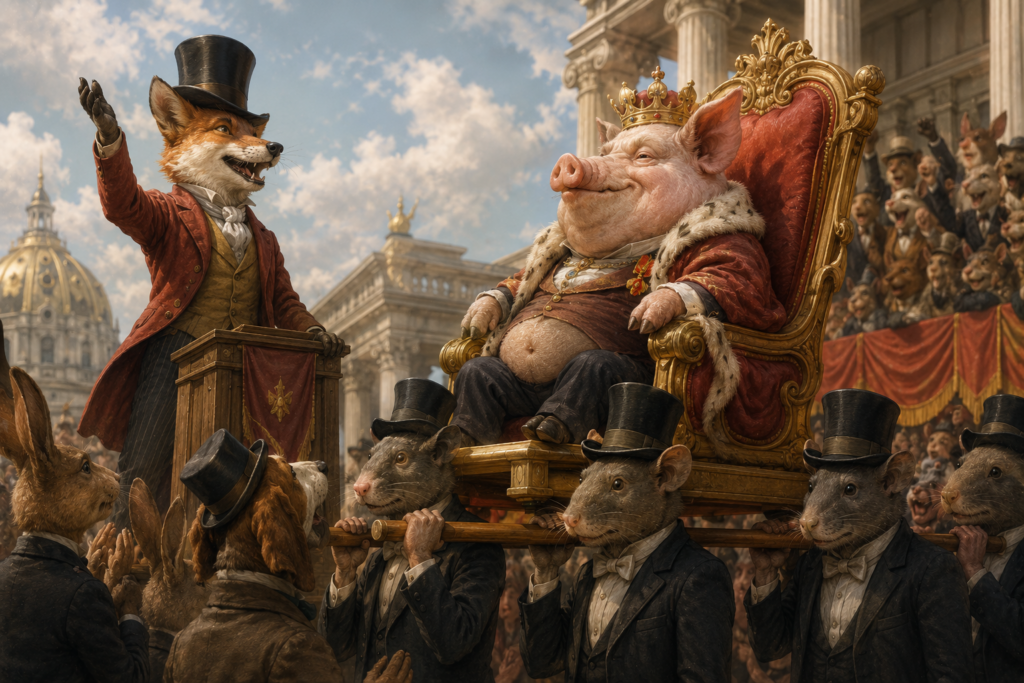
Animal Farm by George Orwell is one of the clearest examples. The novel uses farm animals to criticize political corruption and the abuse of power. The story seems simple, but its message is serious.

Gulliver’s Travels by Jonathan Swift also uses satire. Gulliver visits strange lands, but those strange places reflect real problems in politics, science, and human pride.
Swift’s essay “A Modest Proposal” is a darker example. He uses shocking irony to attack the cruel treatment of poor people in Ireland. The essay does not mean what it seems to say, which is why it is often taught as classic satire.
The Importance of Being Earnest by Oscar Wilde satirizes social manners and class. The characters care deeply about names, image, and status. Wilde makes their world funny so readers can see how shallow it is.

For a broader overview of satire as a genre, you can visit Britannica’s article on satire.
image-slider-with-thumbnail1.jpeg
PlayPause
previous arrow
next arrow
image-slider-with-thumbnail1.jpeg
image-slider-with-thumbnail3.jpeg
image-slider-with-thumbnail4.jpeg
ChatGPT Image Jun 27, 2026, 06_33_13 PM
ChatGPT Image Jun 27, 2026, 06_36_37 PM
ChatGPT Image Jun 27, 2026, 06_38_39 PM
ChatGPT Image Jun 27, 2026, 06_31_22 PM
image-slider-with-thumbnail7.jpeg
ChatGPT Image Jun 27, 2026, 06_29_43 PM
ChatGPT Image Jun 27, 2026, 06_27_44 PM
image-slider-with-thumbnail6.jpeg
ChatGPT Image Jun 27, 2026, 06_15_07 PM
image-slider-with-thumbnail5.jpeg
ChatGPT Image Jun 27, 2026, 06_22_43 PM
ChatGPT Image Jun 27, 2026, 06_25_37 PM
ChatGPT Image Jun 27, 2026, 06_19_43 PM
ChatGPT Image Jun 27, 2026, 06_12_00 PM
ChatGPT Image Jun 27, 2026, 06_08_50 PM
ChatGPT Image Jun 26, 2026, 04_54_23 PM
ChatGPT Image Jun 27, 2026, 05_53_51 PM
ChatGPT Image Jun 28, 2026, 08_35_55 AM
previous arrow
next arrow

What Is Satire in Literature? Common Types to Know

Satire can take different forms, but the main goal stays the same.

Horatian satire is light and playful. It gently mocks human foolishness. This type may make readers smile before they notice the criticism.

Juvenalian satire is darker and more direct. It attacks serious problems like greed, injustice, or cruelty.

Menippean satire often targets ideas, beliefs, or attitudes. It may feel strange, bold, or mixed in style.

When you ask, What Is Satire in Literature?, it helps to know which type you see. A gentle joke and a harsh attack can both be satire, but they create different effects.

How to Spot Satire While Reading

Satire becomes easier to notice when you look for a mismatch.

Ask yourself what seems too foolish, too perfect, or too extreme. If a scene feels funny but also uncomfortable, satire may be at work.

Look for the target. Who or what is being criticized? The target might be a character, a social rule, a government, or a common belief.

Then look for the tone. Is the writer playful, angry, calm, or bitter? Tone can tell you how serious the criticism is.

For more tools that can help with this kind of reading, check out this guide to common literary devices.

What Is Satire in Literature? A Quick Classroom Example

Satire often appears in school texts because it rewards close reading.

Imagine a story about a town where everyone must wear giant hats to prove they are smart. The bigger the hat, the smarter the person is supposed to be.

At first, this sounds silly. But the story might be satirizing people who care more about status than real wisdom.

That is the heart of the answer to What Is Satire in Literature? A writer creates something funny or strange so readers can see a real-world problem more clearly.

Books That Show Satire Clearly

These books are useful if you want to see satire in action.

  • Animal Farm by George Orwell
  • Gulliver’s Travels by Jonathan Swift

Both books are widely taught and easy to connect to major themes like power, pride, and corruption.

Practical Tip for Analyzing Satire

Use one simple question as you read: What is the writer making fun of, and why?

Once you find the target, look for the method. Is the writer using irony, exaggeration, parody, or a strange situation?

Then connect the joke to the message. A strong satire essay does not just say, “This is funny.” It explains what the humor reveals.

FAQ: What Is Satire in Literature?

What Is Satire in Literature?

Satire is writing that uses humor, irony, or exaggeration to criticize human flaws, social problems, or political issues.

Is satire always funny?

No. Satire can be funny, but it can also feel dark, bitter, or shocking. Its main goal is criticism.

What is the difference between satire and sarcasm?

Sarcasm is often a sharp remark. Satire is a larger form of criticism that can shape a whole poem, play, essay, or novel.

Why do authors use satire?

Authors use satire to expose problems in a way that grabs attention. It can make serious ideas easier to notice and harder to ignore.

Key Takeaway

What Is Satire in Literature? It is humor with a purpose. Satire makes readers laugh, think, and question the world around them.

Catch-22 Quotes Explained: Important Passages for Essay Writing

catch-22 quotes

Joseph Heller’s Catch-22 turns war into a maze where rules sound logical but feel ridiculous. This guide to Catch-22 quotes explained helps students understand key lines, major themes, and smart ways to use them in essays.

In this Guide

Use this quick map to find the passage help you need.

  • Why Catch-22 still matters
  • The quote that explains the trap
  • Satire, fear, and survival
  • Power and absurd rules
  • How to use quotes in essays
  • Related books
  • FAQ
catch-22 quotes

Catch-22 Quotes Explained: Why the Novel Still Matters

Heller uses comedy to show a world where common sense has failed.

Catch-22 is a war novel, but it is also a book about language. People in power use words to hide harm. That is why Catch-22 quotes explained often focus on rules that sound fair but trap people.

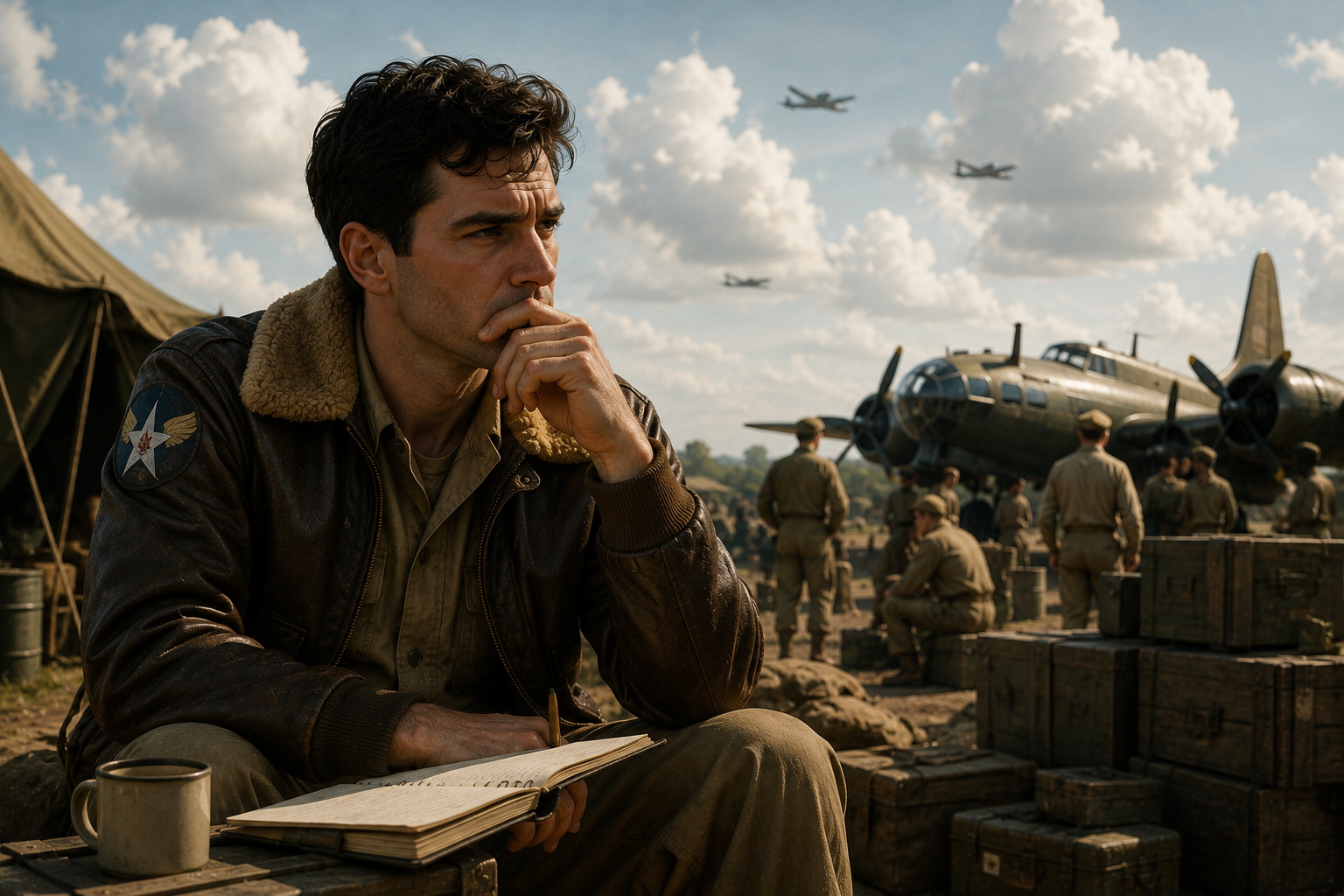
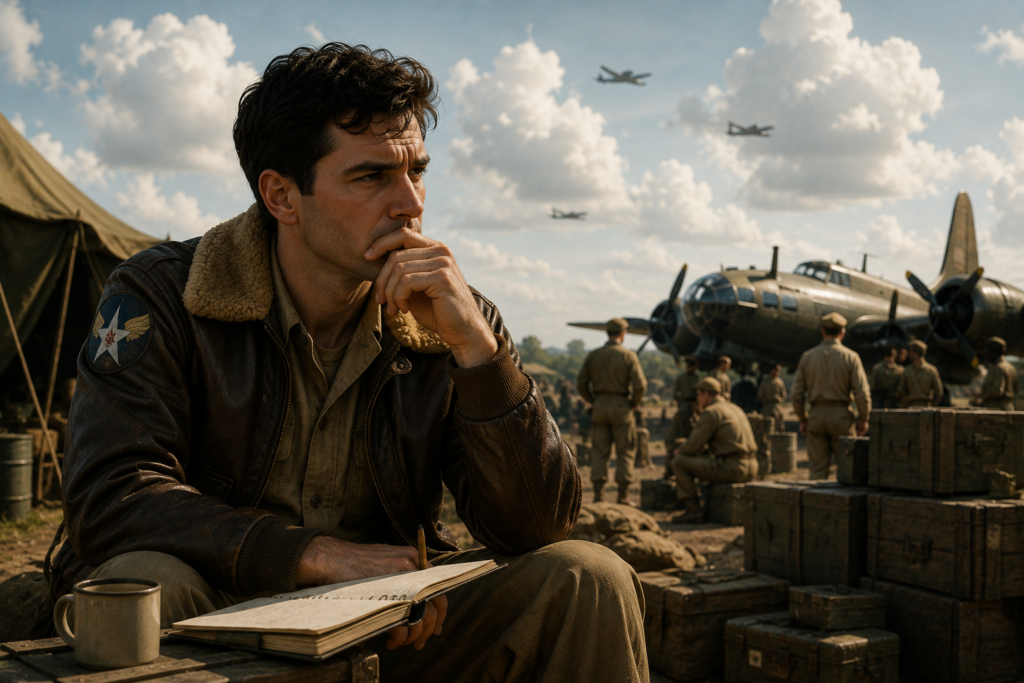
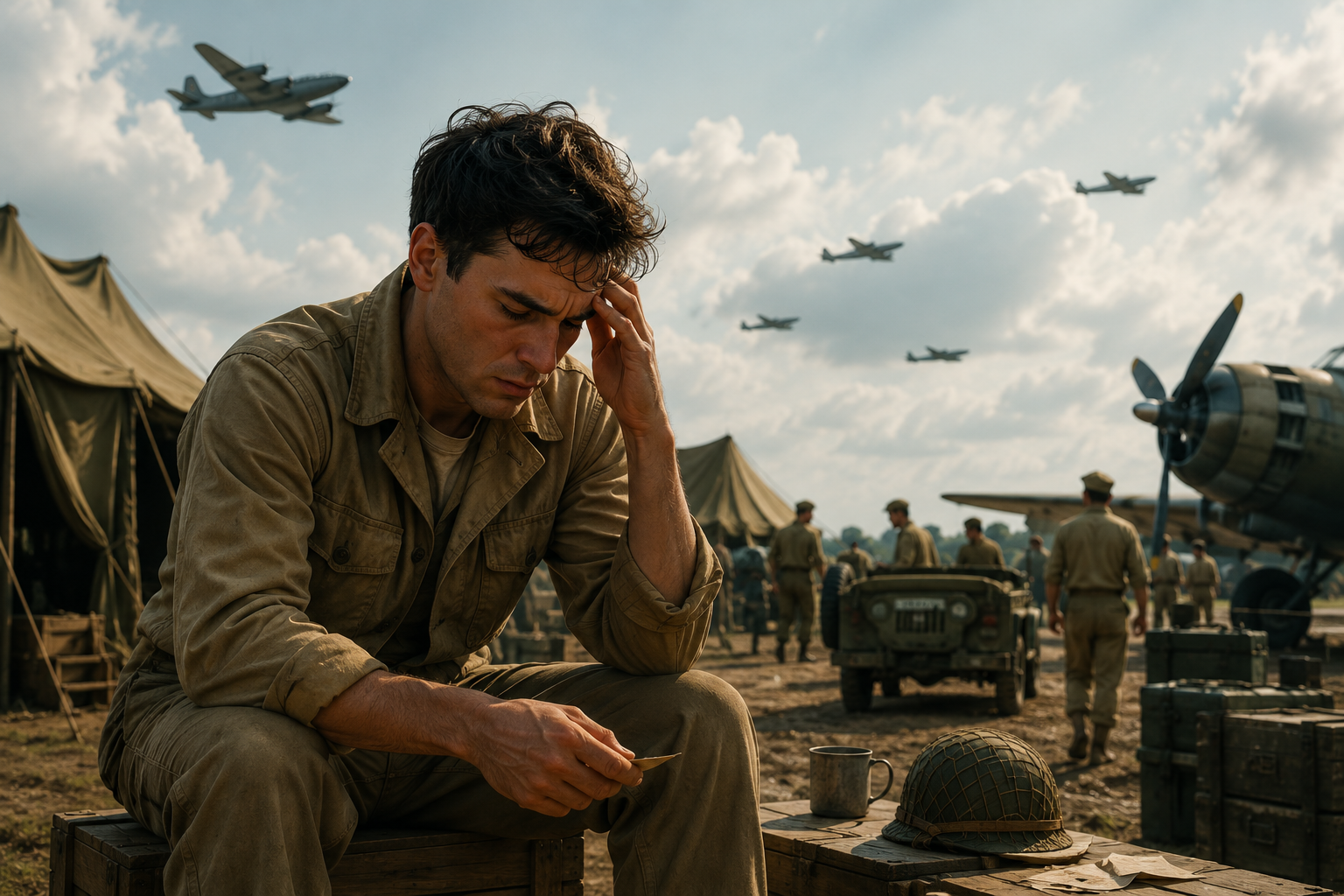
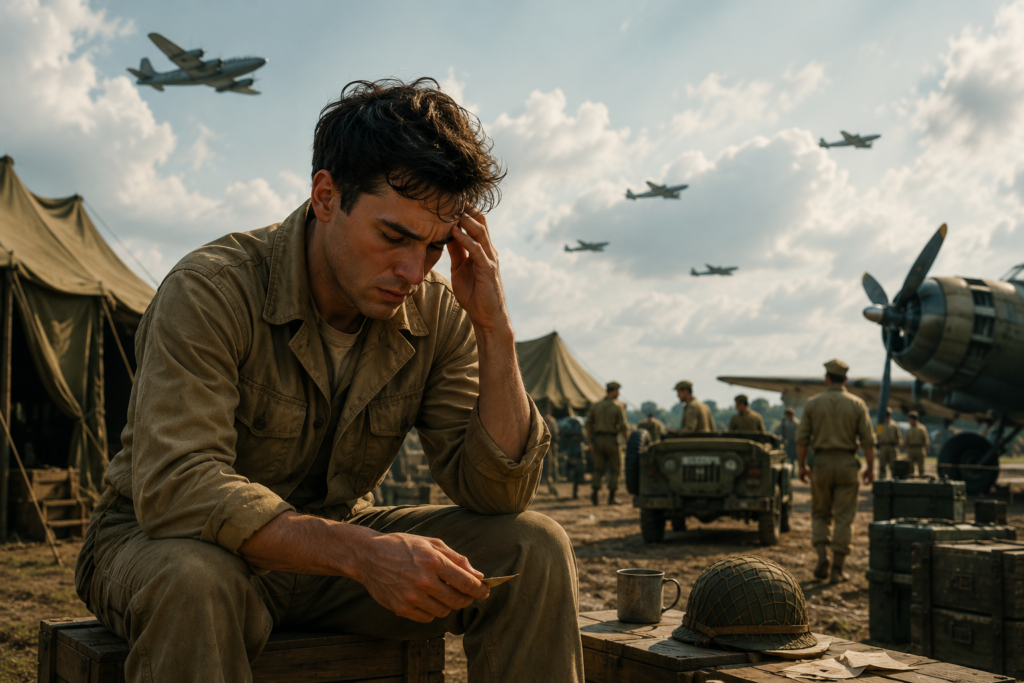
The novel follows Yossarian, a U.S. Army Air Forces bombardier in World War II. He wants to stay alive, but the system keeps sending him back into danger.

For helpful background, see Britannica’s overview of Catch-22.

Catch-22 Quotes Explained: The Rule That Traps Yossarian

This short line names the central problem of the whole novel.

There was only one catch and that was Catch-22.

This quote matters because it shows the book’s main idea: the rule is built so no one can escape it. If a pilot asks to stop flying because he fears death, that fear proves he is sane. Since he is sane, he must keep flying.

If he does not fear death, he may be not be sane, but he will not ask to be removed. The logic folds in on itself.

Catch-22 quotes explained often point to this moment because it turns a military rule into a symbol. Today, people use the term catch-22 for any situation where every choice leads back to the same trap.

In an essay, you could argue that Heller uses circular logic to attack systems that protect themselves instead of people. This is similar to George Orwell’s 1984, where official language twists truth until lies sound normal.

Catch-22 Quotes Explained: Why the Joke Feels So Dark

The humor works because the situation is not funny for the men inside it.

That’s some catch, that Catch-22.

This line sounds casual, but it points to something cruel. The speaker sees the trap, understands it, and still cannot change it.

That is one reason the novel’s comedy is powerful. Heller does not use jokes to soften war. He uses jokes to show how strange and brutal war can feel.

For students, this passage is useful for writing about satire. Satire uses humor to expose a flaw in society. You can read more about the term in Britannica’s guide to satire.
Catch-22 Quotes Explained: Satire and War

Heller challenges the idea that war always creates clear heroes and clear enemies.

The enemy is anybody who’s going to get you killed.

This quote flips the usual war story. The enemy is not only the opposing side. For Yossarian, the enemy can also be anyone who treats his life as expendable.

That idea makes the novel feel more personal. Yossarian is not trying to be noble. He is trying to survive.

Catch-22 quotes explained in this way can help students write about moral confusion. The novel asks a hard question: what happens when a soldier fears his own leaders as much as the official enemy?

A strong comparison is Erich Maria Remarque’s All Quiet on the Western Front. Both books show how soldiers may feel trapped by commands, pride, and empty slogans.

image-slider-with-thumbnail1.jpeg
PlayPause
previous arrow
next arrow
image-slider-with-thumbnail1.jpeg
image-slider-with-thumbnail3.jpeg
image-slider-with-thumbnail4.jpeg
ChatGPT Image Jun 27, 2026, 06_33_13 PM
ChatGPT Image Jun 27, 2026, 06_36_37 PM
ChatGPT Image Jun 27, 2026, 06_38_39 PM
ChatGPT Image Jun 27, 2026, 06_31_22 PM
image-slider-with-thumbnail7.jpeg
ChatGPT Image Jun 27, 2026, 06_29_43 PM
ChatGPT Image Jun 27, 2026, 06_27_44 PM
image-slider-with-thumbnail6.jpeg
ChatGPT Image Jun 27, 2026, 06_15_07 PM
image-slider-with-thumbnail5.jpeg
ChatGPT Image Jun 27, 2026, 06_22_43 PM
ChatGPT Image Jun 27, 2026, 06_25_37 PM
ChatGPT Image Jun 27, 2026, 06_19_43 PM
ChatGPT Image Jun 27, 2026, 06_12_00 PM
ChatGPT Image Jun 27, 2026, 06_08_50 PM
ChatGPT Image Jun 26, 2026, 04_54_23 PM
ChatGPT Image Jun 27, 2026, 05_53_51 PM
ChatGPT Image Jun 28, 2026, 08_35_55 AM
previous arrow
next arrow

Short Quotes About Fear and Survival

Some of the novel’s shortest lines show Yossarian’s deepest conflict.

They’re trying to kill me.

Other characters may treat Yossarian as odd or selfish, but this line has a clear logic. In war, people really are trying to kill him.

The power of the quote comes from its double meaning. Yossarian sounds paranoid, yet he is also right.

This is useful in an essay about dramatic irony. Readers can see that Yossarian’s fear is not simple cowardice. It is a sane response to an out-of-control situation.

It was love at first sight.

This famous opening line sounds like it belongs in a romance. Heller uses it to set a strange tone right away.

The line pulls readers in with a familiar phrase, then the novel quickly bends that expectation. That shift prepares us for a story where serious events arrive in absurd forms.

Catch-22 Quotes Explained: Power, Paperwork, and Absurd Rules

The novel often shows power as a system of forms, orders, and excuses.

Many important moments in Catch-22 are not about battle scenes. They are about rules no one can question.

Officers raise the number of required missions. Men are moved around by paperwork. People speak in official language that hides pain.

Catch-22 quotes explained through this lens can support an essay about bureaucracy. In the novel, paperwork can become more powerful than human life.

If you need help turning an idea like this into a full paragraph, use our guide on how to write a literary analysis essay.

How Students Can Use Catch-22 Quotes Explained in Essays

A good quote does not explain itself. Your job is to connect it to a claim.

The best Catch-22 quotes explained in essays follow a simple pattern. First, make a point about the novel. Then give brief context for the passage. After that, explain the words that matter most.

For example, do not just place the line about Catch-22 into a paragraph. Explain how the rule traps Yossarian and protects the system from blame.

A strong sentence might look like this:

Heller uses the rule of Catch-22 to show how authority can make injustice look logical.

Then you can use a short quote as proof and explain how the wording supports your point.

For more practice, try our literary analysis essay planner as you build your thesis and quote notes.

Essay Angles for Catch-22 Quotes Explained

These ideas can help you move from quote notes to a clear argument.

  • Absurdity: Heller shows a world where logic works against human needs.
  • Survival: Yossarian’s fear reveals the true cost of war.
  • Language: Official words hide violence and guilt.
  • Satire: Humor exposes systems that value control over life.

One possible thesis is: In Catch-22, Joseph Heller uses circular rules and dark humor to show that war can make sanity look like rebellion.

That kind of claim gives you room to discuss tone, character, and theme without just summarizing the plot.

Books to Read After Catch-22

These works connect well with Heller’s themes of war, fear, and broken systems.

  • Slaughterhouse-Five by Kurt Vonnegut
  • The Things They Carried by Tim O’Brien

Both books pair well with Catch-22 quotes explained because they also question heroic stories about war.

FAQ

Here are quick answers to common student questions about the novel.

What is the most important quote in Catch-22?

The line about there being only one catch is the most important. It explains the trap at the center of the novel.

Why is Catch-22 hard to understand?

The novel is not told in a simple order. It also uses absurd humor, so readers must look past the jokes to see the fear underneath.

Can I use short quotes from Catch-22 in an essay?

Yes. Use short quotes, give context, and explain how the words support your claim.

What themes should I connect to Catch-22 quotes explained?

Strong themes include absurdity, survival, power, and the way language can hide truth.

Key Takeaway

Catch-22 uses sharp humor to reveal a serious truth: when rules protect power instead of people, sanity can look like disobedience.

Themes in Catch-22: A Student-Friendly Guide

catch-22 themes

The themes in Catch-22 can feel funny at first, then darker as the novel moves on. Joseph Heller uses war, strange rules, and sharp satire to ask what happens when people get trapped inside systems that no longer care about human life.

In this Guide

Use these sections to track the novel’s biggest ideas as you read.

  • War as absurd theater
  • Bureaucracy and trap logic
  • Fear and survival under pressure
  • Symbolism in the novel
  • Why the book still matters
  • Books for more context
  • FAQ
catch-22 themes

Themes in Catch-22: War as Absurd Theater

Heller presents war as confusing, cruel, and often ridiculous.

This is one of the sharpest themes in Catch-22 because the novel refuses to treat war as noble or neat. The men fly dangerous missions, but the leaders often care more about promotion than safety.

Yossarian wants to live. That simple wish puts him at odds with a military system that calls fear a weakness, even when fear makes sense.

The humor matters. Heller uses jokes to show how strange the world has become. A scene may seem silly, but the danger behind it is real.

Kurt Vonnegut does something similar in Slaughterhouse-Five. Both novels use absurd situations to show that war can break normal ideas of order and meaning.

Themes in Catch-22: Bureaucracy and Trap Logic

The famous catch is a rule that traps people by pretending to offer a choice.

Among the themes in Catch-22, bureaucracy may be the most famous. A soldier can be grounded if he is insane, but if he asks to be grounded, that request proves he is sane.

That logic makes escape impossible. The rule protects the system, not the person.

Heller shows how official language can hide cruelty. Orders sound proper, but they often erase basic moral sense.

This theme fits well beside Franz Kafka’s The Trial. In both works, people face systems that speak with authority but make little human sense.

Themes in Catch-22: Fear and Survival Under Pressure

Yossarian’s fear is not a flaw. It is part of his moral vision.

These themes in Catch-22 become personal through Yossarian’s fight to stay alive. He does not want medals or praise. He wants the right to stop risking his life for leaders who keep raising the number of missions.

The novel asks a hard question: is it cowardly to refuse death, or is it honest?

Yossarian’s fear also helps him see the truth. He understands that patriotic language can be used to pressure people into silence.

In Tim O’Brien’s The Things They Carried, fear also shapes how soldiers act and remember. Both books show that courage is more complex than brave talk.

Moral Responsibility in a Broken System

The novel asks whether a person can stay decent inside an indecent machine.

Catch-22 is full of people who follow rules without asking what those rules do. Some officers act as if paperwork matters more than pain.

Yossarian is not perfect, but he keeps asking moral questions. That matters because the system around him rewards people who stop asking.

Milo Minderbinder is one of the clearest examples. His business empire turns everything into profit, even when people suffer.

This is where the book’s satire cuts deep. Heller does not just mock foolish people. He shows how ambition can crush conscience.

How the Themes in Catch-22 Work Through Symbolism

Objects, repeated phrases, and strange scenes help the novel’s deeper ideas stand out.

The themes in Catch-22 often appear through symbols, not speeches. The rule of Catch-22 itself becomes a symbol of any system that traps people with circular logic.

The hospital can also be read as a symbol. It is a place where soldiers may escape combat for a short time, but even there, the war’s pressure remains close.

Yossarian’s missions are more than plot events. Each new mission count shows how a goal can become cruel when power has no limit.

If you want help with this skill, see our guide on how to find symbolism in a story. It can help you connect small details to larger themes.

image-slider-with-thumbnail1.jpeg
PlayPause
previous arrow
next arrow
image-slider-with-thumbnail1.jpeg
image-slider-with-thumbnail3.jpeg
image-slider-with-thumbnail4.jpeg
ChatGPT Image Jun 27, 2026, 06_33_13 PM
ChatGPT Image Jun 27, 2026, 06_36_37 PM
ChatGPT Image Jun 27, 2026, 06_38_39 PM
ChatGPT Image Jun 27, 2026, 06_31_22 PM
image-slider-with-thumbnail7.jpeg
ChatGPT Image Jun 27, 2026, 06_29_43 PM
ChatGPT Image Jun 27, 2026, 06_27_44 PM
image-slider-with-thumbnail6.jpeg
ChatGPT Image Jun 27, 2026, 06_15_07 PM
image-slider-with-thumbnail5.jpeg
ChatGPT Image Jun 27, 2026, 06_22_43 PM
ChatGPT Image Jun 27, 2026, 06_25_37 PM
ChatGPT Image Jun 27, 2026, 06_19_43 PM
ChatGPT Image Jun 27, 2026, 06_12_00 PM
ChatGPT Image Jun 27, 2026, 06_08_50 PM
ChatGPT Image Jun 26, 2026, 04_54_23 PM
ChatGPT Image Jun 27, 2026, 05_53_51 PM
ChatGPT Image Jun 28, 2026, 08_35_55 AM
previous arrow
next arrow

Why the Themes in Catch-22 Still Matter

The novel still speaks to students because its conflicts are not limited to World War II.

Many readers know what it feels like to face rules that make no sense. Heller turns that feeling into a full moral and comic world.

The book also warns us about language. When leaders use polished words to excuse harm, people must learn to listen closely.

For background on the novel and its place in American literature, read this Britannica overview of Catch-22. For wider World War II context, the National WWII Museum is also useful.

How to Write About This Novel in Class

A strong essay connects a theme to a pattern in the text.

Do not just say that the novel is about war or absurdity. Show how Heller builds that idea through scenes, dialogue, and repeated rules.

For example, you might trace how mission counts rise across the novel. That pattern proves that danger grows because leaders keep changing the terms.

You can also write about tone. The book’s comic style makes the horror feel even sharper because laughter and fear sit close together.

For extra support, pair this post with our student-friendly literature study resources.

Relevant Books to Search on Amazon or at Your Library

These books can help you build context for essays or class discussion.

  • Catch-22 by Joseph Heller
  • Slaughterhouse-Five by Kurt Vonnegut

FAQ

Here are quick answers to common student questions about the novel.

What is the main theme of Catch-22?

The main theme is the absurd cruelty of systems that protect themselves instead of people. The novel shows this through war, rules, and military power.

Why is the phrase Catch-22 important?

It names a trap where every option leads back to the same problem. In the novel, it shows how logic can be twisted to control people.

Is Catch-22 anti-war?

Yes, but it is also more than that. It attacks the mindset that treats human life as a tool for power or profit.

Why is the novel so funny if it is about serious topics?

Heller uses humor to reveal horror. The jokes make the madness easier to see, not less serious.

Key Takeaway

Catch-22 uses absurd humor to expose a serious truth: when systems value rules over people, survival itself can become an act of resistance.

Themes in The Adventures of Huckleberry Finn: A Student-Friendly Guide

Huckleberry Finn themes

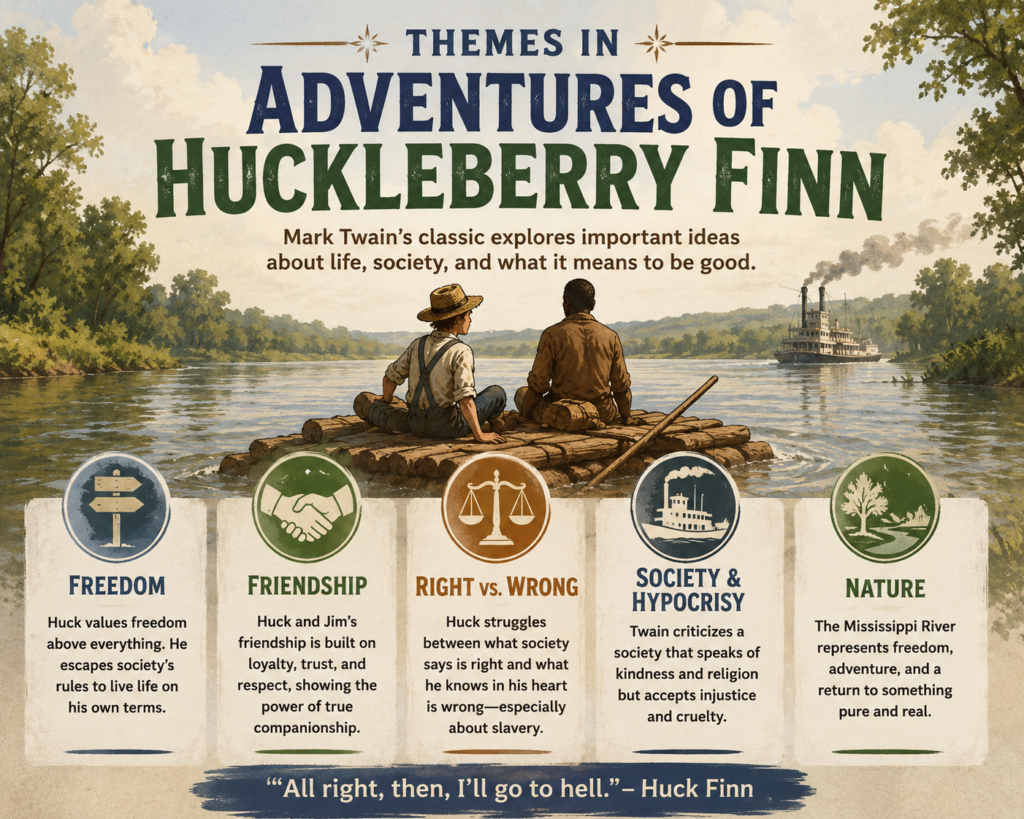
The Adventures of Huckleberry Finn can feel funny, strange, and painful all at once. The themes in The Adventures of Huckleberry Finn help students see how Mark Twain uses Huck’s journey to question slavery, racism, moral rules, and what it means to grow up.

This guide explains the major ideas in clear language, with examples you can use in class discussion or an essay.

In this Guide

Use these sections to review the novel’s key ideas and build stronger notes.

Huckleberry Finn themes

Why the themes in The Adventures of Huckleberry Finn matter

Twain’s novel is not just a river adventure. It is a sharp look at American life before the Civil War.

The themes in The Adventures of Huckleberry Finn matter because the book asks hard questions about right and wrong. Huck grows up in a world that teaches him slavery is normal, yet his own experience with Jim pushes him to doubt that belief.

This conflict makes the novel powerful, but also difficult. Twain uses satire, humor, and Huck’s plain voice to expose cruelty in society. The book also uses racist language that many readers find painful, so students should read it with care and context.

For background on Twain’s life and time period, the Britannica profile of Mark Twain is a useful starting point.

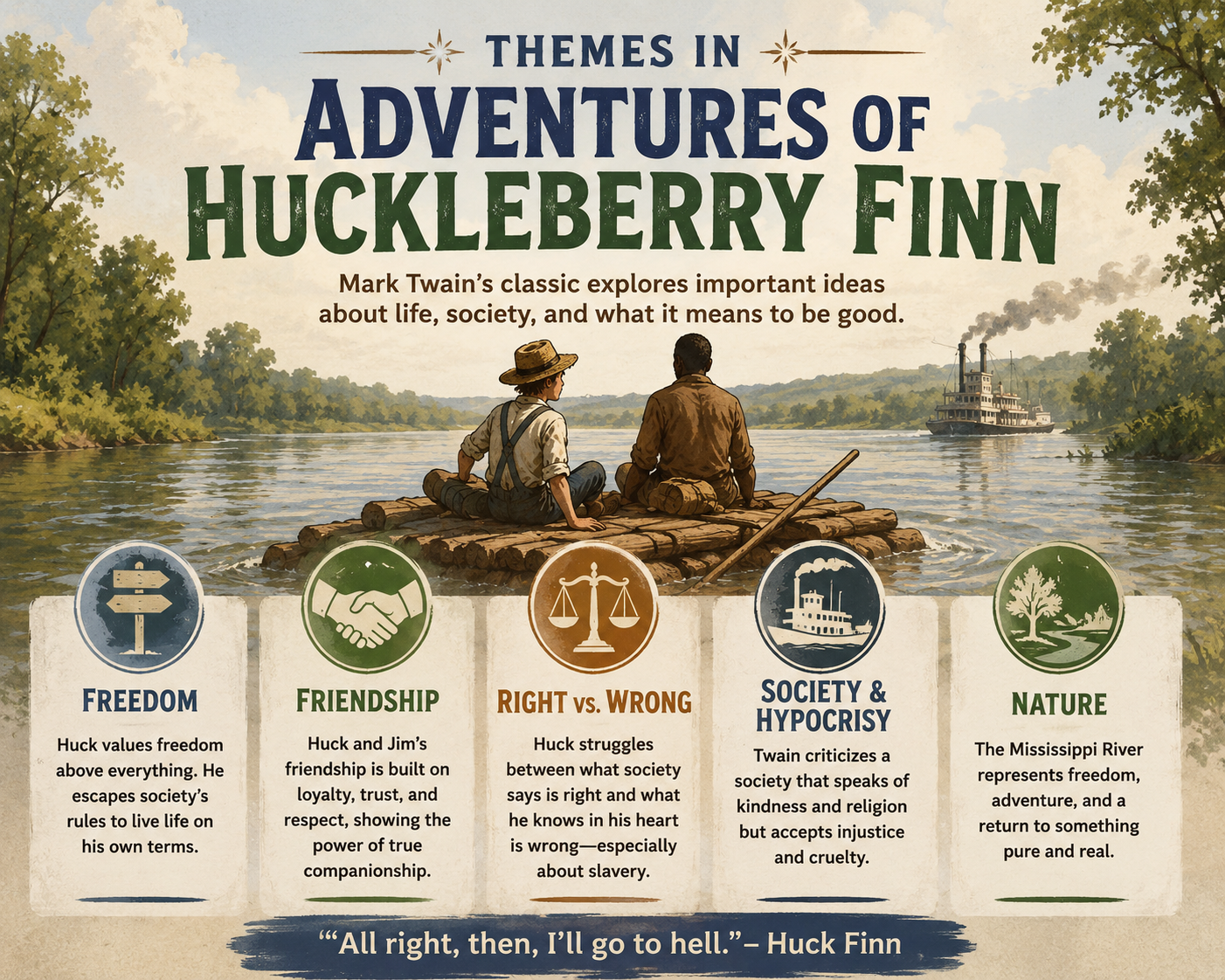
Major themes in The Adventures of Huckleberry Finn

The novel’s main themes work through Huck’s choices, Jim’s struggle, and the places they meet along the Mississippi River.

The themes in The Adventures of Huckleberry Finn often connect to one central question: should a person obey society or follow conscience? Huck’s answer changes as he learns to see Jim as a full human being, not as property.

Freedom and slavery

The most important theme is freedom. Jim seeks freedom from slavery. Huck seeks freedom from abuse, rules, and people who try to control him.

At first, Huck thinks of freedom as escape. He wants to avoid his father, school, and polite society. Jim’s freedom is far more serious because his life and family are at stake.
This difference matters. Twain shows that not all forms of escape are equal. Huck wants room to live his own way, while Jim fights a system that denies his humanity.

The river seems to offer freedom to both of them. On the raft, Huck and Jim form a bond that feels more honest than life on shore. Yet the river cannot fully protect them from slavery or racism.

Racism and dehumanization

The novel attacks a society built on racism, even though it also reflects racist language and ideas from its time. That tension makes the book hard to read and important to discuss.

Many white characters treat Jim as property. They talk about him as if he has no family, fear, or hope. Twain shows how ugly that mindset is by letting readers see Jim’s kindness and courage.

Jim cares for Huck, protects him from pain, and dreams of rejoining his family. These moments challenge the racist world around him.

Students should notice how Twain builds sympathy through action. Jim’s humanity is not shown through speeches. It is shown through care, loyalty, and sacrifice.

Conscience versus society

One of the strongest themes in The Adventures of Huckleberry Finn is the conflict between conscience and social rules. Huck has been taught that helping Jim escape is wrong.

His society tells him that the law supports slavery. His heart tells him that Jim is his friend. Huck must choose between what he has learned and what he knows from experience.

This theme appears most clearly when Huck decides not to betray Jim. He believes he may be doing something sinful, but he chooses loyalty over the values of his society.

Many works of literature use this same conflict. In Antigone by Sophocles, Antigone must choose between the king’s law and her duty to her brother. Like Huck, she faces a moral choice that society cannot solve for her.

Friendship and moral growth

Huck and Jim’s friendship changes Huck. At the start, Huck often repeats the racist ideas he has heard from others. Over time, he learns through shared danger and trust.

Jim becomes a father-like figure for Huck. He comforts him, watches over him, and treats him with more care than most adults in Huck’s life.

Huck’s moral growth does not happen in a neat way. He still has blind spots. Yet his bond with Jim teaches him to value human feeling over empty rules.

This makes the novel a coming-of-age story. Huck grows not because he becomes polite, but because he starts to reject cruelty.

Satire and social hypocrisy

Twain uses satire to mock people who appear civilized but act foolish or cruel. Many adults in the novel talk about religion, honor, and manners while they harm others.

The Grangerford and Shepherdson feud is a clear example. The families seem rich and refined, but they live by violence. Twain shows that social polish does not equal moral goodness.

The Duke and the King also reveal human weakness. They trick people for money and pretend to be noble. Their scams show how easily crowds can be fooled.

This theme still feels modern. Twain asks readers to look past nice words and judge people by their actions.

Childhood innocence and adult corruption

Huck sees the adult world from the outside. Because he is young, he notices lies that adults accept as normal.

He does not always understand the full meaning of events, but his plain voice helps readers see the truth. This gap between Huck’s view and the reader’s view creates irony.

Adults in the novel often fail to protect children. Pap is violent, judges make poor choices, and crowds act with little reason. Huck’s childhood is not safe, so the raft becomes a place of rare peace.

This theme connects to many coming-of-age novels. In To Kill a Mockingbird by Harper Lee, Scout also learns that adult society can be unfair and cruel.

Symbols that deepen the themes in The Adventures of Huckleberry Finn

Twain uses places and objects to make the novel’s ideas easier to feel.

The themes in The Adventures of Huckleberry Finn become clearer when you track the river, the raft, and the shore. These symbols help show the gap between freedom and social control.

The Mississippi River

The river often stands for freedom and movement. Huck and Jim can drift away from towns that judge or trap them.

Yet the river is not perfect freedom. It can be dangerous, and it leads them deeper into slave territory. Twain keeps the symbol complex so readers do not see escape as simple.

The raft

The raft is a small world where Huck and Jim can speak more honestly. It becomes a symbol of friendship and trust.

On the raft, Huck is not forced to play the role society gives him. Jim is not reduced to property in Huck’s eyes. Their life there is rough, but it is often more humane than life on shore.

The shore

The shore often represents society. Towns bring feuds, scams, mobs, and racist laws.

This pattern helps Twain criticize what people call civilization. The word sounds positive, but the shore often shows greed and violence.

How to write about themes in The Adventures of Huckleberry Finn

A strong essay should connect a theme to Huck’s choices and Twain’s larger criticism of society.

When you write about themes in The Adventures of Huckleberry Finn, avoid simple claims like the book is about freedom. Ask what Twain says about freedom. Is freedom possible in a racist society? Who gets freedom, and who is denied it?

A useful thesis might say: Twain uses Huck and Jim’s journey to show that true morality comes from sympathy, not from laws that support injustice.

Then prove the claim with scenes. You might discuss Huck’s decision not to betray Jim, the contrast between the raft and the shore, or the way Jim protects Huck.

If you need help turning notes into a full essay, read our guide on how to write a literary analysis essay.

For a quick review before class, you can also use our student theme review resource as a study companion.

Books to pair with your study of the novel

These books can help you understand Twain, the novel’s history, and the debate around the text.

  • The Adventures of Huckleberry Finn by Mark Twain
  • Mark Twain: A Life by Ron Powers
  • Was Huck Black? by Shelley Fisher Fishkin

Fishkin’s book is especially helpful for students who want to learn more about voice, race, and influence in Twain’s writing.

FAQ about themes in The Adventures of Huckleberry Finn

These quick answers can help you review before a quiz, seminar, or essay draft.

What are the main themes in The Adventures of Huckleberry Finn?

The main themes in The Adventures of Huckleberry Finn include freedom, racism, conscience, friendship, satire, and moral growth. The novel is most focused on how Huck learns to question the values of his society.

Why is conscience such an important theme?

Huck must choose between the law and his own sense of right and wrong. His choice to help Jim shows that moral feeling can be stronger than social pressure.

How does Twain use satire in the novel?

Twain mocks people who claim to be civilized but act cruelly. The feuding families and the con men both show how foolish and corrupt society can be.

Is the river a symbol of freedom?

Yes, but it is not simple. The river gives Huck and Jim space from society, yet it also carries them toward danger.

How can I pick a theme for an essay?

Choose one theme and connect it to a clear pattern in the novel. If you need structure, use this literary analysis essay guide to build your claim.

Key Takeaway

The best way to understand the novel is to watch Huck’s moral growth.

The themes in The Adventures of Huckleberry Finn show a young person learning that society can be wrong. Twain’s novel asks readers to question false morality and value human dignity over unjust rules.

error

Enjoy this article? Please spread the word :)

Follow by Email
BLUESKY
fb-share-icon
Reddit
LinkedIn
Share
RSS