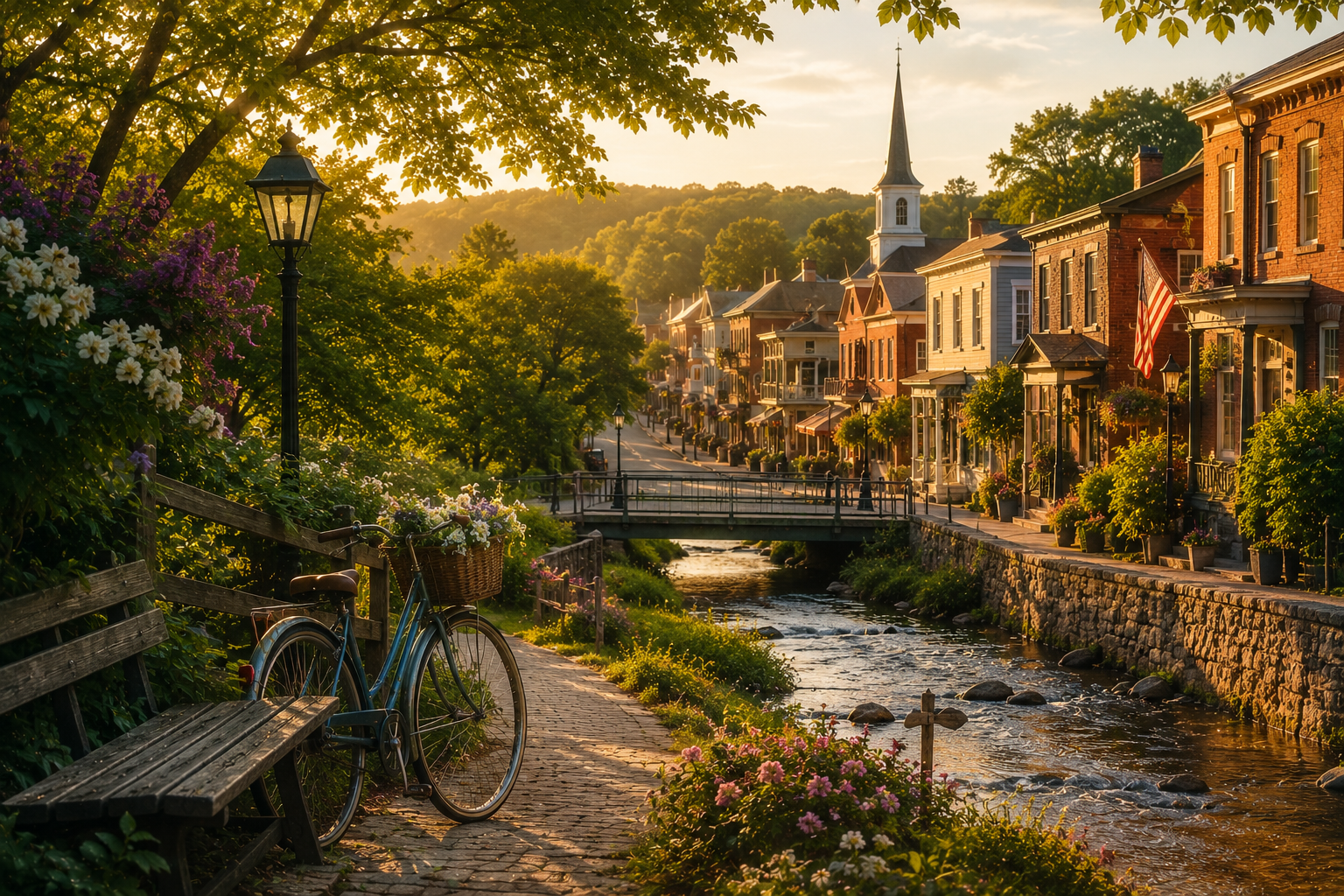
Most Beautiful Small Town Secrets: What Literature Teaches Us About Hidden Places

Small Town Secrets

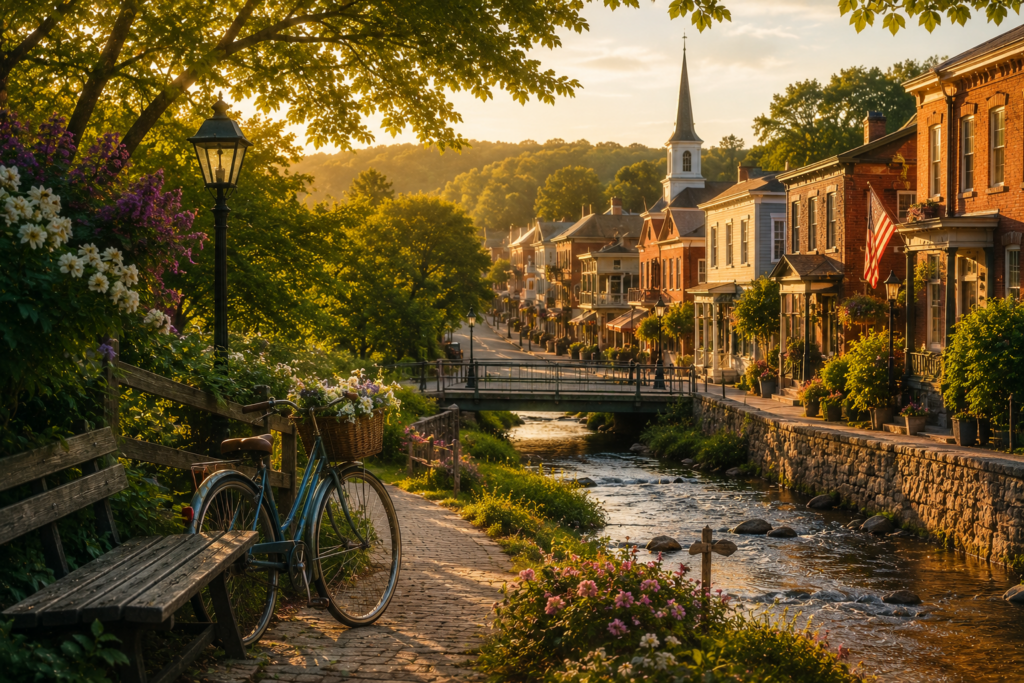
Most Beautiful Small Town Secrets are more than pretty streets, quiet porches, and local legends. In literature, they often reveal the private fears, hopes, and choices that shape a whole community.

Small towns can look peaceful from the outside, but stories show us what lives under the surface.

In this Guide

  • Why small town secrets matter in literature
  • Classic examples from famous books
  • Symbols and themes to watch for
  • Recommended books to read
  • FAQ for students and readers
Small Town Secrets

Why Most Beautiful Small Town Secrets Matter in Literature

Small towns make secrets feel personal because everyone seems to know everyone.

Writers use small towns to show how public life and private life can clash. A character may smile at church, wave at a neighbor, or sit in a classroom, yet hide pain that no one wants to see.

That is why Most Beautiful Small Town Secrets work so well in fiction. Beauty creates contrast. The town may look calm, but the story asks us to look closer.

This setting also helps students notice social pressure. In a small town, gossip can act like a law. Reputation can matter as much as truth.

Most Beautiful Small Town Secrets in Classic Literature

Many classic books use quiet towns to explore deep conflict.

In To Kill a Mockingbird by Harper Lee, Maycomb seems slow and familiar. Yet the town hides racism, fear, and moral courage. The beauty of childhood memories sits beside serious injustice.

In Winesburg, Ohio by Sherwood Anderson, the town is full of lonely people. Each person carries a private story. These Most Beautiful Small Town Secrets are not always shocking, but they are deeply human.

In Thornton Wilder’s Our Town, Grover’s Corners appears simple. The play shows daily life, family love, and the passing of time. Its secret is that ordinary life is more precious than people realize.

You can read more about Winesburg, Ohio through Britannica’s overview.

Symbols Behind Most Beautiful Small Town Secrets

Small town stories often use simple objects to carry deeper meaning.

A locked room may stand for shame. A garden may suggest hope. A main street may show the public face of the town, while a back road may reveal what people hide.

In Most Beautiful Small Town Secrets, houses often matter. A bright porch can seem warm, but it can also hide family tension. A broken fence can suggest a broken boundary between private life and public talk.

Weather also plays a strong role. Summer heat can build pressure. A storm can mark a moment when truth breaks through.

These symbols help readers see that setting is never just background. It can act like a mirror for the characters.

Key Themes in Most Beautiful Small Town Secrets

Small towns in literature often ask big moral questions.

One major theme is appearance versus reality. A town may seem safe, polite, or pure, but the plot reveals what people refuse to face.

Another theme is belonging. Characters may want to fit in, but the town’s rules can limit who they become. This is common in coming-of-age stories.

Memory is also important. Many small town stories look back at childhood, family history, or old choices. The past does not stay buried for long.

Emily Dickinson’s poetry is a helpful match here because she often finds mystery in small spaces and quiet moments. If you want a student-friendly guide, read how to read Emily Dickinson.

These books are strong choices for students who want rich settings and hidden conflict.

  • Winesburg, Ohio by Sherwood Anderson
  • To Kill a Mockingbird by Harper Lee

Winesburg, Ohio is best for readers who like linked stories and quiet sadness. It shows how one town can hold many private worlds.

To Kill a Mockingbird is best for readers who want a clear plot with moral conflict. It shows how small town life can protect old beliefs, even when those beliefs hurt people.

For poetry that captures hidden feeling in plain language, Emily Dickinson is also worth reading. The Poetry Foundation’s Emily Dickinson page gives helpful background.

How Students Can Read Small Town Secrets More Closely

Start by asking what the town wants people to believe.

Then ask what the story slowly reveals. Pay attention to who has power, who gets judged, and who stays silent.

Look for repeated places. A courthouse, school, cemetery, or front porch can tell you what the town values.

It also helps to track gossip. In many stories, gossip shows fear more than truth. It can reveal what the town refuses to discuss in public.

Why Most Beautiful Small Town Secrets Still Feel Modern

These stories still matter because every community has a public face.

Today, that public face may appear on social media, school websites, or local news. The idea is the same. People and places often show only part of the truth.

Most Beautiful Small Town Secrets remind us to read beyond first impressions. A pretty setting can hold grief, courage, love, and change.

FAQ About Most Beautiful Small Town Secrets

What does “Most Beautiful Small Town Secrets” mean in literature?

It refers to hidden truths inside peaceful or charming small town settings. These secrets often reveal conflict, pain, or moral growth.

Why do writers use small towns so often?

Small towns make relationships feel close and intense. A secret can affect the whole community.

What is a good book about small town secrets for students?

To Kill a Mockingbird is a strong choice because it connects setting, justice, and character growth in a clear way.

Are small town secrets always dark?

No. Some secrets reveal kindness, love, or hidden strength. The secret may be painful, but it can also lead to truth.

Key Takeaway

Most Beautiful Small Town Secrets show that quiet places can hold powerful stories. In literature, the smallest setting can reveal the biggest truths about people.


Flash Memoir Prompt: Last Time a Particular Season Felt the Way It Used to Feel

season prompt

A brief, sensory writing invitation for remembering the last time a season felt familiar, whole, and emotionally true in the way it once did.

Maybe it was the first cold night when the heat clicked on and the room smelled faintly dusty. Maybe it was a summer evening when the screen door slapped shut behind someone you loved. Or maybe it was autumn, and for one afternoon the light, the leaves, and the air all matched the version of the season you still carry from childhood.

This flash memoir prompt last time particular season felt familiar asks you to notice that strange moment when time folds. A season returns, but you know you are different. The weather may be the same. The feeling is what has changed.

season prompt

The Prompt

Write about the last time a particular season felt the way it used to feel.

This prompt works because seasons are more than weather. They hold routines, family patterns, school calendars, holidays, sports, chores, clothing, meals, and moods. A single season can store years of memory.

You do not have to explain your whole relationship with winter, spring, summer, or fall. Instead, choose one moment when a season briefly felt like its old self. The memory may be happy, lonely, ordinary, or mixed. What matters is that the feeling was sharp enough for you to remember it now.

Why This Memory Matters

Some seasons stop feeling the same after a move, a loss, a graduation, a divorce, a new job, or a change in health. Sometimes nothing dramatic happens. You just grow up, and one day December no longer feels like December used to feel.

This kind of memory can reveal a quiet before-and-after in your life. Maybe summer used to mean freedom, then became full-time work. Maybe spring used to mean softball games and wet grass, then became allergy medicine and bills. Maybe winter once meant everyone under one roof, until the roof changed.

A flash memoir prompt last time particular season felt old again can help you write about change without naming it too soon. You can begin with the smell of sunscreen, the sound of snow under boots, or the sight of your mother pulling a heavy coat from the hall closet. The meaning can arrive later.

Seasons can also act like symbols in memory. If you enjoy studying how ordinary details carry meaning, this guide on how to find symbolism in a story may help you see your own seasonal images with fresh eyes.

How to Approach This Prompt

Begin with a physical detail. Do not start by explaining the full history of the season. Start with what your body noticed first.

Was the air warm against your arms? Did the snow look blue at dusk? Did the house smell like cut grass, cinnamon, rain, lake water, or furnace dust? Let one detail open the door.

Next, narrow the memory to one scene. A scene has a place, a moment, and someone doing something. You might be sitting on a porch, walking home from school, standing in a grocery store aisle, or driving past a field at sunset.

Try writing the first few lines without explaining what the moment meant. Stay close to the action. Let the reader see what you saw before you tell them why it mattered.

For example, instead of starting with “Christmas never felt the same after my parents split up,” you might start with “My dad plugged in the colored lights, and half the strand went dark.” That small image can carry the larger truth.

If you are a student, you can treat your own memory the way you would treat a passage in class. Circle the strongest detail. Underline the line where the mood changes. This simple habit is close to the skills in how to annotate literature, except this time the text is your own life.

Keep the piece short. Flash memoir is not about saying everything. It is about choosing one bright piece of the truth and holding it still for a moment.

A Quick Example

The last summer that felt like summer was the year I was sixteen and my brother still lived at home. Every night after dinner, we rode our bikes to the corner store with quarters in our pockets. The air smelled like hot pavement and someone’s grill. He always bought grape soda, and I always said it was disgusting, even though I asked for a sip before we got back on our bikes. One night, we stayed out until the streetlights came on, then longer. No one called us. No one needed us. The whole neighborhood seemed to be breathing slowly. By the next summer, he had a job, a car, and a girlfriend. I still rode to the store once or twice, but grape soda just tasted purple.

Try It Yourself

Choose one season and one specific time it felt the way it used to feel. Do not worry if the memory seems small. A small scene can hold a large shift.

Set a timer for ten minutes. Begin with the detail that returns first. Write about where you were, what the air felt like, and what made the moment feel familiar. Then add the small truth underneath it: what had changed, what had ended, or what you wished could stay.

If the writing turns sad, let it. If it turns funny, follow that too. The season may have felt familiar for only five minutes, but five honest minutes can be enough for a strong flash memoir.

Return to the focus of this flash memoir prompt last time particular season felt like itself, and ask one final question: what did that season give me back, even briefly?

Want More Flash Memoir Prompts?

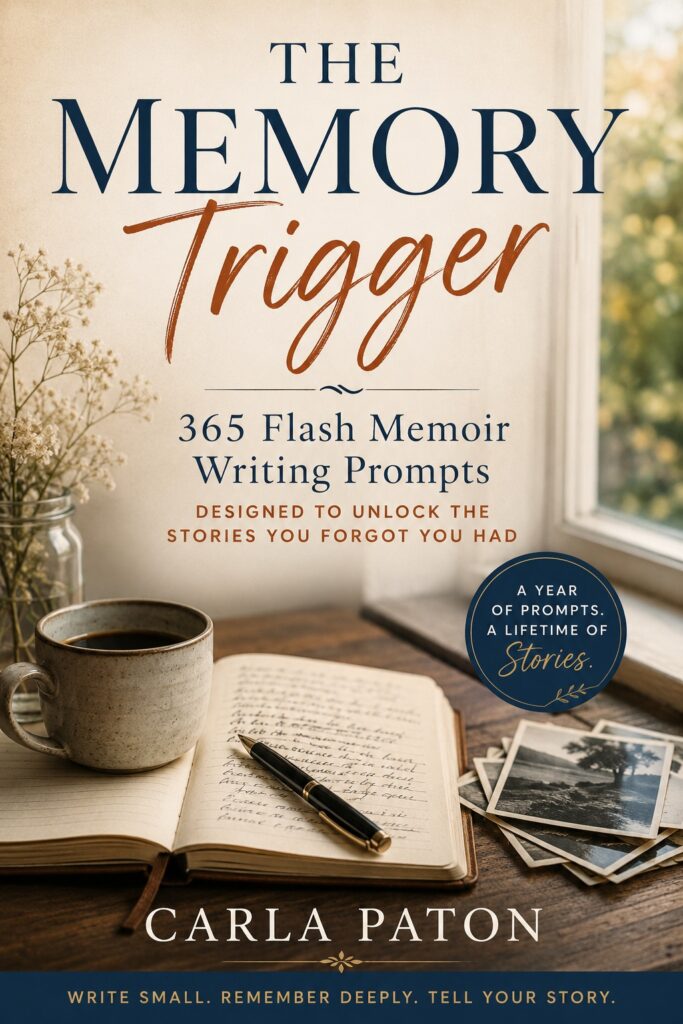
Explore all 365 prompts in The Memory Trigger: 365 Flash Memoir Writing Prompts. Use them one at a time whenever you want a short, focused way to turn real memories into meaningful writing.

The Memory Trigger

Flash Memoir Prompt: Last Time You Visited a Place that No Longer Exists

memoir place

A brief writing invitation for returning to a vanished place through one sharp memory, a few sensory details, and the feeling you did not understand at the time.

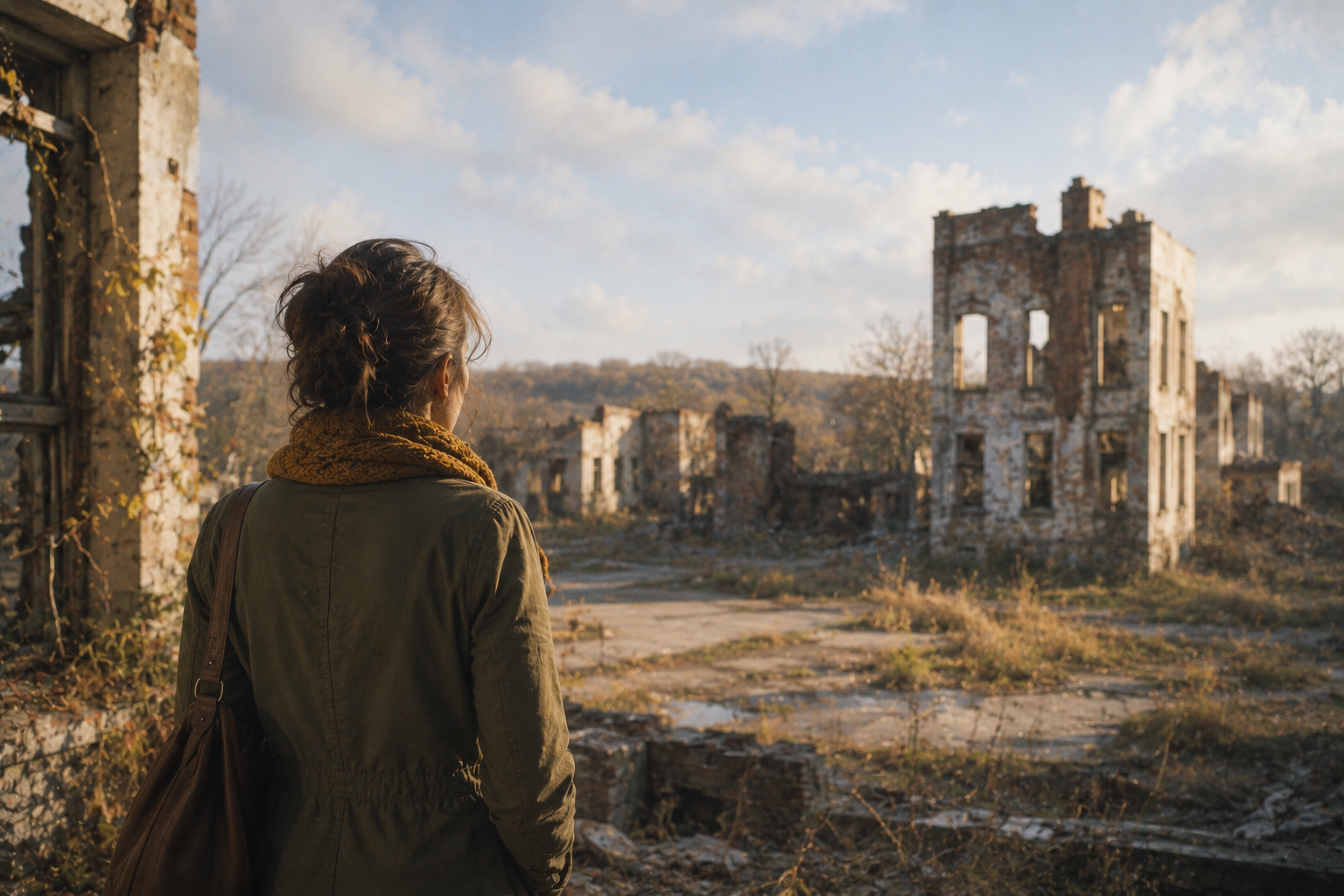
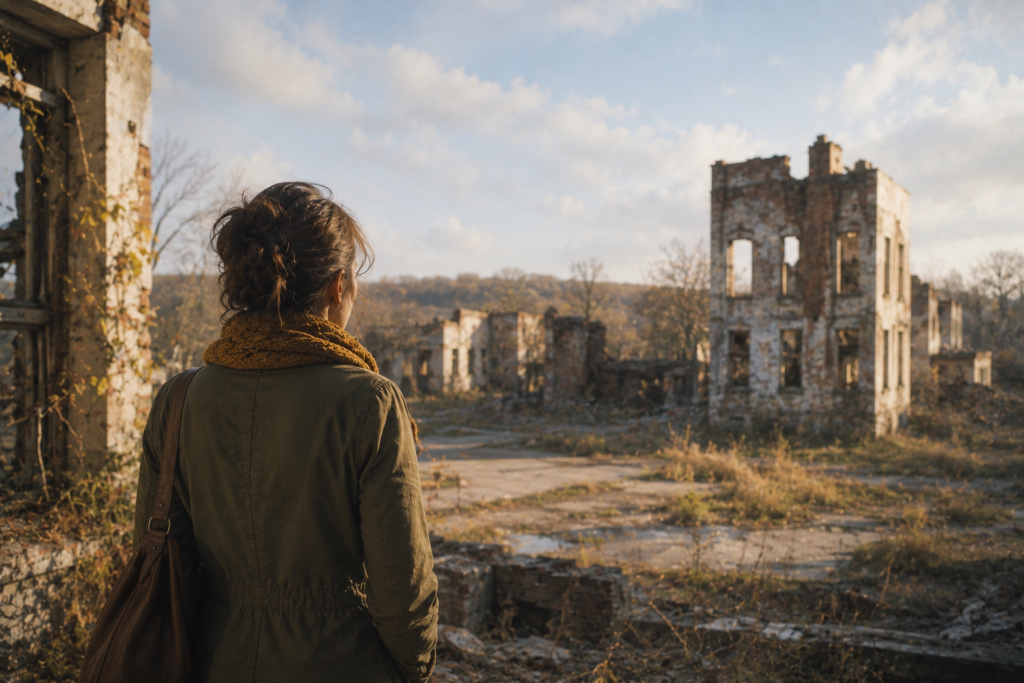
You know the strange little shock of driving past a familiar corner and seeing something else there. The diner is now a pharmacy. The school has been torn down. The apartment building where your grandmother lived has become a parking lot with fresh white lines. For a second, your body remembers where the door should be before your mind catches up.

This flash memoir prompt last time visited place no longer exists invites you to pause in that strange gap. The place may be gone, but your memory of it still has walls, smells, sounds, and weather. That is enough to begin.

memoir place

The Prompt

Write about the last time you visited a place that no longer exists.

This prompt works because it gives you a clear frame. You are not writing the entire history of the place. You are writing about the last visit, even if you did not know it was the last. That detail gives the memory quiet power.

Maybe the place was a childhood home, a corner store, a church basement, a movie theater, a beach house, a factory, a playground, or a restaurant with sticky menus and too many laminated desserts. What matters is that the place once held part of your life, and now it is gone.

Why This Memory Matters

Places can disappear faster than we expect. A building gets sold. A neighborhood changes. A family moves away. A storm takes what seemed permanent. Then memory has to do the work that brick, carpet, wood, and paint used to do.

Writing about a place that no longer exists can uncover more than nostalgia. It may reveal who you were the last time you stood there. Were you rushing? Were you bored? Were you relieved to leave? Did you know something was ending, or did the moment feel completely ordinary?

That contrast is often where the memoir lives. The scene may look small on the surface. You bought a soda. You waited for your mother. You locked a door. You sat on the curb. But beneath it, there may be loss, change, guilt, freedom, or tenderness.

This is also a strong prompt for noticing symbols in real life. A cracked sign, an empty classroom, or a key that no longer opens anything can carry more meaning than a long explanation. If you want to think more about how objects and places gather meaning, you might enjoy this guide on how to find symbolism in a story.

How to Approach This Prompt

Begin with one physical detail. Do not start by explaining why the place mattered. Start with the chipped tile by the entrance, the smell of fried onions, the squeak of the screen door, or the way dust floated in the light.

Then narrow the memory to one scene. You do not need to cover every visit you ever made. Stay with the last time. Where were you standing? Who was with you? What did you touch? What sound do you still hear when you think of that place?

Try to write what you noticed before you write what it meant. For example, instead of opening with “I was sad because my childhood was ending,” show yourself packing books into a cardboard box while a neighbor’s dog barked outside. Let the reader feel the ending before you name it.

If the memory feels blurry, treat it like a page you are studying closely. Circle the details in your mind. Ask what seems important now that did not seem important then. Readers who use writing prompts for school or personal practice may also find it helpful to review how to annotate literature, because the same habit of close attention can help you read your own memories.

For this flash memoir prompt last time visited place no longer exists, resist the urge to write a full tribute. You can always write more later. For now, choose one doorway, one room, one goodbye you did not know was a goodbye.

A Quick Example

The last time I went to Allen’s Roller Rink, the carpet still had purple lightning bolts on it, though most of them had faded to gray. My brother and I were too old for the place by then, but our cousin begged to go for her birthday. I remember sitting on the bench with one skate half-laced, watching the disco ball throw tiny squares of light onto the snack counter. The nacho cheese machine made its tired cough. Nobody said the rink was closing the next month. We just skated in circles until our ankles hurt. When I heard later that it had become a storage warehouse, I thought of that disco ball, still turning in my mind, lighting up a room that was already leaving.

Try It Yourself

Set a timer for ten minutes and write the first version without stopping to fix it. Start with the sentence, “The last time I went there…” and let the place appear through detail.

If you get stuck, focus on the moment of arrival or the moment of leaving. Those edges often hold the strongest memories. You might remember the hand on the door, the last look over your shoulder, or the strange feeling of walking away without knowing you would never return.

You do not have to make the piece dramatic. A quiet memory can still matter. The goal is to catch one true scene before it fades further. This flash memoir prompt last time visited place no longer exists is really an invitation to give shape to something the world has erased.

Want More Flash Memoir Prompts?

If you want a year of short, focused writing invitations, explore all 365 prompts in The Memory Trigger: 365 Flash Memoir Writing Prompts.

The Memory Trigger
error

Enjoy this article? Please spread the word :)

Follow by Email
BLUESKY
fb-share-icon
Reddit
LinkedIn
Share
RSS