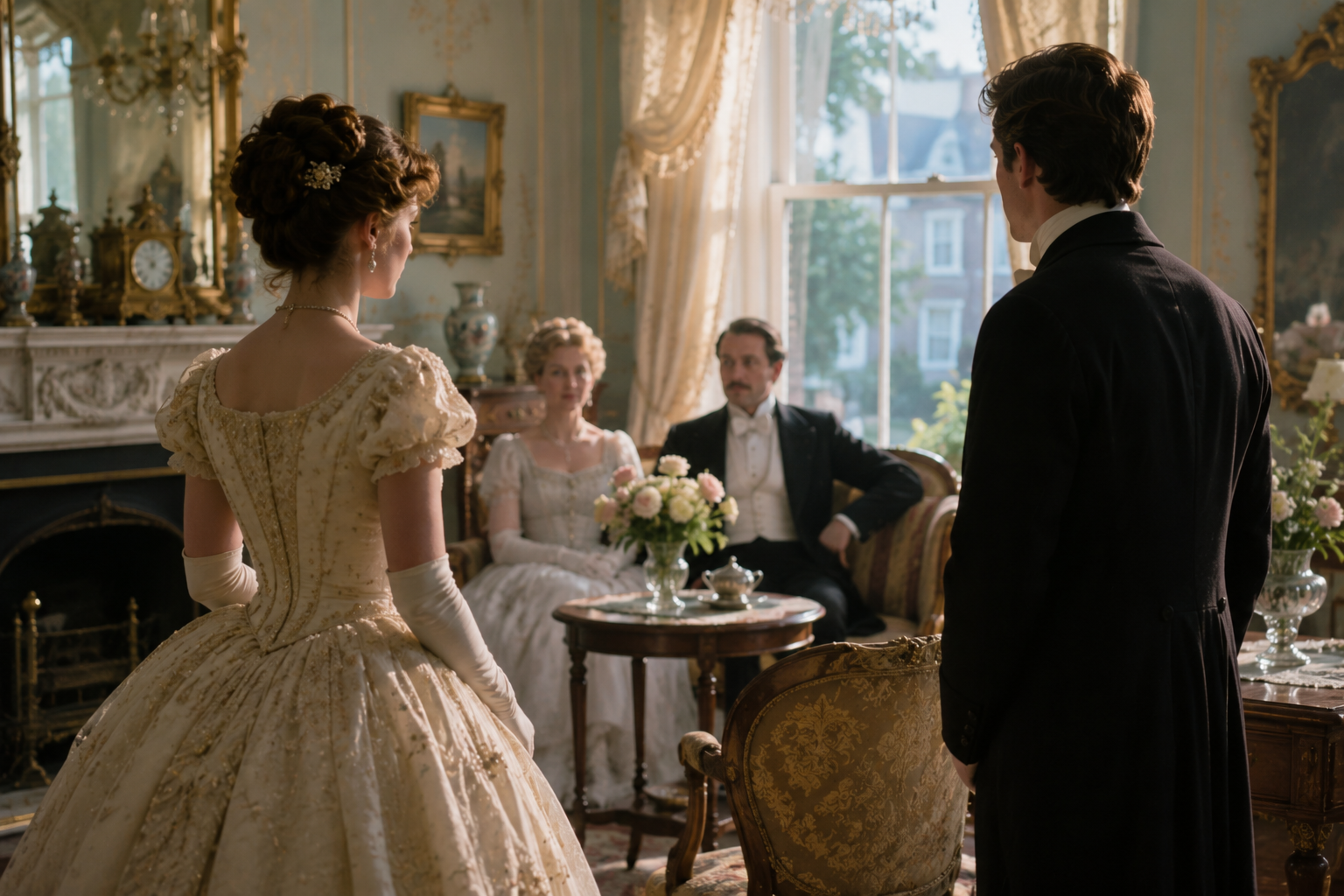
Edith Wharton’s novel may look like a manners story, but it has sharp ideas about power and social rules. The themes in The Age of Innocence help students see why Newland Archer’s choices matter and why Old New York feels so hard to escape.
In this Guide
Use these sections to move from basic understanding to stronger essay ideas.
- Why the themes matter
- Society versus personal desire
- Appearance versus truth
- Love versus duty
- Innocence and experience
- Gender roles and power
- Fear of change
- Symbols that reveal theme
- Essay tips
- FAQ
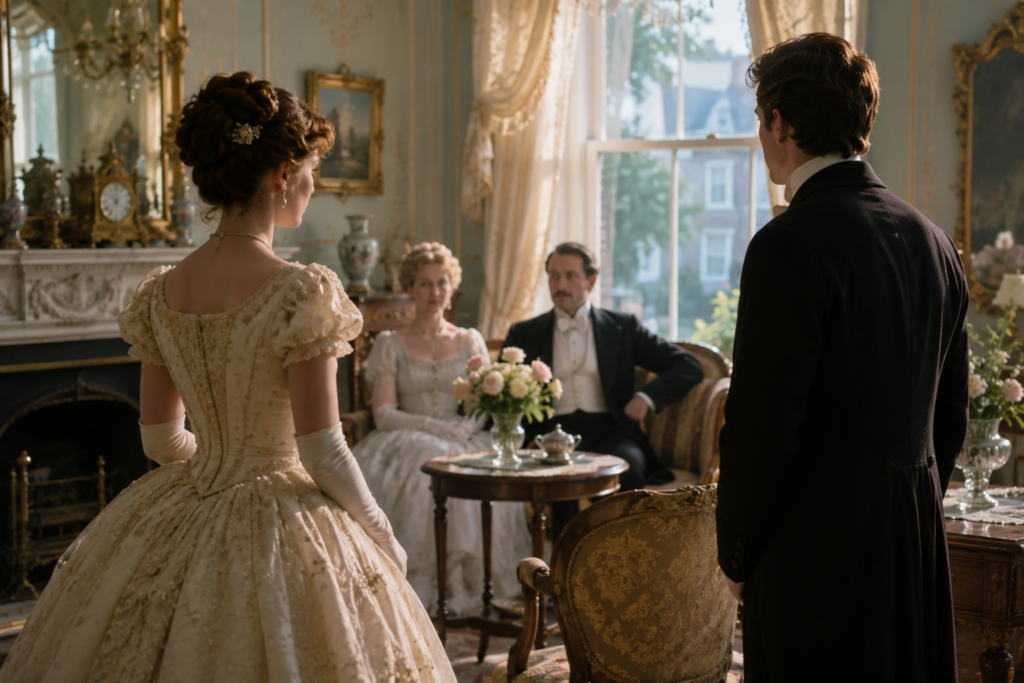
Why the themes in The Age of Innocence matter
Wharton uses romance to expose a strict world full of hidden pressure.
A theme is not just a topic like love or society. It is the deeper message a text builds about that topic. If you want a quick refresher, see our guide on how to identify theme in literature.
Studying the themes in The Age of Innocence helps you notice how polite behavior can hide fear, judgment, and control. The novel asks a hard question: what happens when a person wants freedom but lives in a world that punishes it?
Themes in The Age of Innocence: Society Versus Personal Desire
The novel shows how a social group can rule people without laws or force.
One of the central themes in The Age of Innocence is the conflict between personal desire and social duty. Newland Archer wants a life with more honesty and feeling, yet he also wants the respect of his class.
Old New York works like a quiet court. People judge clothing, dinner invites, marriage choices, and even silence. No one has to shout because everyone already knows the rules.
Newland’s desire for Ellen Olenska threatens those rules. Ellen represents a life outside the safe pattern. She has lived in Europe, left an unhappy marriage, and refuses to pretend in the same way others do.
This theme is common in literature. In Romeo and Juliet, love fights against family loyalty. In Wharton’s novel, the fight is colder. The weapon is not a sword, but gossip and shame.
Themes in The Age of Innocence: Appearance Versus Reality
Wharton’s characters live in a world where looking proper often matters more than being honest.
Among the themes in The Age of Innocence, appearance versus reality is one of the most important. The people of Old New York care deeply about surfaces: homes, opera boxes, wedding plans, and family names.
This world claims to value innocence and virtue. Yet it often protects cruelty if that cruelty looks polite. It accepts false marriages and hidden pain as long as public order stays firm.
May Welland appears pure and simple. She is not foolish, though. As the novel goes on, readers see that she understands the social game very well.
Ellen looks dangerous to the group because she refuses to fit the expected role. Yet she may be the most honest person in the story. Wharton pushes students to ask who is truly innocent and who only looks that way.
This theme may remind students of The Great Gatsby. In both novels, wealth creates a beautiful surface, but that surface hides fear, loss, and moral weakness.

Love Versus Duty
Newland’s emotional conflict grows because love and duty pull him in opposite directions.
Newland feels drawn to Ellen because she seems real to him. She speaks with more freedom than the women in his circle. She questions customs that others accept without thought.
At the same time, Newland is engaged to May. His family and class expect him to marry her. To break that promise would damage more than one person’s reputation.
Wharton does not present love as simple. Newland’s love for Ellen may be deep, but it also carries selfishness. He wants Ellen to free him, yet he does not fully break from the world that traps her.
This makes the novel useful for AP Literature essays. A strong reading should note the tension, not just choose sides. Wharton wants readers to see how duty can protect people and also destroy them.
Innocence and Experience
The title points to one of the novel’s biggest questions: what does innocence really mean?
At first, May seems to represent innocence. She is young, well trained, and shaped by Old New York’s ideals. Her innocence is tied to obedience.
Ellen seems experienced because she has seen more of the world. She also has a past that her New York relatives find uncomfortable. Yet her experience gives her moral insight.
Newland believes he is wise enough to see through his society. But he often proves naive. He thinks he can admire rebellion while still enjoying the safety of his position.
The title may be ironic. The age of innocence may not be innocent at all. It may be an age of control that calls itself pure.
Gender Roles and Social Power
Wharton shows that people of different genders face different rules, even inside the same wealthy class.
Men like Newland have more freedom in public life. They can move in wider circles and speak with more authority. Still, they are not fully free because class rules shape their choices.
Women face a stricter code. May is trained to become the perfect wife. Ellen is judged because she does not fit that model.
May’s power is quiet. She uses social custom to protect her marriage and future. Ellen’s power comes from honesty, but that honesty makes her unsafe in New York society.
This theme helps students avoid a weak reading of May. She is not just a symbol of innocence. She is a person who has learned how to survive in the system that raised her.
Old New York’s Fear of Change
The novel is full of people who fear anything that might disturb their social order.
Old New York loves tradition because tradition gives its members power. Families repeat the same habits, attend the same events, and protect the same names.
Ellen threatens change because she shows that another life is possible. She has lived beyond New York’s narrow rules. Her presence makes others feel exposed.
Newland also wants change, but his desire is weak. He imagines escape more often than he acts. That gap between thought and action is one reason the ending feels so painful.
This is one of the themes in The Age of Innocence that feels modern. Many students know what it means to face pressure from family, culture, or community. Wharton shows how hard it can be to choose a different path.
Symbols That Reveal Theme
Wharton often lets objects and settings carry meaning.
The opera is one key setting. It is a place where people watch a performance on stage while also performing for each other in the audience. This supports the theme of appearance versus reality.
Flowers also matter. May is linked with lilies, which suggest purity and social approval. Ellen is often linked with more unusual images, which mark her as different from the group.
Homes and rooms show the limits of this world. Drawing rooms, dining rooms, and formal visits turn private life into public display. Even personal choices become part of a social script.
When you study symbols, connect them to theme. Do not stop at saying what an object represents. Explain how it helps Wharton build meaning.
How to Write About the themes in The Age of Innocence
A strong essay should connect a theme to character choices and social pressure.
A weak thesis might say: The novel is about society. That is true, but it is too broad.
A stronger thesis could say: In The Age of Innocence, Wharton shows that social rules can feel gentle on the surface while they quietly control love, marriage, and personal freedom.
Use scenes that show pressure in action. Good choices include Newland’s engagement to May, Ellen’s struggle over divorce, the dinner near the end, and Newland’s final choice in Paris.
When you plan, ask what pattern the novel repeats. If you need help with that step, review this simple method for finding a theme in a text.
If you want a faster study tool, pair your notes with our student literature guide.
Helpful Background and Related Books
Context can help you see why Wharton’s social world feels so exact and strict.
For a brief author overview, read Britannica’s biography of Edith Wharton. If your class uses a public domain edition, Project Gutenberg offers the novel.
Relevant books to search on Amazon or at your library:
- The House of Mirth by Edith Wharton
- The Portrait of a Lady by Henry James
FAQ About the themes in The Age of Innocence
These quick answers can help with class notes and essay prep.
What is the main theme of The Age of Innocence?
The main theme is the conflict between personal desire and social duty. Newland wants freedom, but his class expects obedience.
Why is the title ironic?
The title sounds pure, but the society in the novel is not truly innocent. It hides control behind manners.
Is May Welland innocent?
May seems innocent, but she understands more than Newland thinks. Her power comes from knowing the rules and using them well.
How does Ellen Olenska reveal theme?
Ellen shows what honesty costs in a strict society. Her choices expose the limits of Newland’s courage.
What are the best themes in The Age of Innocence for an essay?
The best options are society versus desire, appearance versus reality, innocence versus experience, and gender power. Choose one and connect it to key scenes.
Key Takeaway
The themes in The Age of Innocence show that a polite world can still be harsh. Wharton’s novel asks whether comfort is worth the loss of truth and freedom.