Best Novels About Literary Symbolism: Books that Teach Readers to See More

Literary Symbolism

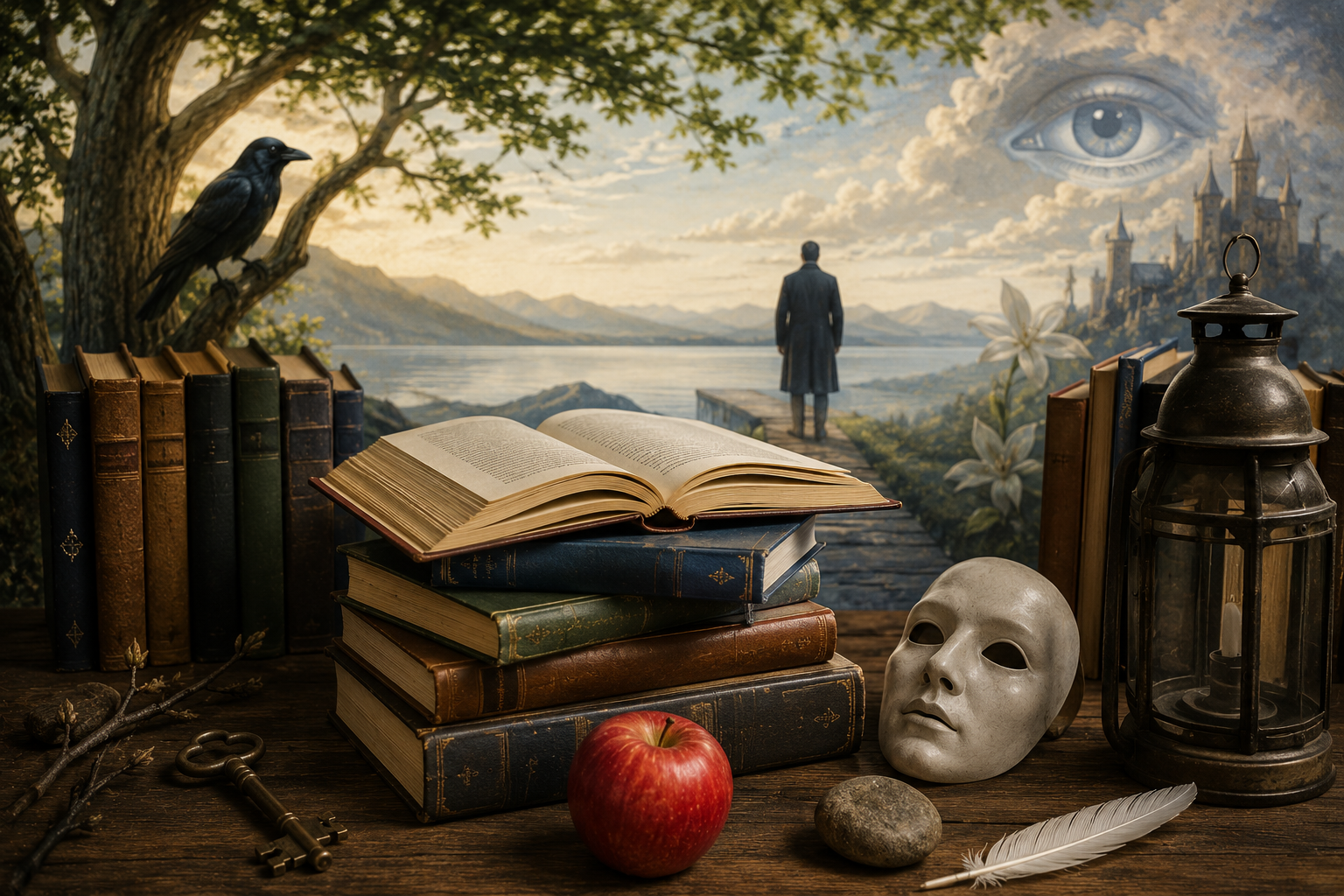
The best novels about literary symbolism help readers notice how objects, colors, places, and actions can carry deeper meaning. These books are useful for high school, AP Literature, and college students because they make close reading feel less scary and more rewarding.

In this Guide

Literary Symbolism

Why the Best Novels About Literary Symbolism Matter

Symbolism turns a story into something deeper than plot.

In literature, a symbol is often a real thing that points to a larger idea. A light can suggest hope. A road can suggest choice. A house can suggest memory, fear, or family history.

The best novels about literary symbolism do not hide meaning from readers. They invite readers to look closer.

For students, this matters a lot. Symbolism often appears in essays, class talks, and AP Literature prompts. Once you learn how symbols work, you can explain theme with more confidence.

If you want a simple method, this guide on how to find symbolism in a story can help you practice the skill step by step.

Best Novels About Literary Symbolism for Students

These books are strong choices because their symbols are clear, rich, and often taught in school.

When people discuss the best novels about literary symbolism, The Great Gatsby by F. Scott Fitzgerald is usually near the top. The green light across the water is one of the most famous symbols in American literature.

That light points to Gatsby’s dream of winning Daisy back. It also points to the American Dream itself, which looks bright from far away but may be impossible to reach.

Lord of the Flies by William Golding is another strong example. The conch shell stands for order, rules, and shared power. As the boys lose respect for the shell, their small society falls apart.

In To Kill a Mockingbird by Harper Lee, the mockingbird becomes a symbol of innocence. The novel teaches that harming innocent people is a moral failure.

The Scarlet Letter by Nathaniel Hawthorne also belongs in any talk about the best novels about literary symbolism. The letter “A” begins as a public mark of shame, but its meaning changes as Hester Prynne grows stronger.

Common Symbols and Themes to Watch For

Many novels use symbols that connect to big human questions.

One common symbol is color. In The Great Gatsby, green suggests desire, money, and hope. White can suggest beauty, but it can also hide emptiness or carelessness.

Nature is another common symbol. In The Grapes of Wrath by John Steinbeck, land, dust, and weather reflect hardship and survival. The natural world is not just a setting. It helps shape the novel’s meaning.

Objects often carry emotional weight. A letter, a shell, a ring, or a house may seem simple at first. Over time, that object can reveal guilt, love, power, or loss.

Many of the best novels about literary symbolism also link symbols to theme. A symbol is not just “there.” It helps the reader understand what the book says about life.

For a broader definition of symbolism, you can visit Britannica’s overview of symbolism.

How to Read the Best Novels About Literary Symbolism

You do not need to guess wildly to find symbols.

Start by noticing anything that repeats. If an object, color, place, or phrase appears more than once, the writer may want you to pay attention.

Then ask what the symbol connects to. Does it appear during moments of fear, hope, conflict, or change?

Next, look at how the symbol shifts. In the best novels about literary symbolism, symbols often grow more complex as the story moves forward.

For example, the green light in The Great Gatsby first feels romantic. By the end, it feels sadder because Gatsby’s dream cannot survive reality.

A good rule is this: a symbol should connect to the story’s theme. If your idea about a symbol helps explain the book’s message, you are likely on the right track.

For more help, read this student-friendly guide to spotting symbols in fiction.

image-slider-with-thumbnail1.jpeg
PlayPause
previous arrow
next arrow
image-slider-with-thumbnail1.jpeg
image-slider-with-thumbnail3.jpeg
image-slider-with-thumbnail4.jpeg
ChatGPT Image Jun 27, 2026, 06_33_13 PM
ChatGPT Image Jun 27, 2026, 06_36_37 PM
ChatGPT Image Jun 27, 2026, 06_38_39 PM
ChatGPT Image Jun 27, 2026, 06_31_22 PM
image-slider-with-thumbnail7.jpeg
ChatGPT Image Jun 27, 2026, 06_29_43 PM
ChatGPT Image Jun 27, 2026, 06_27_44 PM
image-slider-with-thumbnail6.jpeg
ChatGPT Image Jun 27, 2026, 06_15_07 PM
image-slider-with-thumbnail5.jpeg
ChatGPT Image Jun 27, 2026, 06_22_43 PM
ChatGPT Image Jun 27, 2026, 06_25_37 PM
ChatGPT Image Jun 27, 2026, 06_19_43 PM
ChatGPT Image Jun 27, 2026, 06_12_00 PM
ChatGPT Image Jun 27, 2026, 06_08_50 PM
ChatGPT Image Jun 26, 2026, 04_54_23 PM
ChatGPT Image Jun 27, 2026, 05_53_51 PM
ChatGPT Image Jun 28, 2026, 08_35_55 AM
previous arrow
next arrow

Symbolism and Theme in Famous Novels

Symbolism matters most when it supports the theme of a novel.

In Beloved by Toni Morrison, the house at 124 is more than a place. It holds grief, trauma, memory, and the pain of slavery. The house feels alive because the past has not stayed in the past.

In Animal Farm by George Orwell, the farm represents a political system. The animals stand for groups of people, leaders, and social classes. The symbols help readers understand corruption and power.

In Jane Eyre by Charlotte Brontë, fire and ice often reflect emotion, control, and inner struggle. These images help readers see Jane’s fight for love and self-respect.

That is why the best novels about literary symbolism stay with us. They give us pictures we remember, then link those pictures to ideas we keep thinking about.

Recommended Books to Add to Your Shelf

These novels are easy to find and useful for students who want to study symbolism more closely.

The Great Gatsby by F. Scott Fitzgerald is a short novel with rich symbols. It is a smart pick for students who want to practice close reading.

Beloved by Toni Morrison is more advanced, but it is powerful. Its symbols connect deeply to memory, history, and identity.

These are two of the best novels about literary symbolism because each one rewards slow, careful reading.

Why Students Should Read Symbolic Novels

Symbolic novels help students build stronger reading habits.

They teach you to ask better questions. Why does this object return? Why does this color matter? Why does this place feel so important?

They also help with writing. If you can explain how a symbol supports a theme, your essay will sound more focused and thoughtful.

The best novels about literary symbolism are not only useful for class. They help readers see how stories can hold more than one meaning at the same time.

FAQs About the Best Novels About Literary Symbolism

What are the best novels about literary symbolism for beginners?

The Great Gatsby, Lord of the Flies, and To Kill a Mockingbird are strong beginner choices. Their symbols are clear but still deep enough for essays.

Why do authors use symbolism?

Authors use symbolism to add meaning without stating every idea directly. A symbol can make a theme feel more powerful and memorable.

How can I tell if something is a symbol?

Look for repetition, strong emotion, and links to theme. If an object or image keeps returning at key moments, it may be symbolic.

Are the best novels about literary symbolism hard to read?

Some are challenging, but many are very readable. Start with shorter novels, then move to more complex books as your confidence grows.

Key Takeaway

The best novels about literary symbolism teach us that stories often say more than they first seem to say. When you learn to notice symbols, you read with sharper eyes and find deeper meaning in every chapter. 📚

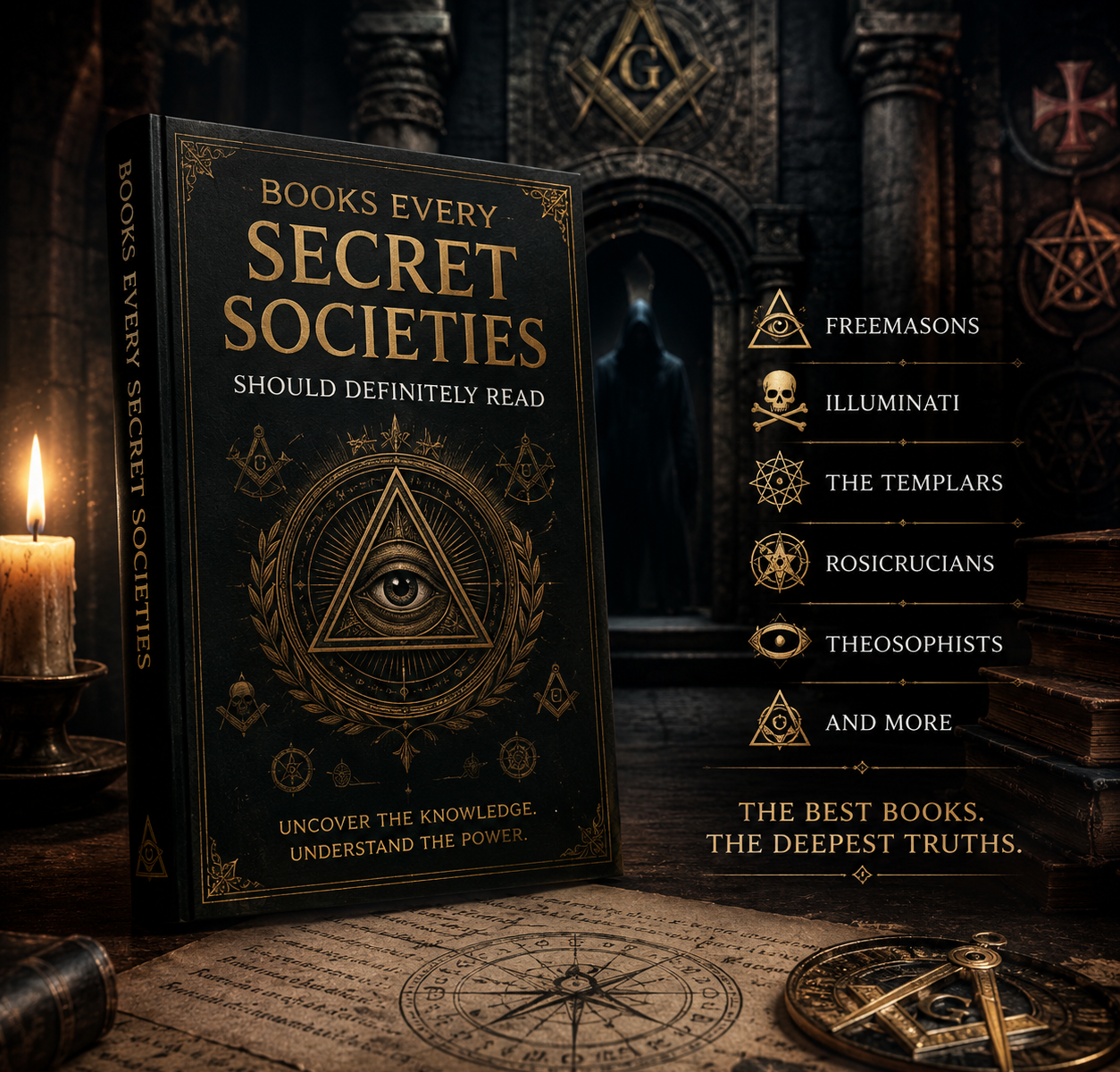
Books Every Secret Societies Fan Should Read

Best Secret societies books

The books that every secret societies fan should read often deal with power, silence, fear, and loyalty. These stories pull readers into hidden rooms, coded rules, and groups that seem exciting at first but often turn dark.

Secret society stories are popular because they mix mystery with big questions about identity and control. They also help students think about how people act when they feel chosen or trapped.

In this Guide

Best Secret societies books

Why Books Every Secret Societies Stories Matter

Hidden groups in fiction often reveal what public life tries to hide.

Secret societies in literature are not just about masks and passwords. They show how people use secrecy to gain power or protect themselves.

In many stories, the group promises belonging. A lonely student, outsider, or curious hero may feel special when chosen. But that feeling can lead to danger when loyalty matters more than truth.

This is why Books Every Secret Societies stories often work well in school discussions. They connect to real themes like peer pressure, class, ambition, and moral choice.

For background on the real history of secret groups, Britannica has a helpful overview of secret societies.

Books Every Secret Societies Reader Should Know

These books use hidden groups to create mystery, tension, and deep moral conflict.

The Secret History by Donna Tartt is one of the most famous campus novels about a closed circle of students. The group studies ancient Greek ideas, but their search for beauty turns into guilt and violence.

This novel is a strong choice for older high school and college readers. It asks how smart people can excuse terrible actions when they think they are above normal rules.

Ninth House by Leigh Bardugo brings secret societies into a dark fantasy version of Yale. The book looks at wealth, privilege, and the cost of power.

It also shows how hidden systems can protect the powerful. That makes it a useful book for readers who want mystery with social meaning.

Foucault’s Pendulum by Umberto Eco is a harder read, but it is important for the genre. It explores codes, fake history, and the danger of believing too much in hidden patterns.

These Books Every Secret Societies titles show that secrecy can be thrilling, but it can also twist how people see the world.

Classic and Modern Examples of Books Every Secret Societies Fans Enjoy

Secret society themes appear in many kinds of literature, from gothic tales to campus novels.

In Frankenstein by Mary Shelley, there is no formal secret society, but the novel still shares the same fears. Victor hides his work, breaks moral limits, and refuses to face what he has made.

That secret knowledge becomes a curse. Like many Books Every Secret Societies stories, the novel warns that hidden ambition can destroy both the self and others.

In Jane Eyre by Charlotte Brontë, secrets shape the plot and control who has power. The hidden truth at Thornfield Hall shows how secrecy can trap women and protect men with status.

Modern campus novels often use clubs, houses, and elite groups to ask similar questions. Who gets invited? Who stays outside? What price does someone pay to belong?

That pattern is one reason Books Every Secret Societies stories feel so modern, even when the books are old.

Symbols and Themes in Secret Societies Stories

Secret society books often use simple objects that carry heavy meaning.

Masks often stand for false identity. A character may hide fear, guilt, or desire behind a public face.

Keys often suggest access. A key may open a room, but it can also open a truth the character is not ready to face.

Closed doors show exclusion. They remind readers that some people are kept out of power while others meet in private.

Common themes include loyalty, guilt, ambition, and control. These themes matter because secret societies are rarely just clubs. They are systems with rules, rewards, and punishments.

Books Every Secret Societies fans enjoy often ask one main question: What would you do to feel chosen?

These titles are strong picks if you want stories with hidden groups and moral tension.

  • The Secret History by Donna Tartt
  • Ninth House by Leigh Bardugo
  • Foucault’s Pendulum by Umberto Eco

If you read for class, keep track of repeated symbols and turning points. This guide on how to take notes while reading a novel can help you spot patterns without slowing down too much.

How to Read Secret Societies Stories with Purpose

Pay attention to who controls information.
In these books, knowledge is rarely neutral. A secret can protect someone, but it can also harm people who do not know the truth.

Notice how characters change after they join the group. Do they become braver, colder, or more afraid? Their behavior often shows the real cost of belonging.

Also watch the setting. Old libraries, private schools, locked rooms, and night scenes often create a mood of danger.

Books Every Secret Societies stories reward close reading because small details often return later with new meaning.

Why Students Connect with Secret Society Literature

These stories turn school, friendship, and ambition into high-stakes drama.

Students often understand the pressure to fit in. Secret society fiction takes that pressure and makes it larger.

The chosen group may seem exciting at first. But the story usually asks whether status is worth the loss of freedom.

That is why Books Every Secret Societies novels work well for AP Literature and college essays. They give readers clear conflicts and rich symbols to analyze.

For more context on gothic and mystery traditions, Britannica’s page on the Gothic novel is a useful starting point.

FAQs About Books Secret Societies

What are Books Every Secret Societies stories usually about?

They are usually about hidden groups, private rules, and the danger of secret power. Many focus on loyalty, guilt, and ambition.

What is the best secret society novel to start with?

The Secret History by Donna Tartt is a strong starting point for older readers. It is popular, literary, and full of themes students can analyze.

Are secret society books good for school essays?

Yes. They often include clear symbols, complex characters, and strong moral questions.

Why do secret society stories often take place at schools?

Schools already have social groups, pressure, and competition. That setting makes secrecy feel more intense.

Do all secret society books include crime or violence?

No. Some focus more on mystery, class, or identity. But many use crime to show how secrecy can grow out of control.

Key Takeaway

Books Every Secret Societies fan should read are not only about hidden clubs. They are about power, belonging, and the choices people make when no one outside the group is watching.

These stories stay popular because they make readers ask a sharp question: If a secret gave you power, would you keep it?

error

Enjoy this article? Please spread the word :)

Follow by Email
BLUESKY
fb-share-icon
Reddit
LinkedIn
Share
RSS