Important Wuthering Heights Quotes Explained for Students

Wuthering Heights Quotes

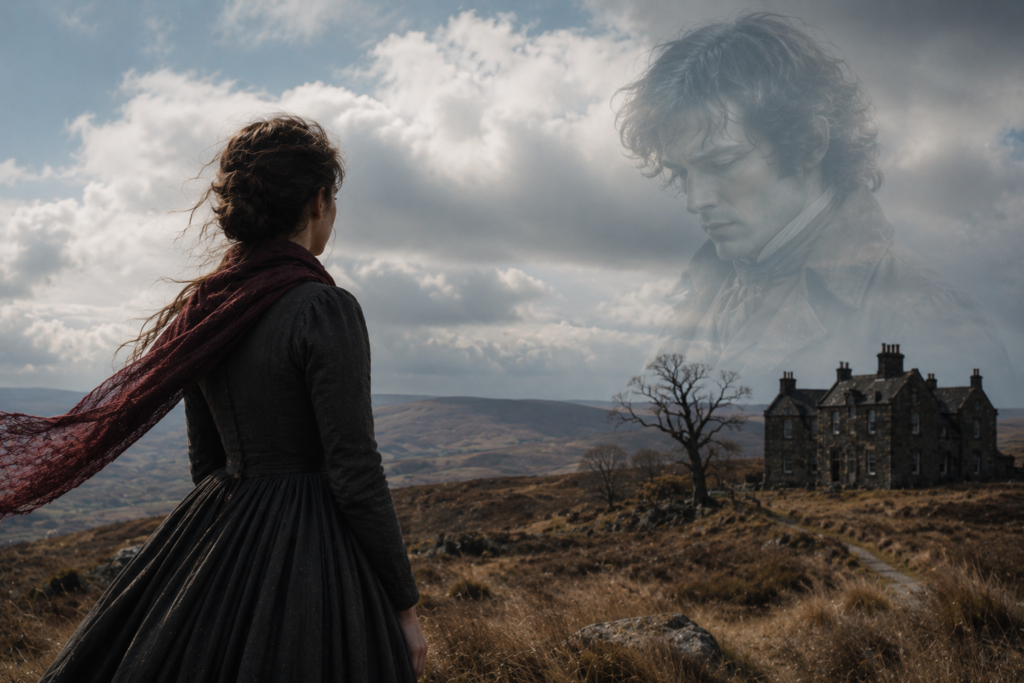
Emily Brontë’s Wuthering Heights is full of lines that feel intense, strange, and hard to forget. This guide to Wuthering Heights quotes explained will help you understand key passages and use them with confidence in essays.

You will see how each quote connects to love, revenge, class, setting, and Gothic mood.

In this Guide

Wuthering Heights Quotes

Wuthering Heights Quotes Explained: Love and Obsession

Brontë often makes love feel powerful, but not always healthy.

One of the most famous lines in the novel is Catherine’s claim:

“Whatever our souls are made of, his and mine are the same.”

Catherine says this about Heathcliff. The line shows that she sees him as part of herself, not just as someone she loves.

This is why the quote works so well in essays about identity. Catherine does not describe love as kindness or trust. She describes it as a shared soul.

That sounds romantic at first. Yet the novel shows how dangerous this bond can become, since Catherine and Heathcliff hurt each other and the people around them.

Another short line deepens the same idea:

“I am Heathcliff.”

This quote is easy to remember, but it is not simple. Catherine feels that Heathcliff is her true self, while Edgar represents comfort and social status.

For a strong essay, explain the conflict inside Catherine. She wants both deep passion and a safer life. Brontë shows that she cannot fully have both.

This is one reason Wuthering Heights quotes explained can help students move beyond plot summary. The quotes reveal how the characters think about love as possession, not peace.

Wuthering Heights Quotes Explained: Revenge and Pain

Heathcliff’s love turns into revenge, and the novel asks what that revenge costs.

After Catherine dies, Heathcliff speaks one of his most haunting lines:

“Be with me always.”

He does not ask for rest. He asks to be haunted.

This quote shows the Gothic side of the novel. Death does not end desire. Grief becomes a force that follows the living.

Heathcliff’s pain also appears in this short cry:

“I cannot live without my soul!”

He calls Catherine his soul. That makes his grief feel huge, but it also shows his lack of a separate self.

In an essay, you could argue that Heathcliff’s revenge is not strength. It is a sign that he cannot escape Catherine, even after her death.

This part of Wuthering Heights quotes explained is useful for prompts about destructive passion. Like Captain Ahab in Moby-Dick, Heathcliff lets one obsession shape his whole life.

Wuthering Heights Quotes Explained: Setting and Gothic Mood

The houses and moors are not just background. They shape the mood and meaning of the novel.

The name Wuthering Heights already suggests harsh weather. The word “wuthering” points to strong winds and rough conditions.

That rough setting matches the Earnshaw household. The home feels wild, bitter, and full of conflict.

Thrushcross Grange feels different. It is linked to manners, wealth, and order. Yet Brontë does not present it as pure happiness.

Students can compare the two houses to the way Shakespeare uses places in Macbeth. A castle can seem safe, but it may hide fear and violence.

When you use Wuthering Heights quotes explained for setting, do more than say the moors are gloomy. Show how the weather and houses mirror the characters’ inner lives.

For more background on the novel’s place in English literature, you can read this overview from Britannica.

Important Quotes About Identity and Class

Class pressure shapes many choices in the novel, especially Catherine’s choice to marry Edgar.

Catherine knows that marrying Heathcliff would lower her social position. This creates one of the novel’s central conflicts.

“It would degrade me to marry Heathcliff.”

This quote can sound cruel, and it is. Yet it also shows how much Catherine has absorbed the class values around her.

She loves Heathcliff deeply, but she fears what life with him would mean in society. Brontë makes the reader see how class can twist personal desire.

Heathcliff’s later rise in power does not heal this wound. Instead, he uses money and control to punish others.

This is a strong quote for essays about social class. It proves that the novel is not only a love story. It is also a story about status, shame, and power.

How to Use Wuthering Heights Quotes Explained in Essays

A quote only helps if you explain how it supports your claim.

Do not drop a quote into a paragraph and move on. Set it up, include the quote, then explain its meaning in your own words.

Here is a simple pattern:

  • Make a claim about a theme or character.
  • Add a short quote that proves the claim.
  • Explain one key word or image from the quote.
  • Connect the quote back to your thesis.

For example, if your thesis says Catherine’s love is tied to identity, the line “I am Heathcliff” is powerful. You could focus on the word “am” because it turns love into being.

If you want more help with structure, read our guide on how to write a literary analysis essay.

You can also use a student literature guide to track quotes, themes, and quick notes as you read.

More Wuthering Heights Quotes Explained for Close Reading

These shorter quotes can work well in timed essays because they are easy to remember.

“Treachery and violence are spears pointed at both ends.”

This line suggests that cruelty harms both the victim and the person who uses it. It fits Heathcliff’s revenge plot, since his cruelty damages his own life too.

“I wish I were a girl again.”

Catherine’s words show a desire to escape adult pressure. She longs for an earlier self, before marriage, class choice, and illness trapped her.

“He’s more myself than I am.”

This quote repeats the theme of shared identity. Catherine sees Heathcliff as closer to her real nature than her own social role.

Wuthering Heights quotes explained in this way can help you write deeper analysis. Focus on conflict inside the words, not just the obvious meaning.

Suggested Books for Students

If you want to study the novel more deeply, these books are worth searching for on Amazon or at your library:

  • Wuthering Heights by Emily Brontë
  • The Brontës: Wild Genius on the Moors by Juliet Barker

You may also find useful author context through Poetry Foundation’s Emily Brontë page.

FAQ: Wuthering Heights Quotes Explained

What are the best Wuthering Heights quotes explained for exams?

The best quotes are short and rich. Try “I am Heathcliff,” “Be with me always,” and “Whatever our souls are made of, his and mine are the same.”

What themes do the main quotes show?

The major themes include obsessive love, revenge, class pressure, identity, and the power of place.

How many quotes should I use in an essay?

Use a few strong quotes rather than many weak ones. Each quote should get clear analysis.

Is Wuthering Heights a romance?

It has romance, but it is also Gothic and tragic. The novel shows love as intense, harmful, and hard to control.

How can I make my quote analysis stronger?

Zoom in on one word, image, or contrast. Then connect it to your main argument.

Key Takeaway

Wuthering Heights quotes explained help you see that Brontë’s novel is not just about love. It is about how love can become identity, pain, and power. 🌿
Themes in Wuthering Heights: A Student-Friendly Guide

Wuthering Heights themes

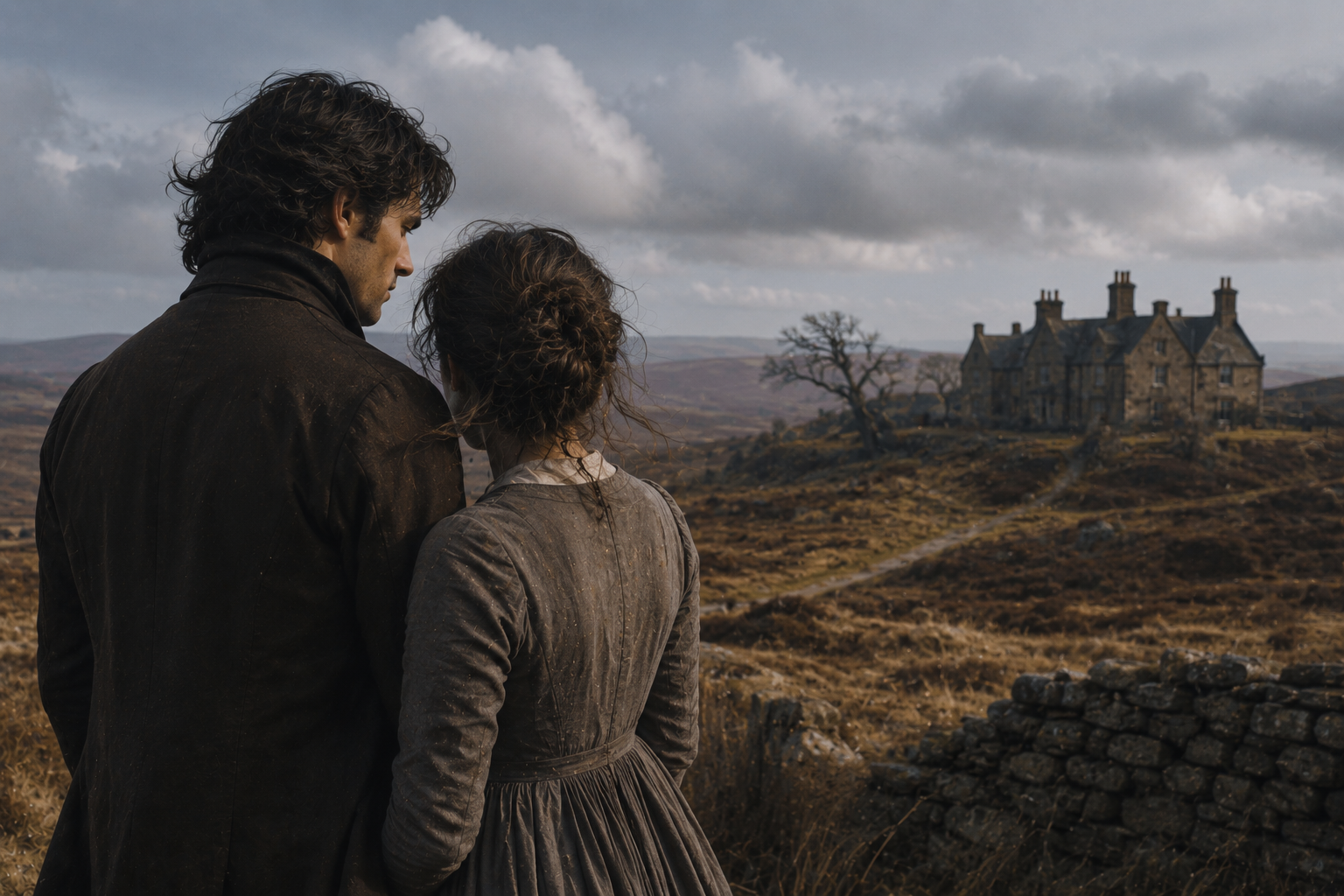
Wuthering Heights can feel wild, painful, and strange at first. This guide explains the major themes in Wuthering Heights so students can see how Emily Brontë builds meaning through love, revenge, class, and setting.

If you need help with theme in general, start with this quick guide on how to identify theme in literature.

In this Guide

  • Why the novel feels so intense
  • Love and possession
  • Revenge and damage
  • Class and social shame
  • Nature and the moors
  • Abuse and inherited pain
  • Essay tips and FAQs
Wuthering Heights themes

Why the themes in Wuthering Heights feel so intense

Brontë turns private emotions into forces that shape whole lives.

The themes in Wuthering Heights stand out because the novel does not treat love as soft or simple. Love often looks like hunger, pride, and control.

The setting also makes every conflict feel larger. The lonely houses and open moors reflect the mood of the story. For background on the novel and its place in English literature, see Britannica on Wuthering Heights.

Themes in Wuthering Heights: love that becomes possession

The novel asks whether love can survive when it turns selfish.

Catherine and Heathcliff share a bond that feels deep, but it is also troubling. They do not love each other in a calm or healthy way. Their bond becomes tied to pride, pain, and identity.

Catherine says she is Heathcliff, which shows how much she connects him to her own self. Yet she still chooses Edgar because he offers comfort and status. This choice harms everyone around them.

This theme is useful for essays because it shows that **love is not always moral**. In this novel, love can lead to cruelty when people refuse to care about others.

You can compare this to Romeo and Juliet, where love also clashes with society. But in Shakespeare’s play, the lovers seem innocent. In Brontë’s novel, love often harms the people it touches.

Themes in Wuthering Heights: revenge and damage

Revenge drives the plot, but it never brings peace.

One of the darkest themes in Wuthering Heights is the way pain moves from one person to another. Heathcliff suffers as a child, then later uses his power to punish others.

He takes revenge on Hindley, Edgar, Isabella, and the next generation. His actions show how cruelty can spread if no one stops the cycle.

Brontë does not excuse Heathcliff, but she does show how he is shaped by rejection and abuse. That makes him complex. He is both victim and villain.

For students, a strong thesis might argue that the novel shows **revenge as self-destruction**. Heathcliff gains property and control, but he loses any chance at rest.

Class, power, and social shame

Social rank shapes choices more than many characters admit.

Catherine’s choice to marry Edgar is tied to class. She believes Edgar can give her a better life, while Heathcliff would lower her social position.

These themes in Wuthering Heights help explain why the love story becomes a social conflict. Catherine does not only choose between two men. She chooses between wild freedom and social comfort.

Heathcliff’s unclear background also matters. As an outsider, he is treated as less valuable. His later rise in power feels like revenge against a system that once mocked him.

This theme connects well to novels like Great Expectations by Charles Dickens, where class shapes desire and shame. Both novels ask whether status can truly make a person whole.

Nature, the moors, and wildness

The landscape is more than a backdrop. It helps shape the novel’s meaning.

The moors suggest freedom, danger, and emotional force. Catherine and Heathcliff seem most alive when they are connected to that wild space.

Many themes in Wuthering Heights depend on this contrast between wildness and social order. Wuthering Heights feels rough and stormy. Thrushcross Grange feels polished and controlled.

Neither place is perfect. The Heights can be violent, while the Grange can feel shallow. Brontë uses both houses to show different kinds of damage.

This is a smart point for AP Literature essays. A setting can reveal theme when it reflects conflict, mood, or values. If you want a refresher, review this guide to finding theme in a literary work.

Abuse, family, and inherited pain

The novel shows how harm can pass from one generation to the next.

Hindley mistreats Heathcliff. Heathcliff later mistreats Hareton. Linton also suffers because adults use him for their own plans.

This pattern makes the second half of the novel important. Young Catherine and Hareton offer a possible break from the past. Their bond is not perfect, but it has more patience and kindness than the love before it.

That shift matters. Brontë suggests that people can inherit pain, but they do not have to repeat it forever.

Identity and belonging

Several characters struggle to know where they fit.

Heathcliff never fully belongs in the Earnshaw home, even after Mr. Earnshaw brings him there. His outsider status shapes how others treat him and how he sees himself.

Catherine also feels split. She is drawn to Heathcliff’s wildness, but she wants Edgar’s social world. Her divided identity helps explain her inner conflict.

These ideas make the novel feel modern. Students often notice that the characters suffer when society gives them narrow roles and labels.

How to write about the themes in Wuthering Heights

A strong theme essay should make an argument, not just name a topic.

When you write about the themes in Wuthering Heights, avoid saying only that the novel is about love or revenge. Ask what Brontë says about those ideas.

For example, this is a weak theme statement: The novel has a theme of revenge.

This is stronger: Brontë shows that revenge can give a person power, but it also traps that person in the same pain that caused the revenge.

Use scenes as proof. You might discuss Catherine’s choice to marry Edgar, Heathcliff’s treatment of Hareton, or the contrast between the two houses.

For a simple study tool, you can also use our printable literature theme resources to organize quotes and claims before you write.

Helpful books for deeper study

If you want more background, these books can help:

  • Wuthering Heights by Emily Brontë
  • The Madwoman in the Attic by Sandra M. Gilbert and Susan Gubar
  • Emily Brontë: A Life in 20 Poems by Nick Holland

You can also read about Emily Brontë’s poetry at the Poetry Foundation, which helps show her interest in nature, death, and intense feeling.

FAQ: themes in Wuthering Heights

What are the main themes in Wuthering Heights?

The major themes include destructive love, revenge, class pressure, nature, and inherited pain.

What is the most important theme in the novel?

Many readers see destructive love as the central theme because it shapes Catherine, Heathcliff, and both families.

How does setting connect to theme?

The moors and houses reflect emotional conflict. The wild setting often mirrors the characters’ inner lives.

Is Heathcliff a hero or villain?

He is both complex and dangerous. Brontë shows his suffering, but she also shows the harm he chooses to cause.

What theme should I use for an essay?

Revenge is a strong choice because it connects to plot, character change, and the novel’s ending.

Key Takeaway

The themes in Wuthering Heights show that love, pain, and power can shape families across time. Brontë’s novel is powerful because it refuses easy answers.