Books Every Human Nature Reader Should Know

human nature books

Books Every Human Nature readers choose often ask one big question: what do stories teach us about people? The best literature shows fear, love, pride, guilt, and hope in ways that feel real across time.

This guide explores classic and modern books that help us understand why humans act the way they do.

In this Guide

  • Why human nature matters in literature
  • Books Every Human Nature reader should explore
  • Major themes and symbols to watch for
  • How poetry reveals human truth
  • Recommended books to search on Amazon
  • FAQs
  • Key takeaway
human nature books

Why Books Every Human Nature Readers Matter

Great books help us see people more clearly.

Literature is not only about plot. It is about choice. A character wants something, fears something, or hides something. That tension shows us what human nature looks like under pressure.

Books Every Human Nature readers return to often deal with hard questions. Are people born good? Does power change us? Can guilt shape a whole life?

These questions matter because they do not stay on the page. They show up in schools, families, friendships, and society.

Books Every Human Nature Reader Should Start With

Some books are famous because they capture people at their most honest.

To Kill a Mockingbird by Harper Lee shows both cruelty and courage. Scout learns that people can be unfair, but she also sees moral strength in Atticus Finch.

Lord of the Flies by William Golding asks what happens when rules disappear. The boys on the island slowly reveal fear, pride, and the hunger for control.

Frankenstein by Mary Shelley looks at loneliness, ambition, and blame. The creature becomes violent, but the novel also asks who made him that way.

These are strong Books Every Human Nature choices because they do not give easy answers. They ask readers to judge actions, motives, and consequences.

How Classic Literature Reveals Human Nature

Classic books last because their characters still feel human.

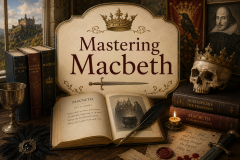
In Macbeth, Shakespeare shows how ambition can poison the mind. Macbeth wants power, but each choice makes him less free.

In Pride and Prejudice, Jane Austen explores pride, first impressions, and self-awareness. Elizabeth Bennet grows because she learns to question her own judgment.

In The Great Gatsby, F. Scott Fitzgerald shows the danger of desire. Gatsby builds a dream around Daisy, but the dream cannot survive reality.

For more background on Shakespeare and his lasting influence, you can visit Britannica’s William Shakespeare page.

image-slider-with-thumbnail1.jpeg
PlayPause
previous arrow
next arrow
image-slider-with-thumbnail1.jpeg
image-slider-with-thumbnail3.jpeg
image-slider-with-thumbnail4.jpeg
ChatGPT Image Jun 27, 2026, 06_33_13 PM
ChatGPT Image Jun 27, 2026, 06_36_37 PM
ChatGPT Image Jun 27, 2026, 06_38_39 PM
ChatGPT Image Jun 27, 2026, 06_31_22 PM
image-slider-with-thumbnail7.jpeg
ChatGPT Image Jun 27, 2026, 06_29_43 PM
ChatGPT Image Jun 27, 2026, 06_27_44 PM
image-slider-with-thumbnail6.jpeg
ChatGPT Image Jun 27, 2026, 06_15_07 PM
image-slider-with-thumbnail5.jpeg
ChatGPT Image Jun 27, 2026, 06_22_43 PM
ChatGPT Image Jun 27, 2026, 06_25_37 PM
ChatGPT Image Jun 27, 2026, 06_19_43 PM
ChatGPT Image Jun 27, 2026, 06_12_00 PM
ChatGPT Image Jun 27, 2026, 06_08_50 PM
ChatGPT Image Jun 26, 2026, 04_54_23 PM
ChatGPT Image Jun 27, 2026, 05_53_51 PM
ChatGPT Image Jun 28, 2026, 08_35_55 AM
previous arrow
next arrow

Books Every Human Nature Students Should Read for Class

Students can use these books to build strong literary analysis skills.

The Catcher in the Rye by J.D. Salinger works well for studying grief and alienation. Holden often sounds angry, but his deeper pain is loss.

Of Mice and Men by John Steinbeck shows friendship, dreams, and mercy. George and Lennie want a simple life, but the world around them is harsh.

Beloved by Toni Morrison explores memory and trauma. It shows how the past can haunt both a person and a community.

These Books Every Human Nature titles help students write about theme, conflict, and character motive with more depth.

Symbols That Show Human Nature in Books

Symbols often reveal what characters cannot say out loud.

In Lord of the Flies, the conch stands for order. When it loses power, the boys lose their sense of shared rules.

In The Great Gatsby, the green light stands for longing. Gatsby reaches toward it, but it stays across the water.

In Frankenstein, fire can mean knowledge and danger. It gives warmth, but it also burns.

When you read Books Every Human Nature selections, watch for repeated objects, colors, and places. They often point to a deeper human need.

Major Themes in Books Every Human Nature Readers Notice

The same themes appear across many great works.

One major theme is power. Literature often asks what people do when they gain control over others.

Another theme is guilt. Characters may try to hide from the truth, but guilt tends to return in dreams, memories, or fear.

Love is also central. Some stories show love as healing, while others show it as selfish or blind.

Books Every Human Nature readers should also look for identity. Many characters struggle to decide who they are and what they believe.

Poetry and Books Every Human Nature Readers Should Pair Together

Poetry can reveal human nature in a sharp, brief way.

Emily Dickinson often writes about death, doubt, hope, and inner life. Her poems feel small at first, but they open into huge questions.

If you want help with her style, read our guide on how to read Emily Dickinson. It can help you slow down and notice her strange, powerful choices.

You can also explore more of her work at the Poetry Foundation’s Emily Dickinson page.

These books are useful for students, book clubs, and personal reading.

  • Lord of the Flies by William Golding
  • Frankenstein by Mary Shelley
  • The Great Gatsby by F. Scott Fitzgerald

You can search these titles on Amazon, request them at a library, or find classroom editions with notes.

How to Read Books Every Human Nature Works More Deeply

Good reading starts with better questions.

Ask what each character wants. Then ask what blocks that desire.

Notice when a character changes. A small change can reveal a major truth about fear, pride, love, or regret.

Pay attention to endings. The final scene often shows what the book believes about human nature.

If you read poetry with fiction, you may see the same ideas in a new form. Our Emily Dickinson reading guide is a helpful place to start.

FAQ About Books Every Human Nature Readers Choose

What does “Books Every Human Nature” mean?

It refers to books that help readers understand human behavior, emotion, and moral choice.

What is the best book about human nature for students?

Lord of the Flies is a strong choice because it clearly explores fear, power, and group behavior.

Why do teachers assign books about human nature?

Teachers use these books because they help students study character, theme, conflict, and symbolism.

Can modern books show human nature too?

Yes. Modern novels often explore identity, trauma, justice, and belonging in ways that connect with today’s readers.

How can I write about human nature in an essay?

Choose one clear theme, use short quotes, and explain how a character’s choices reveal a larger truth.

Key Takeaway

Books Every Human Nature readers value do more than tell a story. They help us see why people love, fear, fail, and change.

The best books leave us with a clearer view of others and a sharper view of ourselves.

Books Like Fear and Anxiety: Literature That Makes Inner Fear Visible

Fear and Anxiety

Readers often search for Books Like Fear and Anxiety because they want stories that name what many people feel but struggle to explain. These books turn panic, dread, doubt, and stress into characters, symbols, and powerful scenes.

For students, these works can also make essays richer because they connect personal feeling with big literary themes.

In this Guide

  • What makes these books powerful
  • Classic novels about fear and anxiety
  • Modern books with anxious characters
  • Common symbols and themes
  • Recommended books to read
  • FAQs
Fear and Anxiety

What Makes Books Like Fear and Anxiety So Powerful?

These stories show how fear changes the way people see the world.

Books Like Fear and Anxiety matter because they do more than describe nervous feelings. They show how fear shapes choices, breaks trust, and makes ordinary places feel strange.

In literature, anxiety often appears as a locked room, a dark street, a storm, or a voice inside the mind. These symbols help readers understand feelings that are hard to say out loud.

That is why these books work well in high school and college classes. They give students a clear path into theme, mood, conflict, and character study.

Classic Books Like Fear and Anxiety for Students

Many classic works explore fear through guilt, isolation, and pressure.

One strong example is Crime and Punishment by Fyodor Dostoevsky. Raskolnikov’s fear does not only come from the police. It comes from his own mind after he commits murder.

His anxiety grows because he cannot escape himself. This makes the novel a powerful study of guilt and moral fear.

Another key example is Frankenstein by Mary Shelley. Victor Frankenstein fears the creature he made, but he also fears the truth about his own ambition.

The novel shows that fear often starts when a person refuses to face responsibility.

The Metamorphosis by Franz Kafka also belongs in any discussion of Books Like Fear and Anxiety. Gregor Samsa wakes as an insect, but the deeper horror is his family’s shame and rejection.

Kafka turns anxiety into a strange body. That image helps readers see how fear can make a person feel less than human.

Modern Books Like Fear and Anxiety Worth Reading

Modern stories often connect anxiety to identity, family, school, work, and social pressure.

The Bell Jar by Sylvia Plath is one of the most important modern novels about mental distress. Esther Greenwood feels trapped under an invisible weight.

The “bell jar” becomes a symbol of isolation. It shows how anxiety and depression can make the outside world feel distant and unreal.

Speak by Laurie Halse Anderson is another strong choice for students. Melinda’s silence shows how trauma can turn fear inward.

The novel uses art, school spaces, and voice as symbols. Each one helps show Melinda’s slow return to strength.

The Perks of Being a Wallflower by Stephen Chbosky also fits with Books Like Fear and Anxiety. Charlie’s letters reveal fear, memory, and loneliness in a direct, honest style.

These modern works help readers see that anxiety is not always loud. Sometimes it hides in silence, routine, or a smile.

Symbols and Themes in Books Like Fear and Anxiety

Writers often use symbols to make fear feel real on the page.
One common symbol is the house. In many stories, a house should mean safety. When the house feels unsafe, the reader senses deep emotional trouble.

In Edgar Allan Poe’s “The Fall of the House of Usher,” the house reflects the family’s decay and terror. You can learn more about Poe’s work through the Poetry Foundation’s page on Edgar Allan Poe.

Darkness is another common symbol. It may show confusion, danger, or the unknown.

Water can also point to anxiety. A flood, river, or deep sea may show a mind that feels out of control.

The strongest Books Like Fear and Anxiety often use setting as a mirror. The outside world reflects the character’s inner state.

Common themes include guilt, isolation, loss of control, and fear of change. These themes help readers connect private emotion to larger human problems.

How to Read Books Like Fear and Anxiety in Class

A careful reading can turn emotional scenes into strong analysis.

When you read Books Like Fear and Anxiety, start by asking what the main character fears most. Is it death, shame, failure, truth, or being alone?

Next, look for repeated images. A sound, color, room, or object may carry symbolic meaning.

Pay close attention to sentence style too. Short, broken sentences can create panic. Long, heavy sentences can make a scene feel trapped.

This same skill helps with poetry. If you want a clear method, read our guide on how to analyze poetry step by step.

Poems often use fear in a tight space. A single image can carry a whole emotional world.
These titles are strong choices for students who want literature with emotional depth.

  • The Bell Jar by Sylvia Plath
  • Frankenstein by Mary Shelley
  • Speak by Laurie Halse Anderson

Each book offers a different view of fear. One explores mental illness, one explores ambition and guilt, and one explores trauma and voice.

If you are building a reading list around Books Like Fear and Anxiety, these are useful starting points because they are widely taught and easy to discuss in essays.

Why Books Like Fear and Anxiety Matter in Literary Culture

These books help readers talk about feelings that society often hides.

Fear has always been part of literature. Ancient myths, Gothic novels, war stories, and modern school novels all use fear to ask serious questions.

What do people do when they lose control? How does guilt change a person? Can truth set someone free, or does it make life harder?

Books Like Fear and Anxiety stay popular because these questions never go away.

They also remind readers that fear is not a weakness. In many stories, fear becomes the first step toward honesty.

For background on Gothic fiction, which often explores dread and inner terror, Britannica offers a helpful overview of the Gothic novel.

FAQ: Books Like Fear and Anxiety

What are Books Like Fear and Anxiety usually about?

They are usually about fear, stress, guilt, trauma, or the feeling of being trapped. They often show how a character’s mind changes under pressure.

Are these books good for AP Literature essays?

Yes. Many of them have clear themes, strong symbols, and complex characters. That makes them useful for literary analysis.

What is a good first book to read in this category?

Frankenstein is a strong first choice. It has fear, guilt, science, family conflict, and rich symbolism.

Do these books always have sad endings?

No. Some are tragic, but others show healing or self-knowledge. The main focus is not sadness. It is emotional truth.

Key Takeaway

Books Like Fear and Anxiety help readers see how literature turns hidden feelings into stories, symbols, and unforgettable characters.

They are worth reading because they show that fear can reveal who people are, what they value, and what they must face to grow.

error

Enjoy this article? Please spread the word :)

Follow by Email
BLUESKY
fb-share-icon
Reddit
LinkedIn
Share
RSS