Best Books for Identity and Belonging: A Student Guide to Finding Your Place

Identity Belonging Books

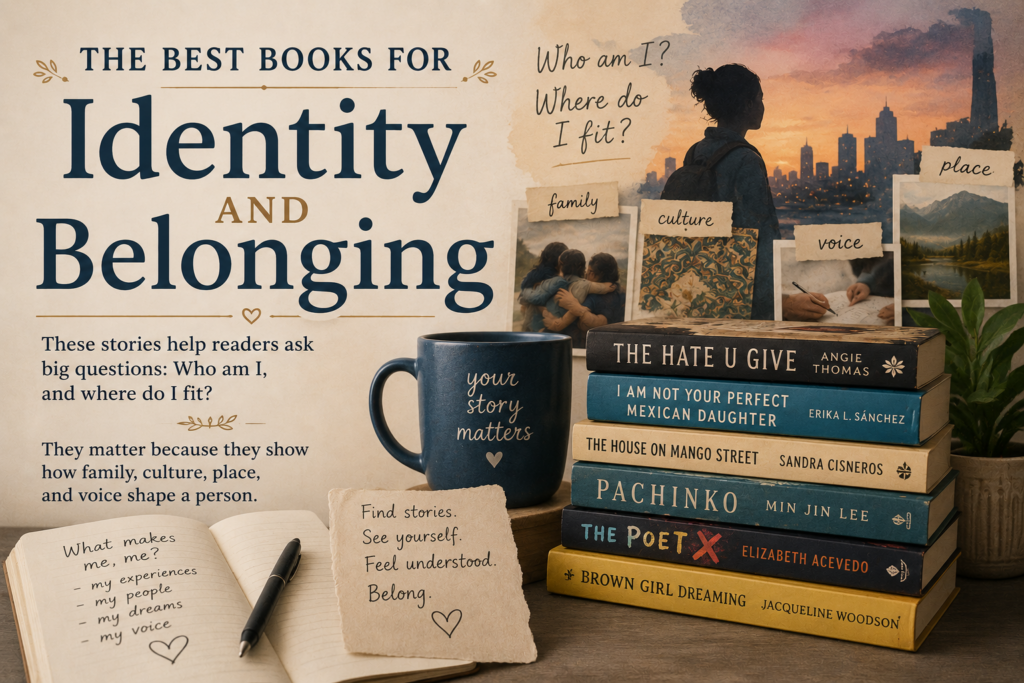
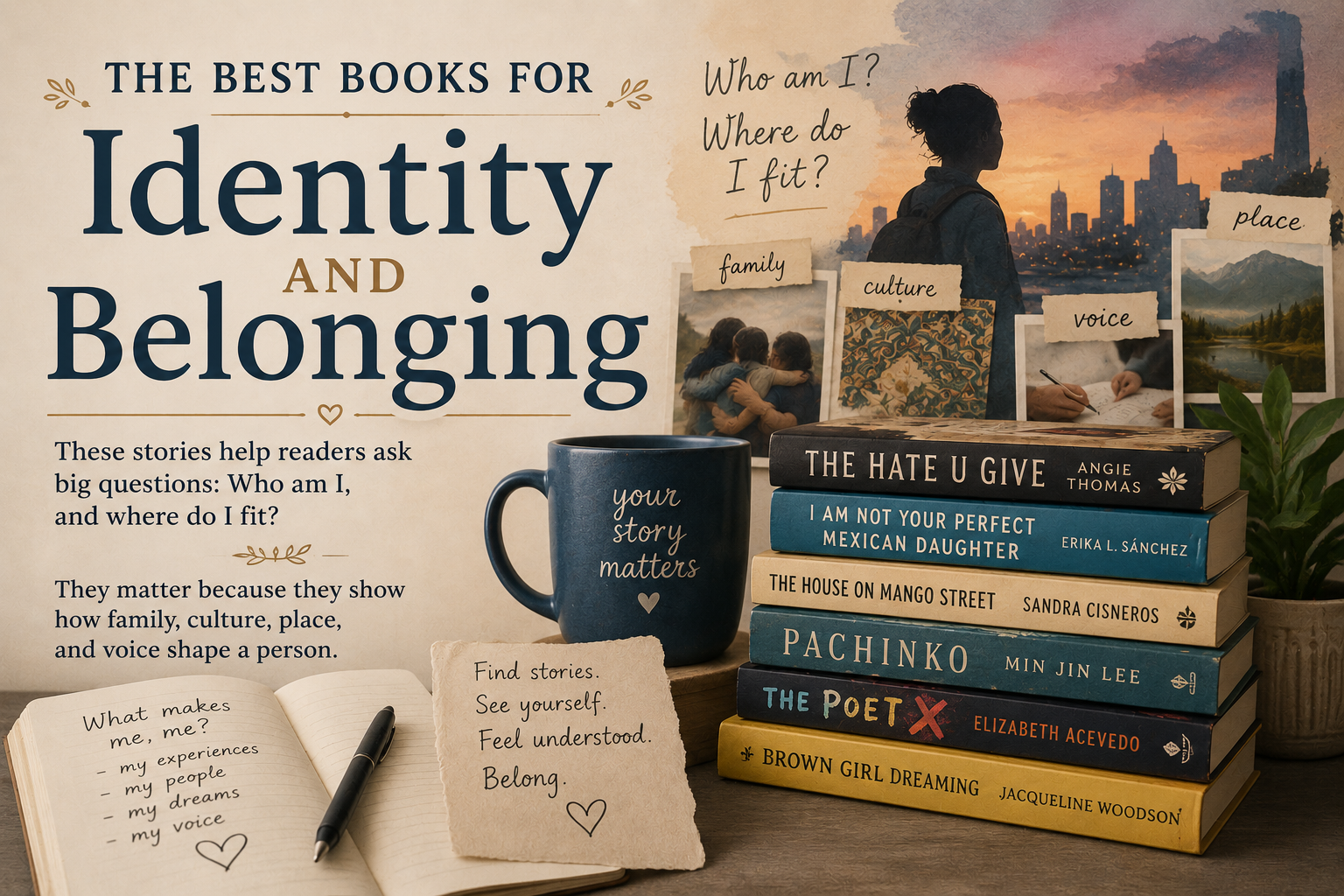
The Best Books for Identity and Belonging help readers ask big questions: Who am I, and where do I fit? These stories matter because they show how family, culture, place, and voice shape a person.

For students, these books can make class reading feel personal. They also give strong material for essays, discussions, and literary analysis.

In this Guide

  • Why identity and belonging matter in literature
  • Books to read first
  • Symbols and themes to notice
  • How students can read these books closely
  • More examples from classic and modern literature
  • Frequently asked questions
Identity Belonging Books

Why the Best Books for Identity and Belonging Matter

Stories about identity help readers see both difference and connection.

The Best Books for Identity and Belonging often follow characters who feel caught between worlds. They may face pressure from family, school, society, or their own fears.

These books show that identity is not always fixed. A character may change as they learn their history, speak their truth, or claim a place in the world.

Belonging can be just as complex. Sometimes a character wants to fit in. Other times, they learn that real belonging starts with self-respect.

Best Books for Identity and Belonging to Read First

These books are strong choices for high school, AP Literature, and college readers.

A good list of Best Books for Identity and Belonging should include voices from different cultures and time periods. The books below are often taught because they mix clear storytelling with deep themes.

The House on Mango Street by Sandra Cisneros

This short novel follows Esperanza, a young girl in a Chicago neighborhood, as she studies the world around her. She wants a home, but she also wants freedom.

Names, houses, windows, and streets become symbols of identity. Esperanza learns that belonging to a place does not mean she must be trapped by it.

The Namesake by Jhumpa Lahiri

This novel follows Gogol Ganguli, the son of Bengali immigrants, as he struggles with his name and his family history. His name becomes a symbol of love, burden, and memory.

The book asks a clear question: can a person honor their roots and still build a life of their own?

Their Eyes Were Watching God by Zora Neale Hurston

Janie Crawford searches for love, voice, and selfhood. Her journey shows how identity can grow through pain, choice, and courage.

The horizon is one of the novel’s key symbols. It represents hope, desire, and the dream of a wider life.

If you want to buy or borrow a few strong starting points, look for The House on Mango Street by Sandra Cisneros, The Namesake by Jhumpa Lahiri, and Their Eyes Were Watching God by Zora Neale Hurston.

Symbols and Themes in the Best Books for Identity and Belonging

Symbols make inner conflict visible on the page.

Across the Best Books for Identity and Belonging, authors often use objects, places, and names to show what a character feels but cannot always say.

A name may show family history. A house may show safety or limits. A road may show escape, growth, or the search for a new life.

In The House on Mango Street, the house is not just a building. It stands for poverty, shame, hope, and the need for self-definition.

In The Namesake, Gogol’s name carries memory from another country. It also becomes a source of conflict as he tries to decide who he wants to be.

Poetry can explore these same ideas in a smaller space. Langston Hughes often writes about voice, race, dream, and place. You can learn more from the Poetry Foundation profile of Langston Hughes.

If you want help with poems that explore identity, use this step-by-step poetry analysis guide to break down imagery, tone, and speaker.

How Students Can Read the Best Books for Identity and Belonging

Close reading helps you move from plot summary to real analysis.

When you read the Best Books for Identity and Belonging, track moments when a character feels accepted, rejected, or unseen. These moments often reveal the main conflict.

Pay attention to names, homes, language, clothing, food, and public spaces. These details often carry cultural meaning.

Ask what the character wants at the start. Then ask what they understand by the end. That shift can become the center of a strong essay.

You can also connect these books to the coming-of-age tradition. Britannica explains this type of story in its overview of the Bildungsroman.

More Examples of the Best Books for Identity and Belonging

Many famous works ask what it means to be seen and understood.

Invisible Man by Ralph Ellison explores race, power, and the pain of being unseen by society. The narrator’s identity changes as he learns how others try to define him.

American Born Chinese by Gene Luen Yang uses humor, myth, and graphic storytelling to explore shame and self-acceptance. It is a strong choice for students who like visual texts.

Jane Eyre by Charlotte Brontë follows a young woman who wants love without losing her sense of self. Jane’s voice is central to her identity.

Persepolis by Marjane Satrapi shows how politics, family, and memory shape a young person’s life. Its black-and-white art makes identity feel sharp and personal.

These works prove that the Best Books for Identity and Belonging do not all look the same. Some are novels. Some are graphic memoirs. And some are poems or plays.

FAQ: Best Books for Identity and Belonging

What makes a book about identity and belonging?

A book fits this theme when characters ask who they are, where they come from, and where they feel accepted.

Why are the Best Books for Identity and Belonging useful for students?

They give students clear themes for essays and class talks. They also connect literature to real life.

Are these books good for AP Literature?

Yes. Many of these books have rich symbols, complex characters, and strong themes, which makes them useful for AP-style analysis.

Can poetry count as literature about identity and belonging?

Yes. Poems often explore voice, culture, memory, and place in a direct way.

Key Takeaway

The Best Books for Identity and Belonging remind us that finding a place in the world is rarely simple. These stories show that identity grows through choice, memory, conflict, and voice.

For students, that makes them more than good reading. They are tools for thinking about literature, society, and the self. 📚
Themes in Their Eyes Were Watching God: A Student-Friendly Guide

Their Eyes Were Watching God Themes

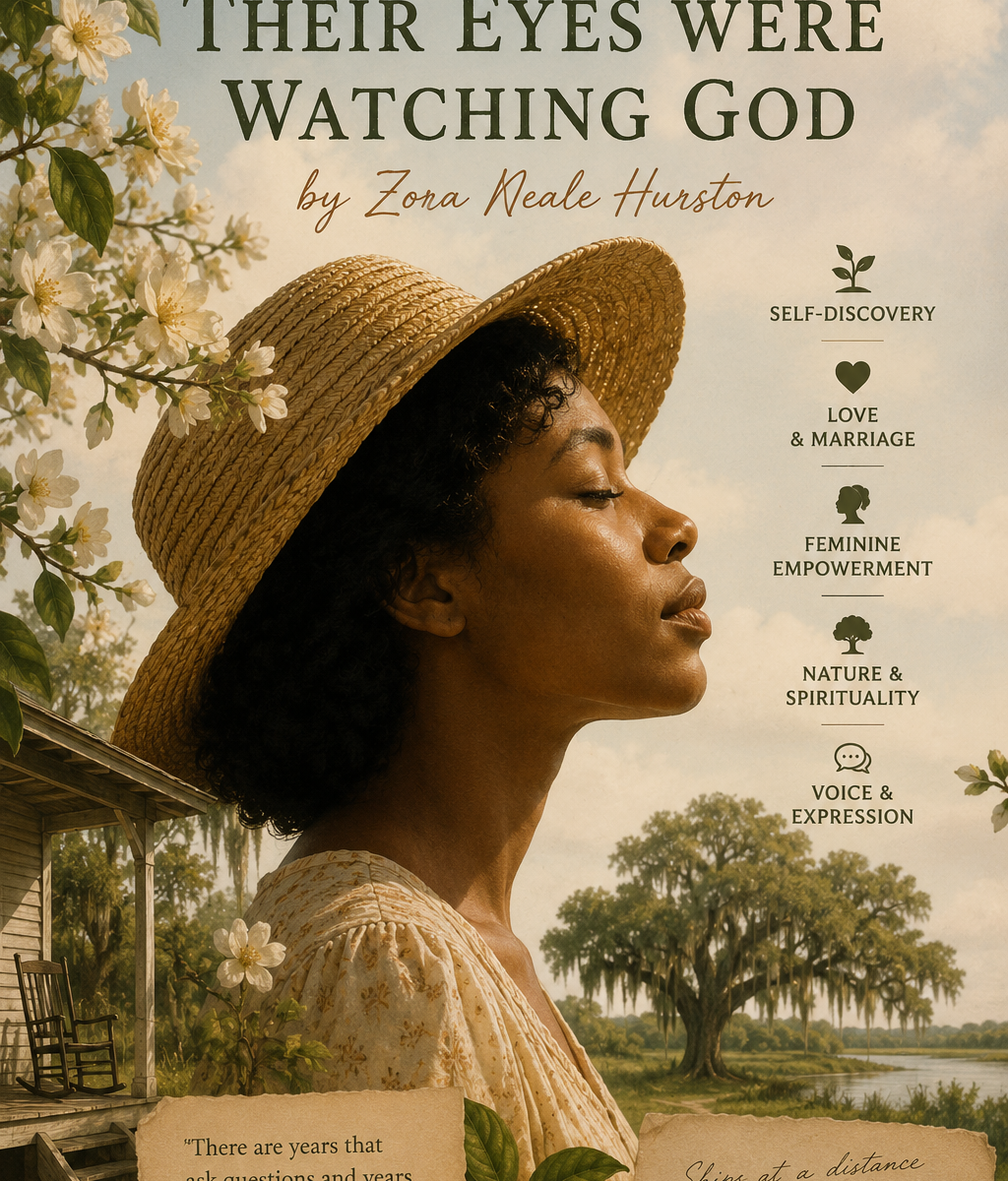
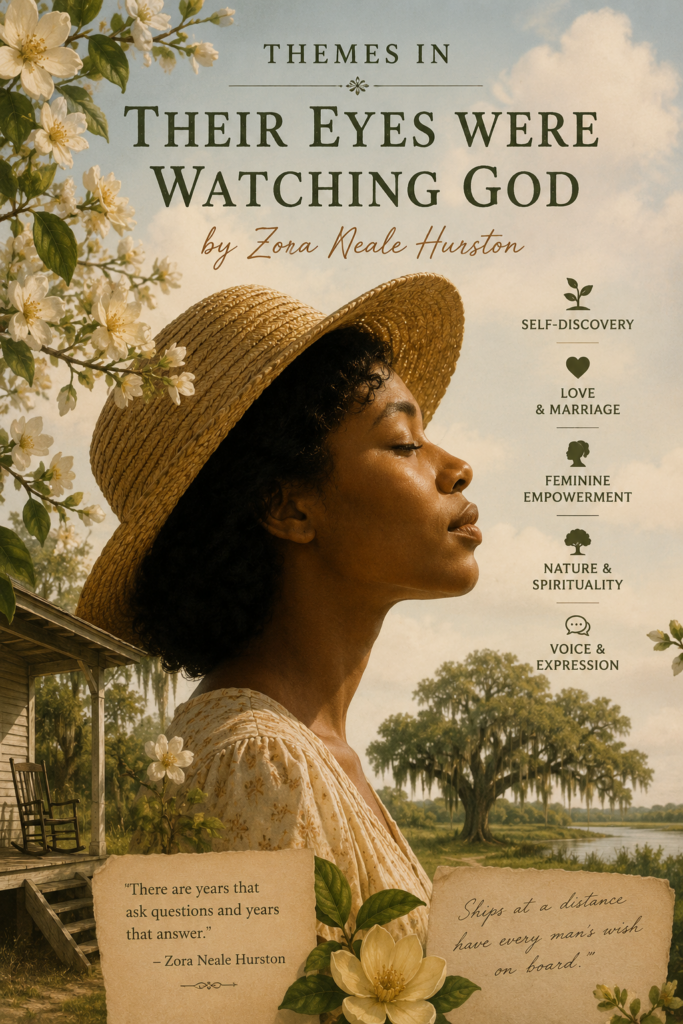
Zora Neale Hurston’s novel follows Janie Crawford as she searches for love, voice, and a life that feels like her own. The themes in Their Eyes Were Watching God help students see why Janie’s story still matters in classrooms today.

In this Guide

Use this guide to focus your reading and prepare for class discussion.

Their Eyes Were Watching God Themes

Why the themes in Their Eyes Were Watching God Matter

The novel is not just about what happens to Janie. It is about what she learns as she moves through love, pain, and freedom.

The themes in Their Eyes Were Watching God show how hard it can be to find yourself when others keep trying to define you. Janie’s life is shaped by family pressure, marriage, gossip, race, and gender roles.

Hurston also writes with deep respect for Black Southern speech and culture. You can learn more about her life and work through Britannica’s profile of Zora Neale Hurston.

Major themes in Their Eyes Were Watching God

These are the main ideas students should track as they read the novel.

Self-discovery and voice

Janie’s biggest journey is the search for her own voice. At first, other people speak for her or decide what her life should mean.

Logan Killicks sees her as labor. Jody Starks sees her as a symbol of his power. Tea Cake gives her more space to speak, but Janie still must learn to stand on her own.

This theme is clear at the end when Janie tells her story to Pheoby. Her voice becomes proof that she survived and grew.

Love and control

Love and power are often tied together in the novel. Hurston asks whether love can be real if one person tries to control the other.

Janie’s first marriage gives her safety but no joy. Her second marriage gives her status but takes away freedom. With Tea Cake, love feels more alive, but it is not perfect.

A useful comparison is Jane Eyre by Charlotte Brontë. Like Janie, Jane wants love, but she also wants respect and self-rule.

Gender roles and power

Janie lives in a world where men often expect women to stay quiet. Jody makes this clear when he keeps Janie off the porch and away from public talk.

The porch becomes more than a place. It shows who has a voice and who gets pushed aside.

Janie’s growth comes when she stops living only by other people’s rules. She does not reject love, but she refuses to disappear inside it.

Race, community, and judgment

The novel shows Black community life with humor, beauty, conflict, and pressure. Eatonville is a place of pride, but it is also full of gossip and judgment.

People watch Janie closely because she does not always fit what they expect. Her return in overalls shocks the town because they judge her before they hear her story.

This is one reason the frame story matters. Janie’s own account pushes back against the town’s narrow view of her life.

Nature, God, and fate

Nature is powerful in the novel. The pear tree, the mule, the horizon, and the hurricane all point to forces larger than daily life.

The hurricane is one of the clearest examples. It reminds readers that human plans can be broken by forces no one can control.

The title itself points to this idea. During the storm, the characters look toward God because they know human power has limits.

Symbols That Support the themes in Their Eyes Were Watching God

Hurston’s symbols help turn ideas into images students can remember.

The pear tree represents Janie’s early dream of love. She sees beauty, union, and desire in the natural world.

The horizon stands for possibility. Janie keeps reaching toward a life that feels wider than the one others choose for her.

The mule shows burden and mistreatment. It connects to the way people, especially women, can be used by others.

These symbols make the themes in Their Eyes Were Watching God easier to trace. If you want more help with this skill, read our guide on how to find symbolism in a story.

How Hurston’s Style Builds Meaning

The way Hurston tells the story is just as important as the plot.

Hurston uses a frame story, which means Janie tells her past from a later point in her life. This gives Janie control over her own story.

The novel also shifts between poetic narration and spoken dialogue. This mix helps readers hear both Janie’s inner life and the life of her community.

For context on the wider literary movement around Hurston’s era, see Poetry Foundation’s introduction to the Harlem Renaissance.

How to Write About themes in Their Eyes Were Watching God

A strong essay should connect a theme to Janie’s growth, not just name the theme.

When you write about themes in Their Eyes Were Watching God, start with a clear claim. For example, you might argue that Janie’s voice becomes stronger each time she leaves a life that limits her.

Then use key scenes. Good choices include Janie under the pear tree, Jody silencing her in the store, the hurricane, and Janie’s final talk with Pheoby.

You can also connect theme and symbol. The horizon works well because it follows Janie’s desire for freedom across the novel. For extra practice, use this symbolism reading strategy as you gather evidence.

Related Books Students May Find Helpful

These books can help you compare voice, identity, and freedom across different works.

  • Their Eyes Were Watching God by Zora Neale Hurston
  • Jane Eyre by Charlotte Brontë
  • The Color Purple by Alice Walker

FAQ About themes in Their Eyes Were Watching God

These quick answers can help with review before a quiz or essay.

What are the main themes in Their Eyes Were Watching God?

The main themes include self-discovery, voice, love, power, gender roles, race, community, nature, and fate.

Why is Janie’s voice important?

Janie’s voice shows her growth. By telling her own story, she claims the meaning of her life.

What does the pear tree symbolize?

The pear tree symbolizes Janie’s dream of love, beauty, and emotional connection.

How does the hurricane connect to the title?

The hurricane shows that people are not fully in control. In that moment, the characters look toward God and face the power of nature.

Is Tea Cake the answer to Janie’s search?

Not fully. Tea Cake helps Janie experience a freer kind of love, but Janie’s final strength comes from within herself.

Key Takeaway

Janie’s story is about more than romance. The deepest themes in Their Eyes Were Watching God show a woman learning to speak, choose, and live as herself.