

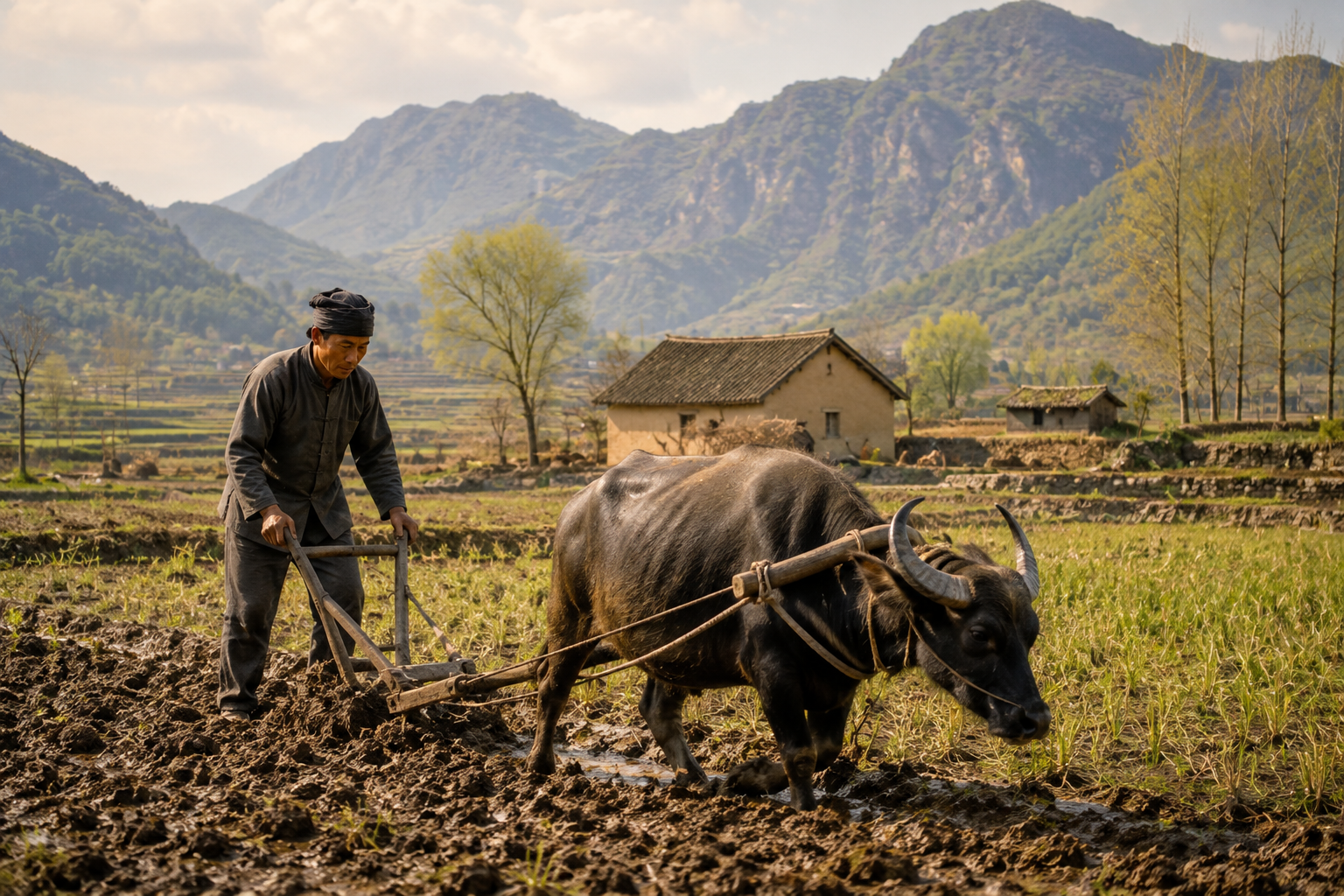
Understanding the themes in The Good Earth helps students see why Pearl S. Buck’s novel still matters. The book is not only about one farmer’s life, but also about land, hunger, family duty, and the cost of success.
This guide gives you the major ideas to notice, with simple examples you can use for class discussion or essays.
In this Guide
Use this quick map to find the part you need most.
- Major themes in the novel
- Land and survival
- Family duty and gender roles
- Wealth and moral change
- Nature, hunger, and fate
- Symbols and essay tips
- Related books and FAQ
Major themes in The Good Earth
The novel’s biggest ideas come from Wang Lung’s daily fight to live with honor and security.
The themes in The Good Earth grow from simple needs. Wang Lung wants land, food, sons, and respect. Yet each goal brings a new conflict.
Pearl S. Buck shows that survival can shape a person’s values. A poor farmer may seem humble because he has little power. Once he gains money, his true character faces a harder test.
This is why the novel works well for AP Literature and college essays. It connects a personal story to larger questions about class, gender, labor, and human desire.
For more background on the author, the Britannica entry on Pearl S. Buck gives a clear overview of her life and writing.
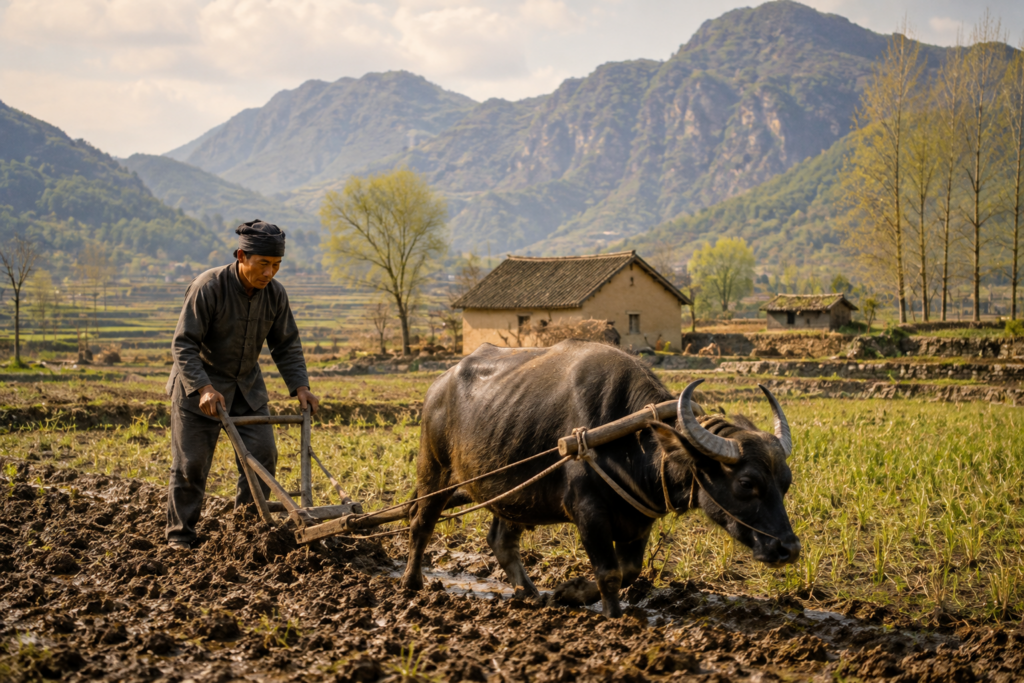
Land and survival: one of the central themes in The Good Earth
Land is the source of life, pride, and identity in the novel.
Wang Lung does not see land as a luxury. He sees it as safety. When he owns land, he has a way to feed his family and keep his place in the world.
This makes land the novel’s most powerful symbol. It stands for work, family roots, and moral strength. When Wang Lung stays close to the soil, he seems more grounded.
When he moves away from the land, he becomes less steady. Wealth pulls him toward comfort and status. The land keeps calling him back because it reminds him of who he used to be.
This theme has a strong link to John Steinbeck’s The Grapes of Wrath. In both books, land is not just property. It shapes dignity and survival.
Family duty in the themes in The Good Earth
Family gives Wang Lung purpose, but it also traps some characters in unfair roles.
Wang Lung feels deep duty toward his father and sons. In his world, family honor matters more than personal choice. This duty often guides his actions.
The novel also shows how gender roles limit women. O-lan works hard, saves the family, and rarely asks for praise. Her silence is one of the saddest parts of the book.
Buck does not ask readers to ignore Wang Lung’s flaws. He depends on O-lan, yet he does not fully value her. This conflict helps students write about power inside the home.
A useful comparison is Sophocles’ Antigone. Both works show how family duty can be noble, but also painful when society gives people unequal power.
Wealth and moral change in the themes in The Good Earth
The novel asks whether success can weaken a person’s values.
At first, Wang Lung’s hunger makes him careful and humble. He knows the cost of food because he has worked for it. As he grows rich, his choices begin to change.
He wants fine things. He wants social respect. And he also wants pleasure that does not connect to labor or duty.
This is one of the themes in The Good Earth that students should track closely. Buck does not say money is evil. She shows that wealth can make old values easier to forget.
Think of Shakespeare’s Macbeth. Macbeth gains power, but that power damages his mind and morals. Wang Lung’s fall is quieter, yet it still shows how success can change a soul.
Nature and hunger among the themes in The Good Earth
Nature is not gentle in this novel, but it is always powerful.
Drought and famine shape the plot. When the earth fails, people lose safety fast. Hunger breaks social rules and forces terrible choices.
Buck makes hunger feel physical. It is not an abstract problem. It enters the body, the home, and the family bond.
This theme also creates a question about fate. Wang Lung can work hard, but he cannot control rain, flood, or famine. The novel respects hard work, yet it never pretends that effort solves every problem.
For students, this is a strong essay angle. You can argue that the novel balances human effort with forces beyond human control.

Social class and the cycle of power
The novel shows how those with low income may come to resemble the rich once they gain power.
Early in the story, Wang Lung looks up at the wealthy House of Hwang. That family seems distant, rich, and weak from luxury.
Over time, Wang Lung gains land and status. His life begins to echo the same pattern he once judged. This shift creates irony.
The point is not that Wang Lung is a villain. The point is sharper than that. Buck shows how class systems can repeat themselves when people chase the same signs of power.
This theme works well with the idea of a social cycle. People rise, gain comfort, lose discipline, and risk decline.
Tradition, change, and personal desire
Wang Lung lives between old values and new temptations.
Tradition tells him to honor elders, value sons, respect land, and keep the family line strong. These beliefs give his life structure.
Yet desire pulls him away from that structure. He wants beauty, pleasure, and proof that he has become important. His private wants often clash with his public duties.
This conflict makes Wang Lung feel human. He is not easy to admire all the time, but he is easy to study. His choices reveal the pressure between what a person owes and what a person wants.
Symbols that support the themes
Buck uses objects and places to make big ideas easier to see.
The earth is the main symbol. It stands for life, labor, and return. Even when Wang Lung becomes wealthy, the land remains his deepest source of meaning.
The House of Hwang works as another symbol. It shows the danger of wealth without discipline. Its decline warns Wang Lung, even if he does not fully learn from it.
Food is also important. Meals, hunger, and stored grain show how close people are to safety or disaster.
If you want help with this skill, read our guide on how to find symbolism in a story. It can help you turn symbols into stronger theme statements.
How to write about the themes in The Good Earth
A strong essay should connect a theme to character change and evidence.
Do not write only that the novel is about land. Make the idea more specific. For example, you might argue that land gives Wang Lung moral strength, but wealth pulls him away from that strength.
A good theme statement should be a claim, not a topic. Land is a topic. A theme claim explains what the novel says about land.
Here is a student-friendly example: In The Good Earth, Buck shows that land can give people dignity, but only if they respect the labor and limits that come with it.
You can also use Rapid Reads Press study guides to build cleaner notes before you draft an essay.
Related books to look up on Amazon
These books pair well with Buck’s novel for theme study and class projects.
- The Good Earth by Pearl S. Buck
- The Grapes of Wrath by John Steinbeck
The Nobel Prize biography of Pearl S. Buck is also useful if your teacher asks for author context.
FAQ: themes in The Good Earth
These quick answers help with review before a quiz, essay, or class talk.
What are the main themes in The Good Earth?
The main themes in The Good Earth include the bond between people and land, the pressure of family duty, the danger of wealth, and the force of hunger.
Why is land so important in the novel?
Land gives Wang Lung food, pride, and identity. It is the one source of value that feels real to him.
Is Wang Lung a good person?
He is mixed. He works hard and loves his family in his own way, but he also becomes selfish as he gains wealth.
What does O-lan represent?
O-lan represents endurance, sacrifice, and the hidden labor that keeps the family alive.
What is a good essay topic for this novel?
A strong topic is how wealth changes Wang Lung’s values and weakens his bond with the land.
Key Takeaway
The best way to understand this novel is to watch how Wang Lung changes. The land gives him life, but wealth tests what kind of person he will become.












