A clear overview of the plot, structure, conflicts, and literary meaning.
This A Separate Peace summary and analysis explains John Knowles’s novel in a way that is easy to use for class. The book looks simple at first, but its story about friendship, guilt, and war has deep meaning.
Use this guide to review the plot, study Gene and Finny, and prepare for essays or discussion.
In this Guide
Start with the big picture, then move into meaning.
- Quick overview
- Plot by section
- Character analysis
- Main conflicts
- Themes and symbols
- Structure and style
- Essay help and FAQ

A Separate Peace Summary and Analysis: Quick Overview
The novel is about two boys at a boarding school during World War II.
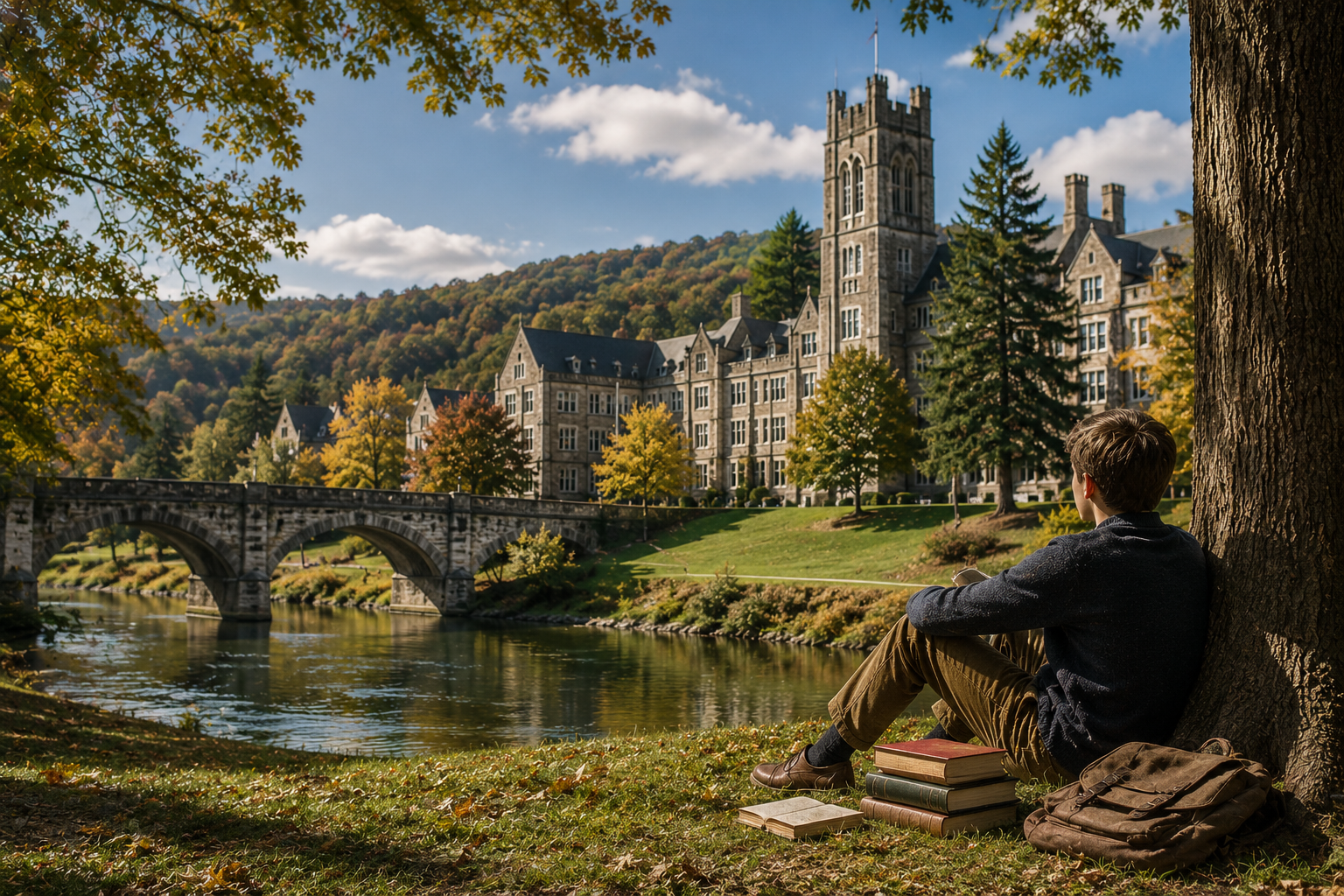
A Separate Peace is set at Devon School in New Hampshire. The narrator, Gene Forrester, looks back on his youth after returning to the school as an adult.
Gene remembers his close friendship with Phineas, usually called Finny. Finny is brave, charming, and free from the fear that controls many other students.
Gene admires Finny, but he also feels jealous of him. That jealousy leads to the novel’s central crisis: Gene shakes a tree limb, Finny falls, and Finny’s life changes forever.
This A Separate Peace summary and analysis shows how the novel turns a school story into a study of the human heart. The war outside Devon matters, but the war inside Gene matters even more.
For a short background source, see Britannica’s overview of A Separate Peace.
A Separate Peace Summary and Analysis: Plot by Section
The plot moves through memory, from adult reflection to the painful events of youth.
Gene returns to Devon
The novel begins years after the main events. Gene visits Devon School and notices two places that still trouble him: a tree by the river and a marble staircase.
These places act like doorways into the past. Gene is not just remembering school. He is facing guilt that has stayed with him for years.
The summer session
Gene thinks back to the summer of 1942. He and Finny live at Devon while the war grows in the background.
Finny creates games, breaks rules, and charms teachers. His most famous game is Blitzball, a sport with shifting rules that fit his wild energy.
Finny also starts the Super Suicide Society of the Summer Session. Members jump from a tree into the river. Gene joins, even though the tree scares him.
The fall from the tree
Gene starts to believe that Finny wants to beat him in school by distracting him. This belief says more about Gene than about Finny.
At the tree, Gene and Finny stand on the limb together. Gene moves the branch, and Finny falls. The fall shatters Finny’s leg and ends his dream of athletic greatness.
Gene later tries to confess, but Finny refuses to accept the truth. Their friendship becomes a mix of love, denial, and pain.
The winter session
School becomes colder and more serious. The war feels closer. Older boys talk about enlistment, and military duty shapes daily life.
Leper Lepellier enlists after seeing a ski troop video. His choice seems brave at first, but he later breaks down and returns home in fear.
Brinker Hadley pushes Gene to face what happened to Finny. A student trial takes place, and the boys question Gene in front of Finny.
Finny’s second fall and death
Finny runs from the truth after the trial. He falls down the marble stairs and breaks his leg again.
During surgery, bone marrow enters his bloodstream, and Finny dies. His death is sudden, quiet, and deeply painful.
Gene does not cry at the funeral. He says it feels like his own funeral, which reveals how closely his identity was tied to Finny.
Setting and Historical Context
Devon looks peaceful, but the war reaches into every part of school life.
In a strong A Separate Peace summary and analysis, Devon is more than a backdrop. It is a place where boys prepare to become soldiers, even before they understand themselves.
The novel takes place during World War II, but it is not a battlefield novel. Knowles is more interested in fear, pride, and private guilt.
This is similar to Lord of the Flies by William Golding. In both books, young people live away from adult power, and their hidden conflicts rise to the surface.
The title suggests a private truce. Gene seeks a separate peace not with another nation, but within himself.
Gene and Finny: Character Analysis
The friendship between Gene and Finny drives the whole novel.
Gene Forrester is smart, careful, and deeply self-aware. He tells the story years later, so readers must decide how much to trust his memory.
Gene’s main flaw is envy. He wants to believe Finny is his rival because that excuse makes his own jealousy feel less shameful.
Finny is athletic, bold, and almost innocent. He does not seem to understand rivalry in the same way Gene does. That makes Gene’s suspicion even more tragic.
Finny also denies painful truths. He denies that Gene meant harm, and for a time he even denies the reality of the war. His charm protects him, but it also blinds him.
Their friendship is real, yet it is not pure. Knowles shows that people can love someone and still hurt them.
Main Conflicts in A Separate Peace
The novel’s biggest battles are emotional and moral.
An A Separate Peace summary and analysis should connect the outer war to Gene’s inner war. World War II creates pressure, but Gene’s jealousy creates the central wound.
Gene vs. Finny
Gene imagines a rivalry that Finny may not feel. This false conflict leads Gene to act from fear instead of trust.
Gene vs. himself
After the fall, Gene struggles with guilt. He wants punishment, but he also wants to hide from the truth.
Youth vs. adulthood
Devon is a place between childhood and war. The boys still play games, but adult violence waits just beyond the school gates.
This conflict makes the novel feel sad and tense. The students are not ready for war, yet war is already shaping them.
Themes and Symbols in A Separate Peace
Knowles uses simple objects to carry heavy meaning.
This A Separate Peace summary and analysis also tracks the novel’s key themes. The most important ones are guilt, lost innocence, and the search for peace.
Friendship and jealousy
Gene and Finny’s friendship shows how envy can poison love. Gene does not hate Finny. He hates the way Finny makes him feel small.
War outside and war inside
The boys talk about joining the military, but Gene has already fought a private war. By the end, he understands that his enemy was never Finny.
The tree
The tree is a symbol of fear, youth, and guilt. As an adult, Gene sees it as smaller than he remembered. That change shows how memory can enlarge pain.
The marble stairs
The stairs connect to Finny’s second fall. Unlike the tree, they are hard and built by adults. They suggest that pain does not end when childhood ends.
The winter carnival
Finny creates the carnival to keep joy alive at Devon. It is brief, bright, and fragile, much like Finny himself.
Narration, Structure, and Style
The novel is told as a memory, which makes every scene feel shaped by time.
A Separate Peace summary and analysis often focuses on plot, but the narration is just as important. Gene tells the story as an adult, so readers hear both the boy he was and the man he became.
This creates a reflective tone. Gene does not simply report events. He tries to understand what they meant.
The structure is circular. The story starts at Devon in the present, moves into the past, and returns to Gene’s final insight.
Like The Catcher in the Rye by J. D. Salinger, the novel uses a young man’s voice to explore pain. Both books ask readers to notice what the narrator says and what he avoids.
If you need help with this kind of reading, review our guide on how to practice close reading in literature.
Why the Ending Matters
The ending is quiet, but it changes how we see the whole book.
Gene says that he never killed anyone during the war because his own war ended before he joined the military. This is one of the novel’s most important lines.
He means that he had already faced his real enemy: the fear and envy inside himself.
Finny’s death does not bring simple peace. It leaves Gene with a hard truth. He must live with what he did and with what he learned about human weakness.
The ending asks students to think about responsibility. Gene is not a cartoon villain. He is a flawed person who harms someone he loves.
How to Read the Novel for Class
A focused reading plan can make the novel much easier to understand.
For students, A Separate Peace summary and analysis works best when paired with careful notes. Track moments when Gene feels jealous, afraid, or unsure of himself.
Pay close attention to scenes at the tree, the trial, and the stairs. These moments reveal the novel’s moral structure.
You can also mark symbols in the margins and connect them to themes. If that feels hard, use our close reading guide for students to slow down key passages.
For extra support, you can pair your notes with our student literature study guide collection.
Related Books for Students
These books pair well with Knowles’s novel for class study.
- A Separate Peace by John Knowles
- Lord of the Flies by William Golding
Both books explore youth under pressure. They also show how fear can change a closed community.
FAQ
These quick answers help with common class questions.
What is A Separate Peace about?
It is about Gene Forrester’s memory of his friendship with Finny at Devon School during World War II. The story centers on guilt after Gene causes Finny’s fall.
Did Gene mean to hurt Finny?
The novel leaves some room for debate, but Gene’s guilt suggests that the act came from jealousy. It may not have been planned, yet it was not innocent.
What does Finny symbolize?
Finny often represents innocence, freedom, and trust. His death marks the loss of those qualities for Gene.
What is the main theme of A Separate Peace?
The main theme is the struggle to face the enemy within. Gene learns that fear and envy can cause deep harm.
Why is the title important?
The title points to Gene’s private search for peace. He must come to terms with his guilt before he can understand the larger war.
Key Takeaway
The novel is small in scope, but its moral problem is large.
Use this A Separate Peace summary and analysis as a starting point, not a replacement for the book. Knowles shows that growing up often means facing the truth about yourself, even when that truth hurts.