Flash Memoir Prompt: Parent Who Was Harder to Reach

flash memoir prompt parent

A tender flash memoir prompt about the parent who felt harder to reach, told through one small scene, one telling detail, and the truth you could not say then.

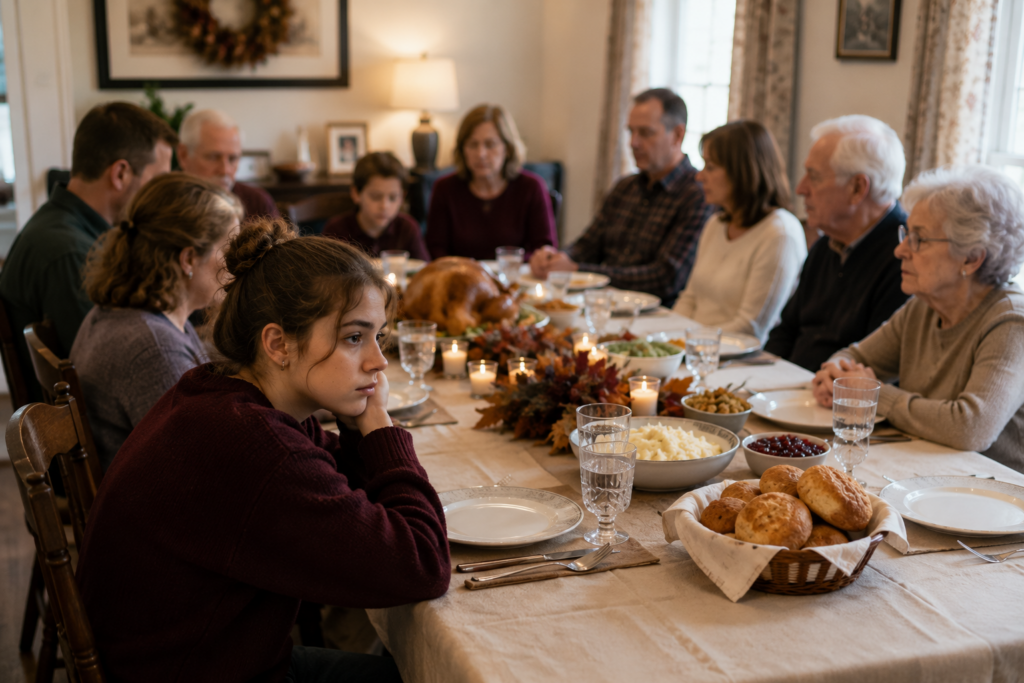
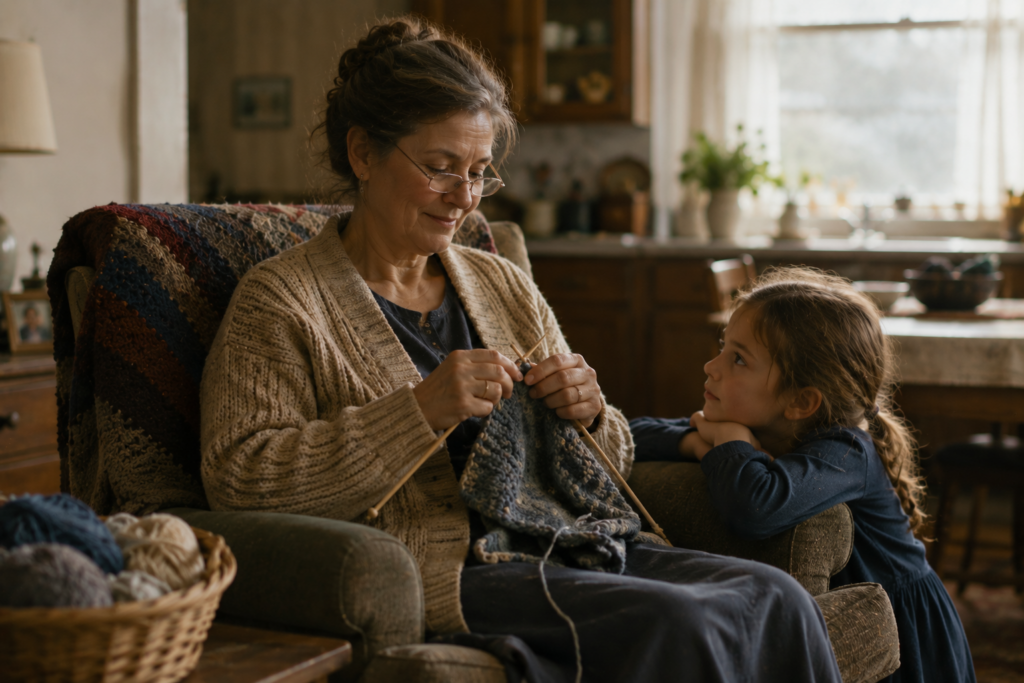
Maybe you knew exactly which parent would laugh at your joke, sign your permission slip, or ask about your day. And maybe the other one felt like a locked room. You could see them. You could hear them moving through the house. Still, there was a distance you did not know how to cross.

This flash memoir prompt about the parent who was harder to reach asks you to enter that distance with care. You do not have to judge the parent. You do not have to excuse them either. Your job is smaller and more honest: choose one moment when you felt the space between you.

That moment might be quiet. A car ride. A kitchen table. A phone call that ended too soon. A birthday where you waited for the right words and got practical advice instead.

When you write from one scene, the memory can breathe. You can show what it felt like before you try to explain what it meant.

flash memoir prompt parent

The Prompt

Write about the parent who was harder to reach.

This prompt can unlock a meaningful memory because it points toward a relationship shaped by distance, silence, timing, or fear. The parent may have been loving but closed off. They may have been busy, strict, wounded, distracted, or simply difficult to understand.

A strong flash memoir does not need the whole history. It needs one sharp moment. Think of a time you tried to get close, ask a question, share news, or be noticed. What happened in the room? What did your parent do with their hands? What did you decide to stop asking?

If you are using this as a flash memoir prompt parent who harder reach writing exercise, let the scene stay small. The smaller the scene, the more room there is for emotional truth.

Why This Memory Matters

The parent who was harder to reach often becomes a central figure in memory because distance leaves questions behind. Children notice more than adults think. They notice footsteps, moods, silences, favorite chairs, closed doors, and half-answers.

This kind of memoir piece may uncover a story about wanting approval. It may reveal what you learned to hide. It may show how you became funny, careful, quiet, helpful, or independent because one parent felt out of emotional range.

You might discover that the parent was not cold in every way. Maybe they fixed your bike but never said they were proud. Maybe they worked long hours and came home too tired for softness. Maybe they showed love through food, repairs, or rules, while you kept waiting for words.

Writing this memory can also help you see the parent as a person, not just a role. If you want to think more deeply about how people are shaped on the page, this guide on how to analyze characters in literature can help you notice motive, action, and contradiction. Those same tools can be useful in memoir, especially when writing about family.

The goal is not to solve the relationship in one page. The goal is to tell the truth of one moment as you experienced it then, with the understanding you have now.

The Flash Memoirist
previous arrow
next arrow

How to Approach This Prompt

Begin with a physical detail. Choose something you can see, hear, touch, or smell. Your father’s work boots by the door. Your mother’s coffee gone cold. A newspaper lifted like a wall. A hand on the steering wheel. A bedroom door closed almost all the way.

Once you have that detail, narrow the memory to one scene. Do not begin with “My mother was always distant” or “My father and I never really talked.” Those sentences may be true, but they explain too much too soon.

Try starting with what happened first:

“My father sat in the truck with the engine off.”

“My mother kept folding the same towel.”

“I stood in the hallway holding my report card.”

After that, write what you noticed before you write what it meant. Let the reader stand beside you in the memory. Let us hear the chair scrape, see the light under the door, or feel the pause after your question.

You can also use simple margin notes before drafting. Circle the detail that feels most alive. Underline the sentence where the emotion shifts. If that kind of close attention helps you, this student-friendly guide on how to annotate literature offers useful habits you can borrow for your own memories.

Most of all, avoid trying to tell the whole story at once. A flash memoir prompt parent who harder reach piece works best when it trusts one memory to suggest the larger pattern.

A Quick Example

I was twelve when I learned my father liked butterscotch candy. Not from him. From the glass bowl on his dresser, where the wrappers collected like tiny gold leaves. On Saturdays, he polished his shoes while I sat on the floor and pretended to read. I was waiting for him to ask about my science fair, my new friend, anything. He tapped the shoe brush against the heel, slow and steady. “Hand me that cloth,” he said. I passed it over like an offering. Our fingers barely touched. Later, at the store, I bought a roll of butterscotch with my allowance and kept it in my desk. I thought if I liked what he liked, some door might open. It didn’t. But for years, that candy tasted like trying.

Try It Yourself

Set a timer for ten minutes and write one scene about the parent who was harder to reach. Do not worry about making the parent good, bad, loving, or unfair. Let the memory show what was complicated.

Start with the room. Then bring in the parent. Then bring in yourself, wanting something. Maybe you wanted a hug. Maybe you wanted an answer. Maybe you wanted them to look up.

If the memory feels tender, go slowly. You can write around the hardest part before you write directly into it. You can stop at one image if that is all you have today.

This flash memoir prompt parent who harder reach exercise is not asking for a perfect conclusion. It is asking for a true glimpse. Sometimes one small scene can say what a whole childhood could not explain.

Want More Flash Memoir Prompts?

If this prompt opened a memory, keep going while the door is still cracked. Short prompts can help you build a steady writing practice without needing a full chapter plan. Explore all 365 prompts in The Memory Trigger: 365 Flash Memoir Writing Prompts.
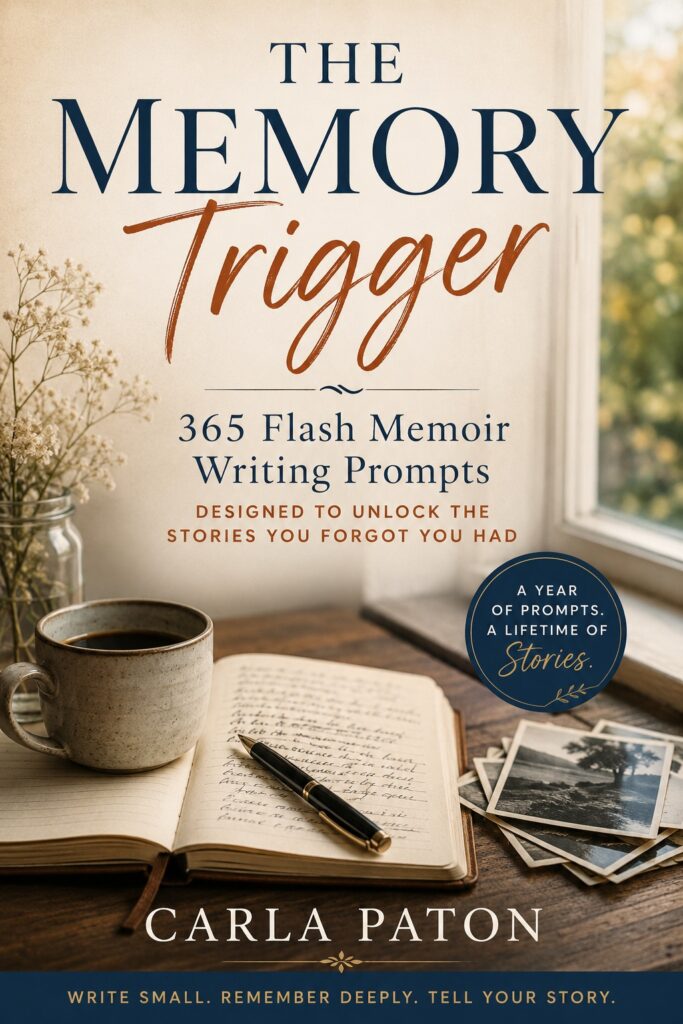
The Memory Trigger

The Good Earth Character Analysis: Key People, Motivations, and Conflicts

the good earth characters

This The Good Earth character analysis breaks down the main characters, their motives, and the conflicts that shape Pearl S. Buck’s novel. It is built for students who need clear notes for discussion posts, essays, and quote-based analysis.

The novel follows Wang Lung’s rise from poor farmer to wealthy landowner, but its real power comes from how each person changes under pressure.

In this Guide

Use this guide to move from basic character notes to stronger claims about theme and conflict.

the good earth characters

The Good Earth Character Analysis: Quick Character Map

The novel uses character change to show how poverty, hunger, pride, and wealth test people.

CharacterRole in the story
Wang LungA farmer whose love of the land clashes with pride, desire, and fear of shame.
O-lanWang Lung’s wife, a former slave whose labor keeps the family alive.
Wang Lung’s fatherA link to the older rural world and the family’s duty to elders.
The sonsA sign of the next generation, which values comfort more than land.
The uncleA source of social pressure who uses family duty for personal gain.
LotusA symbol of luxury, status, and Wang Lung’s drift from his old values.
ChingA loyal friend who reflects simple trust and practical kindness.

A strong The Good Earth character analysis should focus on choices. What does each person want, and what price do they pay for it?

The Good Earth Character Analysis of Wang Lung

Wang Lung is the center of the novel because his rise shows both success and moral loss.

At the start, Wang Lung is poor but proud. He works hard, fears hunger, and trusts the land more than people.

His main motivation is security. He wants food, family honor, and control over his future.

That dream seems simple at first. Yet once he gains money, his desires grow. He buys more land, seeks status, and takes Lotus into his home.

His conflict is not just poor versus rich. It is humility versus pride. Wang Lung remembers hunger, but wealth makes him forget O-lan’s sacrifice.

This pattern is common in literature. Macbeth also rises in power, then loses part of himself because ambition takes over. Wang Lung is not as violent, but he too shows how desire can bend a person’s values.

The Good Earth Character Analysis of O-lan

O-lan matters because her silence often says more than other characters’ speeches.

She enters the story as a former slave from the House of Hwang. She does not expect comfort; she expects work.

O-lan’s motivation is survival. She bears children, works in the fields, saves jewels during crisis, and keeps the family alive during famine.

Her conflict comes from being needed but not valued. Wang Lung depends on her strength, yet later rejects her plain looks and quiet ways.

O-lan is one of the novel’s most painful figures because she rarely asks for much. Her dignity comes through action, not speech.

In a The Good Earth character analysis, O-lan can support themes about gender, class, and unseen labor. Like Jane Eyre, she has inner strength, but Buck gives her fewer chances to speak her pain aloud.

The Good Earth Character Analysis: Family Pressure and Wealth

The family around Wang Lung shows how wealth changes duty, love, and respect.

Wang Lung’s father represents the old family order. He expects care from his son, and Wang Lung accepts that duty even when life is hard.

The uncle creates a different problem. He uses family ties to demand help. Wang Lung feels trapped because refusing him would bring shame.

The sons show another conflict. They grow up with more comfort than their father had. Because of that, they do not feel the same bond with the land.

This matters near the end of the novel. Wang Lung still sees land as life itself. His sons see it as property they may sell.

Use The Good Earth character analysis to track this shift from survival to comfort. The family does not only gain wealth. It loses a shared purpose.

The Land as a Force in Each Character’s Choices

The land is not a person, but it works like a powerful force in the novel.

For Wang Lung, the land means safety. When all else fails, he believes the earth will still feed him.

For O-lan, the land means labor. She works beside Wang Lung, even when she is tired or ill.

For the sons, the land means less. They inherit the results of work they did not have to endure.

This is why the title matters so much. The earth is “good” because it gives life, but people must respect it. When Wang Lung moves away from that respect, his inner conflict grows.

For more help with this kind of reading, see our guide to analyzing characters in literature.

How to Write About These Characters in an Essay

Good essays move beyond saying whether a character is good or bad.

Start with a clear claim. For example: Wang Lung’s love of the land begins as wisdom, but wealth turns it into a source of pride.

Then connect the claim to a scene. You might discuss O-lan’s jewels, Wang Lung’s choice to bring Lotus home, or the sons’ plan for the land.

Focus on motivation, conflict, and change. Those points help you explain why a character matters to the whole novel.

If you want a simple class tool, pair your notes with our character analysis worksheet.

Historical Context That Helps Character Analysis

Context can help, but it should not replace close reading.

Pearl S. Buck grew up in China and wrote often about Chinese rural life. You can learn more from the Britannica profile of Pearl S. Buck.

The novel also reflects deep concern with poverty, land, family order, and social change. These forces shape the characters’ choices from the first chapter to the last.

Suggested Books for Deeper Study

These books can help if you want more background for class notes or an essay.

  • The Good Earth by Pearl S. Buck
  • Pearl Buck in China: Journey to The Good Earth by Hilary Spurling

FAQ: The Good Earth Character Analysis

These short answers can help you prepare for class discussion or a quick essay plan.

Who is the most important character in The Good Earth?

Wang Lung is the main character. His rise, pride, and fear of losing the land shape the plot.

What is the best focus for The Good Earth character analysis?

The best focus is character change. Track how poverty, land, and wealth affect Wang Lung, O-lan, and the sons.

Why is O-lan important?

O-lan keeps the family alive through work and sacrifice. Her treatment exposes the unfair limits placed on women.

What does Lotus reveal about Wang Lung?

Lotus shows Wang Lung’s desire for status and pleasure. She also marks his move away from the values that once grounded him.

How do the sons create conflict?

The sons do not share Wang Lung’s deep respect for the land. Their attitude points to a break between generations.

Key Takeaway

The Good Earth character analysis shows that Buck’s characters are shaped by need, pride, and the land. Wang Lung gains wealth, but the novel asks whether he loses the wisdom that helped him survive.

Flash Memoir Prompt: Sibling Dynamic that Shaped How You Moved Through the World

flash memoir prompt sibling

A focused flash memoir prompt for tracing how a brother, sister, or sibling-like bond taught you how to speak, compete, hide, protect, or take up space.

Maybe you learned to walk faster because your older brother never waited. Maybe you learned to stay quiet because your sister always had the louder story. Maybe you became the funny one, the careful one, the helper, the rebel, or the peacekeeper before you even knew those were roles.

This flash memoir prompt sibling dynamic shaped how moved through the world invites you to look at one small scene where a sibling relationship trained you in something lasting. You do not need to explain your whole family. You only need one moment where the pattern comes alive.

flash memoir prompt sibling

The Prompt

Write about the sibling dynamic that shaped how you moved through the world.

This prompt can open a meaningful memory because sibling relationships often begin before we have language for them. We learn by watching, reacting, copying, resisting, and surviving the tiny rules of home. Who got praised? Who got blamed? Who spoke first? Who translated the mood in the room?

A sibling dynamic can shape how you handle attention, conflict, love, competition, or failure. That is why this flash memoir prompt sibling dynamic shaped how moved through the world can lead to a surprisingly sharp story. The memory may look ordinary at first, but underneath it may hold the blueprint for how you learned to be seen.

Why This Memory Matters

Sibling stories are rarely simple. They can be funny and tender one minute, then jealous or painful the next. A brother might have protected you from bullies and still made you feel small at the dinner table. A sister might have pushed you to be brave and still left you feeling like you were always catching up.

This kind of memory matters because it shows how identity forms in motion. You may have become bold because someone dared you. You may have become careful because someone else was always in trouble. You may have learned to read faces because your sibling’s mood changed the whole house.

When you write from this prompt, try to resist making your sibling the hero or the villain. A good flash memoir often lives in the gray area. If you want more practice noticing what drives people in a story, the same skills used to analyze characters in literature can help you look at real people with more care.

The goal is not to judge the relationship from a distance. The goal is to enter one scene and let the reader feel what it was like to be you inside that dynamic.

How to Approach This Prompt

Begin with a physical detail. Choose something you can see, hear, touch, or smell. A cereal bowl sliding across a table. A bunk bed ladder. A slammed bedroom door. A hand-me-down jacket with sleeves too long. Let that detail pull you into the scene.

Then narrow the memory to one moment. Do not try to explain your entire childhood with your sibling. Pick one afternoon, one car ride, one argument, one game, one school hallway, or one family dinner. Flash memoir works best when the frame is small.

Write what you noticed before you explain what it meant. For example, instead of starting with “My sister made me competitive,” start with her report card on the refrigerator above yours. Or start with the way your parents said her name when guests came over. Let the scene prove the feeling.

You can also ask yourself a few quiet questions before drafting. What role did I play with this sibling? What role did they play with me? Did I move toward them, away from them, or behind them? What did I learn to do because of them?

If you like to mark up memories before writing, try borrowing a method from reading class. Circle the strongest image, underline the sentence with the most tension, and note where the feeling changes. This guide on how to annotate literature can also help writers notice patterns in their own drafts.

Most of all, avoid trying to make the memory neat too soon. Let it stay a little messy. Sibling love often is.

The Flash Memoirist
previous arrow
next arrow

A Quick Example

My brother always walked three steps ahead of me, even to the corner store. He was twelve, I was eight, and his legs seemed built for escape. I remember the slap of his sneakers on the sidewalk and the way I held two quarters tight in my fist, afraid I would drop them and fall farther behind. When boys from his class shouted his name, he did not turn around to check on me. He lifted his chin like I was not there. I hated him for that. I admired him too. By the time we reached the store, I had learned the rule: keep up or become invisible. Years later, I still catch myself walking too fast beside people I love.

Try It Yourself

Set a timer for ten minutes and write one scene with a sibling at the center. Start with the room, the sound, or the object you remember most clearly. Let the action happen before you explain it.

If the memory feels complicated, that may be a sign you are close to something true. You can write with affection and still admit resentment. You can write about hurt without erasing love. The flash memoir prompt sibling dynamic shaped how moved through the world is useful because it asks for honesty on a small scale.

When you finish, read the piece once and look for the sentence that surprises you. That sentence may be the heart of the memoir. Build around it, or leave it as the final line.

Want More Flash Memoir Prompts?

If this prompt helped you uncover a sibling memory, keep going with short, focused writing sessions. Explore all 365 prompts in The Memory Trigger: 365 Flash Memoir Writing Prompts.
The Memory Trigger

Flash Memoir Prompt: Family Tradition that Felt More Like an Obligation Than a Celebration

flash memoir prompt family tradition

You can love your family and still dread the yearly dinner, the scratchy sweater, or the forced smile for photos; this flash memoir prompt for a family tradition that felt more like an obligation than a celebration asks you to start with that honest little knot in your stomach.

flash memoir prompt family tradition

The Prompt

Write about a family tradition that felt more like an obligation than a celebration.

This prompt works because family traditions often carry two feelings at once. On the outside, everyone may call it special, meaningful, or “what we always do.” On the inside, you may remember counting the minutes, watching the adults, or wishing you could be somewhere else.

A strong flash memoir does not need to judge the whole tradition. It can focus on one small moment. Maybe you were buttoned into formal clothes for a holiday meal. Maybe you had to sing, pray, visit, pose, cook, clean, or sit quietly while everyone else seemed to know the rules. This flash memoir prompt for a family tradition that felt more like a duty lets you write into the gap between what was expected and what you actually felt.

Why This Memory Matters

Obligation is a powerful memoir doorway. It can reveal family loyalty, pressure, guilt, love, and silence in one scene. A tradition may have been meant to bring people together, but your memory might show how togetherness sometimes felt crowded.

Maybe the tradition belonged to someone else first. A grandparent loved it. A parent protected it. An older sibling mocked it. You may have gone along because that was easier than refusing. In memoir, that tension can become the heart of the piece.

This kind of memory can also show how children learn family roles. Who had to help? Who got praised? Or who disappeared into the kitchen? Who was allowed to complain? If you are trying to understand the people in the scene, it may help to think the way you would when you analyze characters in literature. Notice what each person wants, what they hide, and what they repeat.

You do not have to turn the memory into a neat lesson. In fact, the best flash memoir pieces often leave a little unease on the page. The reader does not need you to explain everything. They need to feel what it was like to be there.

How to Approach This Prompt

Begin with one physical detail. Choose something your body remembers before your mind tries to explain the whole history. It might be the smell of furniture polish, the pinch of dress shoes, the weight of a casserole dish, or the sound of relatives laughing in the next room.

Once you have that detail, narrow the memory to one scene. Do not try to cover every year of the tradition. Pick one afternoon, one car ride, one table, or one doorway. A flash memoir prompt family tradition felt more like obligation works best when the scene feels close enough to touch.

Write what you noticed first. Describe the room, the weather, the food, the clothing, the way people moved. Save the meaning for later. If you explain too soon, the piece may lose its life. Let the reader stand beside you for a moment.

You might also write one sentence that begins, “Everyone said this was supposed to be…” Then finish it honestly. Everyone said this was supposed to be fun. Everyone said this was supposed to honor Grandpa. And everyone said this was supposed to make us closer. After that, write the sentence your younger self could not say out loud.

If you like to mark up drafts, try underlining the places where you describe what happened and circling the places where you explain what it meant. This is similar to the close reading skills used when you annotate literature. For this prompt, you want both, but the memory should lead the meaning.

The Flash Memoirist
previous arrow
next arrow

A Quick Example

Every Easter, my mother made us visit Aunt Carol after church. She lived forty minutes away, and by the time we got there, my tights were sagging and the back of my knees itched from the vinyl seat. Aunt Carol always had a coconut cake under a glass dome, which everyone praised even though no one finished a slice. The adults sat in the living room and talked about people I barely knew. My brother and I were told to “be sweet” and not touch the porcelain rabbits lined up on the coffee table. I remember staring at those rabbits, each one frozen in a cheerful pose, and feeling jealous of them. They did not have to smile when they were bored.

Try It Yourself

Set a timer for ten minutes and write one scene from the tradition. Start with the body, not the explanation. What were you wearing? What did the room smell like? Where were your hands? What did you want to say?

Then add one honest sentence about the difference between the family’s version of the tradition and your private experience of it. That contrast is where the memoir begins.

You do not have to accuse anyone. You do not have to defend anyone either. Just tell the truth of one remembered moment. This flash memoir prompt for a family tradition that felt more like an obligation than a celebration can help you find a story hidden inside a phrase like “we always did it this way.”

Want More Flash Memoir Prompts?

If this prompt opened a memory, keep going. Explore all 365 prompts in The Memory Trigger: 365 Flash Memoir Writing Prompts.

The Memory Trigger

Themes in The Good Earth: A Student-Friendly Guide

Themes in The Good Earth

Understanding the themes in The Good Earth helps students see why Pearl S. Buck’s novel still matters. The book is not only about one farmer’s life, but also about land, hunger, family duty, and the cost of success.

This guide gives you the major ideas to notice, with simple examples you can use for class discussion or essays.

In this Guide

Use this quick map to find the part you need most.

  • Major themes in the novel
  • Land and survival
  • Family duty and gender roles
  • Wealth and moral change
  • Nature, hunger, and fate
  • Symbols and essay tips
  • Related books and FAQ
Themes in The Good Earth

Major themes in The Good Earth

The novel’s biggest ideas come from Wang Lung’s daily fight to live with honor and security.

The themes in The Good Earth grow from simple needs. Wang Lung wants land, food, sons, and respect. Yet each goal brings a new conflict.

Pearl S. Buck shows that survival can shape a person’s values. A poor farmer may seem humble because he has little power. Once he gains money, his true character faces a harder test.

This is why the novel works well for AP Literature and college essays. It connects a personal story to larger questions about class, gender, labor, and human desire.

For more background on the author, the Britannica entry on Pearl S. Buck gives a clear overview of her life and writing.

Land and survival: one of the central themes in The Good Earth

Land is the source of life, pride, and identity in the novel.

Wang Lung does not see land as a luxury. He sees it as safety. When he owns land, he has a way to feed his family and keep his place in the world.

This makes land the novel’s most powerful symbol. It stands for work, family roots, and moral strength. When Wang Lung stays close to the soil, he seems more grounded.

When he moves away from the land, he becomes less steady. Wealth pulls him toward comfort and status. The land keeps calling him back because it reminds him of who he used to be.

This theme has a strong link to John Steinbeck’s The Grapes of Wrath. In both books, land is not just property. It shapes dignity and survival.

Family duty in the themes in The Good Earth

Family gives Wang Lung purpose, but it also traps some characters in unfair roles.

Wang Lung feels deep duty toward his father and sons. In his world, family honor matters more than personal choice. This duty often guides his actions.

The novel also shows how gender roles limit women. O-lan works hard, saves the family, and rarely asks for praise. Her silence is one of the saddest parts of the book.

Buck does not ask readers to ignore Wang Lung’s flaws. He depends on O-lan, yet he does not fully value her. This conflict helps students write about power inside the home.

A useful comparison is Sophocles’ Antigone. Both works show how family duty can be noble, but also painful when society gives people unequal power.

Wealth and moral change in the themes in The Good Earth

The novel asks whether success can weaken a person’s values.

At first, Wang Lung’s hunger makes him careful and humble. He knows the cost of food because he has worked for it. As he grows rich, his choices begin to change.

He wants fine things. He wants social respect. And he also wants pleasure that does not connect to labor or duty.

This is one of the themes in The Good Earth that students should track closely. Buck does not say money is evil. She shows that wealth can make old values easier to forget.

Think of Shakespeare’s Macbeth. Macbeth gains power, but that power damages his mind and morals. Wang Lung’s fall is quieter, yet it still shows how success can change a soul.

Nature and hunger among the themes in The Good Earth

Nature is not gentle in this novel, but it is always powerful.

Drought and famine shape the plot. When the earth fails, people lose safety fast. Hunger breaks social rules and forces terrible choices.

Buck makes hunger feel physical. It is not an abstract problem. It enters the body, the home, and the family bond.

This theme also creates a question about fate. Wang Lung can work hard, but he cannot control rain, flood, or famine. The novel respects hard work, yet it never pretends that effort solves every problem.

For students, this is a strong essay angle. You can argue that the novel balances human effort with forces beyond human control.

Social class and the cycle of power

The novel shows how those with low income may come to resemble the rich once they gain power.

Early in the story, Wang Lung looks up at the wealthy House of Hwang. That family seems distant, rich, and weak from luxury.

Over time, Wang Lung gains land and status. His life begins to echo the same pattern he once judged. This shift creates irony.

The point is not that Wang Lung is a villain. The point is sharper than that. Buck shows how class systems can repeat themselves when people chase the same signs of power.

This theme works well with the idea of a social cycle. People rise, gain comfort, lose discipline, and risk decline.

Tradition, change, and personal desire

Wang Lung lives between old values and new temptations.

Tradition tells him to honor elders, value sons, respect land, and keep the family line strong. These beliefs give his life structure.

Yet desire pulls him away from that structure. He wants beauty, pleasure, and proof that he has become important. His private wants often clash with his public duties.

This conflict makes Wang Lung feel human. He is not easy to admire all the time, but he is easy to study. His choices reveal the pressure between what a person owes and what a person wants.

Symbols that support the themes

Buck uses objects and places to make big ideas easier to see.

The earth is the main symbol. It stands for life, labor, and return. Even when Wang Lung becomes wealthy, the land remains his deepest source of meaning.

The House of Hwang works as another symbol. It shows the danger of wealth without discipline. Its decline warns Wang Lung, even if he does not fully learn from it.

Food is also important. Meals, hunger, and stored grain show how close people are to safety or disaster.

If you want help with this skill, read our guide on how to find symbolism in a story. It can help you turn symbols into stronger theme statements.

How to write about the themes in The Good Earth

A strong essay should connect a theme to character change and evidence.

Do not write only that the novel is about land. Make the idea more specific. For example, you might argue that land gives Wang Lung moral strength, but wealth pulls him away from that strength.

A good theme statement should be a claim, not a topic. Land is a topic. A theme claim explains what the novel says about land.

Here is a student-friendly example: In The Good Earth, Buck shows that land can give people dignity, but only if they respect the labor and limits that come with it.

You can also use Rapid Reads Press study guides to build cleaner notes before you draft an essay.

These books pair well with Buck’s novel for theme study and class projects.

  • The Good Earth by Pearl S. Buck
  • The Grapes of Wrath by John Steinbeck

The Nobel Prize biography of Pearl S. Buck is also useful if your teacher asks for author context.

FAQ: themes in The Good Earth

These quick answers help with review before a quiz, essay, or class talk.

What are the main themes in The Good Earth?

The main themes in The Good Earth include the bond between people and land, the pressure of family duty, the danger of wealth, and the force of hunger.

Why is land so important in the novel?

Land gives Wang Lung food, pride, and identity. It is the one source of value that feels real to him.

Is Wang Lung a good person?

He is mixed. He works hard and loves his family in his own way, but he also becomes selfish as he gains wealth.

What does O-lan represent?

O-lan represents endurance, sacrifice, and the hidden labor that keeps the family alive.

What is a good essay topic for this novel?

A strong topic is how wealth changes Wang Lung’s values and weakens his bond with the land.

Key Takeaway

The best way to understand this novel is to watch how Wang Lung changes. The land gives him life, but wealth tests what kind of person he will become.

Flash Memoir Prompt: Topic Your Family Never Talked About

flash memoir prompt topic

A brief writing invitation to explore the topic your family never talked about through one focused memory, one sensory detail, and one honest feeling.

Maybe you learned the silence at the dinner table before you learned the story behind it. Someone mentioned a name, and the room tightened. A question was answered with, “Eat your food.” A drawer was shut too quickly. A photograph faced the wall.

This flash memoir prompt topic family never talked about is not asking you to solve the family mystery. It is asking you to notice the silence itself. What did it feel like to grow up near a subject everyone knew was there, but no one touched?

flash memoir prompt topic

The Prompt

Write about the topic your family never talked about.

This prompt can unlock a powerful memory because silence often has shape. It can live in a hallway, a kitchen, a car ride, or a holiday table. You may not know the full truth of what happened, and that is okay. In flash memoir, you do not need the complete explanation. You need one true moment.

Instead of writing an entire family history, choose one scene where the silence became visible. Maybe someone changed the subject. Maybe you saw an adult cry when they thought no one was watching. Maybe you asked a question and learned, from the answer you did not receive, that the topic was forbidden.

Why This Memory Matters

Families often teach rules without saying them out loud. Children learn what can be asked, what must be skipped, and which names carry a strange weight. Those quiet lessons can shape how we understand love, fear, loyalty, and privacy.

The topic your family never talked about might be serious, such as addiction, money trouble, illness, divorce, grief, or a relative who disappeared from family stories. It might also be something that seemed small at the time, like why nobody ever visited one side of the family, or why a certain room was always left untouched.

What matters is not the size of the secret. What matters is how the silence worked in your life. Did it make you curious? Careful? Angry? Protective? Did you become the kind of person who listens closely when people avoid a subject?

A flash memoir prompt topic family never talked about can also help you see how memory works. Sometimes what we remember best is not what someone said. It is the scrape of a chair, the clink of a spoon, or the way an adult looked toward the window instead of answering.

If you enjoy reading literature, this is similar to noticing subtext in a character’s behavior. The meaning may sit under the surface. If you want practice with that skill, try this guide on how to analyze characters in literature. Memoir often asks you to study real people with the same care, including your younger self.

The Flash Memoirist
previous arrow
next arrow

How to Approach This Prompt

Begin with a physical detail. Do not start by explaining the whole background. Start with the object, the sound, or the room. Maybe it was your mother’s hand pressed flat against an envelope. Maybe it was your uncle’s empty chair at Thanksgiving. Maybe it was the basement door that nobody opened.

Once you have the detail, narrow the memory to one scene. Stay inside that moment for a while. What did you see? What did you hear? What did your body understand before your mind had words for it?

Try writing the scene the way you experienced it then. If you were eight, let the memory feel eight years old. You can add adult understanding later, but do not rush to explain. The power of this prompt often comes from the gap between what you noticed and what you were told.

You might use a simple first sentence like, “The first time I understood we did not talk about him, I was standing in the kitchen.” That gives you a place, a person, and a boundary. From there, follow the moment slowly.

It may also help to mark the details that feel charged before you draft. Readers who annotate poems or short stories often circle repeated images or strange pauses. You can use the same habit with memory. This guide on how to annotate literature may help you notice which details carry emotion.

If the topic feels painful, give yourself permission to write around it. You do not have to name everything. You can write about the silence, the questions, or the family rule. A flash memoir prompt topic family never talked about should help you tell the truth at a size you can handle today.

A Quick Example

The box was on the top shelf of my grandmother’s closet, behind the towels that smelled like lavender soap. I found it while looking for a blanket during a sleepover. Inside were photographs of a man I recognized from my own face: same heavy eyebrows, same crooked smile. When I carried one to the kitchen, my grandmother took it from my hand before I could ask. “That’s old,” she said, though I had not asked if it was new. She slid the photo into her apron pocket and turned back to the sink. The water was running hard, but she was not washing anything. That was how I learned my father had a brother. Not from a story, but from the way she made the picture disappear.

Try It Yourself

Set a timer for ten minutes. Write about one moment when you felt the edge of a topic your family never talked about. Do not worry about making it neat. Do not try to decide who was right or wrong.

Stay with what you remember. Write the room. Write the object. Write the sentence someone used to end the conversation. If you do not know what the silence meant, you can say that. Uncertainty can be part of the truth.

When you finish, underline one line that feels alive. That line may be the real beginning of your flash memoir. You can return to it later and build the piece from there.

Want More Flash Memoir Prompts?

If this prompt opened a memory you did not expect, keep going gently. Short prompts can help you explore your story one scene at a time, without pressure to explain your entire life at once. Explore all 365 prompts in The Memory Trigger: 365 Flash Memoir Writing Prompts.

The Memory Trigger

My Ántonia Quotes Explained: Important Passages for Students

My Antonia Quotes

Willa Cather’s My Ántonia is full of lines that seem simple at first, then grow deeper as the story unfolds. This guide to My Ántonia quotes explained will help students connect key passages to memory, the prairie, and Jim Burden’s view of Ántonia.

In this Guide

Use these sections to find a passage, understand its meaning, and turn it into a stronger essay point.

My Antonia Quotes

Why My Ántonia quotes explained matter

The best quotes in this novel do more than sound pretty. They show how Jim turns his past into meaning.

My Ántonia is not just a story about one girl on the Nebraska prairie. It is also a book about how memory shapes a life.

Good My Ántonia quotes explained can help you write about point of view, symbolism, setting, and theme. That matters because Cather often hides large ideas inside quiet scenes.

Think of Jim like Nick Carraway in The Great Gatsby. Both narrators look back and try to understand a person who changed them.

My Ántonia quotes explained: memory and narration

Jim’s memories are emotional, selective, and powerful. These passages help students see that the novel is about remembering as much as it is about living.

“Some memories are realities, and are better than anything that can ever happen to one again.”

This short line is one of the clearest statements of the novel’s main idea. Jim believes memory can become more real than the present.

That does not mean the past is perfect. It means memory gives shape to pain, beauty, and loss.

In an essay, you could use this quote to argue that Jim does not simply record the past. He reshapes it into something lasting.

Student move: Link the quote to the novel’s frame structure. Jim writes from a later point in life, so every scene passes through his adult mind.

“Whatever we had missed, we possessed together the precious, the incommunicable past.”

This line comes near the end of the novel and shows why Jim and Ántonia remain connected. They have not shared the same adult life, but they share a past that cannot be fully spoken.

The word incommunicable matters. It suggests that some feelings are too deep for ordinary language.

This is a strong quote for an essay about nostalgia. Jim knows he cannot return to childhood, yet he still holds it as a treasure.

In many My Ántonia quotes explained, memory feels both beautiful and painful. That tension gives the novel much of its power.

“Optima dies… prima fugit.”

This Latin phrase appears in the epigraph and means the best days are the first to flee. It prepares readers for a story filled with longing.

The quote fits Jim’s life because he sees childhood as a vanished golden time. He cannot stop time, so he tells the story.

Students can use this line in introductions because it frames the whole novel. It also works well in a conclusion about the cost of growing up.

My Ántonia quotes explained: land and prairie imagery

The prairie is not just a background. Cather makes it feel alive, vast, and central to the characters’ lives.

“As I looked about me I felt that the grass was the country, as the water is the sea.”

This quote shows Jim’s first strong sense of the prairie. The comparison to the sea makes the land feel huge and almost endless.

Cather uses simple language, but the image is big. The grass becomes the defining feature of this new world.

You can use this quote to discuss setting as more than place. The prairie shapes identity, work, fear, and hope.

This is where My Ántonia quotes explained can help students avoid summary. Instead of saying the setting is important, you can show how Cather’s image makes the land feel immense.

“The road ran about like a wild thing.”

This line gives movement and personality to the road. It makes the landscape feel untamed.

The phrase wild thing also suggests that Jim has entered a place that does not follow city rules. The prairie is open, strange, and free.

In an essay, this quote can support a point about frontier life. The land is exciting, but it also resists control.

Writers often use landscape this way. In Wuthering Heights, the moors reflect wild passion. In My Ántonia, the prairie reflects freedom and hardship.

My Ántonia quotes explained: Ántonia as a symbol

Ántonia is a character with her own life, but Jim also turns her into a symbol. That double role is important for any close reading.

“She lent herself to immemorial human attitudes which we recognize by instinct as universal and true.”

This quote shows Jim’s adult view of Ántonia. He sees her as more than one person from his childhood.

The word immemorial means ancient or beyond recorded time. Jim links Ántonia to motherhood, labor, endurance, and the deep patterns of human life.

This can be a tricky quote. It praises Ántonia, but it also shows Jim turning her into an idea.

A strong essay can explore that tension. Does Jim honor Ántonia, or does he simplify her? The best answer may be that he does both.

The title phrase: “My Ántonia”

The phrase My Ántonia sounds affectionate, but it also raises a question. What does it mean for Jim to call her my Ántonia?

He does not own her. He owns his memory of her.

This is one of the most useful My Ántonia quotes explained for essays about narration. The title reminds us that the Ántonia we meet comes through Jim’s voice.

That does not make the portrait false. It makes it personal.

Essay moves for My Ántonia quotes explained

A quote should not do the work for you. Your job is to explain how the words create meaning.

When you use a quote from My Ántonia, set up the moment first. Then focus on one or two important words.

For example, in “the precious, the incommunicable past,” the word precious shows value, while incommunicable shows distance. That small word choice gives you a real argument.

If you need a fuller method, read our guide on how to write a literary analysis essay. It shows how to move from quote to claim without retelling the plot.

You can also use our printable quote-analysis organizer to plan evidence before you draft.

The best My Ántonia quotes explained will connect language to theme. Do not stop at what the quote says. Ask what it reveals about Jim, Ántonia, or the world they share.

Helpful background and suggested books

A little context can help you read Cather with more care. It can also give your essays a stronger sense of place.

For reliable background, see Britannica’s overview of Willa Cather and the Willa Cather Archive.

Relevant books to explore:

  • O Pioneers! by Willa Cather
  • The Song of the Lark by Willa Cather

Both books can help students see how Cather writes about ambition, place, and the American prairie.

FAQ: My Ántonia quotes explained

These short answers can help you review before a class discussion or essay.

What is the most important quote in My Ántonia?

Many students choose “Whatever we had missed, we possessed together the precious, the incommunicable past.” It captures the novel’s focus on memory and loss.

What does Ántonia symbolize?

Ántonia often symbolizes endurance, fertility, and the immigrant experience. She also remains a real person with choices and struggles.

Why does Jim call the book My Ántonia?

The title shows that the story is Jim’s personal memory of Ántonia. It reflects love, nostalgia, and his limited point of view.

How can I use My Ántonia quotes explained in an essay?

Choose a short quote, explain key words, and connect the language to a theme. Avoid long plot summary.

Key takeaway

The most memorable lines in My Ántonia reveal how memory turns ordinary life into meaning. If you explain Cather’s word choices closely, your essay will feel sharper and more convincing.

Flash Memoir Prompt: Gesture One of Your Family Members Made So Often It Became Part of How You Understood Them

flash memoir prompt gesture

A small family gesture can hold more meaning than a speech, especially when you remember the exact moment you finally understood it.

Maybe your father tapped the steering wheel whenever he was worried. Maybe your grandmother pressed her hand to her chest before she answered the phone. Maybe your sibling rolled their eyes in a way that was half joke, half warning. This flash memoir prompt gesture one family members made invites you to look closely at a motion you saw again and again until it became part of that person’s language.

The memory may seem tiny at first. That is what makes it useful. A repeated gesture often carries habit, mood, history, and love without needing much explanation.

flash memoir prompt gesture

The Prompt

Write about a gesture one of your family members made so often it became part of how you understood them.

This prompt asks you to begin with the body instead of a big life event. A hand wave. A sigh. A raised eyebrow. A thumb rubbed across a coffee mug. These are small details, but they can open a clear door into memory.

A flash memoir prompt gesture one family members made works because it gives you something concrete to hold. You do not have to explain your whole family. You only have to notice one repeated action and follow it into one honest scene.

Why This Memory Matters

Families often teach us how to read people before we have words for what we are reading. We learn when someone is tired, angry, proud, sad, or trying not to cry. Sometimes we learn from what they say. Often we learn from what they do with their hands, face, shoulders, or eyes.

A gesture can become a private signal. Your mother smoothing the tablecloth might have meant guests were coming, but it also might have meant she wanted the house to look peaceful even when it was not. Your uncle clearing his throat before speaking might have told everyone he was about to make a joke, or avoid a feeling.

This kind of memory matters because it shows character through action. If you are a student learning how to write about people, this is close to the skill used when you analyze characters in literature. You look at what someone does, then ask what it reveals.

The difference in memoir is that you were there. You noticed the gesture as a child, teenager, or adult. Your understanding of it may have changed over time. That shift can become the emotional center of the piece.

How to Approach This Prompt

Start with the physical detail. Do not begin by saying, “My grandfather was a nervous man,” or “My sister always cared about me.” Let the reader see the gesture first.

For example, you might write, “Before my aunt said anything serious, she took off her glasses and folded them into her palm.” That one sentence gives you a place to begin. It also gives your memory a visual anchor.

Next, narrow the memory to one scene. Choose one kitchen, one car ride, one hospital room, one front porch. You can mention that the gesture happened often, but the piece will feel stronger if you show it happening once.

Write what you noticed before you explain what it meant. If your brother cracked his knuckles before every hard conversation, describe the sound. Describe where you were standing. Describe whether you looked at him or looked away.

Try not to tell the whole family story at once. This is flash memoir, so the power comes from focus. One gesture can suggest years of history if you choose the right moment.

If you like to mark up memories the way students mark up a text, you may find it helpful to borrow a few ideas from how to annotate literature. Circle the sensory detail in your draft. Underline the moment your understanding changes. Notice where the emotion appears without being named.

One simple way to begin is with this sentence: “I knew something about them by the way they always…” Then finish the line with the gesture. After that, move straight into a scene where you saw it clearly.

The Flash Memoirist
previous arrow
next arrow

A Quick Example

My father always rubbed his thumb along the edge of his wedding ring when he was trying to stay calm. I noticed it most in the principal’s office after I got caught skipping biology. He sat beside me in his work shirt, smelling like sawdust and rain, while the principal explained consequences. My father did not interrupt. He just turned that ring slowly, like he was winding a small machine inside himself. I waited for anger. Instead, in the truck, he said, “You scared your mother.” His thumb was still moving. Years later, I understood the gesture differently. It was not weakness. It was the place he put all the words he did not trust himself to say.

Try It Yourself

Set a timer for ten minutes and write about one repeated family gesture. Keep the piece close to one memory. Let the motion appear early, then return to it near the end.

You might write about a gesture that comforted you, irritated you, embarrassed you, or confused you. The feeling does not have to be simple. In fact, the best memories often carry mixed emotions.

If nothing comes to mind right away, think about hands. Think about what someone did while waiting, listening, cooking, driving, or pretending everything was fine. The body often remembers what the mind tries to skip.

This flash memoir prompt gesture one family members made is a chance to write about someone without turning them into a lesson. Let the gesture stay human. Let it be strange, tender, funny, or hard to explain.

Want More Flash Memoir Prompts?

If this prompt helped you find a small doorway into a larger memory, keep going. Explore all 365 prompts in The Memory Trigger: 365 Flash Memoir Writing Prompts.

The Memory Trigger

Themes in My Ántonia: A Student-Friendly Guide

My Ántonia themes

Willa Cather’s My Ántonia is a novel about memory, place, family, and the people who shape us. The themes in My Ántonia help students see why Jim Burden remembers Ántonia so deeply, even after many years.

This guide breaks down the major ideas in the novel so you can use them in essays, class talks, and AP Literature study.

In this Guide

  • Why the novel’s themes matter
  • Memory and the past
  • Immigrant life and belonging
  • Work, survival, and dignity
  • The prairie and nature
  • Gender roles and strength
  • Loss, change, and nostalgia
  • Essay tips and FAQ
My Ántonia themes

Why the Themes in My Ántonia Matter

The novel’s biggest ideas grow out of Jim’s memories and Ántonia’s life on the Nebraska prairie.

Cather does not build the story around a fast plot. Instead, she builds meaning through scenes, images, and character choices.

This matters because Jim is not just telling us what happened. He is trying to understand why Ántonia still means so much to him.

To study the novel well, watch how each character responds to hardship. If you need help with that skill, this guide on how to analyze characters in literature can help you connect traits, choices, and themes.

Themes in My Ántonia: Memory and the Past

Memory is not just a topic in the novel. It controls the way the whole story is told.

Jim looks back on his childhood from adulthood. That means the reader sees the past through his feelings, not through a neutral camera.

One of the richest themes in My Ántonia is the way memory can make ordinary moments feel sacred. Jim remembers the prairie, the seasons, and Ántonia’s voice with deep emotion.

This is similar to The Great Gatsby, where Nick Carraway looks back on Gatsby with a mix of wonder and sadness. In both novels, the narrator’s memory shapes the meaning of the story.

For students, the key question is not just, What does Jim remember? Ask, Why does he remember it this way?

Themes in My Ántonia: Immigrant Life and Belonging

Cather shows both the hope and pain of immigrant life on the American frontier.

The Shimerdas come from Bohemia and face hunger, cold, debt, and language barriers. Their new life is full of promise, but it is also harsh.

The immigrant themes in My Ántonia show that belonging is not simple. Ántonia becomes part of Nebraska, yet she also carries her family’s old world with her.

Mr. Shimerda’s sadness shows the cost of leaving home. Ántonia’s strength shows how the next generation can adapt without losing its roots.

For background on Cather’s life and career, you can read Britannica’s overview of Willa Cather.

Hard Work, Survival, and Dignity

Work in the novel is physical, tiring, and often unfair, but it also reveals character.

Ántonia works in the fields, helps her family, and later builds a home of her own. Her labor is never shown as easy.

Among the themes in My Ántonia, hard work stands out because it is tied to dignity. Ántonia is not powerful in a social sense, but she earns respect through endurance.

Cather does not pretend that work solves every problem. Some people still suffer, and some dreams fail. Yet the novel honors people who keep going when life gives them little comfort.

The Land as a Living Force

The prairie is more than a setting. It acts like a force that shapes the people who live there.

The themes in My Ántonia often connect human life to the land. The open sky, red grass, long winters, and wide fields make the world feel both beautiful and dangerous.

Jim’s memories of the prairie are full of wonder. At times, the land seems to offer freedom. At other times, it seems too large and lonely.

This is one reason the novel is often read as a frontier story. It asks what happens when people try to build a life in a place that does not bend easily.

You can explore more primary materials and Cather resources at the Willa Cather Archive.

Gender, Strength, and Social Expectations

The novel challenges narrow ideas about what women can be.

Ántonia does not fit the image of a quiet, fragile heroine. She is bold, direct, and physically strong.

Cather shows that strength can take many forms. Ántonia’s power comes from work, love, loyalty, and her deep tie to the land.

At the same time, the novel shows how society judges women more harshly than men. Ántonia faces shame after her failed relationship, while men often move through the world with more freedom.

This theme gives students a strong essay angle. You can ask how Cather respects Ántonia even when other characters fail to understand her.

Loss, Change, and Nostalgia

The novel is filled with beauty, but much of that beauty comes from loss.

Jim cannot return to childhood. The prairie changes. People age, move away, marry, suffer, or die.

This sense of change gives the novel its nostalgic tone. Nostalgia means a longing for the past, but Cather makes it more complex than simple sadness.

Jim’s memories are painful because they are gone. They are meaningful for the same reason.

Like many coming-of-age stories, My Ántonia shows that growing up means losing one version of the world.

How to Write About Themes in My Ántonia

A strong essay should connect theme to character, setting, and narration.

When you write about themes in My Ántonia, avoid broad claims like, The book is about hard work. That is true, but it is too simple.

Try a sharper claim: Cather presents hard work as a source of dignity, but she also shows that labor cannot erase grief or social judgment.

Then support the claim with scenes. You might discuss Ántonia in the fields, Mr. Shimerda’s despair, or Jim’s adult memories.

If you want a simple study tool, try our printable theme tracker to map quotes, scenes, and ideas as you read.

If you want to compare My Ántonia with related works, these books pair well with the novel:

  • O Pioneers! by Willa Cather
  • The Grapes of Wrath by John Steinbeck
  • A Tree Grows in Brooklyn by Betty Smith

Each book explores family, hardship, or the meaning of home in a changing world.

FAQ About Themes in My Ántonia

What are the main themes in My Ántonia?

The main themes include memory, immigrant life, hard work, the prairie, gender roles, and loss.

Why is memory so important in the novel?

Memory shapes the whole story. Jim tells the novel from adulthood, so the past is colored by longing and reflection.

What does Ántonia symbolize?

Ántonia often symbolizes strength, endurance, and a deep bond with the land.

Is My Ántonia an immigrant novel?

Yes. It shows the hope, pain, and cultural change that come with immigrant life on the frontier.

What is a good essay topic for the novel?

A strong topic is how Cather uses the prairie to reflect both freedom and loneliness.

Key Takeaway

The themes in My Ántonia show how memory turns one woman’s life into a lasting symbol of strength, home, and the past we carry with us.

Flash Memoir Prompt: Way a Parent or Caregiver Said Your Name when Something Was Wrong

flash memoir prompt your name

A brief writing invitation for tracing the moment your name changed shape in someone’s mouth, and what you understood before anyone explained it.

You know the sound before the words arrive. Your name from the kitchen. Your name from the front seat of the car. Your name stretched out too slowly, clipped too sharply, or said with a pause that makes your stomach drop.

This flash memoir prompt way parent caregiver said name is small on purpose. It does not ask you to explain your whole childhood. It asks you to listen closely to one moment when your name carried a warning, a worry, or a truth you were not ready to hear.

flash memoir prompt your name

The Prompt

Write about the way a parent or caregiver said your name when something was wrong.

This prompt can unlock a strong memory because names are personal. We hear our names thousands of times, but certain versions stay with us. The full first-middle-last name. The whisper from the hallway. The careful “come here” voice. The voice that told you before the sentence did.

When you write from this prompt, you are not just writing about tone. You are writing about attention. You are remembering how your body learned to read a room.

Why This Memory Matters

A parent or caregiver’s voice can become a weather report. It tells a child what is coming. Trouble. Fear. Disappointment. News. Sometimes love, even if it arrives in a tense or awkward form.

This kind of memory may uncover a story about rules in your house. It may show how conflict worked, or how silence worked. It may reveal who had power, who tried to protect you, and what you believed you had done wrong.

It might also surprise you. Maybe the memory is not about being in trouble at all. Maybe your caregiver said your name in a way that made you realize they were scared. Maybe you saw them as human for the first time. Their voice cracked. Their hand shook. Your name became a bridge between childhood and something more complicated.

For students and new memoir writers, this is also a useful way to practice scene writing. A single sound can carry a lot of meaning. If you are learning how objects, sounds, or repeated phrases work in literature, you might enjoy this guide on how to find symbolism in a story. In memoir, your own name can become a symbol too.

How to Approach This Prompt

Begin with the sound of your name. Do not explain the whole situation at first. Just write the way it was said.

Was it your full name? A nickname? A version only that person used? Was it loud, flat, tired, whispered, or too calm? Try writing the name on the page exactly as you remember hearing it.

Then place yourself in one scene. Maybe you were standing at the edge of the living room. Maybe you were halfway up the stairs. Maybe you were in the back seat, watching the rearview mirror. Keep the memory narrow. One room is enough. One doorway is enough.

Start with a physical detail. The spoon in your hand. The rug under your feet. The smell of dinner burning. The cold doorknob. These details help the reader enter the memory without needing a long explanation.

Write what you noticed before you write what it meant. As a child, you may not have understood the full situation. That is okay. Let the younger version of you hear the voice first. Let the adult version understand later.

If you want to deepen the piece, pay attention to the caregiver as a character. What did their voice reveal about them? Were they angry, afraid, exhausted, embarrassed, or trying not to cry? This guide on how to analyze characters in literature can also help you think about real people on the page with more care.

For this flash memoir prompt way parent caregiver said name, avoid trying to tell the reader everything that was wrong in your family, school, or life. Pick the moment the name was spoken. Let that small sound carry the larger story.

The Flash Memoirist
previous arrow
next arrow

A Quick Example

My mother usually called me “Mija” from anywhere in the house. It floated through the rooms like she was tossing me a warm towel. But that afternoon she said my whole name, first and middle, from the front porch. I was in the driveway with a purple marker in my hand, standing beside my father’s white truck. I had drawn a wobbly flower on the door because I thought it would wash off. Her voice did not rise. That was the worst part. “Elena Rose,” she said, quiet and slow. I remember the sun on the hood of the truck, the marker cap in my mouth, and the sudden knowledge that I had changed the day for everyone.

Try It Yourself

Set a timer for ten minutes and write the first version quickly. Begin with the name as you heard it. Let the scene build around that sound.

You do not have to make the memory neat. You do not have to decide whether the caregiver was right or wrong. Just notice the voice, the room, your body, and the feeling that arrived before the explanation.

If the memory feels too heavy, write around the edge of it. Describe the hallway. Describe the kitchen table. Describe the pause before the person spoke. You can approach the truth without forcing it open all at once.

This flash memoir prompt way parent caregiver said name works best when you trust the small moment. The way someone said your name may carry more story than a full page of summary.

Want More Flash Memoir Prompts?

If you want more short, focused invitations like this one, you can keep building your memoir practice one memory at a time. Explore all 365 prompts in The Memory Trigger: 365 Flash Memoir Writing Prompts.
The Memory Trigger
error

Enjoy this article? Please spread the word :)

Follow by Email
BLUESKY
fb-share-icon
Reddit
LinkedIn
Share
RSS