

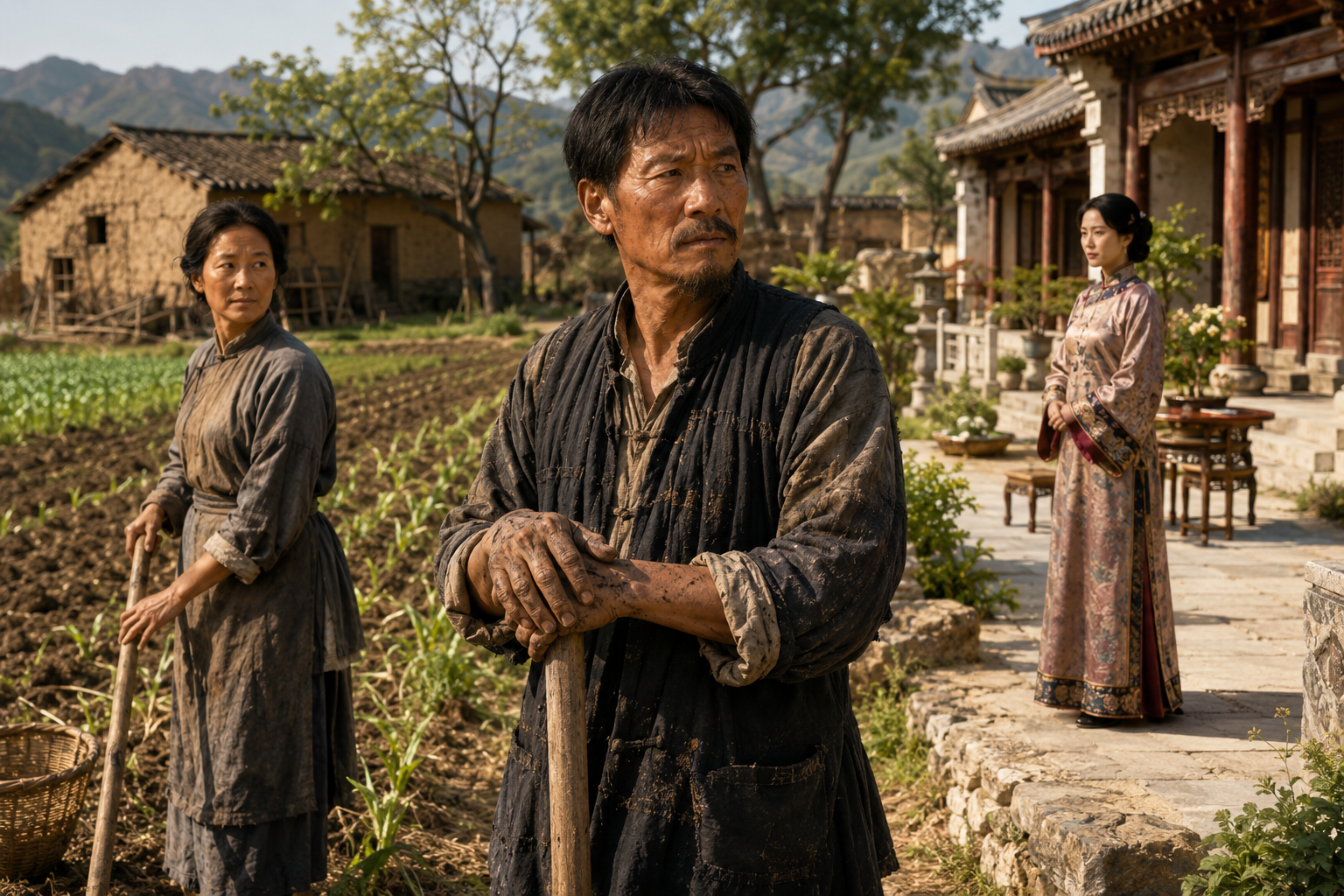
This The Good Earth character analysis breaks down the main characters, their motives, and the conflicts that shape Pearl S. Buck’s novel. It is built for students who need clear notes for discussion posts, essays, and quote-based analysis.
The novel follows Wang Lung’s rise from poor farmer to wealthy landowner, but its real power comes from how each person changes under pressure.
In this Guide
Use this guide to move from basic character notes to stronger claims about theme and conflict.
- Quick character map
- Wang Lung’s motivations
- O-lan’s quiet strength
- Family pressure and wealth
- The land as a character force
- Essay tips
- FAQ
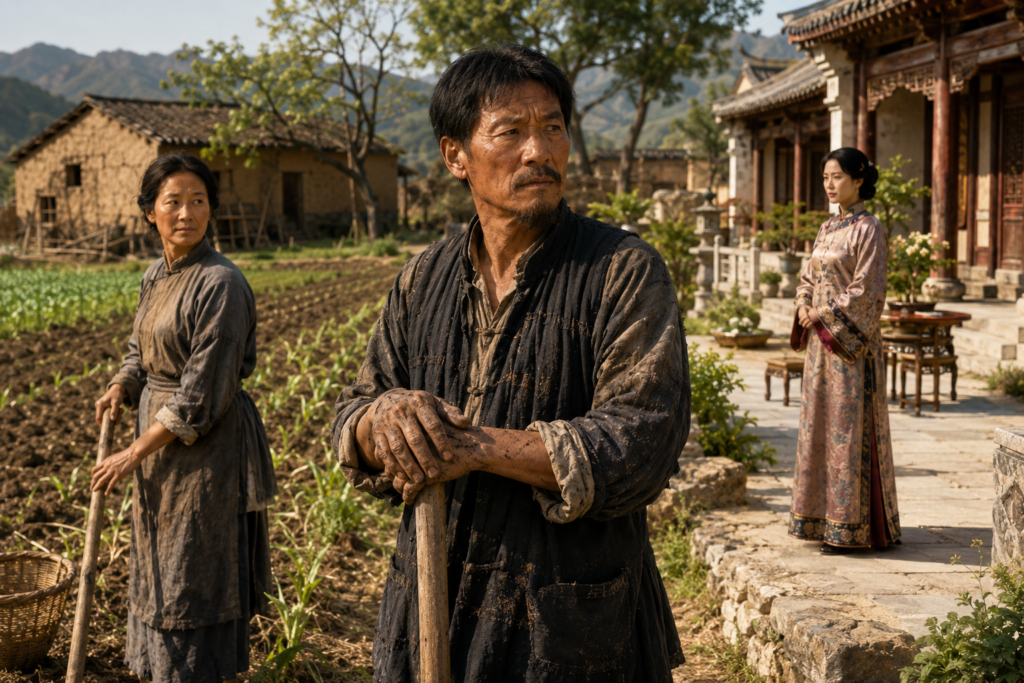
The Good Earth Character Analysis: Quick Character Map
The novel uses character change to show how poverty, hunger, pride, and wealth test people.
| Character | Role in the story |
|---|---|
| Wang Lung | A farmer whose love of the land clashes with pride, desire, and fear of shame. |
| O-lan | Wang Lung’s wife, a former slave whose labor keeps the family alive. |
| Wang Lung’s father | A link to the older rural world and the family’s duty to elders. |
| The sons | A sign of the next generation, which values comfort more than land. |
| The uncle | A source of social pressure who uses family duty for personal gain. |
| Lotus | A symbol of luxury, status, and Wang Lung’s drift from his old values. |
| Ching | A loyal friend who reflects simple trust and practical kindness. |
A strong The Good Earth character analysis should focus on choices. What does each person want, and what price do they pay for it?
The Good Earth Character Analysis of Wang Lung
Wang Lung is the center of the novel because his rise shows both success and moral loss.
At the start, Wang Lung is poor but proud. He works hard, fears hunger, and trusts the land more than people.
His main motivation is security. He wants food, family honor, and control over his future.
That dream seems simple at first. Yet once he gains money, his desires grow. He buys more land, seeks status, and takes Lotus into his home.
His conflict is not just poor versus rich. It is humility versus pride. Wang Lung remembers hunger, but wealth makes him forget O-lan’s sacrifice.
This pattern is common in literature. Macbeth also rises in power, then loses part of himself because ambition takes over. Wang Lung is not as violent, but he too shows how desire can bend a person’s values.
The Good Earth Character Analysis of O-lan
O-lan matters because her silence often says more than other characters’ speeches.
She enters the story as a former slave from the House of Hwang. She does not expect comfort; she expects work.
O-lan’s motivation is survival. She bears children, works in the fields, saves jewels during crisis, and keeps the family alive during famine.
Her conflict comes from being needed but not valued. Wang Lung depends on her strength, yet later rejects her plain looks and quiet ways.
O-lan is one of the novel’s most painful figures because she rarely asks for much. Her dignity comes through action, not speech.
In a The Good Earth character analysis, O-lan can support themes about gender, class, and unseen labor. Like Jane Eyre, she has inner strength, but Buck gives her fewer chances to speak her pain aloud.
The Good Earth Character Analysis: Family Pressure and Wealth
The family around Wang Lung shows how wealth changes duty, love, and respect.
Wang Lung’s father represents the old family order. He expects care from his son, and Wang Lung accepts that duty even when life is hard.
The uncle creates a different problem. He uses family ties to demand help. Wang Lung feels trapped because refusing him would bring shame.
The sons show another conflict. They grow up with more comfort than their father had. Because of that, they do not feel the same bond with the land.
This matters near the end of the novel. Wang Lung still sees land as life itself. His sons see it as property they may sell.
Use The Good Earth character analysis to track this shift from survival to comfort. The family does not only gain wealth. It loses a shared purpose.

The Land as a Force in Each Character’s Choices
The land is not a person, but it works like a powerful force in the novel.
For Wang Lung, the land means safety. When all else fails, he believes the earth will still feed him.
For O-lan, the land means labor. She works beside Wang Lung, even when she is tired or ill.
For the sons, the land means less. They inherit the results of work they did not have to endure.
This is why the title matters so much. The earth is “good” because it gives life, but people must respect it. When Wang Lung moves away from that respect, his inner conflict grows.
For more help with this kind of reading, see our guide to analyzing characters in literature.
How to Write About These Characters in an Essay
Good essays move beyond saying whether a character is good or bad.
Start with a clear claim. For example: Wang Lung’s love of the land begins as wisdom, but wealth turns it into a source of pride.
Then connect the claim to a scene. You might discuss O-lan’s jewels, Wang Lung’s choice to bring Lotus home, or the sons’ plan for the land.
Focus on motivation, conflict, and change. Those points help you explain why a character matters to the whole novel.
If you want a simple class tool, pair your notes with our character analysis worksheet.
Historical Context That Helps Character Analysis
Context can help, but it should not replace close reading.
Pearl S. Buck grew up in China and wrote often about Chinese rural life. You can learn more from the Britannica profile of Pearl S. Buck.
The novel also reflects deep concern with poverty, land, family order, and social change. These forces shape the characters’ choices from the first chapter to the last.
Suggested Books for Deeper Study
These books can help if you want more background for class notes or an essay.
- The Good Earth by Pearl S. Buck
- Pearl Buck in China: Journey to The Good Earth by Hilary Spurling
FAQ: The Good Earth Character Analysis
These short answers can help you prepare for class discussion or a quick essay plan.
Who is the most important character in The Good Earth?
Wang Lung is the main character. His rise, pride, and fear of losing the land shape the plot.
What is the best focus for The Good Earth character analysis?
The best focus is character change. Track how poverty, land, and wealth affect Wang Lung, O-lan, and the sons.
Why is O-lan important?
O-lan keeps the family alive through work and sacrifice. Her treatment exposes the unfair limits placed on women.
What does Lotus reveal about Wang Lung?
Lotus shows Wang Lung’s desire for status and pleasure. She also marks his move away from the values that once grounded him.
How do the sons create conflict?
The sons do not share Wang Lung’s deep respect for the land. Their attitude points to a break between generations.
Key Takeaway
The Good Earth character analysis shows that Buck’s characters are shaped by need, pride, and the land. Wang Lung gains wealth, but the novel asks whether he loses the wisdom that helped him survive.


Get the Free Close Reading Worksheet Pack
Join my email list and receive the printable worksheet pack you can use with any novel or poem.
No spam. Just helpful guides for reading literature well.












