Flash Memoir Prompt: Last Time You Were in Your Childhood Bedroom

flash memoir prompt bedroom

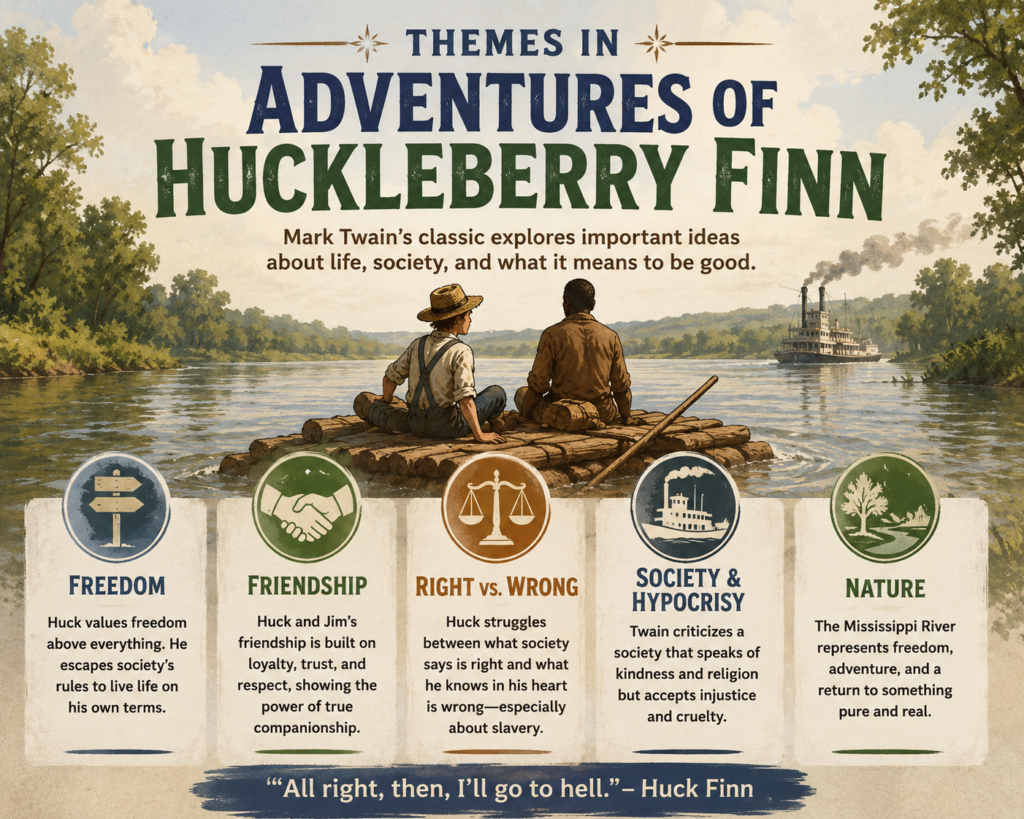
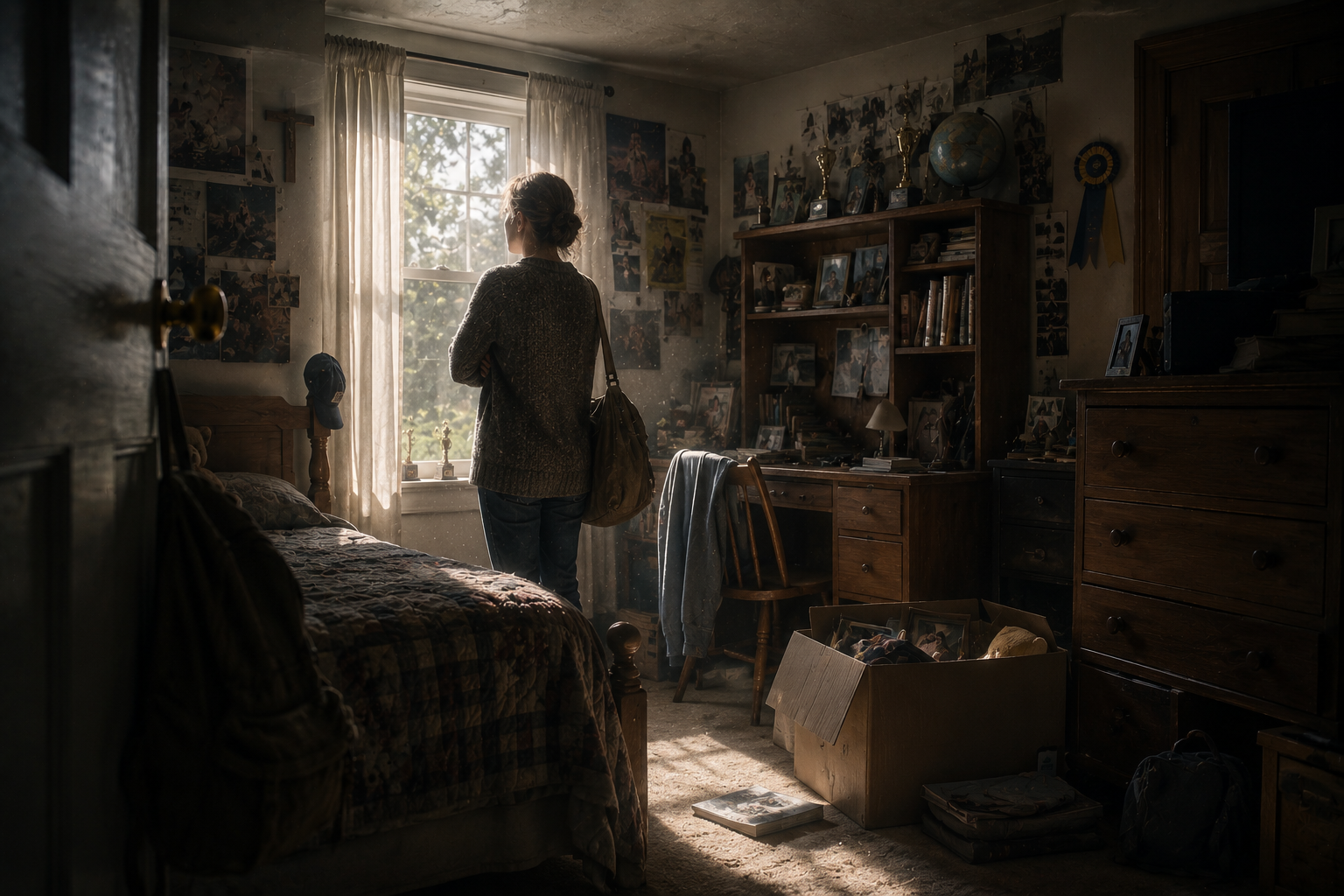
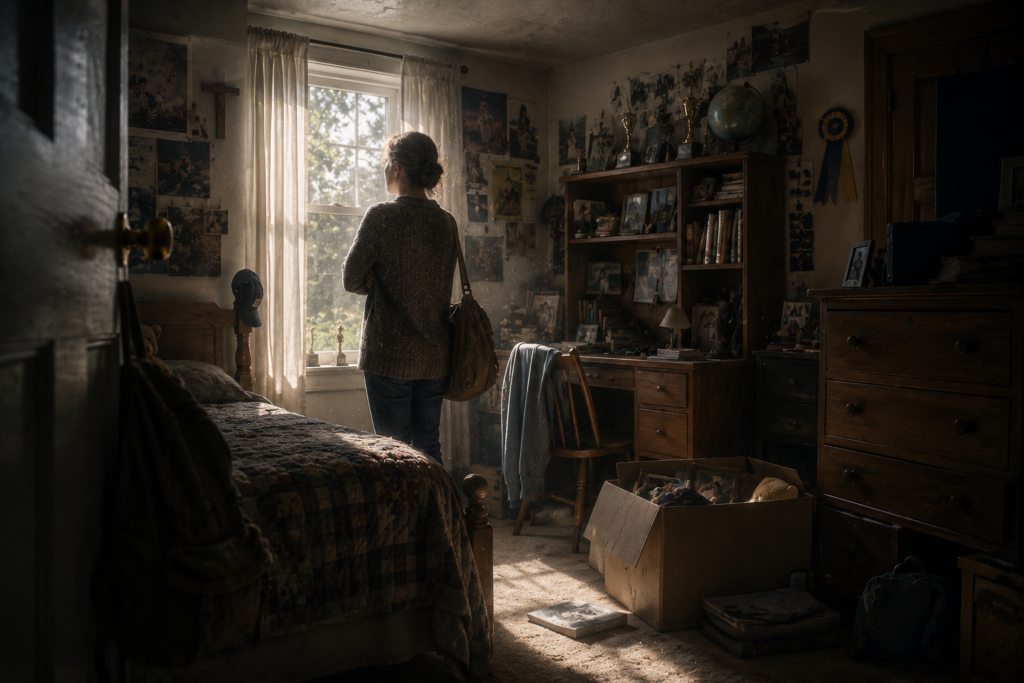
The door may have stuck, the carpet may have looked smaller, or the room may have belonged to someone else by then. This flash memoir prompt last time childhood bedroom asks you to return to one room and notice what it held, what it lost, and what you were finally ready to see.
flash memoir prompt bedroom

The Prompt

Write about the last time you were in your childhood bedroom.

This prompt works because a bedroom is never just a room. It is where you slept, hid, dreamed, cried, changed clothes, taped things to the wall, and became a person in private.

The last time you saw that room may have been quiet. Maybe you packed boxes before a move. Maybe you visited after years away. Maybe you stood in the doorway after a parent sold the house. The memory may seem small at first, but it can open into a sharp story about leaving, growing up, or seeing your younger self with new eyes.

If you are looking for a flash memoir prompt last time childhood bedroom, try to stay with one moment instead of explaining your whole childhood. One scene is enough.

Why This Memory Matters

Childhood bedrooms hold strange evidence. A dent in the wall can bring back a fight. A faded poster can remind you who you wanted to become. A closet can hold the version of you that needed privacy before you had the words for it.

The last visit matters because it often comes with a shift. You may enter as an adult and notice the room no longer fits you. The ceiling may seem lower. The bed may look narrow. The shelves may feel like a museum display from a life you used to live.

This prompt can uncover more than nostalgia. It may reveal grief, relief, embarrassment, humor, or gratitude. You might remember a room you could not wait to leave. You might miss a room that was never perfect. You might realize that the person you were back then had more courage than you knew.

Objects can carry meaning in memoir the same way they do in fiction. If one item in the room feels important, like a lamp, a trophy, a cracked mirror, or a shoebox, you may find it useful to read about how to find symbolism in a story. Memoir often discovers meaning through things you can touch.

How to Approach This Prompt

Begin with a physical detail. Do not start by saying what the room meant. Start with what you saw.

Maybe the room smelled like dust and old paint. Maybe the sunlight hit the floor in the same square it always had. Maybe your mother had turned it into a sewing room, and your old bed was gone. Let the detail pull you into the scene.

Then narrow the memory. Choose one moment: your hand on the doorknob, your knees on the floor as you opened a box, your last look through the window, or the sound of your voice in the empty room.

Write what you noticed before you explain what it meant. This keeps the memory alive for the reader. If you tell us, “I felt sad because my childhood was over,” the scene may feel distant. If you show us that you found a glow-in-the-dark star still stuck to the ceiling, the sadness can arrive on its own.

Avoid trying to tell the whole story of your family, your move, or your childhood home. Flash memoir is small on purpose. It asks you to trust one focused memory.

If you want to study your own draft after you write it, try marking the strongest details and the places where your emotion changes. This guide on how to annotate literature can also help you look closely at your own writing, almost as if it were a short piece you found in a book.

A Quick Example

The last time I stood in my childhood bedroom, the walls were already white. My father had painted over the purple I picked in seventh grade, the purple my mother called “a little dramatic” while she rolled it on anyway. The room echoed because the furniture was gone. I opened the closet and found one plastic star stuck to the inside of the door, left over from the pack I had pressed onto the ceiling with my thumb. I laughed first. Then I shut the closet slowly. I had spent years wanting to leave that house, but in that empty room I wanted to apologize to the girl who waited so long to become someone else.

Try It Yourself

Set a timer for ten minutes and write from this flash memoir prompt last time childhood bedroom. Begin with the room as it looked that final time, not as it looked in every year before.

Let one object lead you. If you get stuck, write the sentence, “I did not expect to notice…” and keep going. You may find the real memory inside that answer.

Do not worry about making the piece neat at first. A flash memoir can start as a few vivid lines. Later, you can shape it into a scene with a clear beginning and a quiet turn at the end.

Most of all, let the room be honest. It does not have to be sweet. It does not have to be painful. It only has to be yours.

Want More Flash Memoir Prompts?

If this prompt helped you return to one room with fresh attention, keep going. Explore all 365 prompts in The Memory Trigger: 365 Flash Memoir Writing Prompts.
The Memory Trigger

Themes in The Adventures of Huckleberry Finn: A Student-Friendly Guide

Huckleberry Finn themes

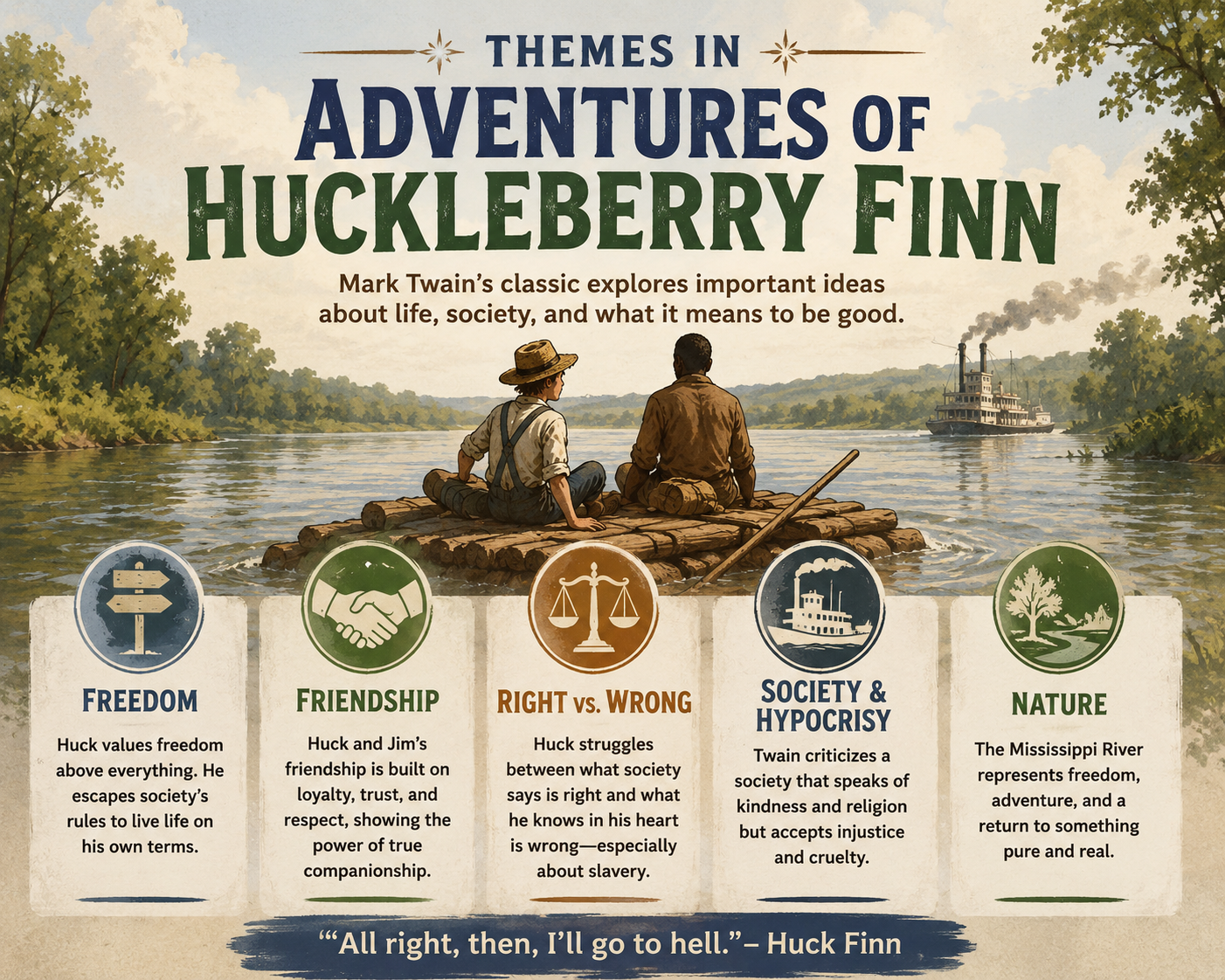
The Adventures of Huckleberry Finn can feel funny, strange, and painful all at once. The themes in The Adventures of Huckleberry Finn help students see how Mark Twain uses Huck’s journey to question slavery, racism, moral rules, and what it means to grow up.

This guide explains the major ideas in clear language, with examples you can use in class discussion or an essay.

In this Guide

Use these sections to review the novel’s key ideas and build stronger notes.

Huckleberry Finn themes

Why the themes in The Adventures of Huckleberry Finn matter

Twain’s novel is not just a river adventure. It is a sharp look at American life before the Civil War.

The themes in The Adventures of Huckleberry Finn matter because the book asks hard questions about right and wrong. Huck grows up in a world that teaches him slavery is normal, yet his own experience with Jim pushes him to doubt that belief.

This conflict makes the novel powerful, but also difficult. Twain uses satire, humor, and Huck’s plain voice to expose cruelty in society. The book also uses racist language that many readers find painful, so students should read it with care and context.

For background on Twain’s life and time period, the Britannica profile of Mark Twain is a useful starting point.

Major themes in The Adventures of Huckleberry Finn

The novel’s main themes work through Huck’s choices, Jim’s struggle, and the places they meet along the Mississippi River.

The themes in The Adventures of Huckleberry Finn often connect to one central question: should a person obey society or follow conscience? Huck’s answer changes as he learns to see Jim as a full human being, not as property.

Freedom and slavery

The most important theme is freedom. Jim seeks freedom from slavery. Huck seeks freedom from abuse, rules, and people who try to control him.

At first, Huck thinks of freedom as escape. He wants to avoid his father, school, and polite society. Jim’s freedom is far more serious because his life and family are at stake.

This difference matters. Twain shows that not all forms of escape are equal. Huck wants room to live his own way, while Jim fights a system that denies his humanity.

The river seems to offer freedom to both of them. On the raft, Huck and Jim form a bond that feels more honest than life on shore. Yet the river cannot fully protect them from slavery or racism.

Racism and dehumanization

The novel attacks a society built on racism, even though it also reflects racist language and ideas from its time. That tension makes the book hard to read and important to discuss.

Many white characters treat Jim as property. They talk about him as if he has no family, fear, or hope. Twain shows how ugly that mindset is by letting readers see Jim’s kindness and courage.

Jim cares for Huck, protects him from pain, and dreams of rejoining his family. These moments challenge the racist world around him.

Students should notice how Twain builds sympathy through action. Jim’s humanity is not shown through speeches. It is shown through care, loyalty, and sacrifice.

Conscience versus society

One of the strongest themes in The Adventures of Huckleberry Finn is the conflict between conscience and social rules. Huck has been taught that helping Jim escape is wrong.

His society tells him that the law supports slavery. His heart tells him that Jim is his friend. Huck must choose between what he has learned and what he knows from experience.

This theme appears most clearly when Huck decides not to betray Jim. He believes he may be doing something sinful, but he chooses loyalty over the values of his society.

Many works of literature use this same conflict. In Antigone by Sophocles, Antigone must choose between the king’s law and her duty to her brother. Like Huck, she faces a moral choice that society cannot solve for her.

Friendship and moral growth

Huck and Jim’s friendship changes Huck. At the start, Huck often repeats the racist ideas he has heard from others. Over time, he learns through shared danger and trust.

Jim becomes a father-like figure for Huck. He comforts him, watches over him, and treats him with more care than most adults in Huck’s life.

Huck’s moral growth does not happen in a neat way. He still has blind spots. Yet his bond with Jim teaches him to value human feeling over empty rules.

This makes the novel a coming-of-age story. Huck grows not because he becomes polite, but because he starts to reject cruelty.

Satire and social hypocrisy

Twain uses satire to mock people who appear civilized but act foolish or cruel. Many adults in the novel talk about religion, honor, and manners while they harm others.

The Grangerford and Shepherdson feud is a clear example. The families seem rich and refined, but they live by violence. Twain shows that social polish does not equal moral goodness.

The Duke and the King also reveal human weakness. They trick people for money and pretend to be noble. Their scams show how easily crowds can be fooled.

This theme still feels modern. Twain asks readers to look past nice words and judge people by their actions.

Childhood innocence and adult corruption

Huck sees the adult world from the outside. Because he is young, he notices lies that adults accept as normal.

He does not always understand the full meaning of events, but his plain voice helps readers see the truth. This gap between Huck’s view and the reader’s view creates irony.

Adults in the novel often fail to protect children. Pap is violent, judges make poor choices, and crowds act with little reason. Huck’s childhood is not safe, so the raft becomes a place of rare peace.

This theme connects to many coming-of-age novels. In To Kill a Mockingbird by Harper Lee, Scout also learns that adult society can be unfair and cruel.

Symbols that deepen the themes in The Adventures of Huckleberry Finn

Twain uses places and objects to make the novel’s ideas easier to feel.

The themes in The Adventures of Huckleberry Finn become clearer when you track the river, the raft, and the shore. These symbols help show the gap between freedom and social control.

The Mississippi River

The river often stands for freedom and movement. Huck and Jim can drift away from towns that judge or trap them.

Yet the river is not perfect freedom. It can be dangerous, and it leads them deeper into slave territory. Twain keeps the symbol complex so readers do not see escape as simple.

The raft

The raft is a small world where Huck and Jim can speak more honestly. It becomes a symbol of friendship and trust.

On the raft, Huck is not forced to play the role society gives him. Jim is not reduced to property in Huck’s eyes. Their life there is rough, but it is often more humane than life on shore.

The shore

The shore often represents society. Towns bring feuds, scams, mobs, and racist laws.

This pattern helps Twain criticize what people call civilization. The word sounds positive, but the shore often shows greed and violence.

How to write about themes in The Adventures of Huckleberry Finn

A strong essay should connect a theme to Huck’s choices and Twain’s larger criticism of society.

When you write about themes in The Adventures of Huckleberry Finn, avoid simple claims like the book is about freedom. Ask what Twain says about freedom. Is freedom possible in a racist society? Who gets freedom, and who is denied it?

A useful thesis might say: Twain uses Huck and Jim’s journey to show that true morality comes from sympathy, not from laws that support injustice.

Then prove the claim with scenes. You might discuss Huck’s decision not to betray Jim, the contrast between the raft and the shore, or the way Jim protects Huck.

If you need help turning notes into a full essay, read our guide on how to write a literary analysis essay.

For a quick review before class, you can also use our student theme review resource as a study companion.

Books to pair with your study of the novel

These books can help you understand Twain, the novel’s history, and the debate around the text.

  • The Adventures of Huckleberry Finn by Mark Twain
  • Mark Twain: A Life by Ron Powers
  • Was Huck Black? by Shelley Fisher Fishkin

Fishkin’s book is especially helpful for students who want to learn more about voice, race, and influence in Twain’s writing.

FAQ about themes in The Adventures of Huckleberry Finn

These quick answers can help you review before a quiz, seminar, or essay draft.

What are the main themes in The Adventures of Huckleberry Finn?

The main themes in The Adventures of Huckleberry Finn include freedom, racism, conscience, friendship, satire, and moral growth. The novel is most focused on how Huck learns to question the values of his society.

Why is conscience such an important theme?

Huck must choose between the law and his own sense of right and wrong. His choice to help Jim shows that moral feeling can be stronger than social pressure.

How does Twain use satire in the novel?

Twain mocks people who claim to be civilized but act cruelly. The feuding families and the con men both show how foolish and corrupt society can be.

Is the river a symbol of freedom?

Yes, but it is not simple. The river gives Huck and Jim space from society, yet it also carries them toward danger.

How can I pick a theme for an essay?

Choose one theme and connect it to a clear pattern in the novel. If you need structure, use this literary analysis essay guide to build your claim.

Key Takeaway

The best way to understand the novel is to watch Huck’s moral growth.

The themes in The Adventures of Huckleberry Finn show a young person learning that society can be wrong. Twain’s novel asks readers to question false morality and value human dignity over unjust rules.

error

Enjoy this article? Please spread the word :)

Follow by Email
BLUESKY
fb-share-icon
Reddit
LinkedIn
Share
RSS