Best Classic Obsession and Madness: Books, Themes, and Symbols That Still Haunt Readers

Best Classic Obsession and Madness

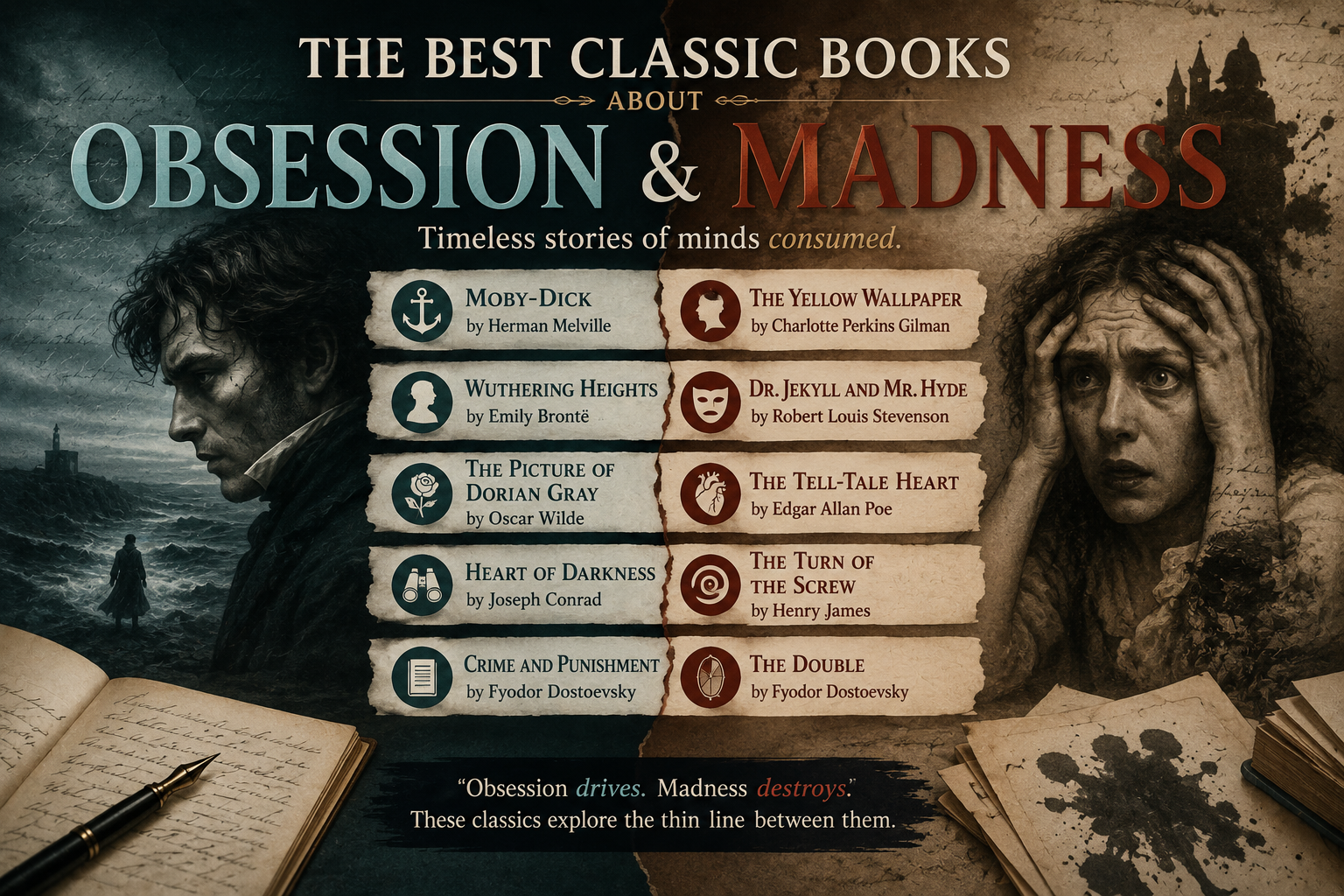
The Best Classic Obsession and Madness stories show what happens when a person cannot let go of an idea, a fear, or a desire. These books are powerful because they turn the mind into a battlefield.

For students, these works also offer rich material for essays about character, symbolism, guilt, and control.

In this Guide

  • Why obsession and madness matter in classic literature
  • Best Classic Obsession and Madness books to read
  • Symbols and themes to watch for
  • How these stories connect to literary culture
  • Recommended books
  • FAQs

Why Best Classic Obsession and Madness Stories Still Matter

These stories remain popular because they ask scary but human questions.

The Best Classic Obsession and Madness works often begin with a character who wants one thing too much. That desire may be love, revenge, power, truth, or control.

As the story moves on, the character loses balance. The reader watches a mind turn against itself.

This makes the conflict feel personal. Monsters may appear, but the deeper danger often lives inside the character.

Best Classic Obsession and Madness Books Students Should Know

These works are often taught because they mix strong plots with deep themes.

The Best Classic Obsession and Madness texts do not all treat mental distress in the same way. Some use it as horror. Others use it to show pressure from society, guilt, or isolation.

Frankenstein by Mary Shelley

Victor Frankenstein becomes obsessed with creating life. His dream sounds noble at first, but it grows into pride and fear.

The novel shows how obsession can turn knowledge into danger. Victor wants power over nature, yet he cannot face the results of his own work.

Macbeth by William Shakespeare

Macbeth’s hunger for power pushes him toward murder. After that, guilt begins to break him down.

Lady Macbeth also shows how a strong mind can crack under shame. Her sleepwalking scene is one of the clearest images of guilt in classic drama.

Moby-Dick by Herman Melville

Captain Ahab’s obsession with the white whale controls his whole life. He sees the whale as more than an animal.

For Ahab, the whale becomes a symbol of pain and fate. His madness spreads through the ship and pulls others into danger.

The Tell-Tale Heart by Edgar Allan Poe

Poe’s narrator insists he is sane, but his words prove the opposite. The story turns guilt into sound through the beating heart.

This is one reason Poe remains central to the Best Classic Obsession and Madness tradition. You can learn more about his work at the Poetry Foundation’s Edgar Allan Poe page.

Symbols in Best Classic Obsession and Madness Literature

Symbols help readers see what a character cannot say out loud.

In the Best Classic Obsession and Madness stories, objects often carry emotional weight. A spot of blood, a locked room, or a strange sound may reveal fear better than a speech.

In Macbeth, blood stands for guilt. Macbeth and Lady Macbeth cannot wash away what they have done.

In Moby-Dick, the white whale becomes a symbol of mystery and suffering. Ahab turns it into the center of his life.

In The Tell-Tale Heart, the heartbeat becomes guilt made physical. The sound may be real, or it may come from the narrator’s mind.

These symbols matter because they make inner conflict visible. They let readers track a character’s fall without needing direct explanation.

Major Themes in Best Classic Obsession and Madness Stories

These themes help students build strong literary analysis.

The Best Classic Obsession and Madness works often explore the cost of crossing limits. A character wants to break a rule set by nature, society, or morality.

Another key theme is guilt. Many characters try to hide what they have done, but the mind keeps returning to it.

Isolation is also important. Victor Frankenstein cuts himself off from others. Ahab separates himself through pride. Poe’s narrators often sound trapped inside their own thoughts.

These themes connect well with other major works taught in school. For example, questions about justice, fear, and moral pressure also shape the major themes in To Kill a Mockingbird.

How Obsession and Madness Shape Literary Culture

These stories changed how later writers imagined fear and the self.

The Best Classic Obsession and Madness tradition helped shape Gothic fiction, mystery, horror, and modern psychological novels. Many later works borrow the idea that the mind can be the darkest setting.

Gothic literature often uses old houses, shadows, secrets, and fear. Yet the true horror usually comes from what people hide or refuse to face.

For more background, Britannica offers a helpful overview of the Gothic novel and its major features.

These works also invite careful reading. Students should avoid treating madness as a simple “plot twist.” In strong literature, it often reflects pressure, grief, shame, or a broken social world.

Recommended Books for Obsession and Madness in Classic Literature

These books are strong choices for students who want powerful characters and essay-friendly themes.

  • Frankenstein by Mary Shelley
  • Crime and Punishment by Fyodor Dostoevsky

Both books fit the Best Classic Obsession and Madness theme because they focus on guilt, fear, and the mind under pressure.

How to Write About Best Classic Obsession and Madness in an Essay

A strong essay should focus on cause and effect.

Do not just say a character is obsessed or mad. Explain what causes the change and how the author shows it.

Look for repeated images, strange speech, private thoughts, and moments of denial. These details often reveal the character’s mental state.

You can also compare obsession to moral conflict. Many classic characters do not fall apart at random. They fall apart because they refuse to face truth.

If you want to connect this kind of analysis to other works, review how themes work in To Kill a Mockingbird and apply the same method to Gothic or tragic texts.

FAQs About Best Classic Obsession and Madness

What does Best Classic Obsession and Madness mean in literature?

It refers to classic works where a character’s fixed desire or mental collapse drives the story. These texts often explore guilt, fear, power, and isolation.

What is the best classic book about obsession?

Moby-Dick is one of the clearest examples. Captain Ahab’s obsession shapes the whole novel and leads to disaster.

Is Frankenstein about madness or ambition?

It is about both. Victor’s ambition becomes obsessive, and that obsession damages his judgment.

Why do teachers assign these stories?

They offer rich symbols, complex characters, and strong themes. They also help students practice close reading.

Key Takeaway

The Best Classic Obsession and Madness stories last because they show how a single desire can take over a life. They remind us that the most haunting conflicts often begin inside the mind.

For students, these works are more than dark tales. They are sharp studies of guilt, pressure, and the danger of losing balance.
Common Symbols in Classic Literature

literature symbols
literature symbols

Common Symbols in Classic Literature: A Student-Friendly Guide

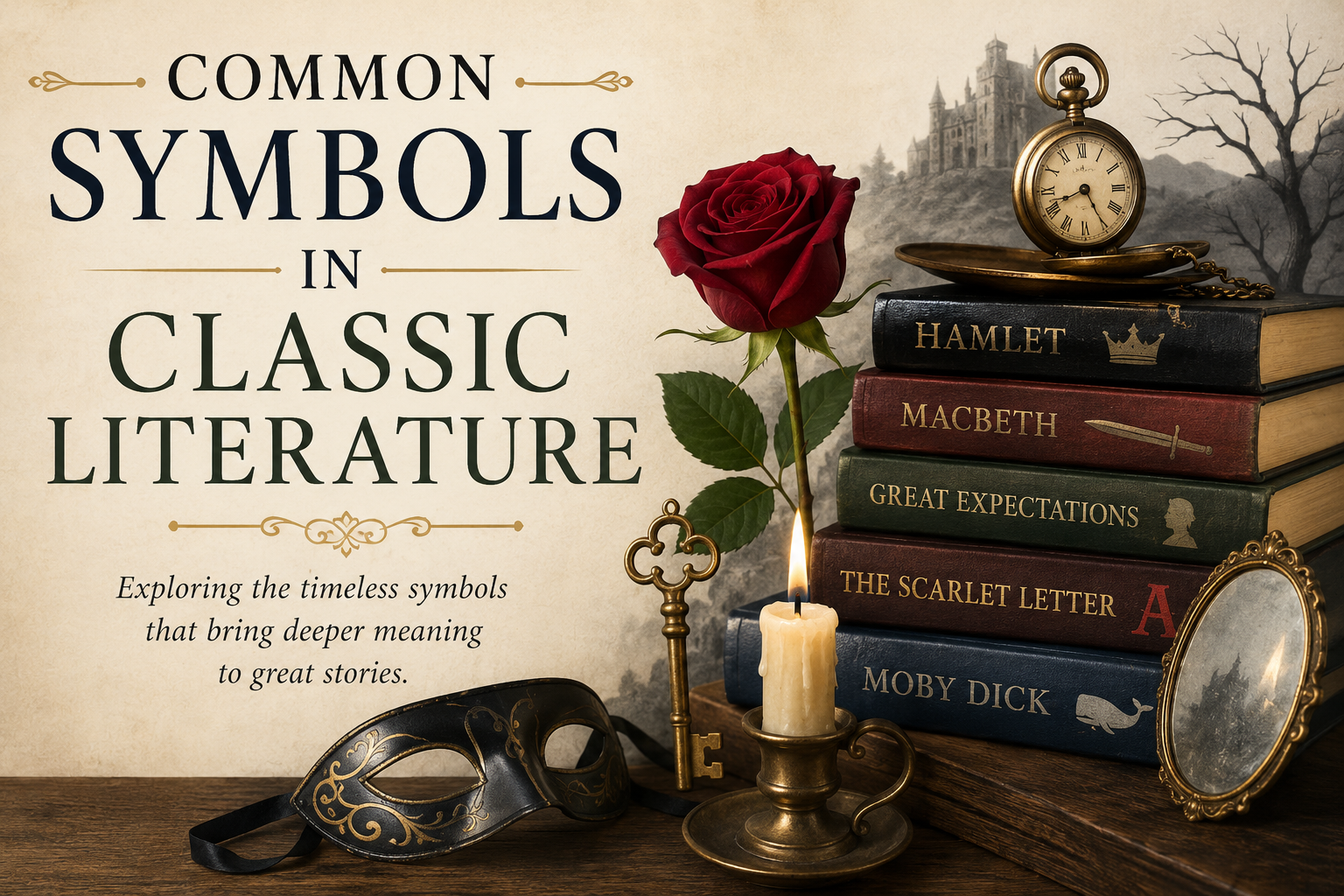
Common Symbols in Classic Literature can help you see deeper meaning in novels, plays, and poems. When you know what certain objects, colors, or places often suggest, you can read with more confidence and write stronger essays.

This guide explains key symbols, gives clear literary examples, and shows how to use them without overthinking every detail.

In this Guide

  • Why symbols matter in classic literature
  • Common symbols and what they often mean
  • Examples from famous books
  • How to analyze symbols in essays
  • Books that help you practice
  • FAQ and key takeaway

Why Common Symbols in Classic Literature Matter

Symbols help writers say more with less.

A symbol is something that stands for more than itself. It can be an object, place, color, animal, or action that points to a bigger idea.

For students, Common Symbols in Classic Literature are useful because they often connect to major themes. A river may suggest change. A locked room may suggest secrets. A storm may suggest conflict or fear.

Symbols do not always mean the same thing in every book. Context matters. Still, knowing common patterns gives you a strong place to start.

Common Symbols in Classic Literature: Light and Darkness

Light and darkness often show knowledge, truth, danger, or moral conflict.

Light often points to truth, hope, or understanding. Darkness often points to fear, confusion, or hidden evil.

In Frankenstein by Mary Shelley, light can suggest knowledge and discovery. Victor Frankenstein wants to “bring light” to science, but his search leads to pain and guilt.

In Heart of Darkness by Joseph Conrad, darkness is not just a setting. It raises questions about cruelty, power, and what people hide inside themselves.

When you see light or darkness in a classic text, ask what the character understands at that moment. Also ask what the writer may be hiding from the reader.

Common Symbols in Classic Literature: Colors

Colors can carry emotional and social meaning.

Red often suggests passion, sin, blood, or shame. White can suggest purity, innocence, emptiness, or coldness. Green often points to hope, envy, nature, or desire.

In The Scarlet Letter by Nathaniel Hawthorne, the red letter “A” is one of the most famous symbols in American literature. It marks Hester Prynne’s shame, but it also becomes a sign of strength.

In The Great Gatsby by F. Scott Fitzgerald, the green light at the end of Daisy’s dock stands for Gatsby’s dream. It also shows how that dream stays just out of reach.

Colors are among the most important Common Symbols in Classic Literature because they can appear many times across a story. Track when a color appears and how the mood changes around it.

Common Symbols in Classic Literature: Nature

Nature often reflects a character’s inner life.

Writers use weather, seasons, gardens, and wild places to show emotion or change. Spring may suggest youth or rebirth. Winter may suggest death, loss, or loneliness.

In Wuthering Heights by Emily Brontë, the wild moors reflect the fierce emotions of the characters. The setting feels harsh, open, and hard to control.

In King Lear by William Shakespeare, the storm shows Lear’s mental collapse. The weather outside mirrors the chaos inside him.

When you study Common Symbols in Classic Literature, pay close attention to setting. A landscape may reveal more than a character says out loud.

Common Symbols in Classic Literature: Animals

Animals often reveal power, fear, guilt, or instinct.

A snake may suggest danger or betrayal. A bird may suggest freedom or a trapped soul. A dog may suggest loyalty, but it can also show violence, depending on the story.

In Macbeth, Shakespeare uses animal images to show disorder and fear. After Duncan’s murder, nature seems broken, which suggests that Macbeth’s crime has damaged the moral order.

In Lord of the Flies by William Golding, the “beast” becomes a symbol of the boys’ fear. It also points to the violence inside human nature.

Animal symbols work best when you connect them to a theme. Do not stop at “the bird means freedom.” Ask who wants freedom and what blocks it.

Common Symbols in Classic Literature: Objects

Objects can carry a story’s biggest ideas.

A letter, ring, mirror, or weapon can gain meaning as the story moves on. The object may start as a normal item, then become tied to guilt, love, power, or memory.

In The Lord of the Rings by J.R.R. Tolkien, the ring stands for power and temptation. It shows how even good people can change when power takes hold.

In Jane Eyre by Charlotte Brontë, the locked room and hidden spaces at Thornfield Hall suggest secrets, fear, and social limits.

Common Symbols in Classic Literature often gain meaning through repetition. If an object appears at key moments, the author likely wants you to notice it.

Common Symbols in Classic Literature: Journeys and Roads

A journey often shows growth, escape, or a search for truth.

Roads and travel can show a character’s movement from innocence to experience. A physical trip may also reflect an inner change.

In The Odyssey by Homer, Odysseus’s journey is about more than getting home. It tests his pride, loyalty, and wisdom.

In The Adventures of Huckleberry Finn by Mark Twain, the river becomes a path toward freedom. Yet it also shows the moral problems of the society around Huck and Jim.

Journey symbols are useful in essays because they often connect to character growth. Ask what the character learns before and after the journey.

How to Analyze Common Symbols in Classic Literature

A symbol should connect to the whole story, not just one scene.

Start with the basic meaning. What is the object, color, place, or action? Then ask how it changes as the story goes on.

Look for repetition. If a symbol appears more than once, note when it appears and who is present. This can reveal a pattern.

Connect the symbol to a theme. A green light is not important only because it is green. It matters because it connects to dreams, wealth, and longing.

If you want a deeper step-by-step method, read this guide on how to find symbolism in a story.

How to Use Symbols in Literature Essays

Strong symbol analysis stays close to the text.

Do not write that a symbol “obviously” means one thing. Instead, prove your idea with evidence from the story.

A simple essay sentence might look like this:

In The Great Gatsby, the green light symbolizes Gatsby’s dream of a perfect future with Daisy, but its distance shows that the dream is impossible to fully reach.

This works because it names the symbol, explains the meaning, and links it to a theme.

For AP Literature or college essays, you should also explain how the symbol affects the reader. Does it create hope? Does it create doubt? Does it make the ending feel tragic?

Best Books for Studying Common Symbols in Classic Literature

These books give students strong practice with symbolism.

  • The Great Gatsby by F. Scott Fitzgerald
  • The Scarlet Letter by Nathaniel Hawthorne
  • Lord of the Flies by William Golding

Each book uses symbols in a clear way, which makes them helpful for essays and class discussion. They are also common choices in high school and college literature courses.

You can also explore trusted resources like the Poetry Foundation’s definition of symbol and Britannica’s overview of Symbolism for more background.

Quick Study Tips for Symbolism

A few simple habits can make symbol analysis much easier.

Mark repeated objects, colors, and places as you read. Write a short note each time one appears.

Ask what changes near the symbol. Does the mood shift? Does a character act in a new way?

Do not force a meaning. Some details are just details. A symbol matters when the story gives it weight.

When in doubt, return to theme. The best symbol analysis explains how one detail supports the bigger message of the work.

FAQ About Common Symbols in Classic Literature

What are the most common symbols in classic literature?

Some of the most common symbols are light, darkness, colors, nature, animals, objects, and journeys. Their meaning depends on the story’s context.

How do I know if something is a symbol?

Look for repetition, strong description, or a link to a major theme. If the author keeps drawing attention to it, it may be symbolic.

Can one symbol have more than one meaning?

Yes. A strong symbol can hold more than one idea. For example, the scarlet letter in Hawthorne’s novel suggests shame, strength, and identity.

Why do teachers ask students to find symbols?

Symbols help students understand theme, character, and conflict. They also lead to stronger literary analysis.

Should I memorize Common Symbols in Classic Literature?

You can learn common patterns, but do not rely on memorization alone. Always use the text to support your interpretation.

Key Takeaway

Common Symbols in Classic Literature are tools for deeper reading, not secret codes with fixed answers. Notice patterns, connect them to theme, and use evidence from the text to explain your ideas clearly.

Best Classic Morality and Guilt Books

Best Classic Morality and Guilt Books

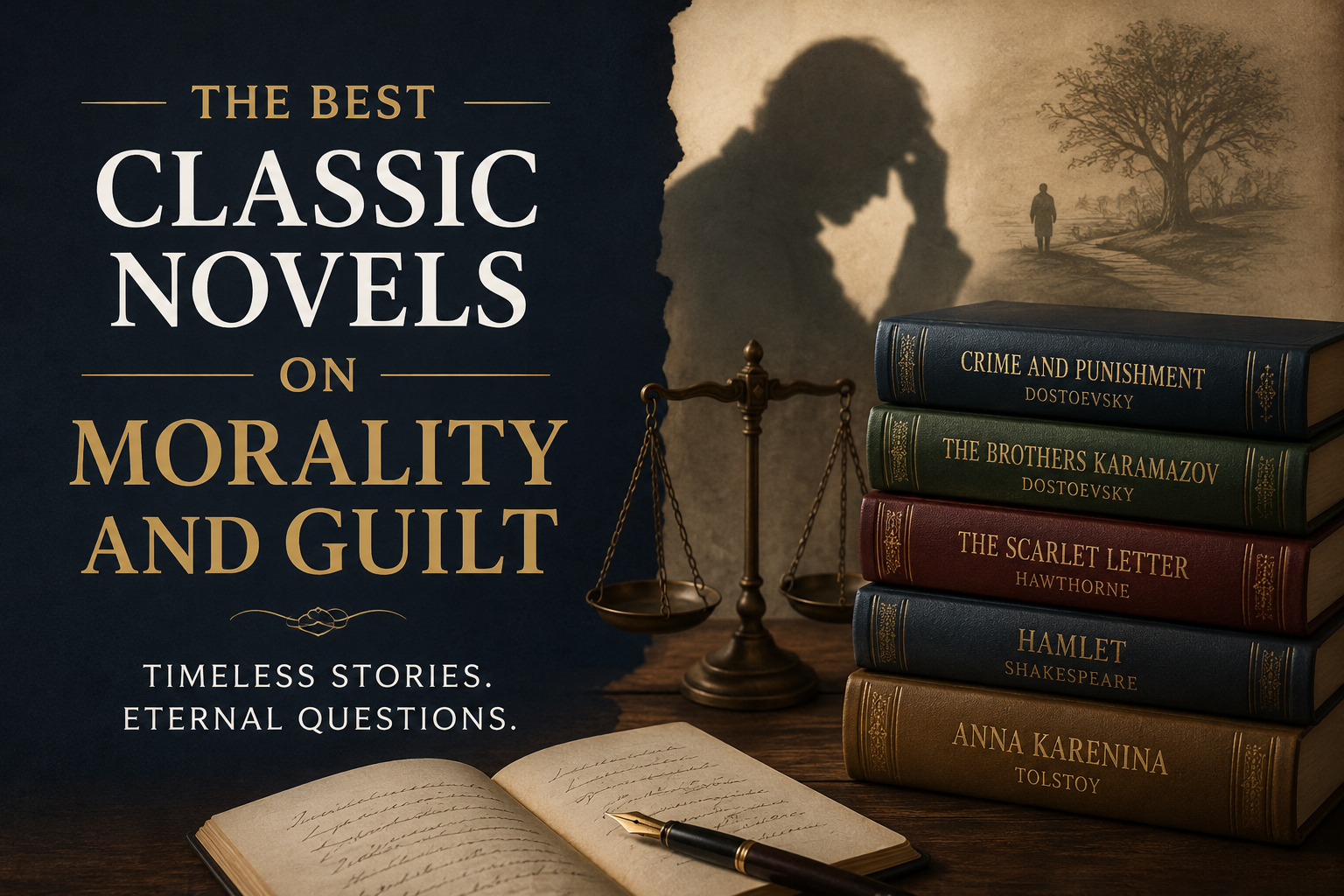
Best Classic Morality and Guilt stories ask a hard question: what happens when a person knows they have done wrong? These classics help students see how shame, choice, and conscience shape unforgettable characters.

From murder to betrayal, these books show that guilt is not just a feeling. It can become a force that changes a whole life.

In this Guide

  • Why morality and guilt matter in classic literature
  • Best Classic Morality and Guilt books to read first
  • Common symbols and themes
  • How to study these works
  • Recommended books
  • FAQs

Why Best Classic Morality and Guilt Stories Still Matter

The strongest classics make guilt feel personal.

Best Classic Morality and Guilt works still matter because they deal with choices that never go away. People still lie, hide secrets, harm others, and face the pain of regret.

These stories also help readers think about justice. Is punishment enough? Can a person change after doing wrong?

In many classics, guilt becomes a hidden judge. A character may escape the law, but they cannot escape their own mind.

Best Classic Morality and Guilt Books to Read First

Start with books where the moral conflict is clear and powerful.

A strong Best Classic Morality and Guilt reading list should include stories with deep inner conflict. These books are often taught in high school, AP Literature, and college because they reward close reading.

Crime and Punishment by Fyodor Dostoevsky

Raskolnikov commits murder and tries to prove he is above ordinary moral rules. His guilt slowly breaks down his pride.

This novel is one of the most important Best Classic Morality and Guilt texts because it turns a crime into a battle inside the soul. You can read more background at Britannica.

The Scarlet Letter by Nathaniel Hawthorne

Hester Prynne is publicly shamed for adultery, while another guilty character hides in silence. The novel asks whether public shame or private guilt hurts more.

Its famous red letter becomes one of the clearest symbols of sin, judgment, and identity in American literature.

Macbeth by William Shakespeare

Macbeth kills King Duncan to gain power. After that, guilt follows him through fear, visions, and violence.

Lady Macbeth also shows how guilt can turn inward. Her need to wash imagined blood from her hands is one of Shakespeare’s most famous images.

Symbols and Themes in Best Classic Morality and Guilt Literature

Symbols often show what characters cannot say out loud.

In Best Classic Morality and Guilt literature, symbols make inner pain visible. Blood, stains, locked rooms, and letters often stand for moral damage.

In Macbeth, blood shows guilt that cannot be washed away. In The Scarlet Letter, the letter A changes meaning as Hester changes.

One major theme is the split between public life and private truth. A character may look calm, but guilt grows beneath the surface.

Another key theme is confession. Many classics ask whether telling the truth can free a person, even if it brings punishment.

How to Study Best Classic Morality and Guilt Texts

Close reading helps you see how guilt works on the page.

When you read Best Classic Morality and Guilt texts, track the moments when a character tries to excuse their actions. Those moments often reveal the deepest moral conflict.

Pay attention to repeated images. If blood, darkness, illness, or silence appears more than once, the author is likely building meaning.

It also helps to mark key passages. If you want a simple method, use this guide on how to annotate literature while you read.

For poetry and shorter works, the same skills apply. The Poetry Foundation has helpful author pages and poem texts, including works that explore conscience and sin at Poetry Foundation.

Recommended Best Classic Morality and Guilt Books

These books are worth reading, buying, or borrowing for study.

These Best Classic Morality and Guilt picks are useful for essays because each one has strong symbols and clear moral questions.

  • Crime and Punishment by Fyodor Dostoevsky
  • The Scarlet Letter by Nathaniel Hawthorne

If you want one play, choose Macbeth by William Shakespeare. It is short, intense, and rich with guilt imagery.

Best Classic Morality and Guilt Questions for Class Discussion

Good questions turn reading into real debate.

A Best Classic Morality and Guilt discussion should move beyond plot. Ask what the text says about blame, truth, and change.

Is guilt useful if it leads to growth? Or does it only destroy the person who feels it?

You can also ask whether society judges fairly. In some classics, public punishment looks moral, but the reader sees hypocrisy behind it.

FAQ

What makes Best Classic Morality and Guilt books important?

They show how people deal with wrong choices. They also help readers think about justice, shame, and forgiveness.

Which classic is easiest to start with?

Macbeth is a good first choice. It is short, dramatic, and full of clear guilt symbols.

Why do so many classics focus on guilt?

Guilt creates strong conflict. It pushes characters to hide, confess, or fall apart.

How can I write an essay about morality and guilt?

Choose one character and track how guilt changes them. Then connect that change to symbols or repeated images.

Key Takeaway

Best Classic Morality and Guilt literature stays powerful because it studies the cost of human choices. These stories remind us that the hardest punishment often begins inside the mind.