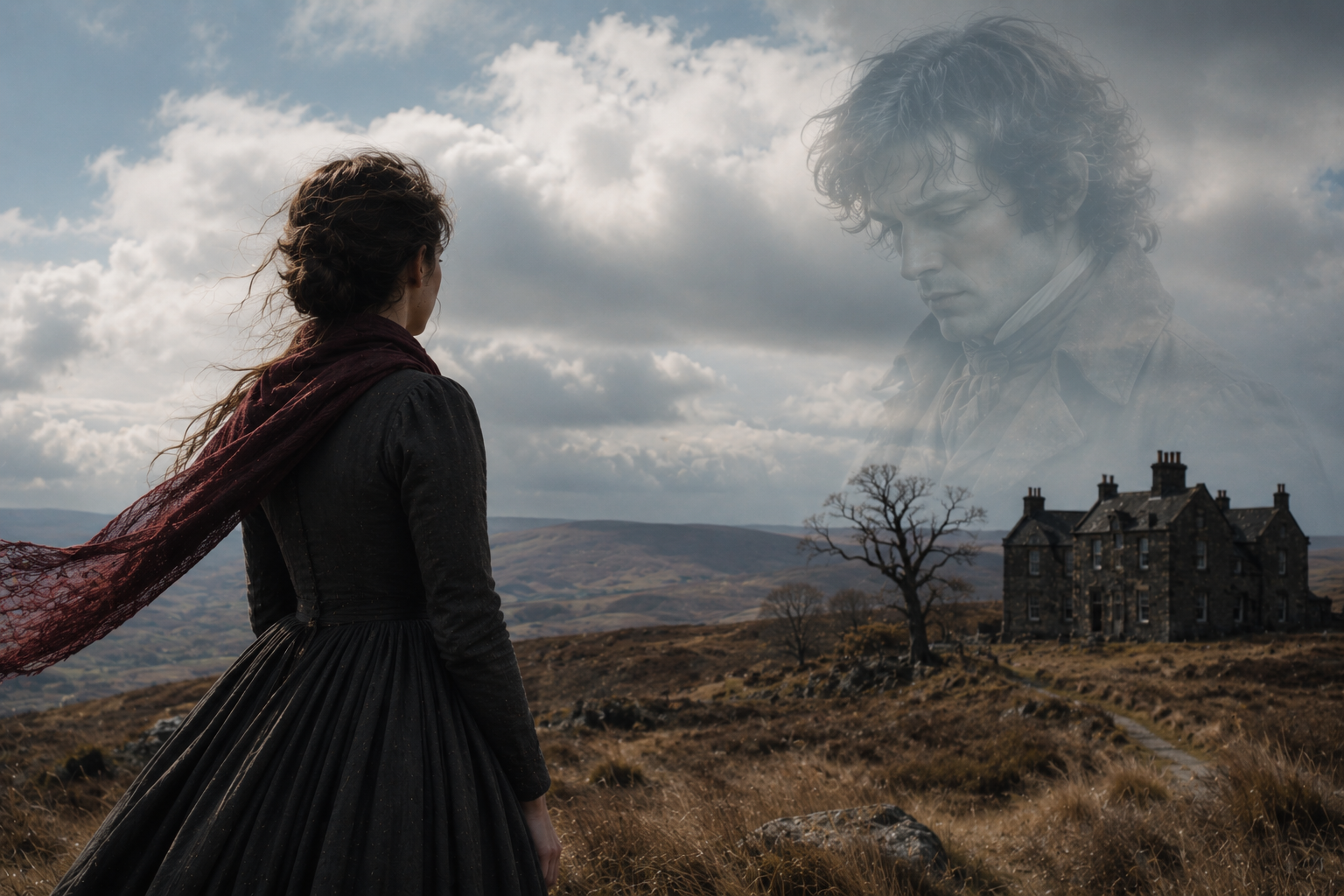
Important Wuthering Heights Quotes Explained for Students

Wuthering Heights Quotes

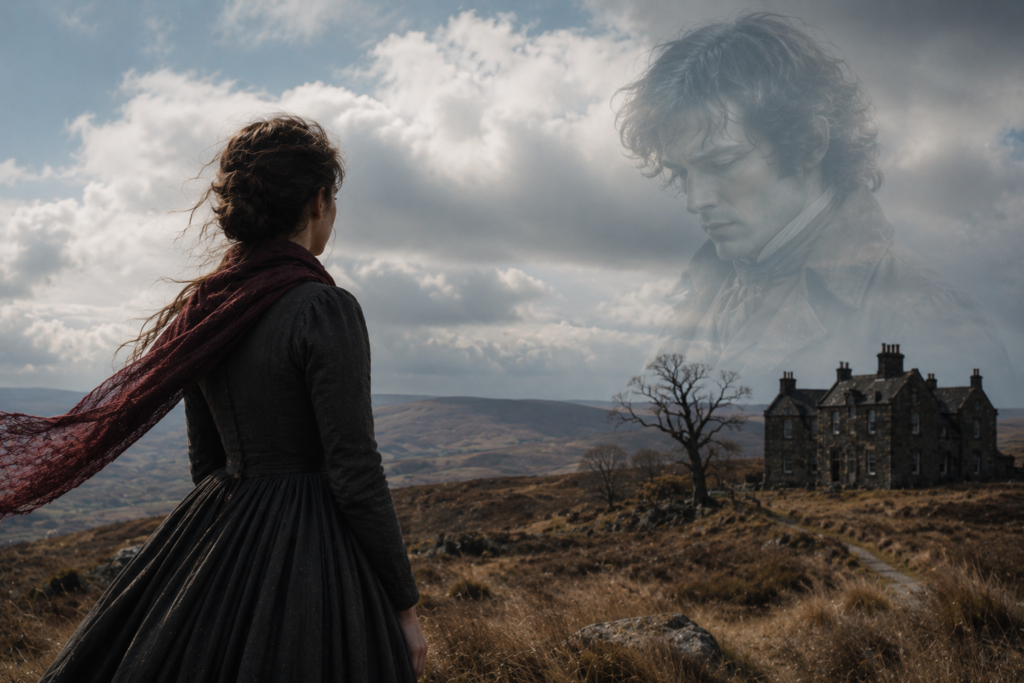
Emily Brontë’s Wuthering Heights is full of lines that feel intense, strange, and hard to forget. This guide to Wuthering Heights quotes explained will help you understand key passages and use them with confidence in essays.

You will see how each quote connects to love, revenge, class, setting, and Gothic mood.

In this Guide

Wuthering Heights Quotes

Wuthering Heights Quotes Explained: Love and Obsession

Brontë often makes love feel powerful, but not always healthy.

One of the most famous lines in the novel is Catherine’s claim:

“Whatever our souls are made of, his and mine are the same.”

Catherine says this about Heathcliff. The line shows that she sees him as part of herself, not just as someone she loves.

This is why the quote works so well in essays about identity. Catherine does not describe love as kindness or trust. She describes it as a shared soul.

That sounds romantic at first. Yet the novel shows how dangerous this bond can become, since Catherine and Heathcliff hurt each other and the people around them.

Another short line deepens the same idea:

“I am Heathcliff.”

This quote is easy to remember, but it is not simple. Catherine feels that Heathcliff is her true self, while Edgar represents comfort and social status.

For a strong essay, explain the conflict inside Catherine. She wants both deep passion and a safer life. Brontë shows that she cannot fully have both.

This is one reason Wuthering Heights quotes explained can help students move beyond plot summary. The quotes reveal how the characters think about love as possession, not peace.

Wuthering Heights Quotes Explained: Revenge and Pain

Heathcliff’s love turns into revenge, and the novel asks what that revenge costs.

After Catherine dies, Heathcliff speaks one of his most haunting lines:

“Be with me always.”

He does not ask for rest. He asks to be haunted.

This quote shows the Gothic side of the novel. Death does not end desire. Grief becomes a force that follows the living.

Heathcliff’s pain also appears in this short cry:

“I cannot live without my soul!”

He calls Catherine his soul. That makes his grief feel huge, but it also shows his lack of a separate self.

In an essay, you could argue that Heathcliff’s revenge is not strength. It is a sign that he cannot escape Catherine, even after her death.

This part of Wuthering Heights quotes explained is useful for prompts about destructive passion. Like Captain Ahab in Moby-Dick, Heathcliff lets one obsession shape his whole life.

Wuthering Heights Quotes Explained: Setting and Gothic Mood

The houses and moors are not just background. They shape the mood and meaning of the novel.

The name Wuthering Heights already suggests harsh weather. The word “wuthering” points to strong winds and rough conditions.

That rough setting matches the Earnshaw household. The home feels wild, bitter, and full of conflict.

Thrushcross Grange feels different. It is linked to manners, wealth, and order. Yet Brontë does not present it as pure happiness.

Students can compare the two houses to the way Shakespeare uses places in Macbeth. A castle can seem safe, but it may hide fear and violence.

When you use Wuthering Heights quotes explained for setting, do more than say the moors are gloomy. Show how the weather and houses mirror the characters’ inner lives.

For more background on the novel’s place in English literature, you can read this overview from Britannica.

Important Quotes About Identity and Class

Class pressure shapes many choices in the novel, especially Catherine’s choice to marry Edgar.

Catherine knows that marrying Heathcliff would lower her social position. This creates one of the novel’s central conflicts.

“It would degrade me to marry Heathcliff.”

This quote can sound cruel, and it is. Yet it also shows how much Catherine has absorbed the class values around her.

She loves Heathcliff deeply, but she fears what life with him would mean in society. Brontë makes the reader see how class can twist personal desire.

Heathcliff’s later rise in power does not heal this wound. Instead, he uses money and control to punish others.

This is a strong quote for essays about social class. It proves that the novel is not only a love story. It is also a story about status, shame, and power.

How to Use Wuthering Heights Quotes Explained in Essays

A quote only helps if you explain how it supports your claim.

Do not drop a quote into a paragraph and move on. Set it up, include the quote, then explain its meaning in your own words.

Here is a simple pattern:

  • Make a claim about a theme or character.
  • Add a short quote that proves the claim.
  • Explain one key word or image from the quote.
  • Connect the quote back to your thesis.

For example, if your thesis says Catherine’s love is tied to identity, the line “I am Heathcliff” is powerful. You could focus on the word “am” because it turns love into being.

If you want more help with structure, read our guide on how to write a literary analysis essay.

You can also use a student literature guide to track quotes, themes, and quick notes as you read.

More Wuthering Heights Quotes Explained for Close Reading

These shorter quotes can work well in timed essays because they are easy to remember.

“Treachery and violence are spears pointed at both ends.”

This line suggests that cruelty harms both the victim and the person who uses it. It fits Heathcliff’s revenge plot, since his cruelty damages his own life too.

“I wish I were a girl again.”

Catherine’s words show a desire to escape adult pressure. She longs for an earlier self, before marriage, class choice, and illness trapped her.

“He’s more myself than I am.”

This quote repeats the theme of shared identity. Catherine sees Heathcliff as closer to her real nature than her own social role.

Wuthering Heights quotes explained in this way can help you write deeper analysis. Focus on conflict inside the words, not just the obvious meaning.

Suggested Books for Students

If you want to study the novel more deeply, these books are worth searching for on Amazon or at your library:

  • Wuthering Heights by Emily Brontë
  • The Brontës: Wild Genius on the Moors by Juliet Barker

You may also find useful author context through Poetry Foundation’s Emily Brontë page.

FAQ: Wuthering Heights Quotes Explained

What are the best Wuthering Heights quotes explained for exams?

The best quotes are short and rich. Try “I am Heathcliff,” “Be with me always,” and “Whatever our souls are made of, his and mine are the same.”

What themes do the main quotes show?

The major themes include obsessive love, revenge, class pressure, identity, and the power of place.

How many quotes should I use in an essay?

Use a few strong quotes rather than many weak ones. Each quote should get clear analysis.

Is Wuthering Heights a romance?

It has romance, but it is also Gothic and tragic. The novel shows love as intense, harmful, and hard to control.

How can I make my quote analysis stronger?

Zoom in on one word, image, or contrast. Then connect it to your main argument.

Key Takeaway

Wuthering Heights quotes explained help you see that Brontë’s novel is not just about love. It is about how love can become identity, pain, and power. 🌿
Best Classic Ghosts and Grief: Haunted Books That Still Speak to Us

ghost and grief books

Some ghosts scare us, but the best ones make us think about love, loss, and memory. The Best Classic Ghosts and Grief stories show how the dead can shape the lives of the living.

In classic literature, a ghost is rarely just a ghost. It often stands for pain that has not healed, truth that has been hidden, or grief that will not stay quiet.

In this Guide


Why Best Classic Ghosts and Grief Stories Still Matter

These stories last because they deal with feelings people still face today.

The Best Classic Ghosts and Grief stories are not only about fear. They ask hard questions. What do we owe the dead? Can grief change how we see the world? What happens when a family hides pain?

Ghosts in literature often appear when something has gone wrong. A murder has been covered up. A loved one has died too soon. A memory refuses to fade.

That is why these stories feel powerful in classrooms. Students can study plot and symbols, but they can also connect to real human emotions.

Best Classic Ghosts and Grief in Shakespeare and Gothic Fiction

Many famous literary ghosts appear when grief has turned into doubt or fear.

In Shakespeare’s Hamlet, the ghost of Hamlet’s father changes the whole play. He tells Hamlet that he was murdered, and Hamlet is pulled into a world of revenge, fear, and deep sadness.

The ghost is scary, but Hamlet’s grief matters just as much. He has lost his father, does not trust his uncle, and feels trapped in a corrupt court. The ghost gives his sorrow a voice.

This is one reason Best Classic Ghosts and Grief is such a rich topic. A ghost can move the plot, but it can also reveal what a character cannot say out loud.

Gothic fiction also uses ghosts to show emotional damage. In many Gothic works, old houses, dark rooms, and family secrets all point to grief that has not been faced.

For helpful background on the Gothic tradition, you can read Britannica’s overview of the Gothic novel.

These books are strong choices for students who want haunting stories with real emotional depth.

Hamlet by William Shakespeare

Hamlet is one of the most famous ghost stories in English literature. The ghost of the dead king asks for revenge, but the play is also about grief, madness, and moral doubt.

Hamlet’s sorrow shapes nearly every choice he makes. His father’s ghost becomes a symbol of loss that will not stay buried.

A Christmas Carol by Charles Dickens

Dickens gives us ghosts with a clear purpose. The spirits visit Ebenezer Scrooge to force him to face his past, his present, and his possible future.

Grief appears in many forms here. Scrooge has lost love, kindness, and human connection. The ghosts help him see what his life has become.

The Turn of the Screw by Henry James

This novella is one of the most debated ghost stories ever written. Are the ghosts real, or are they shaped by fear and stress?

That question makes the book perfect for a discussion of Best Classic Ghosts and Grief. The story shows how fear, loss, and pressure can blur the line between truth and imagination.

For more literary context on classic authors, the Poetry Foundation’s page on Edgar Allan Poe is also useful for studying dark Romantic themes.

Symbols and Themes in Best Classic Ghosts and Grief

Ghost stories often use symbols to make grief feel visible.

One key symbol is the haunted house. A house can stand for the mind, the family, or the past. When a house feels cold or broken, it may reflect the pain inside the people who live there.

Another common symbol is darkness. Darkness can suggest fear, but it can also point to what characters do not understand. In grief stories, darkness often shows confusion after loss.

Silence also matters. Many classic ghost stories are built around things people refuse to say. A ghost may appear because silence has become too heavy.

The theme of memory is central to the Best Classic Ghosts and Grief. Ghosts return because the past still has power. The living may try to move on, but the dead keep asking to be remembered.

Guilt is another major theme. In Hamlet, guilt spreads through the royal family. In A Christmas Carol, Scrooge must face the harm caused by his choices.

These stories suggest that grief is not simple. It can lead to love, regret, anger, or change.

How to Read Best Classic Ghosts and Grief Stories Closely

A close reading can help you see how a ghost works beyond the scare factor.

Start by asking what the ghost wants. Does it want justice? Does it want memory? Does it want the living to change?

Then ask who sees the ghost. If only one character sees it, the story may be asking us to question that character’s mind, pain, or fear.

Pay attention to setting. Many classic ghost stories place grief in old homes, graveyards, castles, or empty streets. These places help create mood, but they also hold meaning.

If you want to track symbols, character reactions, and repeated images, use a simple note method. This guide on how to take notes while reading a novel can help you stay organized.

When you study the Best Classic Ghosts and Grief, look for emotional patterns. The ghost may be less important than the wound it reveals.

Why Ghosts Make Grief Easier to See

Literary ghosts turn inner pain into something readers can watch and study.

Grief is hard to show because it happens inside a person. A ghost gives that grief a shape. It can enter a room, speak a warning, or force a character to face the truth.

This is why ghost stories work so well in literature classes. They connect emotion to plot. They make abstract pain feel concrete.

In the Best Classic Ghosts and Grief stories, the dead are not only part of the past. They change the present.

Best Classic Ghosts and Grief for Student Essays

These works give students strong material for essays about theme, symbol, and character.

A strong essay could compare the ghost in Hamlet with the spirits in A Christmas Carol. Both stories use ghosts to push a living person toward action.

You could also write about whether a ghost is real or symbolic. In The Turn of the Screw, that question is part of the whole reading experience.

Another good essay topic is the link between grief and moral choice. Hamlet’s grief leads him toward revenge. Scrooge’s grief helps him change.

The Best Classic Ghosts and Grief topic works well because it lets you discuss both emotion and structure. You can write about mood, dialogue, setting, and symbols without losing focus.

FAQs About Best Classic Ghosts and Grief

Here are quick answers to common student questions.

What does a ghost usually symbolize in classic literature?

A ghost often symbolizes grief, guilt, memory, or unfinished business. It may also reveal a secret that living characters try to hide.

Why are ghosts linked to grief?

Ghosts represent people or events that will not fade away. They show how loss can stay active in a person’s mind and life.

Is Hamlet a ghost story?

Yes, but it is more than that. The ghost starts the revenge plot, while Hamlet’s grief shapes the play’s deeper meaning.

What is a good first classic ghost story to read?

A Christmas Carol is a strong first choice. It is clear, moving, and full of memorable ghost scenes.

How can I write about ghosts in an essay?

Focus on what the ghost reveals. Look at the character’s reaction, the setting, and the theme connected to the haunting.

Key Takeaway

The Best Classic Ghosts and Grief stories show that hauntings are not just about fear. They are about memory, loss, and the truths people try to avoid.

Classic ghosts stay with us because they make grief visible. They remind readers that the past is never fully gone, especially in literature.

Flash Memoir Prompt: Last Time You Cried in Front of Someone Else

Memoir prompt cried

Your tears may have come at the worst possible time: in a hallway, across a kitchen table, during a phone call, or beside someone who suddenly saw more of you than you meant to show.

Memoir prompt cried

The Prompt

Write about the last time you cried in front of someone else.

This flash memoir prompt last time cried front someone asks you to return to a moment when emotion became visible. That can be uncomfortable, but it can also lead to honest writing. Tears change a scene. They shift the room, the conversation, and sometimes the relationship.

You do not have to explain your whole life to write this piece. You only need one moment. Who was there? Where were you standing or sitting? What happened in the seconds before you realized you were crying?

Why This Memory Matters

Crying in front of someone else can feel like losing control, but in memoir, that loss of control often reveals the truth of the scene. Maybe you cried because you were hurt. Maybe you cried from relief. Maybe you had been holding yourself together for so long that one kind question broke the seal.

The person who saw you cry matters too. A parent, teacher, friend, nurse, stranger, partner, or child can change the meaning of the memory. Were they gentle? Awkward? Silent? Did they look away, hand you a tissue, make a joke, or cry too?

This kind of memory can uncover a story about trust. It may show who felt safe to you, who did not, or who surprised you. It may also reveal something about how you were taught to handle emotion. Some people grew up hearing, “Don’t cry.” Others were comforted right away. Many of us carry mixed lessons.

A strong flash memoir does not need a dramatic event. The real story might be the tiny action that followed the tears. A hand on your shoulder. A door closing softly. Someone saying your name in a different voice. These details help readers feel the moment without needing a long explanation.

How to Approach This Prompt

For this flash memoir prompt last time cried front someone, begin with a physical detail. Do not start by explaining the whole problem. Start with the body.

Maybe your throat tightened. Maybe your face felt hot. Or maybe you stared at the floor because eye contact would make the tears fall faster. Write that first.

Then narrow the memory to one scene. Keep yourself in one place if you can. A car parked outside a school. A doctor’s office. A living room after everyone else went to bed. The smaller the scene, the easier it is to make it vivid.

Write what you noticed before you write what it meant. What color was the room? What did the other person do with their hands? Was there a sound in the background, like a dishwasher, traffic, or a phone buzzing on the table?

If you want help paying closer attention to small details, the same habits used when you annotate literature can help with memoir. Notice what repeats. Notice what feels charged. Notice where the silence sits.

You can also think of the other person in the scene the way you might study a character. What did their reaction reveal? If that idea interests you, this guide to analyzing characters in literature can give you a useful lens for real-life people too.

Avoid trying to tell the entire relationship history at once. You can hint at it through one action. If your sister passed you a napkin without looking at you, that may say more than three paragraphs of background.

A Quick Example

I cried in front of my boss in the copy room, which felt like the least dignified place possible. The printer had jammed again, and I was holding a stack of half-warm papers against my chest. She asked, “Are you okay?” in a voice so normal and kind that I could not answer. My eyes filled before I could turn away. I hated the buzzing light above us. I hated the smell of toner. She did not ask for details. She just closed the copy room door and said, “Take a minute.” That made me cry harder. It was not because of the printer. It was because someone had finally noticed I was not fine, and she did not make me prove it.

Try It Yourself

Set a timer for ten minutes and write the scene without stopping. Use the prompt exactly as it is: write about the last time you cried in front of someone else.

Do not worry about sounding polished. Focus on what happened in the room. Let the meaning rise from the details. If you get stuck, return to the body: your face, your hands, your breath, your voice.

You might find that the memory is softer than you expected. You might also find that it still stings. Either response is welcome on the page. The goal is not to judge the tears. The goal is to remember them clearly enough to understand what they carried.

This flash memoir prompt last time cried front someone works best when you let the scene stay small. One person. One moment. One visible emotion. That is enough for a powerful piece of writing.

Want More Flash Memoir Prompts?

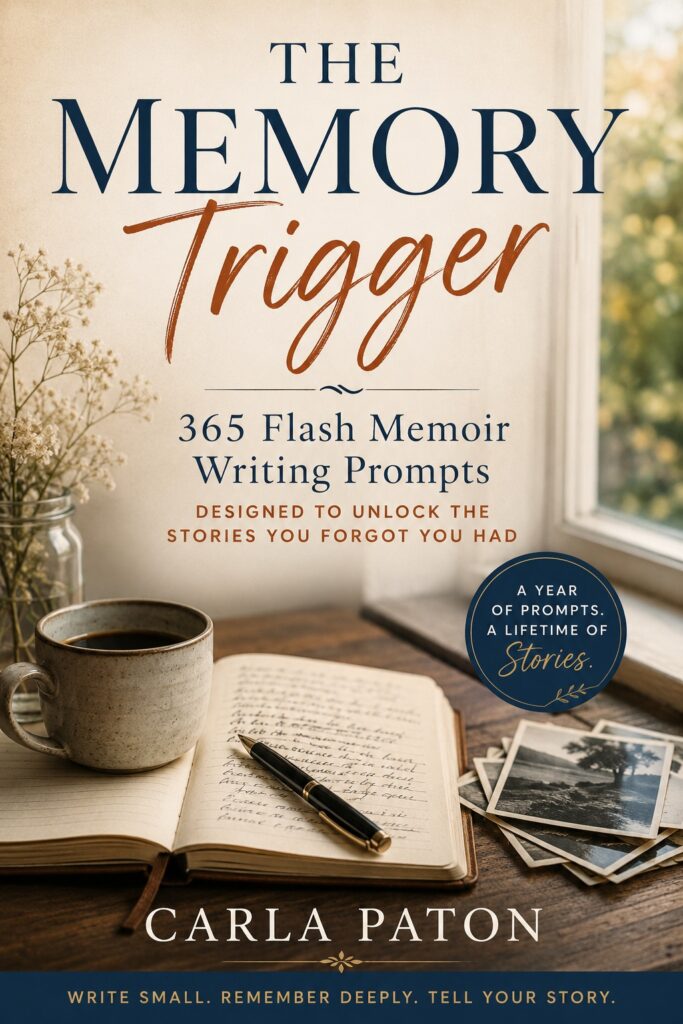
Explore all 365 prompts in The Memory Trigger: 365 Flash Memoir Writing Prompts.

The Memory Trigger


Themes in Wuthering Heights: A Student-Friendly Guide

Wuthering Heights themes

Wuthering Heights can feel wild, painful, and strange at first. This guide explains the major themes in Wuthering Heights so students can see how Emily Brontë builds meaning through love, revenge, class, and setting.

If you need help with theme in general, start with this quick guide on how to identify theme in literature.

In this Guide

  • Why the novel feels so intense
  • Love and possession
  • Revenge and damage
  • Class and social shame
  • Nature and the moors
  • Abuse and inherited pain
  • Essay tips and FAQs
Wuthering Heights themes

Why the themes in Wuthering Heights feel so intense

Brontë turns private emotions into forces that shape whole lives.

The themes in Wuthering Heights stand out because the novel does not treat love as soft or simple. Love often looks like hunger, pride, and control.

The setting also makes every conflict feel larger. The lonely houses and open moors reflect the mood of the story. For background on the novel and its place in English literature, see Britannica on Wuthering Heights.

Themes in Wuthering Heights: love that becomes possession

The novel asks whether love can survive when it turns selfish.

Catherine and Heathcliff share a bond that feels deep, but it is also troubling. They do not love each other in a calm or healthy way. Their bond becomes tied to pride, pain, and identity.

Catherine says she is Heathcliff, which shows how much she connects him to her own self. Yet she still chooses Edgar because he offers comfort and status. This choice harms everyone around them.

This theme is useful for essays because it shows that **love is not always moral**. In this novel, love can lead to cruelty when people refuse to care about others.

You can compare this to Romeo and Juliet, where love also clashes with society. But in Shakespeare’s play, the lovers seem innocent. In Brontë’s novel, love often harms the people it touches.

Themes in Wuthering Heights: revenge and damage

Revenge drives the plot, but it never brings peace.

One of the darkest themes in Wuthering Heights is the way pain moves from one person to another. Heathcliff suffers as a child, then later uses his power to punish others.

He takes revenge on Hindley, Edgar, Isabella, and the next generation. His actions show how cruelty can spread if no one stops the cycle.

Brontë does not excuse Heathcliff, but she does show how he is shaped by rejection and abuse. That makes him complex. He is both victim and villain.

For students, a strong thesis might argue that the novel shows **revenge as self-destruction**. Heathcliff gains property and control, but he loses any chance at rest.

Class, power, and social shame

Social rank shapes choices more than many characters admit.

Catherine’s choice to marry Edgar is tied to class. She believes Edgar can give her a better life, while Heathcliff would lower her social position.

These themes in Wuthering Heights help explain why the love story becomes a social conflict. Catherine does not only choose between two men. She chooses between wild freedom and social comfort.

Heathcliff’s unclear background also matters. As an outsider, he is treated as less valuable. His later rise in power feels like revenge against a system that once mocked him.

This theme connects well to novels like Great Expectations by Charles Dickens, where class shapes desire and shame. Both novels ask whether status can truly make a person whole.

Nature, the moors, and wildness

The landscape is more than a backdrop. It helps shape the novel’s meaning.

The moors suggest freedom, danger, and emotional force. Catherine and Heathcliff seem most alive when they are connected to that wild space.

Many themes in Wuthering Heights depend on this contrast between wildness and social order. Wuthering Heights feels rough and stormy. Thrushcross Grange feels polished and controlled.

Neither place is perfect. The Heights can be violent, while the Grange can feel shallow. Brontë uses both houses to show different kinds of damage.

This is a smart point for AP Literature essays. A setting can reveal theme when it reflects conflict, mood, or values. If you want a refresher, review this guide to finding theme in a literary work.

Abuse, family, and inherited pain

The novel shows how harm can pass from one generation to the next.

Hindley mistreats Heathcliff. Heathcliff later mistreats Hareton. Linton also suffers because adults use him for their own plans.

This pattern makes the second half of the novel important. Young Catherine and Hareton offer a possible break from the past. Their bond is not perfect, but it has more patience and kindness than the love before it.

That shift matters. Brontë suggests that people can inherit pain, but they do not have to repeat it forever.

Identity and belonging

Several characters struggle to know where they fit.

Heathcliff never fully belongs in the Earnshaw home, even after Mr. Earnshaw brings him there. His outsider status shapes how others treat him and how he sees himself.

Catherine also feels split. She is drawn to Heathcliff’s wildness, but she wants Edgar’s social world. Her divided identity helps explain her inner conflict.

These ideas make the novel feel modern. Students often notice that the characters suffer when society gives them narrow roles and labels.

How to write about the themes in Wuthering Heights

A strong theme essay should make an argument, not just name a topic.

When you write about the themes in Wuthering Heights, avoid saying only that the novel is about love or revenge. Ask what Brontë says about those ideas.

For example, this is a weak theme statement: The novel has a theme of revenge.

This is stronger: Brontë shows that revenge can give a person power, but it also traps that person in the same pain that caused the revenge.

Use scenes as proof. You might discuss Catherine’s choice to marry Edgar, Heathcliff’s treatment of Hareton, or the contrast between the two houses.

For a simple study tool, you can also use our printable literature theme resources to organize quotes and claims before you write.

Helpful books for deeper study

If you want more background, these books can help:

  • Wuthering Heights by Emily Brontë
  • The Madwoman in the Attic by Sandra M. Gilbert and Susan Gubar
  • Emily Brontë: A Life in 20 Poems by Nick Holland

You can also read about Emily Brontë’s poetry at the Poetry Foundation, which helps show her interest in nature, death, and intense feeling.

FAQ: themes in Wuthering Heights

What are the main themes in Wuthering Heights?

The major themes include destructive love, revenge, class pressure, nature, and inherited pain.

What is the most important theme in the novel?

Many readers see destructive love as the central theme because it shapes Catherine, Heathcliff, and both families.

How does setting connect to theme?

The moors and houses reflect emotional conflict. The wild setting often mirrors the characters’ inner lives.

Is Heathcliff a hero or villain?

He is both complex and dangerous. Brontë shows his suffering, but she also shows the harm he chooses to cause.

What theme should I use for an essay?

Revenge is a strong choice because it connects to plot, character change, and the novel’s ending.

Key Takeaway

The themes in Wuthering Heights show that love, pain, and power can shape families across time. Brontë’s novel is powerful because it refuses easy answers.

Best Gothic Villains: Why Darkness Feels So Human

gothic villains
gothic villains

The best Gothic villains and moral complexity go hand in hand because Gothic stories rarely give us simple evil. These characters scare us, but they also make us ask hard questions about guilt, power, desire, and choice.

From Dracula to Heathcliff, Gothic villains often show the dark side of human nature. That is why they still matter in classrooms, book clubs, and late-night reading sessions. 🕯️

In this Guide

  • What makes Gothic villains different
  • Why moral complexity matters
  • Famous Gothic villains in literature
  • How symbolism shapes Gothic evil
  • Recommended books to read
  • Questions students often ask
  • Key takeaway

Why Best Gothic Villains and Moral Complexity Still Fascinate Readers

Gothic villains stay with us because they are not always evil for no reason.

The phrase best Gothic villains and moral complexity points to one of the genre’s biggest strengths. Gothic fiction turns fear into a mirror. It asks readers to look at what people hide, deny, or fear inside themselves.

A Gothic villain may be cruel, but that cruelty often grows from pain, pride, loss, or obsession. This does not excuse the villain. It makes the story harder to dismiss.

That is why Gothic villains work so well in school essays. They help students explore character motives, symbols, and themes without simple answers.

What Makes a Gothic Villain Different?

Gothic villains are shaped by mood, setting, and secrecy.

A regular villain may want money or control. A Gothic villain often wants something deeper, such as freedom from shame, escape from death, or power over love.

These villains often live in dark houses, ruined castles, or isolated places. The setting reflects their inner life. The outside world becomes a map of the mind.

For a helpful background on the genre, see Britannica’s overview of Gothic fiction.

Best Gothic Villains and Moral Complexity in Famous Literature

The most famous Gothic villains are memorable because they disturb us and attract us at the same time.

Count Dracula in Bram Stoker’s Dracula is a clear example. He is violent and predatory, yet he also stands for fear of the unknown, fear of desire, and fear of social change.

In this way, best Gothic villains and moral complexity appear through Dracula’s role as both monster and symbol. He is not only a person to defeat. He is also a sign of what Victorian society feared.

Heathcliff in Emily Brontë’s Wuthering Heights is even harder to judge. He causes deep harm, but he is also shaped by rejection, class cruelty, and emotional loss.

Victor Frankenstein from Mary Shelley’s Frankenstein is not a classic villain in a simple sense. Still, his pride and refusal to care for his creation lead to ruin. His moral failure makes him one of Gothic literature’s most important dark figures.

If you want to study these characters more closely, start with this guide on how to analyze characters in literature.

Why Moral Complexity Makes These Villains More Powerful

A flat villain scares us for a moment. A complex villain stays in the mind.

Moral complexity means a character cannot be judged in one quick sentence. The reader must weigh their actions, motives, history, and choices.

This is key to the best Gothic villains and moral complexity. These characters force us to ask if evil comes from nature, society, trauma, or free will.

Mary Shelley’s creature in Frankenstein shows this tension. He commits terrible acts, but he also suffers rejection and loneliness. Readers may fear him and pity him at the same time.

That mixed response is the heart of Gothic reading. The genre does not let us feel safe for long.

Symbols and Themes: Villains and Moral Complexity

Gothic villains often carry the main symbols of the story.

Dark houses often suggest secrets. Locked rooms can show hidden guilt. Storms may reflect emotional chaos. These symbols help explain why the best Gothic villains and moral complexity feel so rich.

In Jane Eyre, Thornfield Hall holds secrets tied to Mr. Rochester’s past. Rochester is not the main villain in the same way Dracula is, but his moral choices shape the Gothic tension of the novel.

In Edgar Allan Poe’s stories, guilt often becomes almost physical. A sound, a shadow, or a room can seem alive with fear. You can explore Poe’s work through the Poetry Foundation’s Edgar Allan Poe page.

Common Gothic themes include guilt, forbidden desire, power, isolation, and the fear of losing control. These themes make villains feel tied to real human struggles.

Recommended Books for Best Gothic Villains and Moral Complexity

These books are strong choices for students who want clear examples of Gothic villains with depth.

  • Frankenstein by Mary Shelley: A powerful novel about creation, guilt, and responsibility.
  • Dracula by Bram Stoker: A classic Gothic text about fear, desire, and the threat of the unknown.

Both books show why the best Gothic villains and moral complexity matter in literary study. They give readers more than fear. They offer moral questions that do not fade after the final page.

How Students Can Analyze Gothic Villains

Start with what the villain wants.

Then ask what the story reveals about their past. A Gothic villain’s history often explains their fears, but it should not erase their responsibility.

Look at setting next. If a villain lives in a decaying house or hidden room, that space may reflect guilt, pride, or fear.

Notice how other characters react to the villain. Fear, pity, attraction, and disgust can all reveal the villain’s role in the story.

This approach works well for essays about best Gothic villains and moral complexity because it connects character, theme, and symbol in one argument.

Best Gothic Villains and Moral Complexity in Modern Culture

Modern books, films, and shows still borrow from Gothic tradition.

Many modern villains are not pure monsters. They may have tragic pasts, divided motives, or moments of weakness. This comes from the same Gothic interest in the hidden self.

That is why best Gothic villains and moral complexity remains a useful idea beyond older novels. It helps explain why audiences are drawn to characters who are dangerous but not simple.

Good Gothic villains make us uncomfortable because they blur the line between monster and human. That blur is where the genre does its strongest work.

FAQ: Best Gothic Villains and Moral Complexity

What makes a Gothic villain morally complex?

A morally complex Gothic villain has motives, fears, or wounds that make readers think harder about their choices. The villain may be cruel, but the story gives reasons to study them closely.

Is Frankenstein’s creature a villain?

He can be read as a villain, a victim, or both. His actions are violent, but his pain and rejection make him morally complex.

Why are Gothic villains often linked to old houses or castles?

Gothic settings often reflect the villain’s mind. A ruined home or locked room can suggest secrets, guilt, or hidden trauma.

Who is the best Gothic villain for an essay?

Heathcliff, Dracula, and Victor Frankenstein are strong choices. Each one gives students enough evidence to discuss motives, symbols, and moral conflict.

Key Takeaway

The best Gothic villains and moral complexity matter because they turn fear into thought. They remind us that literature’s darkest characters often reveal the hardest truths about human nature.

Gothic villains are not powerful only because they scare us. They are powerful because they make us question what evil is, where it begins, and why it can feel so close.

What Is Dark Academia? A Beginner-Friendly Guide to the Literary Aesthetic

what is dark academia in literature

If you have ever asked, “What Is Dark Academia?”, the short answer is this: it is a literary style and mood built around learning, mystery, beauty, and danger. It often shows smart characters drawn into old books, elite schools, secret groups, and moral trouble.

Dark academia matters because it makes knowledge feel powerful, but not always safe. It asks what people may risk for truth, status, or genius.

In this Guide

  • What Is Dark Academia? in plain terms
  • How dark academia works in literature
  • Why the genre matters
  • Common traits and themes
  • Famous examples
  • Books to read next
  • FAQ
  • A practical analysis tip

What Is Dark Academia?

Dark academia is a mood, a style, and a type of story.

What Is Dark Academia? In simple terms, it is a blend of intense study, old-world beauty, and darkness. The setting may be a university, library, boarding school, museum, or private study.

The word “dark” matters. These stories are not just about reading books and wearing tweed coats. They often include obsession, guilt, death, envy, or secrets.

The “academia” part matters too. Characters often care deeply about art, history, language, philosophy, or ancient texts. Their love of knowledge can lift them up, but it can also trap them.

What Is Dark Academia? in Literature?

In literature, dark academia turns school and study into a source of tension.

So, What Is Dark Academia? It is not just an aesthetic from social media. In books, it becomes a way to explore power, class, ambition, and moral failure.

A dark academia story often begins with a character who wants to belong. They may enter a famous school, join a small intellectual circle, or meet a brilliant teacher.

At first, the world looks elegant and rare. Then the beauty starts to crack. The reader sees jealousy, cruelty, or fear under the polished surface.

Why Dark Academia Matters in Literature

Dark academia matters because it questions the value of knowledge without wisdom.

Many students are taught to admire intelligence. These stories ask a harder question: what if intelligence becomes pride?

That question appears in older literature too. In Frankenstein by Mary Shelley, Victor Frankenstein wants to unlock the secret of life. His study leads to horror because he ignores duty and care.

This is one reason dark academia speaks to many readers. It shows that books, schools, and ideas can shape lives. It also shows that brilliance does not make a person good.

Common Traits of Dark Academia Stories

Dark academia has a few clear signs that help readers spot it.

The setting often feels old and enclosed. Think stone buildings, quiet halls, candlelit rooms, or libraries full of rare books.

The characters often feel intense. They may quote classic texts, chase beauty, or treat study like a sacred duty.

The plot often hides a secret. A group may share a crime, a lie, or a forbidden ritual. The truth usually costs more than the characters expect.

The tone is serious and moody. It may feel close to Gothic fiction, which often uses mystery, fear, old places, and emotional pressure. You can read more about the Gothic tradition in Britannica’s overview of the Gothic novel.

What Is Dark Academia? and Gothic Fiction

Dark academia often borrows from Gothic literature.

What Is Dark Academia? It is not the same as Gothic fiction, but the two overlap. Both love shadowy spaces, hidden guilt, and characters who face the past.

In a Gothic novel, the danger may come from a haunted house, a family curse, or a buried crime. In dark academia, the danger often grows inside a school, a study group, or a mind that wants too much.

Romantic poetry also shapes the mood. Dark academia often admires beauty, longing, and tragic genius. For helpful background, see the Poetry Foundation’s page on Romanticism.

Recognizable Examples of Dark Academia

Some books are clearly dark academia, while others helped shape the style.

The Secret History by Donna Tartt is one of the best-known modern examples. It follows a group of classics students at an elite college. Their love of ancient Greek culture turns into secrecy and crime.

Frankenstein by Mary Shelley is not usually sold as dark academia, but it has many of the same concerns. Victor’s private study, ambition, and moral blindness make it a strong early example of the genre’s ideas.

Hamlet by William Shakespeare also connects to the mood. Hamlet is a student, a thinker, and a prince trapped by grief and suspicion. The play links thought, death, and moral doubt in a way dark academia readers often enjoy.

When someone asks, “What Is Dark Academia?”, these works help show the answer. The genre is not only about a look. It is about the cost of knowledge and the danger of wanting to seem brilliant.

Books to Read If You Like Dark Academia

These books are strong places to start if you want more of the dark academia mood.

  • The Secret History by Donna Tartt
  • Frankenstein by Mary Shelley

You can search for these titles on Amazon, at your local library, or through a school database. If you are new to literary analysis, start with one book and track how the setting shapes the characters’ choices.

How to Analyze Dark Academia Like a Student of Literature

Dark academia becomes easier to analyze when you look past the surface style.

Do not stop at clothing, candles, or old books. Ask what those details mean. A library may suggest learning, but it may also suggest control, silence, or hidden power.

Pay close attention to who gets access to knowledge. Many dark academia stories involve class, wealth, or social status. A character may want to study, but they may also want to belong.

If you want a stronger method, use this guide on how to read literature like a scholar. It can help you move from plot summary to deeper analysis.

FAQ: What Is Dark Academia?

What Is Dark Academia? in one sentence

Dark academia is a literary mood that blends learning, beauty, secrecy, and moral danger.

Is dark academia a genre or an aesthetic?

It can be both. Online, it is often an aesthetic. In literature, it works more like a genre or style with shared themes.

Does dark academia always take place at a school?

No. Schools are common, but the story can also take place in libraries, museums, old houses, or private study spaces.

Why do students like dark academia?

Many students connect with its focus on ambition, pressure, identity, and the desire to prove yourself.

Is Harry Potter dark academia?

It has some overlap, such as a school setting and secret history. Still, it is usually read as fantasy first, not dark academia.

Key Takeaway

What Is Dark Academia? It is a way of telling stories where knowledge feels beautiful, powerful, and risky. When you read it, ask one practical question: what does the character want from learning, and what price do they pay for it?

Flash Memoir Prompt: Last Time You Talked to a Version of Yourself that No Longer Exists

memoir version of yourself

A brief, tender writing invitation to explore the last time you talked to a version of yourself that no longer exists, using one clear memory, one physical detail, and one emotional truth.

Maybe it happened while deleting old photos. Maybe you found a message thread from years ago and barely recognized the person typing your words. The jokes were familiar, but the need inside them was not. You were trying so hard to be liked, brave, difficult, invisible, impressive, or fine.

This flash memoir prompt last time talked version no longer exists asks you to pause at that strange edge between who you were and who you are now. It is not about judging your old self. It is about meeting them for one small scene and noticing what they still have to tell you.

memoir version of yourself

The Prompt

Write about the last time you talked to a version of yourself that no longer exists.

This prompt can unlock a memory because it gives you a person to write toward. That person is you, but also not quite you anymore. Maybe it is the student who thought one bad grade would ruin everything. Maybe it is the parent who had no idea how tired they were. Maybe it is the younger you who stayed too long in a place that made them small.

A flash memoir prompt last time talked version no longer exists works best when you choose one real moment. Do not try to explain your whole life change. Instead, look for a final conversation, a private thought, a mirror glance, a journal entry, or a moment when you realize, “I do not live in that old self anymore.”

Why This Memory Matters

We often change without a ceremony. There is no bell when we become less afraid. There is no receipt when we stop needing approval from someone who once held too much power. One day, we answer differently. One day, we walk away sooner. One day, we read an old note and think, “Oh, I remember being that person.”

This kind of memory matters because it shows growth without turning it into a speech. The old version of you might have been hopeful, lonely, stubborn, proud, or scared. They might have been doing the best they could with what they knew.

Writing about them with care can help you see the distance you have traveled. It can also help you avoid making your past self the villain. In memoir, the strongest moments often come from honest attention, not perfect wisdom.

If you are a student or newer writer, this prompt is also a useful way to study tone. Are you writing with regret, kindness, humor, or relief? If you want help noticing that difference, this guide to tone vs. mood in literature can help you name the feeling your scene creates.

How to Approach This Prompt

Begin with a physical detail. Choose something small enough to hold the scene in place. A cracked phone screen. A bathroom mirror. A school hallway. A coffee cup you gripped too tightly. A sweatshirt you wore during a hard year.

Then write the scene before you explain it. What did you see? What did your body feel like? What words were said out loud, if any? Memoir becomes more powerful when the reader can stand inside the moment with you.

Try starting with this sentence: “The last time I felt like that version of me, I was…” Let the sentence lead you into one place. Keep the frame tight. You do not need to tell every reason that version of you disappeared.

You might also write as if you are speaking directly to your old self. Use “you” if it feels natural. For example: “You thought silence would keep the peace. You did not know it was costing you sleep.” This can create a quiet conversation between past and present.

If you get stuck, slow down and observe the memory like a reader. Notice what repeats, what feels strange now, and what detail carries the most emotion. For more practice with close attention, you might enjoy this guide on how to annotate literature, since the same skill can help you read your own memories more carefully.

The goal is not to prove you are better now. The goal is to tell the truth about a small ending. This flash memoir prompt last time talked version no longer exists is really about the quiet goodbye we do not always know we are saying.

A Quick Example

I found her in the notes app, between a grocery list and a half-written apology. She was twenty-three and convinced that if she explained herself clearly enough, everyone would understand and stay. The note began, “I know I’m probably overreacting.” I sat on the edge of my bed in my work clothes, shoes still on, and read the whole thing twice. Outside, someone was dragging trash bins to the curb. I wanted to reach through the screen and take the phone from her hand. I wanted to say, “You are allowed to be upset before someone else agrees with you.” Instead, I deleted the note. Then I opened a blank one and wrote, “I believe you.”

Try It Yourself

Set a timer for ten minutes and write one scene. Choose the last time you remember being close to that old version of yourself. Do not worry about making it polished. Just stay near the moment.

You may write about a conversation with another person, or you may write about a silent exchange with yourself. A photograph can count. A journal page can count. A song that pulls you back into an old room can count.

When you finish, read it once and underline the sentence that feels most true. That sentence may be the heart of the piece. If you revise later, build around it, but do not rush to explain it away.

Want More Flash Memoir Prompts?

If this prompt opened a memory you did not expect, keep following that thread. Short prompts can lead to honest writing because they ask for one clear scene instead of a whole life story. Explore all 365 prompts in The Memory Trigger: 365 Flash Memoir Writing Prompts.

The Memory Trigger

The Grapes of Wrath Summary and Analysis for Students

Grapes of wrath summary

This guide offers a The Grapes of Wrath summary and analysis for students who need a clear path into John Steinbeck’s novel. We will cover the plot, structure, conflicts, themes, and deeper meaning without making the book feel harder than it is.

In this Guide

  • Plot overview
  • Historical context
  • Structure and style
  • Major conflicts
  • Key themes
  • Study tips and FAQ
Grapes of wrath summary

The Grapes of Wrath Summary and Analysis: Plot Overview

Steinbeck’s novel follows one family, but it speaks for many people hurt by poverty and broken systems.

The story begins in Oklahoma during the Dust Bowl. Tom Joad comes home from prison and finds that his family has lost its farm. Banks and landowners have pushed tenant farmers off the land, so the Joads pack a truck and head west to California.

This part of The Grapes of Wrath summary and analysis shows the novel’s main pattern: hope meets hardship. The Joads believe California will offer work, food, and safety. On the road, they face death, hunger, fear, and cruel treatment.

Grampa dies soon after the trip starts. Grandma dies before the family reaches California. Noah leaves the family, and Connie runs away from his pregnant wife, Rose of Sharon. Each loss makes the family smaller, but Ma Joad works hard to keep everyone together.

In California, the Joads find that work is scarce and wages are low. Many workers compete for the same jobs. Owners use hunger to force people to accept almost any pay.

Jim Casy, a former preacher, becomes a labor organizer. He is killed by men who want to stop worker protests. Tom kills Casy’s attacker and must hide. Before he leaves, Tom tells Ma that he will keep fighting for poor people wherever they suffer.

The novel ends after a flood ruins the family’s shelter. Rose of Sharon gives birth to a stillborn baby. In the final scene, she breastfeeds a starving man, turning grief into an act of mercy.

Historical Context Behind The Grapes of Wrath Summary and Analysis

The novel makes more sense when you know the real crisis behind it.

The Grapes of Wrath was published in 1939, near the end of the Great Depression. Many families had lost jobs, savings, and homes. In the Great Plains, drought and poor farming methods helped create the Dust Bowl.

Without this context, The Grapes of Wrath summary and analysis can feel like a long road story. With context, it becomes a story about economic power, forced migration, and survival.

Steinbeck based the novel on real reports and his own visits to migrant camps. You can read more about the author’s life through Britannica’s John Steinbeck biography. For background on the Dust Bowl, the Library of Congress Dust Bowl overview is a strong source.

The book also caused debate. Some readers praised it for showing the pain of farmworkers. Others attacked it because it blamed rich owners and unfair systems.

Structure and Style in The Grapes of Wrath Summary and Analysis

Steinbeck’s structure is one reason the novel feels larger than one family’s story.

The book uses two kinds of chapters. Some chapters follow the Joad family closely. Others zoom out and describe groups of migrants, banks, cars, roads, diners, and camps.

For students, The Grapes of Wrath summary and analysis becomes clearer when you notice this pattern. The Joad chapters make the story personal. The wider chapters show that the Joads are part of a national crisis.

This structure is a bit like the way Victor Hugo uses personal stories in Les Misérables to show a whole society under pressure. Steinbeck does not want readers to pity only one family. He wants readers to see a system that hurts thousands.

His language often sounds plain, but it carries strong emotion. He uses biblical echoes, folk speech, and images of land, dust, machines, and hunger. These patterns reward close study, so a guide to close reading in literature can help you track them.

Major Conflicts in the Novel

The conflicts in the novel move from private pain to public struggle.

The first conflict is people against nature. Drought, dust, and flood shape the Joads’ lives. Nature is not evil, but it makes survival harder.

The second conflict is people against society. Banks take land. Police harass migrants. Owners cut wages. The Joads learn that poverty is not just bad luck.

The third conflict is inside the characters. Tom must decide what kind of man he wants to be after prison. Ma must stay strong even when the family falls apart. Rose of Sharon must face loss and still choose compassion.

These conflicts build the novel’s central question: how can people keep their dignity when the world treats them as cheap labor?

Key Themes in The Grapes of Wrath Summary and Analysis

The novel’s themes focus on justice, family, anger, and human worth.

A good The Grapes of Wrath summary and analysis should start with human dignity. Steinbeck shows that the migrants are not lazy or weak. They are skilled, proud people trapped by forces bigger than themselves.

Family is another major theme. At first, the Joads think of family as blood relatives. By the end, the idea grows. Casy’s beliefs and Tom’s final speech suggest that all suffering people are connected.

Wrath also matters. The title comes from “The Battle Hymn of the Republic,” which uses biblical language about judgment. Steinbeck suggests that anger can grow when injustice lasts too long.

The final scene with Rose of Sharon is one of the most debated endings in American literature. It is shocking, but it is not only meant to shock. It shows that care can survive even after great loss.

Symbols and Motifs to Watch

Small details in the novel often point to larger ideas.

The turtle near the start is a key symbol. It crosses a road slowly while cars threaten it. Like the migrants, it keeps moving despite danger.

The truck becomes a symbol of hope and pressure. It carries the Joads west, but it also holds their fear and grief. Every mile brings promise and risk.

Dust represents loss and damage. It covers farms, homes, and bodies. It reminds readers that the land itself has changed.

Food appears often because hunger drives the plot. When people share food, they show community. When owners destroy food to protect prices, they show cruelty.

How to Use The Grapes of Wrath Summary and Analysis for Class

A strong study plan turns summary into real interpretation.

If you use The Grapes of Wrath summary and analysis for an essay, do not stop at what happens. Ask why Steinbeck tells the story this way. Look at how each chapter builds pressure.

Track Tom, Ma, Casy, and Rose of Sharon. Each one shows a different response to suffering. Tom moves toward action. Ma protects the family. Casy gives the novel its moral voice. Rose of Sharon turns sorrow into care.

For a quick support tool, you may also find this student reading guide useful as you plan notes or review before class.

Good essay topics include the role of community, the meaning of the ending, the use of intercalary chapters, and the link between poverty and power.

These books can help you understand Steinbeck, the Dust Bowl, and American social fiction.

  • The Grapes of Wrath by John Steinbeck
  • Of Mice and Men by John Steinbeck
  • The Worst Hard Time by Timothy Egan

FAQ

What is the main point of The Grapes of Wrath?

The main point is that poverty is often caused by unfair systems, not personal failure. Steinbeck also shows the power of shared care.

What should a The Grapes of Wrath summary and analysis include?

It should include the Joads’ journey, the Dust Bowl context, the labor conflict in California, and the novel’s major themes.

Why is Jim Casy important?

Casy gives the novel many of its moral ideas. He moves from preacher to worker activist and inspires Tom’s later choices.

What does the ending mean?

The ending shows mercy after loss. Rose of Sharon’s act suggests that human kindness can answer suffering in a powerful way.

Is The Grapes of Wrath hard to read?

Some chapters feel slow because Steinbeck shifts between the Joads and wider social scenes. Once you see the pattern, the novel becomes easier to follow.

Key Takeaway

The Grapes of Wrath is more than a migration story. It is a novel about dignity, anger, and the need to care for others when systems fail.

Southern Gothic Literature Explained

Southern Gothic Literature

Southern Gothic Literature Explained starts with one big idea: the South in these stories is haunted by its past. This genre uses strange events, broken families, old houses, and moral tension to show deeper truths about guilt, race, class, and fear.

If you have ever read a story that feels creepy but also serious, you may already know the mood of Southern Gothic literature.

In this Guide

  • What Southern Gothic literature means
  • Where the genre came from
  • Key traits to look for
  • Famous Southern Gothic examples
  • How to analyze Southern Gothic in essays
  • Book suggestions
  • FAQ
Southern Gothic Literature

Southern Gothic Literature Explained: What Does It Mean?

Southern Gothic is a type of literature set in the American South that mixes dark settings with serious social problems.

The word “Gothic” often makes people think of castles, ghosts, and fear. Southern Gothic changes that setting. Instead of old European castles, we often get decaying mansions, small towns, farms, and dusty roads.

Southern Gothic Literature Explained in simple terms means this: writers use strange or disturbing details to reveal what people try to hide.

These stories may include violence, family secrets, racism, poverty, or religious pressure. The weird parts are not just there to shock the reader. They help expose a broken world.

Southern Gothic Literature Explained Through Its History

The genre grew from older Gothic fiction, but it has its own Southern voice.

Classic Gothic novels, such as Frankenstein by Mary Shelley, often focus on fear, isolation, and human limits. You can learn more about the roots of the Gothic tradition from Britannica’s guide to the Gothic novel.

Southern Gothic writers took that dark style and placed it in a region marked by slavery, the Civil War, segregation, and deep social conflict.

This is why Southern Gothic Literature Explained cannot stop at “creepy stories.” The genre asks readers to face history, especially the parts people would rather forget.

Key Features of Southern Gothic Literature Explained

Most Southern Gothic stories share a dark mood, but each writer uses the style in a different way.

Here are some common signs of the genre:

  • A decaying setting: Old homes, ruined towns, or worn-out farms often show moral decay.
  • Flawed characters: People may act proud, cruel, desperate, or deeply confused.
  • Family secrets: Hidden guilt often shapes the plot.
  • Social pressure: Race, class, religion, and gender roles affect how characters live.
  • Grotesque details: Strange bodies, odd behavior, or shocking scenes reveal inner truth.

In Southern Gothic Literature Explained, the word grotesque matters. It does not just mean ugly. It means something strange that forces readers to look harder.

A grotesque character may seem strange at first, but that character often reveals what is wrong with the society around them.

Southern Gothic Literature Explained with Famous Examples

Examples help the genre become much easier to see.

William Faulkner is one of the most important Southern Gothic writers. His short story “A Rose for Emily” follows a lonely woman in a town that watches her life with judgment and fear.

The old house in the story is more than a setting. It shows the weight of the past. The shocking ending reveals how isolation and denial can twist a person’s life.

You can read more about Faulkner’s life and work through Britannica’s William Faulkner biography.

Flannery O’Connor also shaped the genre. In “A Good Man Is Hard to Find,” a family trip turns violent after the characters meet a criminal called The Misfit.

The story feels disturbing, but it is also deeply moral. O’Connor uses fear to ask hard questions about grace, pride, and belief.

Harper Lee’s To Kill a Mockingbird is not always labeled as pure Southern Gothic, but it shares many traits. The setting, racial injustice, and mysterious figure of Boo Radley all connect to the genre.

Southern Gothic Literature Explained through these works shows that the genre is not only about horror. It is about truth hidden under fear.

Why the Setting Matters So Much

In this genre, place is never just background.

The American South often feels like a character in the story. Weather, buildings, roads, churches, and town gossip all shape the mood.

A decayed mansion may stand for a family that cannot let go of old power. A small town may show how public judgment traps people. A lonely road may suggest danger or moral confusion.

Southern Gothic Literature Explained through setting helps students see how authors build meaning without saying everything directly.

When you read, ask: What does this place reveal about the people who live there?

How Southern Gothic Characters Work

Southern Gothic characters often feel extreme, but they still seem human.

They may be lonely, proud, violent, trapped, or full of guilt. Many of them want respect, love, safety, or control.

The genre often shows people under pressure. That pressure may come from family history, unfair laws, poverty, or shame.

In “A Rose for Emily,” Miss Emily is not only strange. She is also shaped by control, loss, and a town that treats her like a symbol.

In Southern Gothic Literature Explained, strong character analysis means you do not stop at “this person is weird.” You ask what made them that way.

Southern Gothic Literature Explained for Essay Analysis

This genre gives students strong material for essays because it connects style to meaning.

When you write about Southern Gothic, focus on how the dark details support the author’s message. Do not just point out creepy scenes. Explain why they matter.

For example, if a house is falling apart, ask what else is falling apart. Is it a family? A moral code? A social system?

If a character seems grotesque, ask what truth that character reveals. The best essays move from detail to meaning.

You can build this skill by learning how strong readers notice patterns. For more help, read our guide on how to read literature like a scholar.

Common Essay Topics for Southern Gothic Literature Explained

Students often write about Southern Gothic because it works well with theme, setting, and symbolism.

Here are useful essay angles:

  • How setting reveals decay
  • How secrets shape a family or town
  • How violence exposes social problems
  • How religion affects guilt or judgment
  • How the past controls the present

A strong thesis should name the literary choice and explain its purpose.

Weak thesis: “The story is Southern Gothic because it is creepy.”

Stronger thesis: “In ‘A Rose for Emily,’ Faulkner uses the decaying house to show how the town and Miss Emily remain trapped by the past.”

That second thesis gives you something clear to prove.

How to Read Southern Gothic Without Getting Lost

Southern Gothic stories can feel strange at first, but that is part of the design.

Start by tracking what feels wrong. A character may act oddly. A house may seem too quiet. A town may hide cruelty behind polite manners.

Then ask what the author wants you to notice. The strange detail usually points to a larger problem.

Southern Gothic Literature Explained as a reading tool can help you slow down and notice symbols, tone, and theme. That skill helps in class talks, AP Lit essays, and college papers.

If you want a broader method, this guide on reading literature with a scholar’s eye can help you connect details to deeper ideas.

If you want to understand the genre better, these books are strong places to start.

  • A Rose for Emily and Other Stories by William Faulkner
  • A Good Man Is Hard to Find and Other Stories by Flannery O’Connor
  • Wise Blood by Flannery O’Connor

These texts show how Southern Gothic can be eerie, funny, harsh, and deeply thoughtful.

FAQ: Southern Gothic Literature Explained

What is Southern Gothic literature in simple words?

Southern Gothic literature is a dark style of writing set in the American South. It uses strange characters, tense settings, and hidden secrets to explore serious social issues.

Is Southern Gothic the same as horror?

No. Southern Gothic may feel scary, but it is not only meant to frighten readers. Its main goal is to reveal truth about people, history, and society.

What is a famous example of Southern Gothic literature?

“A Rose for Emily” by William Faulkner is one of the most famous examples. It uses an old house, town gossip, and a shocking secret to explore the power of the past.

Why do teachers assign Southern Gothic stories?

Teachers assign them because they are rich in symbolism, theme, tone, and character analysis. They also help students think about history and moral conflict.

What should I look for when reading Southern Gothic?

Look for decay, secrets, social pressure, strange behavior, and symbols tied to the past. Then ask how those details support the story’s deeper meaning.

Key Takeaway

Southern Gothic Literature Explained comes down to this: the genre uses darkness to uncover truth. When you study its strange settings and troubled characters, you learn how literature can expose what a culture tries to hide.

Flash Memoir Prompt: Last Time You Visited a Place that No Longer Exists

memoir place

A brief writing invitation for returning to a vanished place through one sharp memory, a few sensory details, and the feeling you did not understand at the time.

You know the strange little shock of driving past a familiar corner and seeing something else there. The diner is now a pharmacy. The school has been torn down. The apartment building where your grandmother lived has become a parking lot with fresh white lines. For a second, your body remembers where the door should be before your mind catches up.

This flash memoir prompt last time visited place no longer exists invites you to pause in that strange gap. The place may be gone, but your memory of it still has walls, smells, sounds, and weather. That is enough to begin.

memoir place

The Prompt

Write about the last time you visited a place that no longer exists.

This prompt works because it gives you a clear frame. You are not writing the entire history of the place. You are writing about the last visit, even if you did not know it was the last. That detail gives the memory quiet power.

Maybe the place was a childhood home, a corner store, a church basement, a movie theater, a beach house, a factory, a playground, or a restaurant with sticky menus and too many laminated desserts. What matters is that the place once held part of your life, and now it is gone.

Why This Memory Matters

Places can disappear faster than we expect. A building gets sold. A neighborhood changes. A family moves away. A storm takes what seemed permanent. Then memory has to do the work that brick, carpet, wood, and paint used to do.

Writing about a place that no longer exists can uncover more than nostalgia. It may reveal who you were the last time you stood there. Were you rushing? Were you bored? Were you relieved to leave? Did you know something was ending, or did the moment feel completely ordinary?

That contrast is often where the memoir lives. The scene may look small on the surface. You bought a soda. You waited for your mother. You locked a door. You sat on the curb. But beneath it, there may be loss, change, guilt, freedom, or tenderness.

This is also a strong prompt for noticing symbols in real life. A cracked sign, an empty classroom, or a key that no longer opens anything can carry more meaning than a long explanation. If you want to think more about how objects and places gather meaning, you might enjoy this guide on how to find symbolism in a story.

How to Approach This Prompt

Begin with one physical detail. Do not start by explaining why the place mattered. Start with the chipped tile by the entrance, the smell of fried onions, the squeak of the screen door, or the way dust floated in the light.

Then narrow the memory to one scene. You do not need to cover every visit you ever made. Stay with the last time. Where were you standing? Who was with you? What did you touch? What sound do you still hear when you think of that place?

Try to write what you noticed before you write what it meant. For example, instead of opening with “I was sad because my childhood was ending,” show yourself packing books into a cardboard box while a neighbor’s dog barked outside. Let the reader feel the ending before you name it.

If the memory feels blurry, treat it like a page you are studying closely. Circle the details in your mind. Ask what seems important now that did not seem important then. Readers who use writing prompts for school or personal practice may also find it helpful to review how to annotate literature, because the same habit of close attention can help you read your own memories.

For this flash memoir prompt last time visited place no longer exists, resist the urge to write a full tribute. You can always write more later. For now, choose one doorway, one room, one goodbye you did not know was a goodbye.

A Quick Example

The last time I went to Allen’s Roller Rink, the carpet still had purple lightning bolts on it, though most of them had faded to gray. My brother and I were too old for the place by then, but our cousin begged to go for her birthday. I remember sitting on the bench with one skate half-laced, watching the disco ball throw tiny squares of light onto the snack counter. The nacho cheese machine made its tired cough. Nobody said the rink was closing the next month. We just skated in circles until our ankles hurt. When I heard later that it had become a storage warehouse, I thought of that disco ball, still turning in my mind, lighting up a room that was already leaving.

Try It Yourself

Set a timer for ten minutes and write the first version without stopping to fix it. Start with the sentence, “The last time I went there…” and let the place appear through detail.

If you get stuck, focus on the moment of arrival or the moment of leaving. Those edges often hold the strongest memories. You might remember the hand on the door, the last look over your shoulder, or the strange feeling of walking away without knowing you would never return.

You do not have to make the piece dramatic. A quiet memory can still matter. The goal is to catch one true scene before it fades further. This flash memoir prompt last time visited place no longer exists is really an invitation to give shape to something the world has erased.

Want More Flash Memoir Prompts?

If you want a year of short, focused writing invitations, explore all 365 prompts in The Memory Trigger: 365 Flash Memoir Writing Prompts.

The Memory Trigger
error

Enjoy this article? Please spread the word :)

Follow by Email
BLUESKY
fb-share-icon
Reddit
LinkedIn
Share
RSS