The Outsiders Summary and Analysis for Students

The Outsiders Summary

This guide gives you a clear The Outsiders summary and analysis without making the novel harder than it needs to be. You will review the plot, structure, conflicts, characters, and deeper meaning of S. E. Hinton’s famous coming-of-age story.

The Outsiders is short, but it has big ideas about class, loyalty, violence, and identity. That is why students often study it in middle school, high school, and college intro courses.

In this Guide

Use this guide as a quick map before class, homework, or essay prep.

The Outsiders summary and analysis: Quick Plot Overview

The novel follows Ponyboy Curtis as he learns that people are more complex than their labels.

The Outsiders takes place in Oklahoma during the 1960s. Ponyboy belongs to the Greasers, a poor group of boys who face constant judgment from richer teens called the Socs.

A strong The Outsiders summary and analysis starts with the fight between these two groups. The Greasers and Socs do not just dislike each other. They live in different worlds, even though they share the same town.

Ponyboy lives with his older brothers, Darry and Sodapop, after their parents die. Darry acts strict because he wants to keep the family together. Ponyboy often mistakes that pressure for a lack of love.

The plot turns after Ponyboy and Johnny are attacked by Socs. Johnny kills Bob, a Soc, to save Ponyboy. The boys run away and hide in an abandoned church.

At the church, Ponyboy and Johnny grow closer. They read Gone with the Wind, talk about beauty, and try to make sense of what happened. Johnny tells Ponyboy to “stay gold,” a phrase tied to innocence and goodness.

When the church catches fire, Ponyboy, Johnny, and Dally rescue children trapped inside. Johnny is badly hurt. The boys become heroes, but the world around them does not become simple.

The novel ends after Johnny dies from his injuries and Dally dies after a police chase. Ponyboy struggles with grief, then begins to write the story we have just read.

Plot Structure and Point of View

The story feels personal because Ponyboy tells it in his own voice.

The novel uses first-person narration. That means readers see events through Ponyboy’s thoughts, fears, and memories.

This choice matters. Ponyboy is smart and sensitive, but he is also young. He does not always understand Darry, the Socs, or even himself at first.

The book has a circular shape. It begins with Ponyboy leaving a movie theater, and it ends with Ponyboy writing that same opening scene for a school assignment. This structure shows that the novel is also his attempt to understand trauma.

If you want to build stronger notes on narration, try this guide to close reading in literature. It can help you slow down and study small details in key scenes.

The structure also moves from street conflict to moral reflection. Like To Kill a Mockingbird, the novel asks readers to see beyond social labels and judge people with more care.

The Outsiders summary and analysis: Main Conflicts

The main conflicts come from class division, family stress, and moral choice.

The biggest outside conflict is Greasers versus Socs. The Socs have money, status, and protection. The Greasers have each other, but they face danger and blame more often.

This part of The Outsiders summary and analysis is important because Hinton does not show either group as fully good or fully bad. Cherry Valance, a Soc, helps Ponyboy see that pain exists on both sides.

There is also a family conflict between Ponyboy and Darry. Ponyboy thinks Darry is too hard on him. Darry fears that one wrong move could send Ponyboy and Sodapop into foster care.

Johnny faces an inner conflict. He is gentle, but he has lived with fear for years. When he kills Bob, the act is violent, yet it comes from a desperate need to protect Ponyboy.

Dally has a deep conflict too. He acts tough because he believes care makes people weak. Johnny’s death breaks him because Johnny is the one person he still lets himself love.

Characters and What They Reveal

Each major character shows a different way to live with pain.

Ponyboy Curtis is the narrator. He likes books, sunsets, and movies. He feels pulled between the rough world of the Greasers and his own thoughtful nature.

Johnny Cade is quiet and scared, but he is also brave. His final message to Ponyboy tells us that goodness matters, even in a harsh world.

Dally Winston is tough and reckless. He has learned to survive by shutting down his feelings. His end shows the cost of a life without hope.

Darry Curtis is strict because he carries adult weight too soon. He gave up school and sports to care for his brothers.

Sodapop Curtis tries to keep peace at home. He is warm, but he is not free from stress. His pain reminds readers that cheerful people can still suffer.

Cherry Valance helps challenge Ponyboy’s view of the Socs. She proves that class does not erase human feeling.

Major Themes in The Outsiders summary and analysis

The novel’s themes help explain why the story still speaks to young readers.

A good The Outsiders summary and analysis should focus on class conflict. The Greasers and Socs are divided by money, clothes, cars, and public image. The novel asks whether society gives some people more chances than others.

Another key theme is identity. Ponyboy must decide who he is beyond the word Greaser. He learns that a label can describe part of a person, but it cannot explain the whole person.

The theme of loyalty shapes the group. The Greasers protect one another because they often feel ignored by the wider world. Yet loyalty can also lead to fights that cause more harm.

The theme of loss of innocence appears through Johnny and Ponyboy. The poem “Nothing Gold Can Stay” by Robert Frost helps explain this idea. Beauty and youth can fade, but Ponyboy learns that people can still choose kindness.

For more context on the author, Britannica has a helpful overview of S. E. Hinton and her place in young adult fiction.

Symbols and Motifs in the Novel

Hinton uses simple images to carry deep meaning.

In The Outsiders summary and analysis, the sunset is one of the most important symbols. Ponyboy notices that both Greasers and Socs can see the same sunset. This image shows common humanity across class lines.

The poem “Nothing Gold Can Stay” stands for innocence, beauty, and change. Johnny’s advice to “stay gold” means Ponyboy should protect the gentle part of himself.

Hair is another symbol. For the Greasers, long hair is part of their identity. When Ponyboy and Johnny cut and bleach their hair, they feel as if they have lost part of who they are.

The abandoned church works as a place of escape and change. It is away from the city’s violence, but it also becomes the place where the boys must prove who they really are.

Why the Ending Matters

The ending turns the novel from a sad story into an act of witness.

The final chapters are a key part of The Outsiders summary and analysis because they show Ponyboy in denial. He struggles to accept Johnny’s death and Dally’s collapse.

Ponyboy’s school essay becomes the novel itself. This means the act of writing helps him face what happened. He tells the story so other people can understand boys like Johnny before it is too late.

The ending does not solve poverty or violence. It gives Ponyboy a voice. That voice is his first step toward healing.

If you need help turning these ideas into an essay, pair this post with our student literature guides for more support.

How to Use This Guide for Class

This The Outsiders summary and analysis works best when you connect plot events to meaning.

Do not stop at what happens. Ask why each event matters. For example, Johnny’s death is not only sad. It shows how violence can destroy the most vulnerable people first.

For essays, choose one clear claim. You might argue that Ponyboy’s growth comes from learning to see both Greasers and Socs as human. Then use scenes, symbols, and quotes to support that claim.

You can also practice close reading skills by studying the sunset scenes or Johnny’s final letter.

Amazon Books to Read Next

These books pair well with The Outsiders because they also explore youth, class, and moral growth.

  • That Was Then, This Is Now by S. E. Hinton
  • To Kill a Mockingbird by Harper Lee

FAQ: The Outsiders summary and analysis

These quick answers can help with review before a quiz or essay.

What is the main point of The Outsiders?

The main point is that people are more than their social group. The novel asks readers to look past labels like Greaser and Soc.

Why does Johnny tell Ponyboy to “stay gold”?

Johnny means that Ponyboy should protect his innocence, kindness, and ability to see beauty in the world.

What is the main conflict in the novel?

The main conflict is between the Greasers and the Socs, but Ponyboy also faces inner conflict as he tries to understand himself and others.

Why is the ending important?

The ending shows Ponyboy turning pain into a story. His writing gives meaning to what he has survived.

Key Takeaway

The best The Outsiders summary and analysis shows that the novel is not just about rival groups. It is about young people who want safety, love, and a chance to be seen clearly.

Flash Memoir Prompt: First Time You Traveled Somewhere Alone

Flash memoir prompt alone

A brief, honest writing invitation for remembering the first time you traveled somewhere alone through one clear scene, a few sensory details, and the feeling that followed you. Maybe you can still picture it: your hand on a ticket, your bag feeling heavier than it should, your eyes moving from sign to sign while you tried to look like someone who knew exactly where to go. This flash memoir prompt first time traveled somewhere alone is less about the trip itself and more about the quiet shift that happened when no one else was there to decide the next step.

Flash memoir prompt alone

The Prompt

Write about the first time you traveled somewhere alone.

This prompt can unlock a memory because solo travel often makes ordinary moments feel sharp. A bus station bathroom, a delayed flight, a motel key, a wrong turn, or the first meal alone can hold more meaning than the destination.

When you write from this flash memoir prompt first time traveled somewhere alone, you do not need to cover every mile. You only need to return to the moment when you realized you were responsible for yourself in a new way.

Why This Memory Matters

The first time you travel alone can reveal a version of you that had been waiting for space. Maybe you felt proud. Maybe you felt scared. Maybe you felt both within the same five minutes.

That tension is useful for memoir. A strong flash memoir often lives inside mixed feelings. You might remember acting brave while secretly checking your phone every few minutes. You might remember missing home, then surprising yourself by enjoying the silence.

This kind of memory can also show a change in identity. Before the trip, you may have been someone’s child, roommate, student, partner, or friend. During the trip, you had to become the person who read the schedule, guarded the wallet, asked for help, and chose what to do next.

If you are studying memoir as part of a class, this prompt can also help you practice finding meaning without forcing a moral. Like learning how to identify theme in literature, memoir asks you to notice what a moment keeps pointing toward. Freedom. Fear. Trust. Loneliness. Independence.

The best part is that the memory does not have to be dramatic. You do not need a missed train or a life-changing disaster. Sometimes the most powerful part is sitting alone with a paper cup of coffee and realizing no one knows where you are.

How to Approach This Prompt

Begin with one physical detail from the trip. Choose something you can still see, hear, smell, or touch. It might be the vinyl seat on a bus, the stale air of an airport gate, the pull of a backpack strap, or the blue glow of a phone map at night.

Let that detail lead you into one scene. Do not try to tell the whole story of the trip. A flash memoir works best when it narrows the lens. Pick the moment before departure, the moment you arrived, or the moment you first felt truly alone.

Write what you noticed before you explain what it meant. For example, instead of starting with “I learned to be independent,” start with the vending machine humming beside you while you counted your change. Let readers feel the scene first.

You can also ask yourself one simple question: What did I pretend not to feel? Many first solo trips involve a small performance. You may have pretended to be calm, older, tougher, or more prepared than you were. That gap between outside and inside can become the heart of the piece.

If you like to mark up readings or mentor texts before writing your own, try the same habit with your memory. Notice the details that repeat or stand out, the way you might when you annotate literature. Circle the small moments in your mind and choose the one with the most charge.

For this flash memoir prompt first time traveled somewhere alone, avoid ending too neatly. You do not have to prove that you became fearless. It may be more honest to say you were still afraid, but you kept walking anyway.

A Quick Example

The first time I traveled alone, I took a train to visit my cousin in Chicago. I was seventeen and had memorized the schedule like it was a speech I had to give. At the station, I bought a bottle of orange juice even though I was not thirsty, just so I could look busy. My mother had waved from the parking lot until I turned away first. On the train, I sat by the window and kept my ticket in my sweatshirt pocket, touching it every few minutes to make sure it was still there. When the conductor passed, he barely looked at me. That almost disappointed me. I had expected the world to notice I was doing something brave. Instead, it kept moving, which made me feel both smaller and freer.

Try It Yourself

Set a timer for ten minutes and return to one scene from your first solo trip. Start with where your body was: standing in line, sitting by a window, walking through a station, or waiting near a curb.

Then write toward the feeling you did not fully understand at the time. Were you nervous, proud, lonely, excited, embarrassed, or relieved? Let the emotion stay a little messy. Real memories usually are.

If you get stuck, describe what you carried. A suitcase, a backpack, a purse, a phone charger, a snack, or a folded address can reveal what you thought you needed. It can also reveal what you could not prepare for.

This prompt is not asking for a travel essay. It is asking for a flash of memory. One place. One version of you. One moment when being alone changed the way you heard your own thoughts.

Want More Flash Memoir Prompts?

Explore all 365 prompts in The Memory Trigger: 365 Flash Memoir Writing Prompts. It is designed to help you find small, true stories from everyday life and turn them into focused pieces of memoir.
Books About Hope and Despair: Powerful Stories That Help Us Understand Both

Books about Hope and Despair

Books About Hope and Despair speak to some of the deepest parts of human life. These stories show how people survive pain, loss, fear, and doubt while still reaching for meaning.

For students, these books can make hard ideas easier to discuss. They also show why literature matters when life feels uncertain.

In this Guide

  • Why these books matter
  • Best books to read
  • Major themes and symbols
  • How authors balance hope and despair
  • Tips for students
  • FAQs
Books about Hope and Despair

Why Books About Hope and Despair Matter

Stories about pain and survival help readers face hard truths without losing sight of light.

Books About Hope and Despair matter because they do not pretend life is simple. They show that joy and sorrow can exist at the same time.

In many great novels, hope is not loud or easy. It may look like one kind act, one memory, or one choice to keep going.

Despair often appears when characters feel trapped. They may face war, grief, poverty, illness, or a cruel society.

Yet the best works do more than show suffering. They ask what keeps people human when the world feels broken.

Best Books About Hope and Despair for Students

These works are strong choices for high school, AP Literature, and college readers.

Books About Hope and Despair often appear on school reading lists because they lead to rich class discussion. They also give students clear examples of theme, character change, and symbolism.

Night by Elie Wiesel

Night is one of the most powerful books about suffering in the 20th century. Wiesel writes about his experience during the Holocaust with clear and painful honesty.

The book shows deep despair, especially when faith and trust seem lost. Yet the act of telling the story becomes a form of hope.

Students can learn more about Wiesel through the Britannica biography of Elie Wiesel.

The Road by Cormac McCarthy

The Road follows a father and son as they move through a ruined world. The setting is bleak, cold, and dangerous.

Still, the bond between the father and son gives the novel its light. Their love becomes a small fire against a dark world.

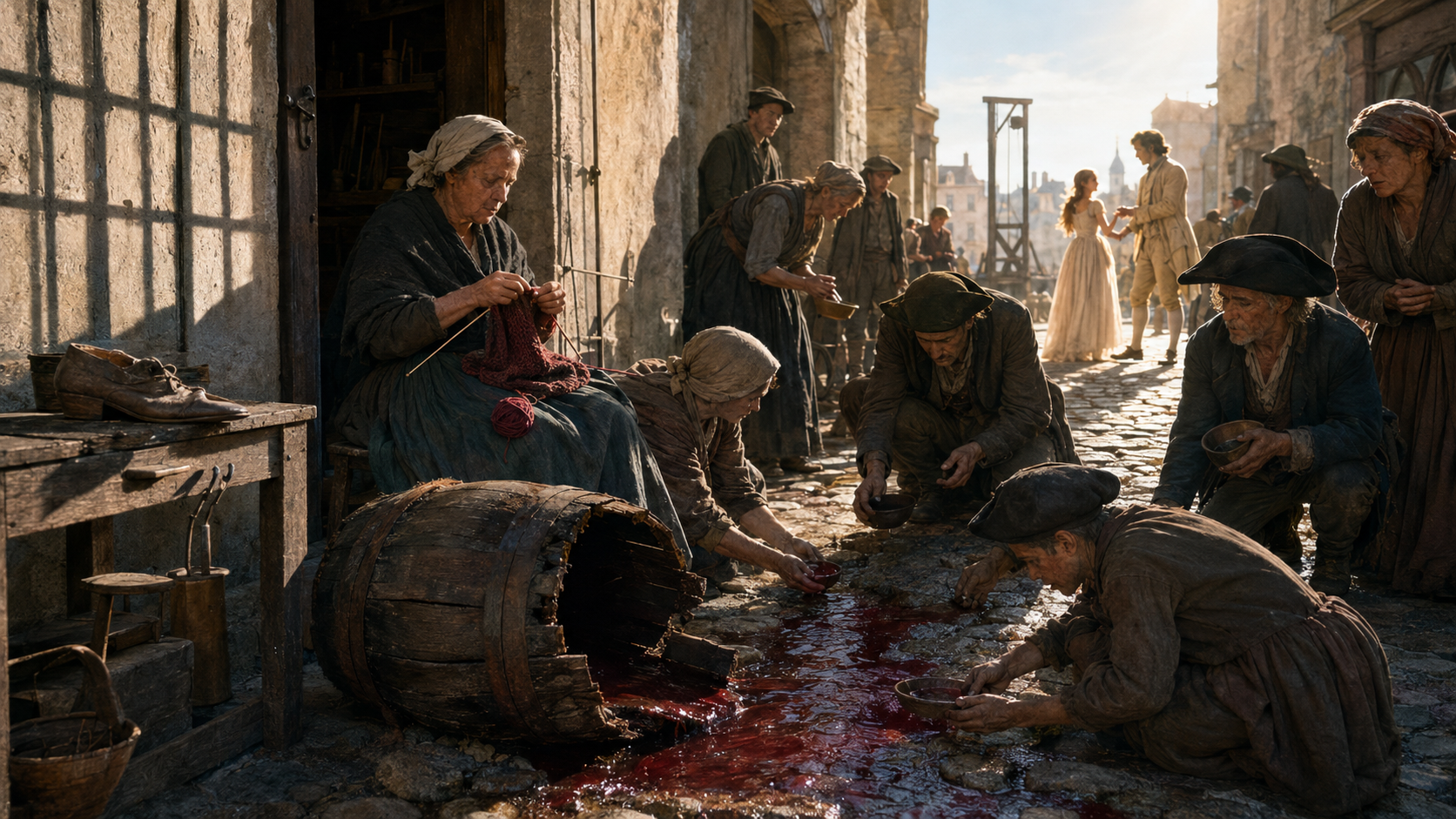
A Tale of Two Cities by Charles Dickens

Dickens sets this novel during the French Revolution. The story is full of fear, revenge, and social unrest.

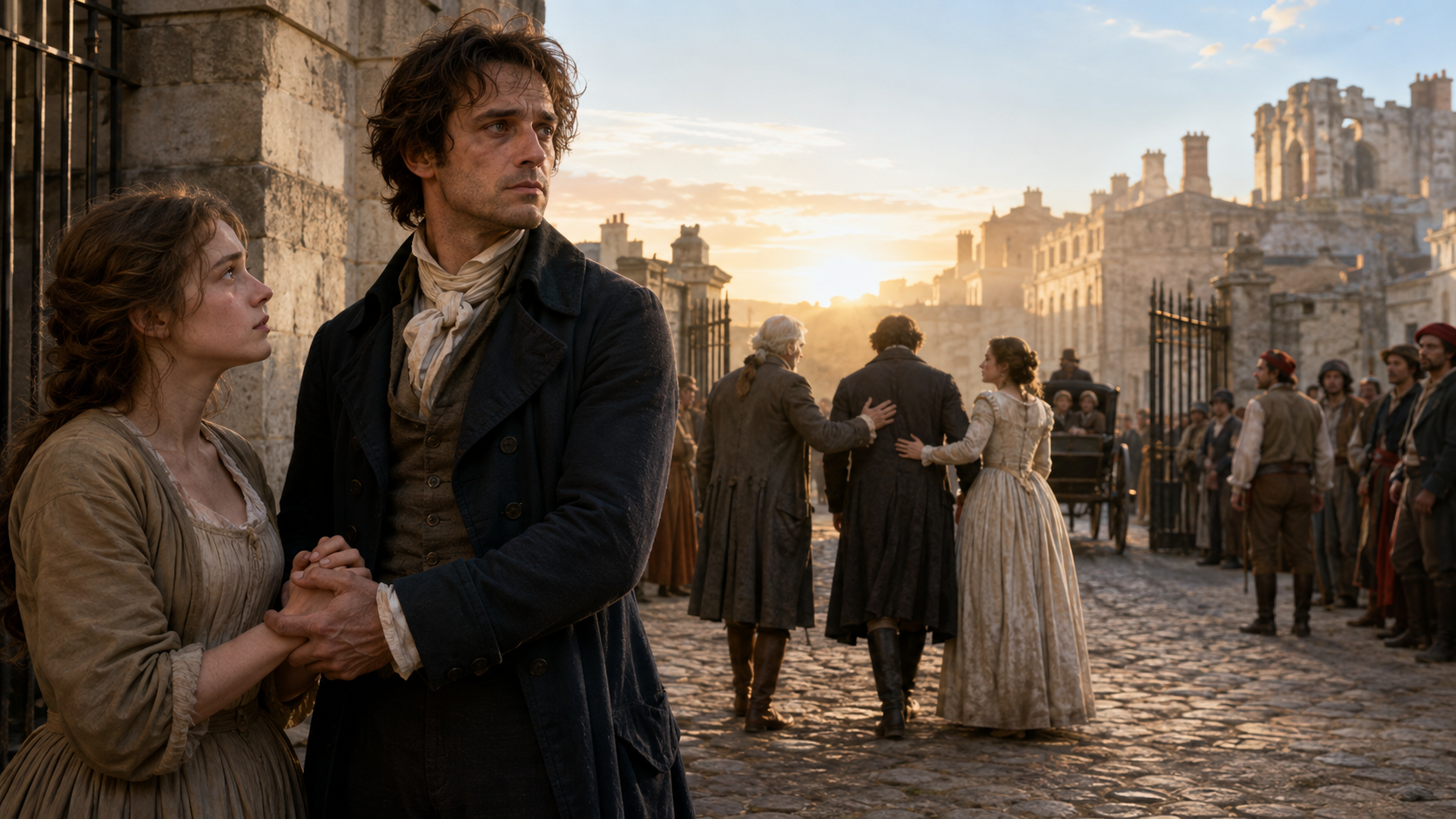
But the novel also shows sacrifice and moral courage. Sydney Carton’s final choice turns despair into a strange kind of hope.

The Book Thief by Markus Zusak

The Book Thief takes place in Nazi Germany and follows a girl named Liesel. Books, words, and friendship help her survive a violent time.

The narrator, Death, gives the novel a dark tone. Still, Liesel’s love of stories shows how language can protect the soul.

Common Themes in Books About Hope and Despair

These stories often return to the same big questions about pain, courage, and meaning.

One major theme in Books About Hope and Despair is survival. Characters must decide if life is worth fighting for when the world feels cruel.

Another theme is faith. This does not always mean religion. It can mean trust in people, love, memory, or justice.

Many books also explore moral choice. A character may not be able to fix the world, but they can choose how to act inside it.

In To Kill a Mockingbird, Atticus Finch does not win his case. Still, his choice to defend Tom Robinson becomes a hopeful act in a racist society.

In Jane Eyre, Jane faces loneliness and unfair treatment. Her hope comes from self-respect and the belief that her life has value.

Symbols in Books About Hope and Despair

Symbols help readers see hope and despair in concrete ways.

Books About Hope and Despair often use light and darkness. Light may stand for truth, safety, or faith. Darkness may suggest fear, loss, or moral confusion.

Fire is another common symbol. In The Road, the father tells the boy they are “carrying the fire.” This fire stands for goodness and human decency.

Birds can also suggest hope. Emily Dickinson’s famous poem “Hope is the thing with feathers” compares hope to a bird that keeps singing. You can read the poem at the Poetry Foundation.

Objects can carry deep meaning too. In The Book Thief, stolen books become signs of comfort, risk, and survival.

If you want to review terms like symbol, motif, and theme, see this helpful literary devices list.

How Authors Balance Hope and Despair

The strongest works do not make hope feel fake or despair feel endless.

Authors often place hope inside small moments. A meal, a promise, or a shared story can become powerful when life feels harsh.

This balance gives Books About Hope and Despair their emotional force. Readers feel the weight of loss, but they also see why people keep moving forward.

Writers may also use contrast. A violent scene may sit next to an act of kindness. A ruined setting may contain one sign of beauty.

This is why these books stay with readers. They do not give easy answers. They show that hope can survive even when it looks weak.

Recommended Books About Hope and Despair to Add to Your Shelf

These are useful choices for class, essays, or personal reading.

  • Night by Elie Wiesel
  • The Road by Cormac McCarthy

Both books are short enough for focused study, but deep enough for strong analysis. They are also rich in symbols, themes, and moral questions.

How to Read Books About Hope and Despair for Class

A smart reading plan can help students move past plot summary.

When you read Books About Hope and Despair, track moments where characters face a choice. Ask what they lose, what they protect, and what they still believe.

Pay close attention to repeated images. If light, fire, birds, roads, or books appear often, they may point to a larger theme.

Notice tone too. A sad book can still contain hope if the language shows care, beauty, or moral strength.

For essays, connect theme to evidence. Do not just say a book is hopeful or sad. Show how the author builds that feeling through setting, dialogue, symbols, and conflict.

You can also use this guide to literary devices to strengthen your analysis.

Why Students Connect With Books About Hope and Despair

These books feel personal because they reflect real fears and real strength.

Many students connect with Books About Hope and Despair because they show life without sugarcoating it. The characters struggle, fail, and doubt themselves.

At the same time, these stories remind readers that pain is not the whole story. A character can suffer and still grow.

That message can feel powerful in school, where students often face pressure, change, and questions about the future.

FAQs About Books About Hope and Despair

What are Books About Hope and Despair?

They are books that explore both suffering and the human need for meaning. They often show characters facing loss, fear, or injustice while still seeking light.

Why are these books taught in school?

They lead to strong discussions about theme, character, conflict, and symbolism. They also help students think about moral choices.

What is a good short book about hope and despair?

Night by Elie Wiesel is a strong choice. It is brief, but it raises deep questions about faith, memory, and survival.

Are these books always sad?

No. Many are sad, but they are not only sad. The best ones show how hope can exist even in painful conditions.

Key Takeaway

Books About Hope and Despair remind us that literature can face darkness without giving up on light.

Conclusion

Books About Hope and Despair help readers understand what people do when life feels broken. They show fear, grief, and loss, but they also show courage, love, and memory.

For students, these books are more than class texts. They are guides to some of the hardest questions humans ask.

Their lasting message is simple: hope does not erase despair, but it can help people endure it.

Verbal Irony vs Dramatic Irony Explained

Verbal irony
Verbal irony

Knowing the difference between verbal irony and dramatic irony can make literature feel much less confusing. In this guide, Verbal Irony vs Dramatic Irony Explained, you will learn what each term means, how to spot it, and how to use it in a strong essay.

Both types of irony deal with a gap between what seems true and what is true. The key is knowing where that gap happens.

In this Guide

Verbal Irony vs Dramatic Irony Explained: The Core Difference

The simplest way to tell them apart is to ask who knows the truth.

Verbal irony happens when a speaker says one thing but means something different. The meaning often depends on tone, context, or contrast.

Dramatic irony happens when the audience knows something a character does not know. This creates tension because readers can see the danger, mistake, or truth before the character can.

So, Verbal Irony vs Dramatic Irony Explained comes down to this: verbal irony is about what a character says, while dramatic irony is about what the audience knows.

If you want a broader review of related terms, this literary devices list can help you connect irony to satire, foreshadowing, and tone.

Verbal Irony vs Dramatic Irony Explained: What Verbal Irony Means

Verbal irony is a gap between words and meaning.

When a character uses verbal irony, they do not mean the literal words they say. Sometimes the line is funny. Other times, it feels sharp or bitter.

For example, if a student walks out of a hard test and says, “Well, that was easy,” the student likely means the opposite. That is verbal irony.

In literature, verbal irony often helps reveal a character’s attitude. It can show anger, pride, wit, or hidden pain.

Jane Austen uses verbal irony in Pride and Prejudice. The famous opening line says, “It is a truth universally acknowledged, that a single man in possession of a good fortune, must be in want of a wife.”

On the surface, the line sounds serious. But Austen is poking fun at social rules about marriage and money. The words sound grand, but the meaning is satirical.

This is why Verbal Irony vs Dramatic Irony Explained matters for close reading. If you miss the tone, you may miss the real meaning of the line.

Verbal Irony vs Dramatic Irony Explained: What Dramatic Irony Means

Dramatic irony is a gap between the audience’s knowledge and a character’s knowledge.

The character speaks or acts without the full truth. The reader knows more, so the scene feels tense, sad, or darkly funny.

In Romeo and Juliet, the audience knows Juliet is not truly dead. Romeo does not know this. When he finds her and believes she has died, the scene becomes tragic because readers can see the mistake before he can.

This is one of the clearest examples of dramatic irony in English literature. The audience wants Romeo to learn the truth, but he acts too soon.

Sophocles also uses dramatic irony in Oedipus Rex. Oedipus searches for the cause of a plague, but the audience slowly sees that he himself is tied to the crime he wants to solve.

For more background on the term, you can read Britannica’s overview of irony in literature.

Verbal Irony vs Dramatic Irony Explained Through Literature

Examples make the difference easier to see.

In Julius Caesar, Mark Antony calls Brutus an “honourable man” during his funeral speech. He repeats the phrase while proving that Brutus acted with betrayal. The words say one thing, but the meaning points the other way.

That is verbal irony. Antony’s tone and context change the meaning.

In Macbeth, King Duncan trusts Macbeth and praises his castle. The audience already knows Macbeth plans to kill him. Duncan does not know he has entered a place of danger.

That is dramatic irony. The audience’s knowledge makes the scene feel tense.

In The Odyssey, Odysseus hides his identity when he returns home. The audience knows who he is, but many characters do not. Their words and actions carry extra meaning because readers know the truth.

When you compare these examples, Verbal Irony vs Dramatic Irony Explained becomes much clearer. One depends on speech. The other depends on unequal knowledge.

Verbal Irony vs Dramatic Irony Explained for Literary Analysis

To write about irony well, do more than name the device.

Start by explaining the gap. Ask: what is said versus what is meant? Or ask: what does the audience know that the character does not?

For verbal irony, focus on tone. A character may sound polite but mean an insult. A narrator may sound serious but expose a foolish idea.

For dramatic irony, focus on effect. The audience may feel fear, pity, or suspense because they know what the character cannot see.

A strong sentence might look like this:

“Shakespeare uses dramatic irony in Romeo and Juliet because the audience knows Juliet is alive, while Romeo believes she is dead. This makes Romeo’s choice feel more tragic because the reader sees that the disaster could have been avoided.”

For verbal irony, you might write:

“Austen uses verbal irony in the opening of Pride and Prejudice to mock the social belief that wealthy men must be seeking wives. The formal tone makes the idea sound official, but the real meaning is critical and playful.”

That is the heart of Verbal Irony vs Dramatic Irony Explained in essay form. Identify the type, explain the gap, then connect it to the author’s purpose.

Quick Comparison: Verbal Irony vs Dramatic Irony Explained

A quick side-by-side view can help before a quiz or essay.

Type of Irony Where the Gap Happens Simple Example Common Effect
Verbal irony Between words and meaning A character says “Lovely weather” during a storm Humor or criticism
Dramatic irony Between audience knowledge and character knowledge The reader knows a secret that the character misses Suspense or tragedy

If you are not sure which one you see, ask one question: is the irony in the words, or is it in what the audience knows?

Common Mistakes Students Make

Many students mix up verbal irony and sarcasm.

Sarcasm is a kind of verbal irony, but it is usually harsher. Verbal irony can be funny, polite, or subtle. Sarcasm tends to mock.

Another common mistake is calling every surprise “dramatic irony.” A plot twist is not always dramatic irony. The audience must know something important before the character does.

It also helps to avoid vague phrases like “this makes the story interesting.” Instead, explain the exact effect. Does the irony create suspense? Does it reveal a flaw? Does it help the author criticize society?

For more help with terms that often appear in essays, see this guide to literary devices.

Books That Help You Study Irony

These books include strong examples of verbal irony, dramatic irony, or both.

  • Pride and Prejudice by Jane Austen
  • Romeo and Juliet by William Shakespeare
  • Oedipus Rex by Sophocles

You can also explore the Folger Shakespeare Library’s resources on Romeo and Juliet for more context on Shakespeare’s tragedy.

FAQ: Verbal Irony vs Dramatic Irony Explained

What is the main difference between verbal irony and dramatic irony?

Verbal irony happens when someone says one thing but means another. Dramatic irony happens when the audience knows something a character does not.

Is sarcasm the same as verbal irony?

Not exactly. Sarcasm is a sharper form of verbal irony. It often aims to mock or criticize.

Can dramatic irony happen in a novel?

Yes. Dramatic irony can happen in novels, plays, short stories, and films. It only needs a gap between what the audience knows and what a character knows.

Why do authors use irony?

Authors use irony to create humor, build tension, reveal character, or criticize a belief.

How do I write about irony in an essay?

Name the type of irony, explain the gap, and connect it to the meaning of the work.

Key Takeaway

Verbal Irony vs Dramatic Irony Explained is simple once you focus on the gap. Verbal irony is about words versus meaning, while dramatic irony is about audience knowledge versus character knowledge.

If you can explain that difference with a clear example, you can use irony with confidence in any literature essay.

Flash Memoir Prompt: First Time You Were Paid for Something You Made or Did

flash memoir

A warm flash memoir prompt for remembering the first dollar, check, tip, or thank-you envelope that made your effort feel real. Maybe you can still picture the way the money arrived: folded into your palm, tucked inside a card, sent through an app, or handed over with a casual “thanks” that did not feel casual to you at all.

The first time someone pays you for something you made or did can be strangely powerful. It might be a few coins for mowing a lawn, babysitting money stuffed into your pocket, a craft fair sale, a paycheck from a summer job, or five dollars from a neighbor who loved the brownies you baked. The amount may have been small. The feeling may have been huge.

This flash memoir prompt first time paid something made invites you to return to that moment before it became part of your life story. Before you had a resume. Before you knew what your work was worth. Before you learned to act calm when someone gave you money for your time, skill, care, or courage.

flash memoir

The Prompt

Write about the first time you were paid for something you made or did.

This prompt can unlock a memory because payment is rarely just payment. It can carry pride, surprise, pressure, embarrassment, or a sudden sense of being seen. In memoir, money often points to something deeper: independence, value, effort, family expectations, or the first tiny feeling of adulthood.

You do not have to write about a major job or a big success. In fact, this prompt works best when you stay close to one small exchange. Focus on the hand, the envelope, the register, the kitchen table, or the moment you counted the money later when no one was watching.

Why This Memory Matters

The first paid moment often marks a quiet shift. Someone outside yourself decided your work had value. That can feel thrilling, awkward, or even confusing.

Maybe you were a child selling lemonade, and you suddenly understood that warm coins could come from your own idea. Maybe you were a teenager with tired feet after a long shift, holding a paycheck that looked official and disappointing at the same time. Maybe you created something personal, like art, music, writing, or food, and payment made you feel proud and exposed.

This kind of memory may also reveal how you learned about work. Did your family celebrate the moment? Did someone tell you to save it? Did you spend it right away? Did you feel guilty taking money for something that had felt easy, fun, or natural?

Those questions matter because memoir is built from meaning hiding inside ordinary scenes. If you need help seeing that deeper layer, you might enjoy this guide on how to identify theme in literature. The same skill can help you notice the theme inside your own memory.

How to Approach This Prompt

Begin with a physical detail. Do not start by explaining your whole relationship with money or work. Start with the exact thing you remember seeing or touching.

For example, write about the paper route bag rubbing your shoulder. Write about the smell of wet grass after you finished mowing. Write about the purple ink on the check. Write about the sticky table at the bake sale or the way the babysitting cash felt too crisp to spend.

Then narrow the memory to one scene. This is flash memoir, so you do not need to cover every job you ever had. Choose one moment: the making, the doing, the handoff, or the private moment after.

Try to write what you noticed before you explain what it meant. If you jump too quickly to the lesson, the piece may feel flat. Let the reader stand beside you first.

You might begin with a sentence like, “The first money I ever earned smelled like chlorine,” or “Mrs. Alvarez paid me in quarters from a blue ceramic bowl.” A concrete start gives the memory a place to live.

If you are writing for school, this same habit can help with close reading. When you learn how to annotate literature, you practice noticing small details before making big claims. Memoir works in a similar way. Notice first. Explain later.

A Quick Example

The first time I got paid, I was eleven, and Mrs. Gentry gave me three dollars for pulling weeds along her fence. The bills were soft and faded, like they had already passed through every hand in town. I remember the dirt under my fingernails more than the money. I remember trying to act like three dollars was normal, like I was the kind of person who earned cash on Saturday mornings. My knees were green from the grass, and my back hurt in a way I felt proud of. At home, I laid the bills on my dresser and kept checking to see if they were still there. I did not buy anything for a week. I just liked knowing they had come from my own hands.

Try It Yourself

Set a timer for ten minutes and write one scene from the first time you were paid for something you made or did. Keep the focus tight. Where were you? Who gave you the money? What did your body feel like in that instant?

If you get stuck, write about the object connected to the memory. The coins, the check, the craft, the tool, the apron, the lawn mower, the receipt, or the envelope can carry the story for you.

Do not worry about making the memory sound impressive. The best flash memoir prompt first time paid something made pieces often come from small, almost funny moments. A crooked bracelet sold at a school fair can hold as much meaning as a first paycheck.

After you draft, read it once and underline the sentence that feels most honest. That sentence may be the real center of the piece.

Want More Flash Memoir Prompts?

If this prompt helped you remember a small but meaningful first, you may enjoy building a steady memoir practice one scene at a time. Explore all 365 prompts in The Memory Trigger: 365 Flash Memoir Writing Prompts.
Themes in The Outsiders: A Student-Friendly Guide

The Outsiders themes

S.E. Hinton’s The Outsiders is short, but it gives students a lot to study. The themes in The Outsiders focus on class conflict, loyalty, violence, and the search for identity.

This guide explains the big ideas behind the story so you can discuss them with confidence in class or in an essay.

In this Guide

  • Why the novel’s themes matter
  • Major ideas students should know
  • Class conflict between Greasers and Socs
  • Loyalty, family, and friendship
  • Violence and loss
  • How to write about the novel
  • FAQ and key takeaway
The Outsiders themes

Why the themes in The Outsiders Matter

A theme is a message a story builds through choices, conflict, and change.

The themes in The Outsiders matter because the novel is not just about rival groups. It asks why people judge each other and what happens when pain turns into violence.

Ponyboy’s world may seem simple at first: Greasers versus Socs. As the story moves on, that line becomes less clear. The novel shows that people are more complex than their labels.

Major themes in The Outsiders Students Should Know

The novel’s biggest ideas connect to real questions about belonging and fairness.

Several themes in The Outsiders appear again and again. The most important ones include **social class**, **loyalty**, **violence**, identity, and the loss of innocence.

These ideas help explain why the story still feels fresh to students. The setting may belong to the 1960s, but the problems feel familiar in school, families, and friendships today.

For background on the novel and its place in young adult literature, you can read Britannica’s overview of The Outsiders.

Social Class as One of the themes in The Outsiders

Class conflict drives much of the novel’s tension.

The Greasers and Socs live close to each other, but they do not have the same lives. The Socs have money, clean cars, and social power. The Greasers face poverty and public judgment.

Hinton shows that class shapes how people see themselves. Ponyboy knows that adults and strangers often expect Greasers to be trouble.

Yet the Socs are not shown as fully happy either. Cherry helps Ponyboy see that wealth does not erase pain. This makes the class conflict more human and less simple.

A useful comparison is Romeo and Juliet. Shakespeare’s play also shows two groups trapped by old hatred. In both works, young people pay the price for a conflict they did not start.

Loyalty, Family, and Chosen Bonds

In the novel, family is not only about blood.

Ponyboy, Sodapop, and Darry are brothers, but their home life is hard after their parents die. Darry acts strict because he fears losing his family. Ponyboy often mistakes that fear for anger.

The Greasers also form a chosen family. They protect each other because the world often does not protect them.

Johnny’s bond with the group is especially important. His home is unsafe, so the Greasers become the people he trusts. His story shows why loyalty can feel like survival.

If you want to study how Ponyboy, Johnny, or Darry reveal theme, this guide on how to analyze characters in literature can help.

Violence and the Cost of Conflict

The novel does not treat violence as exciting or harmless.

Fights in The Outsiders often begin because characters feel trapped, scared, or ashamed. Violence may seem like power, but it leaves grief behind.

The church fire changes the way we see Johnny and Ponyboy. They risk their lives to save children, which proves they are not the criminals others expect them to be.

Bob’s death, Johnny’s injuries, and Dally’s final moments show the cost of a world built on revenge. Hinton makes readers ask what might have happened if the characters had more support.

Identity and Seeing People Clearly

Ponyboy learns that people cannot be understood by group names alone.

At first, the labels seem fixed: Greaser and Soc. Over time, Ponyboy sees that these labels hide real feelings.

Cherry tells Ponyboy that things are rough all over. That line matters because it does not erase class differences, but it does challenge hate. It asks Ponyboy to see people more clearly.

This theme resembles part of To Kill a Mockingbird by Harper Lee. Both novels ask readers to look past easy judgments and notice the person beneath the label.

Innocence, Loss, and the Meaning of Stay Gold

The phrase “stay gold” is one of the novel’s most famous ideas.

Johnny tells Ponyboy to “stay gold” near the end of the story. He wants Ponyboy to keep his kindness, wonder, and sense of beauty.

This idea connects to Robert Frost’s poem “Nothing Gold Can Stay,” which Ponyboy and Johnny discuss. You can read about Frost at the Poetry Foundation.

The message is sad, but it is not hopeless. Ponyboy cannot stay innocent in the same way, but he can still choose empathy.

How to Write About themes in The Outsiders

Strong theme writing connects an idea to evidence from the story.

When you write about themes in The Outsiders, avoid a sentence like “This book has loyalty.” That is too plain. Try a claim that explains what the novel says about loyalty.

For example: Hinton shows that loyalty can protect people, but it can also keep them stuck in dangerous conflicts.

Then use scenes with the Greasers, Johnny, or Darry as evidence. Explain how the scene proves your point. Do not just retell the plot.

If you want a simple study tool for planning theme paragraphs, try our literature theme analysis worksheet.

Books That Pair Well with The Outsiders

These books can help students compare similar ideas about class, identity, and growing up.

  • That Was Then, This Is Now by S.E. Hinton
  • To Kill a Mockingbird by Harper Lee
  • Romeo and Juliet by William Shakespeare

Each title gives students a way to compare conflict across time and place.

FAQ About themes in The Outsiders

These short answers can help with homework, class notes, or essay prep.

What are the main themes in The Outsiders?

The main themes in The Outsiders include social class, loyalty, violence, identity, and loss of innocence.

What is the most important theme in The Outsiders?

Many readers see social class as the most important theme because the Greaser and Soc conflict shapes the whole story.

What does “stay gold” mean?

It means to keep your goodness and sense of wonder, even after pain or loss.

How does Ponyboy change?

Ponyboy learns to question labels and see people with more empathy.

Key Takeaway

The themes in The Outsiders show that people are more than their group, their money, or their worst moment.

Hinton’s novel reminds students that empathy is not weak. It is the first step toward understanding.

Symbols in The Catcher in the Rye: Meanings, Themes, and Why They Matter

Catcher in the Rye symbols

A simple explanation of the most important symbols and images in the text.

The symbols in The Catcher in the Rye help readers see what Holden Caulfield feels but cannot always say. J. D. Salinger uses objects, places, and repeated images to show Holden’s grief, fear of change, and wish to protect innocence.

This guide explains the major symbols, gives concrete examples, and connects each one to theme so you can use them in essays with confidence.

In this Guide

Catcher in the Rye symbols

Why Symbols in The Catcher in the Rye Matter

Symbols help turn Holden’s private pain into something we can see.

Holden is not always honest with himself. He jokes, judges people, and calls many things phony. But the symbols in The Catcher in the Rye reveal the deeper story beneath his voice.

For example, a red hat is not just a hat. A museum is not just a building. These details point to Holden’s need for safety in a world he thinks is fake and cruel.

If you need a quick refresher on symbolism as a literary tool, see this guide on how to find symbolism in a story.

Major Symbols in The Catcher in the Rye

The novel’s most important symbols show Holden’s inner conflict.

The most famous symbols in The Catcher in the Rye include the red hunting hat, the ducks in Central Park, the Museum of Natural History, and the catcher in the rye image. Each one connects to a major theme in the book.

The Red Hunting Hat

Holden’s red hunting hat is one of the clearest symbols in the novel. He buys it in New York after losing the fencing team’s equipment, which already links the hat to failure and shame.

The hat makes Holden feel unique. It helps him stand apart from other people, even while he feels lonely.

The color red may also connect to Allie, Holden’s dead brother, who had red hair. Because of that, the hat becomes a quiet sign of memory and grief.

Theme connection: The hat shows Holden’s need for identity and protection. He wants to be different, but he also wants comfort.

The Ducks in Central Park

Holden keeps asking where the ducks go when the lagoon freezes. This question seems odd at first, but it matters a lot.

The ducks stand for survival during change. Holden wants to know if living things can disappear and still be safe somewhere else.

This connects to his fear after Allie’s death. If the world can change so fast, Holden wants proof that someone or something will take care of the vulnerable.

Theme connection: The ducks show Holden’s fear of loss and his search for reassurance.

The Museum of Natural History

Holden loves the museum because nothing changes there. The displays stay the same each time he visits.

That matters because Holden hates the way real life keeps moving. People grow up. Families change. Innocence fades.

The museum offers a frozen world. Holden knows this is not real life, but he still wants it.

Theme connection: The museum represents Holden’s desire to stop time and avoid adulthood.

The Catcher in the Rye Image

The title symbol comes from Holden’s dream of standing in a field of rye, catching children before they fall off a cliff. He imagines himself as a protector of innocence.

But Holden misunderstands the Robert Burns poem he hears. That mistake matters because his dream is beautiful, but it is also impossible.

Children will grow up. Holden cannot stop every fall. He must learn that care does not mean control.

Theme connection: The catcher image shows Holden’s wish to protect innocence and his fear of growing up.

How Symbols in The Catcher in the Rye Connect to Theme

Every strong symbol in the novel points back to Holden’s fear of change.

Many symbols in The Catcher in the Rye connect to the same core struggle. Holden wants the world to stay simple and safe, but the world will not do that for him.

The red hat offers protection. The museum offers stillness. The ducks offer hope that change does not mean death. The catcher image offers a fantasy where no child has to fall.

This is similar to symbols in other well-known novels. In The Great Gatsby, the green light points to a dream that Gatsby can never fully reach. In Lord of the Flies, the conch shows order that slowly breaks apart.

Salinger’s symbols work the same way. They take a large theme and place it inside a clear image.

Writing About Symbols in The Catcher in the Rye

A good symbolism paragraph explains both the object and the idea behind it.

When students write about symbols in The Catcher in the Rye, they often stop too early. It is not enough to say the red hunting hat means individuality. You also need to explain why Holden needs that feeling.

Try this pattern: name the symbol, describe where it appears, explain what it suggests, and connect it to theme.

For example, you might write that the Museum of Natural History symbolizes Holden’s wish for a world without change. Then you can link that idea to his grief over Allie and his fear of adulthood.

For more help, read our full guide on spotting symbolism in fiction. You can also review RapidReads Press literature study resources for essay practice and reading support.

Quick Reference: Symbol Meanings

Use this section as a fast study tool before a quiz or essay.

  • Red hunting hat: protection, identity, grief, and the need to feel special.
  • Ducks: change, survival, and Holden’s fear of being left behind.
  • Museum: stillness, safety, and the wish to stop time.
  • Catcher image: innocence, protection, and Holden’s impossible dream.
  • Allie’s baseball glove: memory, love, and the pain of loss.

Allie’s Baseball Glove

Allie’s glove is a personal symbol of love and grief.

The glove belonged to Holden’s younger brother, Allie, who died of leukemia. Allie wrote poems on it so he could read them during baseball games.

This detail shows that Allie was thoughtful and creative. To Holden, the glove is not just a memory. It is proof that someone pure and good was taken from the world.

Theme connection: The glove shows how grief shapes Holden’s view of innocence.

Author and Context

Knowing a little background can help, but the text should still lead your ideas.

J. D. Salinger published The Catcher in the Rye in 1951. The novel became famous for its teen narrator, direct voice, and honest look at alienation.

You can read more about the novel’s history at Britannica’s overview of The Catcher in the Rye. For author background, see Britannica’s biography of J. D. Salinger.

Helpful Books to Read Next

These books can deepen your understanding of Salinger and coming-of-age fiction.

  • The Catcher in the Rye by J. D. Salinger
  • Nine Stories by J. D. Salinger

FAQ About Symbols in The Catcher in the Rye

What are the main symbols in The Catcher in the Rye?

The main symbols in The Catcher in the Rye are the red hunting hat, the ducks, the museum, the catcher image, and Allie’s baseball glove.

What does Holden’s red hunting hat symbolize?

It symbolizes protection, identity, and Holden’s grief. It helps him feel different, but it also shows how badly he wants comfort.

What do the ducks symbolize?

The ducks symbolize change and survival. Holden wants to know where they go because he fears loss and uncertainty.

Why is the Museum of Natural History important?

The museum matters because it never changes. Holden likes it because it gives him the stillness he cannot find in real life.

What does the catcher in the rye symbolize?

It symbolizes Holden’s dream of saving children from pain and adulthood. The image shows his kindness, but also his struggle to accept change.

Key Takeaway

The symbols in The Catcher in the Rye matter because they reveal Holden’s hidden fears. They show a teenager who wants to protect innocence, hold back change, and find safety after loss.

Most Beautiful Psychological Horror: Books That Turn Fear Into Art

Psychological Horror

Some horror stories scare us with monsters, but others frighten us with memory, guilt, desire, and doubt. Most Beautiful Psychological Horror is the kind of writing that feels haunting because it is both terrifying and carefully made.

These stories do not only ask, “What is out there?” They ask, “What is happening inside the mind?”

In this Guide

What Most Beautiful Psychological Horror Means

Most Beautiful Psychological Horror describes stories that use fear, style, and emotion at the same time.

These works often focus on a troubled mind. The danger may be real, imagined, or both. That uncertainty is part of the fear.

The “beautiful” part does not mean the story is happy. It means the writing has shape, rhythm, and power. A cruel moment may be written with quiet grace.

In these stories, fear grows slowly. A house feels wrong. A voice sounds too calm. A memory will not stay buried.

Why Most Beautiful Psychological Horror Feels So Disturbing

Most Beautiful Psychological Horror works because beauty can make fear feel closer.

When a scary scene is written in lovely prose, the reader may lean in instead of pull away. That creates a strange tension. We want to keep reading, even when we feel unsafe.

This style often uses calm language to describe painful events. The contrast can feel more upsetting than a loud shock.

Think of a dark hallway described like a dream. The image may seem graceful, but it also tells us something is deeply wrong.

Classic Examples of Most Beautiful Psychological Horror

Many famous works show how fear can become art.

In The Turn of the Screw by Henry James, the terror comes from doubt. Are the ghosts real, or is the governess losing her grip on reality? The story never gives readers a simple answer.

In Charlotte Perkins Gilman’s “The Yellow Wallpaper,” the horror grows inside one room. The wallpaper becomes a symbol of mental pressure, control, and trapped identity. You can read more about Gilman through the Poetry Foundation.

In Shirley Jackson’s The Haunting of Hill House, the house feels alive because the characters feel broken. The fear is not only in the walls. It is in loneliness, grief, and the need to belong.

These works help define Most Beautiful Psychological Horror because they do not rely on quick scares. They make fear feel personal.

Most Beautiful Psychological Horror and the Gothic Tradition

Gothic literature helped shape this kind of horror.

Gothic stories often use old houses, family secrets, strange weather, and hidden guilt. These details create mood before anything violent happens.

Dracula by Bram Stoker is a strong example of fear linked to desire, disease, and moral decay. For a deeper look at that idea, read Count Dracula as a symbol of fear and corruption.

The Gothic style matters because it turns setting into emotion. A castle is not just a building. A locked room is not just a room.

For more background on the Gothic tradition, Britannica offers a helpful overview of the Gothic novel.

Books to Read for Most Beautiful Psychological Horror

These books are strong choices if you want horror that feels emotional, strange, and well written.

  • The Haunting of Hill House by Shirley Jackson: A classic haunted house novel that explores fear, isolation, and fragile identity.
  • Rebecca by Daphne du Maurier: A tense novel about obsession, marriage, memory, and the shadow of a dead woman.

You can search for these titles on Amazon, at your school library, or through a local bookstore.

Both books show why Most Beautiful Psychological Horror appeals to students and serious readers. The language is rich, but the fear remains clear.

Symbols and Themes in Most Beautiful Psychological Horror

Most Beautiful Psychological Horror often uses symbols to show fear that characters cannot say out loud.

A house may stand for the mind. If the house has locked rooms, broken stairs, or strange sounds, it may reflect hidden trauma or guilt.

Mirrors often suggest a split self. A character may look in a mirror and feel like a stranger. That image turns identity into something unstable.

Wallpaper, portraits, letters, and shadows can also carry meaning. They seem ordinary at first, but they slowly gather fear.

Common themes include guilt, control, madness, grief, and desire. These ideas matter because psychological horror is rarely only about death. It is about losing trust in the self.

Why Students Should Study Most Beautiful Psychological Horror

Most Beautiful Psychological Horror is useful for literature students because it rewards close reading.

Small details matter. A repeated color, a strange sound, or a shift in tone may reveal what a character fears most.

These stories also help students think about unreliable narrators. When a narrator cannot be fully trusted, readers must become detectives.

This is why works like The Turn of the Screw and “The Yellow Wallpaper” often appear in high school, AP Literature, and college courses. They invite debate.

How to Read Most Beautiful Psychological Horror Closely

Slow reading helps with this genre.

Watch how the setting changes. If a room feels smaller, darker, or more alive, that shift may show a change in the character’s mind.

Pay attention to repeated images. Repetition often signals fear that has not been solved.

Ask whether the narrator seems reliable. If the story gives mixed clues, the uncertainty may be the main source of horror.

When you read Most Beautiful Psychological Horror, do not only look for what happens. Look at how the story makes you doubt what is true.

Psychological Horror vs. Supernatural Horror

Psychological horror focuses on fear inside the mind.

Supernatural horror often uses ghosts, demons, curses, or monsters. Psychological horror may include those things, but it does not depend on them.

The key question is simple: does the story scare us because of an outside threat, or because the character’s mind feels unsafe?

Some of the best works blur that line. That blur is one reason Most Beautiful Psychological Horror feels so lasting.

FAQs About Most Beautiful Psychological Horror

What is Most Beautiful Psychological Horror?

It is horror that uses elegant writing, deep emotion, and mental fear. The story may feel scary, sad, and poetic at the same time.

Is psychological horror always supernatural?

No. It may include ghosts or strange events, but it can also focus on guilt, trauma, or obsession.

What is a good first book in this style?

The Haunting of Hill House by Shirley Jackson is a strong place to start. It is clear, tense, and rich in meaning.

Why is beauty important in horror?

Beauty can make fear feel more intense. Lovely language can draw readers toward scenes that disturb them.

Key Takeaway

Most Beautiful Psychological Horror shows that fear can be more than shock. It can reveal grief, desire, guilt, and the hidden rooms of the mind.

The best works in this style stay with us because they are not only scary. They are artful, emotional, and hard to forget. 🕯️

What Is Irony in Literature? A Beginner-Friendly Guide

Literary Irony

Have you ever read a scene where the reader knows the truth, but a character does not? That gap is one reason students ask, What Is Irony in Literature? Irony can make a story more powerful, more painful, or more funny.

In this Guide

Literary Irony

What Is Irony in Literature? A Simple Definition

Irony happens when there is a clear gap between what seems true and what is actually true.

In literature, irony often appears when words, events, or situations do not match what we expect. The mismatch creates meaning.

When teachers ask, What Is Irony in Literature?, they are usually asking you to notice this gap. Irony is not just a random surprise. It must reveal something important about a character, theme, or conflict.

For example, if a fire station burns down, that is ironic because the place meant to stop fires becomes a victim of fire. In a story, that kind of twist can point to weakness, pride, bad luck, or a deeper message.

What Is Irony in Literature? Common Types to Know

Most classroom discussions focus on a few major forms of irony.

Verbal Irony

Verbal irony happens when a speaker says one thing but means something different.

This is not always sarcasm, though sarcasm is one type of verbal irony. Sarcasm is often sharp or mocking. Verbal irony can be gentle, funny, bitter, or serious.

In Jane Austen’s Pride and Prejudice, the famous opening line sounds serious: “It is a truth universally acknowledged…” Yet Austen is also mocking the way society treats marriage and money.

Dramatic Irony

Dramatic irony happens when the audience knows something a character does not know.

Shakespeare uses this often. In Romeo and Juliet, the audience knows Juliet is alive, but Romeo believes she is dead. This makes the scene heartbreaking because we can see the truth before he can.

Dramatic irony can create suspense because readers wait for the character to learn what they already know.

Situational Irony

Situational irony happens when the result of an event is the opposite of what we expect.

O. Henry’s “The Gift of the Magi” is a classic example. Della sells her hair to buy Jim a chain for his watch. Jim sells his watch to buy Della combs for her hair.

Their gifts become useless in a practical sense, but the irony shows their deep love.

What Is Irony in Literature? Why It Matters in Stories

Irony helps writers say more without spelling everything out.

A simple answer to What Is Irony in Literature? is this: it is a tool that reveals hidden truth. It can show that a character is blind to reality. It can expose unfair rules in society. It can also make a happy scene feel uneasy.

Irony often works with tone and foreshadowing. If you want to compare it with other story tools, visit our literary devices list.

Irony matters because it asks readers to think. Instead of just accepting what a character says, we must ask what the story really means.

What Is Irony in Literature? Famous Examples

Well-known books and plays use irony to build theme, conflict, and emotion.

Romeo and Juliet by William Shakespeare

The ending of Romeo and Juliet is full of dramatic irony. Romeo believes Juliet is dead, but the audience knows she has taken a sleeping potion.

This irony makes the tragedy feel even worse. The audience sees that the disaster could have been avoided.

“The Gift of the Magi” by O. Henry

This short story is one of the clearest examples of situational irony. Both main characters give up their most valuable item to buy a gift for the other.

The twist is painful and sweet at the same time. The gifts no longer work, but the love behind them becomes clear.

Animal Farm by George Orwell

In Animal Farm, the animals rebel because they want freedom. Over time, their new leaders become just as cruel as the humans they replaced.

This irony supports Orwell’s warning about power. The story shows how a revolution can fail when leaders become corrupt.

For more background on the term, you can explore Britannica’s entry on irony.

How to Spot Irony While You Read

The best way to find irony is to look for a gap.

Ask yourself what a character believes. Then ask what the reader knows. If those answers do not match, you may have dramatic irony.

Next, look at what a character says. If the words do not match the true meaning, you may have verbal irony.

Then check the outcome of a scene. If the result flips what you expected, you may have situational irony.

When you ask What Is Irony in Literature? during analysis, do not stop at naming the type. Explain what the irony does. Does it create humor? Does it reveal a flaw? Does it support the theme?

How to Answer What Is Irony in Literature? in an Essay

A strong essay answer should define irony, identify the type, and explain its effect.

Here is a simple sentence frame:

The author uses irony when [describe the gap] to show [explain the meaning].

For example:

Shakespeare uses dramatic irony when the audience knows Juliet is alive but Romeo does not, which makes the ending of the play more tragic.

This kind of answer is clear because it does more than label the device. It connects the device to meaning.

Books That Help You Practice Irony

These books are easy to find on Amazon or at most libraries. They give clear examples of irony in action.

  • The Gift of the Magi and Other Stories by O. Henry
  • Animal Farm by George Orwell

To review irony alongside other terms, you can also use our guide to common literary devices.

FAQ: What Is Irony in Literature?

What Is Irony in Literature?

Irony in literature is a gap between what is expected and what is true. That gap helps create meaning, humor, tension, or surprise.

Is irony the same as sarcasm?

No. Sarcasm is a sharp form of verbal irony. Irony is broader and can appear in speech, events, or whole plots.

What is the easiest type of irony to spot?

Dramatic irony is often the easiest to spot. If you know something a character does not know, you are likely seeing dramatic irony.

Why do authors use irony?

Authors use irony to reveal truth in a clever way. It can expose a character’s mistake, criticize society, or make a scene more emotional.

How can I write about irony in a paragraph?

Name the type of irony, describe the gap, and explain why it matters. Always connect irony to theme or character.

Key Takeaway

Irony is all about contrast. When you notice a gap between appearance and reality, pause and ask what the author wants you to understand. That one habit can make your reading and analysis much stronger.

Flash Memoir Prompt: First Time You Saw Your Parents as Imperfect

flash memoir

A brief, tender writing invitation for remembering the first moment a parent became fully human in your eyes. Maybe it happened at the kitchen table, in the car, or during a small mistake no one else noticed. For writers searching for a flash memoir prompt first time saw parents imperfect, this prompt can open a memory that still carries surprise, confusion, and love.

flash memoir

There is a strange silence that comes after you realize an adult does not have all the answers. One minute, your parent is the person who fixes things, pays bills, finds lost shoes, and knows where to turn. The next, you see a crack in that certainty. Maybe your mother cried in the laundry room. Maybe your father got lost and snapped at the map. Maybe you heard fear in a voice you thought was always steady.

This kind of memory can be hard to write because it changes the shape of childhood. It does not always come with a dramatic scene. Often, it arrives through one look, one overheard sentence, or one ordinary day that suddenly feels different.

The Prompt

Write about the first time you saw your parents as imperfect.

This flash memoir prompt first time saw parents imperfect invites you to write about the moment when childhood certainty shifted. You do not need to judge your parent or explain your whole family history. The strongest piece may come from one small scene where you noticed something you could not unsee.

Maybe you saw your parent make a mistake. Maybe you realized they were tired, lonely, afraid, jealous, forgetful, or wrong. Maybe the imperfection was harmless and almost funny. Maybe it was painful. Either way, the memory matters because it marks a change in how you understood them and yourself.

Why This Memory Matters

Many of us grow up believing our parents are larger than life. They seem to know the rules of the world. They control bedtime, money, meals, permission, and punishment. Even when we fight them, we often imagine they are solid in a way we are not.

Then one day, that image shifts. You see your parent as a person with limits. This can feel scary because it means no one is as in control as you thought. It can also feel tender. That moment may be the start of compassion, even if you did not understand it that way at the time.

This prompt can uncover a story about growing up without using those exact words. It may reveal the first time you felt protective of a parent. It may show when anger became confusion, or when judgment became understanding. It may even show a moment when you realized you were allowed to disagree with someone you loved.

If you are used to studying people in books, this prompt asks you to turn that same close attention toward real life. Thinking about how writers reveal flaws in fictional people can help too. You might find it useful to revisit this guide on how to analyze characters in literature and notice how small actions reveal hidden truth.

How to Approach This Prompt

Begin with what your body remembers. Do not start with the lesson. Start with the room, the light, the sound, or the object in your hand. Was there a coffee mug on the counter? Was the car heater blowing too hot? Did your parent’s face look different in the hallway light?

Try to narrow the memory to one scene. A flash memoir does not have room for every reason your parent was complicated. Choose one moment and stay there. Let the reader notice things as you noticed them.

For this flash memoir prompt first time saw parents imperfect, it may help to write in two layers. First, describe what happened as your younger self saw it. Then, add a few lines from your older self looking back. This gives the piece depth without turning it into a long explanation.

You might write a first sentence like one of these:

“I was ten when I saw my father lose his patience with a vending machine.”

“My mother missed the turn three times before she admitted she was lost.”

“The first clue was the unpaid bill folded under the salt shaker.”

After that, stay close to the scene. Let the meaning rise from the details. If you want to practice close observation before you draft, this guide on how to annotate literature can also help you slow down and notice what matters on the page.

A Quick Example

I was twelve when my dad burned the grilled cheese. It should not have mattered. Everyone burns food sometimes. But my mother was in the hospital, and he had been acting like the house was a machine he could keep running if he pushed the right buttons. He stood at the stove in his work shirt, scraping black bread into the trash. The kitchen smelled sharp and smoky. My little brother started to cry because he was hungry. Dad put both hands on the counter and lowered his head. For a second, I thought he was angry. Then I saw his shoulders shake. I had never seen him cry before. I looked away fast, as if I had walked in on him changing clothes. That night, I ate cereal for dinner and learned he was not a wall. He was just tired.

Try It Yourself

Set a timer for ten minutes and write the scene without stopping. Do not worry about making your parent look good or bad. Focus on being honest with the memory you have.

Ask yourself what you noticed first. Was it a voice, a mistake, a silence, or a look? Then ask what changed in you after that moment. You may have felt sad, embarrassed, angry, or strangely grown up. Let that feeling stay on the page without rushing to fix it.

This flash memoir prompt first time saw parents imperfect works best when you resist the urge to explain your entire relationship. A single scene can carry more truth than a full summary. Trust the small moment.

Want More Flash Memoir Prompts?

If this prompt opened a memory you did not expect, keep going. Short prompts can help you return to the past one clear scene at a time, without forcing a full life story all at once. Explore all 365 prompts in The Memory Trigger: 365 Flash Memoir Writing Prompts.