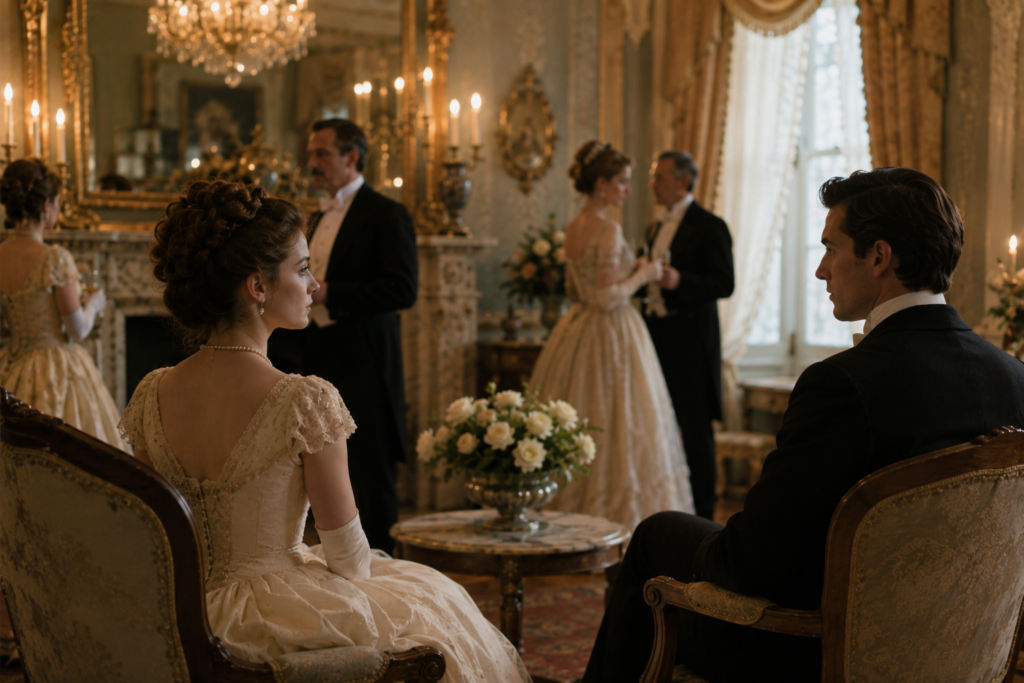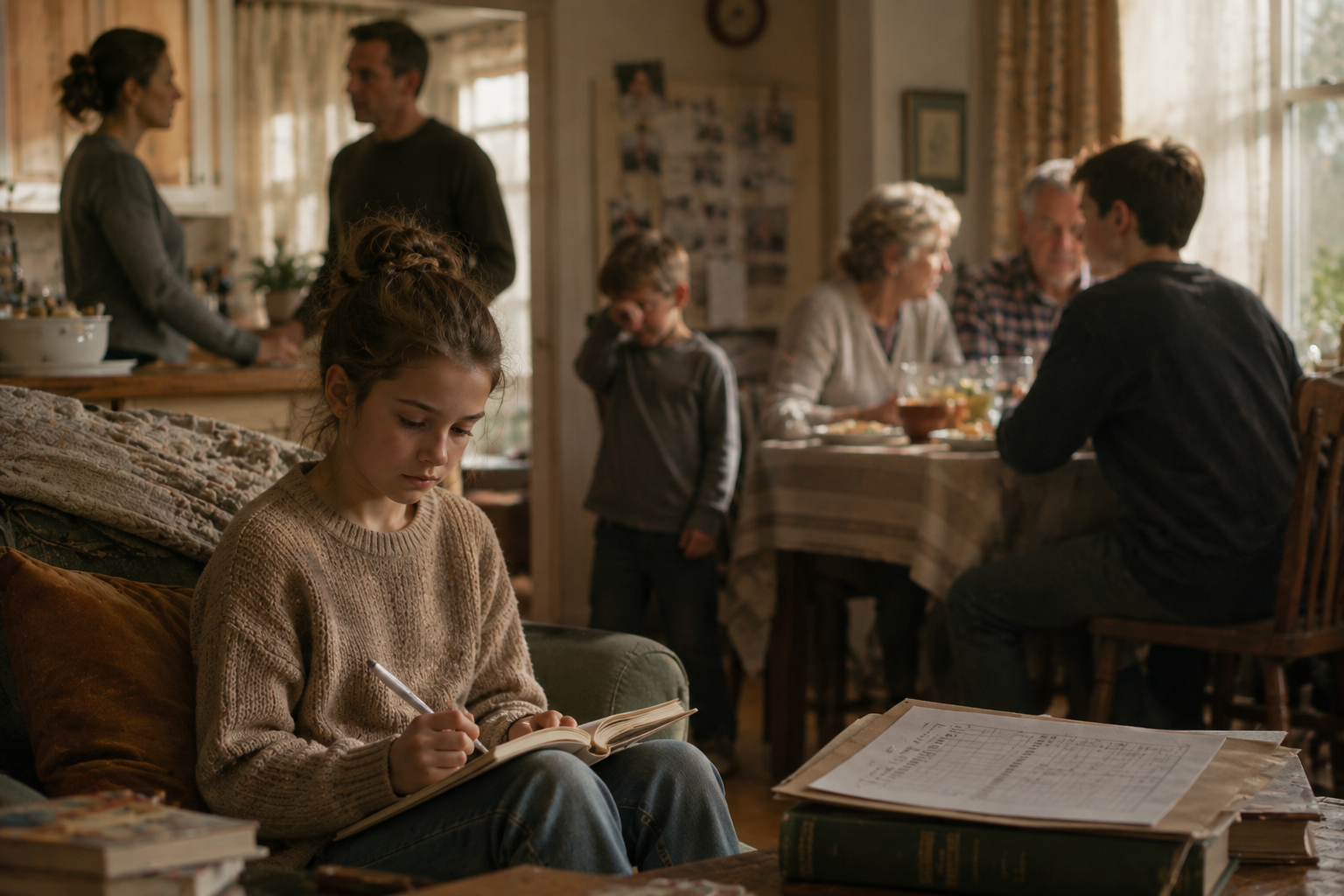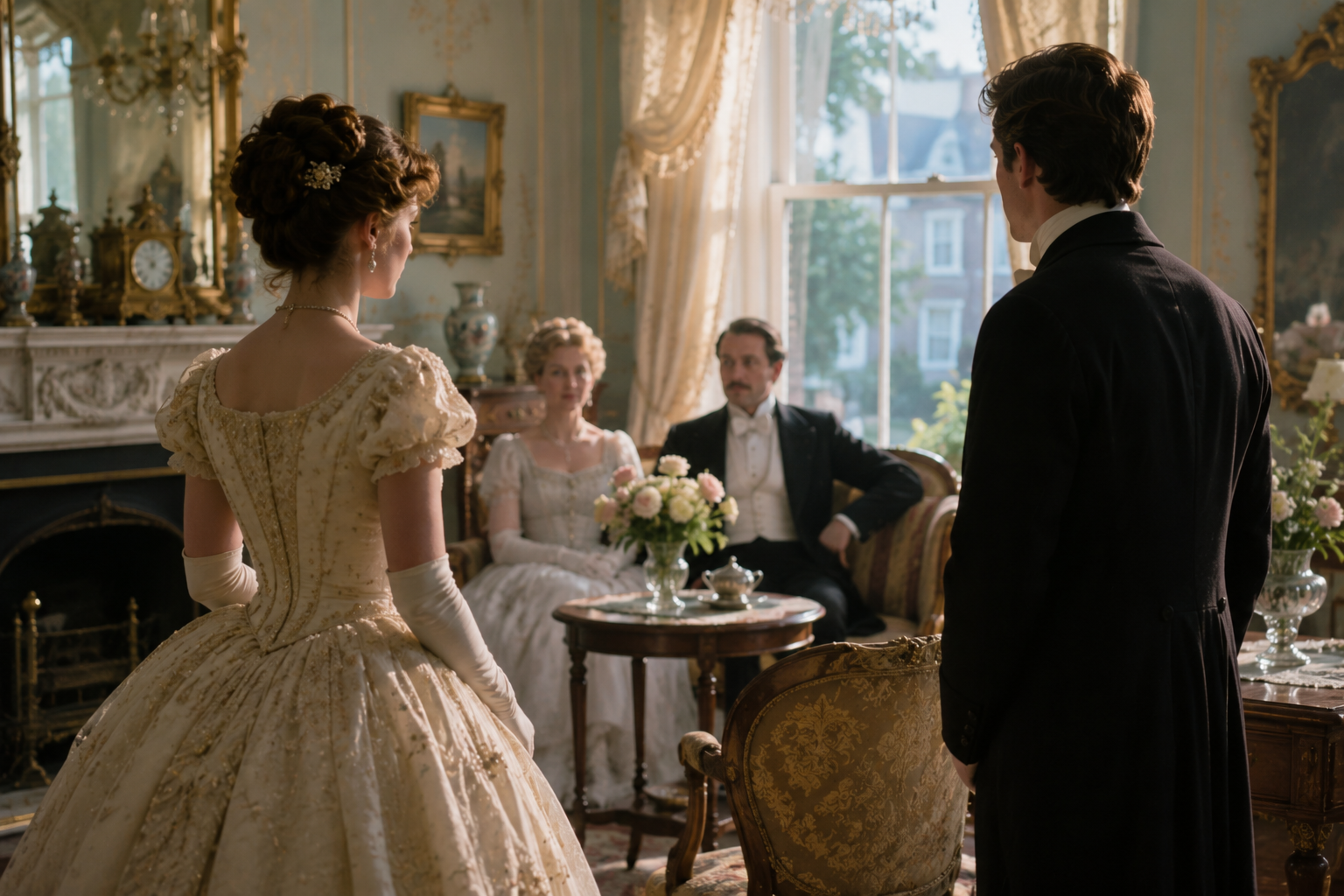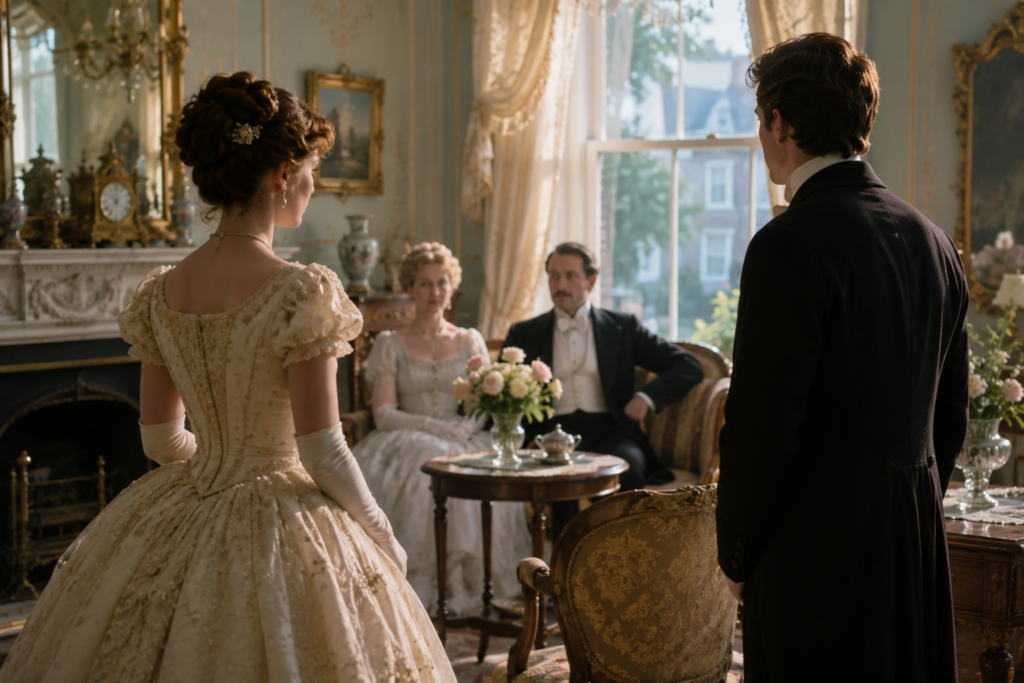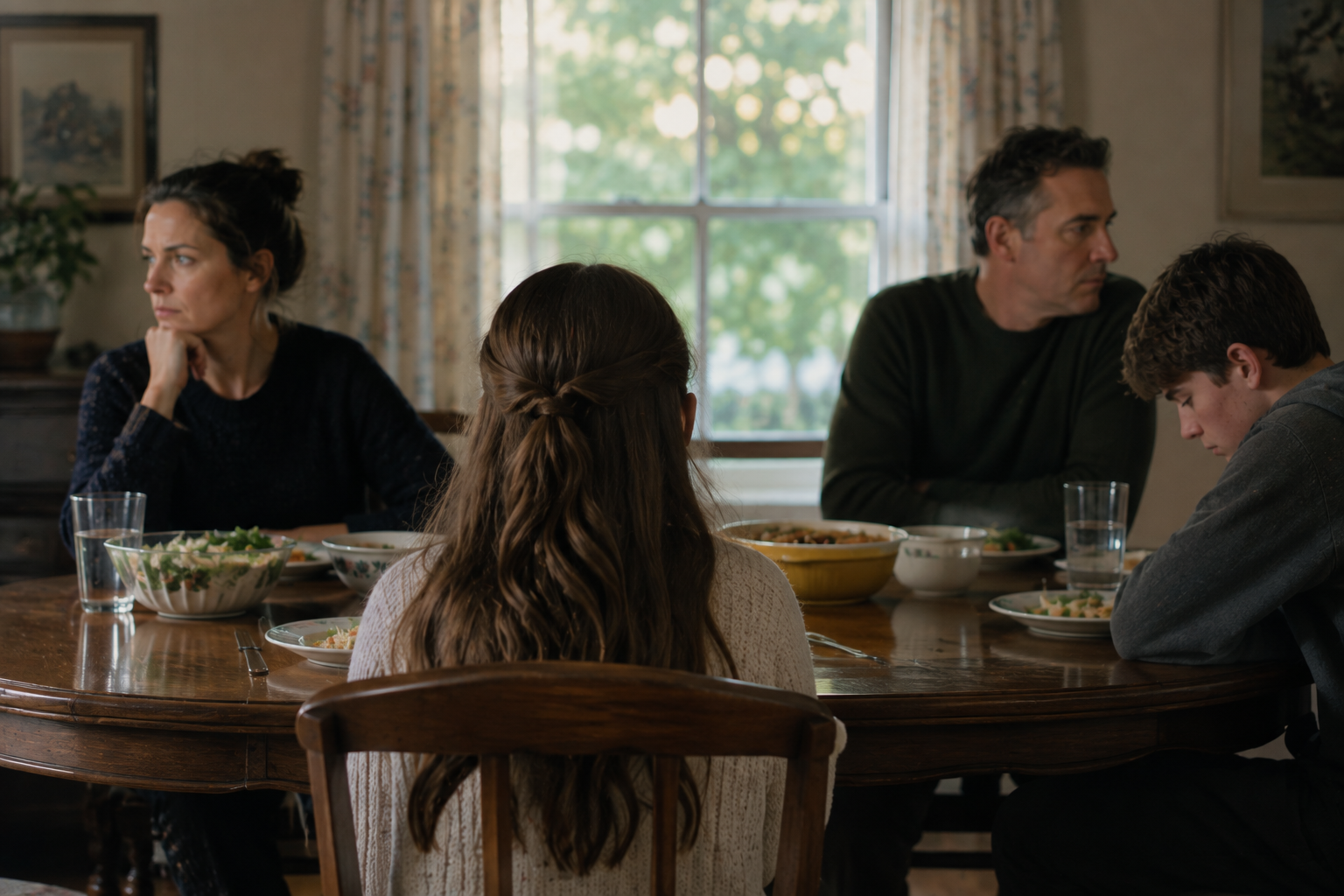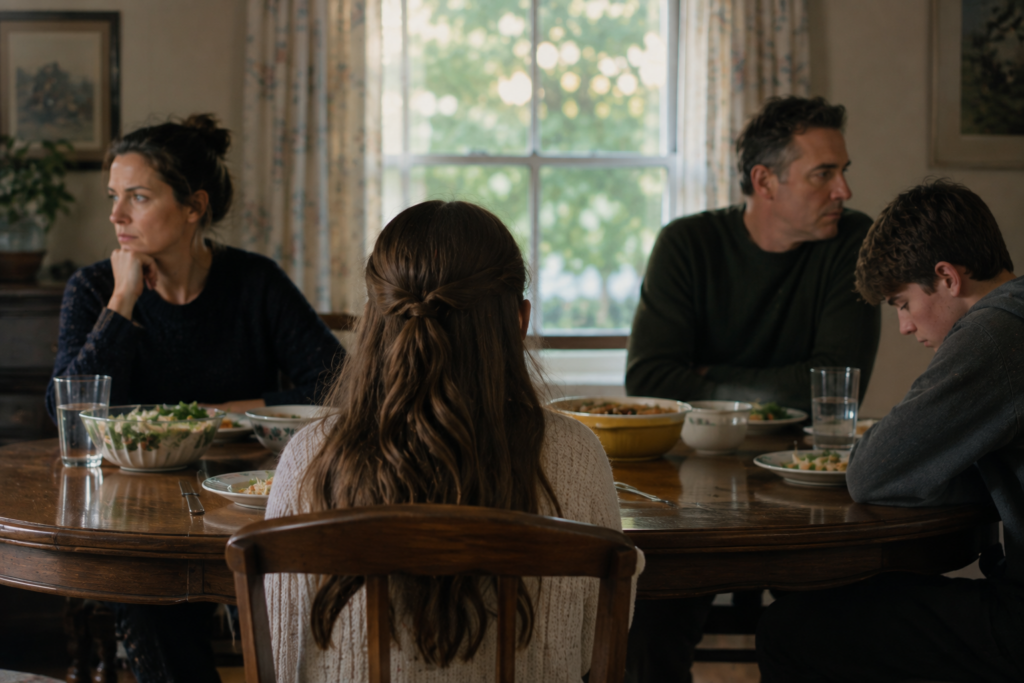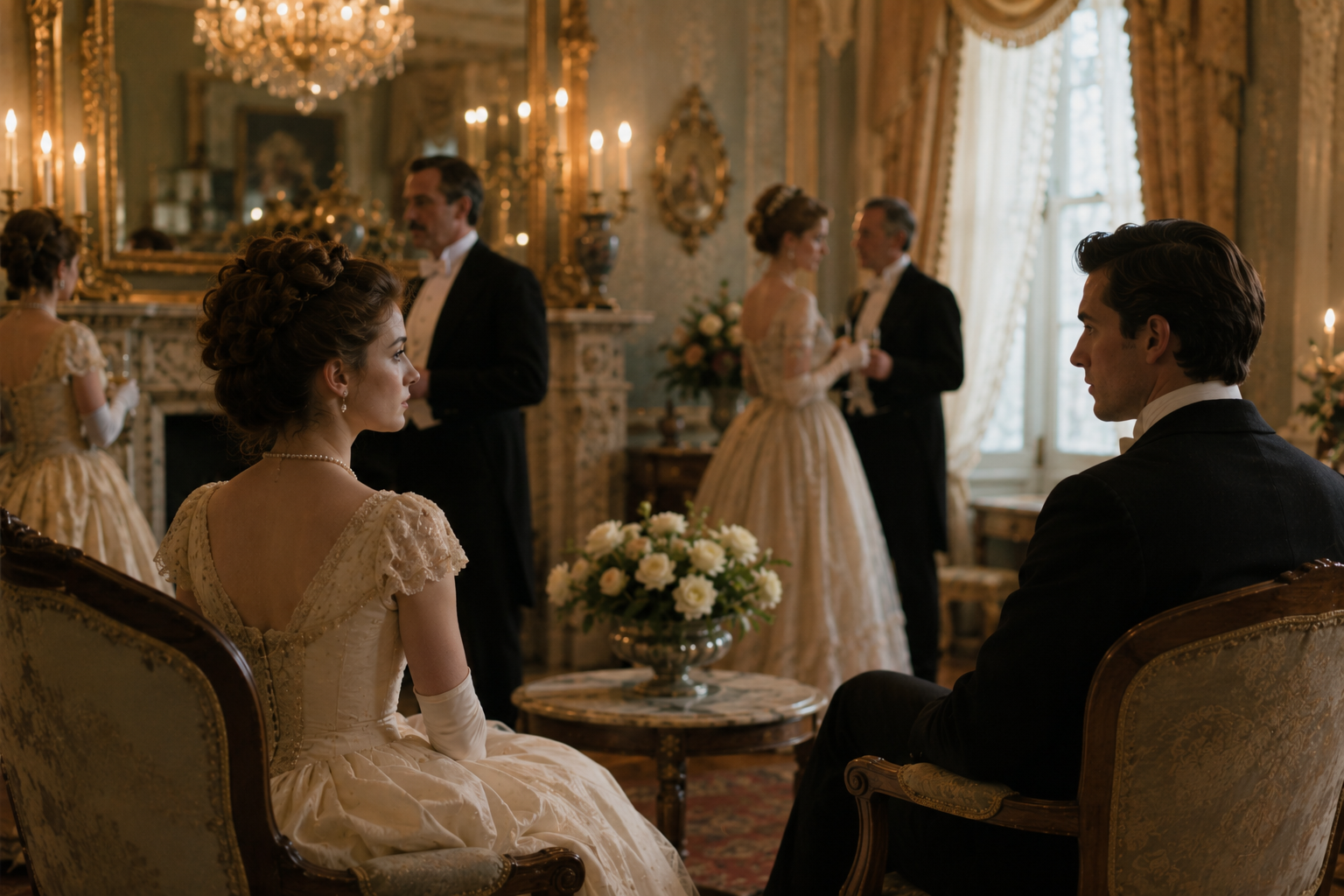
Magical Realism Prompts: When a Town Wakes Up Speaking in Strangers’ Voices

Magical realism prompt

What happens when the impossible arrives quietly?

Not with explosions. Not with portals opening in the sky. Not with monsters or prophecies.

Instead, imagine waking up one ordinary morning and discovering that your voice no longer belongs to you.

That is the strange emotional territory magical realism loves to explore.

In magical realism, impossible things enter everyday life without fully breaking it. People still go to work. Coffee still brews. School buses still arrive. The world continues almost normally, except for one impossible detail that reveals something hidden underneath ordinary life.

The following magical realism prompts explore a town where every person wakes up speaking in someone else’s voice.

Rather than focusing on spectacle or explanation, these prompts use magical realism to uncover grief, memory, resentment, tenderness, guilt, and longing. The magic itself is never fully explained because the emotional truth matters more than the mechanics.

Magical realism prompt

In This Guide

  • What makes a writing prompt magical realism
  • Why borrowed voices work as magical realism
  • How to write emotional magical realism stories
  • Five magical realism prompt ideas
  • Tips for writing magical realism fiction
  • FAQ about magical realism prompts

What Makes a Prompt Magical Realism?

Magical realism blends the ordinary world with one impossible element that characters accept as part of reality.

A magical realism story does not usually pause to explain the magic. The impossible simply exists beside everyday life.

A woman may float while hanging laundry. A town may forget insomnia exists. A child may hear ghosts during dinner. Nobody reacts as though they have entered a fantasy novel. Instead, the strange becomes woven into ordinary routines.

That emotional contrast is what gives magical realism its power.

In these prompts, the magical element is simple: everyone wakes up speaking in someone else’s voice.

But the emotional consequences become enormous.

Why the “Borrowed Voices” Idea Works So Well

The idea of borrowed voices creates instant emotional tension because voices carry identity.

A voice contains memory, history, pain, affection, fear, and social power. Hearing the wrong voice come from your own mouth would immediately force you to think differently about yourself and other people.

These prompts capture this beautifully by placing the impossible inside ordinary spaces like school buses, apartment buildings, diners, farms, and hospitals.

That contrast is deeply connected to magical realism.

The world itself remains recognizable. Breakfast still happens. Laundry still spins. Nurses still check monitors. The magic does not stop life. It exposes hidden emotional truths already buried inside it.

Magical Realism Prompt #1: The School Bus Route

One morning, a school bus driver begins her route exactly as she has for twenty-two years. But when she calls out the children’s stops, she speaks in the voice of a boy who drowned in the quarry the previous summer. Soon every child discovers they are speaking in someone else’s voice too. Some hear dead relatives. Others hear estranged parents, former friends, or complete strangers.

This magical realism prompt works because the impossible enters a completely normal setting.

The children still ride to school.

The driver still keeps both hands on the wheel.

Nobody fully understands what is happening, but the routine of the morning continues anyway.

A strong story could focus on one child who suddenly speaks in the voice of an absent father. Does the child use that borrowed voice to comfort their grieving mother? Or to finally say the painful things nobody in the family has admitted aloud?

The magic becomes a way of exploring emotional inheritance and unfinished conversations.

Magical Realism Prompt #2: The Apartment Building Above the Laundromat

In a worn apartment building above a laundromat, residents wake up speaking in the voices of people they have avoided for years. A landlord suddenly hears himself speaking with the stutter he had as a child. A nurse answers her phone in the voice of a patient she could not save. A retired man speaks with the voice of an immigrant neighbor whose name he never bothered to learn.

This prompt captures one of the strongest qualities of magical realism: emotional confrontation through quiet impossibility.

Nobody runs from monsters.

Nobody tries to save the world.

Instead, people are forced into uncomfortable intimacy.

The laundromat still hums downstairs. People still fry onions for dinner. Someone still complains about parking. Yet every conversation becomes emotionally charged because each borrowed voice carries history with it.

A story built from this prompt could focus on loneliness, prejudice, guilt, or the fear of truly seeing another person.

Magical Realism Prompt #3: The Diner Breakfast Crowd

At the local diner, the breakfast crowd notices the voice exchange over coffee and pancakes. The mayor now speaks with the voice of the woman who cleans city offices at night. A football coach orders breakfast in the delicate voice of his estranged daughter. A widower hears his late wife’s laughter coming from the waitress pouring coffee.

This prompt feels especially suited to magical realism because diners already function as emotional crossroads.

Everybody passes through.

Everybody overhears things.

Everybody carries private grief into public space.

The impossible event does not destroy the diner’s routine. Orders continue. Bacon still hisses on the grill. The waitress still refills cups.

That restraint matters.

Magical realism often becomes more powerful when characters react with uneasy acceptance rather than dramatic panic.

A story here could center on the waitress, who suddenly becomes the accidental witness to the town’s hidden emotional life.

Magical Realism Prompt #4: The Dairy Farm

On a small dairy farm outside town, a father and son wake up speaking in each other’s voices after months of emotional distance. The father’s words come out wounded and impatient. The son’s sound exhausted and weathered beyond his years.

This prompt works beautifully because magical realism often reveals emotional truths that realistic dialogue alone cannot reach.

The pair still completes morning chores.

They mend fences.

They feed calves.

They listen to radio reports describing the strange phenomenon spreading across town.

But now every sentence carries emotional weight neither person can avoid.

The magical element forces both characters to hear themselves through someone else’s experience.

That emotional reversal creates powerful opportunities for stories about family conflict, masculinity, regret, and forgiveness.

Magical Realism Prompt #5: The Maternity Ward

In the maternity ward, newborn babies begin crying in the voices of elderly townspeople. One infant cries with the rasp of a retired mailman. Another sighs with the voice of a woman who has sat in the same church pew for fifty years. A premature baby speaks with the exact voice of a man who disappeared decades earlier.

This may be the most haunting magical realism prompt in the collection because it blends birth with memory.

The story suddenly asks difficult questions.

Can a community ever escape its past?

Do families inherit emotional wounds before language itself?

Can forgiveness survive across generations?

The hospital remains ordinary. Nurses still check monitors and change sheets. Yet the impossible transforms every newborn cry into a reminder that memory never fully disappears.

A deeply emotional story could follow a mother who hears her child cry in the voice of someone she has spent years trying to forgive.

How to Write Better Magical Realism Stories

Many writers make the mistake of treating magical realism like fantasy with less worldbuilding.

But magical realism usually depends more on emotional realism than magical systems.

When writing from these prompts, focus less on explaining why the voices changed and more on what the change reveals.

Pay attention to ordinary details.

The smell of coffee.

The sound of tires on wet pavement.

The awkward silence after someone speaks with the wrong voice.

Magical realism becomes convincing when the emotional world feels authentic enough that readers accept the impossible detail beside it.

It also helps to resist overexplaining the magic itself.

Avoid giving a scientific or supernatural explanation for the voice exchange.

That ambiguity allows the emotional meaning to stay at the center of the story.

Key Takeaway

The best magical realism prompts do not use magic for spectacle.

They use impossible moments to reveal ordinary emotional truths.

A town waking up with borrowed voices becomes a way of exploring grief, loneliness, resentment, memory, forgiveness, and connection. The magic matters less than the emotional honesty it uncovers.

That is what magical realism does best.

It makes invisible feelings briefly visible.

Or in this case, audible.

FAQ About Magical Realism Prompts

What is a magical realism prompt?

A magical realism prompt combines ordinary reality with one impossible element that characters mostly accept as normal. The goal is usually emotional or symbolic exploration rather than fantasy adventure.

How is magical realism different from fantasy?

Fantasy often builds entirely separate worlds with detailed magical systems. Magical realism usually takes place in recognizable everyday settings where one strange event quietly exists beside normal life.

Do magical realism stories need explanations for the magic?

Usually not. In many magical realism stories, the mystery remains unresolved because the emotional meaning matters more than the mechanics.

What themes work well in magical realism?

Grief, memory, identity, family conflict, love, guilt, loneliness, cultural inheritance, and social tension often work especially well because magical realism reveals hidden emotional truths.

Why are ordinary settings important in magical realism?

Ordinary settings create contrast. The impossible feels more emotionally powerful when it appears beside everyday routines like cooking breakfast, riding a bus, or working a normal shift.

What Is Magical Realism? A Complete Guide to the Literary Genre

What is Magical Realism

Magical realism is one of the most fascinating forms of fiction because it asks readers to accept the impossible as if it were ordinary. In a magical realism story, ghosts may sit at the dinner table, flowers may fall from the sky for days, or a woman may rise into heaven while hanging laundry. Yet nobody reacts with shock. The magical event is treated as part of everyday life.

This mixture of the ordinary and the extraordinary creates a reading experience that feels emotional, symbolic, dreamlike, and strangely believable all at once.

Magical realism appears in novels, short stories, films, and even television. It has influenced generations of writers across Latin America, Europe, Asia, Africa, and the United States. Readers often connect magical realism with writers like Gabriel García Márquez, Isabel Allende, Salman Rushdie, and Toni Morrison, though the style has grown far beyond those names.

Understanding magical realism can help readers analyze literature more deeply and help writers create stories that feel emotionally rich and imaginative without fully entering fantasy territory.

Magical Realism

Key Takeaway

Magical realism is a literary style that blends realistic settings and believable human experiences with magical or impossible events that characters accept as normal. Unlike fantasy, magical realism does not build a separate world with special rules. Instead, it places the magical directly into ordinary life, often to explore memory, identity, history, trauma, family, culture, politics, or spirituality.

In This Guide

  • What magical realism means
  • The origins of magical realism
  • The defining characteristics of magical realism
  • How magical realism differs from fantasy
  • Why writers use magical realism
  • Common themes in magical realism
  • Famous magical realism books and authors
  • Examples of magical realism in literature
  • Symbolism and meaning in magical realism
  • How to identify magical realism in fiction
  • Tips for writing magical realism
  • Common misconceptions about magical realism
  • Frequently asked questions about magical realism

What Is Magical Realism?

Magical realism is a literary genre or style in which magical events appear within an otherwise realistic world. The setting usually resembles ordinary life. Characters work jobs, raise families, attend school, cook meals, and deal with grief, poverty, love, loneliness, or political conflict. Yet within this normal reality, impossible things occur naturally.

A dead relative may continue visiting family members for years.

A child may hear the thoughts of strangers.

A town may suffer insomnia so severe that people forget the names of objects.

Rain may last for years.

The key element is not simply that magic exists. The important detail is how the story treats the magic. Characters rarely question it. The narrator presents impossible events in the same calm tone used to describe daily life.

This creates a unique emotional atmosphere. The world feels realistic and unreal at the same time.

Magical realism often reflects the way memory, emotion, spirituality, folklore, and cultural belief systems shape human experience. It suggests that reality itself may be more mysterious than strict logic allows.

Magical realism often uses ordinary settings mixed with impossible events to reveal deeper truths about memory, identity, grief, history, or culture. Because of this, understanding how literary themes and symbols work can help readers recognize why magical realism feels emotionally powerful even when events seem unrealistic. If you are new to literary interpretation, this guide to literary themes can help you build a strong foundation before exploring the genre further.

The Origins of Magical Realism

The phrase “magical realism” first appeared in art criticism before becoming connected to literature.

German art critic Franz Roh used the term in 1925 to describe paintings that presented ordinary subjects with an eerie or mysterious quality. Later, literary critics began applying the term to fiction, especially works emerging from Latin America during the twentieth century.

Magical realism became strongly associated with Latin American literature during the literary boom of the 1960s and 1970s. Writers from this period combined political history, myth, religion, folklore, colonialism, and social struggle with impossible or dreamlike events.

One of the most influential works in the genre is One Hundred Years of Solitude by Gabriel García Márquez. The novel tells the story of the Buendía family across generations in the fictional town of Macondo. The story includes ghosts, prophecies, levitation, impossible weather, and miraculous events, yet the novel remains deeply grounded in human history and political conflict.

Other writers expanded magical realism into different cultural traditions. Isabel Allende explored family history and political violence. Salman Rushdie blended mythology, colonial history, and national identity. Toni Morrison used supernatural elements to examine slavery, trauma, and memory.

Today, magical realism exists worldwide and continues influencing contemporary fiction.

The Core Characteristics of Magical Realism

Although magical realism can appear in many forms, several characteristics commonly define the genre.

Realistic Settings

Most magical realism stories begin in a believable world. The setting resembles recognizable history or ordinary life.

The town may resemble a real village.

The family may experience realistic financial problems.

Political events may reflect actual historical conflicts.

The realism grounds the reader emotionally before magical elements appear.

This realistic foundation separates magical realism from high fantasy, where entirely invented worlds often dominate the story.

What is Magical realism

Ordinary Treatment of Magical Events

One of the clearest features of magical realism is the calm acceptance of impossible events.

Characters rarely scream in disbelief or demand scientific explanations.

Instead, the magical becomes part of everyday existence.

A grandmother may casually speak with spirits.

A child may float during emotional moments.

An entire village may accept prophetic dreams as ordinary truth.

The narrator also avoids dramatic explanation. The magical is presented with emotional seriousness and normality.

Blending Myth and Reality

Magical realism often mixes folklore, religion, superstition, oral storytelling, dreams, and mythology into daily life.

Stories may include:

  • ancestral spirits
  • curses
  • miracles
  • folk beliefs
  • prophetic visions
  • symbolic transformations
  • supernatural weather
  • impossible coincidences

These elements often reflect cultural traditions and collective memory.

Emotional or Symbolic Truth

Magical realism frequently values emotional truth more than scientific realism.

A magical event often symbolizes grief, trauma, love, guilt, memory, or social tension.

For example, a ghost may represent unresolved historical trauma rather than functioning simply as a horror element.

A magical event usually deepens emotional meaning instead of existing merely for spectacle.

One reason magical realism remains so memorable is that the magical elements usually function symbolically rather than randomly. A raining flower storm or a ghost at the dinner table often represents emotional truth rather than literal fantasy. Readers who want to study this more deeply may also find this guide to literary symbolism helpful.

A Matter-of-Fact Narrative Tone

The narration in magical realism usually sounds calm and controlled, even while describing impossible things.

This tone is essential.

If the narrator sounds shocked, frightened, or overly dramatic, the story begins moving closer to fantasy or horror.

The neutral tone encourages readers to accept the magical alongside the ordinary.

The Presence of Mystery

Magical realism rarely explains everything.

Readers may never learn why a miracle occurred or whether a supernatural event was objectively real.

The uncertainty becomes part of the reading experience.

The genre invites readers to live inside ambiguity rather than solving it.

How Magical Realism Differs from Fantasy

Many readers confuse magical realism with fantasy because both include impossible events. Yet the two genres operate very differently.

Fantasy Creates Separate Worlds

Fantasy often builds entirely new worlds with detailed systems, histories, species, or magical rules.

Examples include The Lord of the Rings by J. R. R. Tolkien or Harry Potter and the Sorcerer’s Stone by J. K. Rowling.

Magical realism usually stays inside the recognizable real world.

The town may resemble Colombia, India, the American South, or a modern city.

Magic appears inside ordinary reality instead of replacing it.

Fantasy Explains Magic

Fantasy often establishes clear magical systems.

Readers learn:

  • who can use magic
  • how magic works
  • what powers exist
  • what rules limit those powers

Magical realism rarely explains the impossible.

The magical simply exists.

Fantasy Centers Adventure

Fantasy stories often focus on quests, battles, kingdoms, prophecies, or heroic conflict.

Magical realism usually centers family life, memory, politics, identity, history, relationships, or emotional experience.

The magical supports deeper human themes rather than action-driven plots.

Characters React Differently

Fantasy characters often recognize magic as unusual or powerful.

Magical realism characters usually treat impossible events as ordinary.

This difference in reaction completely changes the atmosphere of the story.

Why Writers Use Magical Realism

Writers use magical realism because some human experiences feel larger than realism alone can express.

Grief can feel haunting.

Love can feel supernatural.

Memory can distort reality.

Political violence can feel surreal.

Trauma can make time feel broken.

Magical realism allows writers to express emotional and cultural truths that realistic fiction alone may struggle to capture.

Exploring Cultural Identity

Many magical realism writers use the genre to reflect cultures where folklore, spirituality, superstition, religion, and history remain deeply connected to daily life.

The magical elements often emerge naturally from collective cultural experience.

Addressing Historical Trauma

Magical realism frequently explores:

  • colonialism
  • slavery
  • dictatorship
  • war
  • displacement
  • generational trauma

The impossible may symbolize emotional wounds that history never fully resolves.

For example, haunting spirits may represent unresolved violence from the past.

Reflecting the Nature of Memory

Memory rarely behaves like strict realism.

People remember moments symbolically, emotionally, and imperfectly.

Magical realism captures this fluid quality of memory.

Time may loop.

The dead may feel present.

Objects may carry emotional power.

Reality may shift around emotional experience.

Challenging Western Rationalism

Some magical realism stories challenge the idea that only scientific or logical explanations matter.

The genre often leaves room for mystery, spirituality, intuition, dreams, and myth.

It suggests reality contains layers beyond strict rational explanation.

Common Themes in Magical Realism

Although magical realism stories vary widely, certain themes appear repeatedly.

Family and Generational History

Many magical realism stories follow families across decades or generations.

Family histories become intertwined with myth, memory, curses, or supernatural events.

Examples include:

  • inherited trauma
  • repeated names
  • family legends
  • ancestral ghosts
  • cyclical history

Memory and Forgetting

Characters often struggle with memory.

A town may literally forget language.

A character may carry memories physically.

The past may refuse to disappear.

Memory itself often becomes magical.

Identity and Belonging

Magical realism frequently explores cultural identity, immigration, race, gender, or national identity.

The magical may reflect feelings of displacement or divided identity.

Political Violence and Power

Many magical realism works critique governments, colonialism, dictatorship, or social inequality.

The magical allows writers to portray political realities in emotionally powerful ways.

Death and the Supernatural

Ghosts appear frequently in magical realism.

Unlike horror fiction, these ghosts are often emotional, symbolic, or familial rather than terrifying.

The boundary between life and death may feel thin and permeable.

Love and Desire

Love in magical realism often takes exaggerated or impossible forms.

Emotion may physically alter reality.

A character’s longing may shape weather, dreams, or time itself.

Famous Magical Realism Authors

Several authors helped define or expand magical realism.

Gabriel García Márquez

Perhaps the most famous magical realism writer, García Márquez transformed world literature with One Hundred Years of Solitude.

His fiction blends political history, myth, memory, and family drama with impossible events presented as normal life.

Isabel Allende

Known for The House of the Spirits, Allende combines family history, spirituality, politics, and emotional storytelling.

Her work often focuses on women, memory, and generational trauma.

Salman Rushdie

Rushdie’s Midnight’s Children uses magical realism to explore Indian history, colonialism, identity, and national transformation.

Toni Morrison

In Beloved, Morrison uses supernatural elements to confront slavery, memory, motherhood, and trauma.

The ghost in the novel carries emotional and historical significance.

Laura Esquivel

Like Water for Chocolate blends cooking, romance, family conflict, and magical emotional effects.

Food becomes emotionally transformative in supernatural ways.

Haruki Murakami

Murakami’s fiction often combines loneliness, dreams, alternate realities, and subtle supernatural experiences within modern life.

Examples of Magical Realism in Literature

One Hundred Years of Solitude

This novel includes levitation, prophetic manuscripts, ghosts, miraculous beauty, and impossible weather patterns.

Yet the emotional center remains deeply human.

The magical reflects the cycles of history, memory, and political violence.

Beloved

The dead child returning as a ghost represents unresolved trauma from slavery.

The supernatural element becomes inseparable from emotional truth.

Like Water for Chocolate

A character’s emotions transfer into food, affecting everyone who eats it.

Cooking becomes magical, emotional, and symbolic.

Midnight’s Children

Children born at midnight during India’s independence possess supernatural abilities.

The magical reflects national identity and political transformation.

The House of the Spirits

Spiritual visions, ghosts, and supernatural awareness blend with family history and political upheaval.

Magical Realism and Symbolism

Magical realism relies heavily on symbolism.

The magical event almost always means more than its literal surface.

A storm may symbolize grief.

A haunting may symbolize historical guilt.

A miraculous transformation may symbolize emotional awakening.

The magical becomes a language for emotional and social meaning.

This symbolic depth explains why magical realism appears frequently in literary fiction and academic analysis.

Readers are invited to interpret the impossible rather than simply observe it.

How to Identify Magical Realism in Fiction

Students often struggle to determine whether a story qualifies as magical realism.

Several questions can help.

Does the Story Take Place in a Mostly Realistic World?

If the setting resembles ordinary reality, magical realism becomes more likely.

If the story occurs in a fully invented kingdom with elaborate magical systems, it is probably fantasy.

Are Magical Events Treated as Normal?

This is one of the most important clues.

If characters calmly accept impossible events, the story may belong to magical realism.

Is the Focus Emotional or Symbolic?

Magical realism usually uses the impossible to explore deeper emotional or social truths.

The magic is meaningful rather than merely entertaining.

Does the Story Resist Full Explanation?

Magical realism often leaves mysteries unresolved.

Readers may never fully understand why impossible things happen.

Is the Tone Calm and Matter-of-Fact?

The narration often sounds emotionally controlled and realistic despite describing extraordinary events.

Common Misconceptions About Magical Realism

“Magical Realism Is Just Fantasy”

This is the biggest misunderstanding.

Fantasy creates alternative worlds and structured magical systems.

Magical realism places impossible events inside ordinary life without explanation.

“Anything Weird Counts as Magical Realism”

Surrealism, horror, fantasy, science fiction, and absurdism may all contain strange events, but they operate differently.

Magical realism specifically blends realistic life with accepted supernatural elements.

“Magical Realism Must Come From Latin America”

Latin American literature strongly shaped the genre, but magical realism now appears globally.

Writers from many cultures use magical realism to explore identity, history, and emotional experience.

“The Magic Exists Only for Entertainment”

In magical realism, supernatural events usually carry symbolic, emotional, historical, or political meaning.

The magic deepens the story’s themes.

How Magical Realism Affects Readers

Magical realism changes the way readers experience reality inside fiction.

The genre creates emotional openness.

Readers begin accepting mystery, ambiguity, and symbolic logic.

The impossible starts feeling emotionally believable.

This effect can feel deeply moving because magical realism mirrors the way humans actually experience life.

People already treat memory, grief, love, spirituality, dreams, and family stories as larger than logic alone.

Magical realism gives literary form to those experiences.

Tips for Writing Magical Realism

Writers interested in magical realism should focus less on spectacle and more on emotional atmosphere.

Begin With Reality

Start with believable settings, relationships, and emotional conflicts.

The realism creates grounding.

Introduce Magic Calmly

Do not overexplain supernatural events.

Present them naturally.

Treat the impossible with emotional seriousness rather than excitement.

Focus on Emotional Meaning

The magical element should reveal something emotionally true.

Ask what the supernatural symbolizes within the story.

Use Sensory Detail

Magical realism often feels vivid and physical.

Ground impossible events in concrete sensory description.

Leave Some Mystery

Avoid explaining every detail.

Ambiguity strengthens magical realism.

Draw From Folklore and Memory

Family stories, cultural traditions, dreams, myths, and personal memories can inspire powerful magical realism.

Magical Realism in Contemporary Fiction

Magical realism continues evolving in modern literature.

Contemporary writers use the genre to explore:

  • immigration
  • climate anxiety
  • race
  • gender
  • generational trauma
  • technology
  • displacement
  • political instability

Modern magical realism often blends literary fiction with speculative elements in subtle ways.

Many readers enjoy the genre because it feels emotionally honest while remaining imaginative.

Why Magical Realism Remains Popular

Magical realism remains powerful because reality itself often feels strange.

Human beings experience:

  • coincidence
  • intuition
  • dreams
  • grief
  • longing
  • memory
  • spiritual questions
  • emotional distortion

Strict realism cannot always capture these experiences fully.

Magical realism creates space for mystery while remaining emotionally grounded.

The genre reminds readers that reality contains both the visible and the invisible.

Where to Read More About Magical Realism

For readers who want to explore the genre more deeply, here are several sources that provide helpful background on magical realism and its literary traditions.

Encyclopaedia Britannica’s overview of magical realism offers a clear explanation of the genre’s origins, major characteristics, and cultural influence across fiction and art.

Writer’s Digest’s guide to magical realism gives writers a practical look at how magical realism works in storytelling, including common techniques and examples from contemporary fiction.

For a broader literary and cultural perspective, Poetry Northwest’s discussion of magical realism and the sociology of possibility examines how magical realism reshapes the way readers think about reality, imagination, and social experience.

Frequently Asked Questions About Magical Realism

What is the difference between magical realism and fantasy?

Fantasy usually creates separate worlds with clear magical systems and rules. Magical realism places impossible events inside ordinary reality and treats them as normal parts of life.

Is magical realism a genre or a style?

Critics debate this question. Some describe magical realism as a genre, while others view it as a literary style or narrative mode that can appear across different genres.

Who invented magical realism?

The term first appeared in art criticism through Franz Roh, though many writers later shaped the literary form associated with magical realism.

Why is Gabriel García Márquez important to magical realism?

García Márquez helped popularize magical realism worldwide through works like One Hundred Years of Solitude, which became one of the most influential novels of the twentieth century.

Is magical realism always symbolic?

Most magical realism includes symbolic meaning, though interpretations vary. The magical often reflects emotional, political, cultural, or psychological truths.

Can magical realism include ghosts?

Yes. Ghosts appear frequently in magical realism, especially as symbols of memory, trauma, family history, or unresolved conflict.

Is magical realism always serious?

Not necessarily. Some magical realism includes humor, irony, romance, satire, or absurdity alongside deeper emotional themes.

What are common magical realism themes?

Common themes include family history, memory, trauma, political violence, identity, spirituality, love, death, and cultural tradition.

Is Beloved magical realism?

Yes. Many scholars consider Morrison’s novel an important example of magical realism because it blends realistic historical trauma with supernatural elements treated as emotionally real.

Can beginners write magical realism?

Yes, though the style requires emotional subtlety and restraint. Strong magical realism depends more on atmosphere, symbolism, and tone than elaborate magical systems.

Final Thoughts on Magical Realism

Magical realism continues to captivate readers because it reflects the strange emotional texture of human life. The genre allows stories to move beyond strict realism without abandoning emotional truth.

In magical realism, the impossible does not replace reality. It reveals deeper layers within it.

Ghosts become memory.

Miracles become grief.

Weather becomes emotion.

History becomes haunting.

The magical becomes another language for understanding what it means to be human.

For readers, magical realism offers stories that feel dreamlike yet deeply personal. For writers, it provides a way to explore truth through symbolism, mystery, and imagination without losing touch with ordinary life.

That balance between realism and wonder is what makes magical realism one of the most enduring and emotionally powerful forms of fiction.

Of Mice and Men Literary Analysis Essay: How to Write a Strong One

Mice and Men

Writing an Of Mice and Men literary analysis essay can feel tough because the book is short but full of meaning. This guide will help you move from topic idea to thesis, then from evidence to a clear final draft.

You will learn how to build an argument about Steinbeck’s novel without just retelling the plot.

Mice and Men

In this Guide

Use this guide as a quick map before you write.

  • What a literary analysis essay should do
  • How to choose a strong focus
  • Thesis statement examples
  • Topic ideas for Of Mice and Men
  • Evidence suggestions from the novel
  • Helpful books and sources
  • FAQ and final takeaway

Start Your Of Mice and Men Literary Analysis Essay with a Clear Purpose

A strong essay should explain how a text creates meaning, not just what happens in the story.

In Of Mice and Men, John Steinbeck tells a simple story about George and Lennie, two workers who hope for a better life. Your job is to look deeper. Ask how Steinbeck uses character, setting, symbols, conflict, or tone to shape the reader’s view.

A plot summary says, ‘George and Lennie want a farm.’ A literary analysis says, ‘Steinbeck uses the dream of the farm to show how hope can both comfort and mislead people who live with little power.’

If you need a wider overview of essay structure, read our guide to writing a literary analysis essay. It pairs well with this Of Mice and Men literary analysis essay plan.

Choose a Focus for Your Of Mice and Men Literary Analysis Essay

Your essay becomes stronger when it studies one clear idea instead of many broad themes.

Many students start with a theme like loneliness or the American Dream. That is a good start, but it is not enough yet. You need an angle that shows what Steinbeck says about that theme.

For example, ‘loneliness’ is too broad. A sharper focus would be: ‘Steinbeck shows that loneliness can make people both cruel and desperate for connection.’

This focus keeps your Of Mice and Men literary analysis essay from drift. It also helps each body paragraph serve one main claim.

Think of how this works in other well-known books. In The Great Gatsby, a student should not just write about wealth. A stronger essay asks how wealth changes how people treat others.

Build a Thesis for an Of Mice and Men Literary Analysis Essay

Your thesis is the main argument your whole essay must prove.

A good thesis names the text, gives a clear claim, and points to how the author creates meaning. It should not sound like a fact from the plot.

Weak thesis: In Of Mice and Men, George and Lennie have a dream.

Stronger thesis: In Of Mice and Men, Steinbeck uses George and Lennie’s dream of owning land to show how hope can help people survive hardship, even when that hope is fragile.

Here are more thesis statement examples you can adapt:

  • Theme thesis: Steinbeck presents loneliness as a force that damages people’s sense of worth and pushes them to seek control over others.
  • Character thesis: Through George’s care for Lennie, Steinbeck shows that love can become a heavy moral burden in an unfair world.
  • Symbol thesis: The rabbits in Of Mice and Men symbolize Lennie’s dream of safety, but they also reveal how far that dream is from reality.
  • Setting thesis: Steinbeck uses the ranch as a harsh social world where workers compete for status because they lack real security.

Your Of Mice and Men literary analysis essay will feel much more focused if every paragraph connects back to one of these kinds of claims.

If thesis writing slows you down, the Literary Analysis Essay Toolkit gives you thesis frames, paragraph planners, and revision checklists made for student essays.

Use Evidence in Your Of Mice and Men Literary Analysis Essay

Good evidence does not speak for itself, so you must explain how it supports your claim.

Choose short quotes or moments that reveal a pattern. You do not need the longest quote. You need the most useful one.

For a theme essay on loneliness, you might study Crooks’s room and his talk with Lennie. Crooks lives apart from the other men, and his bitterness grows from that forced isolation.

For an essay on dreams, you might use the repeated description of the farm. The dream returns at key moments, which shows how much George and Lennie need it.

For an essay on power, you might study Curley’s behavior or the way the ranch workers treat Candy after his dog grows old. These scenes reveal a world where weakness can make a person unsafe.

Use this simple pattern in each body paragraph:

  • Make a clear point.
  • Use a short quote or scene.
  • Explain the meaning in your own words.
  • Connect it back to the thesis.

This pattern works for an Of Mice and Men literary analysis essay, but it also works for novels like To Kill a Mockingbird or Lord of the Flies.

Of Mice and Men Literary Analysis Essay Topic Ideas

The best topic gives you room to argue, not just describe.

Here are strong topic angles for your essay:

  • How Steinbeck uses the dream of the farm to explore hope and defeat
  • How loneliness shapes Crooks, Candy, or Curley’s wife
  • How George’s final choice creates a moral conflict for the reader
  • How animals in the novel reveal ideas about care, weakness, or control
  • How the ranch setting reflects life during the Great Depression
  • How Steinbeck presents friendship as both rare and costly

Once you pick a topic, turn it into a question. For example: ‘How does Steinbeck use Candy’s dog to prepare the reader for the ending?’ Your answer can become your thesis.

This step will help your Of Mice and Men literary analysis essay sound more original and less like a report.

Plan Body Paragraphs Before You Draft

A simple plan can save you from a messy essay.

Each body paragraph should cover one part of your thesis. If your thesis is about hope, loneliness, or moral choice, each paragraph should show a different piece of that idea.

Here is a sample plan for a thesis about the dream of the farm:

  • Body paragraph 1: The farm gives George and Lennie comfort in a hard world.
  • Body paragraph 2: The dream attracts others because many characters feel trapped.
  • Body paragraph 3: The collapse of the dream shows the limits of hope in an unfair society.

Be careful with your topic sentences. Do not start every paragraph with plot. Start with an idea.

Plot-based: Lennie talks about rabbits again.

Analysis-based: Lennie’s repeated focus on rabbits shows his need for a safe future he can understand.

For more help with paragraph shape, our literary analysis essay guide breaks down claims, evidence, and commentary in a clear way.

Add Context Without Letting It Take Over

Context can help, but the novel must stay at the center of your essay.

Of Mice and Men connects to the Great Depression, migrant labor, and the struggle for economic security. These facts can support your analysis, but they should not replace close reading.

A useful sentence might say: ‘The ranch reflects the unstable lives of workers during the Great Depression, which makes George and Lennie’s dream feel urgent.’

For quick background, you can use Britannica’s biography of John Steinbeck. You can also read the Nobel Prize profile on Steinbeck for a short view of his literary importance.

Helpful Books to Consider

These books can help you understand Steinbeck’s world and style.

If you shop on Amazon or use your school library, look for these titles:

  • Of Mice and Men by John Steinbeck
  • The Grapes of Wrath by John Steinbeck
  • Steinbeck: A Life in Letters edited by Elaine Steinbeck and Robert Wallsten

The first title is the main text. The other books can help you see Steinbeck’s wider concerns with work, poverty, and human dignity.

Common Mistakes to Avoid in an Of Mice and Men Literary Analysis Essay

Small choices can weaken your essay even when your idea is strong.

Do not write a full plot summary. Your teacher already knows the story. Focus on what Steinbeck does and why it matters.

Do not use quotes without commentary. After each quote, explain the word choice, symbol, contrast, or character action that supports your claim.

Do not make your thesis too broad. A claim like ‘Steinbeck shows life is hard’ is true, but it is not specific enough for a strong essay.

Do not ignore the ending. Even if your essay is not only about the final scene, the ending often changes how readers understand earlier dreams and choices.

FAQ: Of Mice and Men Literary Analysis Essay

Here are quick answers to common student questions.

What is a good thesis for an Of Mice and Men literary analysis essay?

A good thesis makes a clear claim about how Steinbeck creates meaning. For example: ‘Steinbeck uses George and Lennie’s dream to show how hope can comfort people who live with fear and uncertainty.’

What themes can I write about?

You can write about loneliness, dreams, friendship, power, mercy, or social inequality. Pick one theme and make a specific claim about it.

How many quotes should I use?

Use enough quotes to prove your points, but do not overload the essay. One strong quote or scene per body paragraph often works well.

Should I include historical context?

Yes, but keep it brief. Use context only when it helps explain the novel’s setting, conflict, or characters.

Can I write about George’s final choice?

Yes. That topic works well because it lets you analyze love, responsibility, and moral conflict in one focused argument.

Key Takeaway

A strong ending should remind you what matters most.

A strong Of Mice and Men literary analysis essay does not just explain the story. It proves how Steinbeck uses character, symbol, and setting to reveal hard truths about hope and human need.

Start with one focused claim, support it with careful evidence, and explain each quote with your own clear thinking. That is the heart of literary analysis. ✍️

Flash Memoir Prompt: First Time You Read Something that Made You Feel Less Alone

flash memoir prompt alone

A brief writing invitation about the first time a book, poem, essay, or line on a page made you feel seen instead of separate.

Maybe you remember sitting alone at a kitchen table, a school desk, a bus stop, or the edge of your bed, holding a book that suddenly seemed to know something about you. The room may have stayed the same, but something inside you shifted. A sentence named a feeling you had never said out loud.

This flash memoir prompt first time read something made you feel less alone is about that quiet shock of recognition. It is not really about proving that a text changed your whole life. It is about finding one small moment when words reached across the distance and said, “You too?”

flash memoir prompt alone

The Prompt

Write about the first time you read something that made you feel less alone.

This prompt can unlock a meaningful memory because reading is often private. No one else may have known what was happening inside you. You might have been reading a novel for class, a library book you picked at random, a poem online, a comic, a memoir, or even a paragraph in a magazine.

The power of this memory may come from contrast. Before the reading, you felt strange, embarrassed, left out, confused, or quiet. After the reading, you still had the same life, but you had a new kind of company.

Why This Memory Matters

Stories about reading can reveal who we were before we had the words for ourselves. You may remember the first character who had your fear, your family problem, your secret hope, or your sense of being different. You may remember a writer who made sadness feel less like a flaw.

This kind of flash memoir does not need a dramatic plot. The drama can be internal. A page turns. A line lands. Your shoulders loosen. You underline a sentence so hard the paper almost tears.

For students, this prompt can also connect personal writing to literary study. When a text makes you feel seen, you are already doing a form of close attention. If you want to explore that skill more deeply, you might enjoy this guide to what close reading means in literature.

The memory may also show how reading helped you survive a season of life. Maybe you were the new kid, the grieving kid, the quiet kid, the angry kid, or the kid who laughed at the wrong time because laughing felt safer than crying.

A strong response to this flash memoir prompt first time read something made you feel less alone should stay close to the moment. Let the reader feel the room, the book in your hands, and the strange comfort of being understood by someone you had never met.

How to Approach This Prompt

Begin with one physical detail. Do not start by explaining the entire backstory. Start with the book’s cracked spine, the fluorescent classroom light, the smell of a used paperback, or the way your thumb rested under one sentence.

Then narrow the memory to one scene. Where were you? How old were you? What did you read? What sentence, character, or idea caught you off guard?

Write what you noticed before you explain what it meant. For example, you might write, “I read the same paragraph three times,” before you write, “It was the first time I knew other people felt that kind of loneliness.” This lets the reader discover the meaning with you.

If you saved the book, remember what it looked like. If you do not remember the title, that is okay. You can write around the missing detail. Sometimes the emotional truth matters more than the exact citation.

If the text was assigned in school, you might also write about the gap between the classroom discussion and your private reaction. Maybe everyone else talked about themes while you sat there thinking, “This is me.” If you like marking those private reactions as you read, this guide on how to annotate literature can help you turn small notes into stronger reflections.

Try to avoid telling the whole story of your life. This is a flash memoir prompt. Let one reading moment carry the weight. Trust the small scene.

A Quick Example

I was twelve, hiding in the school library during lunch because the cafeteria felt too loud. I pulled a thin paperback off the shelf because the cover was blue, my favorite color that year. I do not remember the title now, but I remember a girl in the story counting ceiling tiles while her parents argued downstairs. I stopped reading and looked up at the library ceiling. Square tiles. Water stain near the vent. Someone else knew that trick. Someone else had made a game out of waiting for noise to pass. I kept my finger on the sentence so I would not lose it. When the bell rang, I checked out the book and carried it against my chest like proof.

Try It Yourself

Set a timer for ten minutes and write the scene as clearly as you can. Begin with where you were, then move toward the line, page, or character that found you.

You do not have to explain why the reading mattered right away. Let the memory unfold. Let the younger version of you react honestly, even if the feeling seems small now.

If you get stuck, use this sentence starter: “I did not know anyone else felt that way until I read…” Then follow the memory wherever it leads.

This flash memoir prompt first time read something made you feel less alone can become a tender piece about books, school, family, identity, or grief. It can also become a funny piece about the strange comfort of meeting yourself in an unexpected place.

Want More Flash Memoir Prompts?

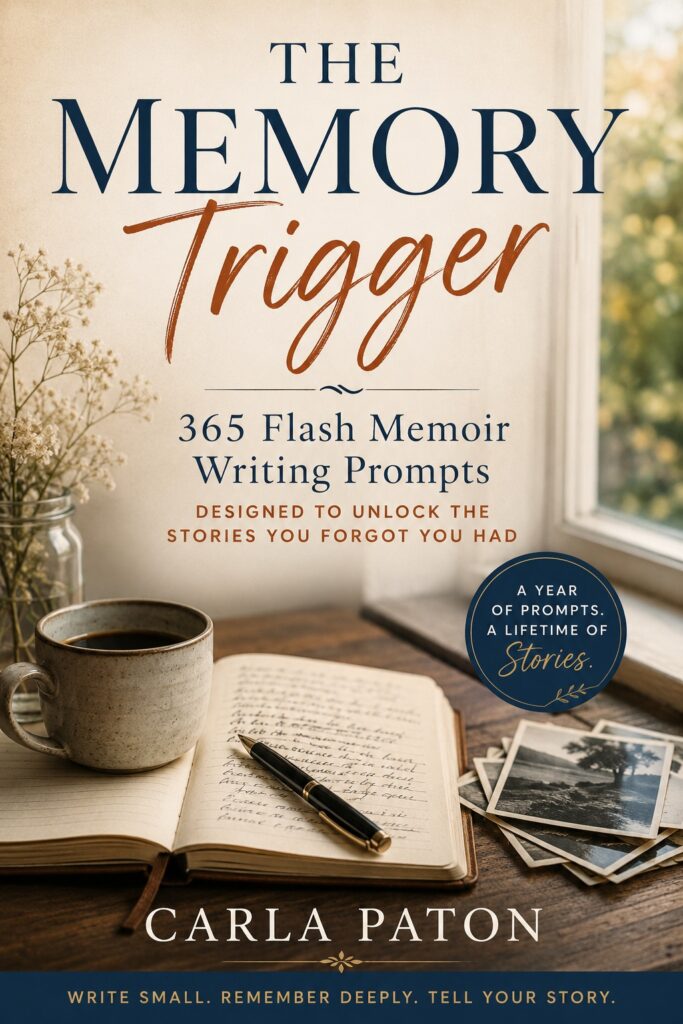
Explore all 365 prompts in The Memory Trigger: 365 Flash Memoir Writing Prompts.

Themes in Macbeth: A Student-Friendly Guide

Themes in Macbeth

The themes in Macbeth help explain why Shakespeare’s tragedy still feels intense and easy to debate. This guide breaks down ambition, guilt, fate, power, and false appearances in a way students can use for class essays.

In this Guide

  • Why the play’s themes matter
  • Ambition and moral collapse
  • Guilt and the mind
  • Fate and free will
  • Appearance versus reality
  • Power, disorder, and kingship
  • Books, links, and FAQ
Themes in Macbeth

Why the themes in Macbeth matter

Shakespeare uses themes to turn a murder story into a study of human weakness.

Macbeth is not only about a man who wants to be king. It is about what happens when desire outruns conscience.

Theme helps you move beyond plot summary. Instead of saying, “Macbeth kills Duncan,” you can ask why he does it, what it costs him, and what Shakespeare may be saying about power.

If you want help connecting theme to a character’s choices, this guide on how to analyze characters in literature can help you build stronger paragraphs.

Themes in Macbeth: Ambition and its dangers

Ambition drives Macbeth forward, but it also destroys his judgment.

Of all the themes in Macbeth, ambition is the one most students notice first. Macbeth begins as a brave soldier, but the witches’ prophecy wakes a desire he cannot control.

Lady Macbeth also links ambition to action. She pushes Macbeth to prove himself by taking the crown. Yet both characters learn that getting power does not bring peace.

Shakespeare does not say ambition is always evil. The problem is ambition without moral limits. Macbeth wants greatness, but he cuts himself off from loyalty, mercy, and truth.

This idea appears in other classics too. In Mary Shelley’s Frankenstein, Victor wants to master life itself, and his unchecked desire leads to ruin.

Themes in Macbeth: Guilt and the divided mind

Guilt becomes a punishment that no crown can erase.

One of the strongest themes in Macbeth is guilt. After Duncan’s murder, Macbeth hears voices and fears he will never sleep again.

Sleep becomes a key symbol. To Macbeth, sleep means innocence and calm. Once he murders Duncan, he loses both.

Lady Macbeth tries to reject guilt at first. She tells Macbeth that a little water will clear them. Later, she sleepwalks and imagines blood on her hands.

The famous “Out, damned spot!” scene shows that guilt lives inside the mind. No public victory can silence private shame.

This theme is similar to Dostoevsky’s Crime and Punishment, where a murderer’s inner life becomes part of the punishment.

Themes in Macbeth: Fate, prophecy, and free will

The witches predict the future, but Macbeth chooses how to act.

The witches create one of the play’s biggest questions. Is Macbeth trapped by fate, or does he freely choose evil?

The prophecy says Macbeth will become king. It does not say he must murder Duncan. That gap matters.

Macbeth treats the prophecy like permission. He lets the idea of kingship shape his choices until he becomes dependent on more predictions.

Shakespeare keeps the answer uneasy. Fate may tempt Macbeth, but it does not force the dagger into his hand.

Themes in Macbeth: Appearance versus reality

Many characters hide truth behind a false face.

Appearance versus reality is one of the key themes in Macbeth because the play is full of masks. Characters speak with loyalty while they plan betrayal.

Lady Macbeth tells her husband to “look like the innocent flower” while hiding a deadly purpose. This image makes deception seem beautiful on the surface, but rotten underneath.

Duncan also misreads people. He trusts Macbeth just as he once trusted the old Thane of Cawdor. His kindness makes the betrayal feel more painful.

The witches add to this confusion with lines like “Fair is foul, and foul is fair.” In their world, moral signs cannot be trusted.

Other important themes in Macbeth

The play also explores power, disorder, and what makes a ruler legitimate.

These themes in Macbeth matter because Duncan’s murder breaks more than a family line. It damages the natural and political order of Scotland.

After Duncan dies, strange events follow. Darkness covers the day, animals act against nature, and Scotland becomes filled with fear.

Macbeth holds the title of king, but he lacks true authority. He rules through violence, not justice.

Malcolm’s return suggests that good kingship depends on self-control and care for the people. Shakespeare contrasts tyranny with lawful rule.

For more background on Shakespeare’s life and world, see Britannica’s William Shakespeare biography. You can also read the full play at the Folger Shakespeare Library.

How to write about the themes in a Macbeth essay

A strong theme paragraph connects a big idea to a specific choice or image.

Start with a clear claim. For example, Shakespeare shows that ambition becomes destructive when it breaks away from conscience.

Then use a short quote or scene. The dagger vision, the sleepwalking scene, or the witches’ prophecies can all support a strong point.

After the evidence, explain how the moment reveals meaning. Do not stop at what happened. Show why it matters.

Helpful books for studying Macbeth

A good edition can make the play much easier to understand.

  • Macbeth by William Shakespeare, Folger Shakespeare Library edition
  • Shakespeare: The World as Stage by Bill Bryson

FAQ about themes in Macbeth

Here are short answers to common student questions.

What are the main themes in Macbeth?

The main themes are ambition, guilt, fate versus free will, appearance versus reality, and the abuse of power.

What is the most important theme in Macbeth?

Ambition is often seen as the central theme because it causes Macbeth’s rise and fall.

How does guilt affect Macbeth?

Guilt makes Macbeth fearful, restless, and violent. Instead of stopping him, it pushes him deeper into crime.

Do the witches control Macbeth?

No. They tempt him with prophecy, but Macbeth still makes his own choices.

Key Takeaway

The themes in Macbeth show how quickly power can corrupt a person who ignores conscience. Shakespeare’s play lasts because its questions about desire, fear, and moral choice still feel real today.

Book Review: Lita Kurth’s Writing Memoir in Flashes

Writing Memoir in Flashes: Creative Ways to Tell Your True Stories, One Memory at a Time by Lita Kurth

My rating: 5 of 5 stars

A Practical, Encouraging Guide That Helped Me Write a Publishable Flash Memoir

Lita Kurth’s Writing Memoir in Flashes is one of the most useful writing books I have read in a long time because it does exactly what a good creative writing guide should: it makes you want to stop reading and start writing. This book is warm, practical, generous, and deeply encouraging without ever claiming that memoir is easy. Kurth recognizes that writing true stories can be sensitive work. It can evoke sadness, embarrassment, humor, desire, remorse, and astonishment. Rather than seeing them as hurdles, she shows how they can become the very substance of a vigorous flash memoir.

I liked the book’s emphasis on small moments the most. Kurth does not ask any writer to make sense of their life or pin down a clear meaning to their past. She asks them to begin with an image, an object, a family saying, a food memory, a first time, a last time, or a single strong scene. Such a strategy makes memoir possible. Furthermore, it pays tribute to how memory works. Life does not have easily recognizable or clean chapters. We remember the drawer, the scent, the weird thing someone said, the room where something shifted.

The prompts are superb. They strike a level of specificity that snowballs the writer into action while leaving enough room to lead somewhere unexpected. I was drawn back to memories I hadn’t thought of in years. Most importantly, the exercises produced actual pages, not mere inspiration. I have already written a flash memoir using these methods, and it was accepted for publication. This is likely the highest compliment I can pay it. It does not simply make you feel like a writer. It helped me write something substantial to share with the world.

Kurth’s tone is also strong. She writes like a teacher who believes in her students but refuses to lie to them. She promotes honest, detailed writing, revision, reading aloud, and reflection on truth, fairness, and others’ privacy. I found the writing about families and the ethical questions surrounding memoir particularly helpful. The pages present the complexity of writing about oneself.

For some readers, the only flaw is that the book feels more like a workshop than a craft book. Through examples, reflections, prompts, and advice, it has a conversational feel. I liked this, but if you’re after a strict step-by-step system, you may find it a little loose. Nevertheless, this ambiguity fits the subject closely. This book respects that flash memoir often begins in fragments.

Overall, Writing Memoir in Flashes is an effective and emotionally astute guide for anyone seeking to write true stories, one memory at a time. It is especially valuable for writers who feel their lives are too banal to matter. Kurth demonstrates that no life is too insignificant for art when the writer pays sufficient attention.

View all my reviews

Flash Memoir Prompt: First Time You Cooked Something for Yourself

flash memoir prompt

That first meal you made alone may have tasted strange, smoky, or better than expected, but it probably carried a small charge of independence. This flash memoir prompt about the first time you cooked something invites you to return to one simple kitchen moment and notice what changed inside you.

flash memoir prompt

The Prompt

Write about the first time you cooked something for yourself.

At first, this may seem like a small memory. Maybe you made scrambled eggs before school. Maybe you heated soup in a dented pot. Maybe you burned toast and called it dinner anyway.

But food memories often hold more than food. They hold hunger, need, pride, loneliness, freedom, and the quiet shock of realizing you can take care of yourself in some small way. A flash memoir prompt first time cooked something gives you a clear scene to enter, which helps you avoid trying to explain your whole life at once.

Stay with the moment. The pan. The smell. The mistake. The bite you took when nobody else was watching.

Why This Memory Matters

The first time you cooked for yourself may have marked a shift you did not understand at the time. You may have been a child trying to prove you were grown. You may have been a college student with an empty fridge and a cheap saucepan. You may have been newly alone, feeding yourself because no one else was there to do it.

This memory can reveal how you learned independence. It can also reveal what you believed about care. Did cooking feel like freedom? Did it feel like proof that you had been left to figure things out too soon? Did it feel funny, clumsy, or proud?

You do not need a dramatic scene for this prompt to work. A burned grilled cheese can carry a whole story. So can a bowl of instant noodles eaten at a quiet table. The meaning often hides in the ordinary detail.

If you are a student, this kind of writing can also help you practice finding meaning in a scene. The same skill appears when you identify theme in literature: you notice what happens, then ask what deeper truth it points toward.

How to Approach This Prompt

Begin with one physical detail. Do not start by explaining your age, your family, or the whole situation. Start with the thing you remember most clearly.

Maybe it was the sound of oil popping in the pan. Maybe it was the sticky handle of a wooden spoon. Maybe it was the way the microwave light made the kitchen look yellow at night.

Once you have that detail, narrow the memory to one scene. Keep yourself in the kitchen or wherever you cooked. Let the reader see what you did with your hands. Let them hear the cupboard door, the timer, the scrape of a fork on a plate.

Try to write what you noticed before you explain what it meant. For example, instead of starting with “That was the day I became independent,” you might write, “I stood on a chair to reach the skillet and hoped my mother would not hear it hit the stove.” That sentence gives the reader a scene. The meaning can arrive later.

If you like marking up stories for important details, you can use a similar habit in your own draft. After you write, reread and underline the strongest images. This guide on how to annotate literature can help you think about what to notice on the page, even when the page is your own memory.

For this flash memoir prompt first time cooked something, avoid trying to tell every meal that came after. You are not writing your full history with food. You are writing one moment when you met yourself in a new way.

A Quick Example

I was eleven when I made my first egg. My father was asleep on the couch, one arm over his eyes, and the house had that late-afternoon heat that made everyone quiet. I pulled the small pan from the lower cabinet and cracked the egg too hard. Half the shell fell in. I picked it out with my fingers, proud and disgusted at the same time. The butter browned before I knew what to do, so the egg came out with crisp edges and a soft middle. I ate it standing at the counter with too much salt. Nobody clapped. Nobody asked if I was hungry. But when I washed the plate, I remember thinking, I did that. It was a small thought, but it stayed.

Try It Yourself

Set a timer for ten minutes and write the scene without stopping. Begin with the kitchen, the tool, or the first thing that went wrong. Let the memory stay small.

If you get stuck, write this sentence and keep going: “The first thing I remember is…” Then name the object in your hand or the smell in the room.

You do not have to make the memory neat. You do not have to turn it into a lesson. Just tell the truth of what it felt like to feed yourself that first time, whether it felt happy, lonely, awkward, or brave.

When you finish, read your piece once and look for the sentence that feels most alive. That sentence may be the heart of the memoir.

Want More Flash Memoir Prompts?

If this flash memoir prompt first time cooked something helped you find a clear memory, keep going with short, focused writing sessions. Explore all 365 prompts in The Memory Trigger: 365 Flash Memoir Writing Prompts.

Themes in Of Mice and Men: A Student-Friendly Guide

themes in of mice and men

The themes in Of Mice and Men help students see why John Steinbeck’s short novel still feels powerful. The book is about two migrant workers, but it also asks hard questions about dreams, loneliness, power, and mercy.

This guide explains the major ideas in clear language so you can use them in class discussion, essays, or AP Literature notes.

This article contains affiliate links.

In this Guide

  • Why the novel still matters
  • The American Dream
  • Loneliness and isolation
  • Friendship and responsibility
  • Power, weakness, and injustice
  • Symbols that support the themes
  • How to write about the novel
  • FAQ
themes in of mice and men

Why the themes in Of Mice and Men Still Matter

Steinbeck writes about a small group of workers, but their problems feel much bigger than one ranch.

The themes in Of Mice and Men matter because they connect private pain to public hardship. George and Lennie want a home, safety, and control over their lives. Those hopes sound simple, but the world around them makes those hopes hard to reach.

The novel takes place during the Great Depression, when many workers moved from job to job. They had little money and almost no security. You can learn more about Steinbeck’s life and context through the Britannica profile of John Steinbeck.

Like The Grapes of Wrath, this book shows how poverty can crush people’s plans. It also shows how people hold on to hope even when hope seems fragile.

Main Themes in Of Mice and Men Students Should Know

Most strong essays on this novel start with a theme and then connect it to character choices.

The main themes in Of Mice and Men include the dream of a better life, the pain of loneliness, and the abuse of power. These ideas do not sit apart from each other. They overlap in almost every major scene.

George and Lennie’s dream farm gives them hope. Candy joins the dream because he fears becoming useless. Crooks wants in for a moment because he also wants safety and belonging.

Each character shows a different side of the same problem. They all want a place where they matter. Steinbeck suggests that this need is human, but the world of the ranch makes it hard to protect.

The American Dream in Of Mice and Men

The dream farm is the heart of the novel’s hope and heartbreak.

George and Lennie dream of owning a small piece of land. They want rabbits, crops, and freedom from bosses. To them, the farm means dignity.

This dream is powerful because it is so modest. They do not want to be rich. They just want peace and control over their days.

Yet the novel keeps warning us that the dream may not survive. George has told the story many times, almost like a bedtime tale. Lennie loves to hear it because it makes the future feel safe.

In this way, Steinbeck questions the American Dream. He asks whether hard work is enough when poverty, disability, and social class stand in the way.

Loneliness and Isolation

Nearly every character in the novel feels cut off from others.

George says that ranch workers are the loneliest people in the world. They travel alone, spend their money, and move on. His friendship with Lennie makes him different.

Crooks is isolated because of racism. He lives apart from the other men and knows that the dream of equality is not real for him. Curley’s wife is isolated because she is the only woman on the ranch and because the men treat her as a threat instead of a person.

Candy fears loneliness too. After his old dog is killed, he sees his own future more clearly. He worries that age will leave him unwanted.

This theme helps explain why the dream farm matters so much. It is not only about land. It is about escape from being alone.

Friendship, Loyalty, and Responsibility

George and Lennie’s bond gives the novel its emotional center.

George often complains about Lennie, but he still protects him. Lennie depends on George for almost everything. Their friendship is not simple, but it is real.

Steinbeck shows that loyalty can be both loving and painful. George cares for Lennie, but that care also traps him. He cannot live the free life he sometimes imagines.

This makes the ending so hard. George’s final choice forces readers to ask what mercy means. Is it an act of love, an act of despair, or both?

Students can compare this to works like Romeo and Juliet, where love leads to painful choices. In both texts, strong bonds shape tragic endings.

Power, Weakness, and Injustice

The ranch has a clear social order, and the weakest people suffer most.

Curley uses his status to threaten others. He is the boss’s son, so men fear him even when they dislike him. His power does not make him wise or kind.

Other characters lack power for different reasons. Lennie has great physical strength, but he has little social protection. Crooks is smart and sharp, but racism limits his life. Curley’s wife has some power over Crooks in one scene, yet she also has almost no freedom of her own.

Steinbeck does not present power as simple. A person can be hurt in one moment and hurt someone else in the next. That makes the novel more honest and more troubling.

How Symbolism Supports the Themes in Of Mice and Men

Symbols help Steinbeck show big ideas through small details.

When you study the themes in Of Mice and Men, pay close attention to animals, settings, and repeated images. Lennie’s dead mouse, Candy’s dog, and the rabbits all point to innocence, danger, and loss.

Candy’s dog is one of the clearest symbols. The dog is old and no longer useful, so the men decide it should die. This moment reflects Candy’s fear that the ranch will one day treat him the same way.

The rabbits symbolize Lennie’s dream of comfort. They also show how gentle desires can become dangerous when Lennie cannot control his strength.

If you want more help with this skill, read our guide on how to find symbolism in a story. It can help you turn small details into stronger essay points.

Fate, Foreshadowing, and Tragedy

The novel feels tragic because the ending is prepared from the start.

Steinbeck uses foreshadowing to build dread. Lennie kills small animals by accident. George tells him to hide in the brush if trouble comes. Candy regrets not killing his own dog himself.

These moments prepare us for the ending. They make the final scene feel shocking but not random.

The structure is close to classical tragedy. A character has a deep flaw or limit, the world gives little mercy, and the result feels almost unavoidable. Lennie does not mean harm, but his lack of control creates danger.

Nature, Violence, and the Loss of Innocence

The natural world in the novel looks peaceful, but danger is never far away.

The book opens near the river, a place that seems calm and safe. By the end, the same setting becomes the place of George’s terrible choice. Steinbeck uses this return to show how innocence has been lost.

Animals are central to this idea. Lennie loves soft things, but his touch often ends in harm. The pattern shows the gap between intention and result.

This theme is useful for essays because it links character, plot, and symbol. Lennie wants gentleness, but the world of the novel turns gentleness into grief.

How to Write About the Themes in Of Mice and Men

A strong essay needs a clear claim, not just a topic.

A strong essay about the themes in Of Mice and Men should explain what Steinbeck is saying about human life. Do not just write that loneliness is a theme. Write what the novel argues about loneliness.

For example, you could argue that Steinbeck shows loneliness as both a personal pain and a social problem. Then you could use Crooks, Candy, and Curley’s wife as proof.

You can also connect symbols to theme. The dream farm is not only a setting George and Lennie want. It represents the hope that people can build a life where they are safe and valued.

For extra support, our student literature study guide can help you organize notes, themes, and evidence before you draft.

Need more practice with symbols? Our guide to reading symbols in fiction is a useful next step.

Helpful Related Books

These books pair well with Steinbeck’s novel because they explore class, dreams, justice, and social pressure.

  • The Grapes of Wrath by John Steinbeck
  • To Kill a Mockingbird by Harper Lee
  • Death of a Salesman by Arthur Miller

For more author background, the Nobel Prize biography of John Steinbeck gives a helpful overview of his work and reputation.

FAQ About the Themes in Of Mice and Men

Use these quick answers to review before a quiz, class talk, or essay draft.

What are the main themes in Of Mice and Men?

The main themes are dreams, loneliness, friendship, power, and injustice. The novel shows how hard it is for vulnerable people to find safety.

What does the dream farm represent?

The dream farm represents hope, freedom, and belonging. It gives George, Lennie, and Candy a reason to imagine a better future.

Why is loneliness so important in the novel?

Loneliness shapes almost every character. Steinbeck shows that people need connection, but prejudice, fear, and poverty keep them apart.

Is George and Lennie’s friendship healthy?

It is caring, but it is also unequal. George protects Lennie, yet he also carries a heavy burden because Lennie cannot live safely on his own.

How does Steinbeck use symbolism?

He uses animals, the dream farm, and the river setting to show deeper ideas. These symbols connect hope with loss.

Key Takeaway

The themes in Of Mice and Men show that people need dreams and companionship, but harsh social forces can destroy both. Steinbeck’s novel stays powerful because its tragedy feels deeply human.

Flash Memoir Prompt: First Time You Were Responsible for Someone Younger Than You

flash memoir prompt

A focused flash memoir prompt about the first time someone younger depended on you, and what that moment revealed about care, pressure, and growing up fast.

Maybe you remember the weight of a smaller hand in yours, or the sound of a baby crying while every adult seemed too far away. Maybe you were only a kid yourself, but for one afternoon, one bus ride, or one long evening, you were the person in charge.

This flash memoir prompt first time responsible someone younger invites you to write about that shift. It may have lasted ten minutes. It may have felt like an entire year. Either way, the moment mattered because someone looked to you, and you had to decide what kind of older person you would be.

flash memoir prompt

The Prompt

Write about the first time you were responsible for someone younger than you.

This prompt can unlock a meaningful memory because responsibility often arrives before we feel ready. You might remember babysitting a sibling, walking a cousin home from school, watching a younger neighbor at the pool, or helping a child stay calm during a confusing moment.

The story does not need to be dramatic. In fact, a small scene may work better. A spilled cup of juice, a missed bus stop, a scraped knee, or a bedtime you were supposed to enforce can carry more truth than a long summary of your childhood.

Why This Memory Matters

The first time you were responsible for someone younger often reveals a quiet turning point. You may have felt proud, annoyed, nervous, or oddly powerful. You may have copied the adults around you, then realized you did not fully understand what they carried every day.

This kind of memory can show how you learned care. It can also show how responsibility can feel unfair when it lands too early. Some people remember feeling trusted. Others remember feeling trapped. Both are honest places to begin.

As you write, pay attention to what the younger person needed from you. Did they need food, comfort, directions, entertainment, protection, patience? Their need helps shape the scene. It also helps reveal your younger self as a character on the page.

If you enjoy thinking about people on the page in that way, you might find it useful to read about how to analyze characters in literature. Memoir works differently from fiction, but the same careful attention to choices, motives, and reactions can help you understand your own memory.

How to Approach This Flash Memoir Prompt: First Time Responsible Someone Younger

Begin with one physical detail. Do not start by explaining your whole family history. Start with the backpack you carried, the sticky hand you held, the baby bottle you warmed, or the television volume you kept turning down because you were afraid the noise meant you were doing something wrong.

Then narrow the memory to one scene. Choose a clear moment when the responsibility became real. Maybe an adult handed you a list. Maybe your little brother started to cry after acting brave. Maybe you realized you had to cross a busy street with someone who trusted you completely.

Write what you noticed before you explain what it meant. Let the reader see the room, hear the younger child’s voice, and feel your worry in your body. Meaning can come later. Often, the strongest flash memoirs let the moment speak first.

Try asking yourself one simple question: When did I realize I was the oldest person available? That answer may lead you straight into the memory.

You can also mark up your draft the way you might mark a story for school. Circle the sensory details. Underline the moment when the feeling changes. If that habit helps, this guide on how to annotate literature can give you a simple way to notice what matters in a text, including your own.

For this flash memoir prompt first time responsible someone younger, avoid trying to cover every time you babysat or every way you helped at home. Stay with the first time the role surprised you. The smaller the scene, the stronger the memory may become.

A Quick Example

My mother left us in the cereal aisle while she ran back for milk. “Watch your sister,” she said, like it was the easiest thing in the world. My sister was three and wearing one red mitten because she had dropped the other somewhere near the apples. I was nine. I remember standing between her and the cart, trying to look serious. She reached for a box with a cartoon tiger on it, and the whole row shifted forward. I grabbed the boxes before they fell, my heart banging like I had saved her from traffic. When Mom came back, my sister was smiling, chewing on the mitten string. Nobody praised me. But I felt taller walking out of the store.

Try It Yourself

Set a timer for ten minutes and write the scene as you remember it. Do not worry about making it polished. Focus on the moment when you first felt responsible and what your body did in response.

If you get stuck, begin with this sentence: “I was supposed to watch them for just a little while.” Then follow the memory wherever it goes. Let it be funny if it was funny. Let it be tense if it was tense. Let your younger self be imperfect.

This flash memoir prompt first time responsible someone younger is really about a small transfer of trust. Someone younger depended on you, even briefly, and you learned something about care that may have stayed with you longer than anyone knew.

Want More Flash Memoir Prompts?

If you want to keep building a daily writing habit, choose one memory at a time and give it a clear scene. Explore all 365 prompts in The Memory Trigger: 365 Flash Memoir Writing Prompts.

Hamlet Summary and Analysis for Students

Rapid Reads Press

Shakespeare’s Hamlet can feel complex at first, but the story becomes clearer when you track the choices behind each scene. This Hamlet summary and analysis gives students a simple path through the plot, major conflicts, structure, and meaning.

In this Guide

Use these sections to find the part of the play you need most.

  • Quick overview
  • Act-by-act plot guide
  • Main characters
  • Key conflicts
  • Themes and symbols
  • Study tips
  • FAQ

Hamlet Summary and Analysis: Quick Overview

Hamlet is a revenge tragedy about grief, doubt, and the danger of delay.

The play takes place in Denmark. Prince Hamlet returns home after his father, King Hamlet, dies. His mother, Gertrude, has quickly married Claudius, the dead king’s brother.

Hamlet soon meets the ghost of his father. The ghost says Claudius murdered him and tells Hamlet to seek revenge.

This news traps Hamlet between action and thought. He wants justice, but he also wants proof. That inner struggle drives the whole play.

Hamlet Summary and Analysis by Act

Each act moves Hamlet closer to a final choice he cannot avoid.

A useful Hamlet summary and analysis often starts with the ghost because it gives the play its central problem. Hamlet must decide if the ghost tells the truth or if it tempts him toward sin.

Act 1

The guards at Elsinore Castle see a ghost that looks like the dead king. Hamlet later meets it, and the ghost claims Claudius poured poison into his ear.

Hamlet swears to remember his father. He also says he may act strange so he can watch others without clear blame.

Act 2

Claudius and Gertrude worry about Hamlet’s behavior. They ask Rosencrantz and Guildenstern, Hamlet’s old friends, to spy on him.

Polonius thinks Hamlet has gone mad because Ophelia rejected him. Hamlet, though, seems more aware than others know.

A group of actors arrives. Hamlet plans to use a play to test Claudius’s guilt.

Act 3

Hamlet gives his famous “To be, or not to be” speech. He weighs life, death, pain, and fear.

The court watches the play Hamlet has arranged. When the actors show a murder like the one described by the ghost, Claudius reacts with guilt.

Later, Hamlet visits Gertrude. He kills Polonius by mistake, thinking Claudius hides behind a curtain.

Act 4

Claudius sends Hamlet to England with secret orders for his death. Hamlet escapes and returns to Denmark.

Ophelia loses her grip on reason after her father dies. She later drowns, and her death deepens the tragedy.

Laertes comes home angry and ready to avenge Polonius. Claudius uses that anger to plan Hamlet’s death.

Act 5

Hamlet returns wiser but still marked by loss. In the graveyard, he sees the skull of Yorick and faces the truth that all people die.

The final duel begins between Hamlet and Laertes. Poisoned weapons and a poisoned cup lead to the deaths of Gertrude, Laertes, Claudius, and Hamlet.

Main Characters and Their Roles

The characters in Hamlet often reveal truth through what they hide.

  • Hamlet: The prince of Denmark. He is thoughtful, angry, and trapped by doubt.
  • Claudius: Hamlet’s uncle and the new king. He is clever, guilty, and hungry for power.
  • Gertrude: Hamlet’s mother. Her quick marriage makes Hamlet feel betrayed.
  • Ophelia: Polonius’s daughter. She is caught between family duty and love for Hamlet.
  • Polonius: A court adviser who loves control but often misreads people.
  • Laertes: Ophelia’s brother. He acts fast, which makes him a sharp contrast to Hamlet.

Hamlet Summary and Analysis of Key Conflicts

The play’s conflicts come from revenge, mistrust, and moral fear.

This Hamlet summary and analysis should make one point clear: Hamlet does not delay because he is lazy. He delays because every choice seems dangerous.

Hamlet vs. Claudius is the main outer conflict: Hamlet wants to expose and punish Claudius, but Claudius controls the court.

Hamlet vs. himself is the deeper conflict. He wants action, yet he fears error, sin, and the unknown after death.

Hamlet vs. the court shows how power creates false behavior. Almost everyone watches someone else, which makes honesty rare.

Themes and Symbols in Hamlet

Shakespeare builds meaning through repeated images, hard choices, and sharp contrasts.

Revenge is the most obvious theme. Hamlet, Laertes, and Fortinbras all want to answer a father’s death, but each man responds in a different way.

Madness is harder to judge. Hamlet may act mad by choice, but Ophelia’s pain seems real and tragic.

Death shadows the whole play. The graveyard scene forces Hamlet to see that kings, fools, and princes all end the same way.

Poison works as both a plot device and a symbol. Claudius poisons the old king, but lies also poison the life of Denmark.

If you want to dig into these details, try close reading in literature. It helps you notice how words, images, and patterns shape meaning.

Structure and Soliloquies

The shape of the play lets us hear Hamlet’s private mind while the public world falls apart.

Hamlet follows the pattern of a revenge tragedy, but Shakespeare makes the form more complex. Instead of rushing toward revenge, Hamlet tests, thinks, and doubts.

The soliloquies are key because Hamlet speaks alone to the audience. These speeches show the gap between what he feels inside and what he shows at court.

The play within the play is also important. Hamlet uses art to reveal truth, much like a detective uses evidence.

Why This Hamlet Summary and Analysis Matters for Students

Hamlet still matters because it asks questions students know well.

Use this Hamlet summary and analysis to see that the play is not only about revenge. It is also about grief, trust, family pressure, and the fear of making the wrong choice.

Like Macbeth, the play shows how ambition can destroy a nation. Unlike Macbeth, Hamlet knows too much and acts too late.

That difference makes Hamlet feel modern. He is not a simple hero. He is a person who thinks deeply and suffers because of it.

How to Study Hamlet Without Getting Lost

Read for choices, not just events.

Before each scene, ask what Hamlet wants and what blocks him. This keeps the plot clear.

Mark moments when characters spy, lie, or perform a role. These patterns help you write stronger essays.

If you want a simple companion for class notes, try this student literature study guide as you review scenes and quotes.

Recommended Books for Deeper Study

These books can help if you want more context after the play.

You can look for these on Amazon or at a library.

  • Hamlet by William Shakespeare, edited by Ann Thompson and Neil Taylor
  • Shakespeare: The World as Stage by Bill Bryson

Further Reading

These trusted sources give more background on Shakespeare and the play.

FAQ

Here are quick answers to common student questions about the play.

What is the main point of a Hamlet summary and analysis?

A Hamlet summary and analysis explains the plot and shows how Shakespeare uses conflict, language, and character choices to create meaning.

Why does Hamlet delay his revenge?

Hamlet delays because he wants proof and fears the moral cost of murder. His mind keeps testing every action.

Is Hamlet really mad?

The play leaves this partly open. Hamlet says he will act strange, but his grief and anger may also push him close to real madness.

What is the main theme of Hamlet?

One main theme is the struggle between thought and action. The play asks what happens when a person knows the truth but cannot act with peace.

Key Takeaway

The best Hamlet summary and analysis shows that the play is more than a revenge story. It is a study of grief, doubt, and the heavy cost of truth.