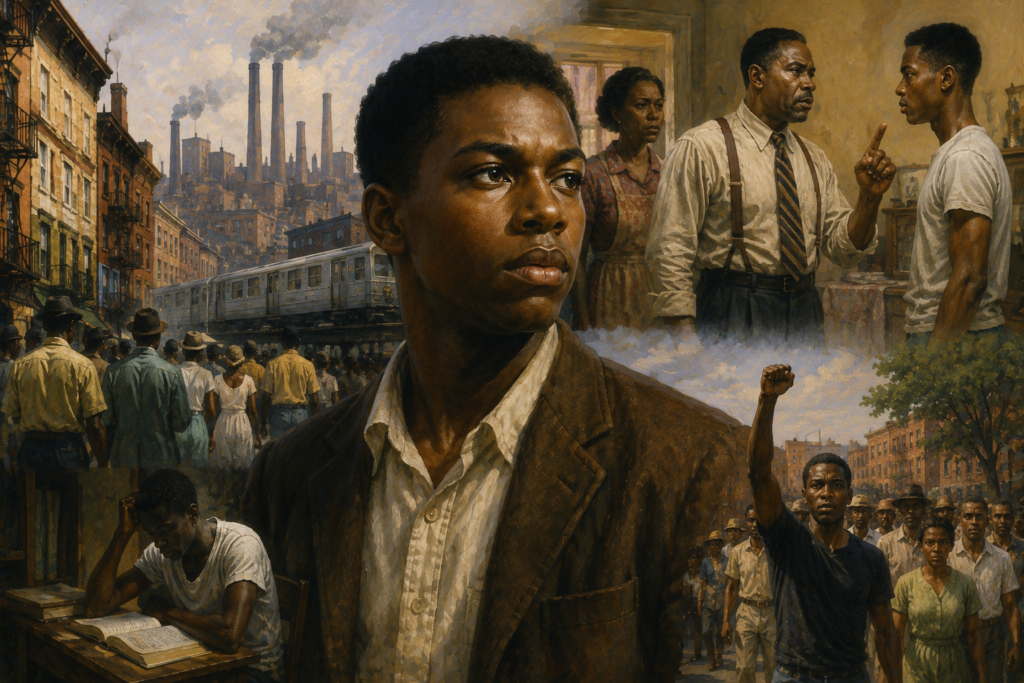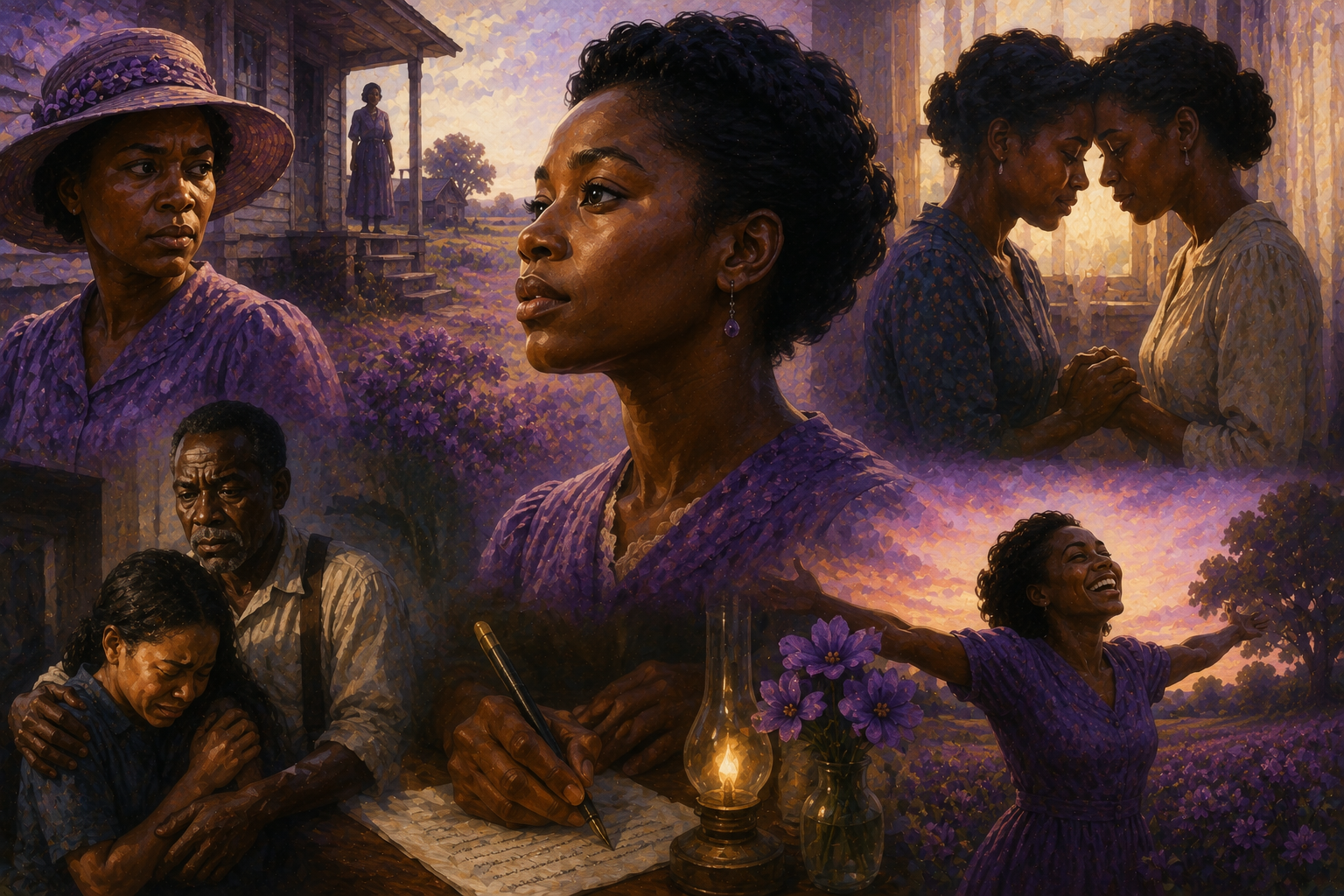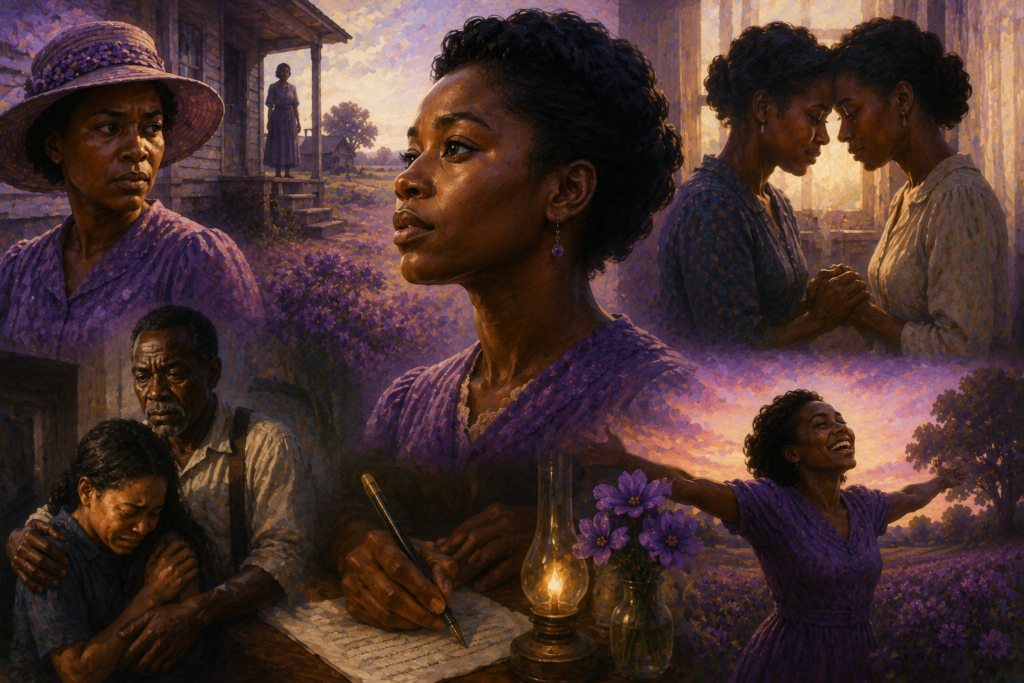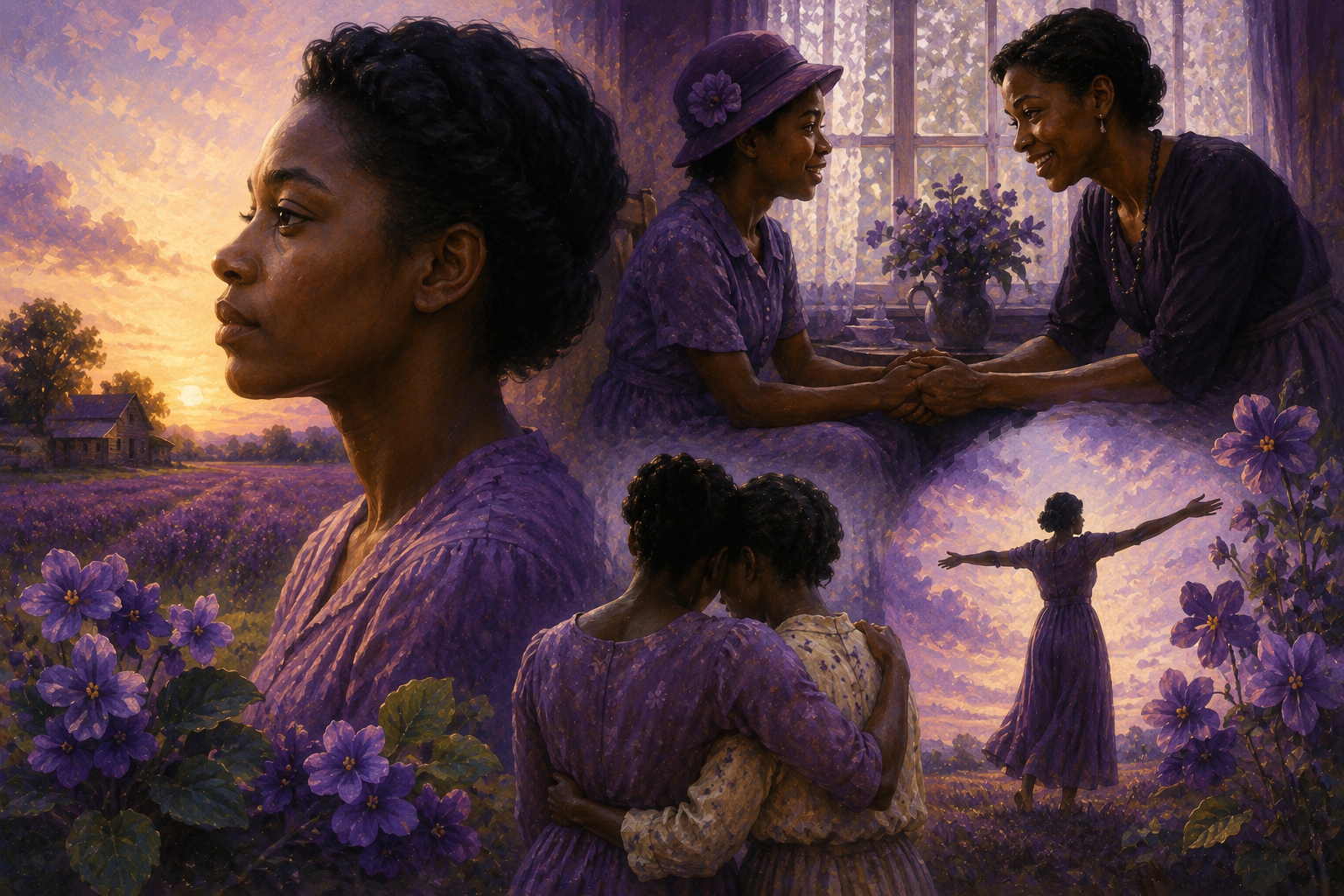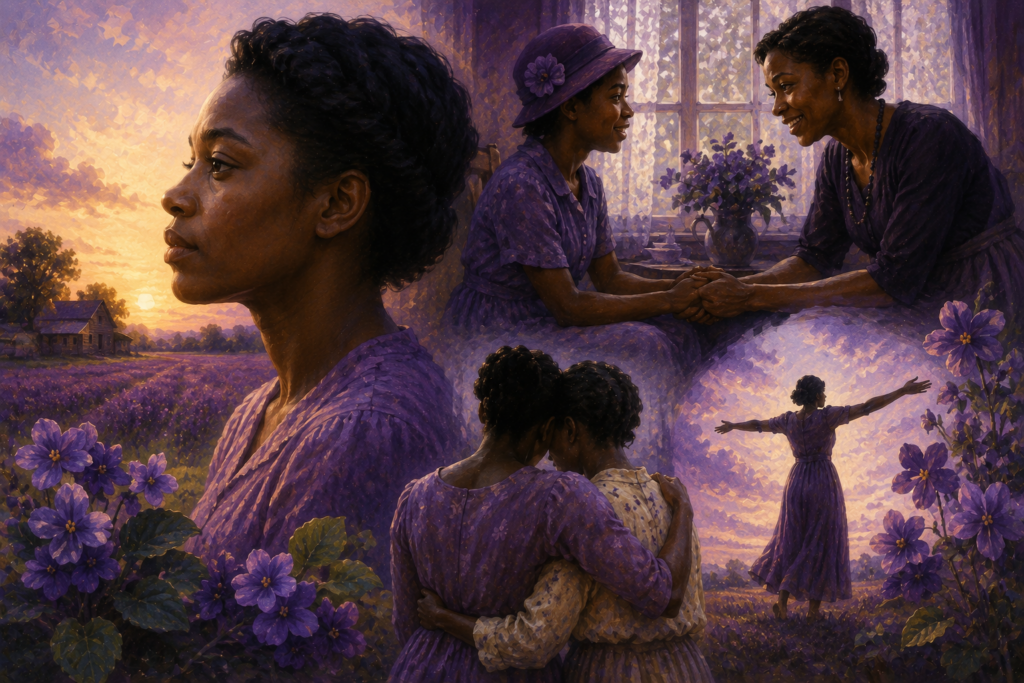
Themes in Their Eyes Were Watching God: A Student-Friendly Guide

Their Eyes Were Watching God Themes

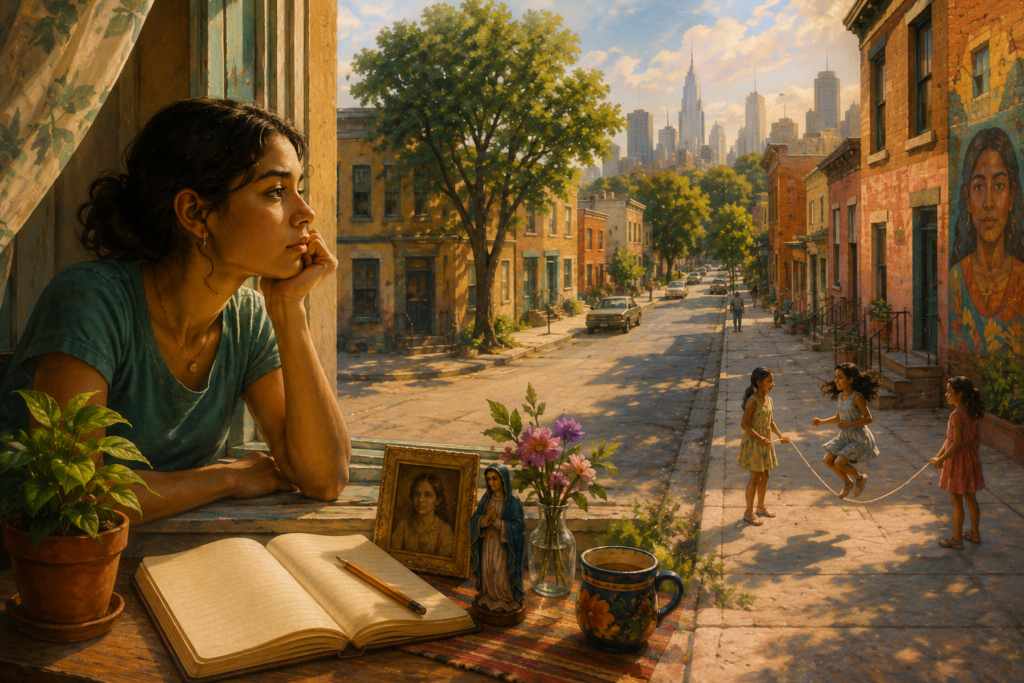
Zora Neale Hurston’s novel follows Janie Crawford as she searches for love, voice, and a life that feels like her own. The themes in Their Eyes Were Watching God help students see why Janie’s story still matters in classrooms today.

In this Guide

Use this guide to focus your reading and prepare for class discussion.

Their Eyes Were Watching God Themes

Why the themes in Their Eyes Were Watching God Matter

The novel is not just about what happens to Janie. It is about what she learns as she moves through love, pain, and freedom.

The themes in Their Eyes Were Watching God show how hard it can be to find yourself when others keep trying to define you. Janie’s life is shaped by family pressure, marriage, gossip, race, and gender roles.

Hurston also writes with deep respect for Black Southern speech and culture. You can learn more about her life and work through Britannica’s profile of Zora Neale Hurston.

Major themes in Their Eyes Were Watching God

These are the main ideas students should track as they read the novel.

Self-discovery and voice

Janie’s biggest journey is the search for her own voice. At first, other people speak for her or decide what her life should mean.

Logan Killicks sees her as labor. Jody Starks sees her as a symbol of his power. Tea Cake gives her more space to speak, but Janie still must learn to stand on her own.

This theme is clear at the end when Janie tells her story to Pheoby. Her voice becomes proof that she survived and grew.

Love and control

Love and power are often tied together in the novel. Hurston asks whether love can be real if one person tries to control the other.

Janie’s first marriage gives her safety but no joy. Her second marriage gives her status but takes away freedom. With Tea Cake, love feels more alive, but it is not perfect.

A useful comparison is Jane Eyre by Charlotte Brontë. Like Janie, Jane wants love, but she also wants respect and self-rule.

Gender roles and power

Janie lives in a world where men often expect women to stay quiet. Jody makes this clear when he keeps Janie off the porch and away from public talk.

The porch becomes more than a place. It shows who has a voice and who gets pushed aside.

Janie’s growth comes when she stops living only by other people’s rules. She does not reject love, but she refuses to disappear inside it.

Race, community, and judgment

The novel shows Black community life with humor, beauty, conflict, and pressure. Eatonville is a place of pride, but it is also full of gossip and judgment.

People watch Janie closely because she does not always fit what they expect. Her return in overalls shocks the town because they judge her before they hear her story.

This is one reason the frame story matters. Janie’s own account pushes back against the town’s narrow view of her life.

Nature, God, and fate

Nature is powerful in the novel. The pear tree, the mule, the horizon, and the hurricane all point to forces larger than daily life.

The hurricane is one of the clearest examples. It reminds readers that human plans can be broken by forces no one can control.

The title itself points to this idea. During the storm, the characters look toward God because they know human power has limits.

Symbols That Support the themes in Their Eyes Were Watching God

Hurston’s symbols help turn ideas into images students can remember.

The pear tree represents Janie’s early dream of love. She sees beauty, union, and desire in the natural world.

The horizon stands for possibility. Janie keeps reaching toward a life that feels wider than the one others choose for her.

The mule shows burden and mistreatment. It connects to the way people, especially women, can be used by others.

These symbols make the themes in Their Eyes Were Watching God easier to trace. If you want more help with this skill, read our guide on how to find symbolism in a story.

How Hurston’s Style Builds Meaning

The way Hurston tells the story is just as important as the plot.

Hurston uses a frame story, which means Janie tells her past from a later point in her life. This gives Janie control over her own story.

The novel also shifts between poetic narration and spoken dialogue. This mix helps readers hear both Janie’s inner life and the life of her community.

For context on the wider literary movement around Hurston’s era, see Poetry Foundation’s introduction to the Harlem Renaissance.

How to Write About themes in Their Eyes Were Watching God

A strong essay should connect a theme to Janie’s growth, not just name the theme.

When you write about themes in Their Eyes Were Watching God, start with a clear claim. For example, you might argue that Janie’s voice becomes stronger each time she leaves a life that limits her.

Then use key scenes. Good choices include Janie under the pear tree, Jody silencing her in the store, the hurricane, and Janie’s final talk with Pheoby.

You can also connect theme and symbol. The horizon works well because it follows Janie’s desire for freedom across the novel. For extra practice, use this symbolism reading strategy as you gather evidence.

Related Books Students May Find Helpful

These books can help you compare voice, identity, and freedom across different works.

  • Their Eyes Were Watching God by Zora Neale Hurston
  • Jane Eyre by Charlotte Brontë
  • The Color Purple by Alice Walker

FAQ About themes in Their Eyes Were Watching God

These quick answers can help with review before a quiz or essay.

What are the main themes in Their Eyes Were Watching God?

The main themes include self-discovery, voice, love, power, gender roles, race, community, nature, and fate.

Why is Janie’s voice important?

Janie’s voice shows her growth. By telling her own story, she claims the meaning of her life.

What does the pear tree symbolize?

The pear tree symbolizes Janie’s dream of love, beauty, and emotional connection.

How does the hurricane connect to the title?

The hurricane shows that people are not fully in control. In that moment, the characters look toward God and face the power of nature.

Is Tea Cake the answer to Janie’s search?

Not fully. Tea Cake helps Janie experience a freer kind of love, but Janie’s final strength comes from within herself.

Key Takeaway

Janie’s story is about more than romance. The deepest themes in Their Eyes Were Watching God show a woman learning to speak, choose, and live as herself.

Book & Literature News: Pulitzer Buzz, Global Prizes, Climate Poetry, and Black Author Bestsellers

This roundup of recent developments in literature for May 2, 2026, brings together major prize talk, global book culture, poetry, festivals, and publishing visibility. Today’s focus is on the latest book and literature news, with stories that show how readers are discovering books across borders, genres, and communities.

Pulitzer Fiction Speculation Begins to Heat Up

Electric Literature is looking ahead to the 2026 Pulitzer Prize for Fiction with a list of possible contenders and details on how readers can follow the announcement live. The Pulitzer remains one of the most closely watched honors in American letters, often changing the reach of a novel overnight.

For readers, these predictions are more than awards chatter. They can point people toward ambitious fiction they may have missed during the year.

The discussion also reminds us that prize season shapes how books are remembered, reviewed, and taught. A strong contender often invites deeper literary analysis, especially when critics begin debating style, structure, and meaning.

Laurence Laluyaux Wins Major Honor for International Literature

Publishing Perspectives reports that Laurence Laluyaux of Rogers, Coleridge & White has won the 2026 Ottaway Award for the Promotion of International Literature. The award recognizes people who help bring writing from around the world to wider audiences.

Laluyaux’s work has been praised by major literary figures, including Nobel Prize winner László Krasznahorkai. That support highlights how much translators, agents, and advocates matter behind the scenes.

This story matters because international literature depends on more than great books. It also needs champions who connect authors, publishers, translators, and readers across languages.

Climate Change Takes Center Stage Through Poetry

The Conversation has gathered ten poems about climate change chosen by experts. The selections span more than two centuries and explore grief, fear, wonder, and hope.

This list shows that environmental writing is not only a modern concern. Poets have long used nature, weather, and landscape to think about human responsibility and loss.

For readers, the article offers a powerful entry point into eco-literature. It also shows how poetry can make large global issues feel personal and emotionally immediate.

Dublin Festival Highlights Essays, Poetry, and New Voices

The Irish Times has shared highlights from the International Literature Festival Dublin, including prize news, poetry recognition, and upcoming literary events. Among the items noted is a Trinity College Dublin student from Gaza winning a major essay prize.

The roundup also points toward poetry honors and history-focused programming in Ireland. Together, these events show how festivals can bring many kinds of writing into one public conversation.

For readers, festivals like Dublin’s are useful because they spotlight both established writers and emerging voices. They help books travel beyond shelves and into live debate, performance, and community.

theGrio and BLK Bestsellers Partner to Spotlight Black Authors

theGrio has announced a partnership with the BLK Bestsellers list, which is connected to the African American Literature Book Club. The project aims to highlight top-selling books by Black authors using both sales information and editorial attention.

This matters because bestseller lists can strongly influence what readers notice, buy, and discuss. A dedicated list can help correct gaps in visibility that have long affected publishing.

For book lovers, the partnership offers a clearer way to find popular and important books by Black writers. It also signals a broader push for more accurate measures of literary success.

What These Stories Tell Us

This week’s literature news points to a book world shaped by prizes, festivals, advocacy, and wider representation. Readers are not only looking for the next big winner; they are also looking for voices that cross borders, address urgent issues, and reflect more communities.

The strongest trend is visibility. Whether through the Pulitzer, international awards, climate poems, or Black bestseller lists, literature continues to grow when more readers can find the work that speaks to them.

Reading the Landscape: Nature and Isolation in Western Writing

nature and isolation in Western writing

How the American West shapes theme, character, and meaning in literature

The American West is more than a backdrop. In nature and isolation in Western writing, the land shapes how characters think, feel, and survive. Wide skies, long distances, and quiet towns create a kind of pressure that shows up in the writing itself. When you read Western literature, the land is never just scenery. It acts on people. It tests them. Sometimes, it often leaves them alone with themselves.

This guide will help you read the Western landscape as part of the story. You will see how nature creates isolation, how that isolation shapes character, and how both work together to build meaning.

This article contains affiliate links.

In This Guide

  • What makes the Western landscape different in literature
  • How isolation functions as a theme
  • Key examples from American writing
  • How to analyze landscape in any text
  • Quick reading prompts you can use right away
  • FAQ – Nature and isolation in Western writing

Across many regions, setting supports the story. In Western writing, setting often drives it.

The land is open and exposed. There are fewer boundaries, fewer crowds, and fewer places to hide. This creates a different kind of tension. Characters cannot rely on social structures in the same way they might in a city or a small, dense town. The result is a stronger focus on the individual.

Distance matters here. A long road or an empty field is not just visual detail. It suggests time, effort, and sometimes risk. When a character travels across that space, the journey becomes part of the meaning of the story.

Silence also plays a role. In Western landscapes, quiet is not peaceful in a simple sense. It can feel heavy. Sometimes it forces reflection. It can leave characters facing thoughts they would rather avoid.

Nature and Isolation in Western Writing: What Makes the Landscape Unique

Isolation in Western writing is rarely just about being alone. It often reveals something deeper about identity, fear, or belief.

Characters in these settings tend to face three kinds of isolation:

First, physical isolation. The land itself separates people. Homes are far apart. Help is not close. This creates a sense of vulnerability that shapes decisions.

Second, emotional isolation. Without constant interaction, characters may struggle to express what they feel. This can lead to restraint, distance, or quiet tension between people.

Third, existential isolation. The scale of the landscape can make a person feel small. This often leads to questions about purpose, meaning, and place in the world.

You can see this clearly in works like My Ántonia by Willa Cather, where the Nebraska prairie creates both freedom and loneliness, or in Blood Meridian by Cormac McCarthy, where the harsh land reflects a deeper moral emptiness.

Nature as a Force, Not a Backdrop

In Western writing, nature often acts on characters rather than sitting behind them.

Weather can shape the plot. A storm may delay travel or create danger. Heat can wear a character down. Cold can isolate them further. These are not small details. They influence what characters can do and how they feel.

The land can also mirror inner states. A dry, empty desert may reflect a sense of loss. A wide, open field may suggest possibility, but also uncertainty. Writers use these connections to deepen meaning without stating it directly.

This is especially clear in The Grapes of Wrath by John Steinbeck, where the Dust Bowl is both a real event and a symbol of hardship and displacement.

How Isolation Shapes Character

Characters in Western settings often develop in response to the land.

They may become self-reliant. With fewer resources and less support, they learn to solve problems on their own. This can create strength, but it can also lead to emotional distance.

They may become observant. In a quiet landscape, small details matter. A change in weather, a distant figure, or a shift in light can carry meaning. Characters learn to notice what others might miss.

They may struggle with connection. When people are spread out, relationships can feel fragile. This can lead to missed opportunities or unspoken feelings.

When you read, watch how a character changes over time. Ask how much of that change comes from the land itself. In Western writing, the answer is often more than you expect.

How to Analyze Landscape in Any Text

You can apply a simple method when reading Western literature or any text where setting matters.

Start by asking what the land looks like. Focus on specific details. Is it open or closed, harsh or gentle, quiet or active?

Then ask how the land affects the character’s choices. Does it limit them, push them, or shape their path?

Next, look for emotional connections. Does the landscape reflect what the character feels, or does it contrast with it?

Finally, connect the setting to theme. Ask what the landscape suggests about larger ideas like freedom, survival, loneliness, or hope.

This approach keeps your analysis grounded in the text while still reaching deeper meaning.

Quick Reading Prompts

Use these when you are working through a Western text:

  • What does the landscape make possible, and what does it take away?
  • How does distance affect the character’s decisions?
  • Where do you see silence or emptiness, and what do they mean?
  • How would the story change in a different setting?

These questions can turn a simple reading into a more thoughtful analysis.

Why This Matters for Literary Analysis

When you begin to read landscape as part of the story, texts open up in new ways. You start to see how meaning is built through more than dialogue or plot. The environment becomes part of the language of the work.

For students, this skill strengthens essays and close readings. For general readers, it deepens the experience of the story. It allows you to see how writers use place to explore what it means to be human.

Key Takeaway

In Western writing, the landscape is never neutral. It shapes isolation, defines character, and carries meaning. When you learn to read the land, you begin to understand the story at a deeper level.

If you want step-by-step support with literary analysis, you can use these tools:

Literary Analysis Essay Examples

Literary Analysis Essay Toolkit

FAQ: Nature and Isolation in Western Writing

Why is the landscape so important in Western writing?

In Western literature, the landscape shapes the story in direct ways. The size of the land, the distance between people, and the quiet all affect how characters think and act. The setting often creates pressure that drives decisions, conflict, and growth.

What does isolation mean in Western literature?

Isolation in Western writing goes beyond being alone. It can be physical, emotional, or even spiritual. Characters may be separated by distance, struggle to connect with others, or feel small in a vast world. This isolation often reveals deeper truths about identity and purpose.

How does nature influence character development?

Nature often forces characters to adapt. Harsh weather, long distances, and limited resources can make characters more independent, but also more distant from others. These conditions shape how they respond to conflict and how they relate to the world around them.

How can I analyze landscape in a literary essay?

Start by describing the setting clearly. Then connect it to character choices and emotional tone. Finally, explain how the landscape supports the theme. Focus on how the environment influences action and meaning, rather than treating it as background detail.

Is this approach useful outside of Western literature?

Yes. While it is especially clear in Western writing, this approach works in any text where setting matters. Learning to read landscape as part of the story will strengthen your analysis across many types of literature.

What are examples of books that show nature and isolation in the American West?

Works like My Ántonia by Willa Cather, The Grapes of Wrath by John Steinbeck, and Blood Meridian by Cormac McCarthy all explore how the Western landscape shapes human experience. Each text uses the land to reflect deeper emotional and thematic concerns.

Themes in To Kill a Mockingbird: A Complete Guide

Themes in To Kill a Mockingbird

Understanding the Major Themes in To Kill a Mockingbird
A novel about growing up, justice, and moral courage in a divided society.

The major themes in To Kill a Mockingbird (affiliate link) help readers understand why this novel is still widely taught in schools today. On the surface, the story is about Scout Finch growing up in a small Southern town, but beneath that story, the novel explores serious issues like racism, injustice, empathy, courage, and innocence. Harper Lee uses the experiences of Scout and Jem to show how people learn right and wrong in a complicated world. The trial of Tom Robinson is the central event of the novel, but the book is really about moral growth and learning to see the world from other people’s perspectives.

In this guide, we will look at the most important themes in To Kill a Mockingbird and how they appear throughout the novel.

In This Guide

Racism and Injustice
Moral Courage
Coming of Age
Empathy
Social Class
Good vs Evil
Education
Innocence

Themes in To Kill a Mockingbird
Image by Carla Paton

Racism and Injustice in To Kill a Mockingbird

The trial of Tom Robinson shows how prejudice can destroy justice.

One of the most important themes in To Kill a Mockingbird is racism and injustice. This theme is most clearly shown during the trial of Tom Robinson. Even though Atticus proves that Tom Robinson is innocent, the jury still finds him guilty. This shows that racism in Maycomb is so powerful that it overrides truth and justice. The courtroom is supposed to be a place of fairness, but in this case, prejudice determines the outcome.

The novel also shows the hypocrisy of Maycomb. Many people in the town believe they are good and moral, yet they support a system that treats Black citizens unfairly. Scout even notices that her teacher criticizes Hitler for prejudice while ignoring racism in her own town. Harper Lee uses this contrast to show that people often recognize injustice in other places but fail to see it in their own communities.

Tom Robinson represents the most tragic example of this theme. He is an innocent man who is destroyed by a racist society, which connects directly to the symbol of the mockingbird — an innocent creature harmed by others.

Moral Courage in To Kill a Mockingbird

Doing what is right even when you know you might lose.

Another major theme in To Kill a Mockingbird is moral courage. Atticus Finch represents this theme more than any other character. He agrees to defend Tom Robinson even though he knows the town will criticize him and that he will probably lose the case. Atticus explains that he must defend Tom because he has to live with his own conscience.

The novel also shows courage through Mrs. Dubose, who fights to overcome her morphine addiction before she dies. Atticus explains to Jem that real courage is not about physical strength, but about doing what is right even when you know the situation is difficult or hopeless.

Even Scout shows courage when she stands up for Walter Cunningham and when she unknowingly stops the mob at the jail by speaking politely to Mr. Cunningham. The novel shows that courage can be quiet and moral, not just physical.

Coming of Age in To Kill a Mockingbird

Scout and Jem grow up and learn that the world is not always fair.

To Kill a Mockingbird is a coming-of-age novel because Scout and Jem grow up and learn important lessons about the world. At the beginning of the novel, they are innocent and believe that the world is fair. They believe Boo Radley is a monster and that the legal system always tells the truth.

As the novel progresses, Jem and Scout begin to understand that people are more complicated and that the world is not always fair. Jem especially struggles after Tom Robinson is found guilty because he believed that the truth would lead to justice. This moment represents Jem’s loss of innocence.

By the end of the novel, Scout learns the most important lesson of all — empathy. When she stands on Boo Radley’s porch and sees the world from his perspective, she finally understands what Atticus has been trying to teach her.

Empathy in To Kill a Mockingbird

“You never really understand a person until you climb into his skin and walk around in it.”

Empathy is one of the central themes in To Kill a Mockingbird. Atticus teaches Scout that she must try to understand people by seeing the world from their perspective. This lesson appears many times in the novel and helps Scout understand Boo Radley, Mayella Ewell, and even the people who hate Atticus.

Scout shows empathy when she understands why Walter Cunningham cannot accept lunch money and when she speaks to Mr. Cunningham at the jail. Her kindness reminds him that he is part of a community, and the mob leaves. This moment shows that empathy can be powerful enough to stop violence.

By the end of the novel, Scout understands Boo Radley and realizes that he has been protecting them the entire time. The novel suggests that many conflicts and injustices happen because people fail to understand one another.

Social Class in To Kill a Mockingbird

Maycomb is divided into strict social groups.

Social class is another important theme in To Kill a Mockingbird. The town of Maycomb is divided into different social groups, including wealthy families, poor farmers like the Cunninghams, and very poor families like the Ewells. Black citizens are at the bottom of the social structure because of racism.

The Ewells are especially important because even though they are poor and uneducated, they are still treated as socially superior to Black citizens. This shows that race is more important than class in Maycomb’s social system.

Through these social divisions, Harper Lee shows that social class is often unfair and does not reflect a person’s character or morality.

Good vs Evil in To Kill a Mockingbird

The novel shows both kindness and cruelty in human nature.

The novel explores the theme of good versus evil by showing both kindness and cruelty. Characters like Atticus, Scout, Jem, and Boo Radley represent kindness, compassion, and moral courage. Characters like Bob Ewell represent cruelty, hatred, and ignorance.

However, the novel does not suggest that people are completely good or completely evil. Instead, it shows that most people are a mixture of both. Mayella Ewell is a good example of this because she is both a victim and a person who causes injustice.

The conflict between good and evil is most clearly shown in the trial and in Bob Ewell’s attack on Scout and Jem. Boo Radley’s rescue of the children shows that good can exist even in a world where evil is present.

Education in To Kill a Mockingbird

The novel shows that true education is moral education.

Education is an important theme in the novel, but Harper Lee suggests that education is not just what students learn in school. Scout’s teacher represents formal education, but she does not understand the students or the town of Maycomb. In contrast, Atticus and Calpurnia teach Scout important life lessons about empathy, respect, and responsibility.

The novel suggests that true education means learning how to think, how to understand people, and how to do what is right.

Innocence in To Kill a Mockingbird

The mockingbird represents innocent people who are harmed by society.

Innocence is one of the most important themes in To Kill a Mockingbird, and it is closely connected to the symbol of the mockingbird. A mockingbird represents innocence because it does no harm and only brings beauty into the world. Tom Robinson and Boo Radley are both compared to mockingbirds because they are innocent but are harmed by others.

Children also represent innocence in the novel. Scout and Jem begin the story as innocent children, but as they learn about racism and injustice, they lose some of that innocence and gain understanding.

The novel suggests that innocence is something valuable that should be protected.

Why These Themes Matter

If you understand the themes in To Kill a Mockingbird, you understand the novel. Most essay questions and test questions focus on themes, especially racism, courage, innocence, and empathy. These themes help explain the characters, the symbols, and the major events in the story.

If you are studying the novel for school, it is important to understand:

  • What each theme means
  • Which characters represent each theme
  • Which events develop each theme
  • Which quotes connect to each theme

For a full breakdown of chapter summaries, character analysis, symbols, quotes, essay topics, and test questions, you can use this complete study guide:
https://rapidreadspress.com/product/to-kill-a-mockingbird-study-guide/

To Kill a Mockingbird Study Guide

If you are writing a literary analysis essay, this guide may also help:
https://rapidreadspress.com/product/literary-analysis-essay-examples/

For more historical background on the novel and the Civil Rights era, you can also visit:
https://www.britannica.com/topic/To-Kill-a-Mockingbird
https://www.history.com/topics/civil-rights-movement

Key Takeaway

The most important themes in To Kill a Mockingbird are racism and injustice, moral courage, empathy, innocence, and coming of age. The novel teaches that doing what is right is not always easy, that people must try to understand one another, and that innocent people must be protected. Scout’s journey from innocence to understanding is what gives the novel its lasting meaning.

FAQ – Themes in To Kill a Mockingbird

What is the main theme in To Kill a Mockingbird?

The main theme is racism and injustice, shown through Tom Robinson’s trial.

What theme does Atticus represent?

Atticus represents moral courage and justice.

What theme does Boo Radley represent?

Boo Radley represents empathy and innocence.

Is To Kill a Mockingbird a coming-of-age novel?

Yes, it is a coming-of-age novel because Scout and Jem grow up and learn important moral lessons.

Why is the mockingbird important?

The mockingbird represents innocent people who are harmed by society, especially Tom Robinson and Boo Radley.