

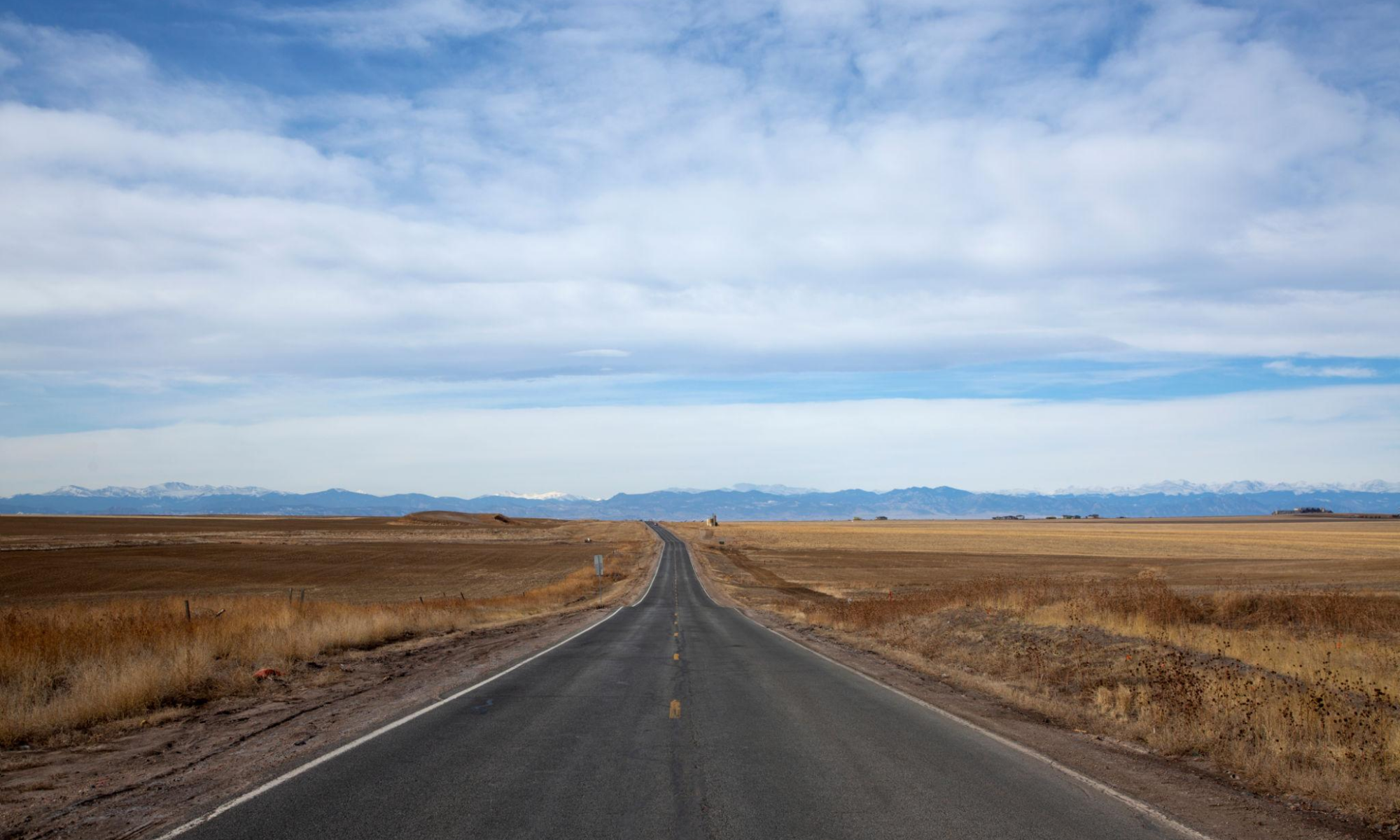
How the American West shapes theme, character, and meaning in literature
The American West is more than a backdrop. In nature and isolation in Western writing, the land shapes how characters think, feel, and survive. Wide skies, long distances, and quiet towns create a kind of pressure that shows up in the writing itself. When you read Western literature, the land is never just scenery. It acts on people. It tests them. Sometimes, it often leaves them alone with themselves.
This guide will help you read the Western landscape as part of the story. You will see how nature creates isolation, how that isolation shapes character, and how both work together to build meaning.
This article contains affiliate links.
In This Guide
- What makes the Western landscape different in literature
- How isolation functions as a theme
- Key examples from American writing
- How to analyze landscape in any text
- Quick reading prompts you can use right away
- FAQ – Nature and isolation in Western writing
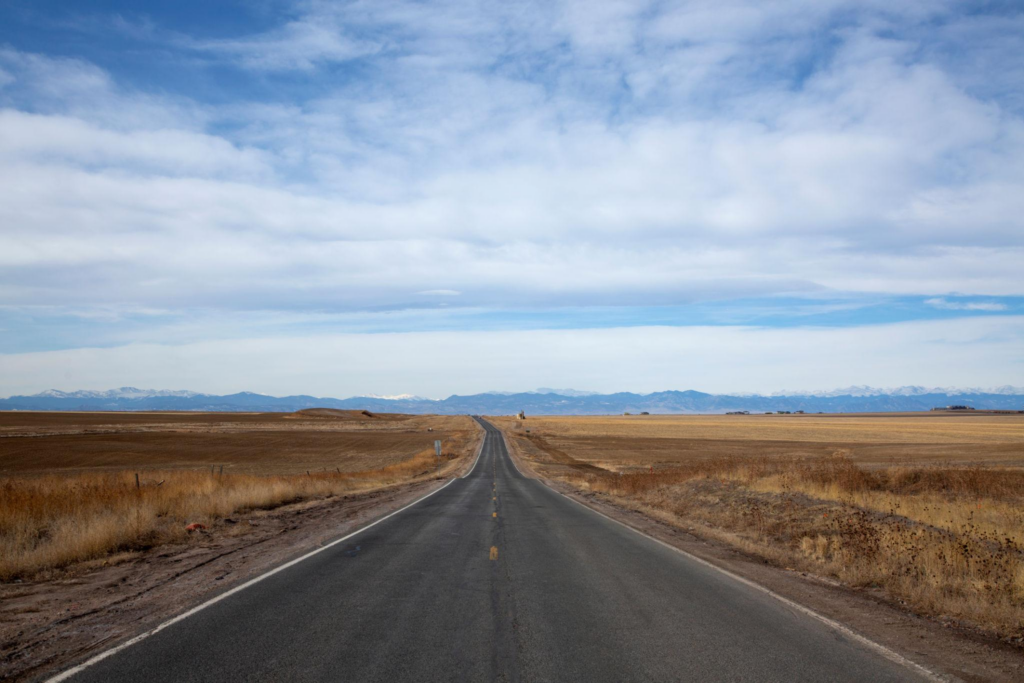
Across many regions, setting supports the story. In Western writing, setting often drives it.
The land is open and exposed. There are fewer boundaries, fewer crowds, and fewer places to hide. This creates a different kind of tension. Characters cannot rely on social structures in the same way they might in a city or a small, dense town. The result is a stronger focus on the individual.
Distance matters here. A long road or an empty field is not just visual detail. It suggests time, effort, and sometimes risk. When a character travels across that space, the journey becomes part of the meaning of the story.
Silence also plays a role. In Western landscapes, quiet is not peaceful in a simple sense. It can feel heavy. Sometimes it forces reflection. It can leave characters facing thoughts they would rather avoid.
Nature and Isolation in Western Writing: What Makes the Landscape Unique
Isolation in Western writing is rarely just about being alone. It often reveals something deeper about identity, fear, or belief.
Characters in these settings tend to face three kinds of isolation:
First, physical isolation. The land itself separates people. Homes are far apart. Help is not close. This creates a sense of vulnerability that shapes decisions.
Second, emotional isolation. Without constant interaction, characters may struggle to express what they feel. This can lead to restraint, distance, or quiet tension between people.
Third, existential isolation. The scale of the landscape can make a person feel small. This often leads to questions about purpose, meaning, and place in the world.
You can see this clearly in works like My Ántonia by Willa Cather, where the Nebraska prairie creates both freedom and loneliness, or in Blood Meridian by Cormac McCarthy, where the harsh land reflects a deeper moral emptiness.
Nature as a Force, Not a Backdrop
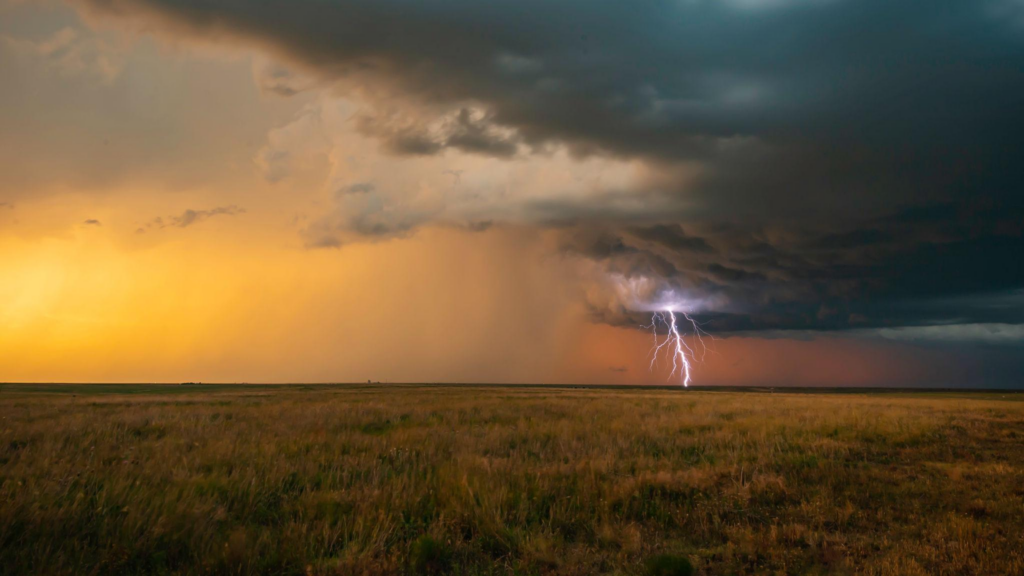
In Western writing, nature often acts on characters rather than sitting behind them.
Weather can shape the plot. A storm may delay travel or create danger. Heat can wear a character down. Cold can isolate them further. These are not small details. They influence what characters can do and how they feel.
The land can also mirror inner states. A dry, empty desert may reflect a sense of loss. A wide, open field may suggest possibility, but also uncertainty. Writers use these connections to deepen meaning without stating it directly.
This is especially clear in The Grapes of Wrath by John Steinbeck, where the Dust Bowl is both a real event and a symbol of hardship and displacement.
How Isolation Shapes Character
Characters in Western settings often develop in response to the land.
They may become self-reliant. With fewer resources and less support, they learn to solve problems on their own. This can create strength, but it can also lead to emotional distance.
They may become observant. In a quiet landscape, small details matter. A change in weather, a distant figure, or a shift in light can carry meaning. Characters learn to notice what others might miss.
They may struggle with connection. When people are spread out, relationships can feel fragile. This can lead to missed opportunities or unspoken feelings.
When you read, watch how a character changes over time. Ask how much of that change comes from the land itself. In Western writing, the answer is often more than you expect.
How to Analyze Landscape in Any Text
You can apply a simple method when reading Western literature or any text where setting matters.
Start by asking what the land looks like. Focus on specific details. Is it open or closed, harsh or gentle, quiet or active?
Then ask how the land affects the character’s choices. Does it limit them, push them, or shape their path?
Next, look for emotional connections. Does the landscape reflect what the character feels, or does it contrast with it?
Finally, connect the setting to theme. Ask what the landscape suggests about larger ideas like freedom, survival, loneliness, or hope.
This approach keeps your analysis grounded in the text while still reaching deeper meaning.
Quick Reading Prompts
Use these when you are working through a Western text:
- What does the landscape make possible, and what does it take away?
- How does distance affect the character’s decisions?
- Where do you see silence or emptiness, and what do they mean?
- How would the story change in a different setting?
These questions can turn a simple reading into a more thoughtful analysis.
Why This Matters for Literary Analysis
When you begin to read landscape as part of the story, texts open up in new ways. You start to see how meaning is built through more than dialogue or plot. The environment becomes part of the language of the work.
For students, this skill strengthens essays and close readings. For general readers, it deepens the experience of the story. It allows you to see how writers use place to explore what it means to be human.
Key Takeaway
In Western writing, the landscape is never neutral. It shapes isolation, defines character, and carries meaning. When you learn to read the land, you begin to understand the story at a deeper level.
If you want step-by-step support with literary analysis, you can use these tools:
Literary Analysis Essay Examples
Literary Analysis Essay Toolkit
FAQ: Nature and Isolation in Western Writing
Why is the landscape so important in Western writing?
In Western literature, the landscape shapes the story in direct ways. The size of the land, the distance between people, and the quiet all affect how characters think and act. The setting often creates pressure that drives decisions, conflict, and growth.
What does isolation mean in Western literature?
Isolation in Western writing goes beyond being alone. It can be physical, emotional, or even spiritual. Characters may be separated by distance, struggle to connect with others, or feel small in a vast world. This isolation often reveals deeper truths about identity and purpose.
How does nature influence character development?
Nature often forces characters to adapt. Harsh weather, long distances, and limited resources can make characters more independent, but also more distant from others. These conditions shape how they respond to conflict and how they relate to the world around them.
How can I analyze landscape in a literary essay?
Start by describing the setting clearly. Then connect it to character choices and emotional tone. Finally, explain how the landscape supports the theme. Focus on how the environment influences action and meaning, rather than treating it as background detail.
Is this approach useful outside of Western literature?
Yes. While it is especially clear in Western writing, this approach works in any text where setting matters. Learning to read landscape as part of the story will strengthen your analysis across many types of literature.
What are examples of books that show nature and isolation in the American West?
Works like My Ántonia by Willa Cather, The Grapes of Wrath by John Steinbeck, and Blood Meridian by Cormac McCarthy all explore how the Western landscape shapes human experience. Each text uses the land to reflect deeper emotional and thematic concerns.


Get the Free Close Reading Worksheet Pack
Join my email list and receive the printable worksheet pack you can use with any novel or poem.
No spam. Just helpful guides for reading literature well.












