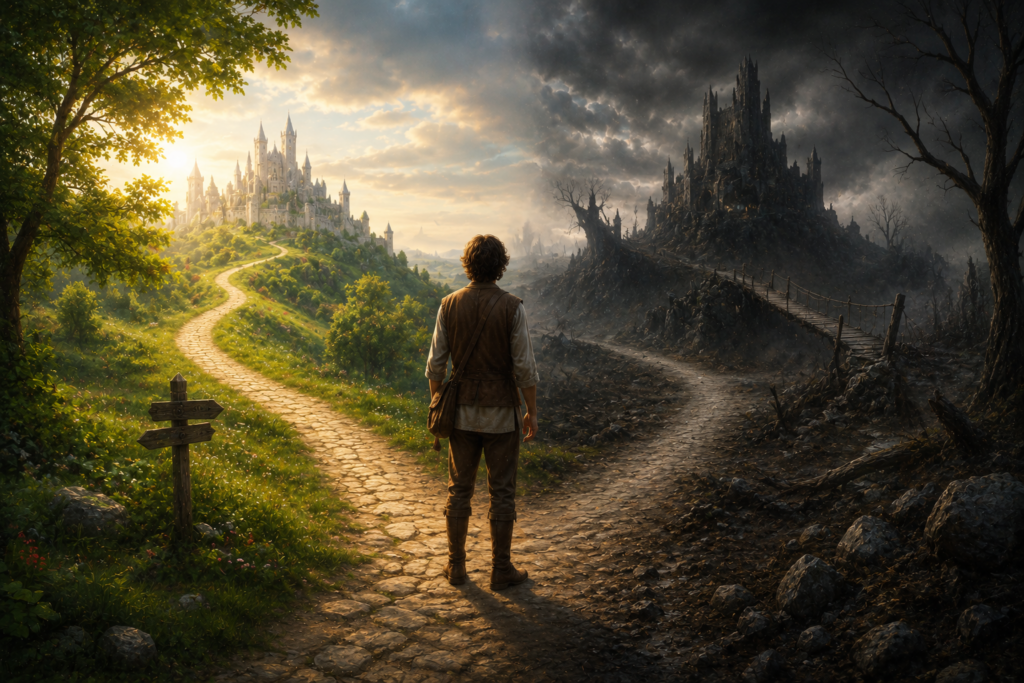
What Is Allegory in Literature?

Rapid Reads Press
Allegory in Literature

What Is Allegory in Literature?

What Is Allegory in Literature? is a common question for students who want to read deeper than the plot. An allegory is a story that has a hidden meaning, often about politics, religion, morals, or human nature.

In this guide, you will learn how allegory works, why writers use it, and how to spot it in famous books.

In this Guide

  • What allegory means
  • How allegory works in stories
  • Famous examples of allegory
  • Why allegory matters
  • How to analyze allegory
  • Recommended books
  • FAQ

What Is Allegory in Literature? A Simple Definition

An allegory is a story with two levels of meaning.

On the surface, an allegory may look like a normal story about animals, travelers, or a strange new world. Under that surface, the story points to a bigger idea.

In short, What Is Allegory in Literature? asks how a story can mean more than it first seems to mean.

For example, a character may stand for greed. A journey may stand for spiritual growth. A whole setting may stand for a political system.

Allegory is closely linked to symbolism, but it is larger in scope. A symbol may be one object or image. An allegory often shapes the whole story. If you want help with that skill, read this guide on how to find symbolism in a story.

What Is Allegory in Literature? How Allegory Works

Allegory works by giving people, places, and events a second meaning.

When readers ask, “What Is Allegory in Literature?” they often expect one hidden message. Some allegories do have a clear message, but many are more complex.

A writer may use a farm to comment on government. A quest may show the struggle between good and evil. A fantasy world may reflect problems in the real world.

The key is pattern. If many parts of a story point to the same larger idea, you may be reading an allegory.

What Is Allegory in Literature? Famous Examples

Famous allegories make the hidden meaning easier to see.

Animal Farm by George Orwell is one of the best-known examples. On the surface, it is about farm animals who take control of a farm. Under the surface, it is about political power, corruption, and the Russian Revolution.

The Pilgrim’s Progress by John Bunyan is another clear allegory. The main character, Christian, travels toward the Celestial City. His journey stands for the Christian path toward salvation.

The Lion, the Witch and the Wardrobe by C. S. Lewis can also be read as an allegory. Aslan’s sacrifice and return connect to Christian ideas of death, hope, and rebirth.

If you still wonder, “What Is Allegory in Literature?” these stories show the main idea: the plot matters, but the deeper meaning matters too.

Why “What Is Allegory in Literature?” Matters for Readers

Allegory helps readers see how stories can speak about real life.

Writers use allegory when direct speech may feel too plain, too risky, or too limited. A story can explore serious ideas without sounding like a lecture.

For students, allegory matters because it often appears in class discussions, essays, and AP Literature prompts. It helps you explain not just what happens, but why it matters.

Allegory also builds close reading skills. You learn to notice patterns, compare meanings, and connect details to a larger theme.

Allegory vs. Symbolism: What Is the Difference?

Symbolism and allegory are related, but they are not the same.

A symbol is usually one thing that stands for something else. A dove may stand for peace. A storm may stand for conflict.

An allegory is broader. The whole story, or a large part of it, points to a second meaning.

Think of symbolism as one clue. Think of allegory as a full system of clues. For more practice, visit this helpful article on finding symbolism in literature.

How to Spot Allegory While You Read

A good reading habit can help you find allegory faster.

Start by asking what the story seems to be about on the surface. Then ask what larger idea keeps appearing beneath the plot.

Look for characters with simple or meaningful names. Watch for repeated images. Notice conflicts that seem bigger than the characters themselves.

For example, if a story about a kingdom keeps showing fear, control, and unfair laws, it may be an allegory about tyranny.

Books You Can Find on Amazon for Allegory Practice

These books are useful if you want to study allegory in a clear way.

  • Animal Farm by George Orwell
  • The Pilgrim’s Progress by John Bunyan
  • The Lion, the Witch and the Wardrobe by C. S. Lewis

Each book uses story to point toward a deeper moral, political, or religious meaning.

Helpful Resources on Allegory

If you want a more formal definition, Britannica has a clear overview of allegory in art and literature.

The Poetry Foundation also explains allegory as a literary term, which can help with poetry and prose.

FAQ: What Is Allegory in Literature?

What Is Allegory in Literature?

An allegory is a story with a deeper meaning beneath the plot. It often teaches a moral, political, or religious lesson.

Is every story with a symbol an allegory?

No. A story can have symbols without being an allegory. Allegory usually shapes the whole story.

Why do authors use allegory?

Authors use allegory to explore big ideas in a creative way. It lets them write about serious topics through characters and events.

Is Animal Farm an allegory?

Yes. Animal Farm is an allegory about power, revolution, and political corruption.

How can I analyze allegory in an essay?

Explain both levels of meaning. Describe what happens in the story, then connect those details to the larger idea.

Key Takeaway

What Is Allegory in Literature? It is a story that means more than it says on the surface. To analyze it, track patterns and ask what bigger idea the whole story points toward.
Animal Farm Character Analysis: Key Characters, Motivations, and Conflicts

Animal Farm analysis

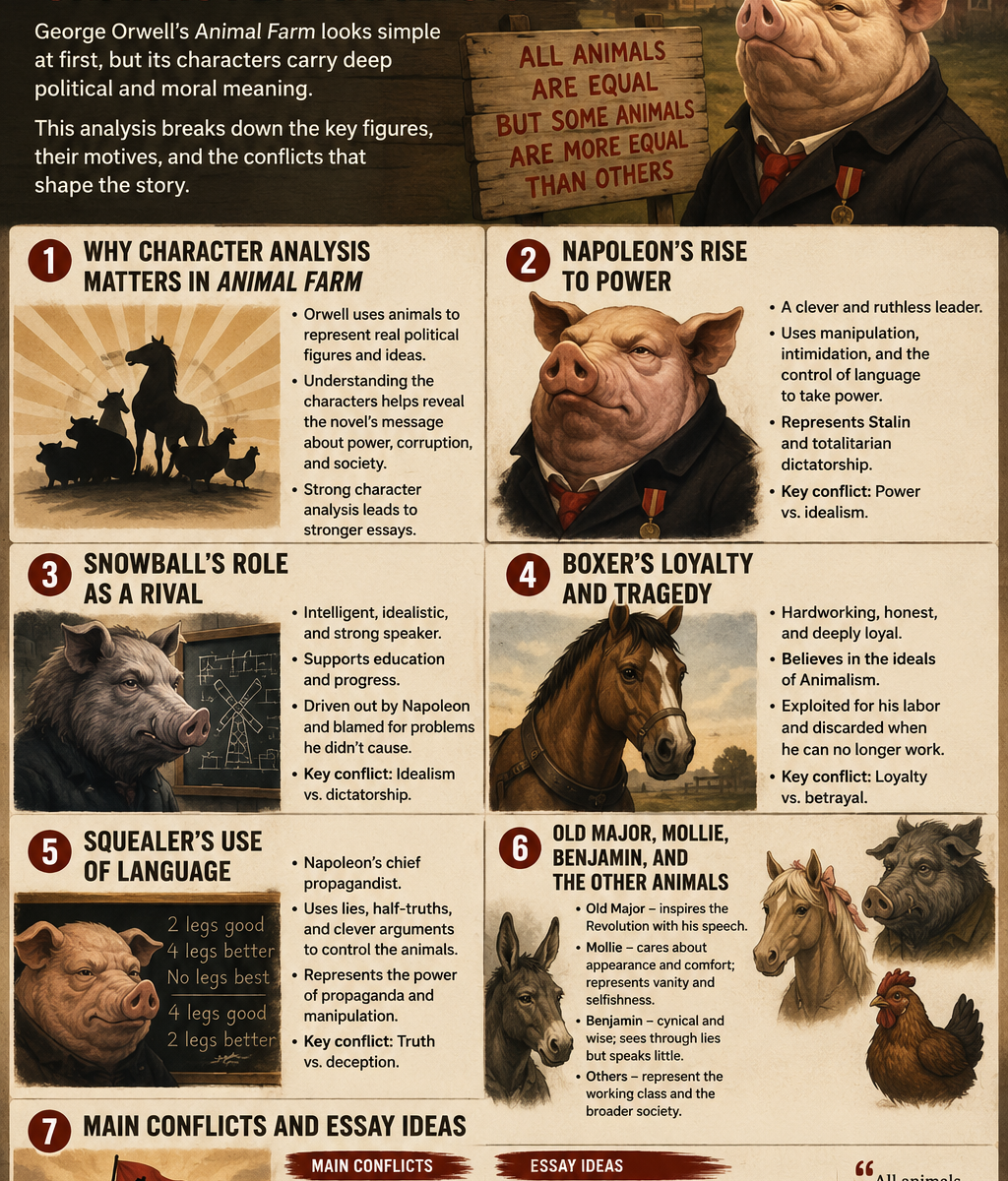
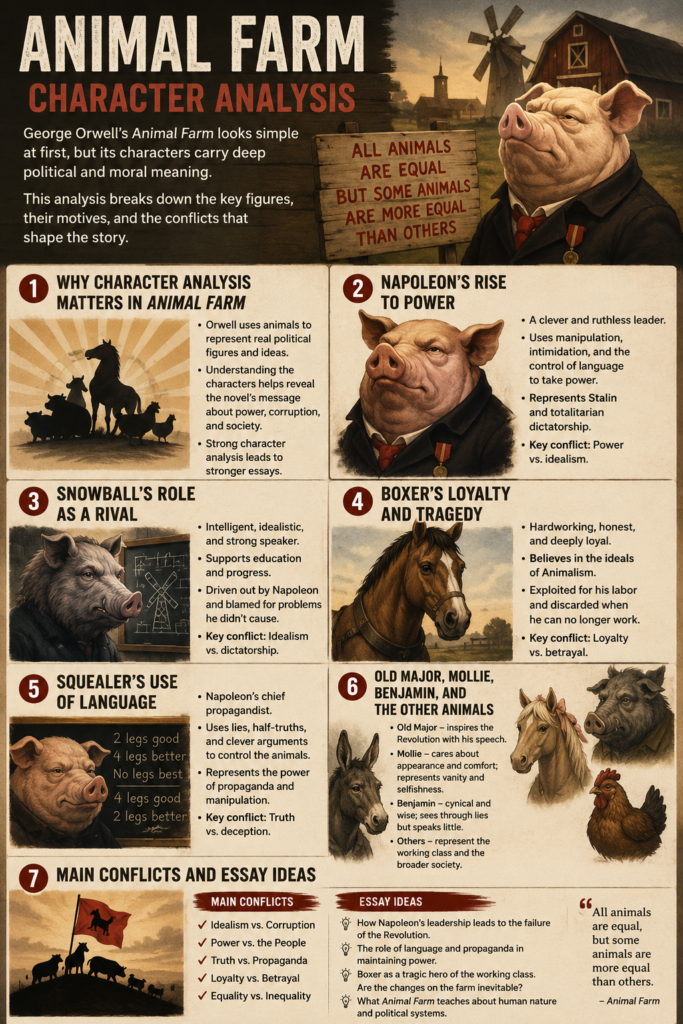
George Orwell’s Animal Farm looks simple at first, but its characters carry deep political and moral meaning. This Animal Farm character analysis breaks down the key figures, their motives, and the conflicts that shape the story.

Use this guide for class discussions, essays, and quote-based analysis.

In this Guide

  • Why character analysis matters in Animal Farm
  • Napoleon’s rise to power
  • Snowball’s role as a rival
  • Boxer’s loyalty and tragedy
  • Squealer’s use of language
  • Old Major, Mollie, Benjamin, and the other animals
  • Main conflicts and essay ideas
  • Books for further reading
  • FAQ
Animal Farm analysis

Animal Farm Character Analysis: Why the Characters Matter

The animals are not just farm creatures. They stand for people, groups, and ideas from the Russian Revolution and from human society in general.

Orwell uses each character to show how power can change a movement. A dream of fairness turns into a system ruled by fear.

This is why Animal Farm character analysis works best when you ask two questions: What does this character want? What does this character reveal about power?

If you want a wider method for studying fiction, read our guide on how to analyze characters in literature.

Animal Farm Character Analysis of Napoleon

Napoleon is the main force behind the farm’s collapse into tyranny. He begins as one of the leaders of the rebellion, but he soon makes power his true goal.

Napoleon does not win through wisdom or kindness. He wins through fear, secrecy, and control.

His dogs become his private police. Once he drives Snowball away, no one can challenge him. He changes rules, takes special privileges, and slowly becomes like the humans the animals once hated.

Napoleon’s motivation is clear: he wants total control. He claims to serve the farm, but his choices serve himself.

In an essay, Napoleon can be compared to Macbeth from Shakespeare’s Macbeth. Both characters let ambition swallow their morals. Once they gain power, they use violence to keep it.

Snowball: The Rival Who Becomes a Scapegoat

Snowball is smart, active, and full of plans. He wants the farm to improve, but he also wants influence.

Unlike Napoleon, Snowball believes in public speeches and big projects. His plan for the windmill shows his hope for progress. It also shows that not every leader with good ideas can survive a brutal power struggle.

After Napoleon forces him out, Snowball becomes a scapegoat. Whenever something goes wrong, Napoleon blames him.

This part of Animal Farm character analysis matters because Snowball becomes more useful to Napoleon as an enemy than as a real person. Fear of Snowball helps Napoleon control the animals.

Students can connect Snowball to the idea of the “outsider” in literature. Like many blamed figures in political stories, he is turned into a symbol of danger.

Boxer: Loyalty, Labor, and Tragedy

Boxer is one of the most painful characters in the novel. He is strong, honest, and deeply loyal to the farm.

His two sayings are “I will work harder” and “Napoleon is always right.” These lines show both his goodness and his weakness.

Boxer wants to help the rebellion succeed. He believes that hard work can fix every problem. Yet he does not question the leaders who use him.

His death is the emotional center of the book. When Napoleon sells Boxer to the knacker, the reader sees the full cruelty of the new system.

For discussion posts, Boxer is often the best character to use when writing about trust. He shows how loyalty can become dangerous when leaders do not deserve it.

Squealer: Language as a Tool of Control

Squealer is Napoleon’s speaker. He explains, excuses, and twists the truth.

He does not need to be strong because his power comes from words. He changes facts until the animals doubt their own memories.

When the commandments change, Squealer helps make the changes seem normal. When the pigs take more food, he makes it sound necessary. When Boxer is taken away, he tells a false story to calm the farm.

This Animal Farm character analysis shows that propaganda is one of Orwell’s main concerns. Squealer proves that language can protect injustice when people stop asking questions.

For helpful background on Orwell and his political writing, see the Britannica entry on George Orwell.

Old Major: The Dream That Starts the Rebellion

Old Major appears only at the start, but his ideas shape the whole novel. He gives the animals a vision of freedom from human control.

His speech inspires hope. He teaches the animals that their suffering comes from human greed.

Still, Old Major’s dream is simple compared with what happens later. He does not explain how power should be shared after the rebellion.

That gap matters. The animals know what they are against, but they do not know how to protect their new society from corruption.

Benjamin: The Quiet Witness

Benjamin is the donkey who sees more than he says. He is cynical, careful, and hard to fool.

He can read, and he understands that the pigs have betrayed the rebellion. Yet he rarely acts.

His silence raises a hard question: Is knowing the truth enough? Orwell suggests that wisdom without courage may not stop injustice.

Benjamin becomes most moving when Boxer is taken away. He finally speaks with urgency, but it is too late.

Mollie: Comfort Over Commitment

Mollie is often easy to dismiss, but she has an important role. She cares more about ribbons, sugar, and comfort than the ideals of the rebellion.

Her motivation is personal safety. She does not want freedom if it means sacrifice.

Mollie leaves the farm because the new life demands too much from her. In this way, she shows that not everyone joins a revolution for the same reason.

In Animal Farm character analysis, Mollie can help students write about class, privilege, and self-interest.

Clover, Moses, and the Sheep

Clover is caring and loyal, but she senses that something is wrong. She cannot always explain it, which makes her a realistic character.

She represents ordinary people who feel injustice but lack the tools to fight it.

Moses, the raven, talks about Sugarcandy Mountain. His stories offer comfort, but they also distract the animals from life on the farm.

The sheep repeat slogans without thought. Their role is simple but important. They show how noise can drown out reason.

Major Conflicts in Animal Farm

The main conflict begins as animals versus humans. The animals rebel against Mr. Jones because he neglects and exploits them.

After the rebellion, the deeper conflict becomes animals versus pigs. The pigs take control of the farm and turn the old oppression into a new one.

There is also a conflict between memory and propaganda. The animals remember the original commandments, but Squealer teaches them to doubt what they know.

This is a key point for any Animal Farm character analysis. Orwell shows that political control depends not only on force, but also on control of the past.

For more help with character-based essays, you can use this simple character analysis framework.

How Character Choices Shape the Story

Every major turn in the novel comes from a character’s choice. Napoleon chooses power. Boxer chooses trust. Benjamin chooses silence.

These choices build the tragedy of the farm. No single animal causes everything, but many choices allow the pigs to win.

This makes Animal Farm useful for student essays. You can argue that Orwell’s message is not only about bad leaders. It is also about the danger of passive followers.

Essay Ideas for Animal Farm Character Analysis

A strong essay should connect character traits to the novel’s larger message. Do not just say that Napoleon is cruel. Explain how his cruelty changes the farm.

You might write about Boxer as a symbol of exploited workers. You could also study Squealer as a symbol of propaganda.

Another strong option is Benjamin. His character helps you explore silence, guilt, and responsibility.

For quote-based writing, choose short lines that reveal motive. Boxer’s motto, Squealer’s speeches, and the final commandment all work well.

Relevant Books for Further Reading

If you want more context, these books can help:

  • Animal Farm by George Orwell
  • 1984 by George Orwell

For historical background, the Britannica overview of the Russian Revolution can help you connect the novel to real events.

FAQ: Animal Farm Character Analysis

Who is the most important character in Animal Farm?

Napoleon is the most important character because his choices control the farm’s future. His rise shows how a revolution can become a dictatorship.

What does Boxer represent?

Boxer represents loyal workers who give everything to a system that does not protect them. His story is tragic because his trust is used against him.

Why is Squealer important?

Squealer shows the power of propaganda. He uses language to hide lies and defend Napoleon’s rule.

Is Snowball a good character?

Snowball has better goals than Napoleon, but he is not perfect. He wants progress, yet he also wants leadership and control.

What is the main lesson from the characters?

The novel warns that power can corrupt leaders, but it also warns that silence and blind trust can help corruption grow.

Key Takeaway

Animal Farm character analysis helps readers see how Orwell builds a warning about power. The tragedy of the farm comes from ambition, fear, and the failure to question leaders before it is too late.

Best Literary Human Nature: Books That Show Who We Really Are

Best human nature books

Great stories help us see the truth about people, even when that truth feels hard to face. Best Literary Human Nature looks at books that explore fear, pride, love, guilt, and moral choice.

These works matter because they ask a simple question: what do people do when life tests them?

In this Guide

  • What Best Literary Human Nature means
  • Why human nature matters in literature
  • Best Literary Human Nature books to read
  • Symbols and themes that reveal character
  • How students can write about human nature
  • FAQs
  • Key takeaway

What Best Literary Human Nature Means

Stories about human nature show what people want, fear, hide, and choose.

The phrase Best Literary Human Nature may sound broad, but the idea is clear. It points to books that reveal how people act under pressure.

Some characters try to do the right thing. Others choose power, comfort, or revenge. Literature lets us watch those choices from a safe distance.

That is why these books stay with us. They do not just tell us what happened. They show us why people behave the way they do.

Why Best Literary Human Nature Stories Still Matter

The best books feel alive because their characters feel real.

Best Literary Human Nature stories matter because readers can see parts of themselves in the characters. A reader may not rule a kingdom like Macbeth, but they may know what ambition feels like.

In William Shakespeare’s Macbeth, ambition grows into violence. Macbeth wants power so badly that he loses his peace, his honor, and his sense of self.

In Mary Shelley’s Frankenstein, Victor wants glory through science. His mistake is not just that he creates life. His deeper failure is that he refuses to care for what he has made.

These stories ask us to think about responsibility. They also ask if people are born flawed or shaped by the choices around them.

Best Literary Human Nature Books to Read

These books are strong choices for students because they are rich, readable, and full of moral conflict.

The Best Literary Human Nature books often focus on a character who faces a hard test. That test may come from society, family, power, or guilt.

To Kill a Mockingbird by Harper Lee

This novel explores justice, fear, and moral courage. Atticus Finch shows that doing the right thing can cost a person comfort and safety.

Scout learns that people are more complex than they first appear. The book asks readers to look past rumor and prejudice.

Lord of the Flies by William Golding

This novel places schoolboys on an island without adult rules. At first, they try to build order. Soon, fear and power begin to take over.

Golding suggests that cruelty can grow when people lose limits. The story is often used in classrooms because it raises sharp questions about civilization and human nature.

Other strong examples

Students may also study The Great Gatsby by F. Scott Fitzgerald or Hamlet by William Shakespeare. Both works show how desire can twist a person’s view of truth.

For helpful background on the idea of human nature, readers can explore Britannica’s overview of human nature.

Best Literary Human Nature Themes Students Should Know

Themes help readers move from “what happened” to “what the story means.”

When students study Best Literary Human Nature, they often notice the same big ideas across different books. These ideas repeat because people face the same inner battles in many times and places.

Ambition and its cost

Ambition can help a character grow. It can also lead to ruin.

Macbeth is the classic example. His desire for power destroys his loyalty and peace of mind.

Goodness under pressure

Many novels ask if a person can stay good when the world is unfair. To Kill a Mockingbird explores this through Atticus, Scout, and the trial of Tom Robinson.

The book does not pretend goodness is easy. It shows that moral courage often feels lonely.

Fear and group behavior

Lord of the Flies shows how fear can spread through a group. The boys begin to follow the loudest voices, not the wisest ones.

This theme matters because people often act differently in a crowd. Literature helps us question that shift.

Symbols That Reveal Human Nature

Symbols give stories deeper meaning without heavy explanation.

In Best Literary Human Nature works, symbols often show what characters cannot say out loud. A symbol may reveal guilt, innocence, power, or loss.

In Lord of the Flies, the conch shell stands for order and shared rules. When the shell loses power, the boys lose their grip on peace.

In Frankenstein, light often connects to knowledge. Yet Shelley shows that knowledge without care can become dangerous.

In The Great Gatsby, the green light stands for Gatsby’s dream. It also shows how desire can trap a person in the past.

Poetry can do this too. The Poetry Foundation’s page on Robert Frost is useful for readers who want to see how poems explore choice and regret.

How to Write About Best Literary Human Nature in an Essay

A strong essay does not just name a theme. It explains how the author builds that theme through character, conflict, and symbol.

If you write about Best Literary Human Nature, start with a clear claim. Do not say, “This book shows human nature.” Say what the book argues about human nature.

For example, an essay on Macbeth could argue that unchecked ambition destroys moral judgment. An essay on Lord of the Flies could argue that fear weakens social order.

Your thesis should be specific, arguable, and tied to the text. If you need help, use this guide on how to write a thesis statement for a literary analysis essay.

After that, choose scenes that prove your point. Focus on what characters say, what they hide, and how they change.

Recommended Books for Best Literary Human Nature Readers

These books are often easy to find and useful for class discussions.

To Kill a Mockingbird by Harper Lee is a strong choice for readers who want a story about justice and moral growth.

Lord of the Flies by William Golding is ideal for readers who want a darker look at fear, power, and group behavior.

Both books work well for essays because they offer clear conflicts and strong symbols. They also give students many ways to discuss Best Literary Human Nature without forcing one simple answer.

Common Mistakes When Reading Human Nature in Literature

It is easy to make human nature sound too simple.

One common mistake is to call a character “good” or “bad” and stop there. Most great books avoid simple labels.

Another mistake is to ignore the setting. A character’s world shapes their choices. Social pressure, fear, and unfair rules often push characters toward action.

A better approach is to ask why a character makes a choice. Then ask what the author wants readers to learn from that choice.

FAQs About Best Literary Human Nature

What does Best Literary Human Nature mean?

Best Literary Human Nature refers to books and stories that reveal how people think, choose, and change. These works often focus on moral conflict.

What is a good book about human nature for students?

To Kill a Mockingbird is a strong choice. It deals with justice, courage, and the way people judge others.

Why do teachers assign books about human nature?

Teachers assign these books because they help students think deeply about character and theme. They also connect literature to real life.

Is human nature a theme?

Human nature is a broad idea, not a theme by itself. A stronger theme would say something specific, such as “fear can make people give up their values.”

How can I find symbols related to human nature?

Look for objects, images, or repeated details that connect to a character’s inner life. Then ask how the symbol changes as the story moves forward.

Key Takeaway

Best Literary Human Nature stories matter because they show people at their most honest moments. They help readers see how fear, desire, guilt, and hope shape human choice.

The strongest literature does not give easy answers. It gives us characters who feel real, choices that matter, and questions we keep asking long after the final page. 📚

What Is Foreshadowing in Literature?

Foreshadowing in Literature

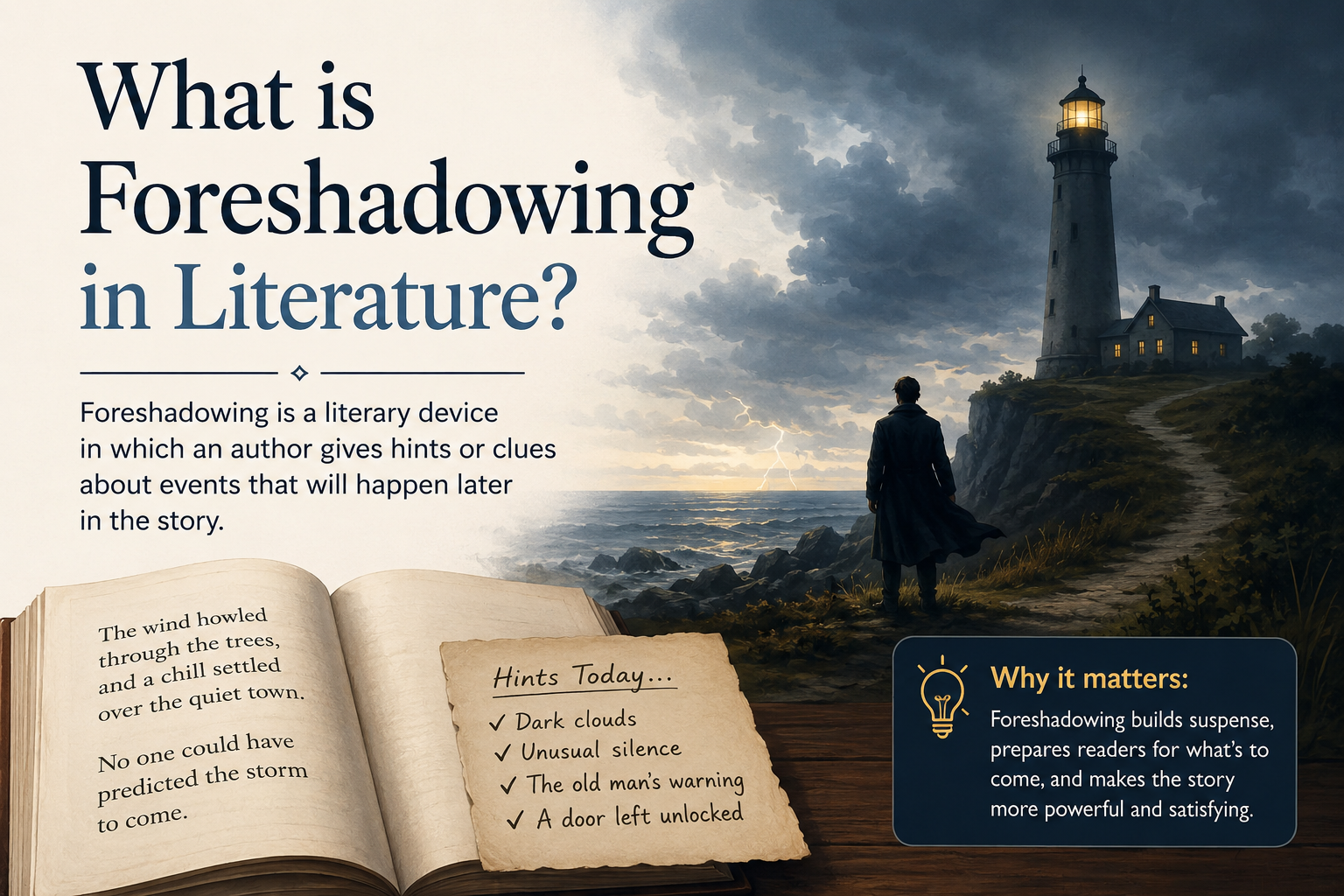
What Is Foreshadowing in Literature? It is a clue that hints at what may happen later in a story. Writers use it to build suspense, shape mood, and help readers notice that every detail can matter.

In this Guide

  • What foreshadowing means
  • Why writers use it
  • Common types of foreshadowing
  • Famous examples from literature
  • How to spot it as you read
  • Book suggestions
  • FAQ
Foreshadowing in Literature

What Is Foreshadowing in Literature? A Simple Definition

Foreshadowing is a hint that points toward a future event in a story.

So, What Is Foreshadowing in Literature? In simple terms, it is when an author plants a clue early so something later feels planned, not random.

Foreshadowing can be clear or subtle. A character may make a warning, a storm may signal danger, or an object may appear before it becomes important.

This device helps readers feel curious. It also rewards close reading because small details may gain meaning later.

If you want to study more tools like this, visit our literary devices list.

What Is Foreshadowing in Literature? Why It Matters

Foreshadowing gives a story shape and purpose.

What Is Foreshadowing in Literature? It is not just a “hint.” It is a way for writers to guide our expectations.

When used well, foreshadowing makes an ending feel earned. Readers may think, “I should have seen that coming,” which can make the story more powerful.

It also creates suspense. If a novel opens with a strange noise in the dark, we expect that noise to matter later.

Foreshadowing can also reveal theme. In many tragedies, early warnings show that fate, pride, or fear may lead to disaster.

What Is Foreshadowing in Literature? Common Types to Know

Foreshadowing can appear in more than one form.

Direct foreshadowing gives a clear warning. A character might say, “Nothing good will come from this.” That line tells readers to expect trouble.

Indirect foreshadowing is more hidden. A broken mirror, a dark dream, or a strange silence may hint at future conflict.

Symbolic foreshadowing uses images or objects. For example, a dying plant might suggest a failing relationship.

So, What Is Foreshadowing in Literature? It is any early clue that prepares readers for what comes next, even if they do not notice it right away.

Famous Examples of Foreshadowing

Well-known stories often use foreshadowing to build tension and meaning.

In Romeo and Juliet by William Shakespeare, Romeo has dark feelings about going to the Capulet party. His fear hints at the tragedy that follows.

In Of Mice and Men by John Steinbeck, the death of Candy’s dog foreshadows the later death of Lennie. Both scenes deal with mercy, weakness, and painful choices.

In Harry Potter and the Sorcerer’s Stone by J.K. Rowling, small details about Harry’s scar and Voldemort hint at a much larger conflict.

In The Lottery by Shirley Jackson, the nervous mood and strange village ritual foreshadow the shocking ending. The story shows how ordinary details can hide danger.

For more on literary terms and reading context, you can explore Britannica’s entry on foreshadowing.

How Foreshadowing Is Different from a Spoiler

A spoiler tells you what will happen. Foreshadowing only hints at it.

This difference matters. A spoiler removes surprise, but foreshadowing creates interest.

Good foreshadowing does not give away the whole plot. It gives just enough detail to make readers wonder.

When readers look back, the clue makes sense. That is why foreshadowing can make a story feel carefully built.

How to Spot Foreshadowing While You Read

Look for details that seem unusual, repeated, or too specific to ignore.

If a writer spends time on an object, warning, dream, or odd line of dialogue, mark it. Ask, “Why did the author include this?”

Pay close attention to first chapters. Many writers place key clues near the start of a story.

Also watch for changes in mood. A sudden shift from calm to tense may signal that something important is coming.

To connect foreshadowing with other story tools, review this guide to literary devices.

Books That Help You Study Foreshadowing

These books are useful if you want strong examples of foreshadowing in action:

  • Romeo and Juliet by William Shakespeare
  • Of Mice and Men by John Steinbeck
  • Harry Potter and the Sorcerer’s Stone by J.K. Rowling

FAQ: What Is Foreshadowing in Literature?

What Is Foreshadowing in Literature?

Foreshadowing is a clue that hints at a future event in a story. It helps readers expect that something important may happen later.

Why do authors use foreshadowing?

Authors use foreshadowing to build suspense, prepare readers, and make the ending feel connected to the rest of the story.

Is foreshadowing always obvious?

No. Some foreshadowing is clear, but some is hidden. Readers may only notice it after they finish the story.

What is an easy example of foreshadowing?

If a character says, “I have a bad feeling about this,” that line may foreshadow danger or conflict later.

Can foreshadowing be a symbol?

Yes. A symbol, such as a storm or broken object, can foreshadow a future event or emotional change.

Key Takeaway

What Is Foreshadowing in Literature? It is a clue that points ahead. When you read, circle strange details and ask how they might matter later. That simple habit can make your analysis much stronger.

Reading the Landscape: Nature and Isolation in Western Writing

nature and isolation in Western writing

How the American West shapes theme, character, and meaning in literature

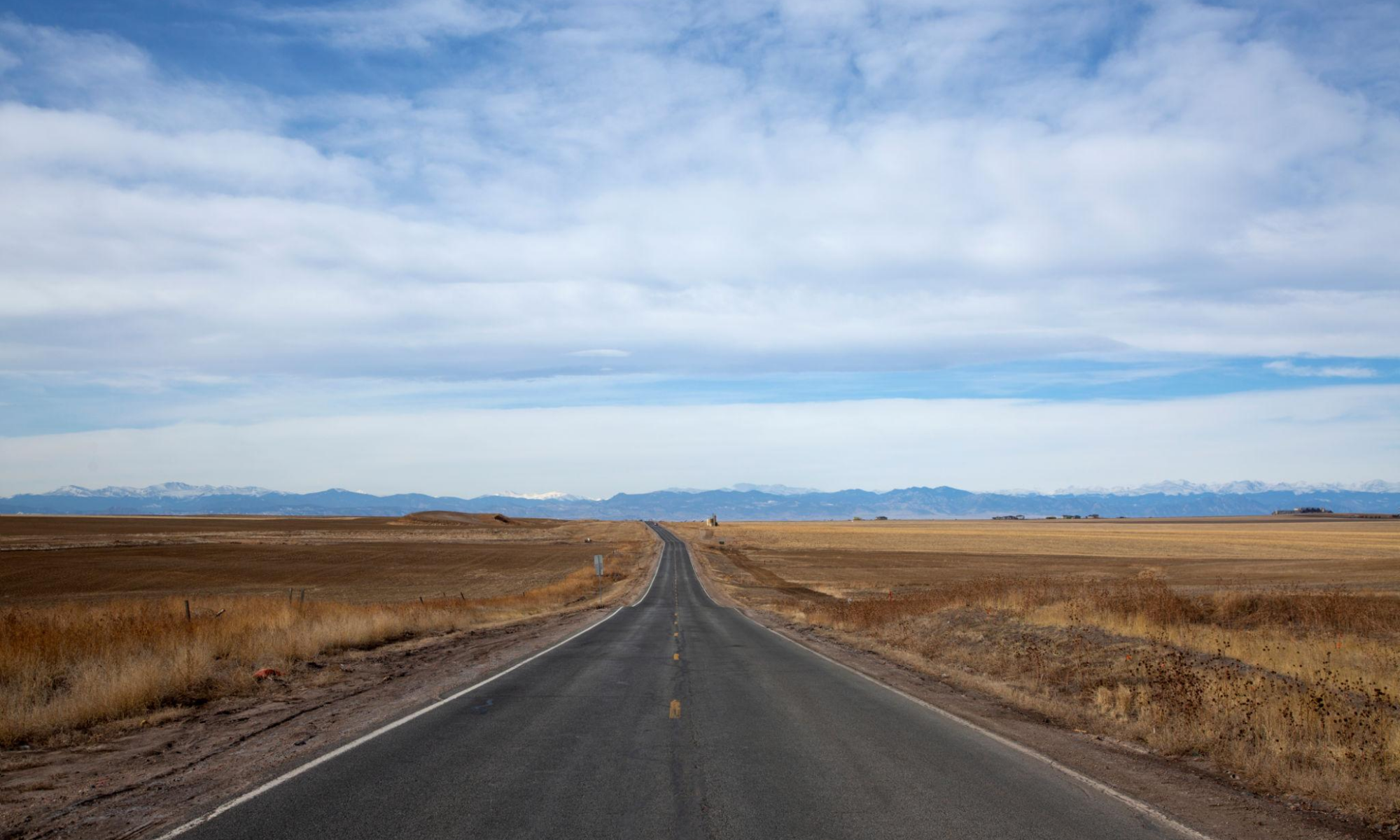
The American West is more than a backdrop. In nature and isolation in Western writing, the land shapes how characters think, feel, and survive. Wide skies, long distances, and quiet towns create a kind of pressure that shows up in the writing itself. When you read Western literature, the land is never just scenery. It acts on people. It tests them. Sometimes, it often leaves them alone with themselves.

This guide will help you read the Western landscape as part of the story. You will see how nature creates isolation, how that isolation shapes character, and how both work together to build meaning.

This article contains affiliate links.

In This Guide

  • What makes the Western landscape different in literature
  • How isolation functions as a theme
  • Key examples from American writing
  • How to analyze landscape in any text
  • Quick reading prompts you can use right away
  • FAQ – Nature and isolation in Western writing

Across many regions, setting supports the story. In Western writing, setting often drives it.

The land is open and exposed. There are fewer boundaries, fewer crowds, and fewer places to hide. This creates a different kind of tension. Characters cannot rely on social structures in the same way they might in a city or a small, dense town. The result is a stronger focus on the individual.

Distance matters here. A long road or an empty field is not just visual detail. It suggests time, effort, and sometimes risk. When a character travels across that space, the journey becomes part of the meaning of the story.

Silence also plays a role. In Western landscapes, quiet is not peaceful in a simple sense. It can feel heavy. Sometimes it forces reflection. It can leave characters facing thoughts they would rather avoid.

Nature and Isolation in Western Writing: What Makes the Landscape Unique

Isolation in Western writing is rarely just about being alone. It often reveals something deeper about identity, fear, or belief.

Characters in these settings tend to face three kinds of isolation:

First, physical isolation. The land itself separates people. Homes are far apart. Help is not close. This creates a sense of vulnerability that shapes decisions.

Second, emotional isolation. Without constant interaction, characters may struggle to express what they feel. This can lead to restraint, distance, or quiet tension between people.

Third, existential isolation. The scale of the landscape can make a person feel small. This often leads to questions about purpose, meaning, and place in the world.

You can see this clearly in works like My Ántonia by Willa Cather, where the Nebraska prairie creates both freedom and loneliness, or in Blood Meridian by Cormac McCarthy, where the harsh land reflects a deeper moral emptiness.

Nature as a Force, Not a Backdrop

In Western writing, nature often acts on characters rather than sitting behind them.

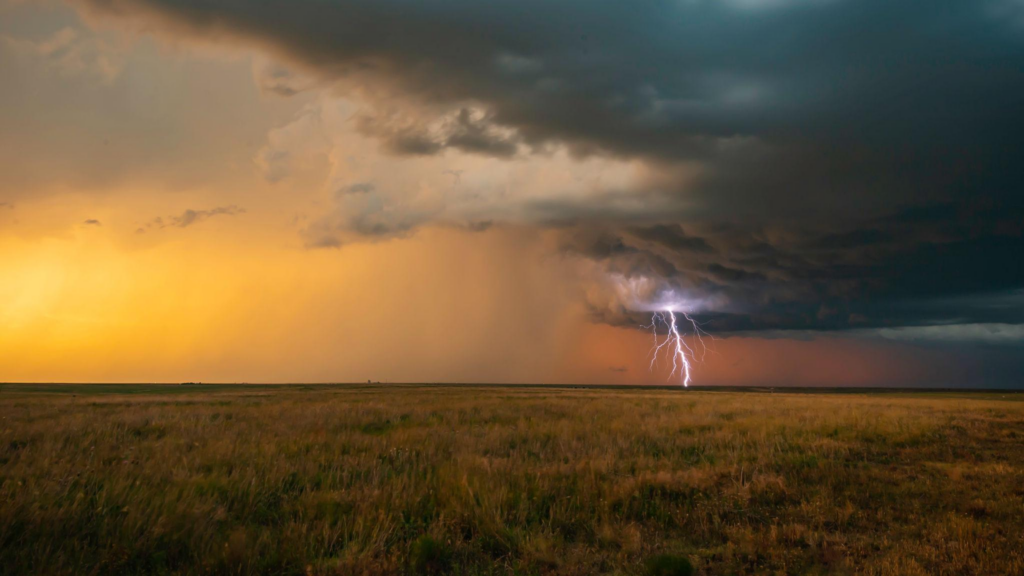
Weather can shape the plot. A storm may delay travel or create danger. Heat can wear a character down. Cold can isolate them further. These are not small details. They influence what characters can do and how they feel.

The land can also mirror inner states. A dry, empty desert may reflect a sense of loss. A wide, open field may suggest possibility, but also uncertainty. Writers use these connections to deepen meaning without stating it directly.

This is especially clear in The Grapes of Wrath by John Steinbeck, where the Dust Bowl is both a real event and a symbol of hardship and displacement.

How Isolation Shapes Character

Characters in Western settings often develop in response to the land.

They may become self-reliant. With fewer resources and less support, they learn to solve problems on their own. This can create strength, but it can also lead to emotional distance.

They may become observant. In a quiet landscape, small details matter. A change in weather, a distant figure, or a shift in light can carry meaning. Characters learn to notice what others might miss.

They may struggle with connection. When people are spread out, relationships can feel fragile. This can lead to missed opportunities or unspoken feelings.

When you read, watch how a character changes over time. Ask how much of that change comes from the land itself. In Western writing, the answer is often more than you expect.

How to Analyze Landscape in Any Text

You can apply a simple method when reading Western literature or any text where setting matters.

Start by asking what the land looks like. Focus on specific details. Is it open or closed, harsh or gentle, quiet or active?

Then ask how the land affects the character’s choices. Does it limit them, push them, or shape their path?

Next, look for emotional connections. Does the landscape reflect what the character feels, or does it contrast with it?

Finally, connect the setting to theme. Ask what the landscape suggests about larger ideas like freedom, survival, loneliness, or hope.

This approach keeps your analysis grounded in the text while still reaching deeper meaning.

Quick Reading Prompts

Use these when you are working through a Western text:

  • What does the landscape make possible, and what does it take away?
  • How does distance affect the character’s decisions?
  • Where do you see silence or emptiness, and what do they mean?
  • How would the story change in a different setting?

These questions can turn a simple reading into a more thoughtful analysis.

Why This Matters for Literary Analysis

When you begin to read landscape as part of the story, texts open up in new ways. You start to see how meaning is built through more than dialogue or plot. The environment becomes part of the language of the work.

For students, this skill strengthens essays and close readings. For general readers, it deepens the experience of the story. It allows you to see how writers use place to explore what it means to be human.

Key Takeaway

In Western writing, the landscape is never neutral. It shapes isolation, defines character, and carries meaning. When you learn to read the land, you begin to understand the story at a deeper level.

If you want step-by-step support with literary analysis, you can use these tools:

Literary Analysis Essay Examples

Literary Analysis Essay Toolkit

FAQ: Nature and Isolation in Western Writing

Why is the landscape so important in Western writing?

In Western literature, the landscape shapes the story in direct ways. The size of the land, the distance between people, and the quiet all affect how characters think and act. The setting often creates pressure that drives decisions, conflict, and growth.

What does isolation mean in Western literature?

Isolation in Western writing goes beyond being alone. It can be physical, emotional, or even spiritual. Characters may be separated by distance, struggle to connect with others, or feel small in a vast world. This isolation often reveals deeper truths about identity and purpose.

How does nature influence character development?

Nature often forces characters to adapt. Harsh weather, long distances, and limited resources can make characters more independent, but also more distant from others. These conditions shape how they respond to conflict and how they relate to the world around them.

How can I analyze landscape in a literary essay?

Start by describing the setting clearly. Then connect it to character choices and emotional tone. Finally, explain how the landscape supports the theme. Focus on how the environment influences action and meaning, rather than treating it as background detail.

Is this approach useful outside of Western literature?

Yes. While it is especially clear in Western writing, this approach works in any text where setting matters. Learning to read landscape as part of the story will strengthen your analysis across many types of literature.

What are examples of books that show nature and isolation in the American West?

Works like My Ántonia by Willa Cather, The Grapes of Wrath by John Steinbeck, and Blood Meridian by Cormac McCarthy all explore how the Western landscape shapes human experience. Each text uses the land to reflect deeper emotional and thematic concerns.

Tone vs Mood in Literature: What’s the Difference?

tone vs mood in literature

How authors shape emotion in stories—and how readers experience it

Many students confuse tone and mood because both describe feelings in a piece of writing. Yet they refer to two very different things.

Tone is the author’s attitude toward the subject. Mood is the feeling the reader experiences.

Understanding this difference can dramatically improve your literary analysis essays. Once you can identify tone and mood, you start seeing how authors guide readers’ emotions through word choice, imagery, and narrative voice.

In this guide, you’ll learn the clear difference between tone and mood, how to recognize them in classic literature, and how to write about them in literary analysis.

This article contains affiliate links.

tone vs mood in literature
Image by Carla Paton

In This Guide 📚

  • What Is Tone in Literature?
  • What Is Mood in Literature?
  • Tone vs Mood in Literature: The Key Difference
  • Examples from Classic Literature
  • How Authors Create Tone and Mood
  • How to Identify Tone and Mood While Reading
  • Why Tone and Mood Matter in Literary Analysis
  • Key Takeaway
  • FAQ

What Is Tone in Literature?

Tone reveals the author’s attitude toward the subject, characters, or events.

Tone comes from word choice, narration, and perspective. It reflects how the author or narrator feels about what is happening in the story.

Common tones include:

  • ironic
  • serious
  • playful
  • critical
  • hopeful
  • melancholic

For example, Jane Austen’s Pride and Prejudice uses a famously ironic tone.

The opening line says:

“It is a truth universally acknowledged, that a single man in possession of a good fortune, must be in want of a wife.”

The narrator sounds confident and formal. Yet the statement is clearly sarcastic. Austen uses this ironic tone to gently mock the social expectations surrounding marriage.

Tone tells us how the author feels about the world of the story.

📌 Quick Tip

Tone often appears through the narrator’s voice. Ask yourself:

Does the narrator sound amused, serious, critical, or sympathetic?

What Is Mood in Literature?

Mood is the emotional atmosphere a reader experiences while reading.

Where tone belongs to the author, mood belongs to the reader. It describes the feeling created by the setting, imagery, and events of the story.

Common moods include:

  • suspenseful
  • eerie
  • romantic
  • tense
  • hopeful
  • gloomy

Mood often changes from scene to scene.

For example, in Emily Brontë’s Wuthering Heights, the bleak landscape and passionate dialogue create a dark and intense atmosphere.

Heathcliff cries:

“I cannot live without my life! I cannot live without my soul!”

The emotional language and gothic setting create a haunting mood that surrounds the entire novel.

Mood pulls readers into the emotional world of the story.

📌 Remember

Tone = author’s attitude
Mood = reader’s emotional experience

Tone vs Mood in Literature: The Key Difference

Here is the simplest way to understand tone vs mood in literature:

ElementMeaningWho Controls It
ToneAuthor’s attitude toward the subjectThe author
MoodEmotional atmosphere felt by readersThe reader

Tone often influences mood, but they are not identical.

For example:

A sarcastic tone might create a humorous mood.

A dark tone might produce a tense or fearful mood.

But readers may react differently depending on their interpretation.

💡 Think of tone like a speaker’s voice and mood like the listener’s reaction.

Examples of Tone vs Mood in Classic Literature

Looking at famous works helps clarify the difference.

Example 1: Pride and Prejudice

Tone: ironic, witty
Mood: light, humorous, socially observant

Austen’s narrator frequently mocks social conventions through clever dialogue and narration.

For instance, Mr. Bennet often speaks sarcastically to his wife, which reinforces the novel’s playful tone.

Yet the overall mood remains warm and entertaining.

Example 2: Frankenstein

Tone: reflective and tragic
Mood: eerie and unsettling

In Mary Shelley’s Frankenstein, Victor Frankenstein often narrates his story with regret and guilt.

The gloomy landscapes, isolated laboratories, and tragic consequences create a dark mood for readers.

The tone of regret from Victor strengthens the feeling of dread.

Example 3: Dracula

Tone: suspenseful and ominous
Mood: fearful and mysterious

In Bram Stoker’s Dracula, letters and journal entries describe eerie castles, strange behavior, and supernatural events.

The author’s ominous tone creates a powerful mood of suspense that keeps readers anxious about what will happen next.

How Authors Create Tone and Mood

Authors shape tone and mood through several literary techniques.

Word Choice (Diction)

Words carry emotional weight.

Compare these descriptions:

  • “a quiet forest”
  • “a dark, suffocating forest”

The second description creates a more ominous mood.

Setting

Setting strongly affects mood.

A fog-covered castle produces suspense.
A sunny garden produces peace.

Imagery

Imagery appeals to the senses and intensifies emotional reactions.

Descriptions of sound, smell, and sight help build atmosphere.

Dialogue

Dialogue reveals tone through character attitudes.

Sarcastic dialogue creates a humorous tone.
Serious dialogue creates a tense tone.

How to Identify Tone and Mood While Reading

Students often struggle to identify tone and mood in literature.

Try these steps.

Step 1: Examine Word Choice

Look at adjectives and descriptive phrases.

Do the words sound critical, joyful, or gloomy?

Step 2: Consider the Narrator’s Perspective

Ask:

How does the narrator feel about the characters or events?

Step 3: Notice Your Emotional Reaction

Ask yourself:

How does this scene make me feel?

That feeling usually reveals the mood.

📚 Related Reading

If you want to strengthen your literary analysis skills, these guides can help:

Why Tone and Mood Matter in Literary Analysis

Understanding tone vs mood in literature helps readers move beyond simply summarizing a story.

Instead, you begin to analyze how the story works emotionally.

Tone reveals the author’s perspective.

Mood reveals the emotional impact on readers.

When you discuss these elements in essays, you show a deeper level of literary understanding.

These books help readers analyze language and literary techniques more closely.

Key Takeaway ✨

Tone and mood work together to shape a reader’s emotional experience.

Tone expresses the author’s attitude.

Mood describes the feeling created in the reader.

Once you learn to recognize both, literature becomes far richer and more meaningful.

📦 Want help writing literary analysis essays?

The Literary Analysis Essay Toolkit includes step-by-step guides, templates, and examples that make analyzing literature much easier.

FAQ – Tone vs Mood

What is the difference between tone and mood in literature?

Tone is the author’s attitude toward the subject. Mood is the emotional atmosphere that readers experience while reading.

Can tone and mood be the same?

Sometimes tone and mood align. A cheerful tone may create a happy mood. However, they are not identical because tone belongs to the author while mood belongs to the reader.

How do authors create mood?

Authors create mood through setting, imagery, word choice, and narrative perspective.

Why do students confuse tone and mood?

Both involve emotions in literature, so they are easy to mix up. The key difference is who experiences the feeling.

error

Enjoy this article? Please spread the word :)

Follow by Email
BLUESKY
fb-share-icon
Reddit
LinkedIn
Share
RSS