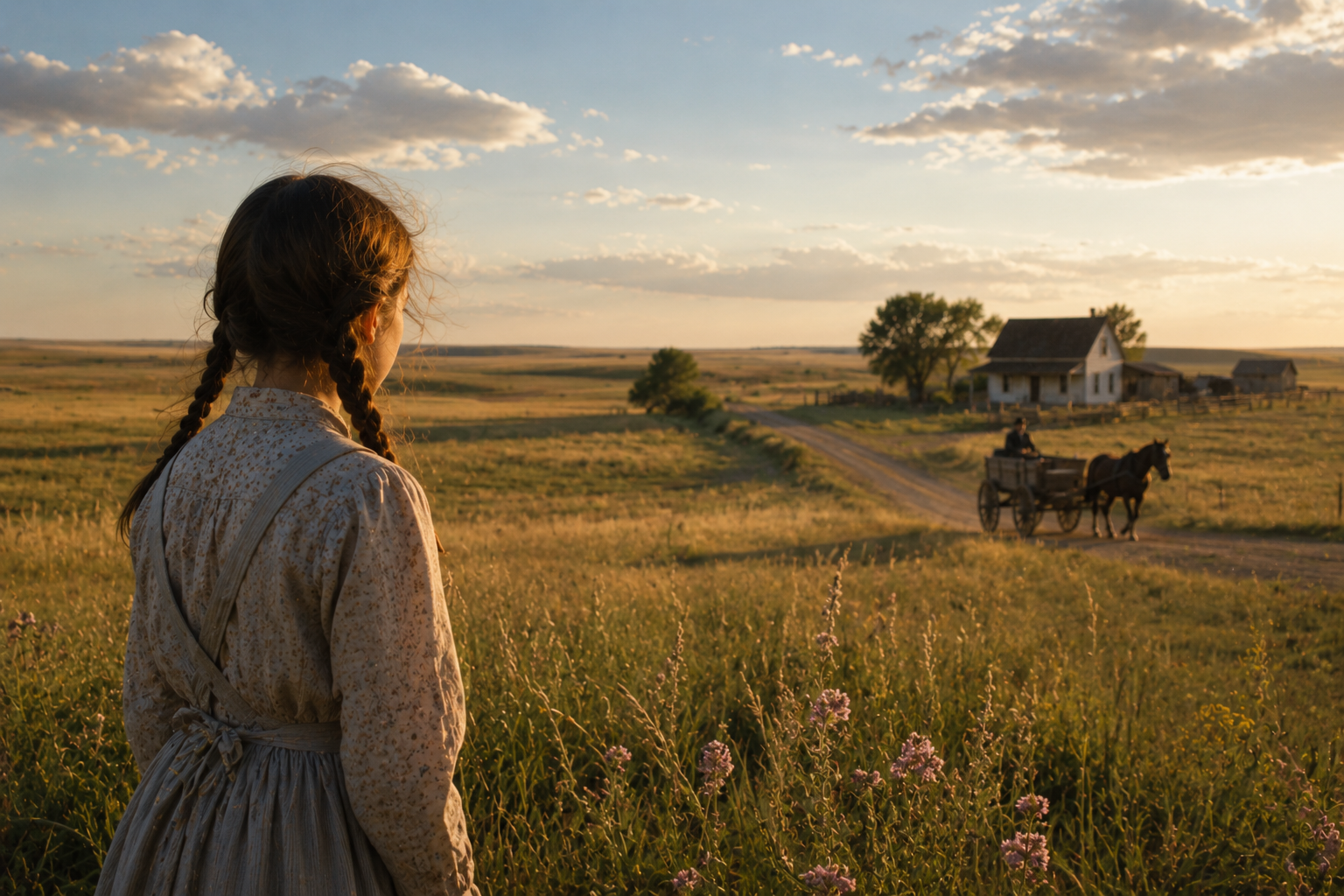
Willa Cather’s My Ántonia is full of lines that seem simple at first, then grow deeper as the story unfolds. This guide to My Ántonia quotes explained will help students connect key passages to memory, the prairie, and Jim Burden’s view of Ántonia.
In this Guide
Use these sections to find a passage, understand its meaning, and turn it into a stronger essay point.
- Why these quotes matter
- Quotes about memory and narration
- Quotes about land and the prairie
- Quotes about Ántonia as a symbol
- How to use quotes in essays
- FAQ
Why My Ántonia quotes explained matter
The best quotes in this novel do more than sound pretty. They show how Jim turns his past into meaning.
My Ántonia is not just a story about one girl on the Nebraska prairie. It is also a book about how memory shapes a life.
Good My Ántonia quotes explained can help you write about point of view, symbolism, setting, and theme. That matters because Cather often hides large ideas inside quiet scenes.
Think of Jim like Nick Carraway in The Great Gatsby. Both narrators look back and try to understand a person who changed them.
My Ántonia quotes explained: memory and narration
Jim’s memories are emotional, selective, and powerful. These passages help students see that the novel is about remembering as much as it is about living.
“Some memories are realities, and are better than anything that can ever happen to one again.”
This short line is one of the clearest statements of the novel’s main idea. Jim believes memory can become more real than the present.
That does not mean the past is perfect. It means memory gives shape to pain, beauty, and loss.
In an essay, you could use this quote to argue that Jim does not simply record the past. He reshapes it into something lasting.
Student move: Link the quote to the novel’s frame structure. Jim writes from a later point in life, so every scene passes through his adult mind.
“Whatever we had missed, we possessed together the precious, the incommunicable past.”
This line comes near the end of the novel and shows why Jim and Ántonia remain connected. They have not shared the same adult life, but they share a past that cannot be fully spoken.
The word incommunicable matters. It suggests that some feelings are too deep for ordinary language.
This is a strong quote for an essay about nostalgia. Jim knows he cannot return to childhood, yet he still holds it as a treasure.
In many My Ántonia quotes explained, memory feels both beautiful and painful. That tension gives the novel much of its power.
“Optima dies… prima fugit.”
This Latin phrase appears in the epigraph and means the best days are the first to flee. It prepares readers for a story filled with longing.
The quote fits Jim’s life because he sees childhood as a vanished golden time. He cannot stop time, so he tells the story.
Students can use this line in introductions because it frames the whole novel. It also works well in a conclusion about the cost of growing up.
My Ántonia quotes explained: land and prairie imagery
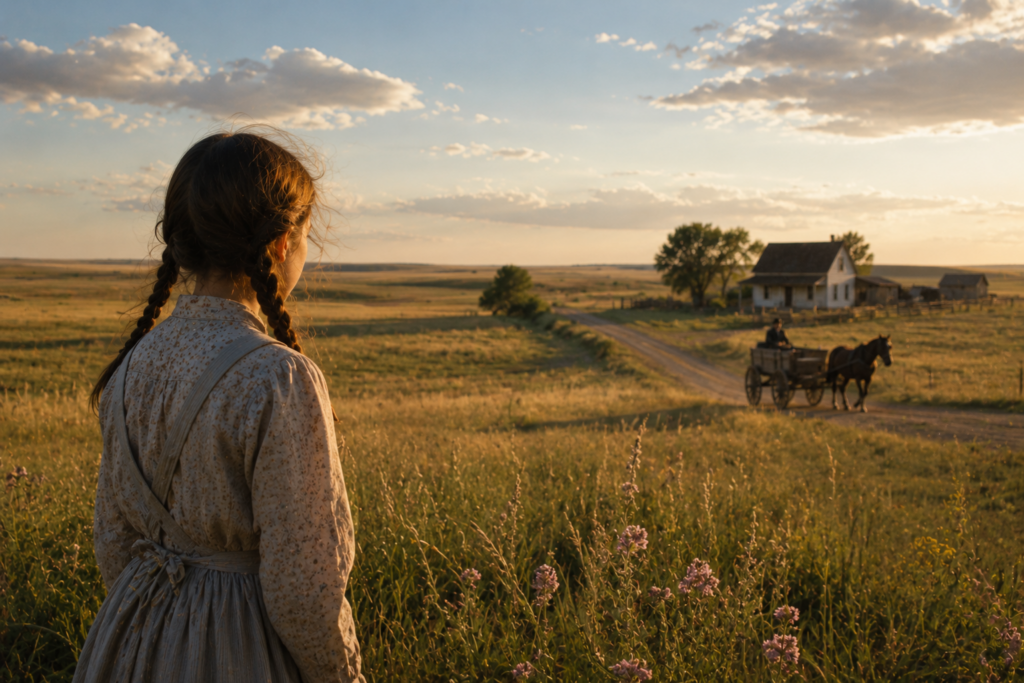
The prairie is not just a background. Cather makes it feel alive, vast, and central to the characters’ lives.
“As I looked about me I felt that the grass was the country, as the water is the sea.”
This quote shows Jim’s first strong sense of the prairie. The comparison to the sea makes the land feel huge and almost endless.
Cather uses simple language, but the image is big. The grass becomes the defining feature of this new world.
You can use this quote to discuss setting as more than place. The prairie shapes identity, work, fear, and hope.
This is where My Ántonia quotes explained can help students avoid summary. Instead of saying the setting is important, you can show how Cather’s image makes the land feel immense.
“The road ran about like a wild thing.”
This line gives movement and personality to the road. It makes the landscape feel untamed.
The phrase wild thing also suggests that Jim has entered a place that does not follow city rules. The prairie is open, strange, and free.
In an essay, this quote can support a point about frontier life. The land is exciting, but it also resists control.
Writers often use landscape this way. In Wuthering Heights, the moors reflect wild passion. In My Ántonia, the prairie reflects freedom and hardship.

My Ántonia quotes explained: Ántonia as a symbol
Ántonia is a character with her own life, but Jim also turns her into a symbol. That double role is important for any close reading.
“She lent herself to immemorial human attitudes which we recognize by instinct as universal and true.”
This quote shows Jim’s adult view of Ántonia. He sees her as more than one person from his childhood.
The word immemorial means ancient or beyond recorded time. Jim links Ántonia to motherhood, labor, endurance, and the deep patterns of human life.
This can be a tricky quote. It praises Ántonia, but it also shows Jim turning her into an idea.
A strong essay can explore that tension. Does Jim honor Ántonia, or does he simplify her? The best answer may be that he does both.
The title phrase: “My Ántonia”
The phrase My Ántonia sounds affectionate, but it also raises a question. What does it mean for Jim to call her my Ántonia?
He does not own her. He owns his memory of her.
This is one of the most useful My Ántonia quotes explained for essays about narration. The title reminds us that the Ántonia we meet comes through Jim’s voice.
That does not make the portrait false. It makes it personal.
Essay moves for My Ántonia quotes explained
A quote should not do the work for you. Your job is to explain how the words create meaning.
When you use a quote from My Ántonia, set up the moment first. Then focus on one or two important words.
For example, in “the precious, the incommunicable past,” the word precious shows value, while incommunicable shows distance. That small word choice gives you a real argument.
If you need a fuller method, read our guide on how to write a literary analysis essay. It shows how to move from quote to claim without retelling the plot.
You can also use our printable quote-analysis organizer to plan evidence before you draft.
The best My Ántonia quotes explained will connect language to theme. Do not stop at what the quote says. Ask what it reveals about Jim, Ántonia, or the world they share.
Helpful background and suggested books
A little context can help you read Cather with more care. It can also give your essays a stronger sense of place.
For reliable background, see Britannica’s overview of Willa Cather and the Willa Cather Archive.
Relevant books to explore:
- O Pioneers! by Willa Cather
- The Song of the Lark by Willa Cather
Both books can help students see how Cather writes about ambition, place, and the American prairie.
FAQ: My Ántonia quotes explained
These short answers can help you review before a class discussion or essay.
What is the most important quote in My Ántonia?
Many students choose “Whatever we had missed, we possessed together the precious, the incommunicable past.” It captures the novel’s focus on memory and loss.
What does Ántonia symbolize?
Ántonia often symbolizes endurance, fertility, and the immigrant experience. She also remains a real person with choices and struggles.
Why does Jim call the book My Ántonia?
The title shows that the story is Jim’s personal memory of Ántonia. It reflects love, nostalgia, and his limited point of view.
How can I use My Ántonia quotes explained in an essay?
Choose a short quote, explain key words, and connect the language to a theme. Avoid long plot summary.
Key takeaway
The most memorable lines in My Ántonia reveal how memory turns ordinary life into meaning. If you explain Cather’s word choices closely, your essay will feel sharper and more convincing.