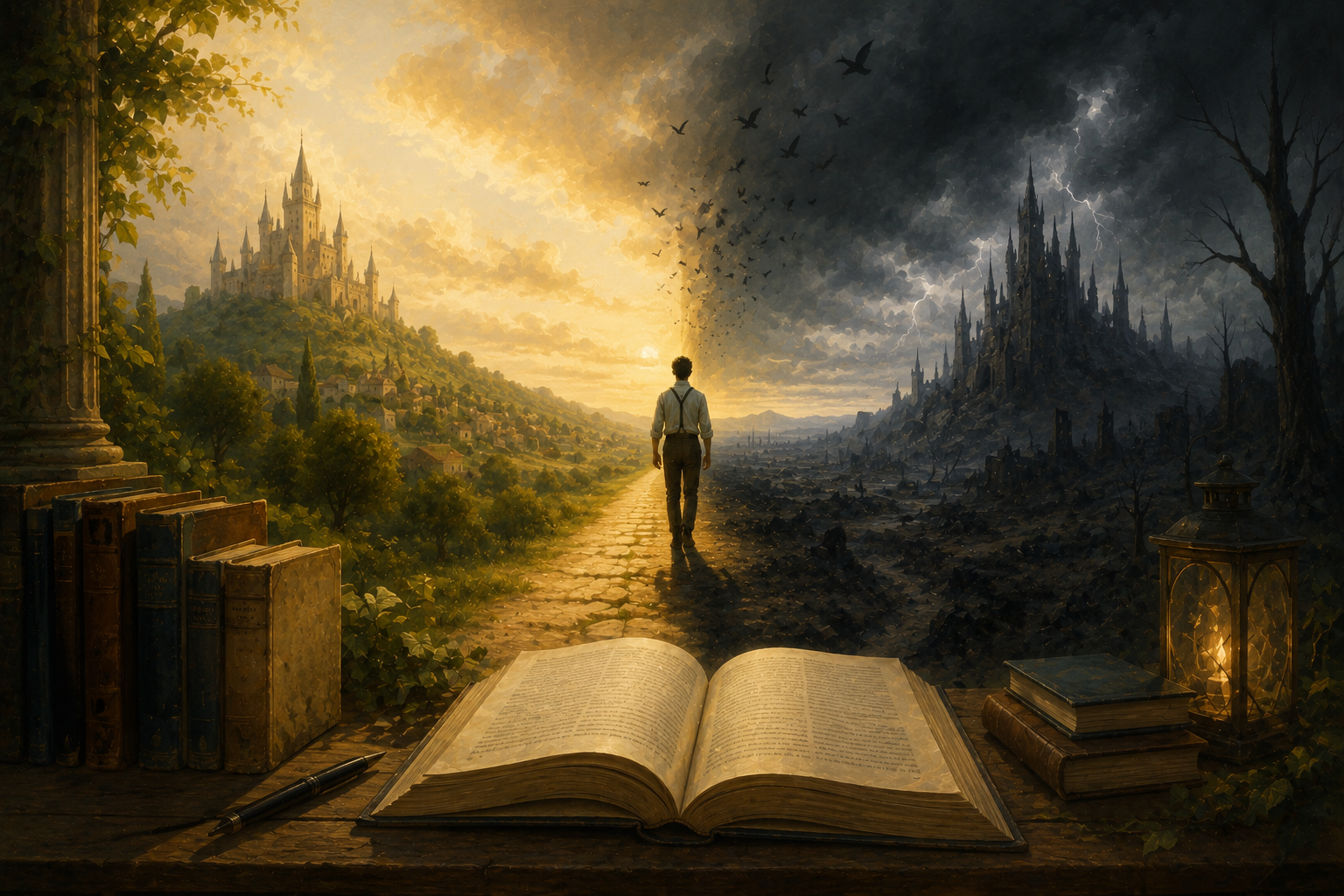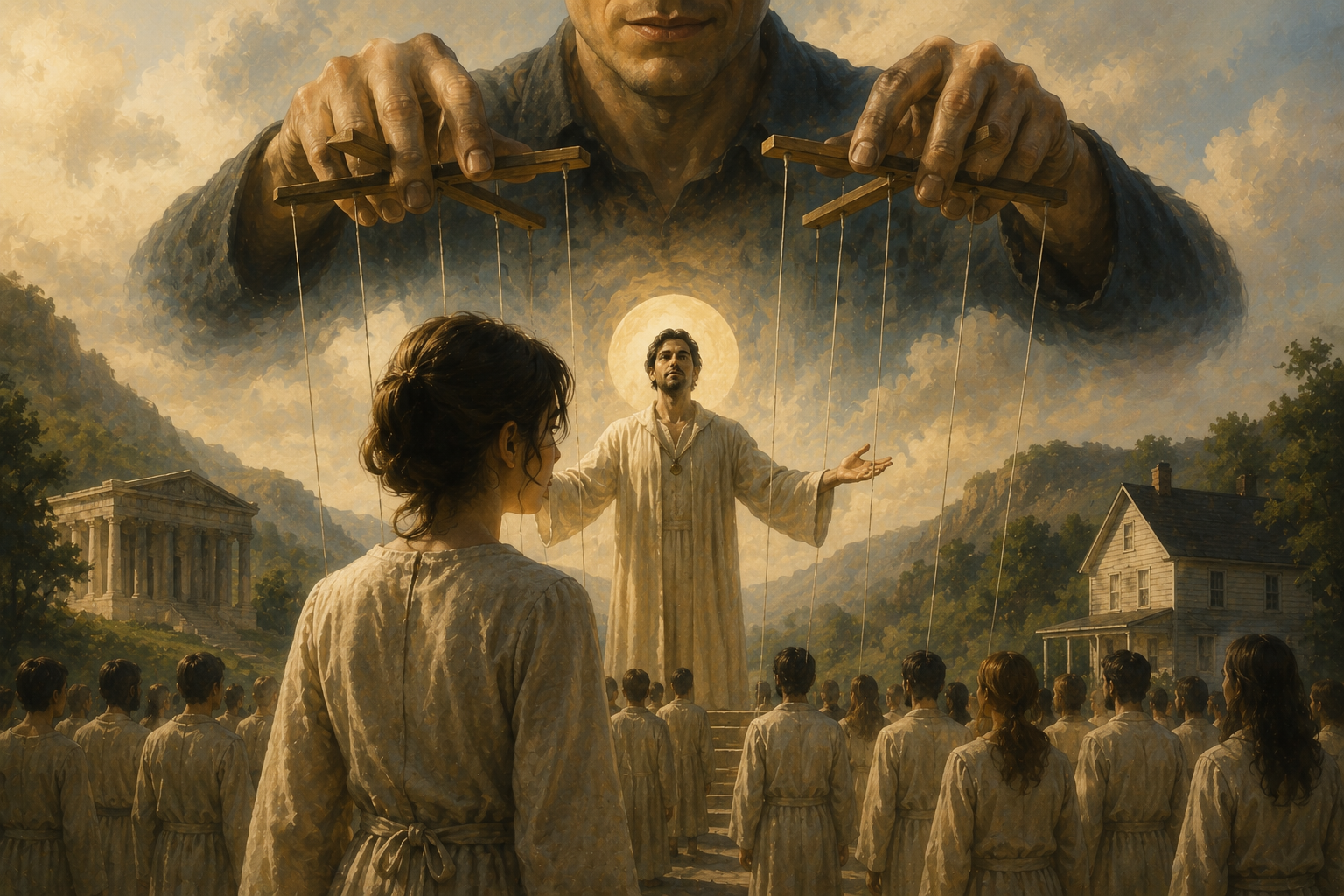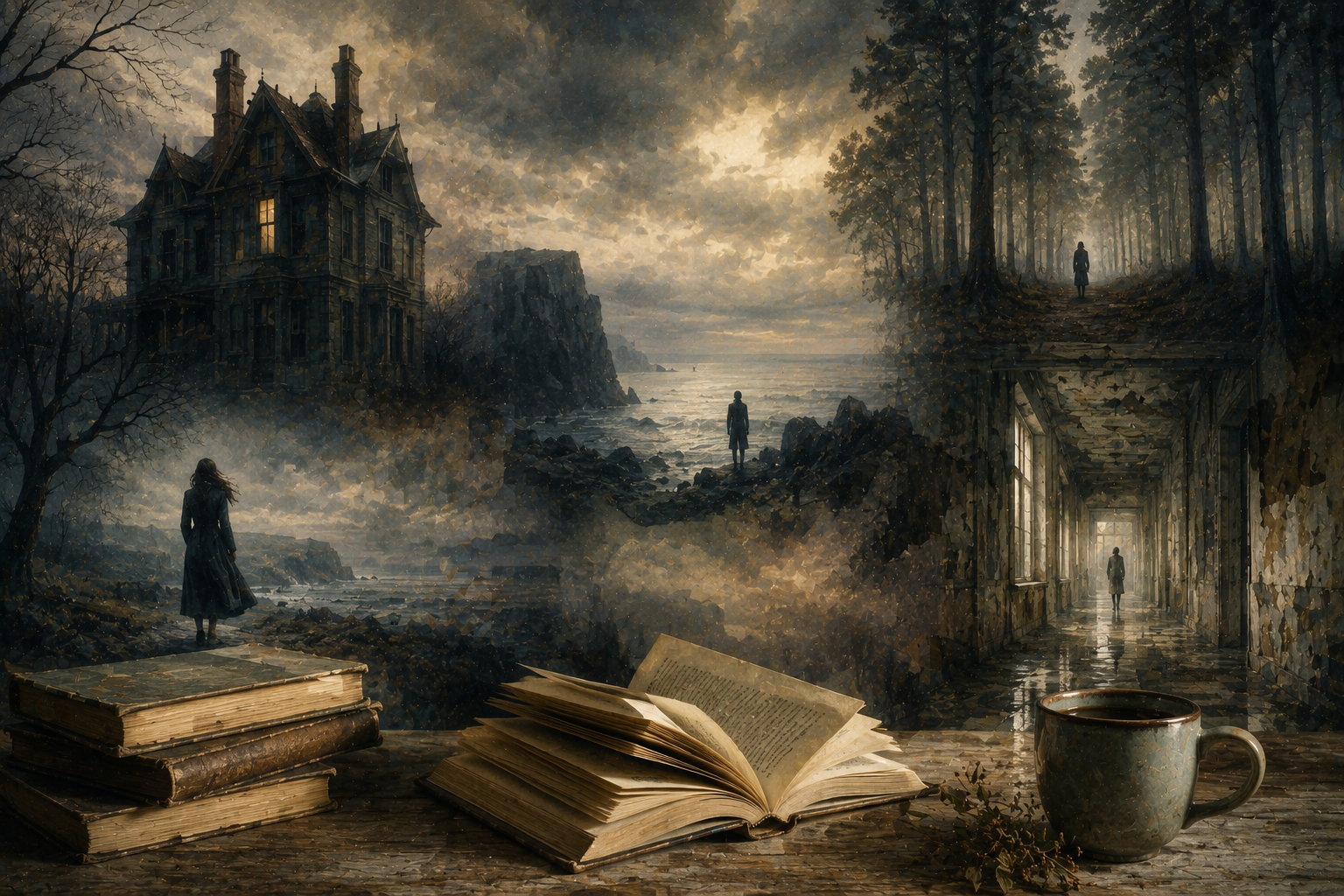
Best Classic Cults and Manipulation: Literature’s Most Chilling Power Stories

Cults and Manipulation

The best classic cults and manipulation stories show how people can lose their freedom without noticing at first. These books and plays are not just dark or strange, they reveal how fear, loyalty, and pressure can change a whole group.

For students, these works are rich choices for essays because they connect character, theme, symbolism, and history in clear ways.

In this Guide

  • Why cults and manipulation matter in classic literature
  • Best classic cults and manipulation books to read first
  • Common themes in these works
  • Symbols that reveal control
  • How to study these texts for class
  • FAQs

Why Best Classic Cults and Manipulation Stories Still Matter

These stories help us see how control can look normal from the inside.

The best classic cults and manipulation stories often begin with ordinary people. A town, a school, a family, or a nation starts to follow a belief system that no one is allowed to question.

That is what makes these works so powerful. They do not always need monsters. The danger comes from people who obey rules, repeat slogans, or fear being cast out.
In literature, cult-like control can appear in many forms. It may come from a leader, a government, a religious group, or even a crowd. The key idea is the same: people give up their judgment because the group seems stronger than the self.

Best Classic Cults and Manipulation Books to Read First

These works are strong starting points for students who want clear themes and powerful examples.

A strong best classic cults and manipulation reading path often starts with George Orwell’s 1984. In the novel, the Party controls language, memory, privacy, and love. Big Brother becomes more than a leader. He becomes a symbol of total power.

Arthur Miller’s The Crucible is another key text. The play is set during the Salem witch trials, but it also reflects fear during the Red Scare. People accuse others to save themselves, and the whole town becomes trapped by panic.

Shirley Jackson’s “The Lottery” is short, but it hits hard. The villagers follow a violent tradition because it has always existed. No one can explain it well, yet they still obey.

William Golding’s Lord of the Flies also fits this topic. The boys form a violent group around fear, status, and ritual. Jack does not need truth to lead. He needs emotion.

Amazon Books: Classic Titles Worth Reading

If you want to build a strong literature list, these books are easy to find on Amazon, in libraries, or through school reading programs.

  • 1984 by George Orwell
  • The Crucible by Arthur Miller

Both texts work well for essays about power, fear, mass belief, and moral choice.

Common Themes in Best Classic Cults and Manipulation Literature

These stories often ask one sharp question: why do people obey harmful systems?

One major theme in the best classic cults and manipulation works is fear. Fear makes characters doubt themselves. It also makes them turn against others.

In The Crucible, fear spreads through accusation. A person can be ruined by a lie, so people lie first to protect themselves.

Another major theme is identity. Cult-like systems often erase the individual. In 1984, Winston’s private thoughts are treated as crimes. The Party wants to control not only what people do, but what they believe is true.

Group loyalty is also central. In “The Lottery,” villagers follow the crowd even when the result is cruel. Jackson shows how tradition can become dangerous when people stop asking why it exists.

Common Symbols in Best Classic Cults and Manipulation Stories

Symbols in these works often turn simple objects into signs of control.

In the best classic cults and manipulation stories, symbols help readers see hidden power. A symbol may look ordinary, but it carries deep fear or pressure.

In 1984, Big Brother’s face is everywhere. His image stands for constant watchfulness. Even when he is not present, people feel watched.

In “The Lottery,” the black box is a key symbol. It is old, worn, and treated with respect. It shows how people can worship tradition even when that tradition harms them.

In Lord of the Flies, the painted faces become masks. The boys use them to hide shame. Once hidden, they act with more cruelty.

These symbols matter because they make manipulation visible. They show how power works through objects, rituals, and repeated images.

How Leaders Manipulate in Classic Literature

Manipulative leaders often use simple tricks that feel familiar.

They create enemies. They repeat slogans. They punish doubt. They make the group feel chosen or threatened.

In Animal Farm, Napoleon changes the rules while claiming to protect the farm. The animals are too tired, scared, or confused to resist. Language becomes a weapon.

In Lord of the Flies, Jack uses fear of the beast to gain control. He offers safety, but his version of safety requires obedience.

This is why the best classic cults and manipulation texts still feel current. They show that control does not always begin with force. Sometimes it begins with a promise.

How to Study Best Classic Cults and Manipulation for Class

These works become easier to analyze when you track patterns as you read.

When you study the best classic cults and manipulation literature, pay attention to repeated words, rules, punishments, and public rituals. These details often reveal the system of control.

It also helps to mark moments when a character doubts the group. Doubt is often the first sign of inner freedom.

If you want a simple method, use this guide on how to take notes while reading a novel. It can help you track symbols, character shifts, and theme evidence without feeling lost.

For essay writing, connect each example to a bigger idea. Do not just say a leader is cruel. Explain how that leader gains trust, spreads fear, or controls truth.

Historical Context That Helps

Many of these works reflect real fears from history.

1984 is often read as a warning about totalitarian power. For a clear overview of that idea, Britannica’s entry on totalitarianism is a helpful resource.

The Crucible connects to the Salem witch trials and to political fear in Miller’s own time. Britannica’s overview of the Salem witch trials gives useful background for students.

Context can deepen your reading, but the human questions still matter most. Why do people join in? Why do they stay silent? What does it cost to resist?

Why These Stories Work So Well for Essays

The topic gives students a clear path from plot to theme.

The best classic cults and manipulation stories are useful for essays because they have visible patterns. You can study leaders, victims, symbols, rules, and turning points.

They also invite strong thesis statements. For example, you might argue that Orwell shows language as the main tool of control. You might argue that Jackson presents tradition as dangerous when it lacks moral thought.

Good essays on this topic should avoid simple claims like “power is bad.” A stronger claim explains how power spreads and why people accept it.

FAQ: Best Classic Cults and Manipulation in Literature

What makes the best classic cults and manipulation stories so powerful?

They show how people can accept harmful systems. That makes the danger feel real, not distant.

Is 1984 about a cult?

Not in the usual sense, but it uses cult-like control. The Party demands total loyalty, controls truth, and turns Big Brother into a figure of worship.

Why is “The Lottery” often linked to manipulation?

The villagers follow a deadly ritual because of tradition and group pressure. No one wants to stand apart from the crowd.

What should I track while reading these works?

Track rules, repeated phrases, symbols, fear tactics, and moments when characters choose silence or resistance.

Key Takeaway

The best classic cults and manipulation stories are not only about strange groups or cruel leaders. They are about how fear, language, and loyalty can shape what people believe.

Great literature asks us to notice those patterns before they become normal. That is why these classics still matter in the classroom and beyond. 📚

Books Like Toxic Relationships: Why Messy Love Stories Grip Us

Books like Toxic Relationships

Books like Toxic Relationships explore love that harms, traps, or changes people in painful ways. These stories can be hard to read, but they also help us understand power, obsession, fear, and self-worth.

In this guide, we’ll look at why readers are drawn to these books, what themes show up often, and which titles are worth reading for school or personal study.

In this Guide

  • What makes these stories feel so intense
  • Best books with toxic relationship themes
  • Key symbols and themes to watch for
  • How tone and mood shape the reading experience
  • FAQ about toxic relationships in literature

What Makes Books Like Toxic Relationships So Powerful?

These stories show love when it becomes control, fear, or obsession.

Books Like Toxic Relationships often pull readers in because the emotions feel extreme. Characters may confuse pain with passion. They may stay in harmful bonds because they want love, safety, status, or escape.

In literature, toxic relationships are not always romantic. They can appear between parents and children, friends, rivals, or social groups. The key idea is imbalance.

One person may hold more power. One person may use guilt, silence, charm, or fear to keep control. That tension creates strong conflict, which is why these stories often feel so dramatic.

For students, these books are useful because they raise big questions. What does love cost? When does loyalty become harm? Can a person heal after control or betrayal?

Best Books Like Toxic Relationships to Read and Study

These works show harmful bonds in clear, memorable ways.

If you want Books Like Toxic Relationships, start with classic and modern stories that focus on power, obsession, and emotional damage.

Wuthering Heights by Emily Brontë

Wuthering Heights is one of the most famous novels about destructive love. Heathcliff and Catherine share a passionate bond, but it also causes deep pain for everyone around them.

Their relationship is full of pride, revenge, and longing. It shows how love can turn bitter when people care more about possession than peace.

For more background, you can read Britannica’s overview of Wuthering Heights.

Jane Eyre by Charlotte Brontë

Jane Eyre offers a more hopeful view of love, but it still includes secrecy and control. Jane must decide if she can keep her self-respect while loving Mr. Rochester.

This makes the novel a strong choice for students who want to compare unhealthy desire with moral growth. Jane’s strength comes from her ability to leave when staying would hurt her soul.

The Great Gatsby by F. Scott Fitzgerald

Gatsby’s love for Daisy is built on memory, fantasy, and status. He does not fully love Daisy as she is. He loves what she represents.

This creates a quiet form of toxicity. The damage comes from illusion, class pressure, and the belief that the past can be rebuilt.

Gone Girl by Gillian Flynn

Gone Girl gives a dark modern look at marriage, image, and control. Nick and Amy’s relationship is full of lies and performance.
This book is not always taught in school, but it is useful for studying unreliable narration. It asks how well we can ever know a couple from the outside.

Books Like Toxic Relationships in Classic Literature

Classic literature often uses troubled love to reveal social rules and hidden fears.

Many Books Like Toxic Relationships are classics because they show how private pain connects to public pressure. Marriage, money, gender roles, and family honor often shape the harm.

In Othello by William Shakespeare, jealousy destroys trust. Othello’s love for Desdemona becomes twisted by fear and manipulation. Iago poisons the relationship by planting doubt.

In Anna Karenina by Leo Tolstoy, love clashes with society’s rules. Anna’s choices bring passion, but also isolation. The novel asks whether a person can survive when desire cuts them off from every support.

And in Rebecca by Daphne du Maurier, the toxic force is partly a memory. The second Mrs. de Winter feels haunted by Rebecca, even after Rebecca is dead. The relationship between the living and the past becomes a trap.

Common Themes in Books Like Toxic Relationships

These stories repeat certain ideas because toxic bonds often follow patterns.

Books Like Toxic Relationships often explore control. One character may decide what another person can know, say, or do. This can appear as romance, but the goal is power.

Another common theme is obsession. A character may treat love like ownership. Instead of asking, “What does this person need?” they ask, “How can I keep them?”

Identity is also important. Toxic relationships can make characters lose sight of who they are. They may change their values, hide their feelings, or accept blame that does not belong to them.

Some stories focus on escape. A character may need to leave a person, a house, a town, or a version of the self. That journey can become the heart of the book.

If you are studying this topic in real life as well as literature, the National Domestic Violence Hotline’s page on emotional abuse gives clear information about harmful patterns.

Symbols That Often Appear in Books Like Toxic Relationships

Symbols help writers show harm without stating it directly.

In Books Like Toxic Relationships, houses often matter. A house may look safe, but feel cold, locked, or haunted. In Wuthering Heights, the setting reflects rage and emotional storm.

Weather can also signal danger. Storms, fog, and heat often match a character’s inner stress. These details help the reader feel the pressure before the conflict is spoken.

Mirrors are another common symbol. They can show split identity or self-doubt. A character may not recognize who they have become inside a harmful bond.

Letters and secrets also play a major role. Hidden messages, missing facts, and private journals can show how truth gets controlled.

How Tone and Mood Shape Books Like Toxic Relationships

The feeling of the story often tells us how safe or unsafe a relationship is.

Books Like Toxic Relationships often use tense, dark, or uneasy moods. A scene may seem romantic on the surface, but the mood can make the reader feel that something is wrong.

Tone also matters. A narrator might sound bitter, dreamy, angry, or numb. That voice can reveal how the character has been shaped by love, fear, or betrayal.

If you want a clear review of this idea, read our guide to tone vs. mood in literature. It can help you explain why a scene feels romantic, scary, or trapped.

For AP Literature or college essays, this is a strong angle. You can connect tone and mood to theme, character change, and conflict.

Recommended Books to Read Next

These titles are strong picks if you want stories about love, control, and emotional conflict.

  • Wuthering Heights by Emily Brontë
  • Jane Eyre by Charlotte Brontë
  • Rebecca by Daphne du Maurier

Each book gives a different view of toxic love. One centers on revenge, one on self-respect, and one on fear shaped by memory.

How to Write About Books Like Toxic Relationships in an Essay

A strong essay does more than call a relationship “toxic.”

When you write about Books Like Toxic Relationships, explain how the harm works. Is it based on jealousy, control, class, fear, or silence?

Use clear evidence from the text. Look for repeated symbols, shifts in tone, and choices that change a character’s sense of self.

You can also compare two relationships in the same book. For example, in Jane Eyre, Jane’s bond with Rochester can be compared with her bond with St. John. Both test her freedom in different ways.

End your essay by linking the relationship to the larger theme. A toxic bond often reveals what the novel believes about love, power, and identity.

FAQ About Books Like Toxic Relationships

These quick answers can help with reading, studying, or choosing a book.

What are Books Like Toxic Relationships?

They are books that show harmful bonds between characters. These bonds may include control, obsession, jealousy, fear, or emotional damage.

Are toxic relationship books always romantic?

No. They can focus on family, friendship, rivalry, or social power. The main issue is harm caused by an unequal or controlling bond.

Why do teachers assign books with toxic relationships?

These books help students study conflict, theme, symbolism, and character growth. They also raise questions about power and choice.

Is Wuthering Heights a toxic love story?

Yes. Heathcliff and Catherine’s bond is intense, but it also leads to cruelty, revenge, and pain across generations.

How can I analyze tone in these books?

Pay attention to the narrator’s attitude and the feeling of each scene. Our guide on how tone and mood work can help.

Key Takeaway

Books Like Toxic Relationships matter because they show what happens when love turns into control, fear, or obsession. The best of these stories do not just shock us. They help us see why self-respect, truth, and freedom matter in every kind of relationship.

Best Novels About Parallel Worlds: A Guide to Other Realities in Fiction

Parallel Worlds

The Best Novels About Parallel Worlds do more than send characters into strange places. They help readers ask big questions about choice, identity, power, and home.

From Narnia to Wonderland, these stories make the impossible feel close. They also give students rich material for essays, class talks, and close reading.

In this Guide

  • Why parallel world novels still matter
  • Best novels about parallel worlds for students
  • Common symbols and themes
  • How tone and mood work in these books
  • Book suggestions to buy or borrow
  • FAQs
  • Key takeaway
Parallel Worlds

Why the Best Novels About Parallel Worlds Still Matter

Parallel worlds turn abstract ideas into places readers can enter.

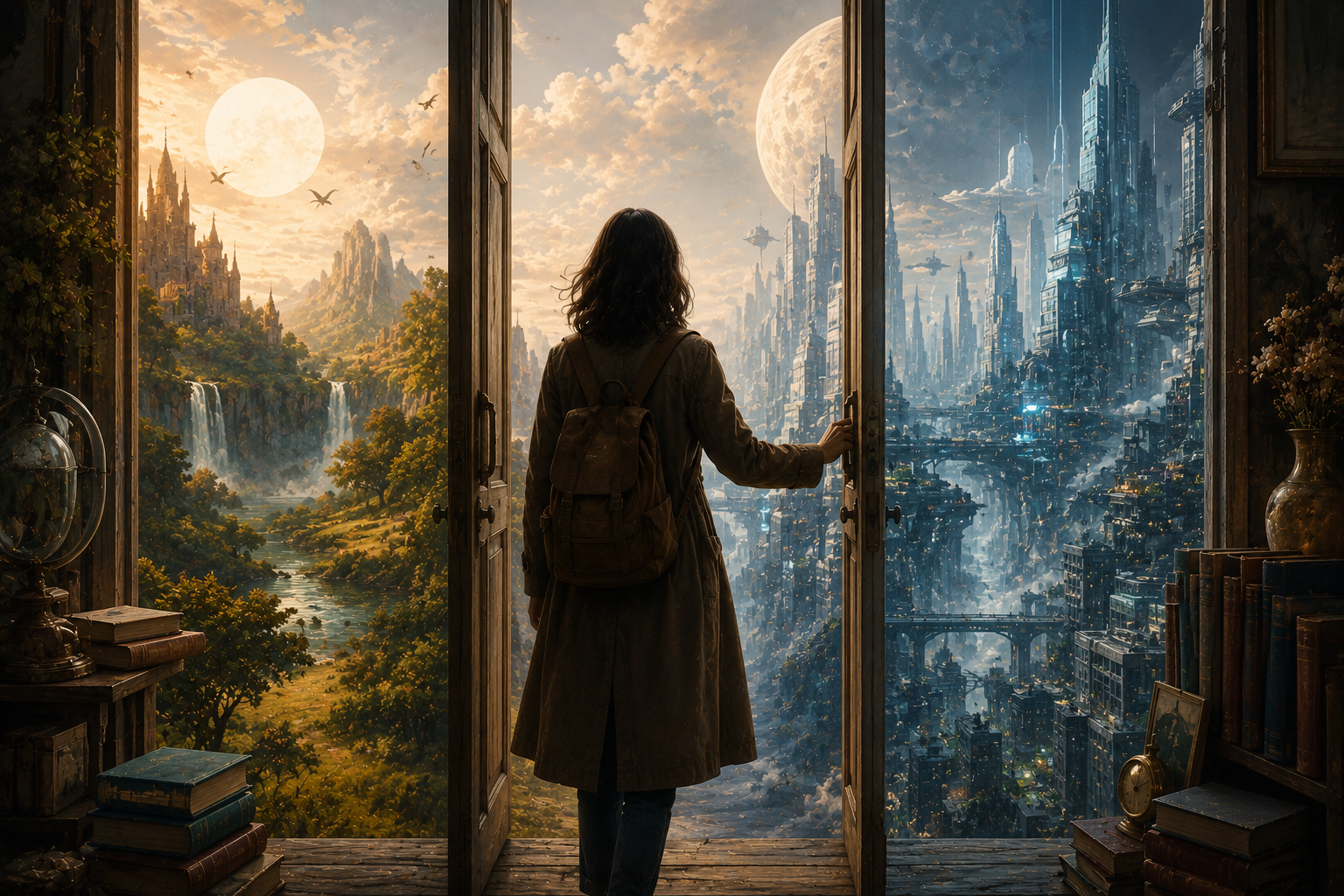
In these novels, a wardrobe can open into a frozen kingdom. A rabbit hole can lead to a world where logic falls apart. A hidden city can sit right under the one we know.

For students, the Best Novels About Parallel Worlds are useful because they make theme easy to see. The “other world” often shows what the real world tries to hide.

These books also fit inside the larger tradition of fantasy. For more background, see Britannica’s short guide to fantasy as a literary genre.

Best Novels About Parallel Worlds for Students

These books are strong choices for high school, AP Literature, and college readers.

Alice’s Adventures in Wonderland by Lewis Carroll

Carroll’s novel sends Alice into a world where rules shift without warning. Wonderland is funny, but it can also feel tense.

The book works well for essays about nonsense, childhood, and authority. Alice keeps asking for order, but the world around her refuses to give it.

You can learn more about the novel’s background through Britannica’s page on Alice’s Adventures in Wonderland.

The Lion, the Witch and the Wardrobe by C. S. Lewis

Narnia is one of the most famous parallel worlds in children’s literature. The wardrobe is a simple object, but it becomes a doorway into danger and wonder.

This novel is often read as a story about courage and moral choice. The cold world of Narnia reflects a place trapped by fear.

The Golden Compass by Philip Pullman

Pullman’s world looks close to our own, but it has daemons, armored bears, and a deep fight over knowledge. The novel feels bold because its fantasy world has political force.

It is a good pick for students who want a more complex parallel world. It raises questions about truth, control, and what adults owe to children.

A Wrinkle in Time by Madeleine L’Engle

This novel blends science fiction with fantasy. Meg travels across space and enters places that feel like alternate versions of reality.

The book is useful for studying love, fear, and the pressure to conform. Its strange worlds help show Meg’s inner struggle.

Piranesi by Susanna Clarke

Piranesi lives in a vast House filled with halls, statues, and tides. The world feels calm at first, but its mystery grows darker.

This is one of the Best Novels About Parallel Worlds for older students. It rewards close reading and works well for college-level discussion.

What the Best Novels About Parallel Worlds Have in Common

The strongest parallel world stories use the second world for more than escape.

A good parallel world has rules. It may feel magical, but it still follows a pattern. Readers learn those rules as the main character does.

Most of these stories also use contrast. The real world may feel dull or harsh. The parallel world may feel bright, cruel, or full of secrets.

That contrast helps reveal character. When a hero crosses into another world, the author can test what that person values most.

Symbols and Themes in the Best Novels About Parallel Worlds

Parallel world novels often use simple objects with deep meaning.

Doors and portals are the most common symbols. A wardrobe, rabbit hole, or hidden gate marks the move from ordinary life into mystery.

Mirrors and doubles can suggest split identity. A character may meet a version of life that feels both strange and familiar.

Maps and paths often stand for choice. In many of the Best Novels About Parallel Worlds, the journey matters as much as the final answer.

The major themes are often identity and freedom. These books ask who we become when the normal world no longer controls us.

How the Best Novels About Parallel Worlds Shape Tone and Mood

Parallel worlds can change a story’s emotional feel in one scene.

Wonderland can seem playful, then suddenly unfair. Narnia can feel magical, then turn cold and dangerous. Piranesi’s House feels peaceful, but that peace hides loss.

This is where tone and mood matter. If you want a clear review of the difference, read our guide to tone and mood in literature.

When you read the Best Novels About Parallel Worlds, notice how the setting changes your feelings. That shift often points to the author’s deeper message.

Amazon Book Suggestions: Best Novels About Parallel Worlds to Buy or Borrow

If you want to build a small reading list, start with books that offer rich worlds and strong themes.

  • The Golden Compass by Philip Pullman
  • Piranesi by Susanna Clarke

You can search these titles on Amazon, check your school library, or borrow them from a local library. Both books are strong choices for students who want layered fantasy with serious ideas.

FAQ About the Best Novels About Parallel Worlds

What is a parallel world novel?

A parallel world novel features a second reality that exists beside, beneath, or beyond the normal world. Characters often cross into it through a portal, a secret path, or a strange event.

Why do authors use parallel worlds?

Authors use parallel worlds to explore real problems in a fresh way. A made-up world can reveal fear, injustice, hope, or hidden truth.

Are parallel world novels only fantasy?

No. Many are fantasy, but some mix science fiction, mystery, or literary fiction. The key idea is the presence of another reality.

Which parallel world novel is best for AP Literature?

Piranesi is a strong AP Literature choice because it has rich symbols, a complex setting, and deep questions about memory and identity.

What should students look for while reading?

Look for portals, rules, contrasts, and changes in mood. These details often reveal the story’s theme.

Conclusion: Why These Other Worlds Stay With Us

The Best Novels About Parallel Worlds stay with readers because they make us see our own world in a new light. They give us wonder, but they also ask hard questions.

For students, these books are more than fun escapes. They are powerful texts for studying theme, setting, symbol, and character growth.

Key Takeaway

Parallel worlds help fiction ask real questions. The stranger the world looks, the more it may reveal about our own.

Most Beautiful Small Town Secrets: What Literature Teaches Us About Hidden Places

Small Town Secrets

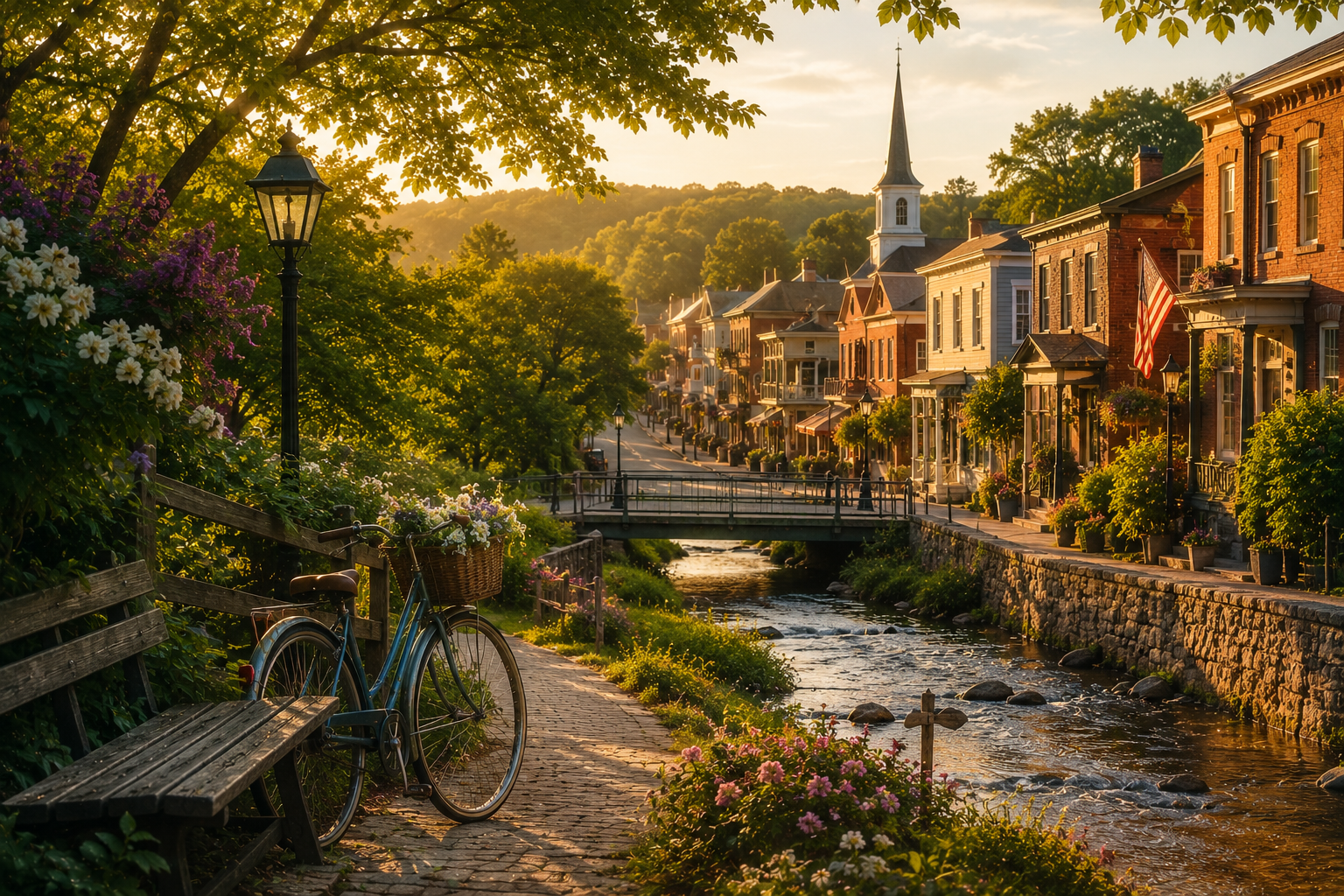
Most Beautiful Small Town Secrets are more than pretty streets, quiet porches, and local legends. In literature, they often reveal the private fears, hopes, and choices that shape a whole community.

Small towns can look peaceful from the outside, but stories show us what lives under the surface.

In this Guide

  • Why small town secrets matter in literature
  • Classic examples from famous books
  • Symbols and themes to watch for
  • Recommended books to read
  • FAQ for students and readers
Small Town Secrets

Why Most Beautiful Small Town Secrets Matter in Literature

Small towns make secrets feel personal because everyone seems to know everyone.

Writers use small towns to show how public life and private life can clash. A character may smile at church, wave at a neighbor, or sit in a classroom, yet hide pain that no one wants to see.

That is why Most Beautiful Small Town Secrets work so well in fiction. Beauty creates contrast. The town may look calm, but the story asks us to look closer.

This setting also helps students notice social pressure. In a small town, gossip can act like a law. Reputation can matter as much as truth.

Most Beautiful Small Town Secrets in Classic Literature

Many classic books use quiet towns to explore deep conflict.

In To Kill a Mockingbird by Harper Lee, Maycomb seems slow and familiar. Yet the town hides racism, fear, and moral courage. The beauty of childhood memories sits beside serious injustice.

In Winesburg, Ohio by Sherwood Anderson, the town is full of lonely people. Each person carries a private story. These Most Beautiful Small Town Secrets are not always shocking, but they are deeply human.

In Thornton Wilder’s Our Town, Grover’s Corners appears simple. The play shows daily life, family love, and the passing of time. Its secret is that ordinary life is more precious than people realize.

You can read more about Winesburg, Ohio through Britannica’s overview.

Symbols Behind Most Beautiful Small Town Secrets

Small town stories often use simple objects to carry deeper meaning.

A locked room may stand for shame. A garden may suggest hope. A main street may show the public face of the town, while a back road may reveal what people hide.

In Most Beautiful Small Town Secrets, houses often matter. A bright porch can seem warm, but it can also hide family tension. A broken fence can suggest a broken boundary between private life and public talk.

Weather also plays a strong role. Summer heat can build pressure. A storm can mark a moment when truth breaks through.

These symbols help readers see that setting is never just background. It can act like a mirror for the characters.

Key Themes in Most Beautiful Small Town Secrets

Small towns in literature often ask big moral questions.

One major theme is appearance versus reality. A town may seem safe, polite, or pure, but the plot reveals what people refuse to face.

Another theme is belonging. Characters may want to fit in, but the town’s rules can limit who they become. This is common in coming-of-age stories.

Memory is also important. Many small town stories look back at childhood, family history, or old choices. The past does not stay buried for long.

Emily Dickinson’s poetry is a helpful match here because she often finds mystery in small spaces and quiet moments. If you want a student-friendly guide, read how to read Emily Dickinson.

These books are strong choices for students who want rich settings and hidden conflict.

  • Winesburg, Ohio by Sherwood Anderson
  • To Kill a Mockingbird by Harper Lee

Winesburg, Ohio is best for readers who like linked stories and quiet sadness. It shows how one town can hold many private worlds.

To Kill a Mockingbird is best for readers who want a clear plot with moral conflict. It shows how small town life can protect old beliefs, even when those beliefs hurt people.

For poetry that captures hidden feeling in plain language, Emily Dickinson is also worth reading. The Poetry Foundation’s Emily Dickinson page gives helpful background.

How Students Can Read Small Town Secrets More Closely

Start by asking what the town wants people to believe.

Then ask what the story slowly reveals. Pay attention to who has power, who gets judged, and who stays silent.

Look for repeated places. A courthouse, school, cemetery, or front porch can tell you what the town values.

It also helps to track gossip. In many stories, gossip shows fear more than truth. It can reveal what the town refuses to discuss in public.

Why Most Beautiful Small Town Secrets Still Feel Modern

These stories still matter because every community has a public face.

Today, that public face may appear on social media, school websites, or local news. The idea is the same. People and places often show only part of the truth.

Most Beautiful Small Town Secrets remind us to read beyond first impressions. A pretty setting can hold grief, courage, love, and change.

FAQ About Most Beautiful Small Town Secrets

What does “Most Beautiful Small Town Secrets” mean in literature?

It refers to hidden truths inside peaceful or charming small town settings. These secrets often reveal conflict, pain, or moral growth.

Why do writers use small towns so often?

Small towns make relationships feel close and intense. A secret can affect the whole community.

What is a good book about small town secrets for students?

To Kill a Mockingbird is a strong choice because it connects setting, justice, and character growth in a clear way.

Are small town secrets always dark?

No. Some secrets reveal kindness, love, or hidden strength. The secret may be painful, but it can also lead to truth.

Key Takeaway

Most Beautiful Small Town Secrets show that quiet places can hold powerful stories. In literature, the smallest setting can reveal the biggest truths about people.

Best Dark Academia Libraries and Bookstores: A Literary Guide to Moody, Bookish Spaces

Dark Academia Libraries

Best Dark Academia Libraries and Bookstores are more than pretty rooms with old books. They shape a mood built on study, mystery, beauty, and the quiet pull of the past.

For students and book lovers, these spaces can help explain why dark academia feels so tied to literature. They turn reading into an experience, not just a task.

In this Guide

  • What makes dark academia book spaces so powerful
  • Famous libraries with dark academia energy
  • Bookstores that fit the aesthetic
  • Books that capture the mood
  • Symbols and themes in dark academia spaces
  • FAQs
  • Key takeaway
Dark Academia Libraries

What Makes the Best Dark Academia Libraries and Bookstores Feel So Powerful?

Dark academia spaces work because they make knowledge feel secret, old, and slightly dangerous.

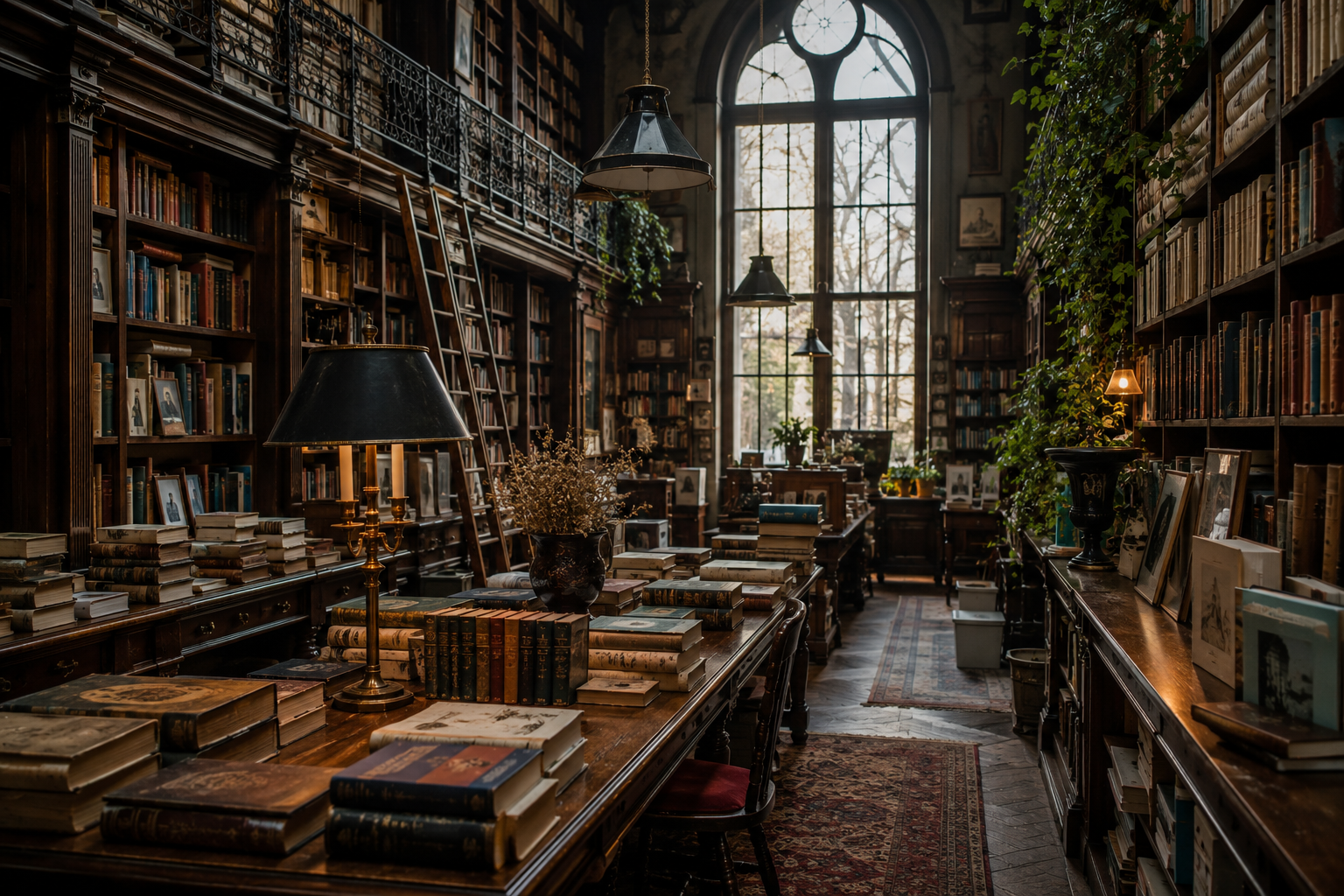
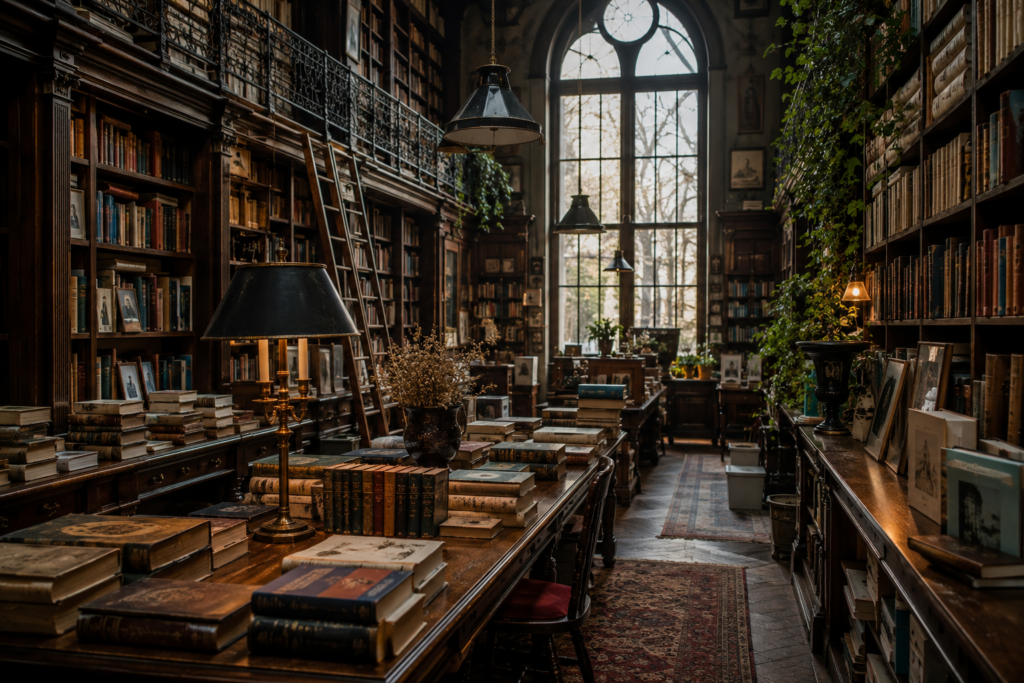
The Best Dark Academia Libraries and Bookstores often share a few traits: dim light, tall shelves, quiet corners, and a sense of history. They feel like places where someone could find a lost letter, a rare book, or a clue in the margin.

In literature, these spaces often stand for more than study. They can show ambition, class, obsession, or the desire to escape normal life.

Think of The Secret History by Donna Tartt. The college setting feels beautiful, but it also hides pride and guilt. The library mood adds pressure because the characters treat knowledge like power.

Best Dark Academia Libraries and Bookstores in Real Life

Some real places feel like they were built for a novel full of secrets.

The Best Dark Academia Libraries and Bookstores often have old wood, high ceilings, and shelves that seem to go on forever. These places invite slow reading and deep focus.

Bodleian Library, Oxford

The Bodleian Library is one of the most famous libraries in the world. Its stone walls and ancient reading rooms make it a key dark academia setting.

It also reminds readers of how old universities can feel both inspiring and closed off. That tension is a major part of the dark academia mood.

Trinity College Library, Dublin

Trinity College Library is known for the Long Room. It has rows of books, marble busts, and a grand silence that feels almost sacred.

This library shows why books can seem like treasures. It also suggests that learning can become a kind of ritual.

Livraria Lello, Porto

Livraria Lello in Portugal is one of the most striking bookstores in the world. Its curved staircase and stained glass make it feel both elegant and unreal.

It is easy to imagine a character finding a strange book there. That is part of why the Best Dark Academia Libraries and Bookstores stay in the reader’s mind.

Best Dark Academia Libraries and Bookstores in Literature

Books often turn libraries and bookstores into places of discovery, danger, or self-change.

The Best Dark Academia Libraries and Bookstores in fiction are not just backdrops. They push characters toward hidden truths.

In Frankenstein by Mary Shelley, Victor’s studies lead him into moral danger. The books and labs around him show how knowledge can break its limits.

In Jane Eyre by Charlotte Brontë, rooms full of books and old secrets help build the Gothic mood. The house feels like a mind with locked doors.

In Babel by R. F. Kuang, Oxford becomes a place of beauty and control. Books, language, and power are tied together in a way that fits dark academia very well.

Why Students Love the Best Dark Academia Libraries and Bookstores

These spaces make reading feel personal, serious, and a little magical.

Many students enjoy the Best Dark Academia Libraries and Bookstores because they make schoolwork feel connected to a larger world. A quiet library can turn a hard poem or novel into something worth chasing.

Dark academia also gives students a style for focus. A desk, a used copy of a classic, and a rainy afternoon can make study feel less like a chore.

Still, the best dark academia stories do not treat school as perfect. They ask hard questions about pride, status, and who gets access to knowledge.

That is why setting matters so much in literature. If you want to study how themes grow from place and conflict, this guide to themes in To Kill a Mockingbird is a helpful next read.

Symbolism and Themes in Dark Academia Book Spaces

Libraries and bookstores often stand for the mind, the past, and the search for truth.

In the Best Dark Academia Libraries and Bookstores, a locked cabinet may stand for forbidden knowledge. A dusty shelf may suggest history that no one wants to face.

Silence is also important. It can feel peaceful, but it can also feel tense. In a dark academia novel, silence may hide fear, guilt, or secrets.

Light matters too. Candles, lamps, and stained glass often show partial truth. Characters may see enough to keep going, but not enough to feel safe.

This is close to Gothic literature, where buildings often reflect inner fear. For more background on the Gothic tradition, Britannica has a clear overview of the Gothic novel.

These books match the mood of old libraries, hidden knowledge, and intense study.

If you want to understand the Best Dark Academia Libraries and Bookstores as a literary mood, start with these titles:

  • The Secret History by Donna Tartt
  • Babel by R. F. Kuang

The Secret History is a modern classic of dark academia. It explores beauty, guilt, and the danger of treating art like a private world.

Babel uses Oxford as a symbol of learning and empire. It asks who pays the cost when knowledge becomes a tool of power.

Students who enjoy poetry can also explore the Poetry Foundation for poems that fit the mood, especially works about memory, time, and loss.

How to Build a Dark Academia Reading Mood at Home

You do not need an ancient library to read like you are in one.

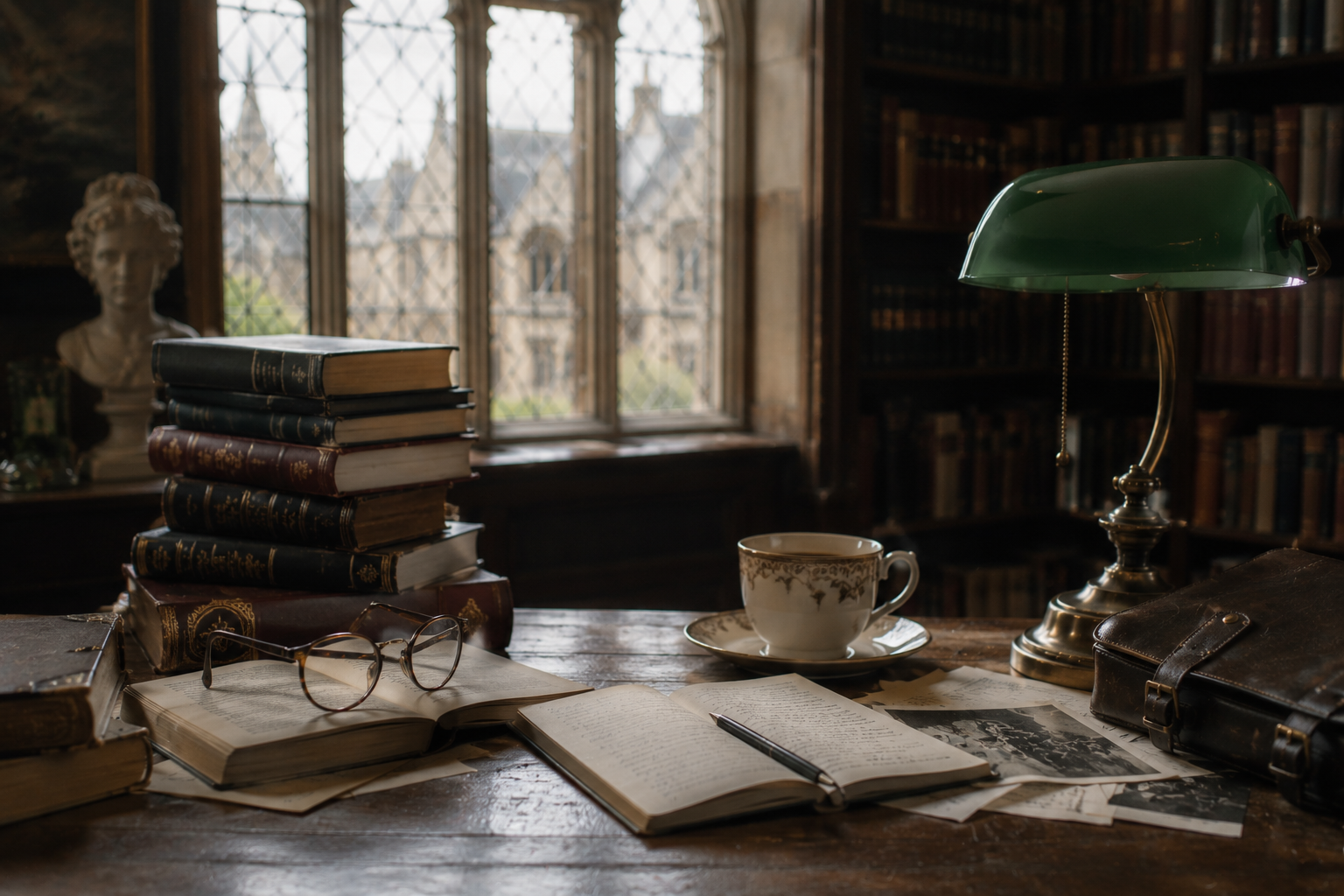
Choose a quiet space and keep your phone out of reach. Use a small lamp instead of bright overhead light.

Pick a book that rewards close attention. Keep a notebook nearby for quotes, questions, and symbols.

The Best Dark Academia Libraries and Bookstores inspire readers because they slow life down. You can create that same feeling with care and routine.

What Dark Academia Teaches Us About Reading

Dark academia reminds us that books can change how people see power, beauty, and truth.

The Best Dark Academia Libraries and Bookstores are not only stylish places. They show how reading can open doors, but also how knowledge can tempt people to feel superior.

This is why dark academia works so well for literary study. It connects setting, theme, and character in a clear way.

When you read any novel, ask what the setting reveals. A courtroom, school, library, or street can shape the moral world of a story. You can see this same idea in how setting supports theme in To Kill a Mockingbird.

FAQ: Best Dark Academia Libraries and Bookstores

What are the Best Dark Academia Libraries and Bookstores?

They are libraries and bookstores with a moody, historic, and book-centered feel. They often include old shelves, quiet study areas, and a strong sense of mystery.

Why do dark academia stories use libraries so often?

Libraries symbolize knowledge, secrets, and ambition. They give characters a place to search for truth or hide from it.

Is dark academia only about old universities?

No. Old schools are common, but the mood can appear anywhere books, study, and mystery shape the story.

What book should I read first for dark academia?

The Secret History by Donna Tartt is a strong place to start. It helped define the modern dark academia style.

Key Takeaway

The Best Dark Academia Libraries and Bookstores matter because they make reading feel alive with mystery, beauty, and risk.

They remind us that books are never just objects on a shelf. In literature, they can unlock truth, expose pride, and change a character’s life.

Books Like Fear and Anxiety: Literature That Makes Inner Fear Visible

Fear and Anxiety

Readers often search for Books Like Fear and Anxiety because they want stories that name what many people feel but struggle to explain. These books turn panic, dread, doubt, and stress into characters, symbols, and powerful scenes.

For students, these works can also make essays richer because they connect personal feeling with big literary themes.

In this Guide

  • What makes these books powerful
  • Classic novels about fear and anxiety
  • Modern books with anxious characters
  • Common symbols and themes
  • Recommended books to read
  • FAQs
Fear and Anxiety

What Makes Books Like Fear and Anxiety So Powerful?

These stories show how fear changes the way people see the world.

Books Like Fear and Anxiety matter because they do more than describe nervous feelings. They show how fear shapes choices, breaks trust, and makes ordinary places feel strange.

In literature, anxiety often appears as a locked room, a dark street, a storm, or a voice inside the mind. These symbols help readers understand feelings that are hard to say out loud.

That is why these books work well in high school and college classes. They give students a clear path into theme, mood, conflict, and character study.

Classic Books Like Fear and Anxiety for Students

Many classic works explore fear through guilt, isolation, and pressure.

One strong example is Crime and Punishment by Fyodor Dostoevsky. Raskolnikov’s fear does not only come from the police. It comes from his own mind after he commits murder.

His anxiety grows because he cannot escape himself. This makes the novel a powerful study of guilt and moral fear.

Another key example is Frankenstein by Mary Shelley. Victor Frankenstein fears the creature he made, but he also fears the truth about his own ambition.

The novel shows that fear often starts when a person refuses to face responsibility.

The Metamorphosis by Franz Kafka also belongs in any discussion of Books Like Fear and Anxiety. Gregor Samsa wakes as an insect, but the deeper horror is his family’s shame and rejection.

Kafka turns anxiety into a strange body. That image helps readers see how fear can make a person feel less than human.

Modern Books Like Fear and Anxiety Worth Reading

Modern stories often connect anxiety to identity, family, school, work, and social pressure.

The Bell Jar by Sylvia Plath is one of the most important modern novels about mental distress. Esther Greenwood feels trapped under an invisible weight.

The “bell jar” becomes a symbol of isolation. It shows how anxiety and depression can make the outside world feel distant and unreal.

Speak by Laurie Halse Anderson is another strong choice for students. Melinda’s silence shows how trauma can turn fear inward.

The novel uses art, school spaces, and voice as symbols. Each one helps show Melinda’s slow return to strength.

The Perks of Being a Wallflower by Stephen Chbosky also fits with Books Like Fear and Anxiety. Charlie’s letters reveal fear, memory, and loneliness in a direct, honest style.

These modern works help readers see that anxiety is not always loud. Sometimes it hides in silence, routine, or a smile.

Symbols and Themes in Books Like Fear and Anxiety

Writers often use symbols to make fear feel real on the page.

One common symbol is the house. In many stories, a house should mean safety. When the house feels unsafe, the reader senses deep emotional trouble.

In Edgar Allan Poe’s “The Fall of the House of Usher,” the house reflects the family’s decay and terror. You can learn more about Poe’s work through the Poetry Foundation’s page on Edgar Allan Poe.

Darkness is another common symbol. It may show confusion, danger, or the unknown.

Water can also point to anxiety. A flood, river, or deep sea may show a mind that feels out of control.

The strongest Books Like Fear and Anxiety often use setting as a mirror. The outside world reflects the character’s inner state.

Common themes include guilt, isolation, loss of control, and fear of change. These themes help readers connect private emotion to larger human problems.

How to Read Books Like Fear and Anxiety in Class

A careful reading can turn emotional scenes into strong analysis.

When you read Books Like Fear and Anxiety, start by asking what the main character fears most. Is it death, shame, failure, truth, or being alone?

Next, look for repeated images. A sound, color, room, or object may carry symbolic meaning.

Pay close attention to sentence style too. Short, broken sentences can create panic. Long, heavy sentences can make a scene feel trapped.

This same skill helps with poetry. If you want a clear method, read our guide on how to analyze poetry step by step.

Poems often use fear in a tight space. A single image can carry a whole emotional world.

These titles are strong choices for students who want literature with emotional depth.

  • The Bell Jar by Sylvia Plath
  • Frankenstein by Mary Shelley
  • Speak by Laurie Halse Anderson

Each book offers a different view of fear. One explores mental illness, one explores ambition and guilt, and one explores trauma and voice.

If you are building a reading list around Books Like Fear and Anxiety, these are useful starting points because they are widely taught and easy to discuss in essays.

Why Books Like Fear and Anxiety Matter in Literary Culture

These books help readers talk about feelings that society often hides.

Fear has always been part of literature. Ancient myths, Gothic novels, war stories, and modern school novels all use fear to ask serious questions.

What do people do when they lose control? How does guilt change a person? Can truth set someone free, or does it make life harder?

Books Like Fear and Anxiety stay popular because these questions never go away.

They also remind readers that fear is not a weakness. In many stories, fear becomes the first step toward honesty.

For background on Gothic fiction, which often explores dread and inner terror, Britannica offers a helpful overview of the Gothic novel.

FAQ: Books Like Fear and Anxiety

What are Books Like Fear and Anxiety usually about?

They are usually about fear, stress, guilt, trauma, or the feeling of being trapped. They often show how a character’s mind changes under pressure.

Are these books good for AP Literature essays?

Yes. Many of them have clear themes, strong symbols, and complex characters. That makes them useful for literary analysis.

What is a good first book to read in this category?

Frankenstein is a strong first choice. It has fear, guilt, science, family conflict, and rich symbolism.

Do these books always have sad endings?

No. Some are tragic, but others show healing or self-knowledge. The main focus is not sadness. It is emotional truth.

Key Takeaway

Books Like Fear and Anxiety help readers see how literature turns hidden feelings into stories, symbols, and unforgettable characters.

They are worth reading because they show that fear can reveal who people are, what they value, and what they must face to grow.

Best Dark Academia Novels to Read

Dark Academia novels

The Best Dark Academia Novels to Read mix old libraries, intense friendships, secret knowledge, and moral danger. These books are perfect for students and literature lovers who want stories with mystery, beauty, and serious ideas.

If you enjoy campus settings, gothic moods, or characters who chase knowledge too far, this guide will help you choose your next read.

In this Guide

What Makes the Best Dark Academia Novels to Read Feel So Compelling?

Dark academia turns learning into something beautiful, tense, and dangerous.

These novels often take place in elite schools, old colleges, private libraries, or hidden societies. The setting matters because it makes knowledge feel powerful, rare, and sometimes unsafe.

The best stories in this genre ask hard questions. What happens when ambition beats kindness? Can beauty excuse cruelty? Should people seek truth at any cost?

This is why the Best Dark Academia Novels to Read often connect well with classic literature. Many of them echo works like Frankenstein, where a student’s hunger for knowledge leads to disaster.

If you want to read this genre with stronger literary insight, this guide on how to read literature like a scholar can help you spot symbols, themes, and patterns more clearly.

Best Dark Academia Novels to Read First

Start with books that show the core mood of the genre without feeling too hard to follow.

The Best Dark Academia Novels to Read first should pull you in fast. They should have strong characters, a tense setting, and ideas worth discussing in class or with friends.

1. The Secret History by Donna Tartt

The Secret History is one of the most famous dark academia novels. It follows a group of classics students at a small college in Vermont, where beauty, pride, and obsession lead to murder.

This book fits the genre because it shows how learning can become a way to feel superior. Greek tragedy, secret rituals, and moral guilt shape the whole story.

Choose this if you want a slow, rich novel with deep character study and a strong sense of doom.

2. If We Were Villains by M.L. Rio

This novel follows Shakespeare students at an elite arts school. Their friendships turn toxic as stage roles and real life begin to blur.

It is a strong choice for readers who like theater, rivalry, and emotional tension. Students who study Shakespeare may enjoy how the novel uses plays like Macbeth and King Lear.

Pick this one if you want a faster read than The Secret History, but still want a literary feel.

3. Babel by R.F. Kuang

Babel takes place at Oxford and blends fantasy with history. It follows a student who studies language, translation, and power in the British Empire.

This is one of the Best Dark Academia Novels to Read if you want more than mood. It asks sharp questions about empire, race, language, and who gets to control knowledge.

Choose this if you like big ideas and want a book that feels useful for essays or class discussion.

4. Ninth House by Leigh Bardugo

Ninth House brings dark academia into a modern fantasy world. It follows secret societies at Yale, where magic, privilege, and violence hide behind polished doors.

This book fits the genre through its campus setting and its focus on power. It also shows how elite spaces can protect people who harm others.

Pick this if you want a darker, more supernatural story with a mystery plot.

5. Vita Nostra by Marina and Sergey Dyachenko

Vita Nostra is strange, intense, and unsettling. It follows a young woman who attends a mysterious school where the lessons seem to change her mind and body.

This book is ideal for readers who want dark academia that feels surreal. It is less cozy than many campus novels, but it is powerful and original.

Choose this if you like weird fiction and do not mind a story that keeps you off balance.

6. The Maidens by Alex Michaelides

The Maidens is a campus thriller set at Cambridge. It centers on a secret group of female students and a murder mystery tied to Greek myth.

This is a good option for readers who want the dark academia mood in a more direct thriller form. It has old colleges, hidden motives, and a strong sense of danger.

Pick this if you want something quick, suspenseful, and easy to read between school assignments.

Best Dark Academia Novels to Read If You Like Classics

Some older novels helped shape the dark academia mood long before the term became popular.

The Best Dark Academia Novels to Read are not all modern. Many classic works explore ambition, beauty, pride, and forbidden knowledge.

7. Frankenstein by Mary Shelley

Frankenstein is a key book for dark academia fans. Victor Frankenstein is a student who wants to master life and death, but his discovery leads to pain and ruin.

The novel fits the genre because it links study with danger. Victor’s education does not make him wiser. It makes him reckless.

For background on the gothic tradition, Britannica’s overview of the Gothic novel is a helpful starting point.

8. The Picture of Dorian Gray by Oscar Wilde

This novel is not set in a school, but it belongs on any dark academia reading list. It focuses on beauty, art, influence, and moral decay.

Dorian’s world is full of clever talk and dangerous ideas. Like many dark academia characters, he treats life as an experiment and ignores the cost.

Choose this if you enjoy elegant writing and sharp ideas about art and corruption.

9. Possession by A.S. Byatt

Possession follows scholars who study the letters and lives of two Victorian poets. It is a literary mystery built around research, desire, and hidden history.

This novel is a great fit for college readers or advanced high school students. It shows the thrill of close reading and the risks of turning writers into objects to own.

If you like poetry, you may also enjoy browsing the Poetry Foundation for poems and poet biographies connected to literary study.

10. Never Let Me Go by Kazuo Ishiguro

Never Let Me Go begins at a strange boarding school called Hailsham. The students grow up with art, rules, and secrets they do not fully understand.

This novel has a quiet style, but its emotional force is strong. It fits dark academia through its school setting, hidden truth, and deep questions about what makes a human life valuable.

Pick this if you want a thoughtful book that feels calm at first, then becomes haunting.

How to Choose the Best Dark Academia Novels to Read for Class or Fun

Your best choice depends on the kind of reading experience you want.

If you want a classic dark academia feel, start with The Secret History or If We Were Villains. These books give you elite schools, intense friendships, and moral collapse.

If you want a book with strong social themes, try Babel. It works well for readers who care about history, language, and power.

If you prefer classic literature, choose Frankenstein or The Picture of Dorian Gray. These books are shorter than many modern novels and often appear in literature courses.

The Best Dark Academia Novels to Read for school are the ones that give you something to argue about. Look for books with symbols, inner conflict, and choices that have serious consequences.

As you read, track repeated images like candles, portraits, old buildings, or locked rooms. You can also use scholar-style reading habits to notice how setting and theme work together.

Best Dark Academia Novels to Read: Books to Look For Online or at the Library

These titles are easy to search for on Amazon, in school libraries, or through local bookstores.

If you want to buy or borrow a few key books, start with these:

  • The Secret History by Donna Tartt
  • If We Were Villains by M.L. Rio
  • Babel by R.F. Kuang

These are among the Best Dark Academia Novels to Read because they show different sides of the genre. One is literary and quiet, one is dramatic and tense, and one links academia to history and power.

Why Students Often Connect With the Best Dark Academia Novels to Read

Dark academia makes school feel like a place where big choices matter.

Students often enjoy this genre because it turns study into a story with real stakes. The characters read hard books, chase praise, and make choices that reveal who they are.

These novels also reflect common student pressures. Many characters want to be special, smart, admired, or chosen. That desire can lead to growth, but it can also lead to harm.

The Best Dark Academia Novels to Read do not just make learning look stylish. They ask whether knowledge has value without ethics.

FAQ About the Best Dark Academia Novels to Read

What are the Best Dark Academia Novels to Read for beginners?

Start with If We Were Villains if you want a fast story, or The Secret History if you want a deeper literary novel. Both show the main themes of the genre clearly.

Is dark academia only about college students?

No. Many dark academia books take place in schools or universities, but the genre is really about knowledge, beauty, ambition, and danger.

Are dark academia novels good for AP Literature?

Some are useful for AP Literature style thinking, especially Frankenstein, The Picture of Dorian Gray, and Never Let Me Go. They offer strong themes and rich character conflict.

Which dark academia novel is the most literary?

The Secret History is often seen as the major modern dark academia novel. For classics, Frankenstein and The Picture of Dorian Gray are strong choices.

Best Classic Ghosts and Grief: Haunted Books That Still Speak to Us

ghost and grief books

Some ghosts scare us, but the best ones make us think about love, loss, and memory. The Best Classic Ghosts and Grief stories show how the dead can shape the lives of the living.

In classic literature, a ghost is rarely just a ghost. It often stands for pain that has not healed, truth that has been hidden, or grief that will not stay quiet.

In this Guide


Why Best Classic Ghosts and Grief Stories Still Matter

These stories last because they deal with feelings people still face today.

The Best Classic Ghosts and Grief stories are not only about fear. They ask hard questions. What do we owe the dead? Can grief change how we see the world? What happens when a family hides pain?

Ghosts in literature often appear when something has gone wrong. A murder has been covered up. A loved one has died too soon. A memory refuses to fade.

That is why these stories feel powerful in classrooms. Students can study plot and symbols, but they can also connect to real human emotions.

Best Classic Ghosts and Grief in Shakespeare and Gothic Fiction

Many famous literary ghosts appear when grief has turned into doubt or fear.

In Shakespeare’s Hamlet, the ghost of Hamlet’s father changes the whole play. He tells Hamlet that he was murdered, and Hamlet is pulled into a world of revenge, fear, and deep sadness.

The ghost is scary, but Hamlet’s grief matters just as much. He has lost his father, does not trust his uncle, and feels trapped in a corrupt court. The ghost gives his sorrow a voice.

This is one reason Best Classic Ghosts and Grief is such a rich topic. A ghost can move the plot, but it can also reveal what a character cannot say out loud.

Gothic fiction also uses ghosts to show emotional damage. In many Gothic works, old houses, dark rooms, and family secrets all point to grief that has not been faced.

For helpful background on the Gothic tradition, you can read Britannica’s overview of the Gothic novel.

These books are strong choices for students who want haunting stories with real emotional depth.

Hamlet by William Shakespeare

Hamlet is one of the most famous ghost stories in English literature. The ghost of the dead king asks for revenge, but the play is also about grief, madness, and moral doubt.

Hamlet’s sorrow shapes nearly every choice he makes. His father’s ghost becomes a symbol of loss that will not stay buried.

A Christmas Carol by Charles Dickens

Dickens gives us ghosts with a clear purpose. The spirits visit Ebenezer Scrooge to force him to face his past, his present, and his possible future.

Grief appears in many forms here. Scrooge has lost love, kindness, and human connection. The ghosts help him see what his life has become.

The Turn of the Screw by Henry James

This novella is one of the most debated ghost stories ever written. Are the ghosts real, or are they shaped by fear and stress?

That question makes the book perfect for a discussion of Best Classic Ghosts and Grief. The story shows how fear, loss, and pressure can blur the line between truth and imagination.

For more literary context on classic authors, the Poetry Foundation’s page on Edgar Allan Poe is also useful for studying dark Romantic themes.

Symbols and Themes in Best Classic Ghosts and Grief

Ghost stories often use symbols to make grief feel visible.

One key symbol is the haunted house. A house can stand for the mind, the family, or the past. When a house feels cold or broken, it may reflect the pain inside the people who live there.

Another common symbol is darkness. Darkness can suggest fear, but it can also point to what characters do not understand. In grief stories, darkness often shows confusion after loss.

Silence also matters. Many classic ghost stories are built around things people refuse to say. A ghost may appear because silence has become too heavy.

The theme of memory is central to the Best Classic Ghosts and Grief. Ghosts return because the past still has power. The living may try to move on, but the dead keep asking to be remembered.

Guilt is another major theme. In Hamlet, guilt spreads through the royal family. In A Christmas Carol, Scrooge must face the harm caused by his choices.

These stories suggest that grief is not simple. It can lead to love, regret, anger, or change.

How to Read Best Classic Ghosts and Grief Stories Closely

A close reading can help you see how a ghost works beyond the scare factor.

Start by asking what the ghost wants. Does it want justice? Does it want memory? Does it want the living to change?

Then ask who sees the ghost. If only one character sees it, the story may be asking us to question that character’s mind, pain, or fear.

Pay attention to setting. Many classic ghost stories place grief in old homes, graveyards, castles, or empty streets. These places help create mood, but they also hold meaning.

If you want to track symbols, character reactions, and repeated images, use a simple note method. This guide on how to take notes while reading a novel can help you stay organized.

When you study the Best Classic Ghosts and Grief, look for emotional patterns. The ghost may be less important than the wound it reveals.

Why Ghosts Make Grief Easier to See

Literary ghosts turn inner pain into something readers can watch and study.

Grief is hard to show because it happens inside a person. A ghost gives that grief a shape. It can enter a room, speak a warning, or force a character to face the truth.

This is why ghost stories work so well in literature classes. They connect emotion to plot. They make abstract pain feel concrete.

In the Best Classic Ghosts and Grief stories, the dead are not only part of the past. They change the present.

Best Classic Ghosts and Grief for Student Essays

These works give students strong material for essays about theme, symbol, and character.

A strong essay could compare the ghost in Hamlet with the spirits in A Christmas Carol. Both stories use ghosts to push a living person toward action.

You could also write about whether a ghost is real or symbolic. In The Turn of the Screw, that question is part of the whole reading experience.

Another good essay topic is the link between grief and moral choice. Hamlet’s grief leads him toward revenge. Scrooge’s grief helps him change.

The Best Classic Ghosts and Grief topic works well because it lets you discuss both emotion and structure. You can write about mood, dialogue, setting, and symbols without losing focus.

FAQs About Best Classic Ghosts and Grief

Here are quick answers to common student questions.

What does a ghost usually symbolize in classic literature?

A ghost often symbolizes grief, guilt, memory, or unfinished business. It may also reveal a secret that living characters try to hide.

Why are ghosts linked to grief?

Ghosts represent people or events that will not fade away. They show how loss can stay active in a person’s mind and life.

Is Hamlet a ghost story?

Yes, but it is more than that. The ghost starts the revenge plot, while Hamlet’s grief shapes the play’s deeper meaning.

What is a good first classic ghost story to read?

A Christmas Carol is a strong first choice. It is clear, moving, and full of memorable ghost scenes.

How can I write about ghosts in an essay?

Focus on what the ghost reveals. Look at the character’s reaction, the setting, and the theme connected to the haunting.

Key Takeaway

The Best Classic Ghosts and Grief stories show that hauntings are not just about fear. They are about memory, loss, and the truths people try to avoid.

Classic ghosts stay with us because they make grief visible. They remind readers that the past is never fully gone, especially in literature.

What Is Dark Academia? A Beginner-Friendly Guide to the Literary Aesthetic

what is dark academia in literature

If you have ever asked, “What Is Dark Academia?”, the short answer is this: it is a literary style and mood built around learning, mystery, beauty, and danger. It often shows smart characters drawn into old books, elite schools, secret groups, and moral trouble.

Dark academia matters because it makes knowledge feel powerful, but not always safe. It asks what people may risk for truth, status, or genius.

In this Guide

  • What Is Dark Academia? in plain terms
  • How dark academia works in literature
  • Why the genre matters
  • Common traits and themes
  • Famous examples
  • Books to read next
  • FAQ
  • A practical analysis tip

What Is Dark Academia?

Dark academia is a mood, a style, and a type of story.

What Is Dark Academia? In simple terms, it is a blend of intense study, old-world beauty, and darkness. The setting may be a university, library, boarding school, museum, or private study.

The word “dark” matters. These stories are not just about reading books and wearing tweed coats. They often include obsession, guilt, death, envy, or secrets.

The “academia” part matters too. Characters often care deeply about art, history, language, philosophy, or ancient texts. Their love of knowledge can lift them up, but it can also trap them.

What Is Dark Academia? in Literature?

In literature, dark academia turns school and study into a source of tension.

So, What Is Dark Academia? It is not just an aesthetic from social media. In books, it becomes a way to explore power, class, ambition, and moral failure.

A dark academia story often begins with a character who wants to belong. They may enter a famous school, join a small intellectual circle, or meet a brilliant teacher.

At first, the world looks elegant and rare. Then the beauty starts to crack. The reader sees jealousy, cruelty, or fear under the polished surface.

Why Dark Academia Matters in Literature

Dark academia matters because it questions the value of knowledge without wisdom.

Many students are taught to admire intelligence. These stories ask a harder question: what if intelligence becomes pride?

That question appears in older literature too. In Frankenstein by Mary Shelley, Victor Frankenstein wants to unlock the secret of life. His study leads to horror because he ignores duty and care.

This is one reason dark academia speaks to many readers. It shows that books, schools, and ideas can shape lives. It also shows that brilliance does not make a person good.

Common Traits of Dark Academia Stories

Dark academia has a few clear signs that help readers spot it.

The setting often feels old and enclosed. Think stone buildings, quiet halls, candlelit rooms, or libraries full of rare books.

The characters often feel intense. They may quote classic texts, chase beauty, or treat study like a sacred duty.

The plot often hides a secret. A group may share a crime, a lie, or a forbidden ritual. The truth usually costs more than the characters expect.

The tone is serious and moody. It may feel close to Gothic fiction, which often uses mystery, fear, old places, and emotional pressure. You can read more about the Gothic tradition in Britannica’s overview of the Gothic novel.

What Is Dark Academia? and Gothic Fiction

Dark academia often borrows from Gothic literature.

What Is Dark Academia? It is not the same as Gothic fiction, but the two overlap. Both love shadowy spaces, hidden guilt, and characters who face the past.

In a Gothic novel, the danger may come from a haunted house, a family curse, or a buried crime. In dark academia, the danger often grows inside a school, a study group, or a mind that wants too much.

Romantic poetry also shapes the mood. Dark academia often admires beauty, longing, and tragic genius. For helpful background, see the Poetry Foundation’s page on Romanticism.

Recognizable Examples of Dark Academia

Some books are clearly dark academia, while others helped shape the style.

The Secret History by Donna Tartt is one of the best-known modern examples. It follows a group of classics students at an elite college. Their love of ancient Greek culture turns into secrecy and crime.

Frankenstein by Mary Shelley is not usually sold as dark academia, but it has many of the same concerns. Victor’s private study, ambition, and moral blindness make it a strong early example of the genre’s ideas.

Hamlet by William Shakespeare also connects to the mood. Hamlet is a student, a thinker, and a prince trapped by grief and suspicion. The play links thought, death, and moral doubt in a way dark academia readers often enjoy.

When someone asks, “What Is Dark Academia?”, these works help show the answer. The genre is not only about a look. It is about the cost of knowledge and the danger of wanting to seem brilliant.

Books to Read If You Like Dark Academia

These books are strong places to start if you want more of the dark academia mood.

  • The Secret History by Donna Tartt
  • Frankenstein by Mary Shelley

You can search for these titles on Amazon, at your local library, or through a school database. If you are new to literary analysis, start with one book and track how the setting shapes the characters’ choices.

How to Analyze Dark Academia Like a Student of Literature

Dark academia becomes easier to analyze when you look past the surface style.

Do not stop at clothing, candles, or old books. Ask what those details mean. A library may suggest learning, but it may also suggest control, silence, or hidden power.

Pay close attention to who gets access to knowledge. Many dark academia stories involve class, wealth, or social status. A character may want to study, but they may also want to belong.

If you want a stronger method, use this guide on how to read literature like a scholar. It can help you move from plot summary to deeper analysis.

FAQ: What Is Dark Academia?

What Is Dark Academia? in one sentence

Dark academia is a literary mood that blends learning, beauty, secrecy, and moral danger.

Is dark academia a genre or an aesthetic?

It can be both. Online, it is often an aesthetic. In literature, it works more like a genre or style with shared themes.

Does dark academia always take place at a school?

No. Schools are common, but the story can also take place in libraries, museums, old houses, or private study spaces.

Why do students like dark academia?

Many students connect with its focus on ambition, pressure, identity, and the desire to prove yourself.

Is Harry Potter dark academia?

It has some overlap, such as a school setting and secret history. Still, it is usually read as fantasy first, not dark academia.

Key Takeaway

What Is Dark Academia? It is a way of telling stories where knowledge feels beautiful, powerful, and risky. When you read it, ask one practical question: what does the character want from learning, and what price do they pay for it?

Best Dark Academia Nature Symbolism: Books, Themes, and Meanings

Nature Symbolism

Best Dark Academia Nature Symbolism blends old libraries, secret knowledge, wild gardens, storms, and decay. It helps readers see how nature can reflect ambition, fear, beauty, and moral trouble in literature.

For students, this kind of symbolism is useful because it turns setting into meaning. A forest, flower, or cold season can say as much as a character’s speech.

In this Guide

  • Why nature matters in dark academia
  • Common symbols and what they mean
  • Best examples from literature
  • Recommended books to read
  • How to analyze nature symbolism
  • FAQs and key takeaway
Nature Symbolism

Why Best Dark Academia Nature Symbolism Feels So Powerful

Nature in dark academia often looks beautiful, but it rarely feels safe.

Best Dark Academia Nature Symbolism works because it connects the mind with the natural world. A quiet campus garden can hide guilt. A storm can show panic. A dying flower can point to lost innocence.

Dark academia often focuses on elite schools, ancient texts, and intellectual pride. Nature adds pressure to that world. It reminds readers that knowledge does not protect anyone from death, desire, or consequence.

This is why rain, fog, ivy, winter, and forests appear so often in the genre. They create mood, but they also carry meaning.

Common Symbols in Best Dark Academia Nature Symbolism

Many dark academia stories use the same natural images, but each writer gives them a fresh purpose.

Ivy often suggests age, tradition, and hidden control. It climbs over old buildings like history itself. In a school setting, ivy can make knowledge look noble, but it can also make the past feel trapped and overgrown.

Fog suggests confusion and secrecy. When characters walk through fog, they may not understand what is true. It can also show moral blindness.

Autumn leaves point to beauty and decay. Their color is rich, but their life is ending. This fits dark academia’s love of elegant ruin.

Rain can mean cleansing, sorrow, or dread. In many stories, rain appears near guilt or confession. It can wash the world, but it cannot always wash away a crime.

Best Dark Academia Nature Symbolism often turns these simple images into emotional clues. The setting tells readers what characters refuse to say.

Best Dark Academia Nature Symbolism in Classic Literature

Classic literature gives us some of the clearest examples of nature as a symbol.

In Mary Shelley’s Frankenstein, mountains, ice, and storms reflect Victor Frankenstein’s fear and pride. Nature is powerful, vast, and beyond human control. Victor tries to master life, but the natural world keeps showing how small he is.

In Emily Brontë’s Wuthering Heights, the moors are wild and harsh. They mirror the force of Catherine and Heathcliff’s emotions. The landscape feels untamed, just like their love and anger.

In Oscar Wilde’s The Picture of Dorian Gray, flowers, gardens, and beauty often connect to temptation and decay. Dorian’s world looks lovely, but moral rot grows beneath the surface.

These works are not always called dark academia, but they shape its mood. Their use of nature helps explain why Best Dark Academia Nature Symbolism feels old, serious, and haunted.

For more help with close reading, see this guide on how to find symbolism in a story.

Nature, Knowledge, and Moral Decay

In dark academia, nature often shows what learning cannot fix.

Students and scholars may chase truth, beauty, or power. Yet nature keeps reminding them that every choice has a cost. Dead leaves, cold rooms, and rotting gardens can show inner damage.

This is a key part of Best Dark Academia Nature Symbolism. The natural world becomes a mirror. It reflects ambition, guilt, and fear.

A character may study Greek tragedy in a grand library, but the storm outside may reveal the real tragedy. The weather becomes part of the story’s moral voice.

These books are strong choices for students who want to see how dark settings and natural symbols work together.

  • Frankenstein by Mary Shelley
  • Wuthering Heights by Emily Brontë
  • The Secret History by Donna Tartt

Frankenstein is one of the best books for studying nature as power. Its icy landscapes and violent weather show the danger of human pride.

Wuthering Heights uses the moors as more than a setting. They become a symbol of passion, grief, and wild freedom.

The Secret History is a modern dark academia classic. Its campus, seasons, and remote landscapes help create a sense of beauty mixed with dread.

To explore Mary Shelley’s life and influence, you can visit Britannica’s biography of Mary Shelley. For poetry and nature imagery, the Poetry Foundation is also a useful resource.

How to Read Best Dark Academia Nature Symbolism

Good symbolism starts with careful attention to patterns.

When you read, notice when nature appears. Ask what happens before and after a storm, garden scene, forest walk, or change in season.

Then ask how the image connects to character emotion. If a student walks through dead leaves after a betrayal, the leaves may point to loss or moral decline.

Best Dark Academia Nature Symbolism is rarely random. Writers choose natural details to build mood and deepen theme.

If you want a simple method, use this breakdown on finding symbolism in fiction.

Best Dark Academia Nature Symbolism and Major Themes

The strongest symbols connect to the story’s biggest ideas.

One major theme is the danger of ambition. Mountains, storms, and deep forests can make human plans seem fragile. This is clear in Frankenstein.

Another theme is the beauty of decay. Autumn leaves, old gardens, and ivy-covered walls look lovely, but they also suggest death and decline.

A third theme is hidden truth. Fog, darkness, and enclosed gardens can show secrets that characters try to bury.

In this way, Best Dark Academia Nature Symbolism turns nature into a quiet warning. Beauty may be real, but it is never simple.

FAQs About Best Dark Academia Nature Symbolism

What is Best Dark Academia Nature Symbolism?

Best Dark Academia Nature Symbolism means the use of natural images, like storms, ivy, forests, and seasons, to express dark academia themes. These themes often include ambition, guilt, beauty, and decay.

Why does dark academia use so much autumn imagery?

Autumn fits the mood because it is beautiful and sad at the same time. It suggests change, age, and the slow approach of death.

Is nature symbolism only about mood?

No. Mood matters, but symbolism also points to theme and character. A storm may create fear, but it can also reveal guilt or conflict.

What book is best for studying this topic?

Frankenstein is a strong choice. Its use of ice, mountains, and storms makes nature a major part of the story’s meaning.

Key Takeaway

Best Dark Academia Nature Symbolism shows that nature in literature is never just background. Ivy, fog, storms, and fading leaves can reveal the hidden fears, desires, and moral choices at the heart of a story.

When you notice these symbols, dark academia becomes richer. The campus, the weather, and the wild places all begin to speak.

error

Enjoy this article? Please spread the word :)

Follow by Email
BLUESKY
fb-share-icon
Reddit
LinkedIn
Share
RSS