Best Gothic Journey Symbolism: Paths, Darkness, and Self-Discovery in Gothic Literature

gothic journey symbolism

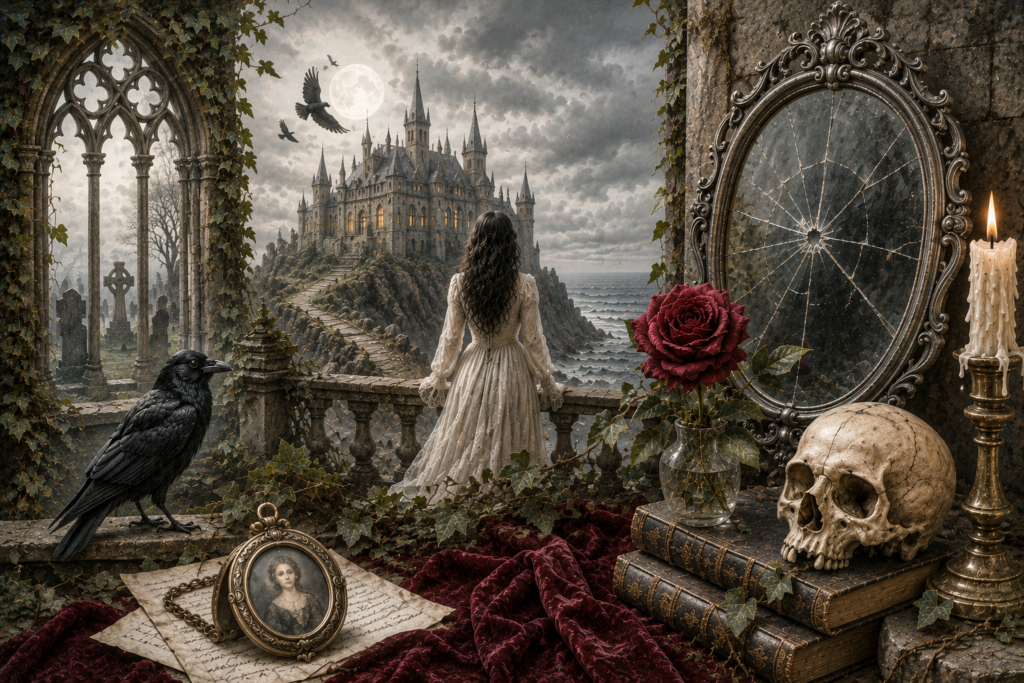
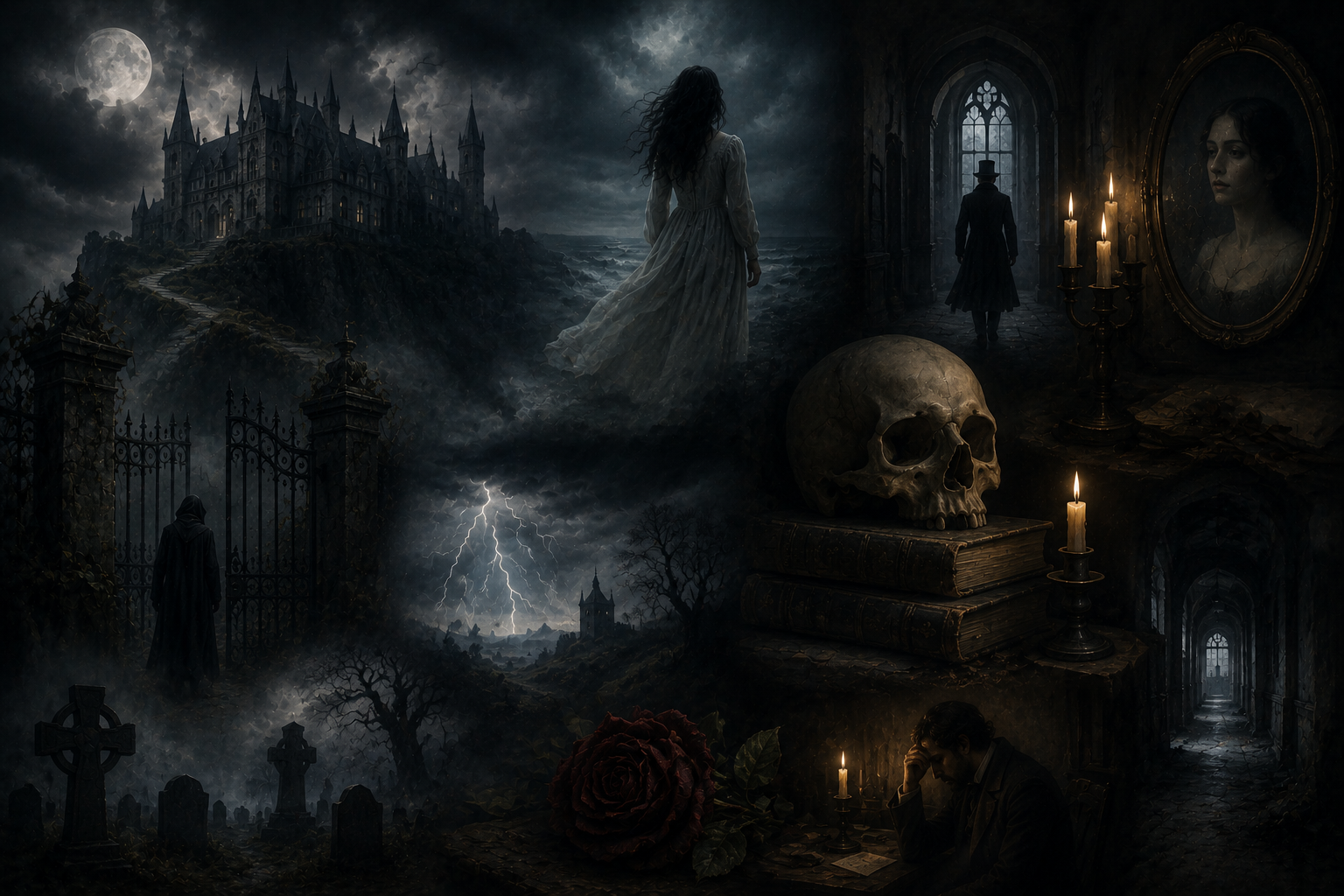
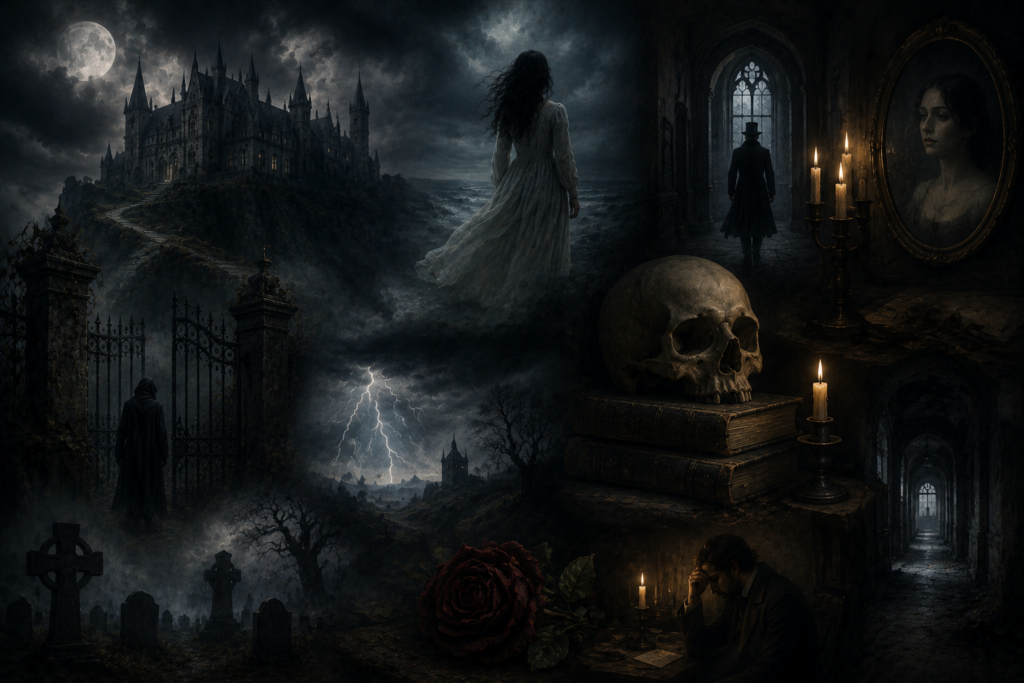
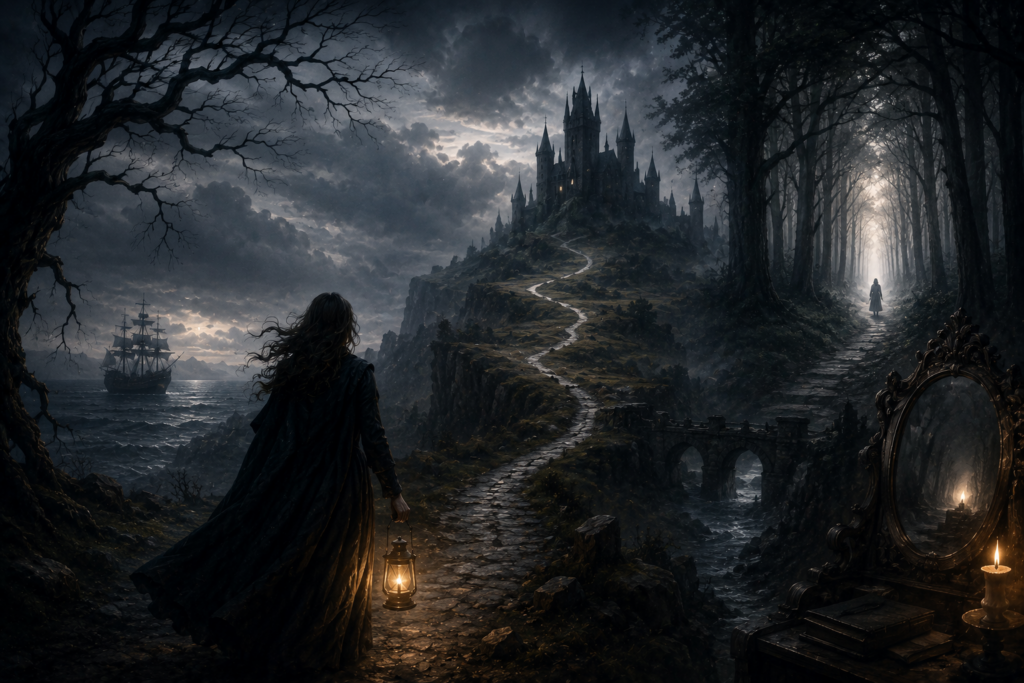
Best Gothic Journey Symbolism helps readers understand why Gothic stories often send characters into dark houses, wild landscapes, and strange inner worlds. These journeys are rarely simple trips. They often reveal fear, guilt, desire, and hidden truth.

In this Guide

  • What Gothic journey symbolism means
  • Why journeys matter in Gothic literature
  • Classic examples from famous books
  • Common symbols and themes
  • Recommended books to read
  • How to spot Gothic journey symbols
  • FAQs
gothic journey symbolism

What Best Gothic Journey Symbolism Means

A Gothic journey is both a real path and an emotional test.

In many Gothic works, a character travels to a strange place. It might be a castle, a ruined house, a lonely road, or a locked room. That place often reflects what the character fears most.

Best Gothic Journey Symbolism shows how movement can reveal the mind. The road, the house, or the storm is not just scenery. It becomes a sign of danger, memory, and inner conflict.

Gothic journeys often move from safety to fear. A character may begin in a familiar world, then enter a place where rules break down. This shift helps the reader feel the character’s loss of control.

Why Best Gothic Journey Symbolism Matters in Gothic Literature

Gothic journeys turn setting into meaning.

Best Gothic Journey Symbolism matters because Gothic stories use place to shape emotion. A dark hallway can suggest secrets. A long road can suggest fate. A locked door can suggest a truth that a character does not want to face.

These journeys also show change. A character who enters a haunted place rarely leaves the same. The journey may lead to knowledge, madness, freedom, or ruin.

This is why Gothic travel feels different from adventure travel. In an adventure story, the goal may be treasure or victory. In Gothic fiction, the goal is often hidden truth.

For more help with symbols in fiction, read this guide on how to find symbolism in a story.

Best Gothic Journey Symbolism in Classic Gothic Novels

Famous Gothic books often use journeys to pull characters into fear.

One of the clearest examples of Best Gothic Journey Symbolism appears in Mary Shelley’s Frankenstein. Victor Frankenstein travels through mountains, ice, and lonely places. These settings reflect his guilt and isolation.

In Bram Stoker’s Dracula, Jonathan Harker’s trip to Castle Dracula feels like a journey away from reason. The castle stands for danger, old power, and the unknown. His travel deeper into Transylvania becomes a move into fear.

In Charlotte Brontë’s Jane Eyre, Jane’s journeys mark her search for dignity and self-respect. Thornfield Hall is not just a home. It is a place of mystery, desire, and moral choice.

The Gothic tradition has a long history. You can learn more about its roots from Britannica’s overview of the Gothic novel.

Common Symbols in Best Gothic Journey Symbolism

Gothic journeys often repeat certain images because they carry strong emotional weight.

Roads often symbolize fate. A character may think they have a choice, but the path seems to pull them toward danger.

Castles and old houses often symbolize the past. Their locked rooms and hidden spaces suggest family secrets, guilt, or buried trauma.

Storms often symbolize emotional chaos. When thunder breaks or wind rises, the character’s inner world may be under stress too.

Dark forests often symbolize confusion. They make the character feel lost, both in the world and in the mind.

In Best Gothic Journey Symbolism, these images work together. The journey becomes a map of fear.

Themes Behind Gothic Journey Symbolism

Gothic journeys often ask what happens when people face what they hide.

One major theme is isolation. Many Gothic characters travel alone or feel alone, even near others. This loneliness makes fear stronger.

Another theme is the return of the past. A journey into an old house or ancient land often brings buried secrets back into the present.

A third key theme is identity. Characters may discover that they are not who they thought they were. The journey forces them to see themselves more clearly.

Best Gothic Journey Symbolism works because it connects outer movement with inner truth. The character moves through the world, but the real battle takes place inside.

Books That Show Best Gothic Journey Symbolism Well

These books are useful for students who want strong Gothic examples.

Frankenstein by Mary Shelley follows Victor Frankenstein through science, guilt, and frozen landscapes. The Arctic journey shows the cost of ambition.

Dracula by Bram Stoker uses travel, letters, ships, and trains to build fear. The movement between places shows how evil can cross borders.

Jane Eyre by Charlotte Brontë uses homes and roads to trace Jane’s growth. Her journey shows her fight for love, faith, and self-worth.

You can find these books on Amazon, at local bookstores, or through most school and public libraries.

How to Spot Best Gothic Journey Symbolism in a Story

Look at where the character goes and what changes after each place.

To spot Best Gothic Journey Symbolism, ask what the setting seems to reveal. Does the house hide a secret? Does the road lead to danger? Or does the weather match the character’s mood?

Pay attention to repeated images. If a story keeps showing doors, shadows, mirrors, or staircases, those details may carry symbolic meaning.

Also ask what the character learns. A Gothic journey often ends with a truth that cannot be ignored.

If you want a simple method, use this helpful post on finding symbolism in literature.

Gothic Journey Symbolism in Poetry and Short Fiction

Gothic journeys do not only appear in novels.

Edgar Allan Poe often uses rooms, houses, and mental spaces as symbolic journeys. In “The Fall of the House of Usher,” the narrator enters a decaying house that reflects sickness and collapse.

The house becomes more than a setting. It feels alive with fear. The narrator’s visit becomes a journey into family decay and mental breakdown.

You can explore Poe’s work through the Poetry Foundation’s page on Edgar Allan Poe.

Why Students Should Study Best Gothic Journey Symbolism

This topic helps students move beyond plot summary.

When you study Best Gothic Journey Symbolism, you learn how setting, mood, and character work together. You see that a journey can mean more than travel.

This is useful for essays because it gives you clear evidence. You can connect a place to a theme, then explain how that place changes the character.

For AP Literature and college classes, this kind of analysis can make an essay stronger. It shows close reading and deeper thought.

FAQs About Best Gothic Journey Symbolism

What is Gothic journey symbolism?

Gothic journey symbolism is the use of travel, setting, and movement to show fear, guilt, secrets, or inner change. The journey often reflects the character’s mind.

What is the best example of Best Gothic Journey Symbolism?

Dracula is one strong example. Jonathan Harker’s trip to Castle Dracula shows a move from the normal world into danger and mystery.

Why do Gothic stories use old houses and castles?

Old houses and castles often stand for the past. They suggest secrets, family history, and hidden fear.

How can I write about Gothic journey symbolism in an essay?

Choose one journey or setting. Explain what it represents, then connect it to a theme like fear, identity, or guilt.

Is Gothic journey symbolism only found in classic books?

No. Modern horror, mystery, and fantasy stories also use Gothic journeys. Any story can use a dark path, strange house, or haunted space as a symbol.

Key Takeaway

Best Gothic Journey Symbolism shows that Gothic travel is never just about distance. The path into darkness often leads to the truth a character fears most.

When readers notice these symbols, Gothic literature becomes richer and more powerful. The road, the house, and the storm all speak.

Best Gothic Hero’s Journey Stories to Read and Study

Gothic Hero's Journey

The Best Gothic Hero’s Journey Stories mix dark settings with deep inner change. These stories send characters into fear, mystery, and danger, but the real battle often happens inside the hero.

For students, this blend is powerful because it makes classic literature feel tense and personal. A haunted house or ruined castle can reveal more about a character than a speech ever could.

In this Guide

  • What makes Gothic hero journeys different
  • Key books and examples to read
  • Major symbols and themes
  • How to study these stories for class
  • FAQs about Gothic hero journeys
Gothic Hero's Journey

What Makes the Best Gothic Hero’s Journey Stories Different?

Gothic hero journeys turn the usual adventure story into a darker test of the soul.

In a classic hero’s journey, a character leaves home, faces danger, gains wisdom, and returns changed. In Gothic fiction, that path is less clear. The hero may enter a castle, a mansion, a lab, or a ruined family estate.

The danger is not only outside. It may be guilt, desire, family secrets, or fear of the unknown.

The Best Gothic Hero’s Journey Stories often ask one key question: What happens when a person faces the truth they tried to hide?

This is why Gothic stories work so well in literature classes. They connect plot with character growth. If you want help with that skill, read this guide on how to analyze characters in literature.

Best Gothic Hero’s Journey Stories to Read First

These classic works show how fear can shape a hero’s path.

Frankenstein by Mary Shelley is one of the most important Gothic hero journey stories. Victor Frankenstein seeks knowledge, but his quest leads to horror. His creation also takes a painful journey as he searches for love and meaning.

What makes the novel so rich is its double journey. Victor wants power. The Creature wants belonging. Both are changed by rejection and loss.

Jane Eyre by Charlotte Brontë may not seem like a Gothic quest at first, but it fits the pattern well. Jane moves from Gateshead to Lowood to Thornfield, and each place tests her courage.

Thornfield Hall is the Gothic center of the novel. Its locked rooms and strange sounds reflect secrets in the house. Jane’s real journey is toward self-respect.

Dracula by Bram Stoker turns the hero’s journey into a group struggle. Jonathan Harker travels into danger, but the fight against Dracula becomes shared. The novel uses letters and journals to build fear and suspense.

When students search for the Best Gothic Hero’s Journey Stories, these titles are strong starting points because they balance action with inner conflict.

More Gothic Examples Worth Knowing

Not every Gothic hero wins in a simple way.

Wuthering Heights by Emily Brontë gives readers a darker form of the journey. Heathcliff rises from outsider to powerful figure, but his path is ruled by pain. His story shows how revenge can trap a person instead of free them.

Rebecca by Daphne du Maurier follows a young narrator into the shadow of another woman’s memory. Manderley feels beautiful and unsafe at the same time. The heroine must learn how much of her fear comes from the house and how much comes from her own doubt.

The Strange Case of Dr. Jekyll and Mr. Hyde by Robert Louis Stevenson uses the hero’s journey in a twisted way. Dr. Jekyll crosses a moral line and meets the darkest part of himself. His story warns that hidden desires can grow stronger when denied.

These Best Gothic Hero’s Journey Stories remind readers that a journey does not always lead to peace. Sometimes it leads to truth, and truth can be hard to face.

Symbols and Themes in the Best Gothic Hero’s Journey Stories

Gothic stories use objects and places to show what characters fear most.

One common symbol is the house. A mansion, castle, or locked room often stands for the mind. Hidden rooms suggest hidden truths. Broken walls suggest broken families.

Dark weather is another key symbol. Storms, fog, and cold landscapes make the world feel unsafe. They also reflect the hero’s confusion.

Mirrors and doubles matter too. In Frankenstein, Victor and the Creature reflect each other. In Dr. Jekyll and Mr. Hyde, the double becomes literal.

The Best Gothic Hero’s Journey Stories often explore guilt, identity, and the fear of change. These themes make the genre more than scary. They make it human.

Why Gothic Hero Journeys Still Matter

Modern readers still connect with Gothic stories because fear has not gone away.

Students may not live in castles, but they know what it means to feel trapped. They know what it means to face pressure, secrets, and hard choices.

The Best Gothic Hero’s Journey Stories give shape to those feelings. They turn anxiety into plot. They turn inner conflict into setting.

This is why Gothic fiction keeps returning in books, film, and television. The genre gives us dark spaces where difficult emotions can be seen.

For more background on the genre, see Britannica’s overview of the Gothic novel. For a key Gothic writer, visit the Poetry Foundation page on Edgar Allan Poe.

How to Read the Best Gothic Hero’s Journey Stories for Class

To study these stories well, focus on how the setting shapes the hero.

Ask what place the hero enters. Is it a house, a lab, a school, or a foreign land? Then ask what fear that place brings out.

Track the hero’s choices. Gothic heroes often fail because they ignore warnings or hide the truth. Those choices matter more than the scares.

Watch for moments of self-knowledge. A Gothic hero may not defeat a monster, but they may learn what the monster means.

If you are writing an essay, connect the setting to the character’s change. This is a strong way to build a clear literary argument.

These books are easy to find and useful for class study.

  • Frankenstein by Mary Shelley
  • Jane Eyre by Charlotte Brontë
  • Dracula by Bram Stoker

Each one offers a different kind of Gothic journey. Together, they show why the Best Gothic Hero’s Journey Stories remain important in literary culture.

FAQs About the Best Gothic Hero’s Journey Stories

What is a Gothic hero’s journey?

It is a story where a character enters a dark or mysterious world and faces both danger and inner conflict. The journey often reveals hidden fear, guilt, or truth.

Are the Best Gothic Hero’s Journey Stories always horror stories?

No. Some are scary, but many focus more on suspense, secrets, and emotion. Jane Eyre is a good example.

Why do Gothic stories use old houses so often?

Old houses suggest history, memory, and hidden pain. They often reflect the mind of the hero or the secrets of a family.

Which Gothic hero journey is best for students?

Frankenstein is a strong choice because it is short enough for class study and rich in themes. It also raises big questions about science and responsibility.

Key Takeaway

The Best Gothic Hero’s Journey Stories show that the hardest quest is often the one inside the self. These stories use haunted places, dark symbols, and troubled heroes to explore fear, truth, and change.

That is why they still matter. They make readers ask what we hide, what we seek, and what we become when we face the dark. 🕯️

Most Influential Forbidden Knowledge in Literature: Books, Symbols, and Themes

forbidden knowledge

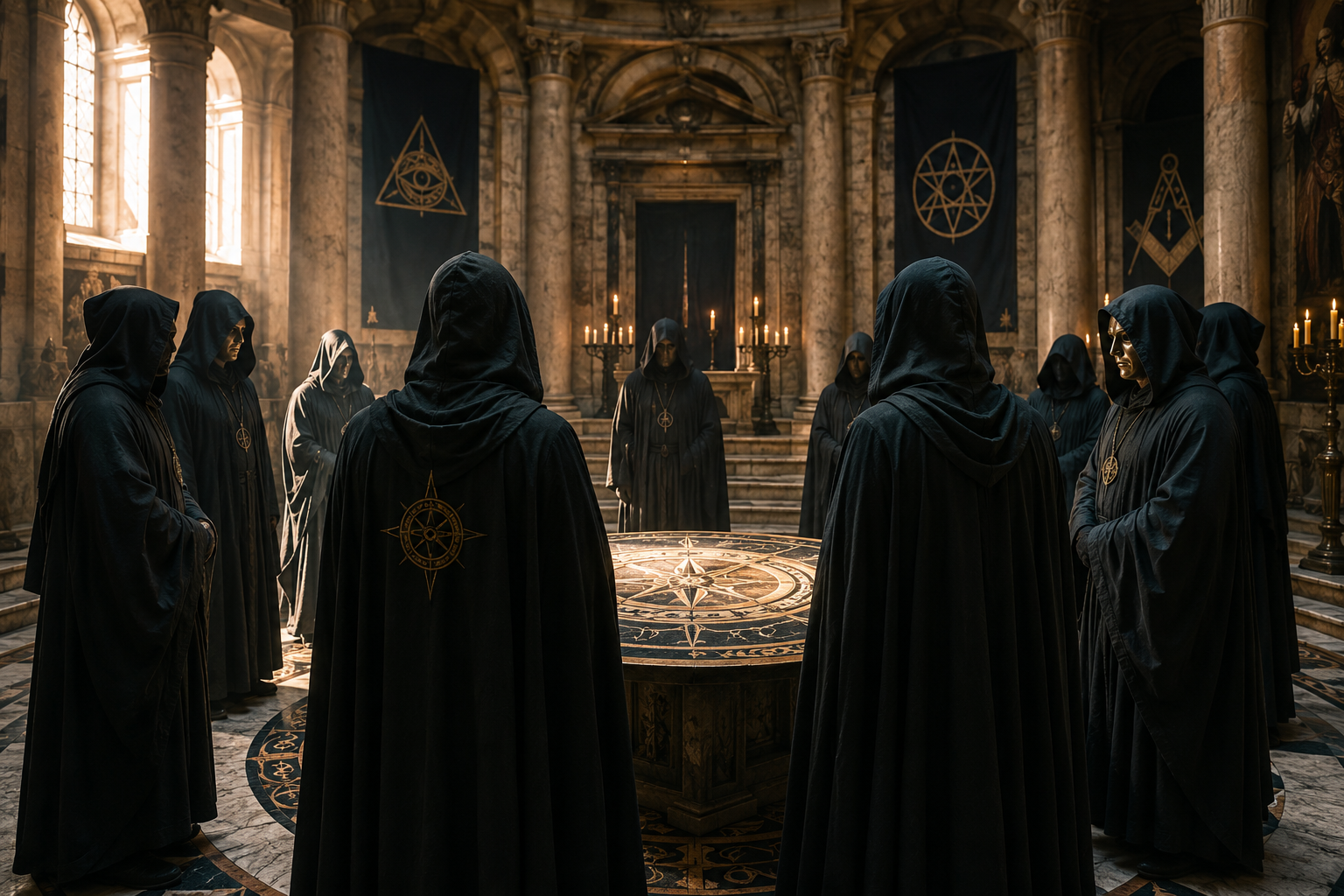
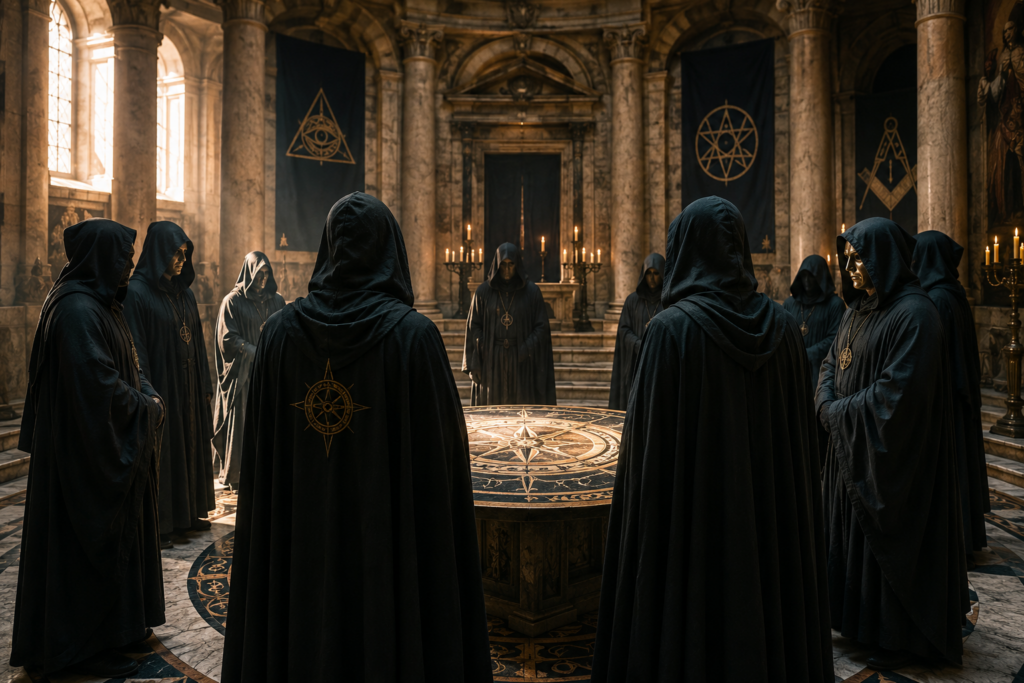
Stories about the Most Influential Forbidden Knowledge ask a sharp question: what happens when people learn what they were never meant to know? From ancient myths to modern novels, these works show how truth can free people, tempt them, or destroy them.

In this Guide

forbidden knowledge

What Does Forbidden Knowledge Mean?

Forbidden knowledge is truth that a person, group, or system tries to hide.

In literature, this can mean a secret book, a banned idea, a hidden history, or a dangerous scientific discovery. The knowledge is “forbidden” because someone in power fears what it might do.

The Most Influential Forbidden Knowledge often changes the hero’s life. Once the truth is known, the character cannot return to innocence.

This idea appears in myths, religious stories, Gothic novels, dystopian fiction, and campus novels. It stays popular because readers understand the pull of secrets.

Most Influential Forbidden Knowledge in Classic Literature

Classic literature uses forbidden knowledge to test human desire, pride, and fear.

One of the oldest examples is the Tree of Knowledge in the Book of Genesis. Adam and Eve gain knowledge, but that knowledge brings loss. The story shapes much of Western literature because it links knowledge with choice and consequence.

Greek myth gives us Prometheus, who steals fire for humans. Fire stands for power, craft, and progress. Yet Prometheus suffers because he gives humans a gift the gods wanted to control.

In Paradise Lost, John Milton turns the fall of humanity into a grand poem about rebellion, pride, and desire. The poem asks why people choose danger when they know the cost. You can learn more about Milton through the Poetry Foundation’s John Milton page.

Mary Shelley’s Frankenstein is another key work. Victor Frankenstein learns how to create life, but he lacks wisdom. His discovery becomes a warning about science without care.
These works help explain why the Most Influential Forbidden Knowledge is never just about facts. It is about what people do after they gain those facts.

Why Most Influential Forbidden Knowledge Still Matters Today

Forbidden knowledge feels modern because we still argue over who controls truth.

Books are banned. Data is hidden. Governments shape history. Schools debate what students should read. These real issues make older stories feel fresh.

In George Orwell’s 1984, the Party controls language, memory, and truth. Winston wants to know what life was like before the Party. That desire becomes an act of rebellion.

In Ray Bradbury’s Fahrenheit 451, books are illegal because they make people think and question. Firefighters burn books instead of saving homes. The novel turns censorship into a warning about comfort, fear, and silence.

The Most Influential Forbidden Knowledge in these novels matters because it shows how truth can threaten power.

Modern Books That Explore Forbidden Knowledge

Modern authors often connect forbidden knowledge to identity, memory, and social control.

In Margaret Atwood’s The Handmaid’s Tale, women are denied reading, writing, and public power. Knowledge becomes a way to resist a cruel system. Even small memories of the past matter.

In Umberto Eco’s The Name of the Rose, a hidden book causes fear inside a medieval monastery. The mystery asks whether laughter, thought, and free debate can weaken authority.

Philip Pullman’s His Dark Materials also uses forbidden knowledge in a bold way. Lyra’s world is full of rules that adults refuse to explain. Her search for truth becomes a fight for freedom.

These stories show that the Most Influential Forbidden Knowledge can appear in many forms, from banned books to hidden memories.

Symbols and Themes in Most Influential Forbidden Knowledge

Writers often use symbols to show why hidden truth feels powerful.

Books are one of the clearest symbols. A book can stand for memory, freedom, or danger. In Fahrenheit 451, books become a sign of human thought itself.

Fire is another strong symbol. It can mean light, learning, and destruction. Prometheus gives fire to humans, while Bradbury’s firefighters use fire to erase ideas.

Doors, locked rooms, and secret libraries also appear often. They show the border between safety and truth. Once a character crosses that border, the story changes.

The main themes are power, curiosity, guilt, and responsibility. These themes are useful for essays because they connect character choices to larger ideas. If you want help naming these tools, see this guide to literary devices.

The Most Influential Forbidden Knowledge often asks one hard question: should every truth be known?

These books are strong choices for students who want to study forbidden knowledge in literature.

  • Frankenstein by Mary Shelley: A major Gothic novel about science, ambition, and moral duty.
  • Fahrenheit 451 by Ray Bradbury: A short, powerful dystopian novel about censorship and the value of books.

Both works are often taught in high school and college. They also pair well with essays about symbolism, conflict, and theme.

For background on Shelley’s novel, visit Britannica’s page on Frankenstein.

How to Write About Most Influential Forbidden Knowledge in an Essay

A strong essay should focus on the cost of knowledge.

Start by asking who hides the truth. Then ask who seeks it and why. This helps you move beyond plot summary.

You can also look at symbols. A secret book, a flame, or a locked room can reveal the story’s deeper meaning.

For example, an essay on Frankenstein might argue that Victor does not fail because he learns too much. He fails because he refuses care, honesty, and responsibility.

That point makes the Most Influential Forbidden Knowledge more complex. The problem is not always knowledge itself. The problem is how people use it.

FAQs About Most Influential Forbidden Knowledge

What is the Most Influential Forbidden Knowledge in literature?

The Most Influential Forbidden Knowledge often includes hidden truth, banned books, secret science, or knowledge of good and evil. Famous examples appear in Genesis, Frankenstein, and Fahrenheit 451.

Why do writers use forbidden knowledge?

Writers use it to create conflict and raise moral questions. It helps show what characters want and what they fear.

Is forbidden knowledge always bad?

No. Many stories show that knowledge can free people. The danger often comes from pride, control, or fear.

What theme connects most forbidden knowledge stories?

The main theme is responsibility. A character must decide what to do with the truth once they have it.

Key Takeaway

The Most Influential Forbidden Knowledge in literature is powerful because it links truth with risk. These stories remind us that knowledge can open minds, but it also demands courage and care.
For students, this topic is a rich path into theme, symbolism, and character analysis. It turns a simple question into a lasting one: what truths are worth the cost?

Ekphrasis Poetry Prompt: Writing a Poem from a Haunted Painting

Ekphrasis Poetry Prompt

Sometimes an image feels less like a picture and more like a memory waiting for language. That is part of what makes ekphrasis poetry so powerful. A poet looks closely at a visual image and begins to speak back to it. The poem becomes a conversation between silence and observation.

This ekphrasis poetry prompt invites you to write from the emotional atmosphere of an abandoned museum and a damaged painting that seems to hold a secret inside it.

Ekphrasis Poetry Prompt

In this Prompt

What ekphrasis poetry is

How to approach the image emotionally

A creative poetry prompt

Questions to deepen the poem

Tips for strong sensory writing

What Is Ekphrasis Poetry?

Ekphrasis poetry is poetry inspired by visual art.

The art can be real or imagined. A poet might respond to a painting, sculpture, photograph, film still, or even a mural seen on the side of a building. Sometimes the poem describes the image directly. Sometimes it explores the emotions, memories, or hidden story behind it.

John Keats’ “Ode on a Grecian Urn” remains one of the most famous examples. Modern poets often use ekphrasis to explore grief, identity, memory, fear, beauty, or history through visual details.

The goal is not to explain the image perfectly. The goal is to let the image open a door inside the poem.

The Prompt

Look at the image of the abandoned museum and the cracked painting.

Write a poem about the moment someone realizes the painting is trying to tell them something.

The message may be literal or emotional. The painting might remind the speaker of a forgotten memory, a lost relationship, a fear they buried, or a version of themselves they no longer recognize.

You can write in first person, second person, or third person.

You might focus on:

The silence of the museum

The flashlight beam moving across the damaged canvas

The feeling that the painting is watching back

What the cracks in the artwork reveal

Why the speaker came to the museum in the first place

Whether the painting offers comfort or warning

You do not need to explain everything. Mystery often gives ekphrasis poetry its emotional force.

Questions That Can Deepen the Poem

What emotion appears first when the speaker sees the painting?

What detail feels impossible to ignore?

Ask, what does the broken artwork reveal about the speaker’s own life?

What sounds fill the empty museum?

Does the speaker leave changed?

Tips for Writing the Poem

Focus on sensory detail before explanation. Let readers hear the echo of footsteps, smell dust in the air, or notice the cold light on marble floors.

Avoid summarizing the image too quickly. Stay inside one moment long enough for tension to build.

Strong ekphrasis poetry often moves from observation into reflection. The image becomes a mirror for something human.

You can also let the painting remain partly unknowable. Some of the strongest poems leave space for uncertainty.

Final Thought

A powerful image can hold emotion before language ever arrives. Ekphrasis poetry gives writers a way to step inside that silence and answer it.

The abandoned museum in this prompt is not just a setting. It is a place where memory, art, loneliness, and imagination begin speaking at the same time.

Best Books for Dark Academia

Dark Academia books
Dark Academia books

The Best Books for Dark Academia mix mystery, ambition, beauty, and danger. These stories often take place in schools, libraries, old houses, or elite circles where knowledge feels powerful and risky.

If you like candlelit study rooms, secret clubs, moral questions, and characters who want too much, this guide will help you find your next read.

In this Guide

  • What makes dark academia books so popular
  • Best Books for Dark Academia to read first
  • Major themes and symbols
  • Books worth buying or borrowing
  • How students can read dark academia well
  • FAQs

What Makes the Best Books for Dark Academia So Compelling?

Dark academia is about learning, but it is also about obsession.

The Best Books for Dark Academia often show smart characters who chase beauty, status, or truth. At first, their world looks polished. Soon, it starts to crack.

These books often include old campuses, Latin phrases, rare books, art, poetry, and hidden guilt. The setting matters because it makes learning feel grand, but also cold.

Dark academia also asks a hard question: What happens when intelligence is not matched by kindness?

Best Books for Dark Academia: Classic and Modern Picks

These books capture the mood of dark academia in different ways, from elite schools to haunted minds.

The Secret History by Donna Tartt

Many readers see The Secret History as the heart of dark academia. It follows a group of college students who study Greek classics under a strange and powerful professor.

The book explores beauty, guilt, and the danger of feeling above normal rules. It is one of the Best Books for Dark Academia because it turns scholarship into suspense.

If We Were Villains by M.L. Rio

This novel follows theater students who live and breathe Shakespeare. Their friendships are intense, and their roles begin to blur with real life.
The book is a strong choice for students who enjoy drama, rivalry, and literary clues. It also shows how art can shape identity in harmful ways.

Frankenstein by Mary Shelley

Frankenstein is not set in a modern university, but it fits the dark academia mood well. Victor Frankenstein wants knowledge so badly that he forgets his duty to others.

The novel warns readers about ambition without care. It is also a major work in Gothic literature, a tradition you can learn more about through Britannica’s overview of the Gothic novel.
The Picture of Dorian Gray by Oscar Wilde

This novel is full of art, beauty, style, and moral decay. Dorian wants to stay young while his portrait carries the damage of his choices.

It belongs with the Best Books for Dark Academia because it asks what people will trade for beauty and pleasure.
Jane Eyre by Charlotte Brontë

Jane Eyre has a strong Gothic mood, a mysterious house, and a heroine who values education and self-respect. Jane’s inner life matters as much as the plot.

The novel works well for students who want dark atmosphere but also moral strength.

Babel by R.F. Kuang

Babel is a modern dark academia novel about language, empire, and power. It takes place in Oxford and asks who benefits from elite education.

This book is a great pick for readers who want dark academia with sharp social criticism.

Major Themes in the Best Books for Dark Academia

Dark academia feels stylish, but its deepest power comes from its themes.

In the Best Books for Dark Academia, ambition often becomes dangerous. Characters want to be brilliant, rare, or admired. That desire can push them toward lies and harm.

Class is another major theme. Many dark academia stories show who gets access to elite schools, private libraries, and powerful mentors. The mood may feel romantic, but the system can be unfair.

Secrecy also plays a key role. Hidden rooms, private languages, and secret groups create suspense. They also show how knowledge can divide people.

For another look at wealth, image, and moral decline, read our Great Gatsby analysis. Gatsby is not a dark academia novel, but it shares the same interest in status and illusion.

Symbolism in the Best Books for Dark Academia

Symbols help dark academia feel rich, strange, and memorable.

Books and libraries often stand for power. They suggest wisdom, but they can also suggest control. A locked library may mean that knowledge is not open to everyone.

Old buildings often symbolize tradition. A stone campus or decaying mansion can look beautiful while hiding fear, guilt, or corruption.

Mirrors and portraits often show divided identity. In The Picture of Dorian Gray, the portrait becomes a symbol of the soul. It shows the truth that Dorian refuses to face.

Storms, fog, and candlelight also shape the mood. They make the world feel uncertain, which fits stories about secrets and guilt.

Books Worth Buying or Borrowing for a Dark Academia Shelf

If you want to start a small shelf, begin with books that show the range of the genre.

Here are a few strong choices you can find at many bookstores, libraries, or on Amazon without needing any special edition:

  • The Secret History by Donna Tartt
  • If We Were Villains by M.L. Rio

These titles are easy entry points because they have strong plots, literary references, and tense student groups.

How to Read the Best Books for Dark Academia in School

Dark academia books are fun to read, but they also reward close attention.

When you read the Best Books for Dark Academia, track what the main character wants. Then ask what they are willing to risk to get it.

Pay attention to setting. A classroom, library, or old house is never just a backdrop. It often reflects power, fear, or desire.

Notice references to art, poetry, and myth. These allusions can reveal what the characters admire. They can also show how characters use culture to excuse bad choices.

If you study poetry with dark academia themes, the Poetry Foundation’s page on T.S. Eliot is a helpful place to start. Eliot’s work often explores decay, memory, and modern anxiety.

Why the Best Books for Dark Academia Still Matter

Dark academia is not just an aesthetic. It speaks to real fears about success, pressure, and belonging.

Students may connect with these stories because school can feel intense. Grades, image, talent, and social status can seem like everything.

The Best Books for Dark Academia remind readers that knowledge should not come at the cost of empathy. A brilliant mind can still make cruel choices.

That warning is part of what makes the genre last.

FAQs About the Best Books for Dark Academia

Here are quick answers to common questions about the genre.

What are the Best Books for Dark Academia for beginners?

The Best Books for Dark Academia for beginners include The Secret History, If We Were Villains, and Frankenstein. These books show the genre’s mood, themes, and moral questions clearly.

Is dark academia always set at a school?

No. Many dark academia stories take place at schools or universities, but the genre can also include old houses, museums, libraries, and artistic circles.

Why is Frankenstein considered dark academia?

Frankenstein fits because it focuses on dangerous knowledge, ambition, and isolation. Victor wants to master life itself, but he ignores the human cost.

Are dark academia books good for AP Literature?

Yes, many are useful for AP Literature because they deal with theme, symbolism, character flaws, and moral conflict. Classics like Frankenstein and Jane Eyre are especially strong choices.

Key Takeaway

The Best Books for Dark Academia are not only about old libraries and clever students. They show how beauty, learning, and ambition can become dangerous when people forget compassion.

If you want books with mood, mystery, and serious ideas, dark academia is a rich place to begin. 📚