Best Classic Existential Dread: Books That Face the Void

Classic Existential Dread

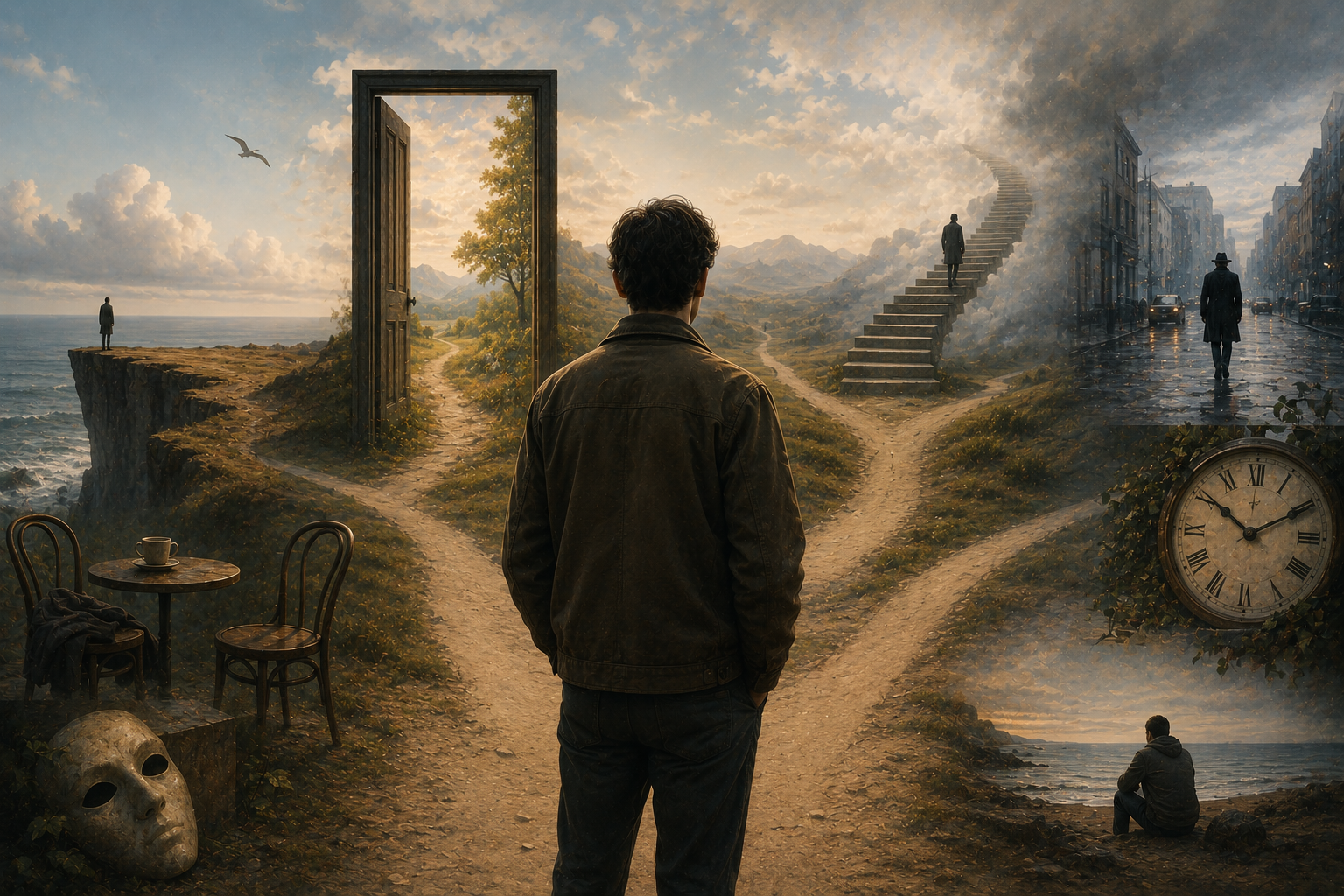
Some books do more than tell a story. Best Classic Existential Dread points us to works where characters face fear, meaning, guilt, and the strange weight of being alive.

These classics can feel dark, but they also help students think deeply about choice, purpose, and the human mind.

In this Guide

  • What classic existential dread means
  • Best Classic Existential Dread books to read
  • Key symbols and themes
  • Why these works matter for students
  • Book suggestions
  • FAQs
Classic Existential Dread

What Does Best Classic Existential Dread Mean?

Classic existential dread is the fear that life may not have a clear purpose.

In literature, this fear often appears through lonely characters, strange settings, and questions no one can fully answer. These stories do not always give comfort. They ask readers to sit with doubt.

The phrase Best Classic Existential Dread fits works that have lasted because they still feel real. Their worlds may be old, but their worries feel modern.

For a helpful background on existential thought, see Britannica’s overview of existentialism.

Best Classic Existential Dread Books Students Should Know

These works show fear, doubt, and meaning in sharp ways.

Franz Kafka’s The Metamorphosis is one of the clearest examples of Best Classic Existential Dread. Gregor Samsa wakes up as a giant insect, but the real horror is not just his body. It is how fast his family sees him as useless.

Albert Camus’s The Stranger explores a man who seems cut off from normal feeling. Meursault does not react the way society expects, which makes the world around him seem cold and absurd.

Fyodor Dostoevsky’s Notes from Underground gives readers a narrator full of anger and self-hate. He wants freedom, yet he traps himself in bitterness.

These books are not easy, but they reward close reading. They help students ask why people act against their own happiness.

Why Kafka Defines Best Classic Existential Dread

Kafka makes ordinary life feel like a nightmare.

In The Metamorphosis, Gregor worries about missing work even after his body changes. That detail is both sad and darkly funny. It shows how duty can erase a person’s sense of self.

Kafka’s dread comes from systems that no one can explain. Family, work, and society all become forces that judge Gregor without mercy.

This is why Kafka remains central to Best Classic Existential Dread. His stories show people crushed by rules they did not choose.

Existential Dread in American Classics

American literature often connects dread to dreams that fail.

F. Scott Fitzgerald’s The Great Gatsby is not usually called existential fiction, but it still carries deep dread. Gatsby builds his life around a dream that cannot survive reality.

The green light becomes a symbol of hope, but also of distance. It shows how desire can give life meaning while also causing pain.

For more on this idea, read our Great Gatsby analysis, which explores illusion, longing, and the cost of chasing the past.

In this way, Gatsby belongs near the world of Best Classic Existential Dread. His fear is not about monsters. It is about the empty space behind success.

Major Symbols in Best Classic Existential Dread

Symbols make inner fear visible.

In The Metamorphosis, Gregor’s insect body shows shame, isolation, and lost value. He becomes what he already fears he is to others: a burden.

In The Stranger, the sun often feels harsh and inescapable. It presses down on Meursault and makes the world feel strange, bright, and uncaring.

In The Great Gatsby, the green light points to longing that never ends. It is beautiful, but it is also out of reach.

These symbols help define Best Classic Existential Dread because they turn fear into something readers can see.

Common Themes: Meaning, Freedom, and Isolation

These stories often ask what humans do when certainty disappears.

One major theme is meaning. Characters search for purpose, but they often find silence instead of answers.

Another theme is freedom. Many characters are free in theory, yet trapped by fear, guilt, money, or social rules.

Isolation also matters. Existential dread grows when characters cannot connect with others, even when people surround them.

This is why Best Classic Existential Dread can feel intense. It does not only describe fear. It shows what happens when fear becomes a way of life.

Why Students Still Read These Books

These classics help students name feelings that are hard to explain.

Many teens and college readers know what it feels like to wonder if they are doing enough, choosing well, or living for the wrong goal. These books turn those fears into art.

They also build strong literary skills. Readers can track symbols, study unreliable narrators, and compare how different authors treat moral choice.

When students study Best Classic Existential Dread, they learn that literature can face darkness without giving up on thought.

These titles are strong picks for students, book clubs, or readers who want a deeper challenge.

  • The Metamorphosis by Franz Kafka
  • The Stranger by Albert Camus
  • Notes from Underground by Fyodor Dostoevsky

You may also pair these with modern poetry about alienation. The Poetry Foundation’s page on T. S. Eliot is a useful place to start.

How to Read Existential Classics Without Feeling Lost

Start with the character’s main fear.

Ask what the character wants, what blocks that desire, and what the story says about meaning. This keeps the reading focused.

Watch for repeated images. Doors, light, rooms, weather, and silence often matter in these works.

If the ending feels unclear, that may be the point. Best Classic Existential Dread often leaves readers with questions because the characters have questions too.

FAQs About Best Classic Existential Dread

What is the best book to start with?

The Metamorphosis is a strong first choice. It is short, strange, and rich in meaning.

Is existential dread the same as depression?

No. Existential dread is a fear or worry about meaning, freedom, death, or purpose. A book can explore these ideas without being only about depression.

Why do teachers assign these dark books?

Teachers often assign them because they lead to deep discussion. They also help students study symbols, tone, and theme.

Does The Great Gatsby count as existential dread?

It can. Gatsby’s dream gives his life meaning, but it also traps him. Our analysis of The Great Gatsby explains how illusion shapes the novel.

Are these books still worth reading today?

Yes. Best Classic Existential Dread still matters because people still ask hard questions about purpose, identity, and choice.

Key Takeaway

Best Classic Existential Dread is not just about fear. It is about what people do when life feels uncertain, unfair, or empty.

These books stay powerful because they do not offer easy answers. They invite readers to think, question, and face the strange parts of being human.
What Is Absurdism in Literature?

Absurdism in Literature

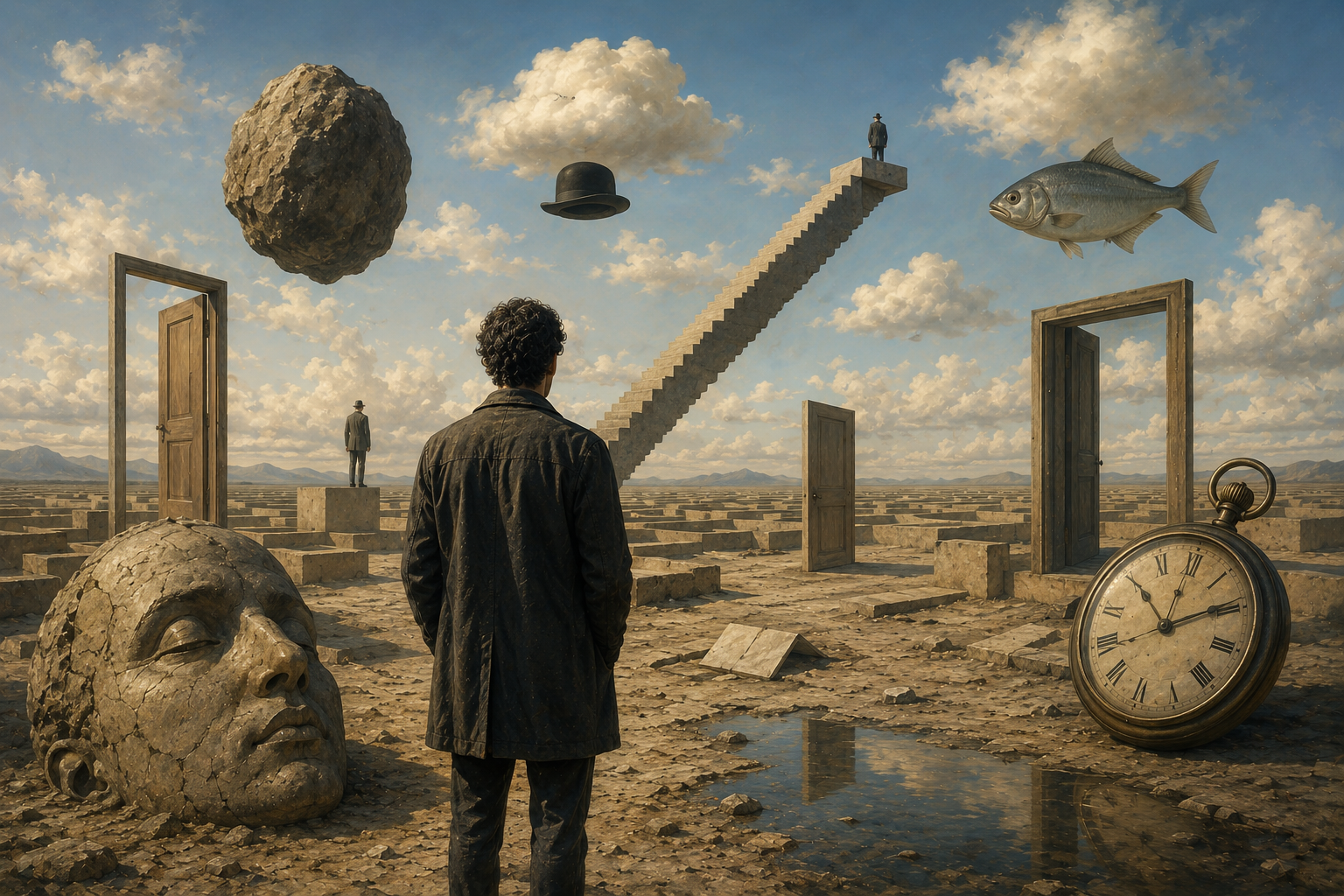
If you have ever asked, “What Is Absurdism in Literature?” the short answer is this: absurdism shows a world where life feels strange, unfair, or without clear meaning.

Writers use it to explore how people act when the universe gives them no easy answers.

In this Guide

What Is Absurdism in Literature? A Simple Definition

Absurdism is a literary idea about the clash between humans and a silent universe.

Put simply, what is absurdism in literature? It is the belief that people search for meaning, but the world does not always provide it.

That does not mean absurdist stories are pointless. In fact, they often ask deep questions about life, choice, death, and freedom.

An absurdist work may feel strange on purpose. Events may not make sense. Characters may repeat the same actions. Dialogue may sound simple but carry a heavy meaning.

What Is Absurdism in Literature? Why It Matters

Absurdism helps readers face hard questions without neat answers.

When students learn what is absurdism in literature, they start to notice how stories can question the rules of life itself.

Many works of literature show heroes who fight for love, justice, or success. Absurdist works often show people who face a world that does not reward them in a clear way.

This makes absurdism powerful. It captures confusion, fear, humor, and courage in a world that can feel random.

For more help with deeper reading skills, see this guide on how to read literature with a scholar’s mindset.

Absurdism vs. Existentialism

These two ideas are close, but they are not the same.

Existentialism often says people can create their own meaning through choice. Absurdism says people may search for meaning, but the universe may stay silent.

Think of it this way: existentialism asks, “How should I live?” Absurdism asks, “What if life has no clear answer, but I must live anyway?”

Albert Camus is one of the most famous writers linked to absurdism. You can read more about him through Britannica’s overview of Albert Camus.

Examples That Explain What Is Absurdism in Literature?

Famous works can make this idea much easier to see.

These works make what is absurdism in literature feel clear because they place ordinary people in strange or unfair situations.

The Stranger by Albert Camus

In The Stranger, Meursault seems emotionally distant from the world around him.

He does not react the way society expects. His story asks whether life has meaning, or whether people invent meaning after the fact.

Waiting for Godot by Samuel Beckett

In this play, two men wait for someone named Godot.

Godot never arrives. The waiting becomes the point, which makes the play funny, sad, and deeply strange.

For background on this style of drama, see Britannica’s guide to the Theatre of the Absurd.

The Metamorphosis by Franz Kafka

Gregor Samsa wakes up as a giant insect.

No one explains why it happens. The story focuses on how his family reacts and how Gregor loses his place in the world.

Common Signs of Absurdism in a Story

Absurdist literature often has clues you can spot as you read.

  • Characters face events that seem random or unfair.
  • The story may avoid a clear lesson.
  • Dialogue can feel repetitive or odd.
  • Humor may appear during serious moments.
  • The ending may leave questions open.

These signs do not mean the writer was careless. They often show how strange life can feel when people want meaning but cannot find proof of it.

How to Analyze What Is Absurdism in Literature?

A strong analysis begins with the gap between what a character wants and what the world gives back.

If an essay prompt asks, “What is absurdism in literature?” do not stop at the definition. Look at how the text creates discomfort.

Ask yourself: What does the character hope for? What blocks that hope? Does the story offer an answer, or does it leave the character stuck?

Then look at tone. Absurdist works often mix pain with humor. That mix can reveal the writer’s view of human life.

You can also use close reading strategies from this post on reading literature like a scholar.

Books to Read Next

If you want to explore absurdism, start with short works that are often taught in high school and college classes.

  • The Stranger by Albert Camus
  • Waiting for Godot by Samuel Beckett

FAQ: What Is Absurdism in Literature?

What is absurdism in literature in one sentence?

Absurdism in literature shows people searching for meaning in a world that gives no clear answer.

Is absurdism always depressing?

No. Absurdist works can be dark, but they can also be funny. The humor often comes from how strange life can feel.

Who is the most famous absurdist writer?

Albert Camus is one of the best-known writers linked to absurdism, though Samuel Beckett and Franz Kafka are also major names.

How is absurdism useful in an essay?

It helps you explain conflict, tone, and theme when a story does not offer a simple moral.

Key Takeaway

The best answer to “What Is Absurdism in Literature?” is this: it is a way of writing about people who want meaning, even when life refuses to explain itself.

When you read an absurdist work, watch how characters respond to confusion. Their reaction is often where the real meaning begins. 📚

Existential Themes in Fiction

Existential themes
Existential themes

Existential Themes in Fiction help readers ask big questions about life, choice, freedom, fear, and meaning. These themes can feel heavy at first, but many famous novels and stories use them in clear, powerful ways.

If you are studying literature or choosing a book for class, this guide will help you spot existential ideas and explain them with confidence.

In this Guide

  • What existential themes mean
  • Why these themes matter in stories
  • Common signs to look for
  • Examples from well-known books
  • How to write about existential themes
  • Book suggestions
  • FAQ

What Are Existential Themes in Fiction?

Existential themes focus on how people face life when there are no easy answers.

At the center of these stories is a simple but deep question: What does life mean? Characters may feel lost, trapped, or unsure of who they are.

Existential Themes in Fiction often show people who must make hard choices. They cannot depend on society, religion, family, or tradition to give them a clear path.

This does not always mean the story is hopeless. Many works show that meaning can come from action, honesty, love, or personal courage.

For more background on the philosophy behind these ideas, you can read Britannica’s overview of existentialism.

Why Existential Themes in Fiction Matter

These themes matter because they connect literature to real human fears.

Students often meet existential ideas in books where characters feel alone or confused. That can sound dark, but it is also very real.

People ask hard questions at many points in life. Who am I? What should I do? Does my choice matter?

Existential Themes in Fiction help readers see those questions in action. Instead of giving a lecture, the story lets us watch a character struggle.

This makes the theme easier to understand. We see how fear, freedom, and choice shape a person’s life.

Common Signs of Existential Themes in Fiction

You can spot existential ideas by watching what a character fears and chooses.

One common sign is isolation. A character may feel cut off from friends, family, or the world.

Another sign is a crisis of meaning. The character may ask why life matters or why people follow certain rules.

A third sign is moral choice. The character may need to act without a clear guide.

If you need help separating theme from plot, this guide on how to identify theme in literature can help you build a stronger reading method.

Major Existential Themes in Fiction

Most existential stories return to a few core ideas about human life.

Freedom and Responsibility

Existential fiction often shows that freedom is not always easy. If a person is free to choose, that person must also face the results.

This can create fear. A character may want someone else to decide, but the story forces them to act.

Alienation and Loneliness

Many characters feel like outsiders. They may live in a crowded city or belong to a family, yet still feel alone.

This theme asks whether people can truly understand one another.

The Search for Meaning

Some stories show characters who no longer trust old answers. They may question work, faith, law, or social success.

The key point is not always to find one final answer. Often, the search itself reveals the character’s deepest values.

Absurdity

Absurdity appears when life seems strange, unfair, or without clear order. A character may try to make sense of events that do not make sense.

This theme is common in modern fiction, especially after war or social crisis.

Examples of Existential Themes in Fiction

Famous books often make existential ideas easier to see.

The Stranger by Albert Camus

Camus’s novel is one of the clearest examples of Existential Themes in Fiction. The main character, Meursault, seems emotionally distant from the world around him.

He does not react the way society expects. Because of this, readers must ask what makes a life moral or meaningful.

The novel also explores absurdity. The world does not explain itself, and Meursault does not pretend that it does.

The Metamorphosis by Franz Kafka

In Kafka’s story, Gregor Samsa wakes up transformed into a giant insect. The strange event is never explained.

This makes the story feel absurd, but its emotional truth is clear. Gregor feels useless, unwanted, and trapped by duty.

The story shows alienation in a sharp way. Gregor is near his family, but he becomes more alone with each scene.

Crime and Punishment by Fyodor Dostoevsky

Raskolnikov believes he can place himself above normal moral rules. His crime becomes a test of his ideas.

The novel explores guilt, freedom, and responsibility. It shows that ideas have real costs when people act on them.

This is a strong choice for students who want to study moral conflict in depth.

Hamlet by William Shakespeare

Hamlet is not usually called an existential novel, but the play has many existential questions. He wonders about death, action, truth, and the purpose of life.

His famous “To be, or not to be” speech asks whether life is worth the pain it brings. That question sits at the heart of many existential works.

You can explore Shakespeare’s works through the British Library’s Shakespeare resources.

How to Analyze Existential Themes in Fiction for Class

A strong analysis connects a character’s choices to the story’s larger message.

Start with the character’s conflict. Ask what the character wants, fears, or avoids.

Next, look for moments of choice. Existential stories often turn on a decision that reveals who the character is.

Then connect the choice to a theme. For example, if a character rejects social rules, the theme may focus on freedom or alienation.

Existential Themes in Fiction are not just “sad ideas.” They are about how people respond when life feels uncertain.

If you plan to write an essay, choose one main theme and prove it with short quotes. Do not try to cover every idea in the book.

Practical Takeaways for Students

Existential literature becomes easier when you know what to track.

Watch for questions about meaning. These may appear in dialogue, inner thoughts, or major plot choices.

Notice how the setting affects the mood. Empty rooms, courts, cities, and prisons can all show isolation.

Pay close attention to endings. Many existential works do not solve every problem, but the ending can show what the character has learned or refused to learn.

When studying Existential Themes in Fiction, do not panic if the book feels strange. That feeling may be part of the point.

Books to Search for on Amazon

These books are useful for students who want strong examples of existential ideas.

  • The Stranger by Albert Camus
  • The Metamorphosis by Franz Kafka
  • Crime and Punishment by Fyodor Dostoevsky

These works are common in high school, AP Literature, and college courses. They also give readers rich material for essays about choice, guilt, alienation, and meaning.

FAQ About Existential Themes in Fiction

What does existential mean in literature?

It means the story explores life’s biggest questions, such as freedom, death, choice, and meaning.

Are Existential Themes in Fiction always depressing?

No. Some stories are dark, but many show that people can create meaning through honest choices.

What is the easiest existential book to start with?

The Metamorphosis by Franz Kafka is a good start because it is short and clear in its main conflict.

How do I write a thesis about existential themes?

Focus on one idea. For example, you might argue that a character’s isolation reveals the story’s view of human freedom.

Key Takeaway

Existential Themes in Fiction help readers study how people face fear, freedom, and uncertainty. The best way to understand them is to track a character’s choices and ask what those choices say about life.

Most Influential Forbidden Knowledge in Literature: Books, Symbols, and Themes

forbidden knowledge

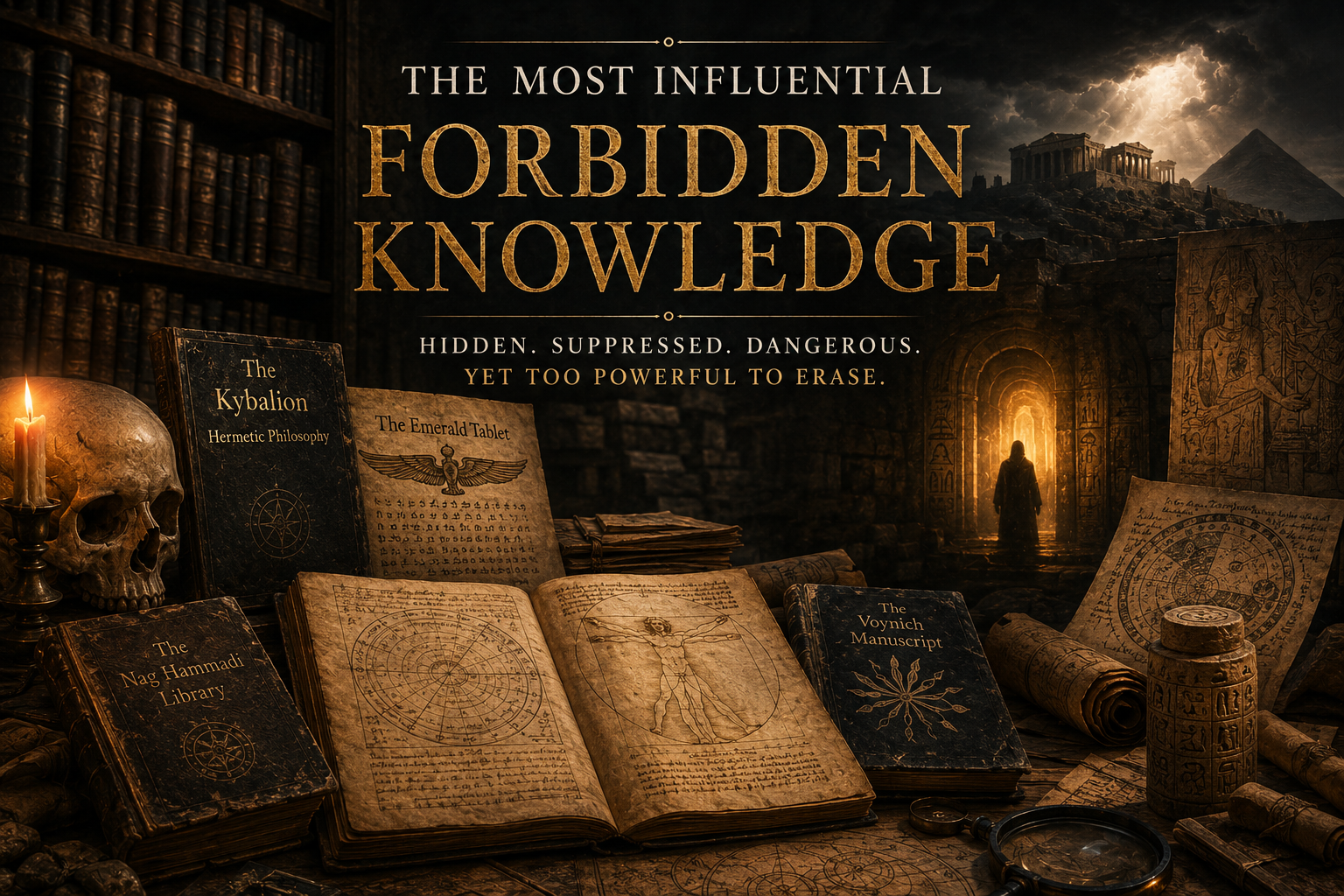
Stories about the Most Influential Forbidden Knowledge ask a sharp question: what happens when people learn what they were never meant to know? From ancient myths to modern novels, these works show how truth can free people, tempt them, or destroy them.

In this Guide

forbidden knowledge

What Does Forbidden Knowledge Mean?

Forbidden knowledge is truth that a person, group, or system tries to hide.

In literature, this can mean a secret book, a banned idea, a hidden history, or a dangerous scientific discovery. The knowledge is “forbidden” because someone in power fears what it might do.

The Most Influential Forbidden Knowledge often changes the hero’s life. Once the truth is known, the character cannot return to innocence.

This idea appears in myths, religious stories, Gothic novels, dystopian fiction, and campus novels. It stays popular because readers understand the pull of secrets.

Most Influential Forbidden Knowledge in Classic Literature

Classic literature uses forbidden knowledge to test human desire, pride, and fear.

One of the oldest examples is the Tree of Knowledge in the Book of Genesis. Adam and Eve gain knowledge, but that knowledge brings loss. The story shapes much of Western literature because it links knowledge with choice and consequence.

Greek myth gives us Prometheus, who steals fire for humans. Fire stands for power, craft, and progress. Yet Prometheus suffers because he gives humans a gift the gods wanted to control.

In Paradise Lost, John Milton turns the fall of humanity into a grand poem about rebellion, pride, and desire. The poem asks why people choose danger when they know the cost. You can learn more about Milton through the Poetry Foundation’s John Milton page.

Mary Shelley’s Frankenstein is another key work. Victor Frankenstein learns how to create life, but he lacks wisdom. His discovery becomes a warning about science without care.

These works help explain why the Most Influential Forbidden Knowledge is never just about facts. It is about what people do after they gain those facts.

Why Most Influential Forbidden Knowledge Still Matters Today

Forbidden knowledge feels modern because we still argue over who controls truth.

Books are banned. Data is hidden. Governments shape history. Schools debate what students should read. These real issues make older stories feel fresh.

In George Orwell’s 1984, the Party controls language, memory, and truth. Winston wants to know what life was like before the Party. That desire becomes an act of rebellion.

In Ray Bradbury’s Fahrenheit 451, books are illegal because they make people think and question. Firefighters burn books instead of saving homes. The novel turns censorship into a warning about comfort, fear, and silence.

The Most Influential Forbidden Knowledge in these novels matters because it shows how truth can threaten power.

Modern Books That Explore Forbidden Knowledge

Modern authors often connect forbidden knowledge to identity, memory, and social control.

In Margaret Atwood’s The Handmaid’s Tale, women are denied reading, writing, and public power. Knowledge becomes a way to resist a cruel system. Even small memories of the past matter.

In Umberto Eco’s The Name of the Rose, a hidden book causes fear inside a medieval monastery. The mystery asks whether laughter, thought, and free debate can weaken authority.

Philip Pullman’s His Dark Materials also uses forbidden knowledge in a bold way. Lyra’s world is full of rules that adults refuse to explain. Her search for truth becomes a fight for freedom.

These stories show that the Most Influential Forbidden Knowledge can appear in many forms, from banned books to hidden memories.

Symbols and Themes in Most Influential Forbidden Knowledge

Writers often use symbols to show why hidden truth feels powerful.

Books are one of the clearest symbols. A book can stand for memory, freedom, or danger. In Fahrenheit 451, books become a sign of human thought itself.

Fire is another strong symbol. It can mean light, learning, and destruction. Prometheus gives fire to humans, while Bradbury’s firefighters use fire to erase ideas.

Doors, locked rooms, and secret libraries also appear often. They show the border between safety and truth. Once a character crosses that border, the story changes.

The main themes are power, curiosity, guilt, and responsibility. These themes are useful for essays because they connect character choices to larger ideas. If you want help naming these tools, see this guide to literary devices.

The Most Influential Forbidden Knowledge often asks one hard question: should every truth be known?

These books are strong choices for students who want to study forbidden knowledge in literature.

  • Frankenstein by Mary Shelley: A major Gothic novel about science, ambition, and moral duty.
  • Fahrenheit 451 by Ray Bradbury: A short, powerful dystopian novel about censorship and the value of books.

Both works are often taught in high school and college. They also pair well with essays about symbolism, conflict, and theme.

For background on Shelley’s novel, visit Britannica’s page on Frankenstein.

How to Write About Most Influential Forbidden Knowledge in an Essay

A strong essay should focus on the cost of knowledge.

Start by asking who hides the truth. Then ask who seeks it and why. This helps you move beyond plot summary.

You can also look at symbols. A secret book, a flame, or a locked room can reveal the story’s deeper meaning.

For example, an essay on Frankenstein might argue that Victor does not fail because he learns too much. He fails because he refuses care, honesty, and responsibility.

That point makes the Most Influential Forbidden Knowledge more complex. The problem is not always knowledge itself. The problem is how people use it.

FAQs About Most Influential Forbidden Knowledge

What is the Most Influential Forbidden Knowledge in literature?

The Most Influential Forbidden Knowledge often includes hidden truth, banned books, secret science, or knowledge of good and evil. Famous examples appear in Genesis, Frankenstein, and Fahrenheit 451.

Why do writers use forbidden knowledge?

Writers use it to create conflict and raise moral questions. It helps show what characters want and what they fear.

Is forbidden knowledge always bad?

No. Many stories show that knowledge can free people. The danger often comes from pride, control, or fear.

What theme connects most forbidden knowledge stories?

The main theme is responsibility. A character must decide what to do with the truth once they have it.

Key Takeaway

The Most Influential Forbidden Knowledge in literature is powerful because it links truth with risk. These stories remind us that knowledge can open minds, but it also demands courage and care.

For students, this topic is a rich path into theme, symbolism, and character analysis. It turns a simple question into a lasting one: what truths are worth the cost?

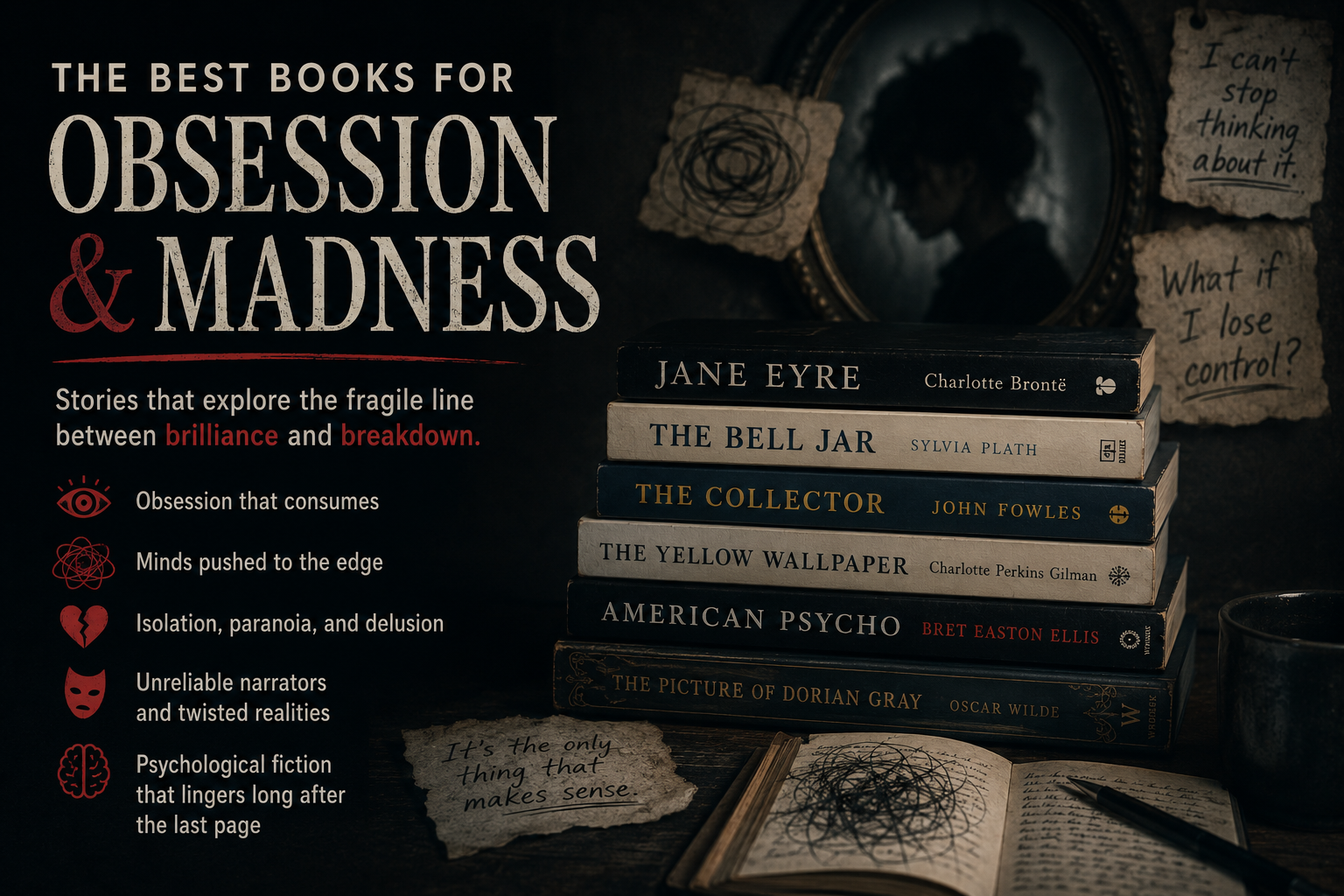
Best Books for Obsession and Madness: Dark Reads that Stay with You

Best Books for Obsession and Madness

The Best Books for Obsession and Madness show what happens when desire, fear, or guilt takes over a person’s mind. These stories are intense, but they also help readers think about power, love, art, and the fragile line between control and chaos.

In this Guide

Best Books for Obsession and Madness

Why the Best Books for Obsession and Madness Grip Readers

Stories about obsession feel powerful because they show emotions pushed to the edge.

A character may want love, fame, revenge, or truth. At first, the goal may seem normal. Then it grows too large and begins to damage the character’s life.

Madness in literature is not always simple. It can show fear, grief, guilt, or social pressure. In many books, readers must ask if a character is truly losing touch with reality or if the world around them is broken.

The Best Books for Obsession and Madness often make us uneasy because they reflect real human fears. What if we want something too much? What if our thoughts become a trap?

Best Books for Obsession and Madness in Classic Literature

Classic literature gives us some of the most famous examples of minds under pressure.

“The Tell-Tale Heart” by Edgar Allan Poe is one of the clearest stories about guilt and mental collapse. The narrator insists he is sane, but his actions prove the opposite. His obsession with the old man’s eye leads to murder, panic, and confession.

Poe’s work is central to this topic because he often wrote about fear, death, and unstable minds. You can read more about his poetry and legacy at the Poetry Foundation.

Macbeth by William Shakespeare is another key text. Macbeth becomes obsessed with power after he hears a prophecy. His mind fills with fear, blood, and suspicion. Lady Macbeth also breaks under the weight of guilt.

Frankenstein by Mary Shelley shows obsession through science and creation. Victor Frankenstein wants to conquer death, but his dream turns into horror. His refusal to take care of what he creates leads to pain for everyone around him.

These works remain part of the Best Books for Obsession and Madness because they show how one fixed idea can destroy a life.

Modern Best Books for Obsession and Madness

Modern novels often place obsession in daily life, which can make it feel even more real.

The Secret History by Donna Tartt follows a group of college students drawn into beauty, pride, and moral decay. Their obsession with ancient Greek ideas leads them away from normal limits. The novel asks how smart people can justify terrible choices.

Rebecca by Daphne du Maurier is a haunting novel about memory and jealousy. The dead Rebecca controls the house of Manderley even after death. The new Mrs. de Winter feels trapped by a woman she never met.

Gone Girl by Gillian Flynn gives a modern view of obsession inside marriage, media, and image. The novel shows how control can hide behind charm. It also asks how much of a public story is true.

The Best Books for Obsession and Madness do not always need ghosts or castles. Sometimes the most frightening place is a home, a classroom, or a relationship.

How the Best Books for Obsession and Madness Use Symbols

Symbols help readers see what a character cannot say out loud.

In “The Tell-Tale Heart,” the old man’s eye becomes a symbol of fear and fixation. The beating heart becomes a symbol of guilt. The narrator hears it because his mind will not let him escape what he has done.

In Macbeth, blood is the most famous symbol. At first, it shows violence. Later, it shows guilt that cannot be washed away. Lady Macbeth’s hand-washing scene makes this idea clear.

In Rebecca, Manderley is more than a house. It is a symbol of memory, class, and control. The setting keeps Rebecca’s power alive.

If you want help with this skill, read our guide on how to find symbolism in a story. It can help you spot patterns in objects, colors, places, and repeated images.

The Best Books for Obsession and Madness often use symbols that grow darker as the story moves forward.

Major Themes in Books About Obsession and Madness

These stories often return to a few deep questions about human nature.

Guilt is one of the most common themes. Characters may try to hide what they have done, but their minds bring the truth back.

Power also plays a major role. Macbeth wants a crown. Victor Frankenstein wants power over life. Their need for control leads to loss.

Identity is another key theme. Characters may not know who they are once obsession takes hold. They may lie so much that the lie becomes part of them.

Some of these books also connect to Gothic literature, a genre full of mystery, fear, strange settings, and dark emotion. For background, see Britannica’s guide to the Gothic novel.

These titles are strong choices if you want to read more in this dark literary area.

  • Frankenstein by Mary Shelley: A classic novel about ambition, science, and moral responsibility.
  • The Secret History by Donna Tartt: A literary mystery about beauty, pride, and obsession in a college setting.

Both books fit well with the Best Books for Obsession and Madness because they show smart characters who lose control of their choices.

Why Students Should Study the Best Books for Obsession and Madness

These books are useful for essays because they give clear conflicts and strong symbols.

For AP Literature or college classes, they also offer rich character studies. You can write about point of view, unreliable narration, setting, theme, or moral choice.

The Best Books for Obsession and Madness also help students build close reading skills. A small detail, like a sound or object, may reveal a character’s hidden fear.

When you read, ask simple questions. What does the character want? What line do they cross? What symbol shows that their mind has changed?

FAQs About the Best Books for Obsession and Madness

What are the Best Books for Obsession and Madness for beginners?

Start with “The Tell-Tale Heart,” Macbeth, or Frankenstein. These works are famous, short enough to study closely, and full of strong symbols.

Why do authors write about madness?

Authors use madness to explore fear, guilt, grief, and pressure. It can show how a person breaks when they can no longer face the truth.

Is obsession always shown as evil in literature?

No. Obsession can begin as love, ambition, or curiosity. It becomes dangerous when it harms others or destroys the character’s sense of right and wrong.

What symbols often appear in stories about obsession?

Common symbols include eyes, blood, mirrors, houses, letters, and repeated sounds. These details often point to guilt, control, or fear.

Key Takeaway: Why These Dark Stories Matter

The Best Books for Obsession and Madness stay with us because they show how fragile the human mind can be. They remind us that one desire, one fear, or one secret can change everything.

For students, these books are more than dark stories. They are powerful tools for close reading, theme analysis, and deeper thought about human nature.

error

Enjoy this article? Please spread the word :)

Follow by Email
BLUESKY
fb-share-icon
Reddit
LinkedIn
Share
RSS