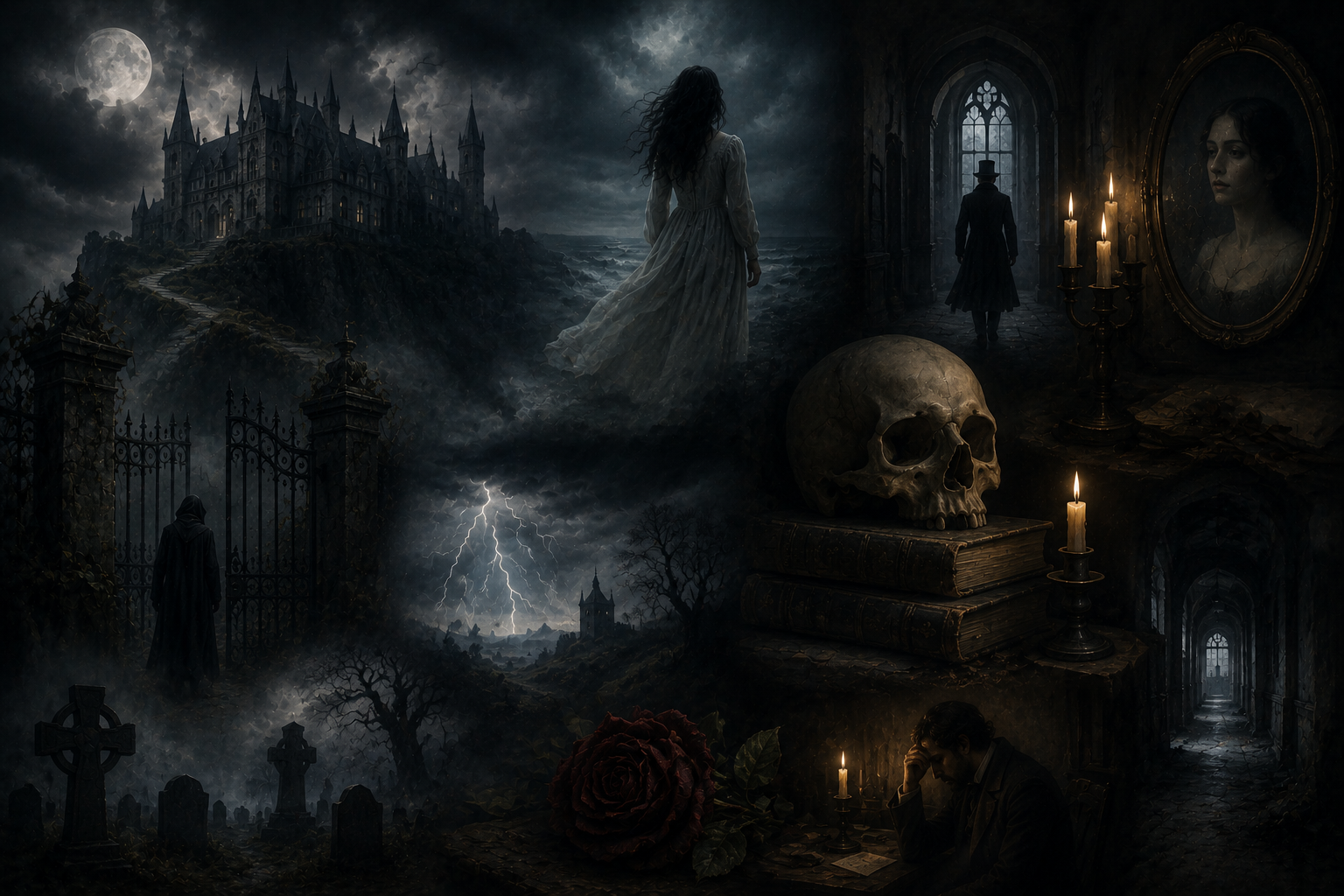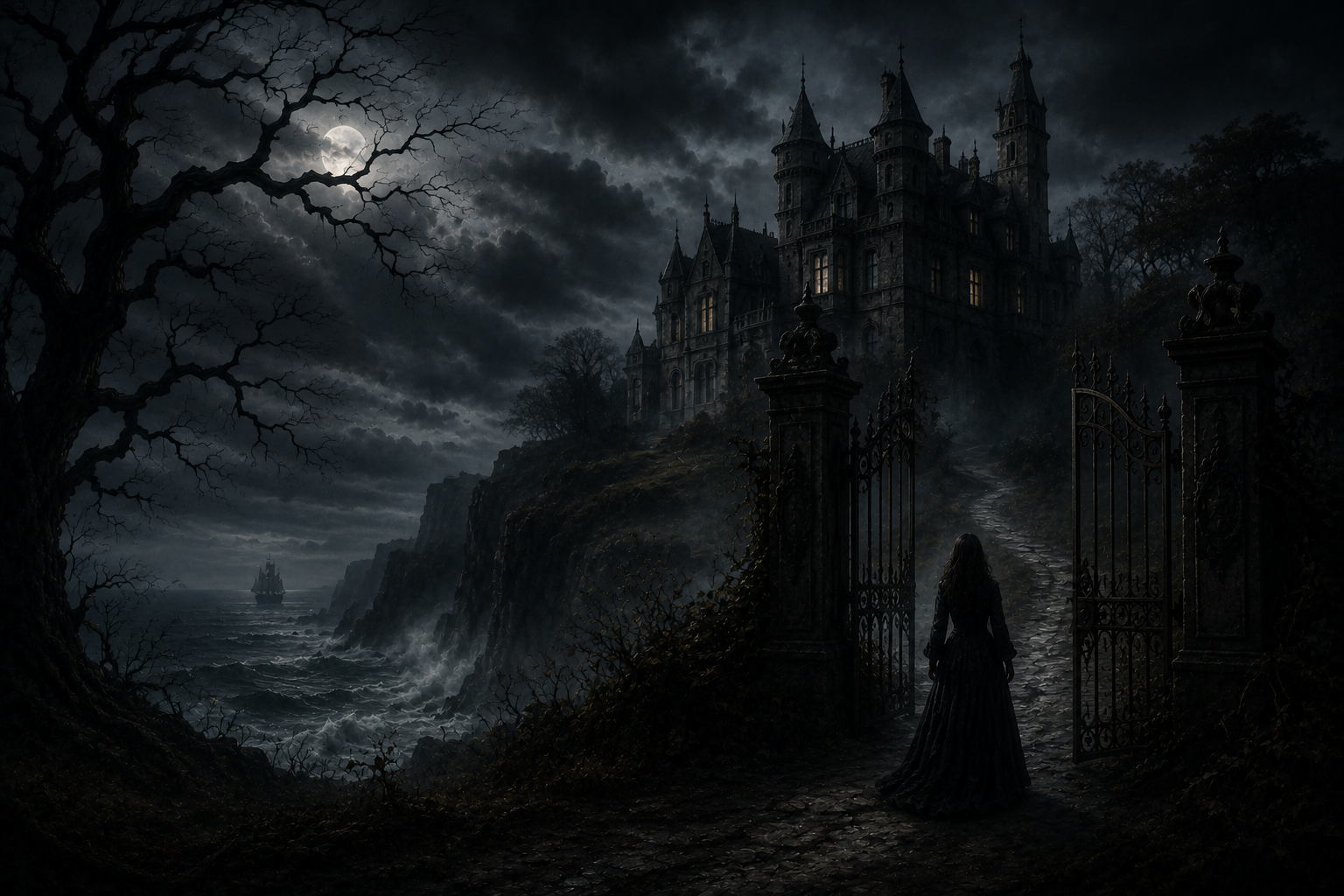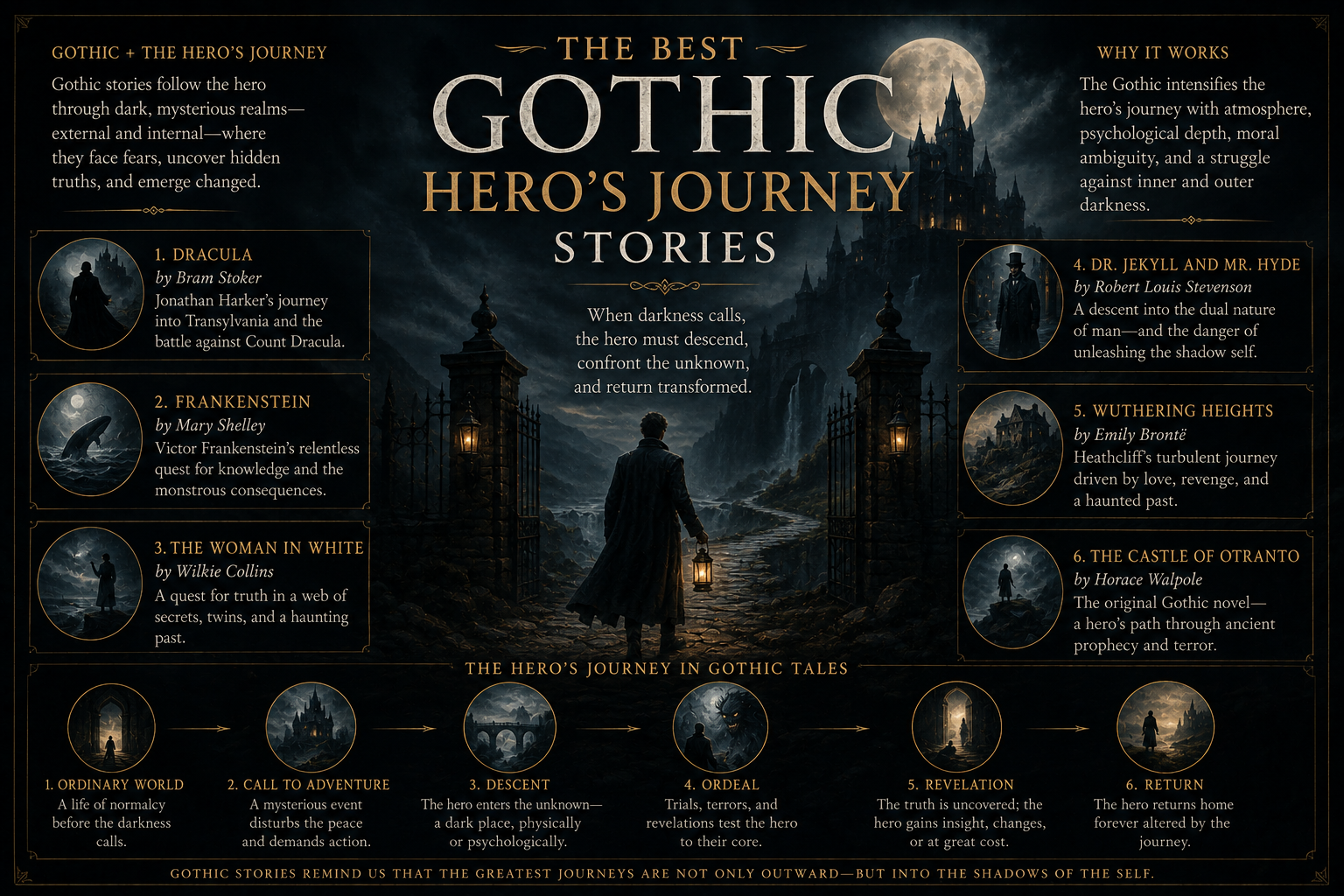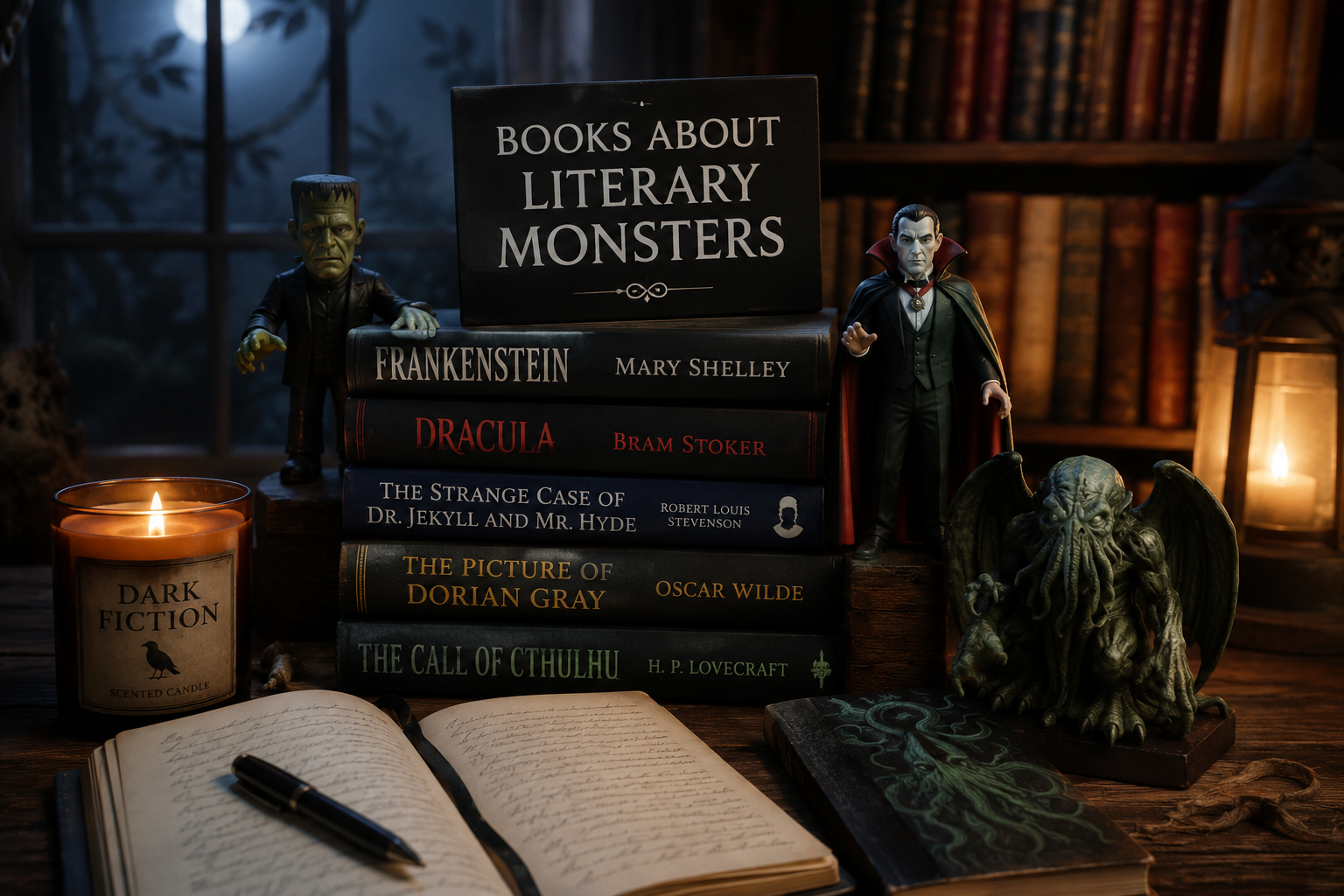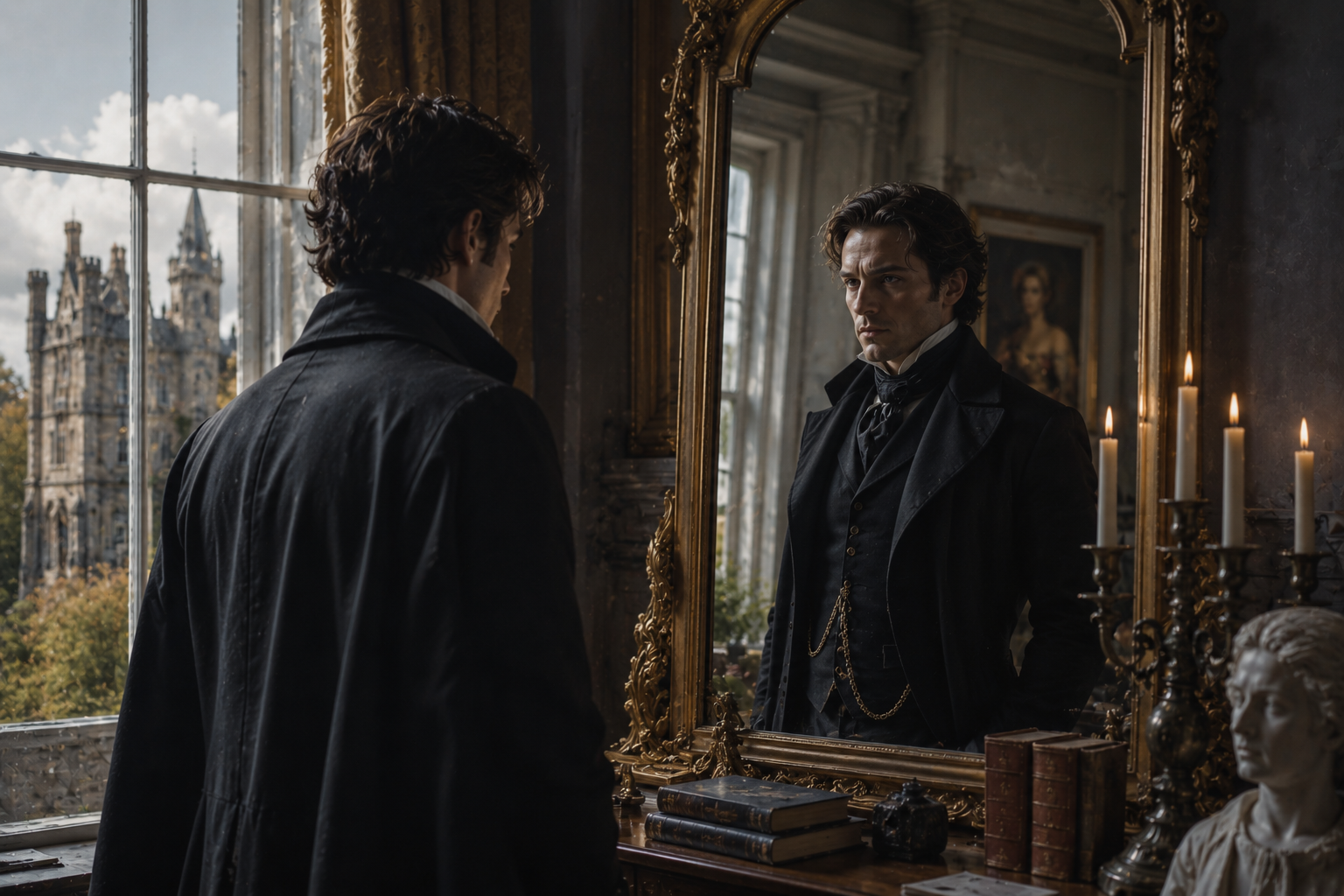
The best Gothic villains and moral complexity go hand in hand because Gothic stories rarely give us simple evil. These characters scare us, but they also make us ask hard questions about guilt, power, desire, and choice.
From Dracula to Heathcliff, Gothic villains often show the dark side of human nature. That is why they still matter in classrooms, book clubs, and late-night reading sessions. 🕯️
In this Guide
- What makes Gothic villains different
- Why moral complexity matters
- Famous Gothic villains in literature
- How symbolism shapes Gothic evil
- Recommended books to read
- Questions students often ask
- Key takeaway
Why Best Gothic Villains and Moral Complexity Still Fascinate Readers
Gothic villains stay with us because they are not always evil for no reason.
The phrase best Gothic villains and moral complexity points to one of the genre’s biggest strengths. Gothic fiction turns fear into a mirror. It asks readers to look at what people hide, deny, or fear inside themselves.
A Gothic villain may be cruel, but that cruelty often grows from pain, pride, loss, or obsession. This does not excuse the villain. It makes the story harder to dismiss.
That is why Gothic villains work so well in school essays. They help students explore character motives, symbols, and themes without simple answers.
What Makes a Gothic Villain Different?
Gothic villains are shaped by mood, setting, and secrecy.
A regular villain may want money or control. A Gothic villain often wants something deeper, such as freedom from shame, escape from death, or power over love.
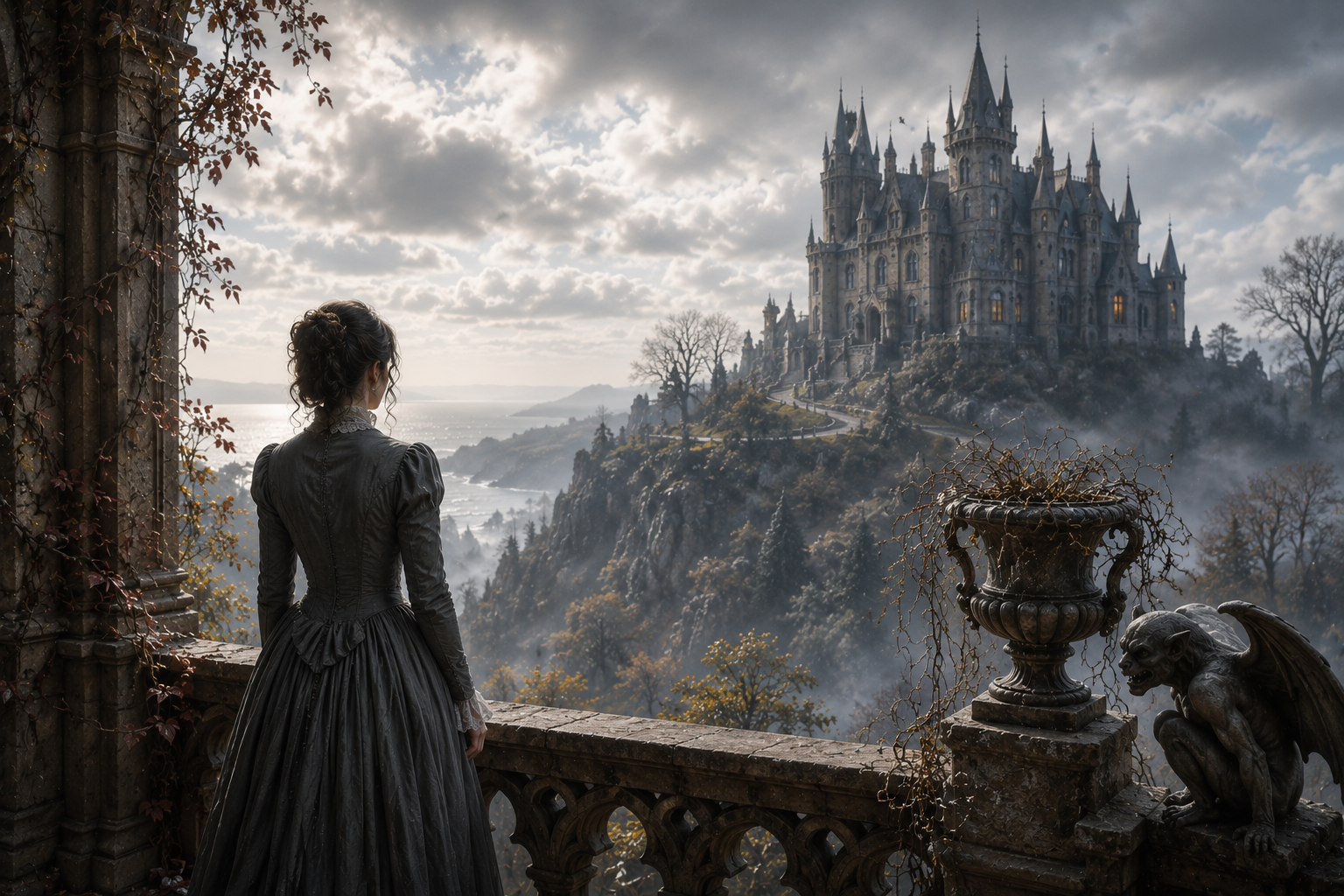
These villains often live in dark houses, ruined castles, or isolated places. The setting reflects their inner life. The outside world becomes a map of the mind.
For a helpful background on the genre, see Britannica’s overview of Gothic fiction.
Best Gothic Villains and Moral Complexity in Famous Literature
The most famous Gothic villains are memorable because they disturb us and attract us at the same time.
Count Dracula in Bram Stoker’s Dracula is a clear example. He is violent and predatory, yet he also stands for fear of the unknown, fear of desire, and fear of social change.
In this way, best Gothic villains and moral complexity appear through Dracula’s role as both monster and symbol. He is not only a person to defeat. He is also a sign of what Victorian society feared.
Heathcliff in Emily Brontë’s Wuthering Heights is even harder to judge. He causes deep harm, but he is also shaped by rejection, class cruelty, and emotional loss.
Victor Frankenstein from Mary Shelley’s Frankenstein is not a classic villain in a simple sense. Still, his pride and refusal to care for his creation lead to ruin. His moral failure makes him one of Gothic literature’s most important dark figures.
If you want to study these characters more closely, start with this guide on how to analyze characters in literature.
Why Moral Complexity Makes These Villains More Powerful
A flat villain scares us for a moment. A complex villain stays in the mind.
Moral complexity means a character cannot be judged in one quick sentence. The reader must weigh their actions, motives, history, and choices.
This is key to the best Gothic villains and moral complexity. These characters force us to ask if evil comes from nature, society, trauma, or free will.
Mary Shelley’s creature in Frankenstein shows this tension. He commits terrible acts, but he also suffers rejection and loneliness. Readers may fear him and pity him at the same time.
That mixed response is the heart of Gothic reading. The genre does not let us feel safe for long.
Symbols and Themes: Villains and Moral Complexity
Gothic villains often carry the main symbols of the story.
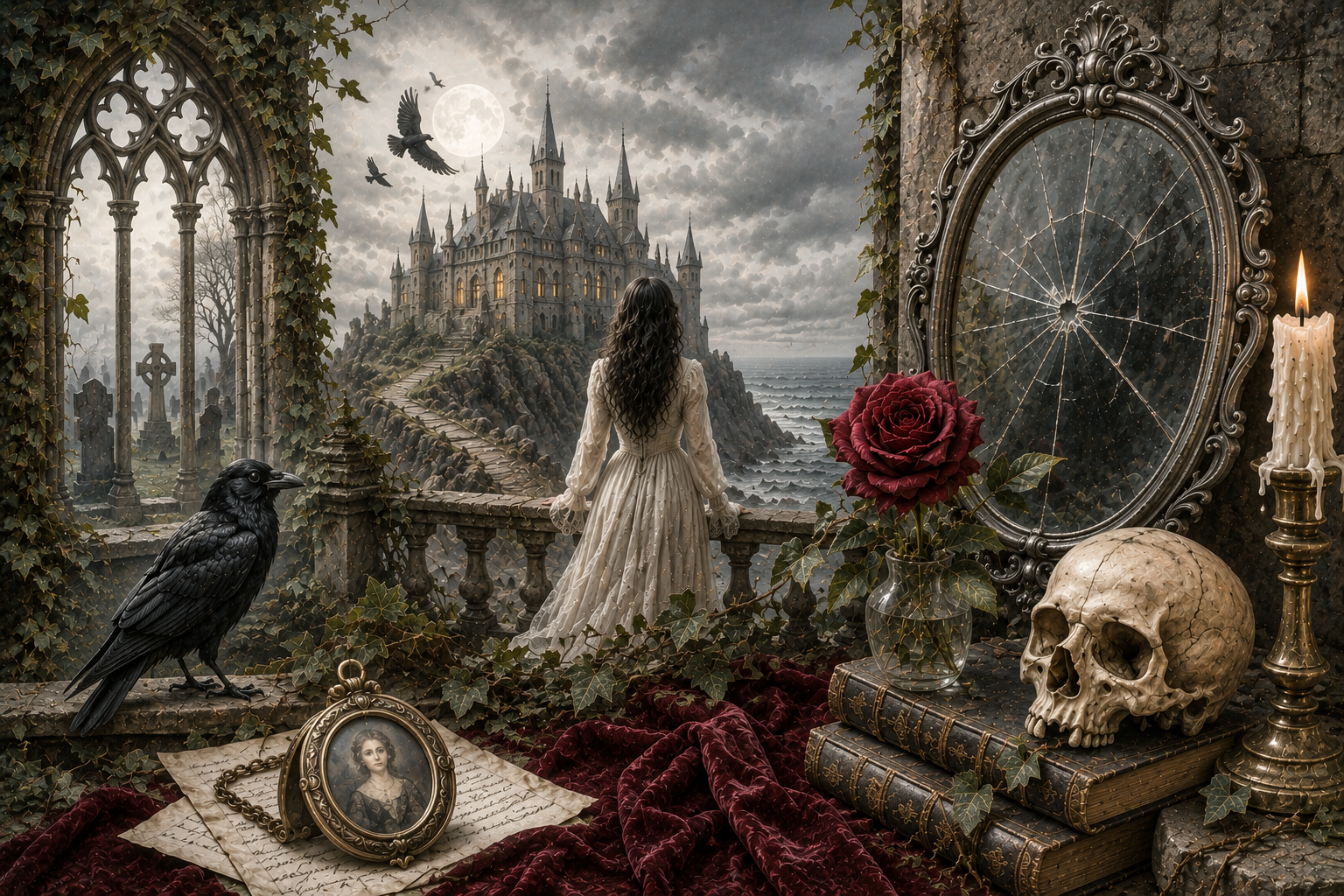
Dark houses often suggest secrets. Locked rooms can show hidden guilt. Storms may reflect emotional chaos. These symbols help explain why the best Gothic villains and moral complexity feel so rich.
In Jane Eyre, Thornfield Hall holds secrets tied to Mr. Rochester’s past. Rochester is not the main villain in the same way Dracula is, but his moral choices shape the Gothic tension of the novel.
In Edgar Allan Poe’s stories, guilt often becomes almost physical. A sound, a shadow, or a room can seem alive with fear. You can explore Poe’s work through the Poetry Foundation’s Edgar Allan Poe page.
Common Gothic themes include guilt, forbidden desire, power, isolation, and the fear of losing control. These themes make villains feel tied to real human struggles.
Recommended Books for Best Gothic Villains and Moral Complexity
These books are strong choices for students who want clear examples of Gothic villains with depth.
- Frankenstein by Mary Shelley: A powerful novel about creation, guilt, and responsibility.
- Dracula by Bram Stoker: A classic Gothic text about fear, desire, and the threat of the unknown.
Both books show why the best Gothic villains and moral complexity matter in literary study. They give readers more than fear. They offer moral questions that do not fade after the final page.
How Students Can Analyze Gothic Villains
Start with what the villain wants.
Then ask what the story reveals about their past. A Gothic villain’s history often explains their fears, but it should not erase their responsibility.
Look at setting next. If a villain lives in a decaying house or hidden room, that space may reflect guilt, pride, or fear.
Notice how other characters react to the villain. Fear, pity, attraction, and disgust can all reveal the villain’s role in the story.
This approach works well for essays about best Gothic villains and moral complexity because it connects character, theme, and symbol in one argument.
Best Gothic Villains and Moral Complexity in Modern Culture
Modern books, films, and shows still borrow from Gothic tradition.
Many modern villains are not pure monsters. They may have tragic pasts, divided motives, or moments of weakness. This comes from the same Gothic interest in the hidden self.
That is why best Gothic villains and moral complexity remains a useful idea beyond older novels. It helps explain why audiences are drawn to characters who are dangerous but not simple.
Good Gothic villains make us uncomfortable because they blur the line between monster and human. That blur is where the genre does its strongest work.
FAQ: Best Gothic Villains and Moral Complexity
What makes a Gothic villain morally complex?
A morally complex Gothic villain has motives, fears, or wounds that make readers think harder about their choices. The villain may be cruel, but the story gives reasons to study them closely.
Is Frankenstein’s creature a villain?
He can be read as a villain, a victim, or both. His actions are violent, but his pain and rejection make him morally complex.
Why are Gothic villains often linked to old houses or castles?
Gothic settings often reflect the villain’s mind. A ruined home or locked room can suggest secrets, guilt, or hidden trauma.
Who is the best Gothic villain for an essay?
Heathcliff, Dracula, and Victor Frankenstein are strong choices. Each one gives students enough evidence to discuss motives, symbols, and moral conflict.
Key Takeaway
The best Gothic villains and moral complexity matter because they turn fear into thought. They remind us that literature’s darkest characters often reveal the hardest truths about human nature.
Gothic villains are not powerful only because they scare us. They are powerful because they make us question what evil is, where it begins, and why it can feel so close.